No Case Should Remain Unsolved is built around a cold case and scattered memory fragments. Its tension comes from close reading: statements arrive without a dependable order, and the player has to decide which details belong together. That makes it a useful starting point for a short mystery session, but it also raises a practical question after the credits: do you want another story to untangle, a system to interrogate, or a place to inspect?
The three games below share an interest in deduction, but they ask for different habits. No Case Should Remain Unsolved is the pick for readers who enjoy reconstructing testimony. Database Detective: Minor Crimes Division suits players who like turning a mass of records into a lead. Confidential Killings - A Detective Game is the more traditional route, with crime scenes and physical clues at the center.
No Case Should Remain Unsolved: read the gaps
Somi's mystery follows former detective Jeon Gyeong as she revisits the disappearance of a girl twelve years after the original investigation. PLAYISM describes the game as a text-based adventure in which scattered memories must be rearranged, while the Steam listing specifies 54 conversations and two hidden truths. This is the choice when the pleasure is in noticing a contradiction, returning to a line, and slowly changing your understanding of a witness. The PlayStation 5 version arrived on August 19, 2026, alongside the existing PC and Switch editions.
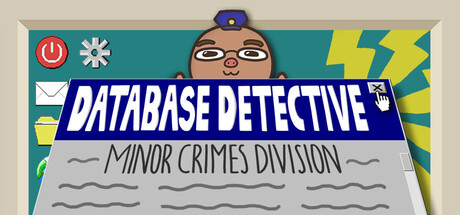
Database Detective: Minor Crimes Division: search the paper trail
Database Detective: Minor Crimes Division takes the investigation toward records, names, and connections. Rather than asking you to inhabit a single dramatic scene, it frames small cases through a database-driven approach. That change of pace is valuable after No Case Should Remain Unsolved: the challenge becomes finding the useful entry, checking what relates to it, and resisting the temptation to treat every result as equally important. It is a good follow-up if you enjoy the procedural side of a mystery and want to spend more time with information architecture than with a fixed sequence of dialogue.
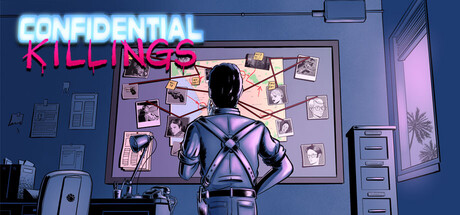
Confidential Killings - A Detective Game: inspect the scene
Confidential Killings moves the emphasis outward. Its Steam description presents a murder story about actors, writers, and producers, then asks players to examine crime scenes, find clues, reconstruct events, and identify the culprit. That makes it the clearest option when you want deduction to involve environments as well as testimony. The premise is darker than Somi's compact text mystery, with developer disclosures for depictions of murder scenes and references to drugs. Choose it for a more conventional investigative rhythm: observe, collect, compare, and make an accusation.
Start with the evidence system, not the setting
All three games promise a mystery, yet their strongest difference is the thing you repeatedly do. Pick No Case Should Remain Unsolved for a concentrated reading puzzle. Pick Database Detective when you want to chase links through records. Pick Confidential Killings when you want the tactile logic of a crime scene. That distinction is more useful than a broad genre label, because it tells you what your next hour of play will actually feel like.
Sources
Game and platform details were checked against PLAYISM's official page for No Case Should Remain Unsolved and the Steam pages for all three games. Steam's listings describe the conversation-based structure of No Case Should Remain Unsolved, the database-focused presentation of Database Detective: Minor Crimes Division, and the crime-scene investigation in Confidential Killings - A Detective Game.
Transparency
Sources and methodology
4 verified external sources
This article was researched using the primary and industry sources linked below. Links open in a new tab.