Dreamcards, Zoominoes, or Fogpiercer: Which Deckbuilder Fits Your Mood?
Dreamcards turns relationships into a card engine. Zoominoes turns a zoo into a scoring puzzle, while Fogpiercer makes every card choice part of a tactical train fight. Pick the kind of thinking you want tonight.
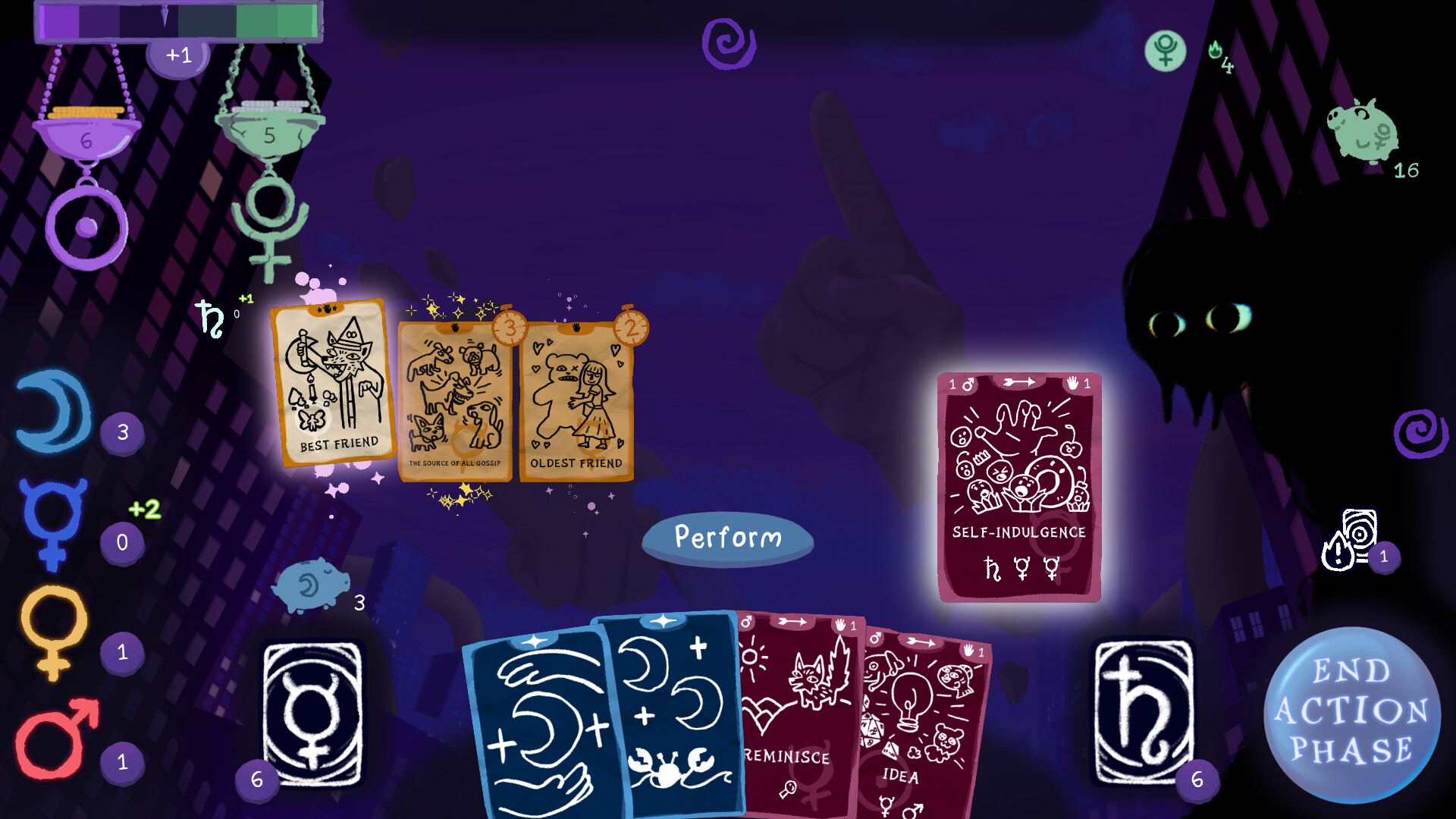
Try Dreamcards when you want a deckbuilder whose cards carry an emotional idea as well as a mechanical one. Its launch version follows Self through recurring dreams, turns relationships and shared experiences into cards, and asks you to reach a Lucid Dream before the Nightmare wins. The free Steam demo is the sensible first stop if that premise attracts you, because its opening language of symbols and resources is deliberately unusual.
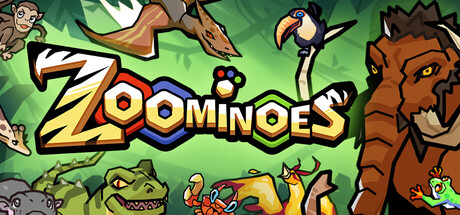
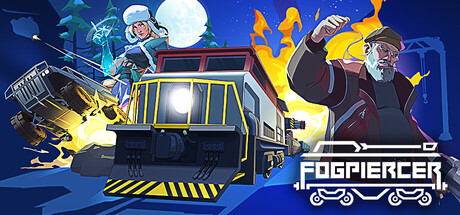
Pick Zoominoes when you want the satisfying certainty of a board puzzle. Its animal tiles, snacks, and souvenirs are about arranging a space so that a good placement starts a much larger scoring chain. Pick Fogpiercer when your ideal run includes pressure, positioning, and a plan that can go wrong in one reckless turn. Its train is your deck, but the cards are tools for tactical battles rather than a route to a giant score.
All three reward experimentation. They differ in what they ask you to notice. Dreamcards asks you to connect actions into an engine. Zoominoes asks you to see the next placement. Fogpiercer asks you to see the whole battlefield.
Choose Dreamcards for a personal engine
Dreamcards released on Steam on August 19, 2026. Soneka Games describes a run as seven days and seven nights: relationships shape the deck during the day, while the Monster Within interferes at night by disrupting cards, costs, shops, or the discard pile. The game uses hand-drawn, wordless memories rather than a narrated story, so its atmosphere comes from reading gestures and images alongside the card systems.
That makes Dreamcards a good fit if you enjoy the moment when a deck stops feeling like separate cards and starts behaving like a machine. Drawing, buying, converting resources, gaining actions, and replaying cards can reinforce each other. The question is not only which effect is strongest on its own, but which small action lets the next three actions become stronger.
It is less suited to a player who wants every rule explained immediately through familiar combat. The demo is useful precisely because it lets you test whether its symbolic presentation and slow-to-click resource language feel intriguing rather than distant.
Zoominoes is the clearest alternative when the deckbuilding part you love is making one visible decision at a time. Our review found its hexagonal animal tiles easy to read even as a run grows more complicated. You place animals, line up colors and terrains, then use snacks and souvenirs to turn local matches into escalating scores.
The difference from Dreamcards is focus. Dreamcards asks you to manage an evolving engine across a dreamlike run. Zoominoes keeps bringing you back to the board: where does this tile go, what will it touch, and which future placement does it enable? That gives it a friendlier entry point for players who enjoy planning but do not want a grim fight or a dense symbolic setting.
Choose it when you want combos that are visible on the board and a run that feels like an unfolding spatial puzzle. Skip it if the strongest pull of Dreamcards is its emotional imagery and the chance to explore a more abstract card engine.
Fogpiercer takes the opposite route. Your train and its carriages determine your deck, but every battle is also a positioning problem. Our review highlights pushing enemies into hazards, arranging artillery, managing limited actions, and building chain reactions across a moving battlefield. A strong combination matters only if it lands in the right place at the right time.
That makes Fogpiercer the choice for someone who reads Dreamcards' Monster Within as a reason to want sharper opposition. Its decisions are less about peacefully accumulating a huge engine and more about surviving immediate threats with the cards and terrain in front of you. A clever plan can feel spectacular, but a misplaced move can break it.
Choose Fogpiercer if you want deckbuilding with tactical friction. Choose Dreamcards instead if you would rather learn an open-ended system at your own pace and see how far a relationship-based build can grow.
A simple way to decide
Start with Dreamcards if the premise itself is what brought you here. The current Steam release and free demo make it easy to test whether its visual storytelling and unusual engine-building rhythm suit you. Move to Zoominoes for a warm, board-focused scoring puzzle, or to Fogpiercer for cards that have to survive a tactical fight.
None is a replacement for the others. They answer three different versions of the same wish: to build something clever from a small hand of possibilities. Dreamcards makes that construction feel personal, Zoominoes makes it spatial, and Fogpiercer makes it dangerous.