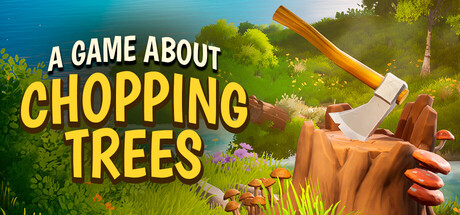
A Game About Chopping Trees Review — Cozy Lumberjack Therapy
A calm, meditative indie about felling trees, riding a handcar and replanting saplings. Cozy, satisfying core loop — but brevity and a few bugs hold it back.
I booted up A Game About Chopping Trees expecting a short chill session and ended up smiling more than I expected. The premise is gloriously simple: chop trees, ride a handcar between forests, upgrade your axe, and plant saplings to keep the woods alive. It’s one of those tiny indies that leans hard into relaxation — no timers, no stress, just satisfying thwacks and creaking trunks. If you like cozy sim vibes (think the gentle side of Stardew Valley or a nature-focused mini-retreat), this hits a lot of the right notes, even if it doesn’t stretch into an epic experience.

Rhythm of the Forest
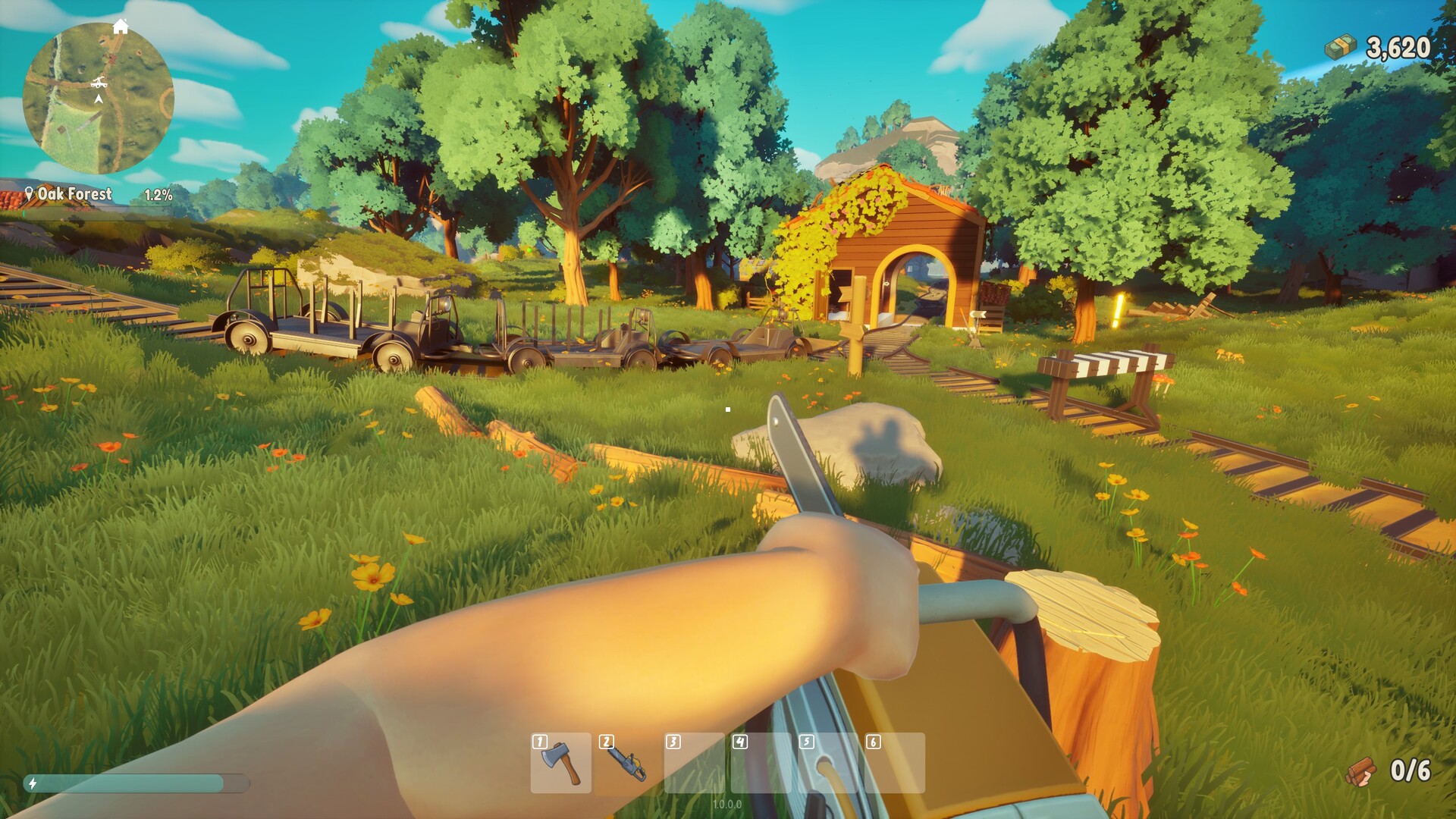
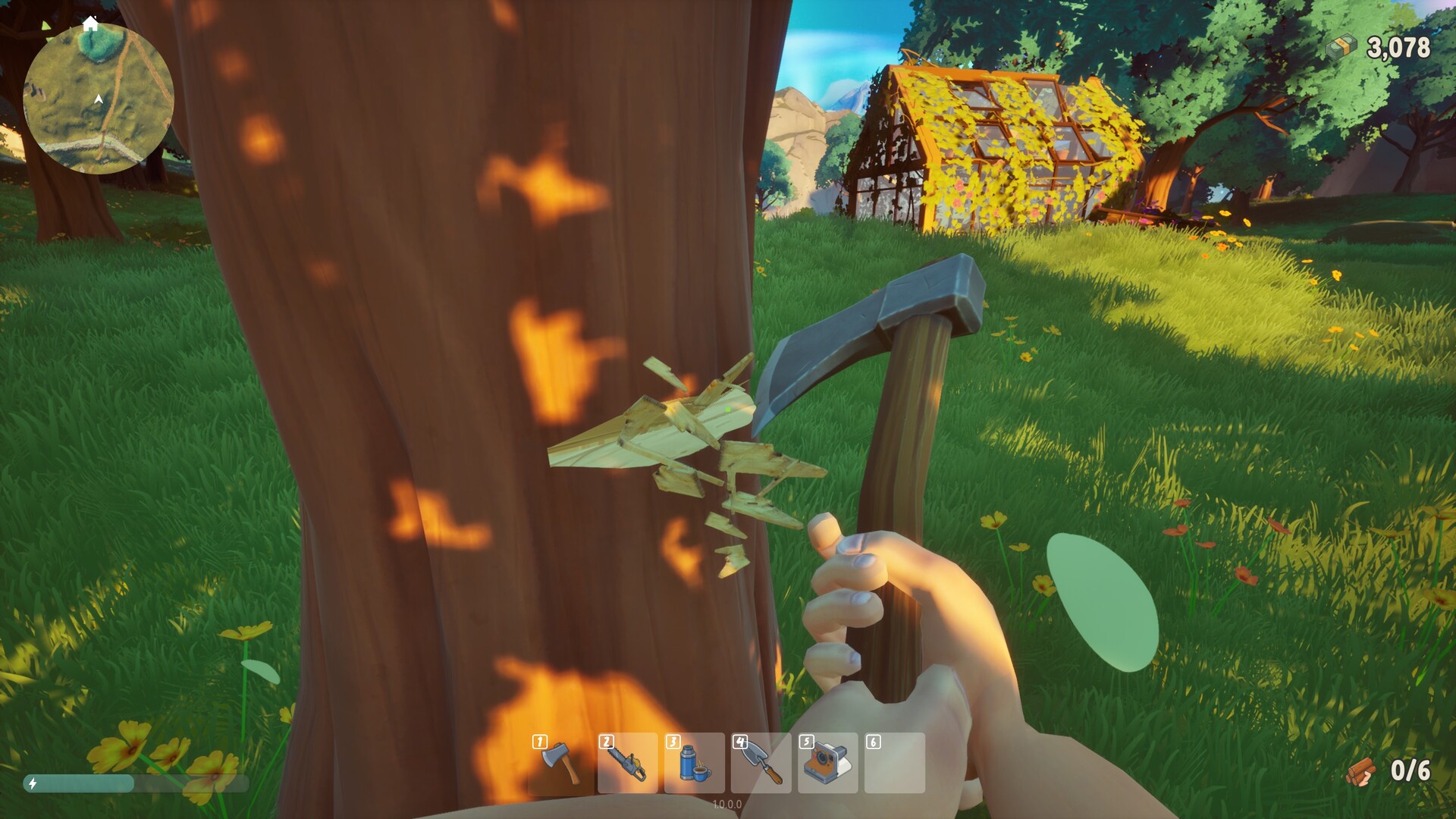
The core gameplay revolves around a deceptively simple loop: locate a tree, position yourself, swing your axe, and watch the wood split. Chopping is tactile in a way that surprised me — the audio of the axe and the visual snap of a log hitting the ground make each fell oddly rewarding. You’ll also gather coins and resources as you work, which feed directly into upgrades. Between clearings, you hop onto a charming handcar and pump along rails to the next zone; these slow rides are deliberately unhurried and offer a lovely transition so the game never feels frantic. Controls are intentionally lightweight: move, aim, chop, and interact. That simplicity is the point and it mostly works, creating a zenlike cadence where chores feel like therapy.
Little Mechanics That Punch Above Their Weight
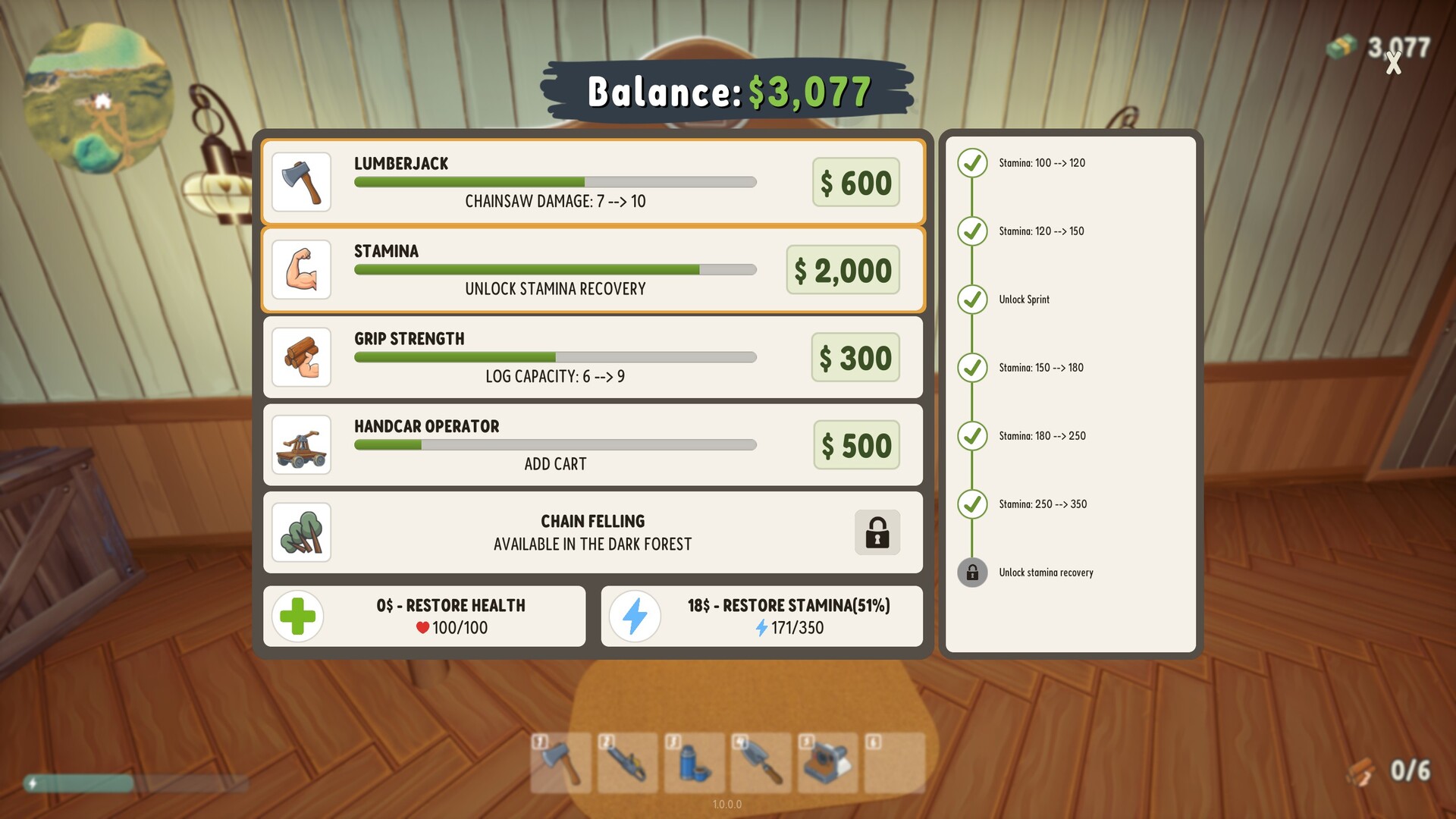
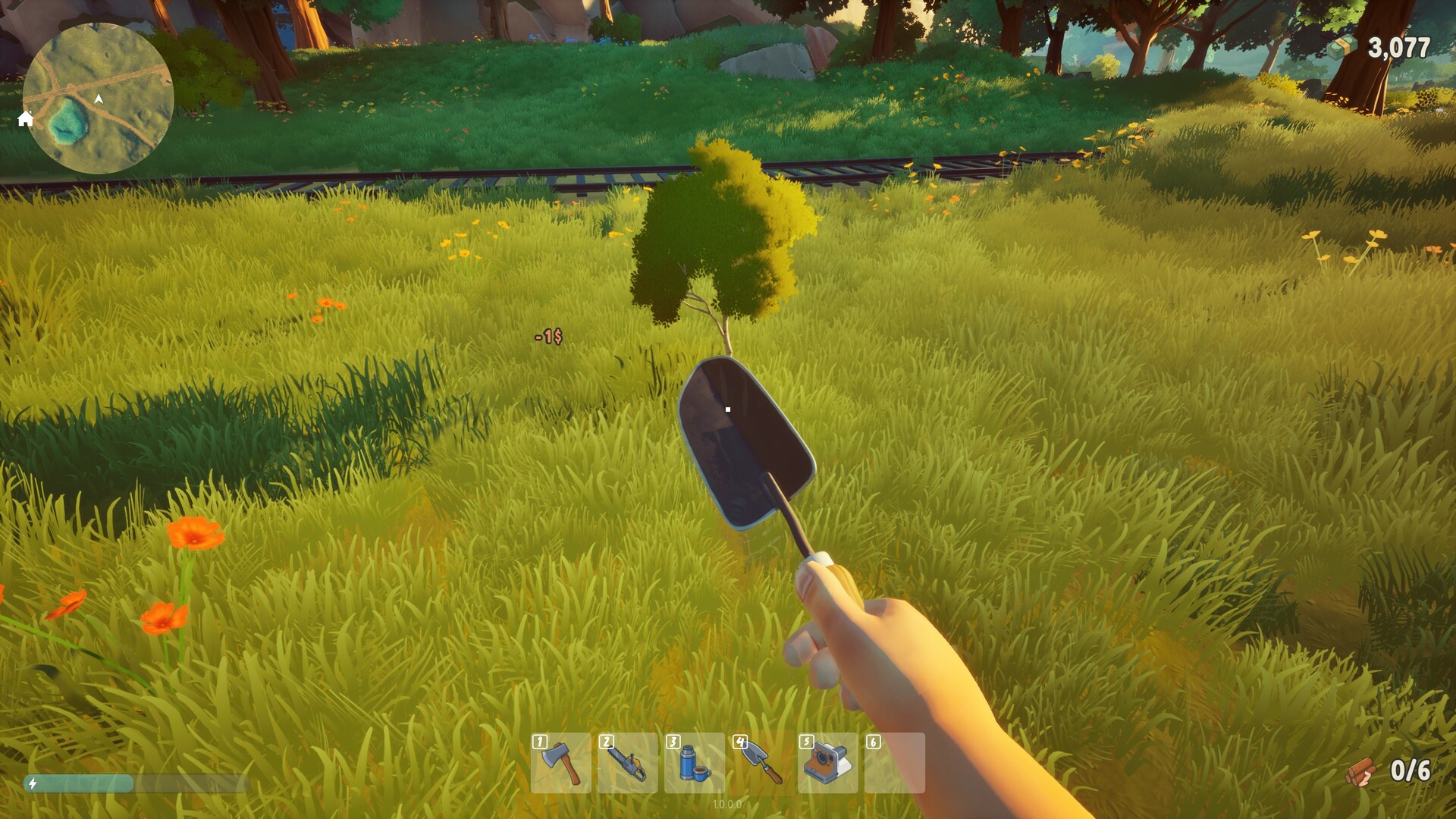
What keeps the loop interesting are the upgrades and the reforestation mechanic. You can buy sharper axes, stronger swings, and better techniques that shave seconds and add visual flourish to tree falls. The game also asks you to give back: plant saplings in cleared areas and watch them slowly grow. It’s a nice touch that turns the loop into a small ecological cycle rather than a mindless grind. There are also collectible statues and small side objectives hidden around the maps if you want to explore beyond the main beat. Multiplayer exists but some players report glitches — I played mostly solo, and while co-op sounds fun, expect a few hiccups until patches land. The variety isn’t massive, but the core upgrades and the different tree types (Birch, Oak, etc.) provide enough progression for a few satisfying sittings.
A Quiet Canvas: Presentation and Performance
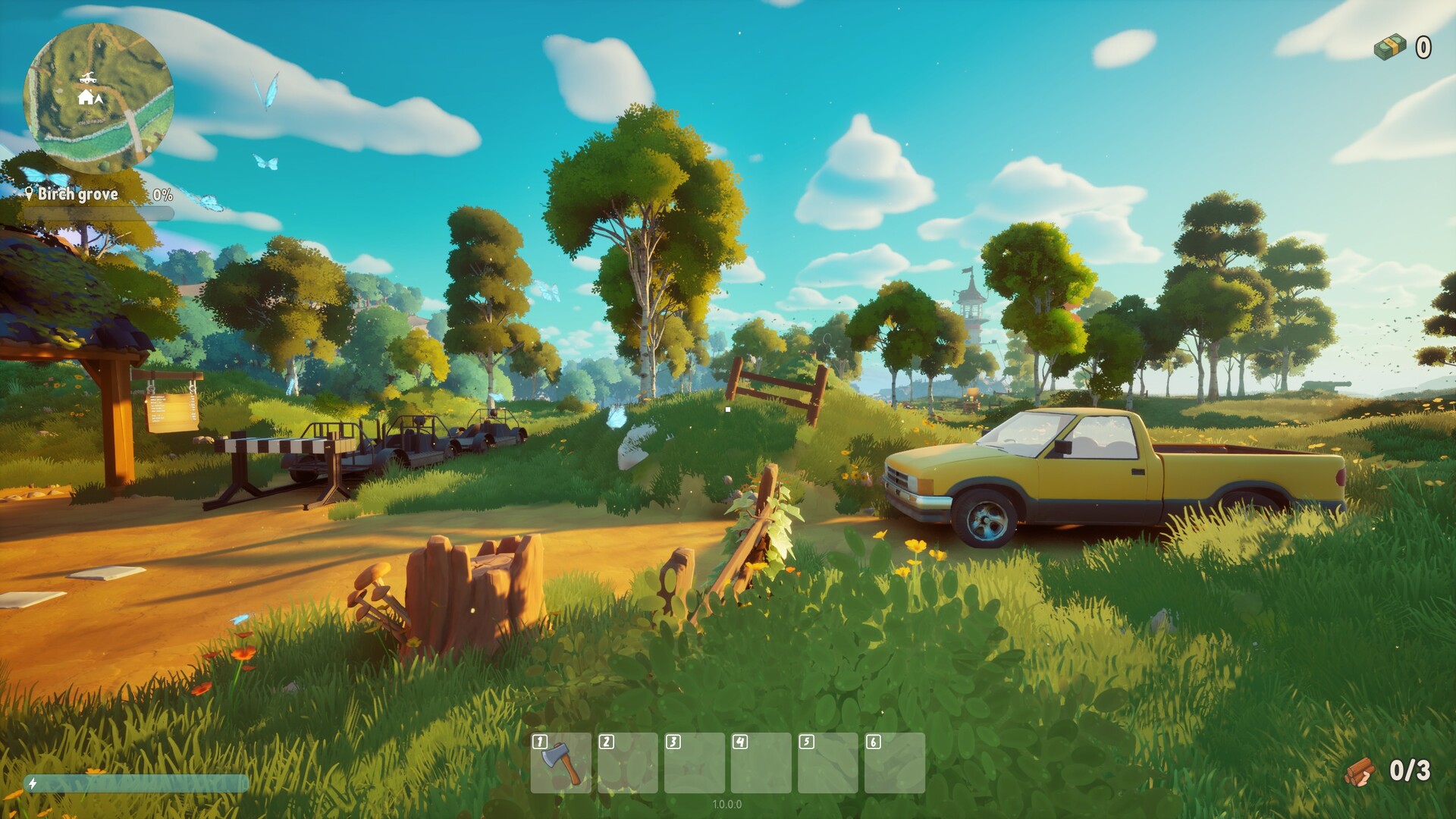
Graphically, the game leans into a warm, stylized palette that flatters the calm vibe: soft lighting, chunky tree models, and pleasing animations make each chop and fall a small spectacle. Sound design is minimal but effective — creaks, the axe’s bite, distant bird calls — all the right cues that keep you relaxed rather than overstimulated. Performance was solid on my test rig: high FPS and no frame drops when exploring, though a few users reported bugs like invisible trees or clones in multiplayer. Accessibility settings are modest but the simple controls keep the entry bar low. If you’re buying this for a chill, look-at-the-forest session, it nails atmosphere; if you want mechanical depth, be prepared for a gentle experience rather than complex simulation.

A Game About Chopping Trees is a tiny, well-made cozy sim that nails relaxation and visual charm, ideal for a couple of calm sittings. Its brevity and limited systems will frustrate players craving long-term depth, and multiplayer needs polishing. If you want a short, pleasant escape and don’t mind paying a modest price for a compact experience, give it a go — otherwise wait for a sale or future updates.


Pros
- Soothing, tactile chopping loop and calming atmosphere
- Charming handcar rides and pleasant visual style
- Reforestation mechanic adds a wholesome loop
- Low barrier to entry — simple, relaxing controls
Cons
- Very short playtime for many players (2–3 hours)
- Limited upgrade/depth variety; progression can feel numeric
- Some multiplayer bugs reported (invisible trees, clones)
Player Opinion
Players are split in a familiar indie way: many praise the cozy vibe, satisfying chopping sounds, and visuals — comments like "very relaxing" and "graphics 10/10" pop up a lot. Several reviews mirror my experience that the handcar rides and planting saplings are too pleasant to skip. However, a recurring criticism is the runtime: multiple users finished the game in about two hours and felt the price didn’t match the content. Reviewers also note that upgrades feel largely numerical and don’t fundamentally change the loop, leaving some wanting more mechanical depth. A handful of players mentioned bugs in multiplayer (missing trees, clones) and one reported a progress bar disappearing until reload; expect small patches. If you love meditative sims and don’t mind a brief, polished experience, people recommend it — but if you need dozens of hours of systems, opinions tilt toward waiting for more content or a sale.