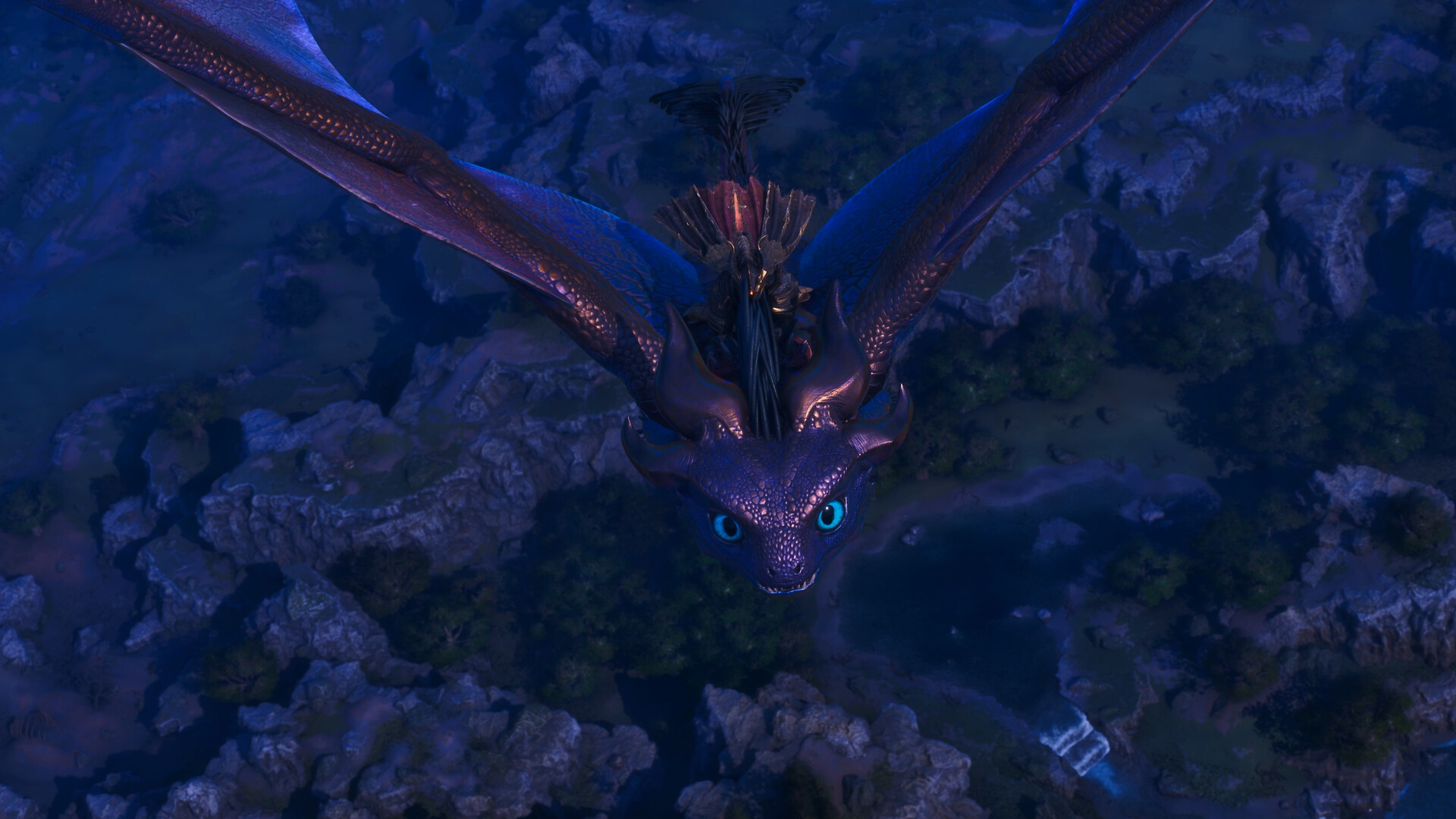
ARK: Dragontopia Review – Flying High with Dragons and Frustrations
A hands-on look at ARK: Dragontopia — breath-taking dragon tames, skybound survival, and a launch mired in optimization and drip-fed content. Is the flight worth the fare?
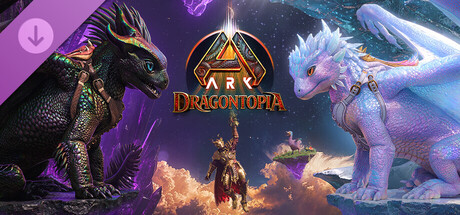
I jumped into ARK: Dragontopia expecting soaring vistas and the kind of ridiculous, physics-defying mounts ARK is known for — and for the most part, the dragons deliver. Studio Wildcard has clearly leaned into big, cinematic beasts like Umbra and Lumina and built a whole aerial ecosystem around them. That said, what should feel like a triumphant new chapter for ARK sometimes plays out like a preorder in mid-air: gorgeous moments interrupted by server issues, heavy downloads, and a pricing model that divides the community. If you love flying and aren’t afraid to put up with rough edges, this is worth a look; if you want a polished, complete package day-one, maybe wait for December.

Riding the Wind: How Flying Feels in Dragontopia
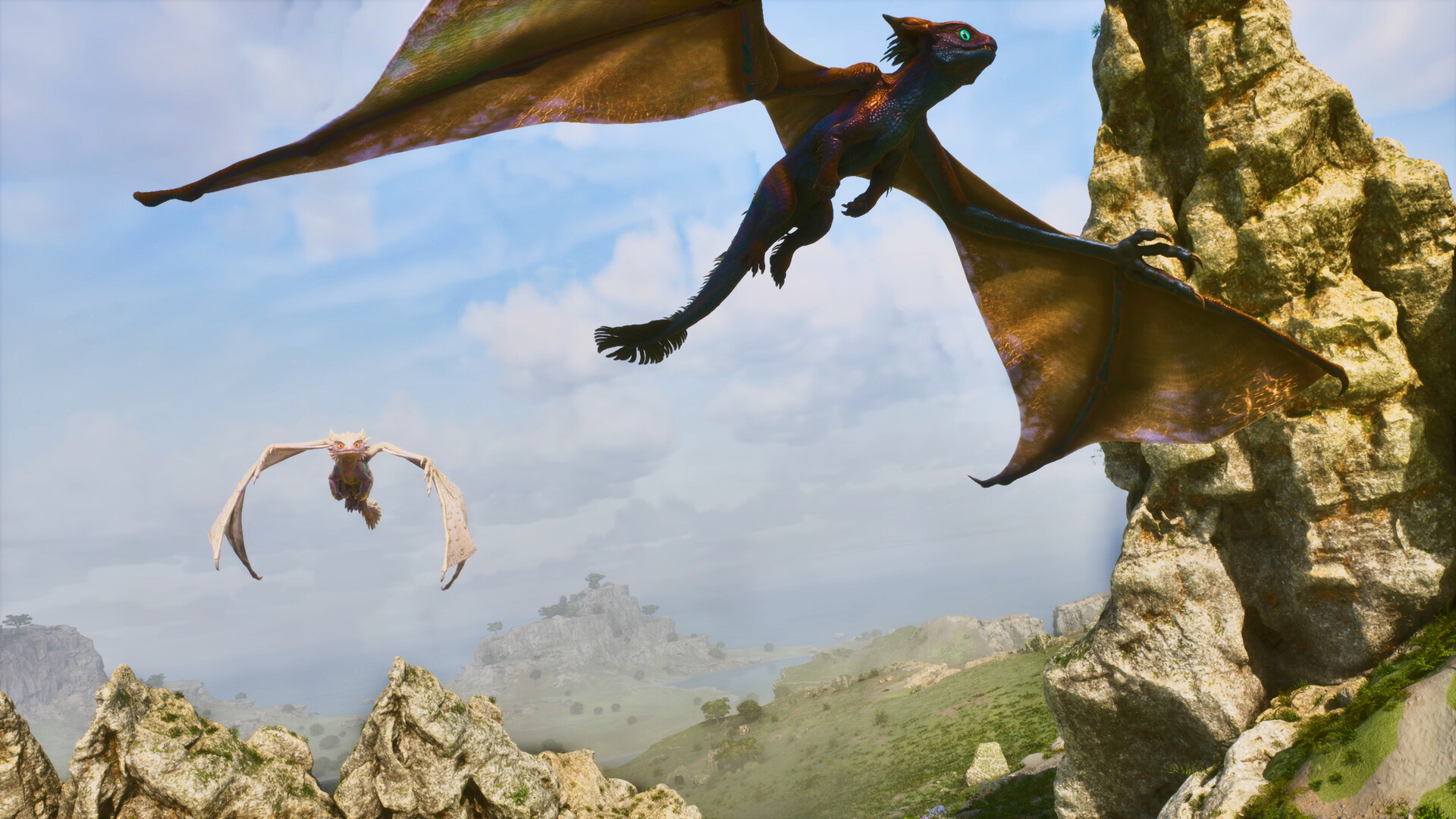
Flying in Dragontopia is the star attraction and, most times, it’s glorious. Mounting Umbra for the first time felt cinematic — the wingspan, the way plasma attacks arc out of the dark, and the sudden burst into a near-invulnerable ultimate all made me grin like an idiot. Normal traversal is a mix of gliding, powered flaps and tactical dives; you’ll be dogfighting other riders, grappling mid-air with the Drake Claw Grappler, and chaining abilities to create terrifying combos. Movement has weight — dragons aren’t just fancy horses with wings — and learning each species’ rhythm matters: a four-winged assassin needs different inputs than a lumbering multi-headed behemoth.
Taming, Bonding and the Dragon Skill Trees
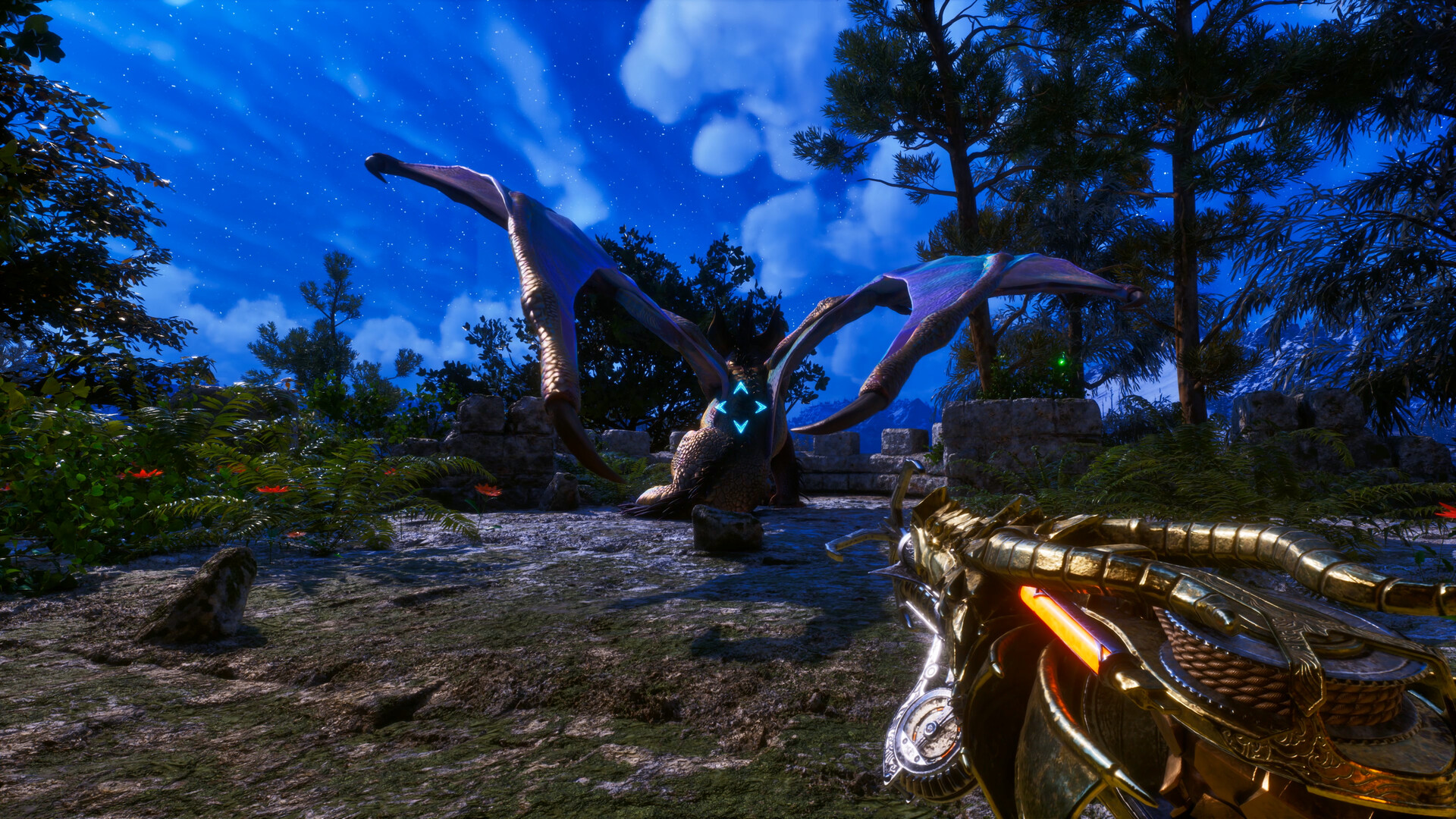
Taming has evolved from ARK’s old “feed-and-wait” to a relationship-heavy system. The Dragon Skill Tree lets you specialize your mount toward acrobatics, raw damage or utility like resource-siphoning abilities. I found myself experimenting with Umbra’s shadow-plasma builds until I accidentally made him too squishy in daylight fights — the trade-offs matter. Gear crafting is tailored for aerial life: incubator backpacks, draconic tilesets for skybases, and potions that alter flight dynamics. I appreciated how the game forces you to observe a dragon’s behavior and adapt rather than rely on a one-size-fits-all saddle.
The Skies as a Living Ecosystem — and the Threats Therein
Dragontopia’s floating islands feel alive: thermals push you up, cloudbanks hide ambushes, and sky-predators can steal tames mid-grapple. There’s a satisfying risk-reward loop when you hunt resources mid-air — land too long and you become prey to a roaming behemoth that can swallow resources whole, or to rival players on PvP servers. The developers promise seasonal rollouts (Lumina, the sky-behemoth, full map in December) which explain the drip-fed content; in practice that means the full ecosystem isn’t accessible yet, but glimpses of it are tantalizing.
A Feast for the Eyes — Mostly
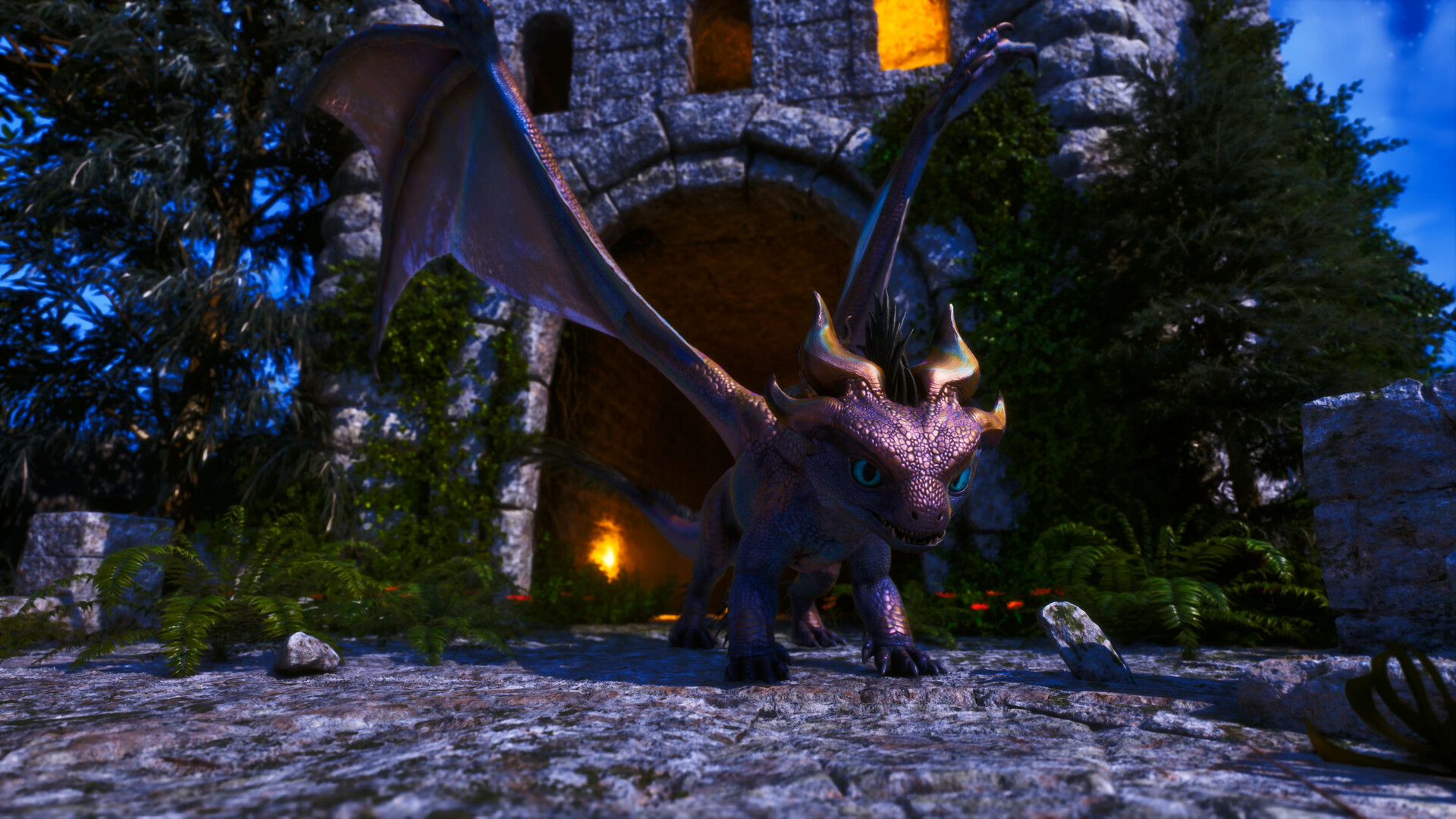
Visually, Dragontopia leans hard into spectacle: lighting effects for Umbra’s void steps and Lumina’s blinding flares are showstoppers, and the floating isle designs can be astonishing in the right weather. Sound design complements the drama — dragon roars land with authority and the wind whistling past your wings actually adds tension. That said, the performance is inconsistent: stutters, long load times, and massive download sizes crop up frequently on PC. When it runs well, it’s pure fantasy; when it doesn’t, it’s maddeningly janky.
Tools, Base Building and Social Play
Base-building has been refocused for aerial life: modular draconic tilesets make sky-bases feel unique, and the Drake Claw Grappler opens up midair base assaults and quirky build tricks I enjoyed. Multiplayer adds chaos: coordinated dragon squads are fantastic, but server instability and limited cross-play options sometimes turn cooperative triumph into frustration. There’s clear potential for emergent, memorable moments — I’ve carried a friend over a megalodon-infested sea just to drop them like a feather — but those stories are occasionally hindered by bugs or matchmaking woes.
The Price-Content Equation and Post-Launch Roadmap
Dragontopia’s initial price point and staged releases have polarized the community. On the one hand you get a striking dragon and a new gameplay loop; on the other, many players rightly complain about paying $30 for what currently feels like a slice of a larger package. Studio Wildcard’s promised roadmap (July/October/December content) is ambitious and could justify the cost over time, but it hinges on steady patches, server fixes and honest communication. Until then, expect a mix of breathtaking highs and irritating lows.

ARK: Dragontopia is a bold, imaginative expansion of ARK’s ambition — brilliant dragons and skyborne systems that can produce jaw-dropping moments. However, launch problems, optimization woes, and a drip-feed content strategy mean this is not a plug-and-play paradise yet. Buy it if you’re an ARK diehard who loves taming and flying and can tolerate rough edges; otherwise, patience for the December full release will likely reward you more.


Pros
- Fantastic dragon design and varied flight mechanics
- Deep Dragon Skill Trees that reward experimentation
- Unique aerial ecosystem and imaginative sky-islands
- Strong potential for emergent multiplayer moments
Cons
- Poor optimization and massive download sizes at launch
- Drip-fed content model leaves the experience incomplete
- Server instability and bugs can ruin key moments
Player Opinion
Player feedback is loud and split. A chunk of the community absolutely loves Umbra: several reviews call it the best tame Wildcard has added, praising flight controls, summon strength and unique mechanics — those players are already imagining epic aerial raids. On the other side, many reviews complain about value and implementation: $30 for limited initial content, a buggy grappler, and cosmetic-heavy packages left people feeling nickeled-and-dimed. Technical criticisms are consistent: huge total download sizes (reported >230 GB with all DLC), poor optimization, server lockouts and launch-day connectivity problems. Some veterans warn this feels like a preorder for a map and advise waiting for the December rollout; others defend the purchase, arguing the roadmap will eventually justify the price.