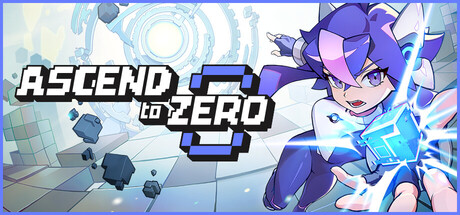
Ascend to ZERO Review — A Time-Bending Roguelite That Hooks You Fast
Ascend to ZERO turns 30 seconds into your main resource: stop time, stack builds and rush boss rooms in a tight, addictive loop. A few rough edges can't hide an ingenious central idea that kept me coming back.
I picked up Ascend to ZERO because the premise is gloriously simple: you start runs with a tiny 30-second timer that you can manipulate. That gimmick could have been a one-note trick, but Flyway Games turned it into the spine of a surprisingly deep action-RPG. It feels part arcade sprint, part incremental builder, and all the better for it — frantic fights punctuated by satisfying progress. If you like quick runs that still let you tinker with builds between bursts of chaos, this one hooked me fast.

Racing the Second Hand
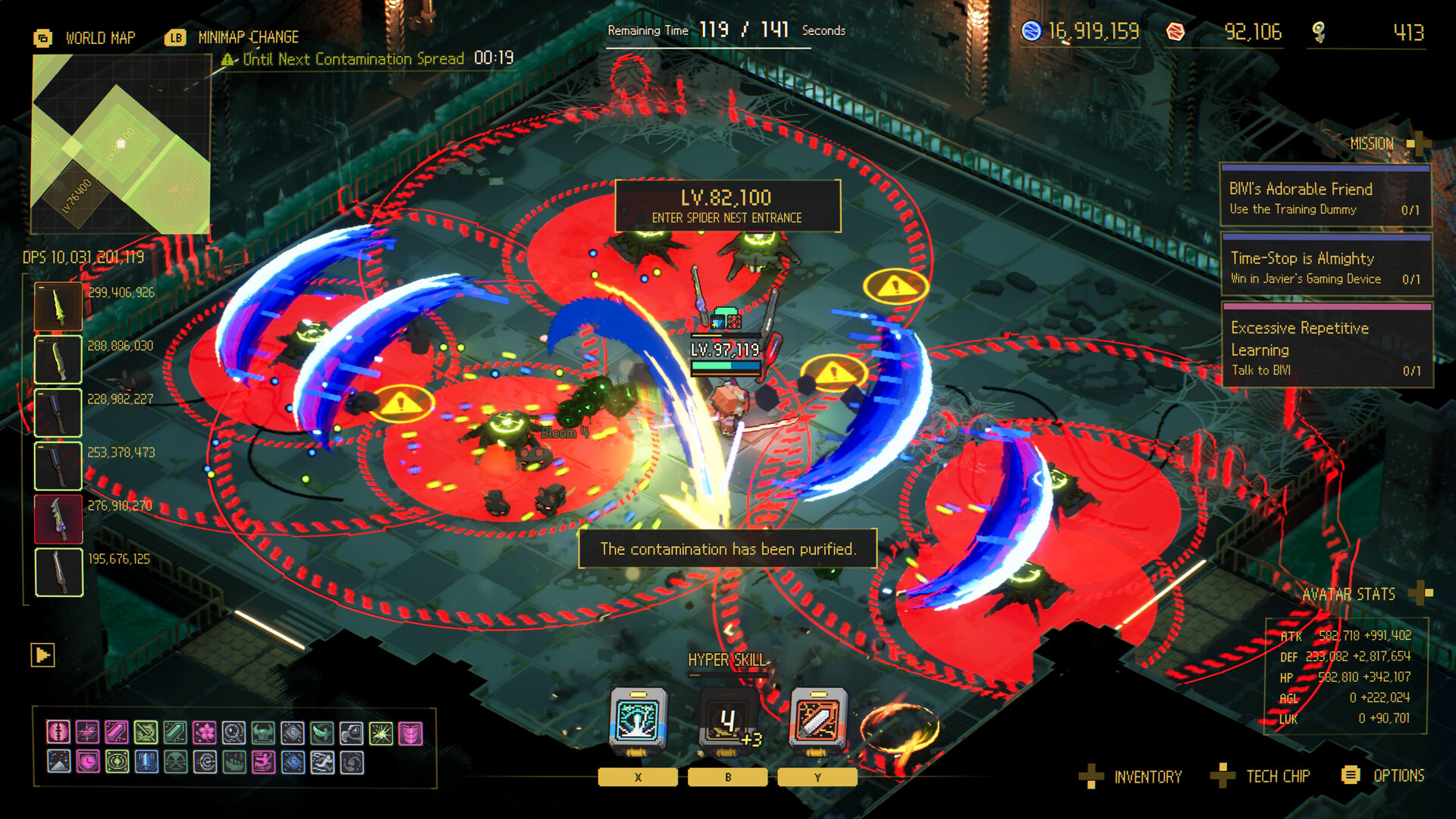
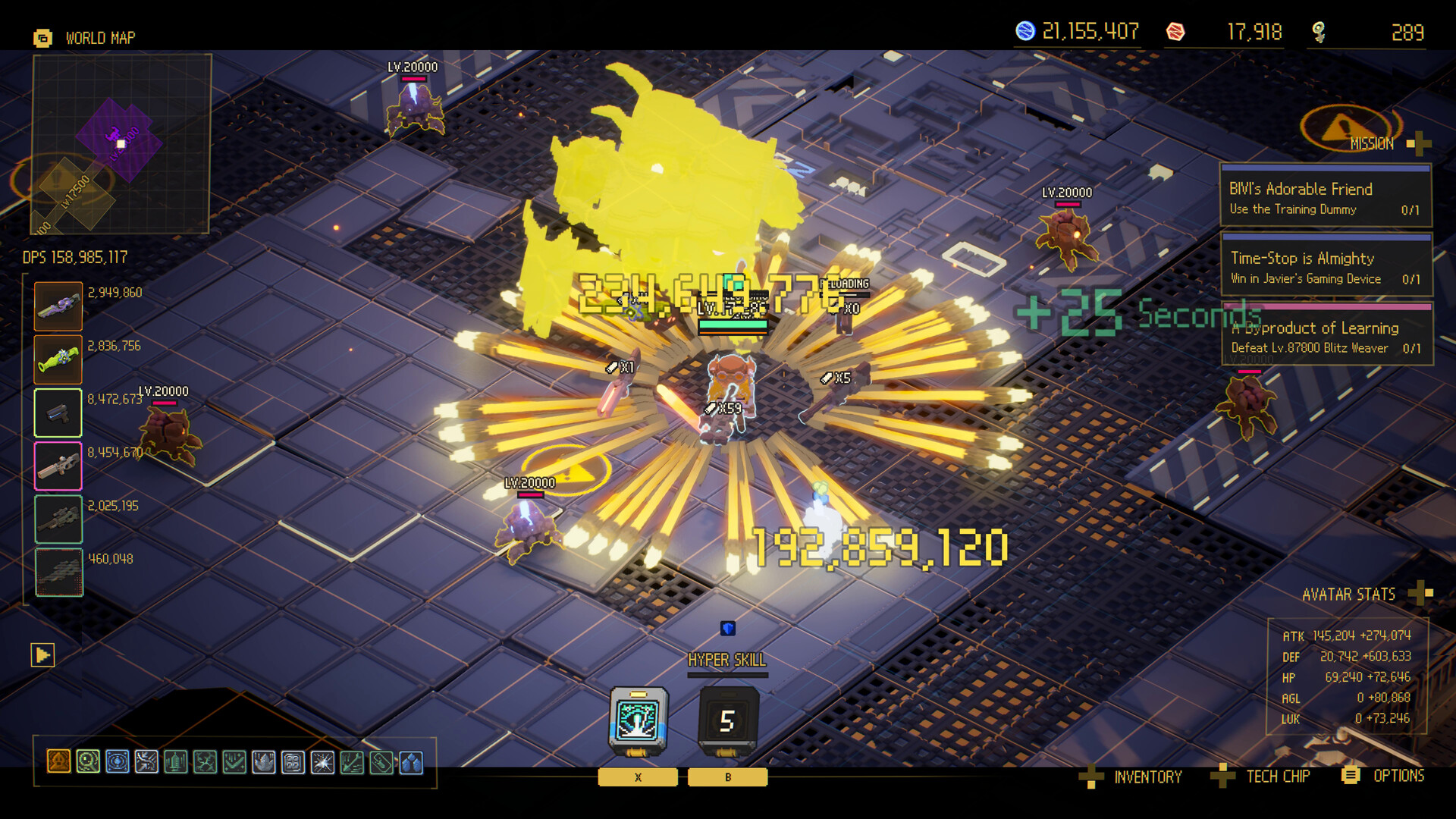
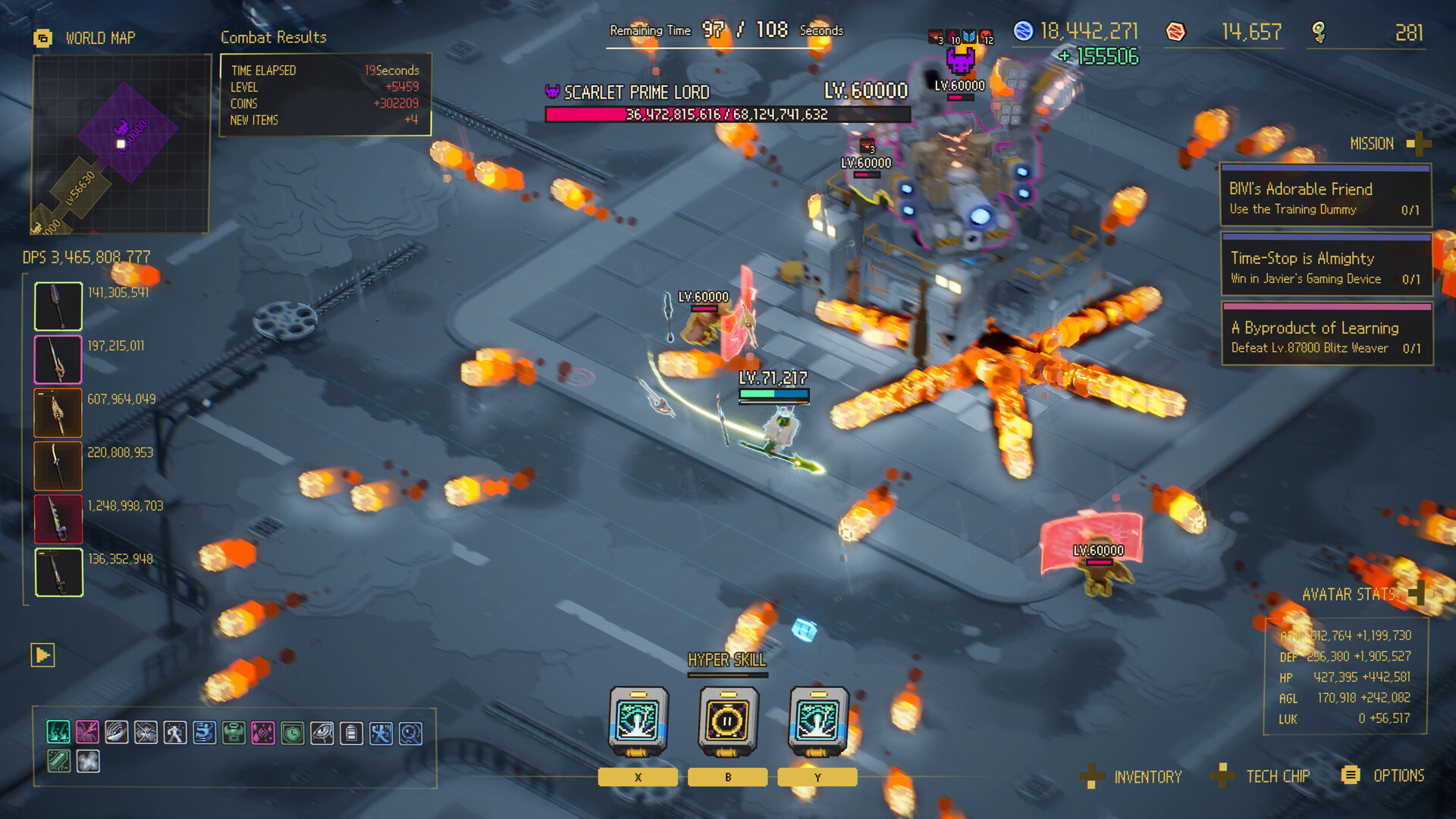
The core loop of Ascend to ZERO is gloriously tight: you enter an area, clear rooms and minibosses while a 30-second clock ticks down, and every meaningful action shifts the time economy. Combat itself is quick and readable — dash, dodge, basic light-heavy combos, and a few character-specific quirks — but the twist is how time becomes another resource. Kill a miniboss, pick a time-giving box, or invest in permanent upgrades between runs and you’ll see that 30 seconds stretches into a meaningful strategic decision. I found myself constantly weighing: do I push for another fight because it grants +15s, or do I sprint for the exit and bank progress?
When Time Becomes a Toolkit
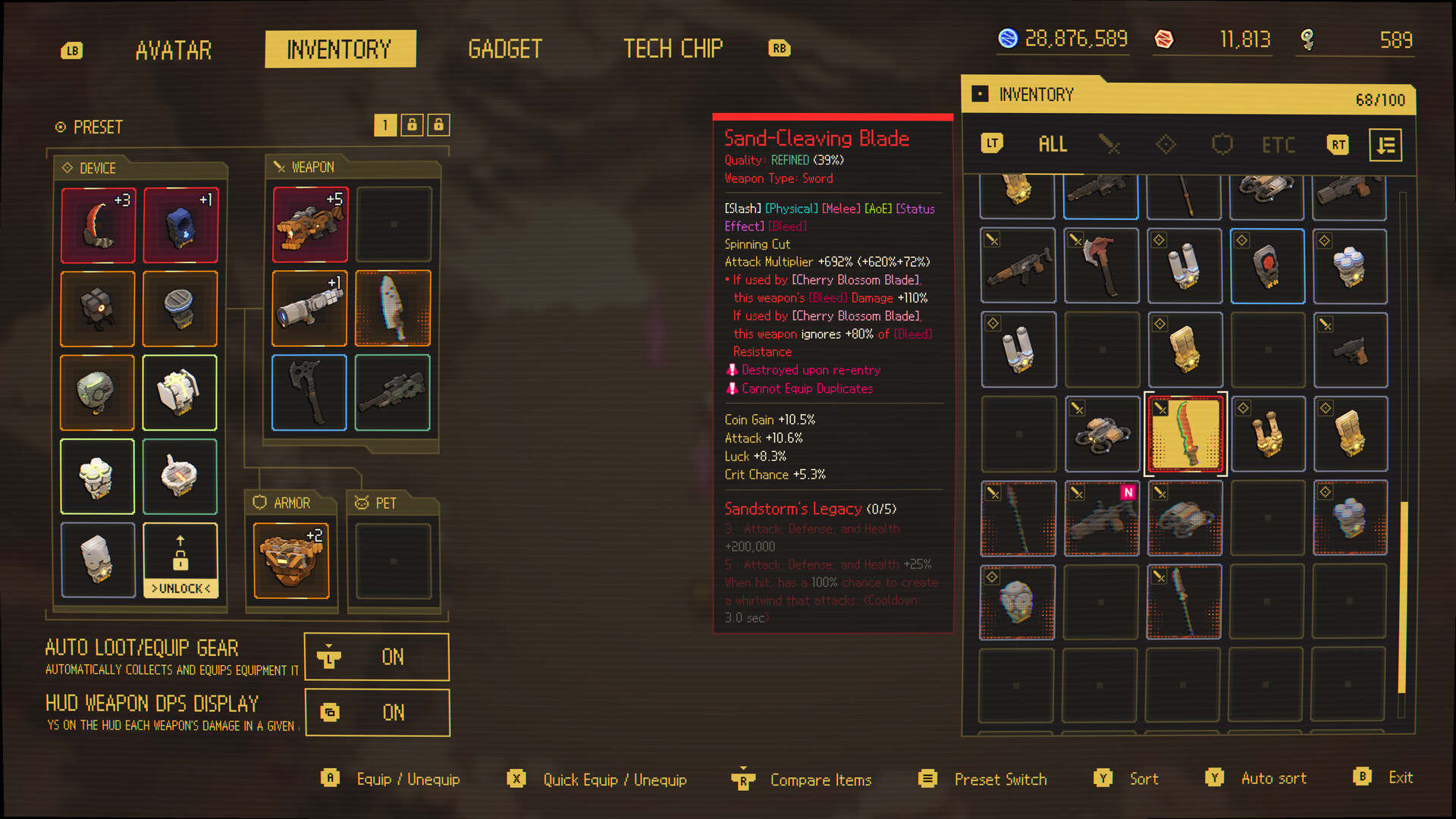
Ascend to ZERO shines in its systems layering. Beyond weapons and straight stat upgrades there are chips, modules and gear sets that change how time interacts with your actions: timestop windows, slow-motion bursts, and passive modifiers that refund seconds on kills. This makes builds matter in a way I didn’t expect — some runs turned into glass-cannon speedruns, others into careful, time-siphoning juggernauts. There’s also meaningful permanent progression: currencies to boost base stats, unlock new characters and upgrade NPC services back at hub. Yes, you spend a decent chunk of your playtime in menus and build-tinkering, but the payoff is those runs where all pieces click and you tear through content like fireworks.
A Neon Assault on the Senses
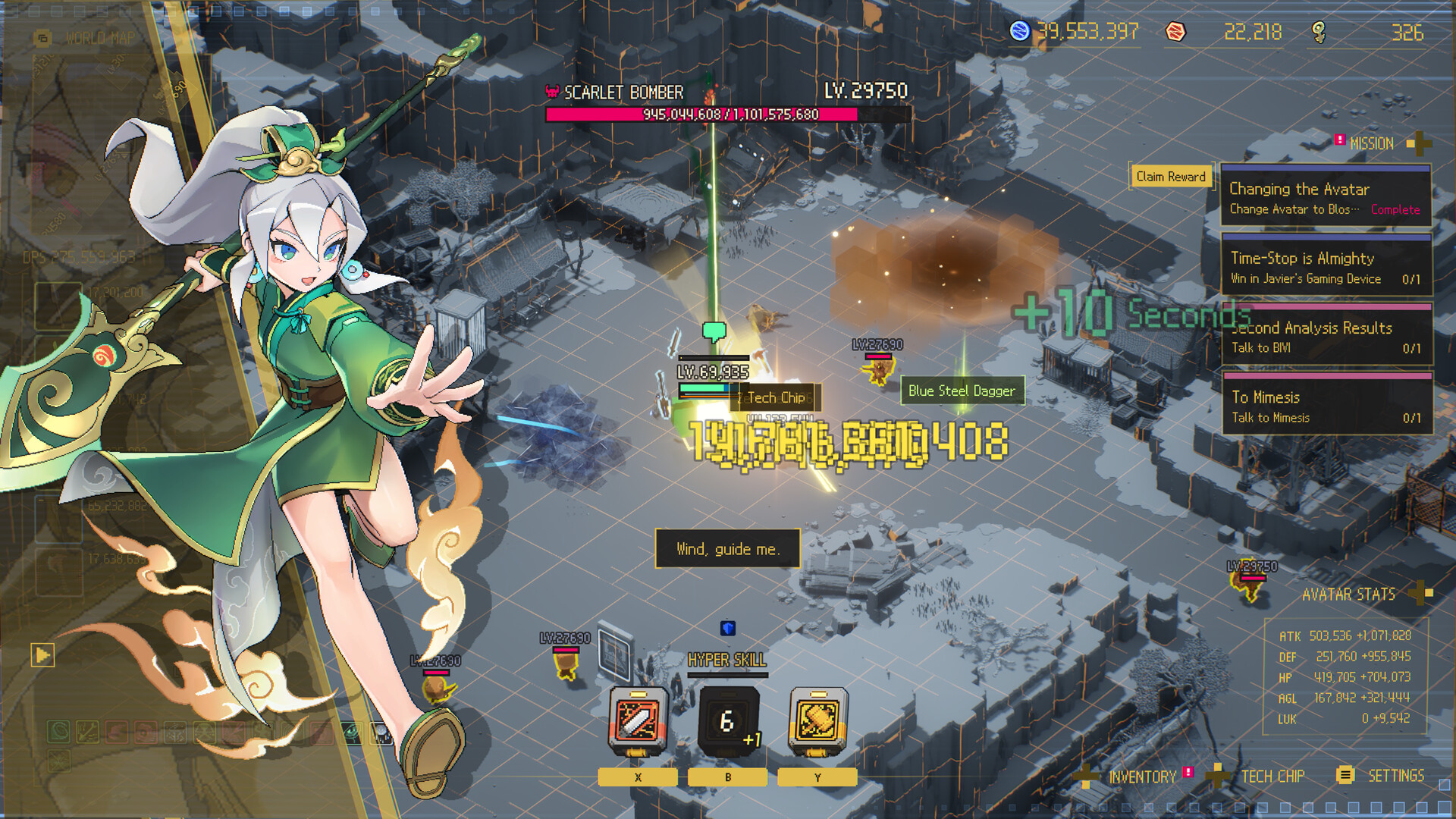
Graphically Ascend to ZERO favors bold, neon-tinged visuals and sharp particle FX that sell the speed. The soundtrack is electronic, often leaning into chillstep and EDM textures — it pumped me up on clutch fights and rarely overstayed its welcome. Technical performance is mostly solid on PC, though some players and I noticed frame dips when dashing during timestop-heavy moments and a few audio-mix hiccups on occasion. Accessibility and difficulty options are present but the game keeps its arcade edge: it expects you to learn builds and accept the repetition loop. Overall, it feels polished in design, if occasionally rough around the edges in implementation.

Ascend to ZERO is one of those indie surprises that takes a single great idea — time as a tactical resource — and builds a solid, enjoyable game around it. It's ideal for players who like short, intense runs but also enjoy spreadsheety buildcrafting between attempts. Buy it if you want a fresh roguelite with punchy combat and a soundtrack that sticks; skip it if heavy grind or menu micromanagement annoys you.


Pros
- Genuinely original time-as-resource mechanic that changes decision-making.
- Addictive buildcraft loop — permanent progression feels meaningful.
- Fast, satisfying combat with many weapon and character synergies.
- Great soundtrack and distinctive neon art style.
Cons
- Occasional performance dips and audio-mix issues on some setups.
- Can tilt toward spreadsheet-y inventory/build management for some players.
- Endgame/grind may feel repetitive without additional content updates.
Player Opinion
Players consistently praise the time mechanic as the game's standout feature: multiple reviews call the initial 30-second timer a clever hook that evolves into meaningful choices once you unlock timestop tools and time rewards. Many users praise the soundtrack, fluid combat and the satisfying sense of growth — several say they got hooked within just a few hours. Criticisms cluster around technical rough edges (audio mixing, occasional frame drops during heavy particle/dash moments), the game's grindy nature late-game and a fair bit of inventory/menu fiddling. A few voices warn that it behaves like an incremental game: you’ll need to farm resources to progress, so don’t expect to clear the whole thing on raw skill alone. If you enjoy games that blend quick runs with buildcrafting and don’t mind repetitive loops, the community response is overwhelmingly positive.