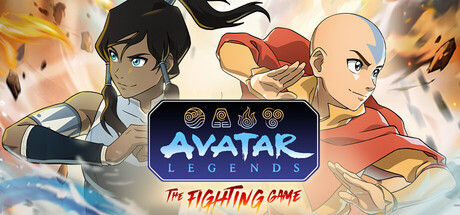
Avatar Legends: The Fighting Game Review — A Bender's Paradise with a Rocky Launch
A hand-drawn, fast and deep 2D fighter that finally gives Avatar the combat it deserves — gorgeous animation and addictive systems, but launch bugs and missing QoL hold it back.
I went into Avatar Legends: The Fighting Game with the exact mix of nostalgia and suspicion that any longtime Avatar fan develops — and came out grinning, then mildly annoyed. The core combat is legitimately joyful: each bender plays wildly differently, movement feels slick and Flow-based mechanics give matches a kinetic rhythm. But the launch is rough around the edges — missing features, buggy combo trials and awkward keyboard support drag the experience down. Still, when the game is working it delivers the kind of faithful, hand-drawn spectacle and technical combat that many of us have wanted for years.

Bending the Flow: How It Plays
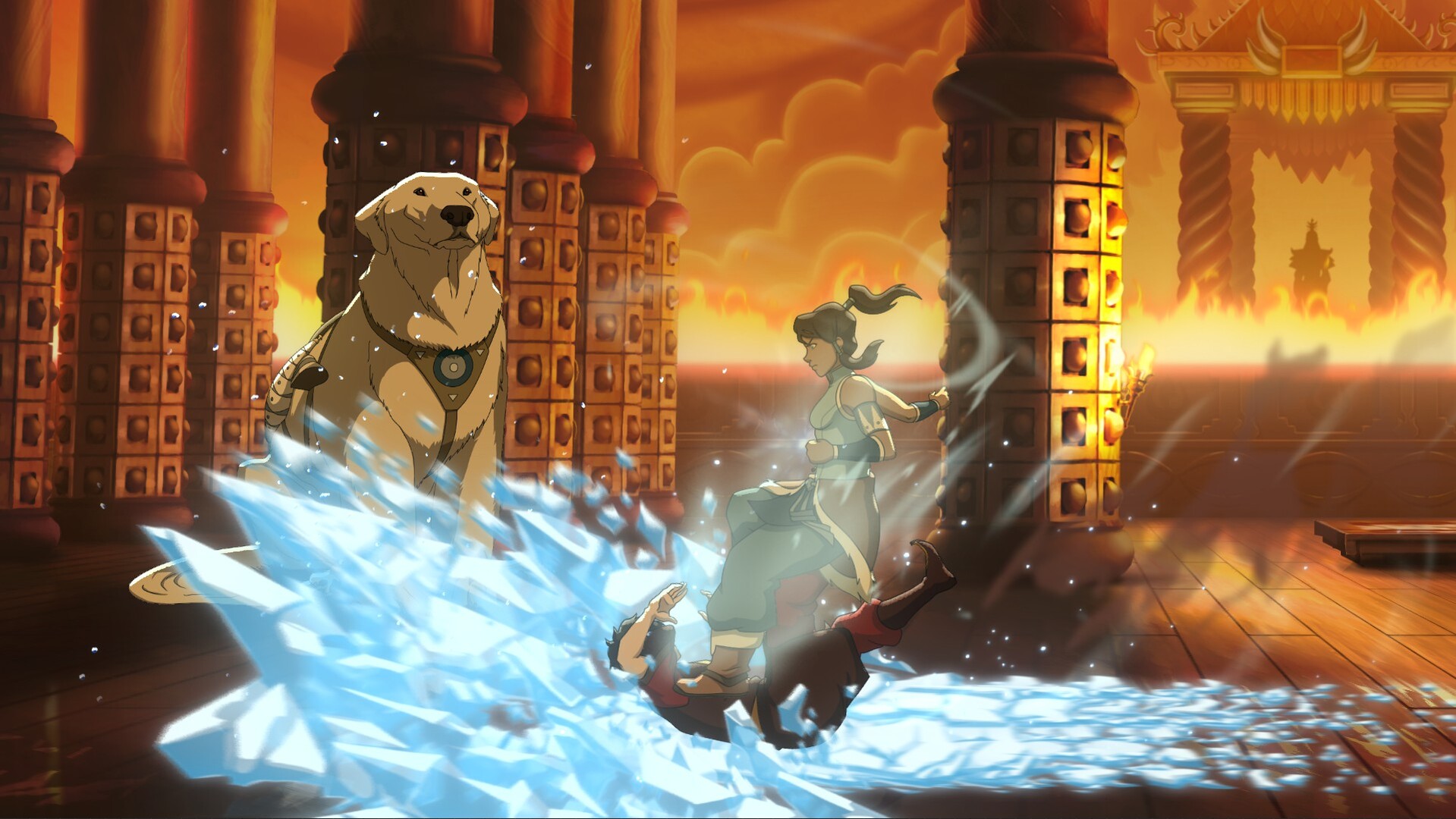
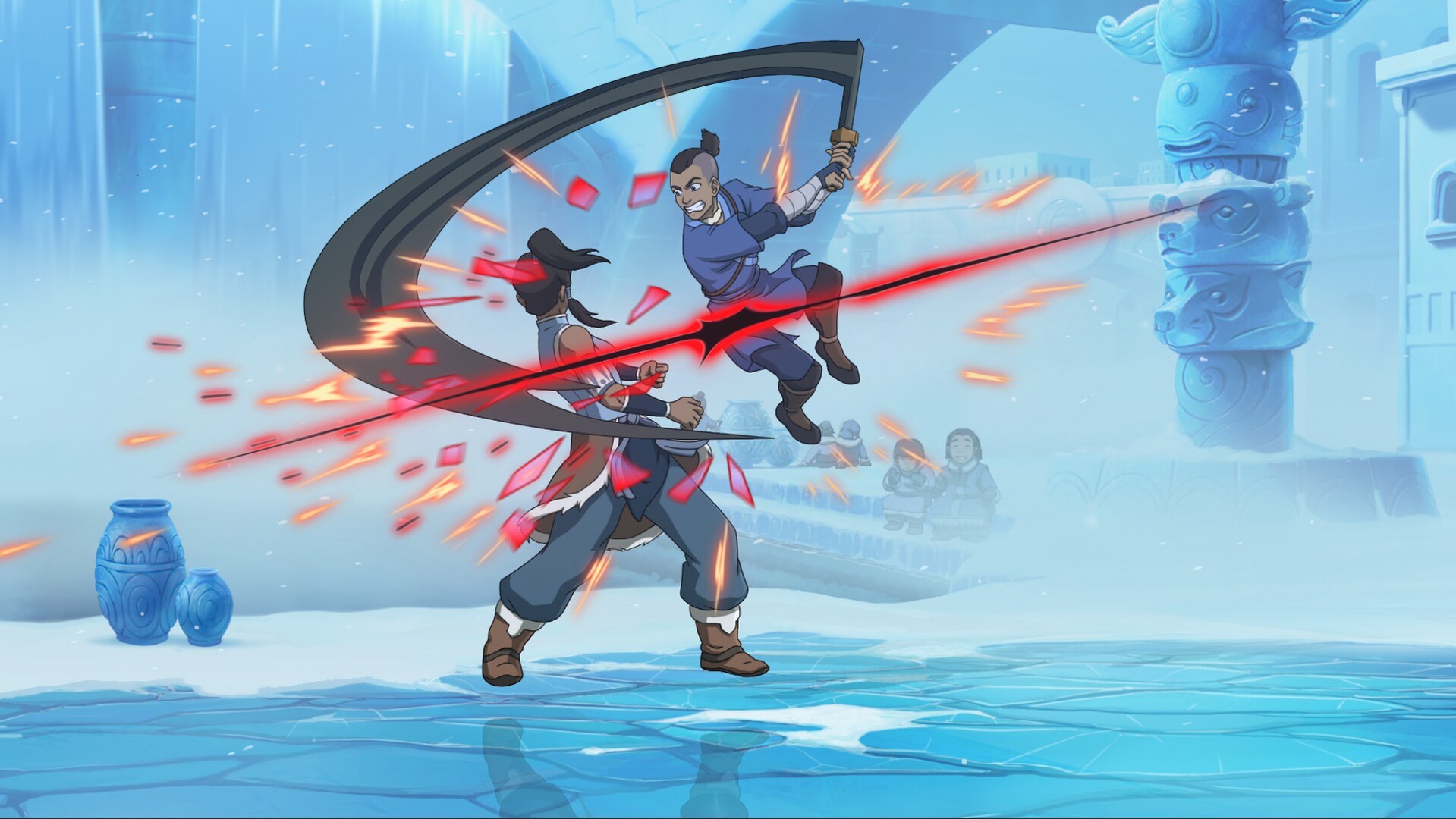
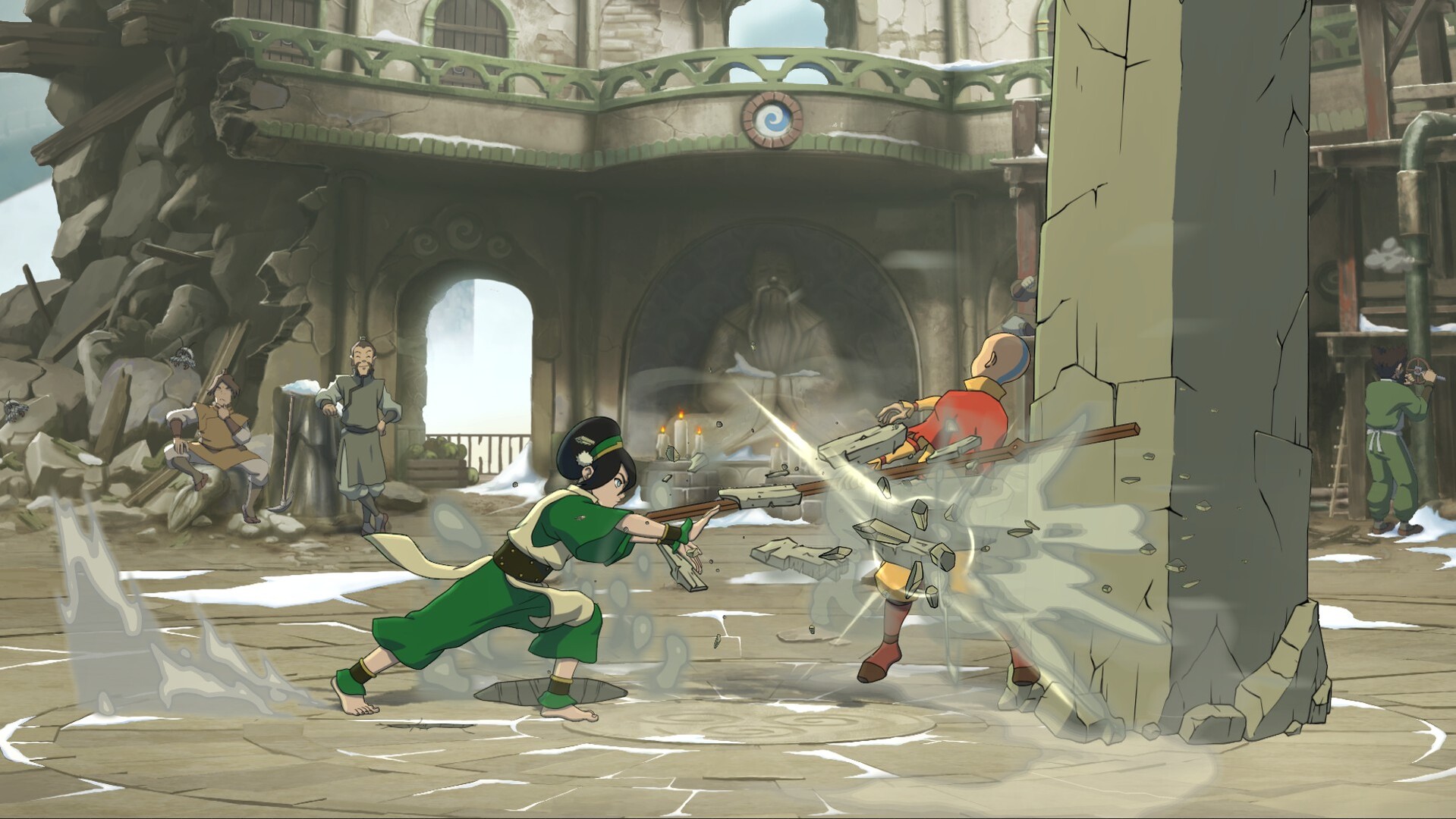
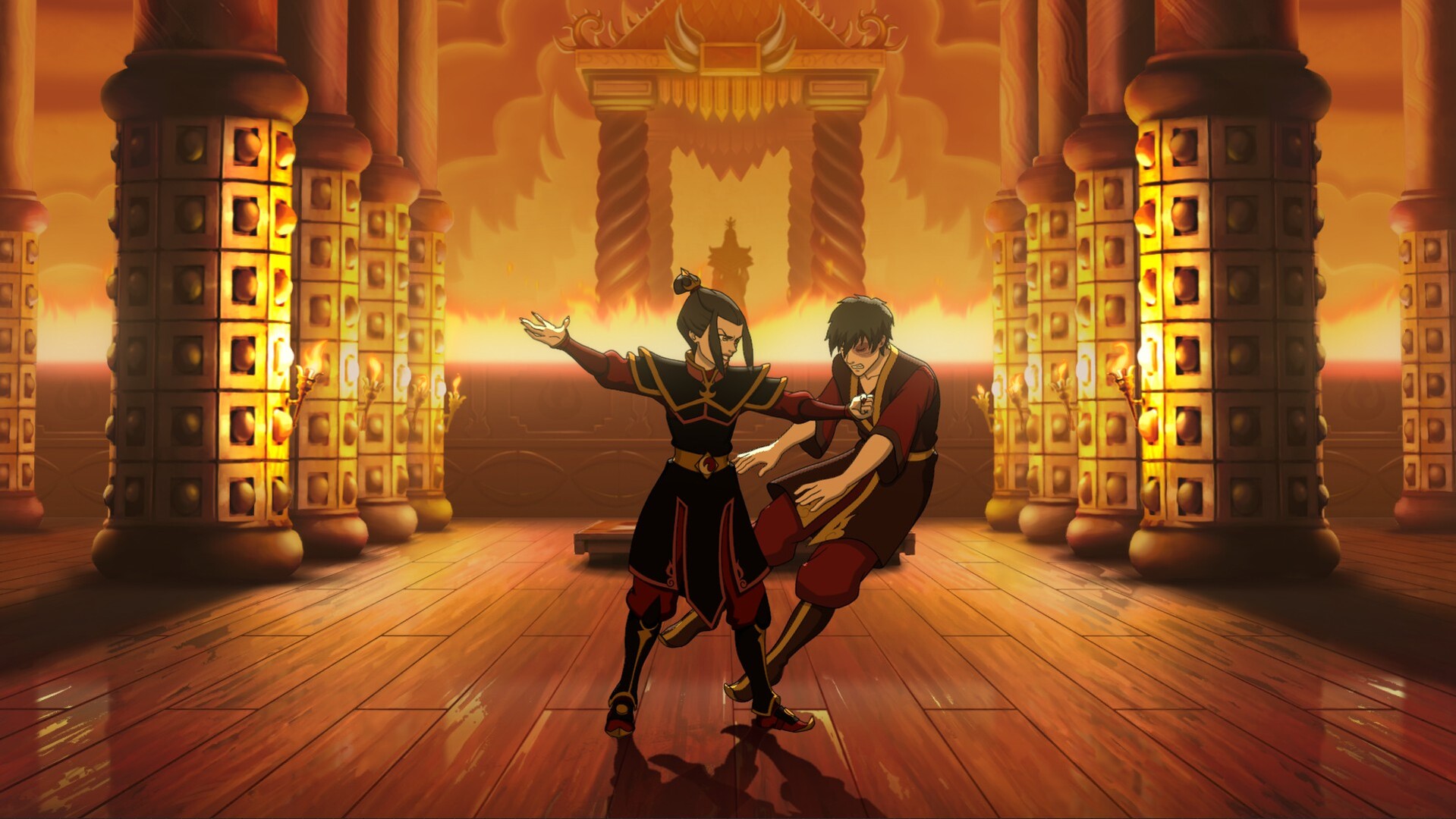
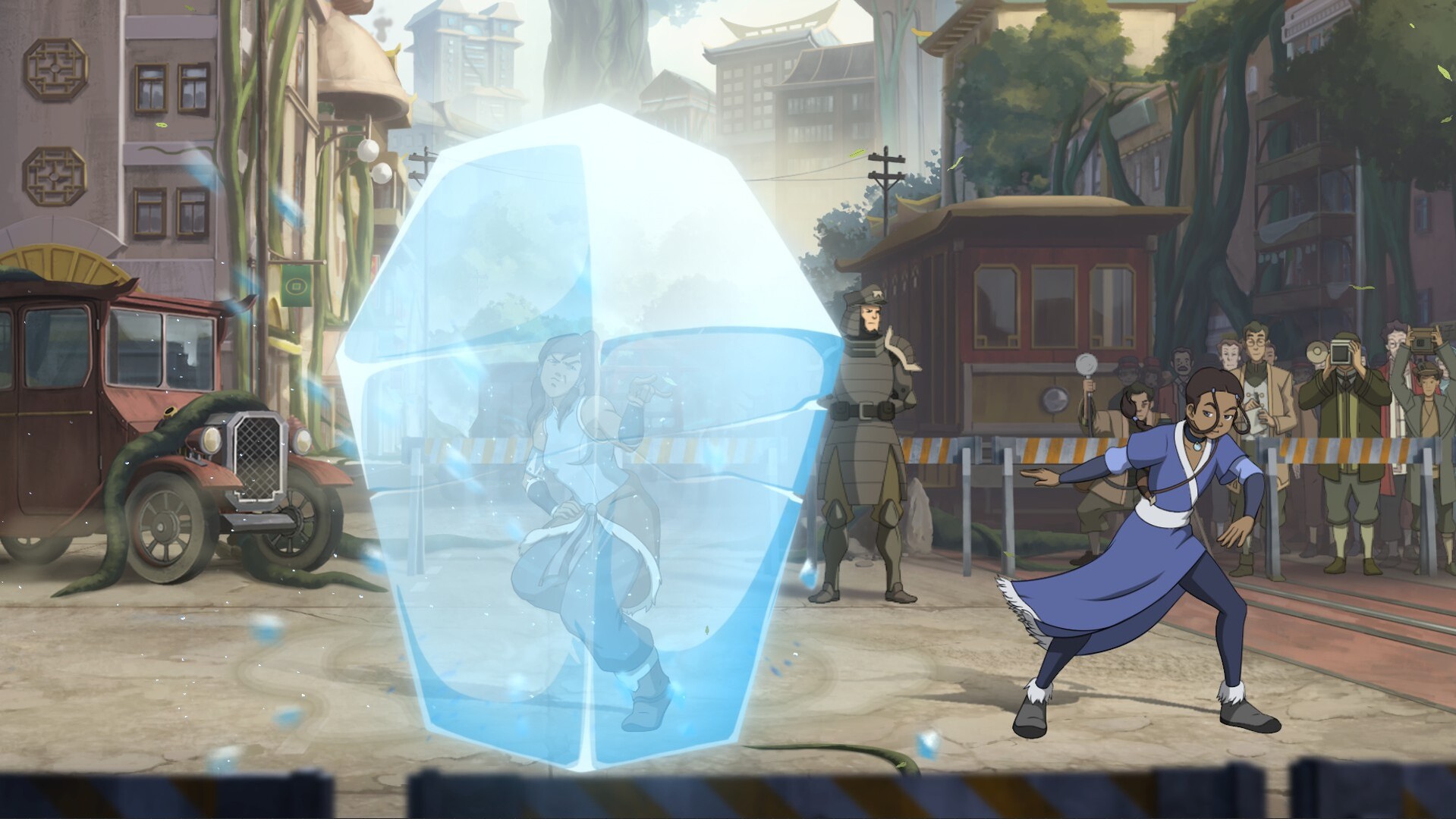
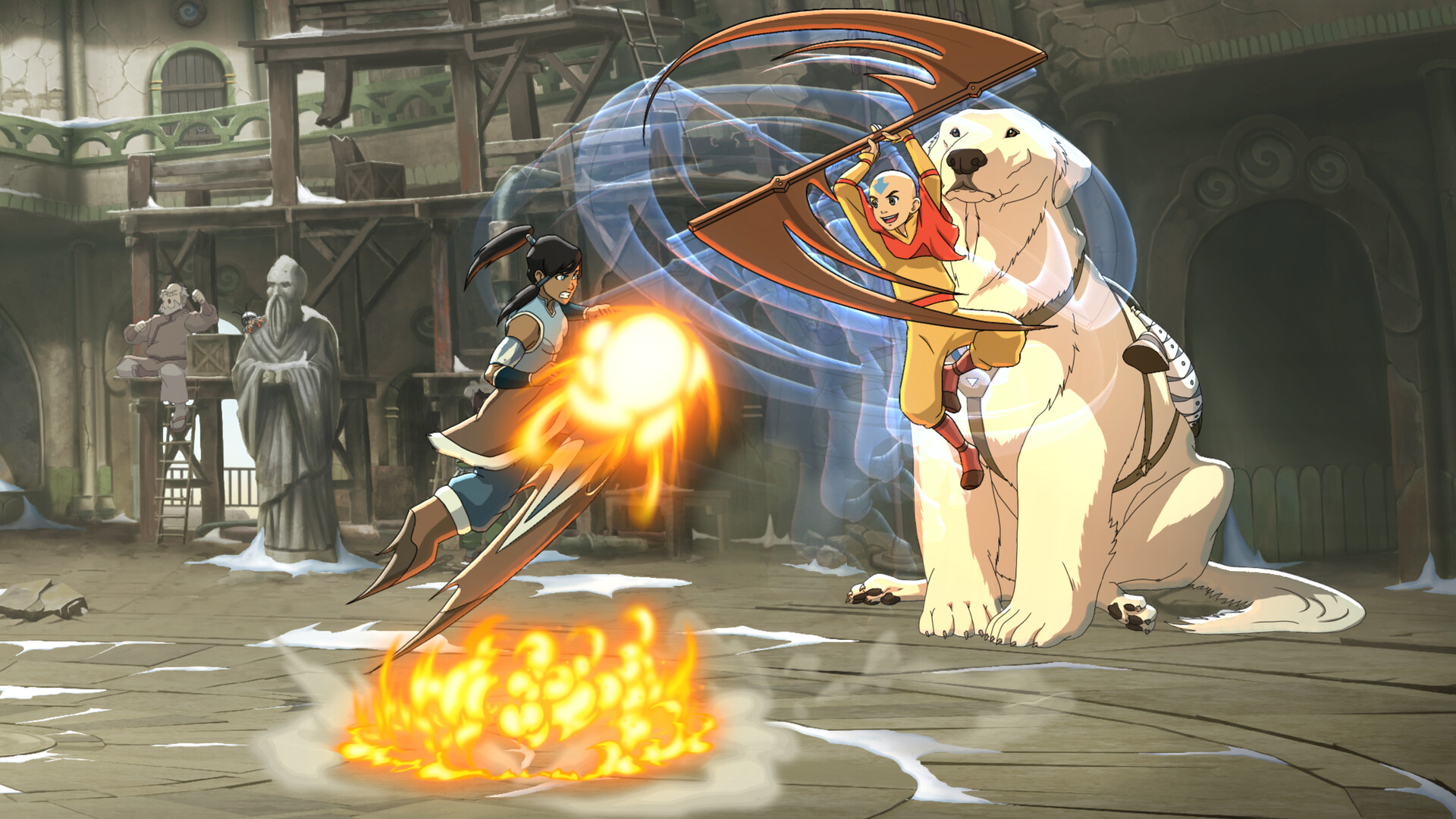
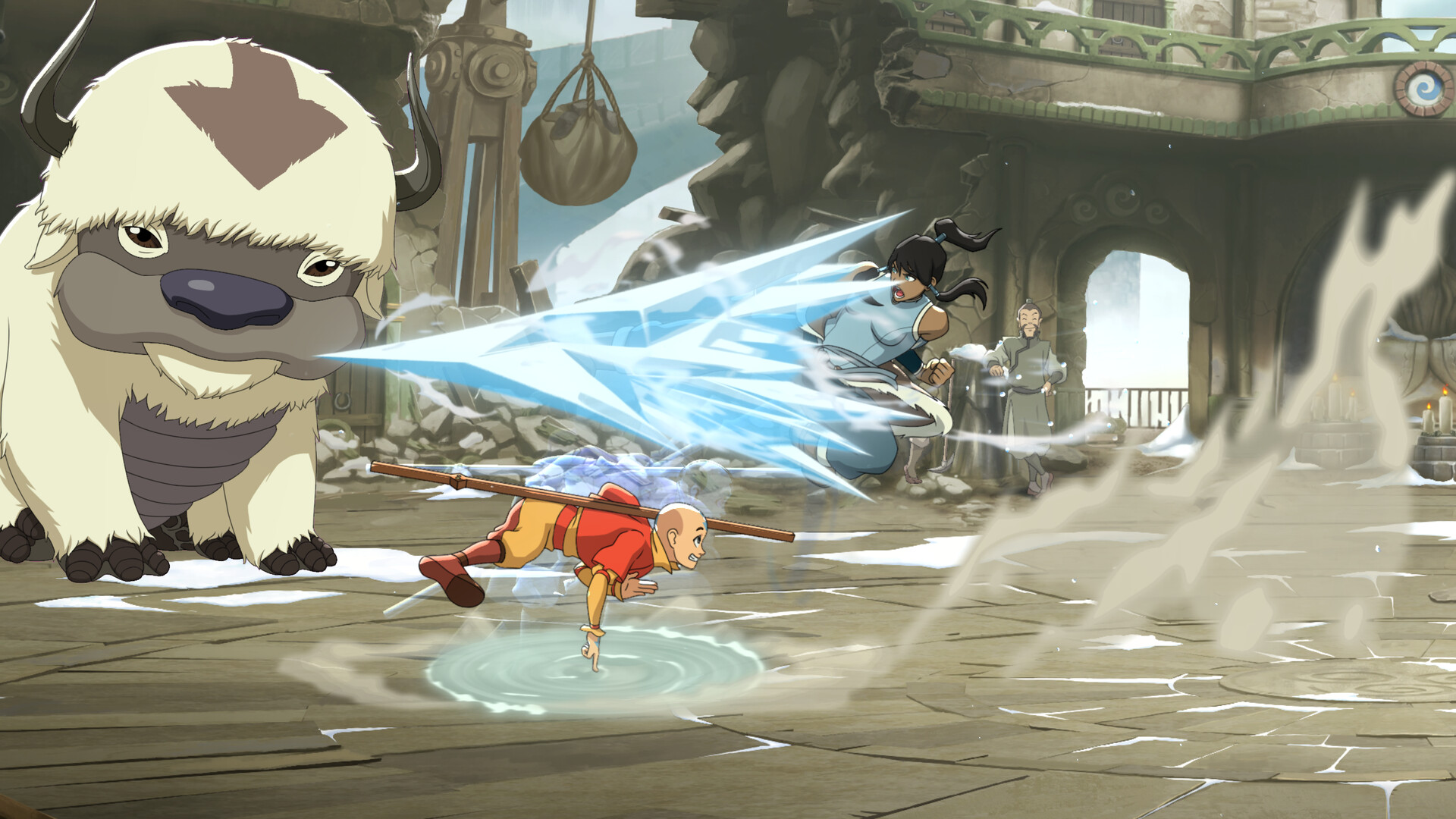
Avatar Legends is first and foremost a traditional 2D fighting game dressed in the skin of the Avatar universe. Matches revolve around Flow — a mobility resource that lets you dash, evade and chain movement options — and Energy Points that you build to trigger cinematic Super Arts. In practice that means fights feel very aerial and momentum-driven: you’ll dash into a double-jump, cancel into a Flow attack, and convert to a long punishing combo or a cinematic finish. Each of the 12 launch characters plays like a different toolbox — Aang’s air mobility, Toph’s terrain tricks, Zuko and Azula’s flame spacing and Ozai’s heavy-but-explosive toolkit require completely different mindsets. There’s a clear learning curve: beginners can mash a handful of easy strings and have fun, while lab rats will find a ridiculous high ceiling in movement cancels, frame-perfect links and support extensions.
Support, Flow and Super Arts — What Makes It Tick
What sets the game apart are the little systems that interact: three selectable support characters per fighter, Flow-cancellable normals and the Flow → Energy loop that rewards creative play. Supports aren’t just palette swaps — they alter spacing, grant extra tools, and can turn a character from zoning to rushdown depending on the pairing. Super Arts are loud, decisive and can dramatically swing momentum when timed well, which makes Energy management feel meaningful rather than tacked on. The game also comes with Story, Arcade, Training and a gallery celebrating the art — plus a Year 1 Pass plan that will add five characters. For competitive players there’s rollback netcode and crossplay promises, and the training mode exposes hitboxes, frame data and save states — useful for people who want to lab setups and learn proper punishes.
Frame-by-Frame Love: Art, Sound and Tech
Visually, this is one of the most faithful Avatar adaptations I’ve seen: hand-drawn 2D animation that genuinely looks like frames from the show, from bending effects to character poses. Sound and voice acting mostly hit the mark and the Super Arts have the punchy impact you want in a fighter. On the technical side the netcode is good in my sessions, but the launch build shows stress: combo trials that misread inputs, characters with incomplete animations (a few reviews flagged Ozai and Nightmare Korra), and missing QoL like proper keyboard remapping, more than-two-person lobbies, and a ranked mode on day one. Those omissions are not fatal to the core gameplay, but they do impact accessibility and community growth. In short: the fighting is fun, the presentation is gorgeous, the scaffolding around it needs work — and the devs seem to be patching things, but it’s an imperfect start.

Avatar Legends: The Fighting Game nails the fantasy of bending in a way few licensed fighters manage: it’s beautiful, technically rich and explosively fun. However, the launch state undercuts a lot of goodwill — missing QoL, buggy trials and a couple unfinished characters mean it’s better to buy if you value gameplay first and can live with post-launch fixes. Recommend for Avatar fans who love fighters and competitive players; casual buyers should wait a few patches unless they don’t mind a rough ride.


Pros
- Gorgeous hand-drawn animation that channels the shows
- Deep, high-skill combat with accessible entry points
- Meaningful systems (Flow, Energy, Supports) that reward creativity
- Rollback netcode and crossplay promise for long-term play
Cons
- Rushed launch feel: missing QoL (keyboard remap, ranked, lobbies)
- Some combo trials and tutorials are buggy or inconsistent
- A few characters feel unfinished at release
Player Opinion
Players are almost unanimously singing the core praise: the gameplay is excellent, the hand-drawn presentation hits the nostalgia hard, and each character feels distinct — many say it’s the most fun they’ve had in a fighter for years. On the flip side there’s a long, repeated list of complaints in the reviews: no keyboard rebind by default, ranked mode missing at launch, lobbies restricted to two people, buggy combo trials and a training mode that lacks some QoL expected in modern fighters. A lot of reviewers explain that hardcore fighting-game players will adore the depth, while casual Avatar fans may be frustrated by strict timing and thin single-player options. If you like anime-style technical fighters (think ArcSys/BlazBlue or fast-paced modern anime fighters), you’ll probably adore this; if you want a plug-and-play casual romp, wait for patches and QoL fixes.