Below, Rusted Gods Review — Operator Horror That Creeps Under Your Skin
Step into the operator's chair and guide a squad into a maddening abyss. Below, Rusted Gods is a compact, atmospheric horror game that trades cheap scares for creeping dread, strong audio design and meaningful choices.
I didn't expect to spend three nights thinking about a $7 indie game, but Below, Rusted Gods snagged me by the throat and refused to let go. The hook is simple: you're an Operator, not on the ground but behind the screens, guiding soldiers into a newly discovered abyss. Instead of sprinting through corridors yourself, you monitor bodycams, radios and status feeds — and every ping can mean life or death. It feels like a clever mash-up of psychological horror and management sim, borrowing the cramped dread of classic cosmic horror while adding a tender, tense heartbeat via choice-driven consequences.

Monitoring the Descent: Your Operator Seat
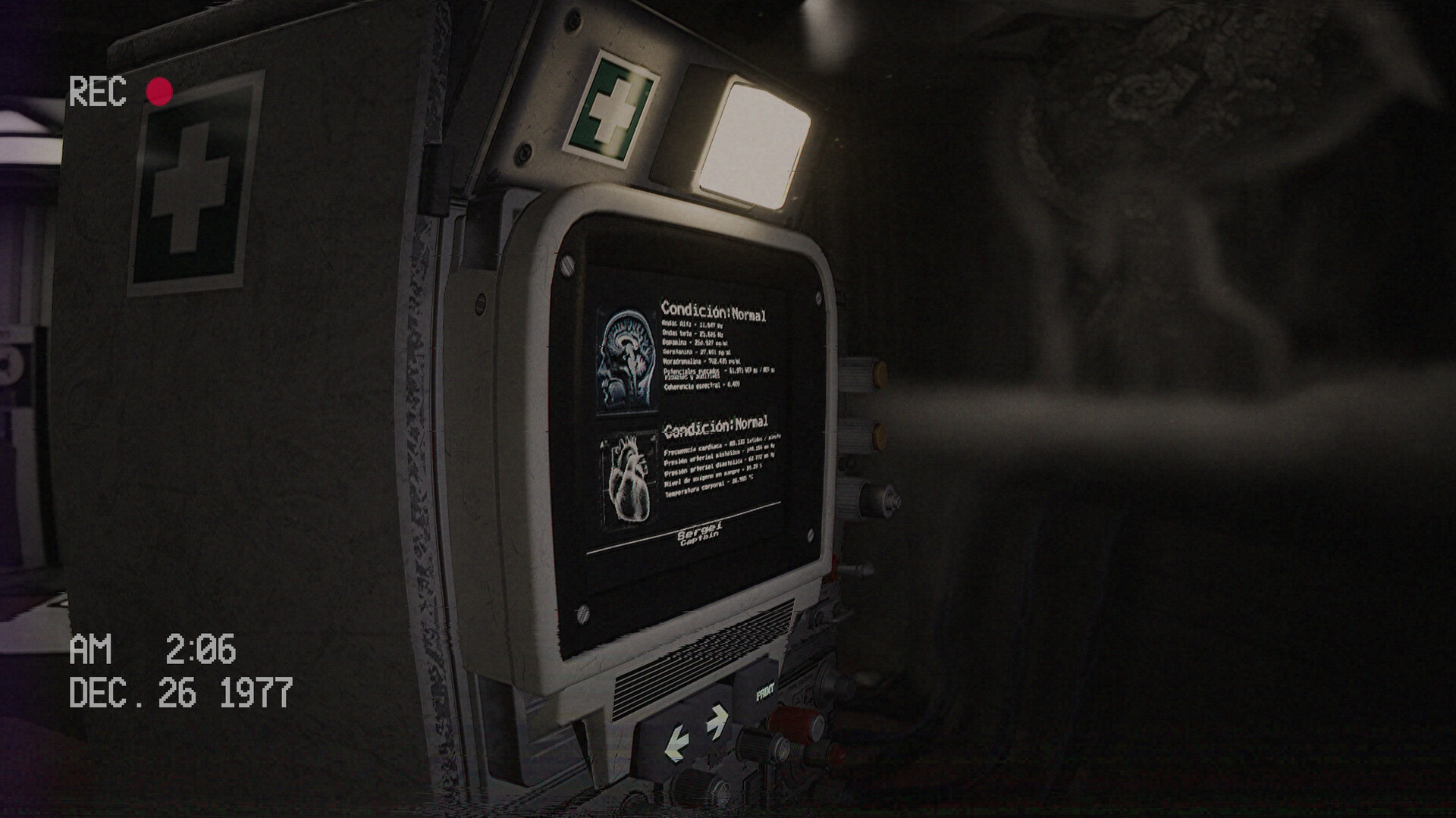
The core of Below, Rusted Gods is delightfully unusual: you never leave the control room. Gameplay revolves around reading telemetry, switching between team bodycams, checking a radar-style status board and tuning a radio to catch frantic transmissions. Your main actions are triage and navigation—give movement orders, decide when to press on or hold, and manage limited resources like battery power or comms clarity. That disconnect—sending real people into unknown darkness and only seeing fragments of their world through grainy footage—creates an uncanny tension you won't get from a steady third-person flashlight. The interface is intentionally tactile; flipping between frequencies, adjusting ASIO-like audio to pick up whispers, and zooming in on camera feeds feels satisfying and occasionally heart-racing.
When the Abyss Answers: Choices That Actually Matter
What lifted my jaw was how the game turned simple decisions into moral pressure. Early on I shrugged at the first 'press forward' or 'pull back' choice, then cried a little inside when a wrong call cost a squad member. There are multiple endings—players in the community talk about four distinct outcomes—and collectibles that influence what information you unlock. The game rewards attention: reading logs, piecing together radio static patterns and saving specific footage can branch scenes later. It's not a grind for endings; it's more about learning the language of the abyss and accepting that curiosity often has a price. Replayability isn't tacked on, it's baked into the design because each run teaches new cues and consequences.
The Sound of Fear: Visuals, Audio and Presentation
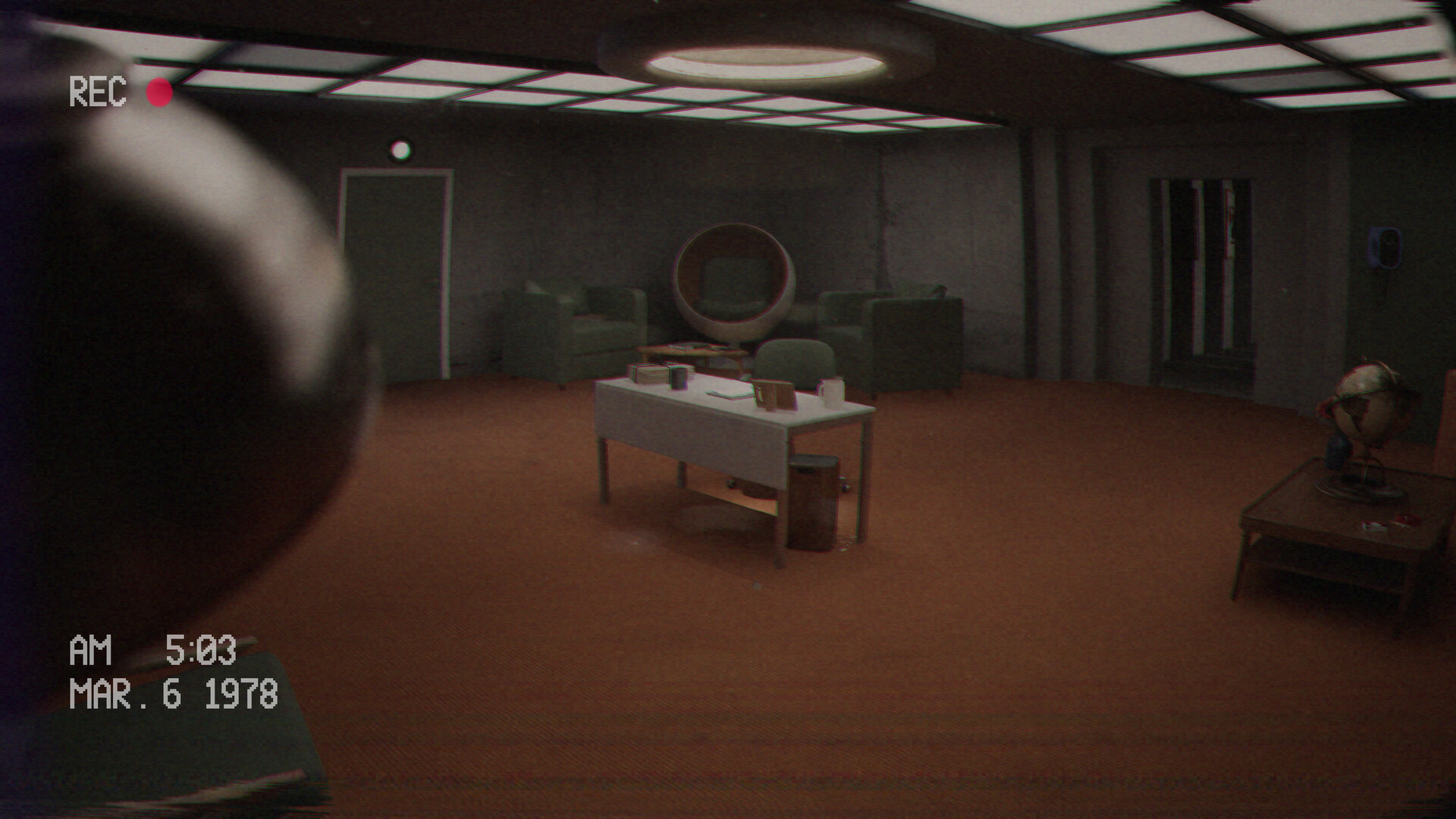
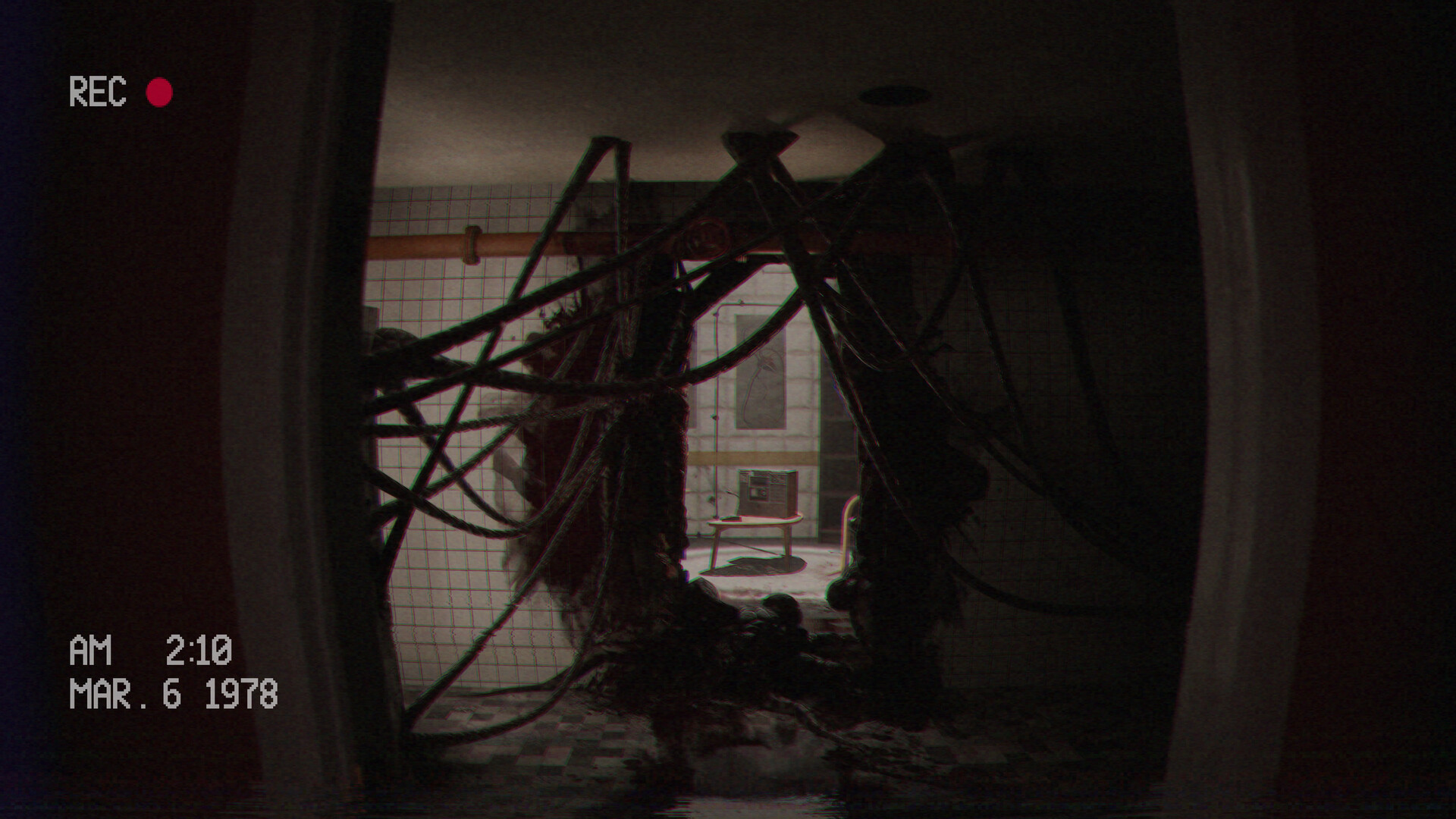
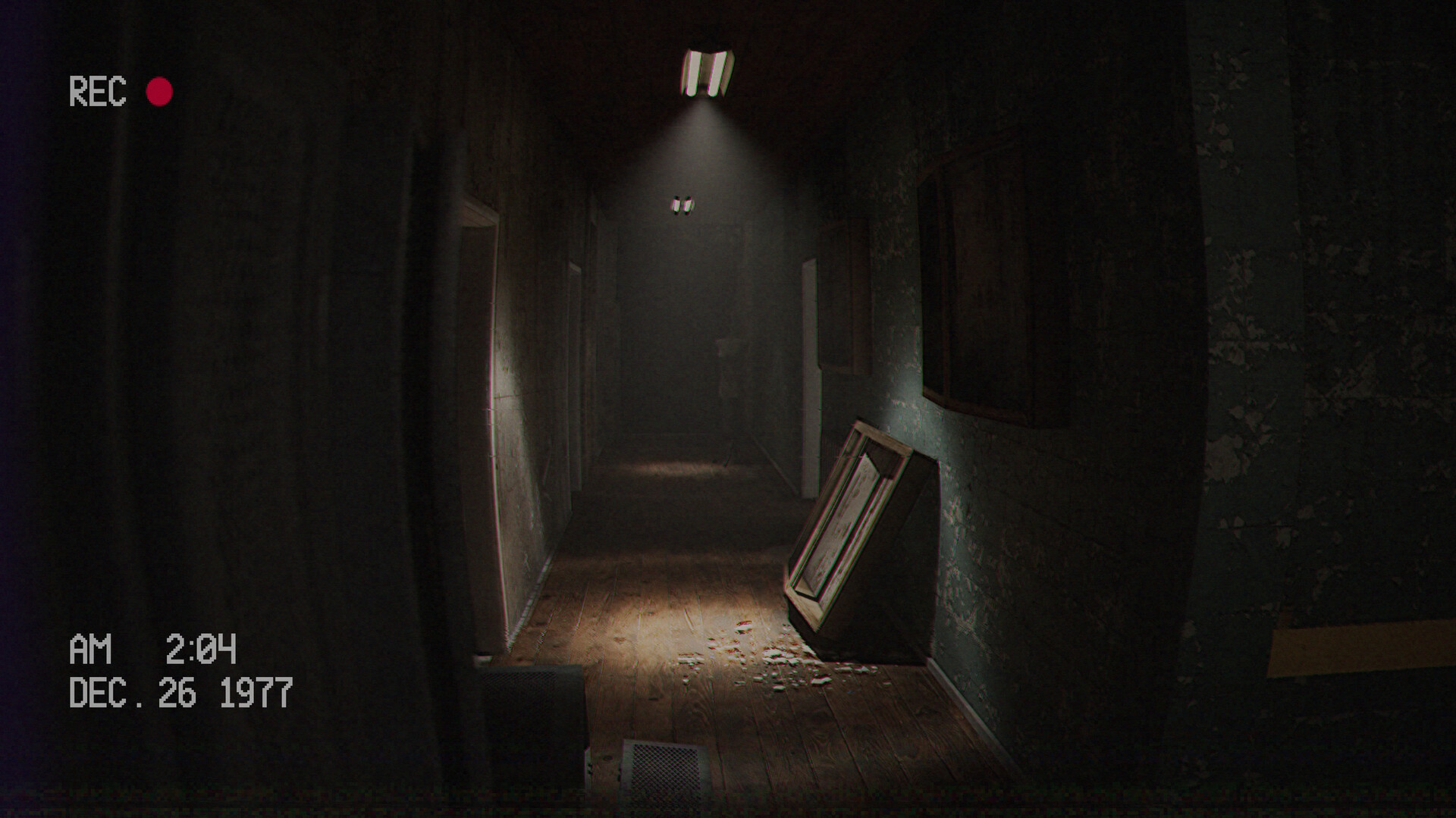
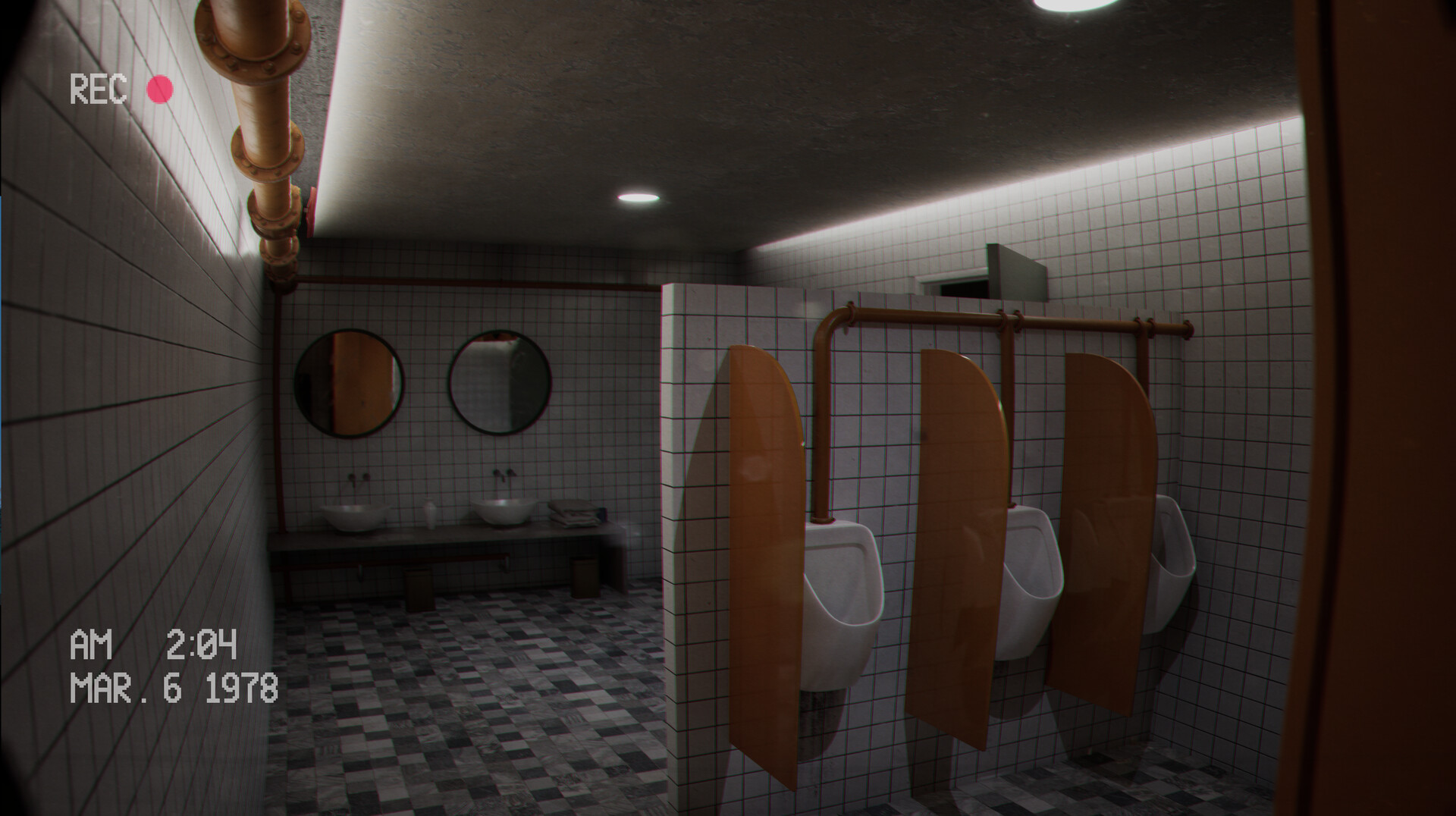
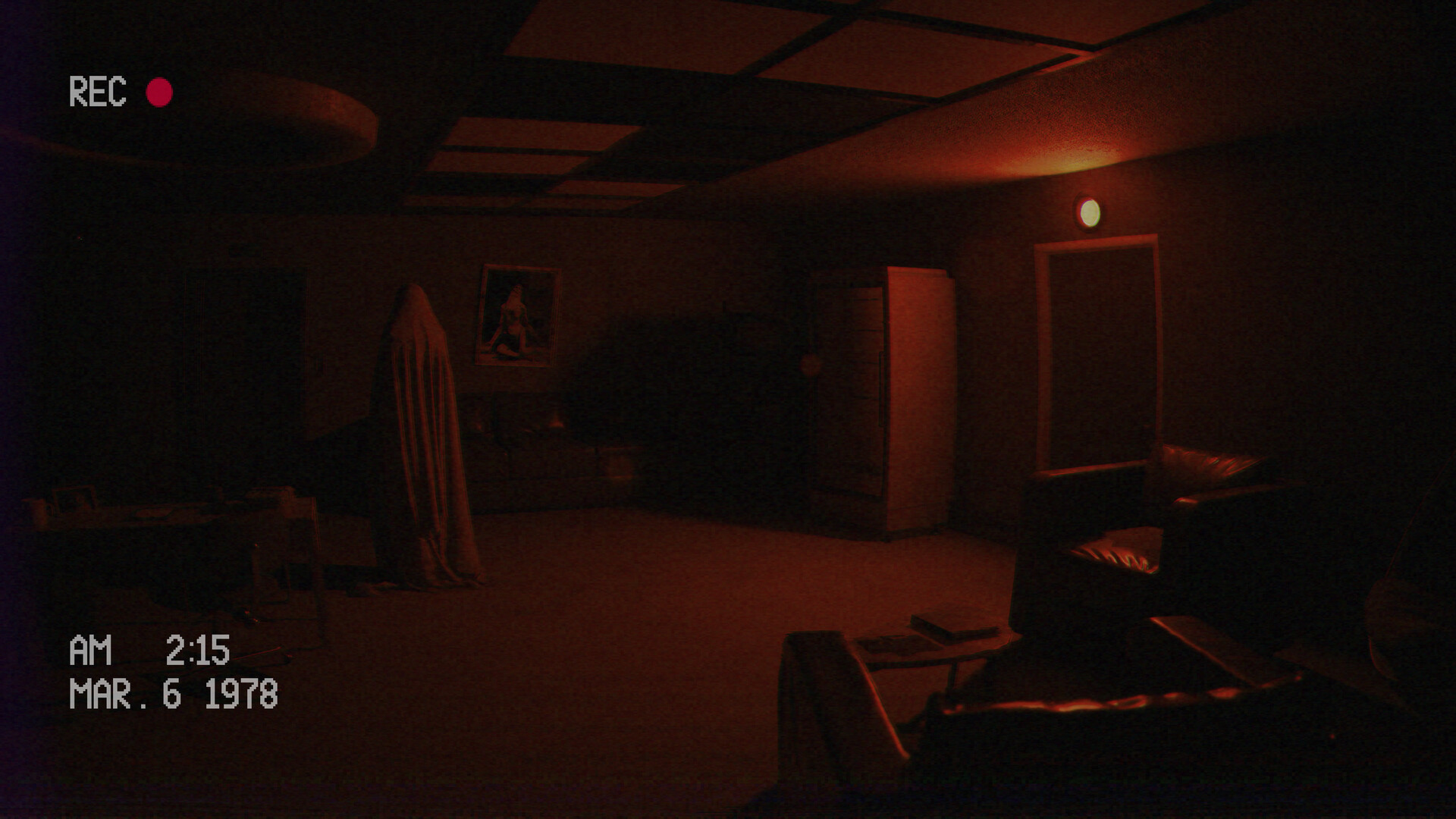
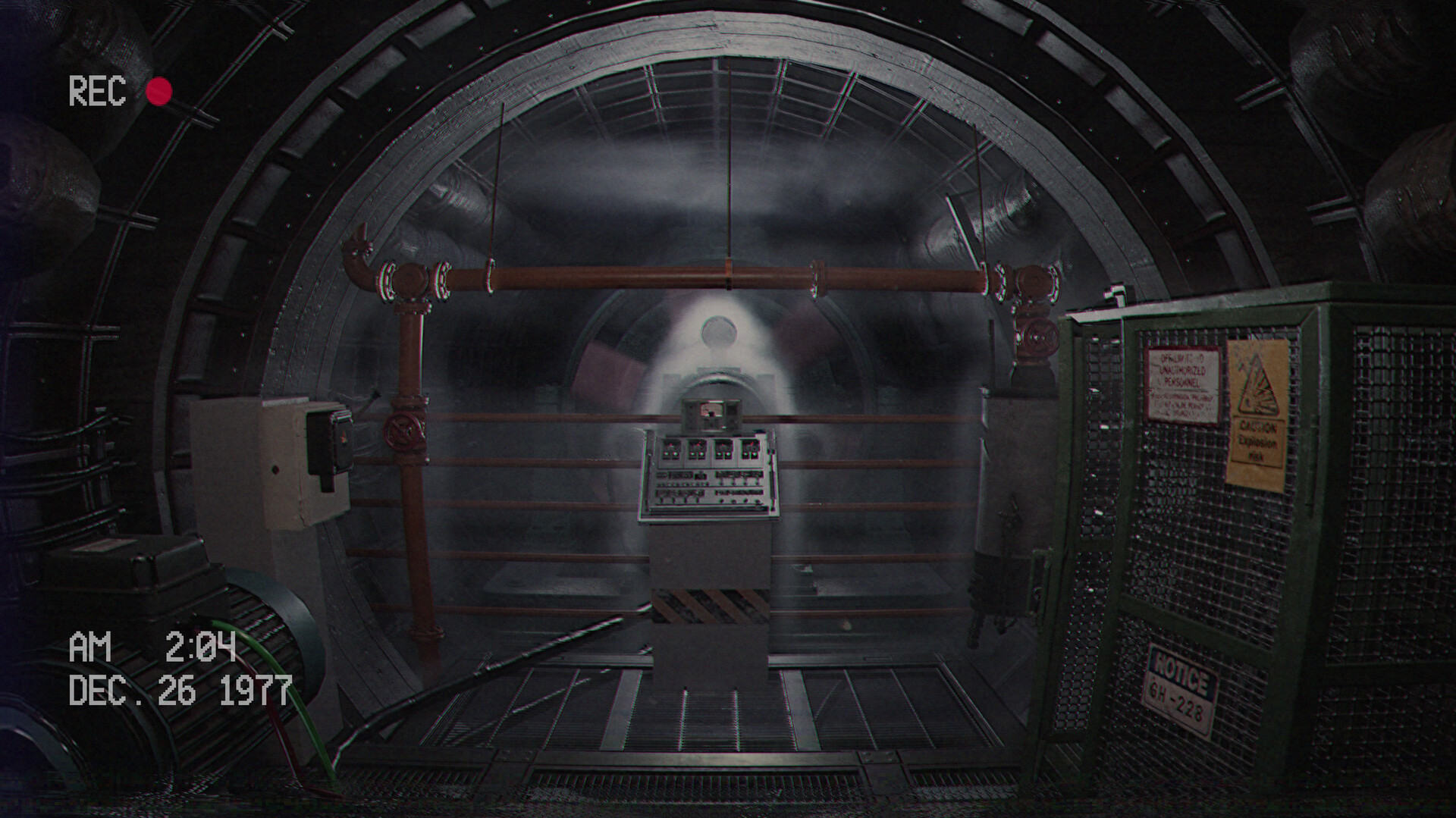
Below, Rusted Gods sells its terror with sound and style more than with gore. The '70s bodycam aesthetic — VHS grain, chromatic aberration and tape flutter — makes every corridor feel like found footage you've stumbled into. Audio design is the star: footsteps through static, distant thumps, whispered syllables and an unsettling soundtrack that swells at the exact wrong time. Voice acting and the radio chatter are surprisingly strong; soldiers feel like people, not puzzle pieces. Performance-wise I encountered very few hiccups: most players report solid stability, though a handful mentioned occasional lag spikes during heavy scenes. Accessibility is thoughtful but basic: keybindings and camera inversion can be adjusted (tip: check the axis settings at launch), and subtitles help if you play muted or on crowded speakers.
Why It Feels Different (and What It Borrows)
The game wears its inspirations — Iron Lung-esque telemetry tension, the slow-burn dread of indie cosmic horror — on its sleeve but adds its own twist by making you the puppeteer of human lives. Puzzles are more about interpretation than dexterity: decode a transmission, triangulate a signal, or decide which camera feed is trustworthy. The pacing is deliberate; it's short but dense, and that compact runtime helps preserve mystery rather than overstretch it. For a two-person team like FromSouthGames, the polish is impressive: slick menus, coherent UI and smart feedback loops keep you engaged without feeling like a tech demo. If there's a gripe, it's that some sequences feel a touch too scripted — the game sometimes telegraphs which path will yield a reveal — but even then the atmosphere carries you through.

Below, Rusted Gods is a compact masterpiece of indie horror: focused, polished and unnerving in equal measure. It's best for players who enjoy slow-burn psychological dread, narrative puzzles and the odd moral pang of responsibility. Buy it if you want a short but potent experience that lingers after the credits roll; skip it if you need long campaigns or non-stop action.


Pros
- Tense, well-crafted atmosphere that relies on dread over cheap scares
- Smart operator gameplay with meaningful choices and multiple endings
- Excellent audio design and convincing voice performances
- Polished presentation from a very small team — great value
Cons
- Relatively short runtime; some players want more content
- Occasional lag spikes reported during heavy scenes
- A few sequences can feel overly scripted, telegraphing key reveals
Player Opinion
Players consistently praise the game's atmosphere, audio design and the novelty of playing as an operator. Many reviews highlight that the horror is psychological and slow-burn rather than a barrage of jump scares — people love the old bodycam/VHS aesthetic and strong voice acting. Several players noted the branching endings and collectibles as satisfying reasons to replay, while a handful mentioned small technical hiccups like lag spikes or inverted camera defaults (easy to fix in settings). Overall the community echoes that Below, Rusted Gods is short but dense, delivering memorable scares and thoughtful pacing. If you liked games with found-footage vibes or telemetry-driven tension (some compare it to Iron Lung in spirit), you'll probably enjoy this one.