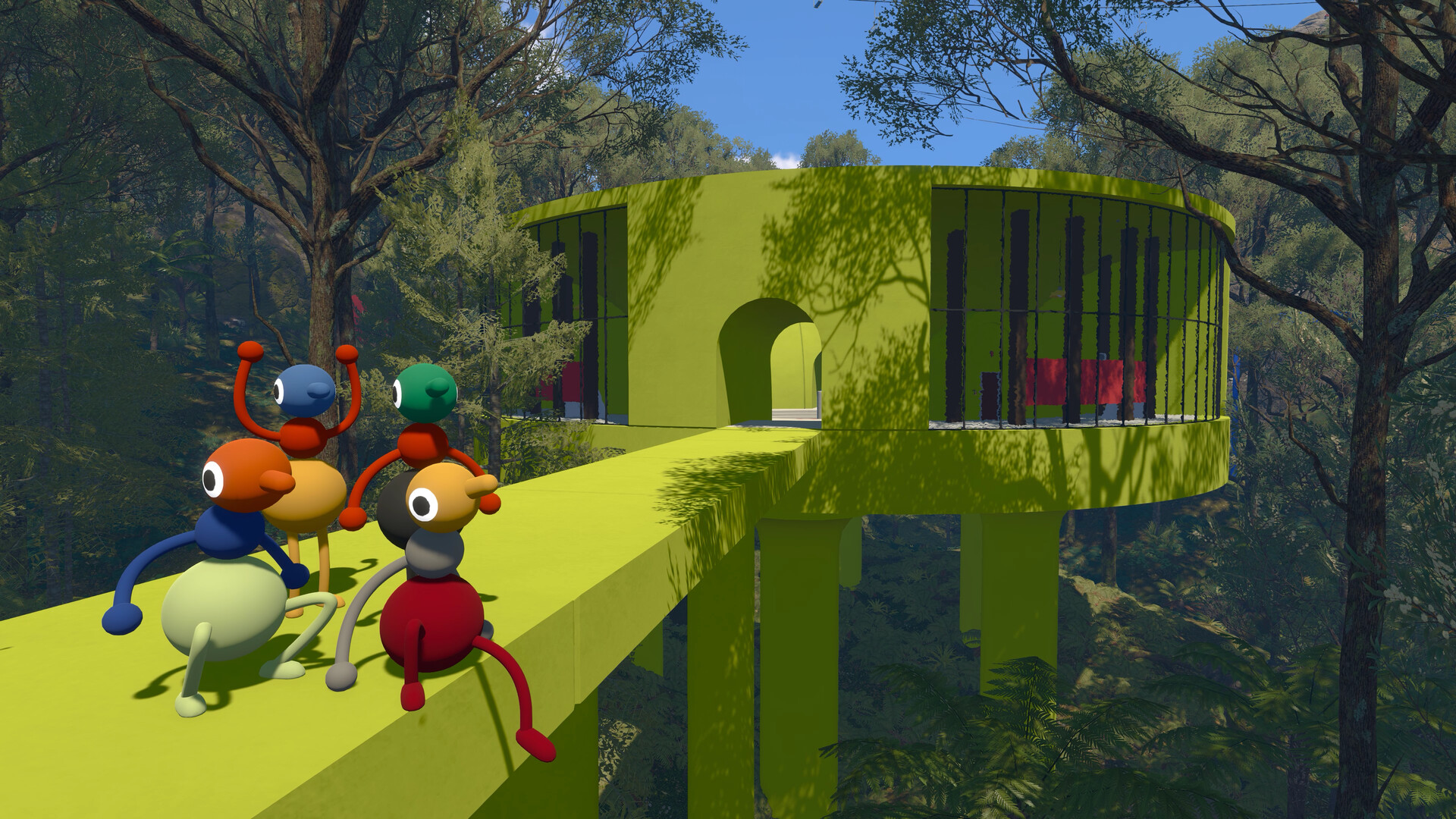
Big Walk Review – A Gentle Co-op Adventure About Walking and Talking
A warm, weird co-op about walking, proximity voice chat and goofy gestures. Big Walk turns aimless wandering into memorable moments with friends — if your mic and ping behave.
I went into Big Walk expecting a cute walking sim with a few puzzles and a lot of quiet company — and what I got was a series of ridiculous, tender vignettes that only make sense when shared. House House built a game that encourages you to get lost (literally) and then do something human about it: shout, wave, swap binoculars and laugh when someone kicks them into the ocean. It’s part social experiment, part sunset-gazing simulator, and it borrows the same whimsical DNA that made Untitled Goose Game infectious. If you want a co-op that’s about presence rather than points, this is the kind of small, brilliant cruelty your friendship needs.

Wandering Together: The Slow Joy of Teamwalking
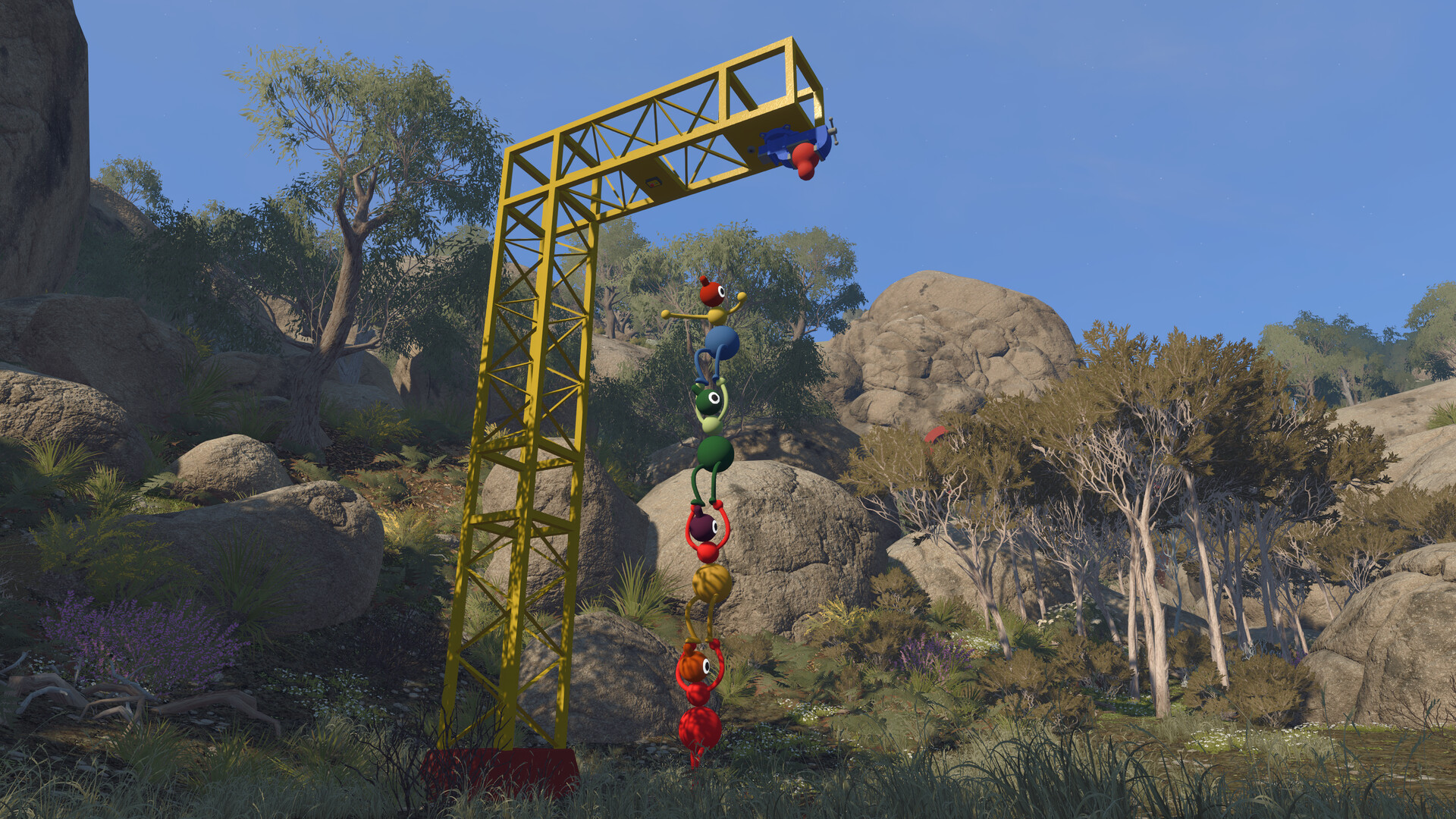
Walking is the point, and Big Walk treats it like a conversation. You stroll across a very large, lovingly detailed island with your pals, pausing to solve oversized environmental puzzles or to simply sit and watch the light change. The game deliberately removes traditional combat or timers, so progress depends on exploration, communication and the occasional ridiculous misstep. Movement feels intentionally unhurried: the rhythm of your party determines the pace, and that gives the world room to breathe — and to surprise you. My best sessions were half puzzle hunt, half improv comedy, because the tools encourage accidental stunts and improvised plans. Whether you play as a focused two-person duo or a chaotic twelve-player mob, the core loop stays the same: walk, talk, gesture, repeat.
When Words Fail: Gestures, Toys and the Proximity VoIP
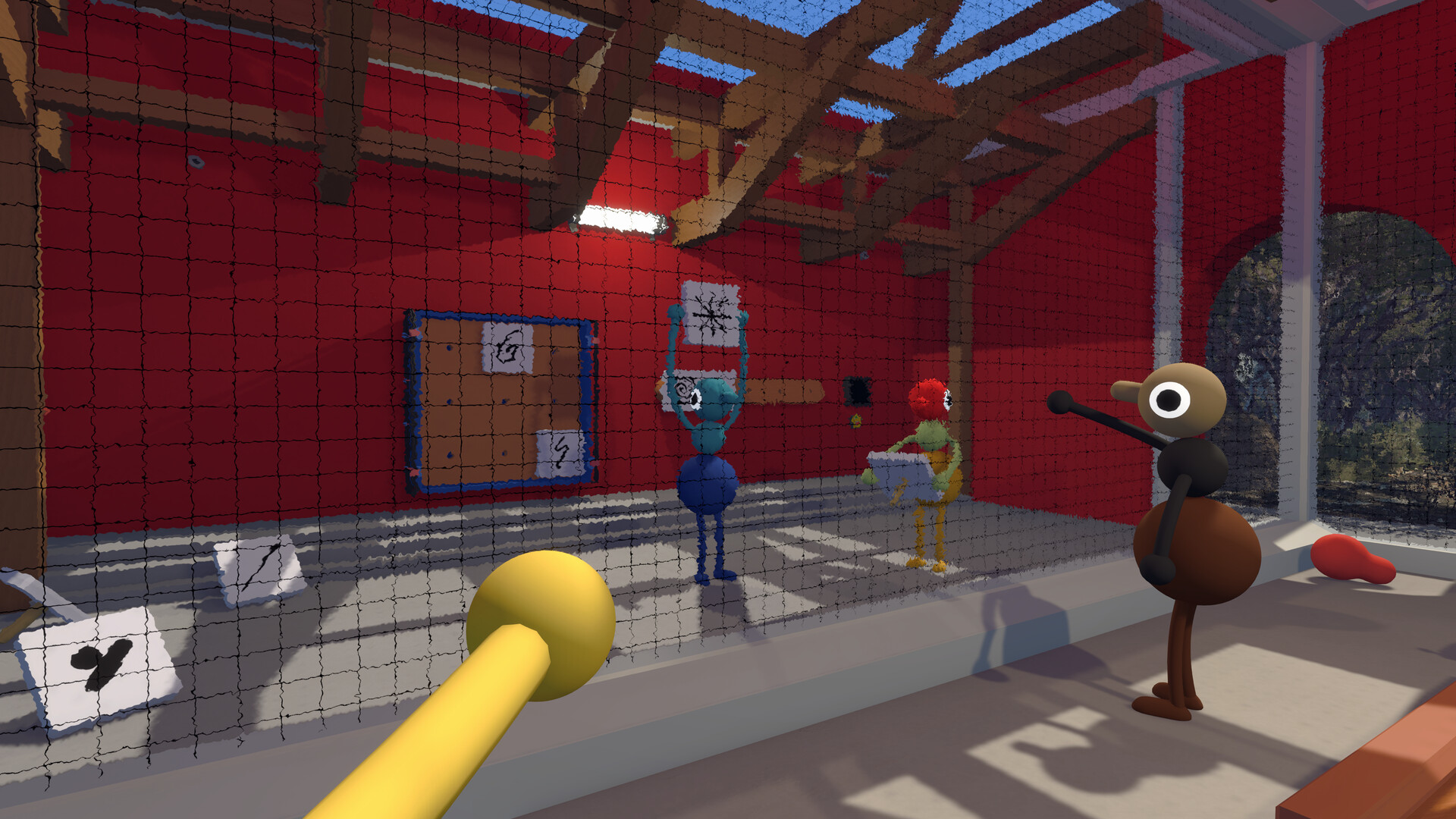
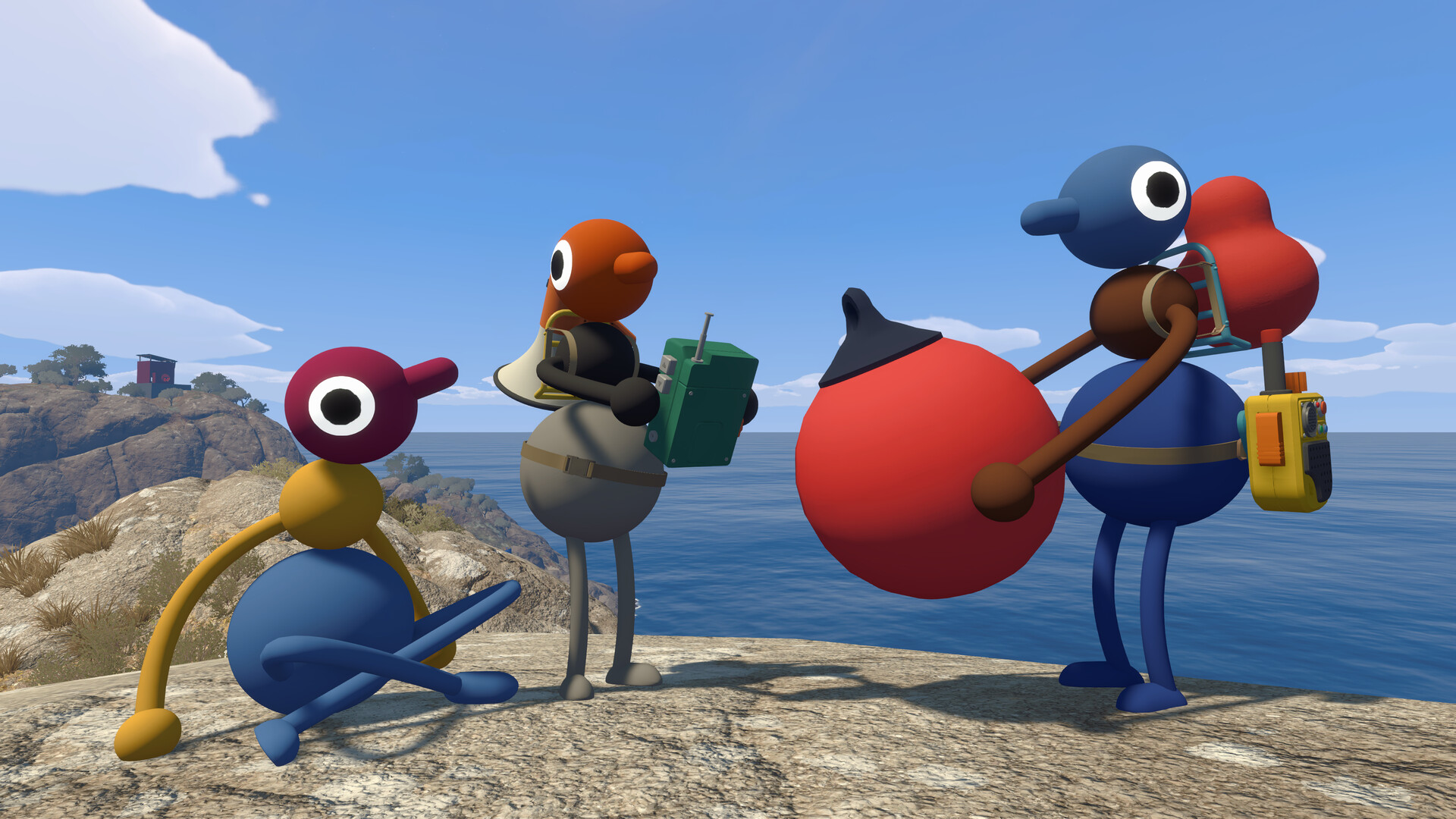
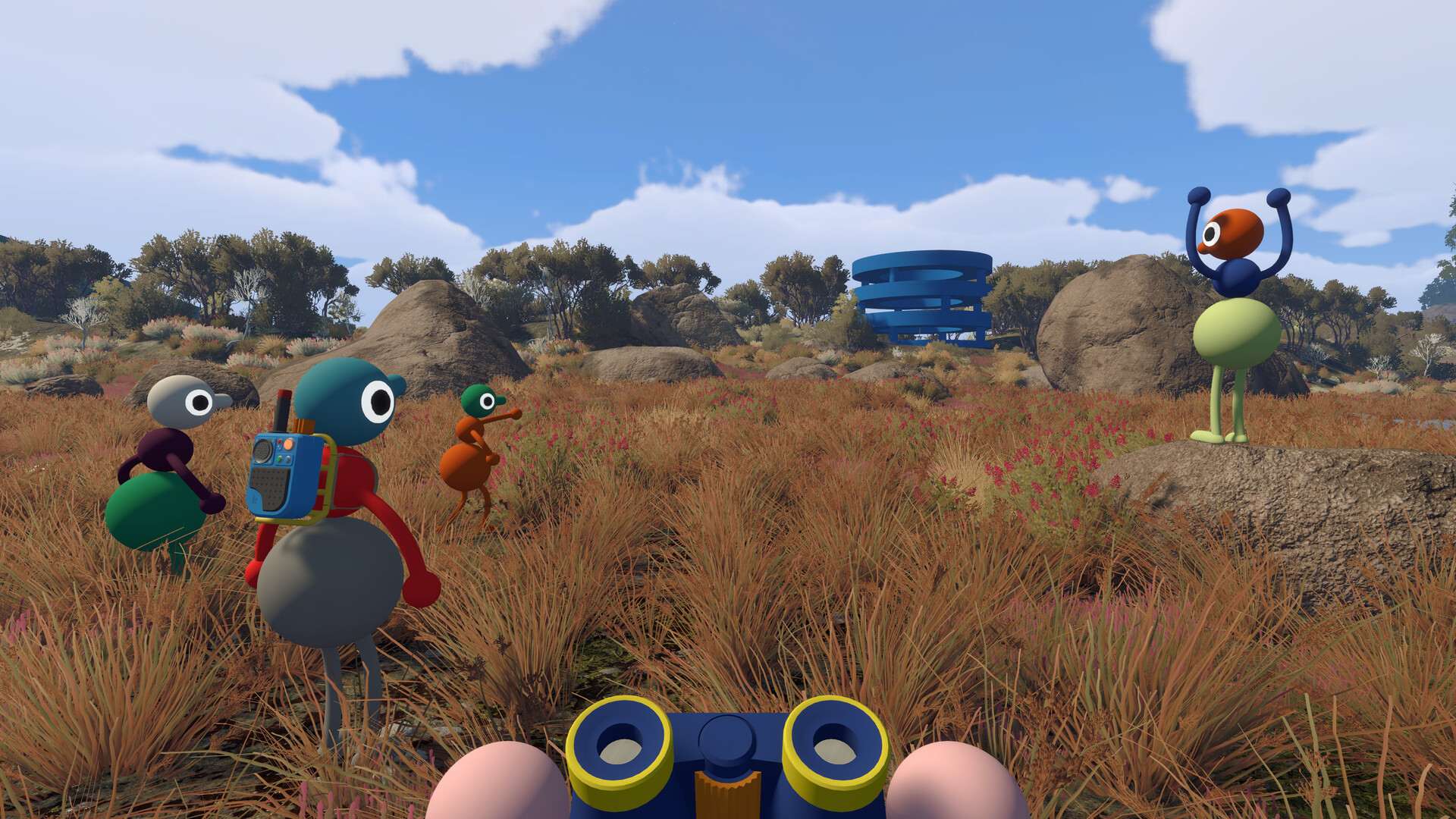
Big Walk’s social toolkit is the star. There’s a proximity voice system that makes distance meaningful — getting further away muffles and warps speech, walkie-talkies crackle with personality, and a megaphone will make you feel absurdly important. When voice chat isn’t enough (or deliberately disabled), the charmingly clumsy arm animations and simple gestures become a new language: point, wave, flail, or invent a semaphore of your own. Then there are the toys — binoculars, laser pointers, cowbells, flares and a baffling golden head — which are both puzzle tools and comedic props. I spent equal time solving a logic puzzle and trying to steal a friend’s binoculars, which the game somehow rewards with the same level of glee.
Bushland Beauty and Soundscapes
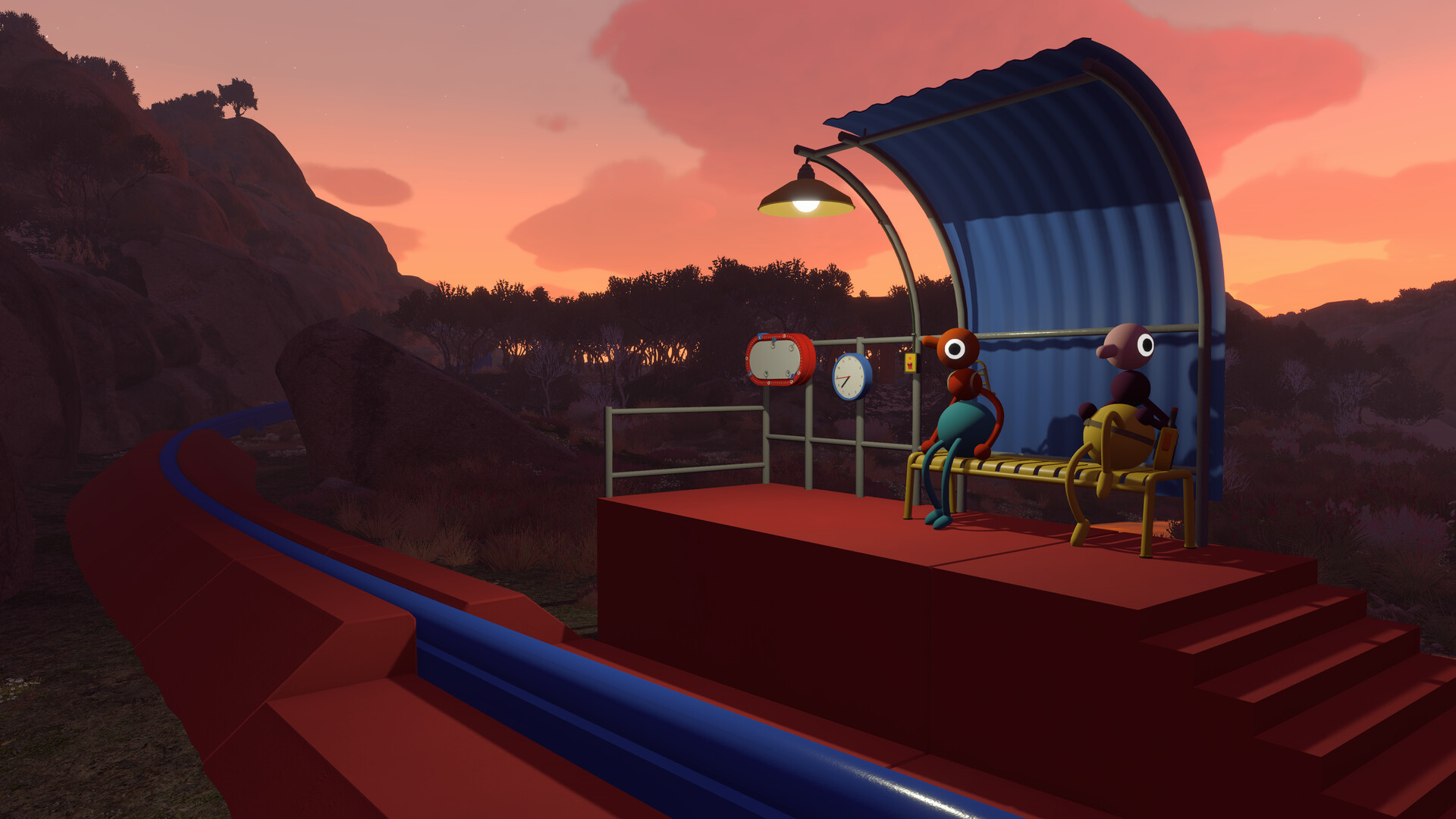
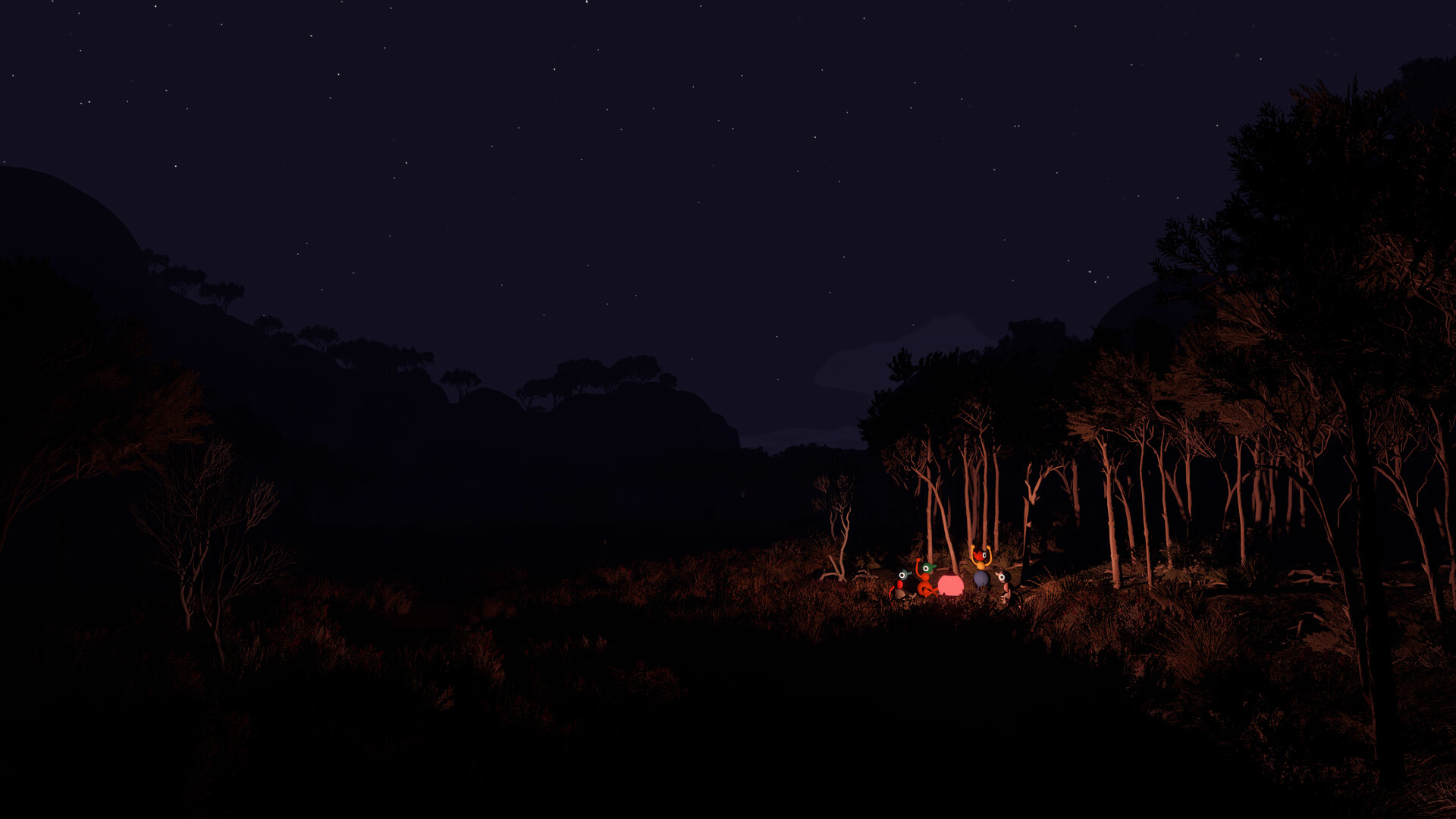
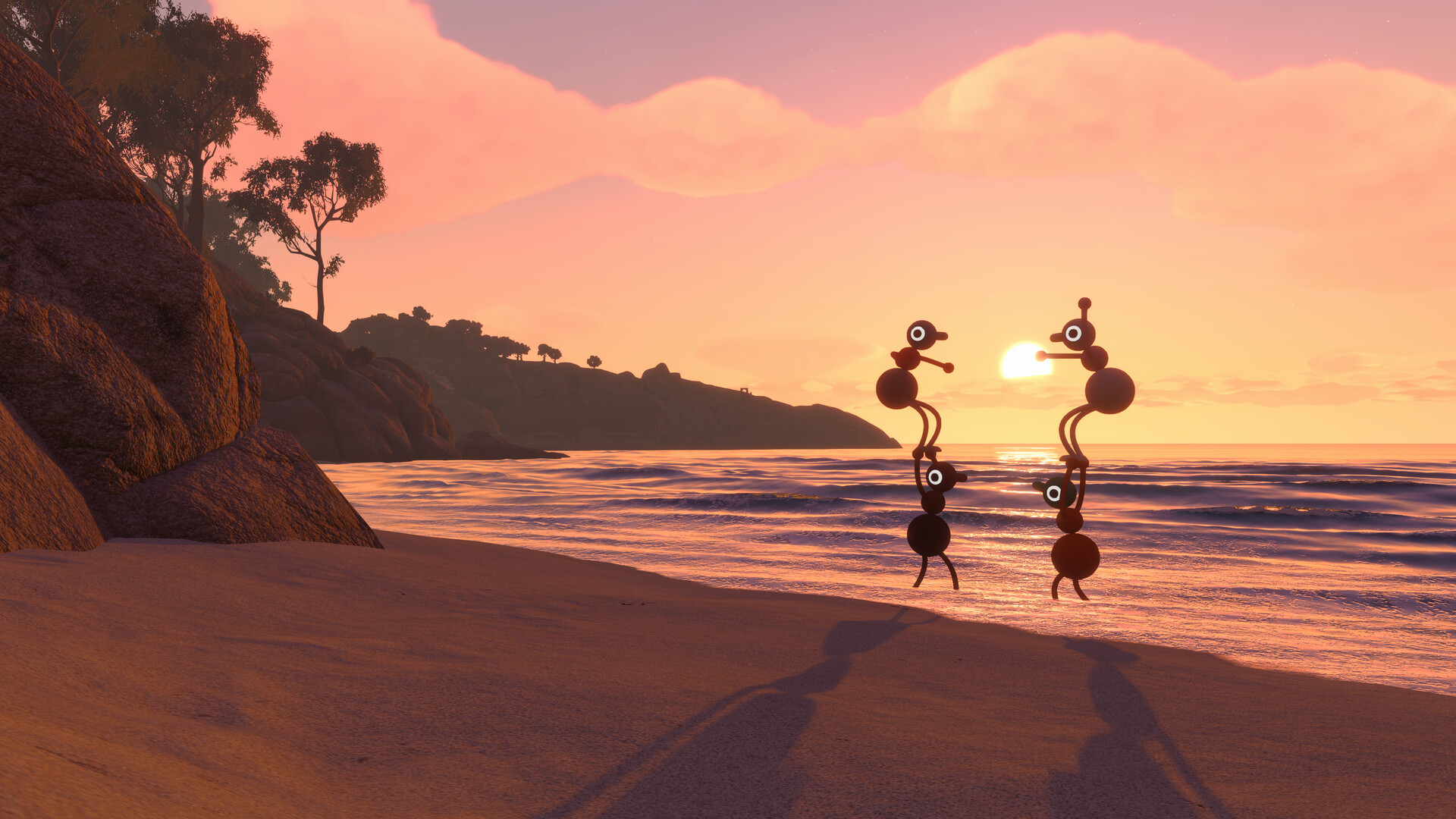
Presentation is quietly excellent: the Australian-inspired flora, warm lighting and gentle weather shifts make for a believable, calming backdrop. Sound design is especially clever — footsteps through scrub, distant bird calls and that proximity audio create real spatial moments that feel like being on a long drive with mates. Music is sparse and used like punctuation rather than spoon-feeding emotion, which suits the mellow tempo. On the technical side, I did bump into issues: some players report microphone volume problems and cross-continent latency can turn a serene stroll into a frustrating of-then-later reunion. Still, when it all lines up — visuals, environmental audio and your friends on the other end of a walkie — the result is quietly magical.

Big Walk is one of those rare games that feels like a social good: it mends the small cracks in friendships with sunlight, silliness and the occasional flare. It’s best experienced with friends who will tolerate bad puns, stomp off occasionally, and come back with a plan — the game rewards patience and improvisation. Buy it for the memories and the moments; hold off only if cross-region latency or audio reliability will ruin the experience for your group.


Pros
- Warm, social gameplay that rewards shared moments
- Inventive use of proximity voice and gesture-based communication
- Beautifully realised environments with a relaxed pace
- Flexible player counts from intimate duos to joyous chaos
Cons
- Microphone and audio mixing issues reported by many players
- Lag on long-distance matches can break timing-based puzzles
- Occasional bugs and minor technical hiccups at launch
Player Opinion
Players are almost uniformly delighted by Big Walk’s social design: many praise its cozy atmosphere, the flexibility to play as a focused two-player pair or a messy larger group, and the way simple tools make for absurd, shareable stories. Reviewers frequently compare House House’s charm here to Untitled Goose Game and applaud the game’s ability to create meaningful, low-stakes moments — sunsets, accidental separations, and laugh-out-loud gestures. On the flip side, a recurring gripe is audio: several users asked for separate sliders for mic and game sound, and reported that the mic can be too soft. Technical complaints also pop up — cross-continent lag, occasional bugs, and the need for better volume controls are common notes. If you love cooperative experiments and patient, social play, fans say you’ll adore it; if you need perfect voice reliability for puzzle timing, prepare to tinker with settings.