Bills Must Be Paid Review – Smash, Upgrade, and (Maybe) Go Bankrupt
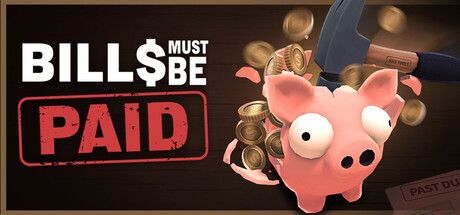
A cozy, frantic incremental about bashing piggy banks to pay bills. Short, addictive runs with satisfying hits, a light prestige system and room for more content.
I picked up Bills Must Be Paid because the concept is gloriously silly: you bonk piggy banks with a hammer to pay off real-life-style bills. It’s an active incremental that sits somewhere between Whack-A-Mole and Vampire Survivors — but with a cash-register soundtrack and a worrying new addiction to coin flips. What sold me was how instantly tactile it feels; one well-timed smash gives that same tiny dopamine hit you get from a jackpot. The game is short, polished, and honest about being a quick bite of satisfying chaos.

Hammer Therapy: Smash Now, Think Later
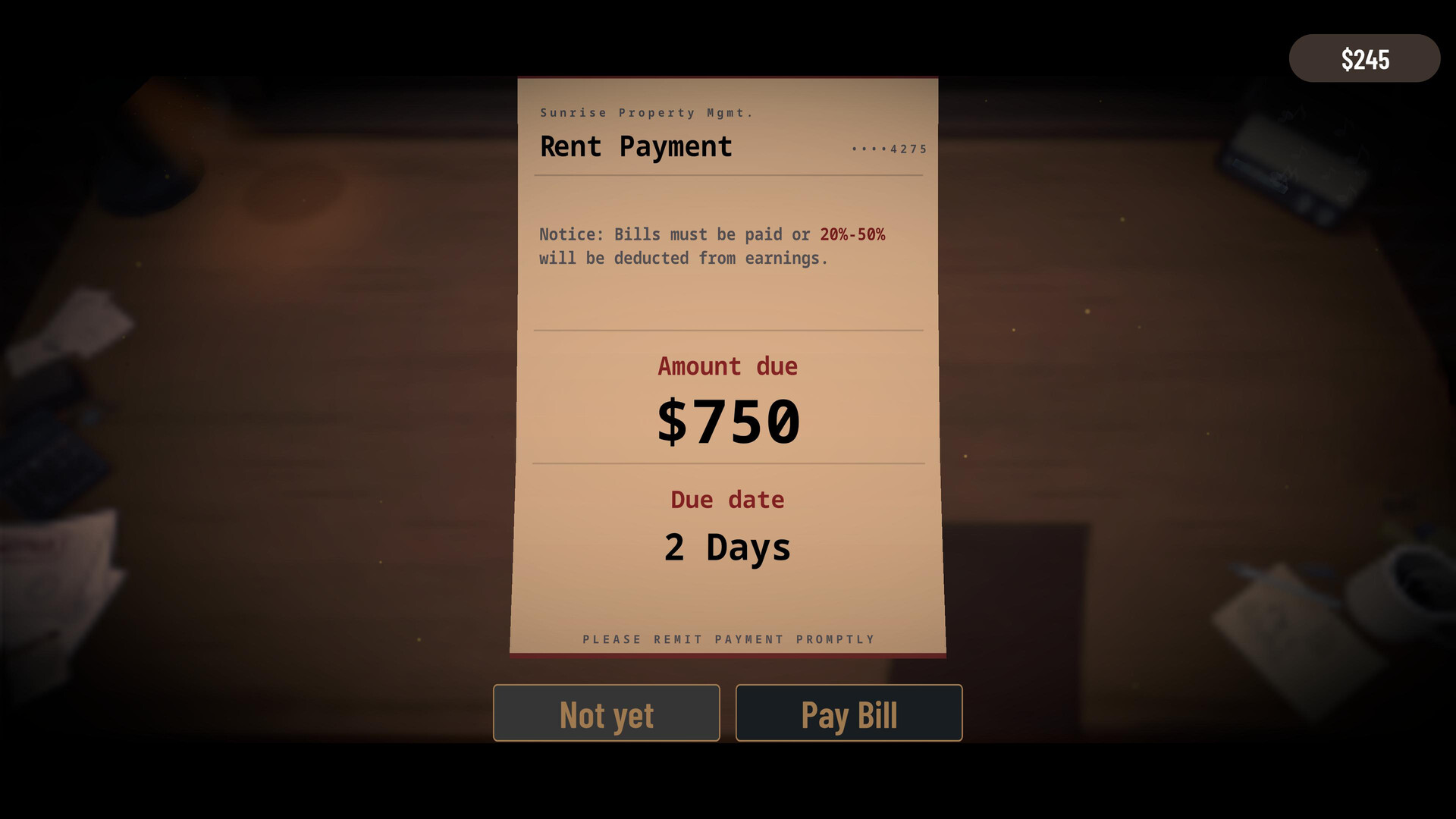
Deriving most of its joy from direct interaction, Bills Must Be Paid makes you swing, aim, and prioritize. Each run is an exercise in tempo: smash piggies to collect coins, avoid or interact with special pig types, and manage stamina because every swing costs endurance. Bills drop in as timers and decisions — pay them early for perks, or wait and gamble your run's earnings on chance-based minigames. Different hammers change your rhythm: some give big, slow, punchy hits; others are rapid with smaller radius. The layering of loot, stamina management, and timing creates runs that feel like short, frantic puzzles rather than mindless grinding.
The Little Tricks That Keep You Hooked
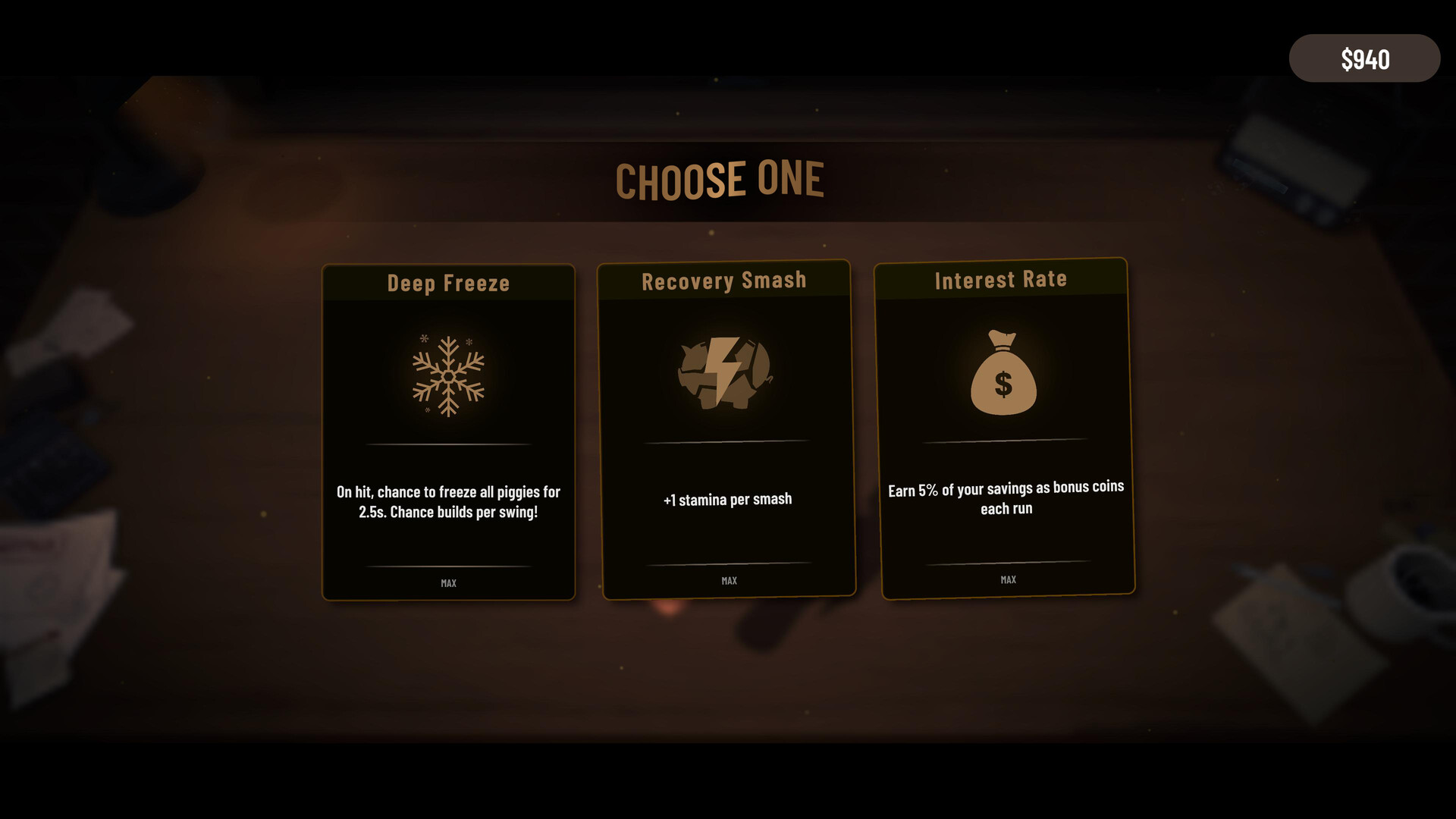
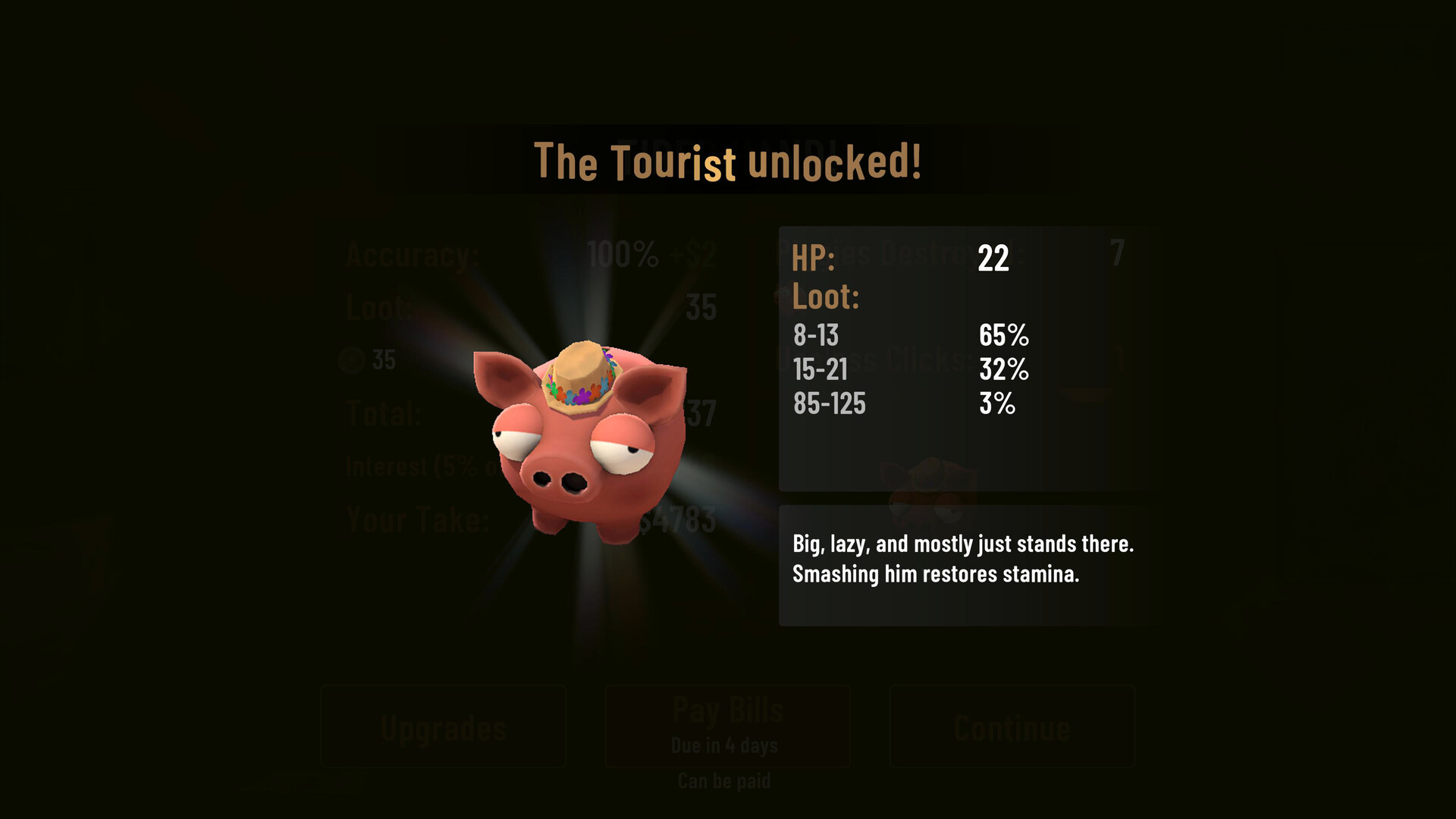
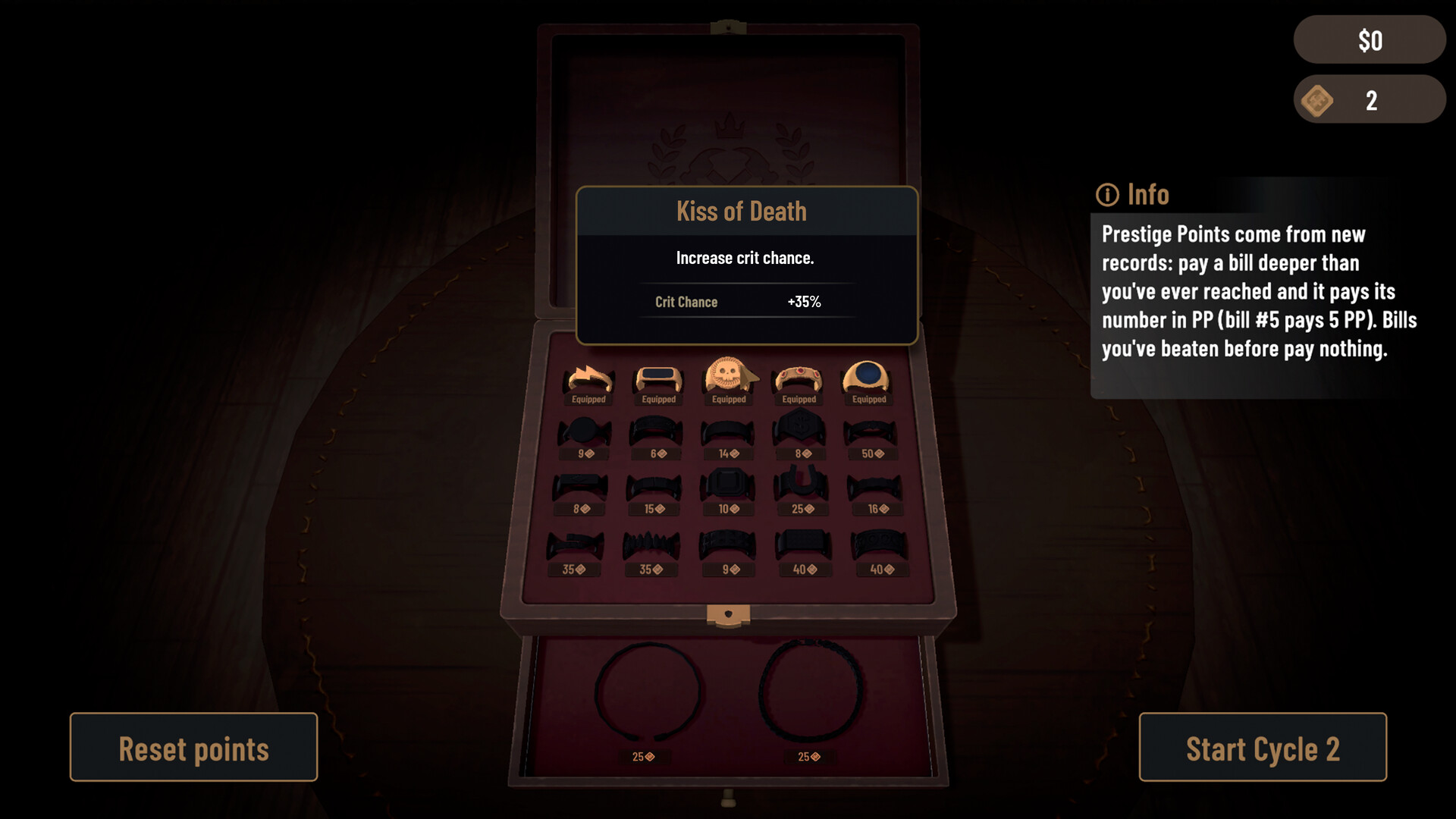
What sets this one apart is how many tiny systems interplay: pig types with quirky behaviours (runners, lazy stationary pigs, bomb-like pigs), random loot from piggies, and a modest but meaningful skill tree. Legacy points from bankruptcy let you buy rings and bracelets that permanently tweak your hand for the next cycle, which makes prestiging feel rewarding rather than punitive. There’s also an interesting risk-reward loop — gamble your cash with coin flips or minigames for a shot at bigger payouts, which leads to hilarious moments (and regrettable Toni loans). The upgrades are cheeky: “get addicted to caffeine”, electrify the hammer, or rain rocks from the sky. Each decision matters; some runs end because you misjudged a bill timer, others because you got cocky with a double-or-nothing.
Sound, Look and Performance: Cute, Clear and Satisfying
Visually the game leans into charm: smooth 2D assets, exaggerated pig physics and clear feedback on hits. Sound design is an underrated star — solid thuds for the hammer, satisfying coin splashes and little jackpot jingles that sell the action. Performance is generally smooth on Windows and Mac (players reported good results), and accessibility touches like an automatic swing option reduce physical spam — a nice relief for your wrist. There are a few small glitches mentioned by players (occasionally an ignite effect feels delayed), but the core loop stays smooth and joyful. Overall, it’s a concise package that looks and sounds like it was built to scratch a very particular dopamine itch.

Bills Must Be Paid is a delightful little incremental that nails tactile satisfaction and short-session fun. It’s perfect for anyone who wants a dopamine hit without committing dozens of hours — and who doesn’t mind a tidy, finite experience. Buy it if you like active incrementals, cute presentation, and sensible prestige systems; wait for updates if you crave more endgame content.


Pros
- Immediate, tactile satisfaction from smashing piggies
- Well-balanced progression and meaningful prestige upgrades
- Charming art and very satisfying sound feedback
- Runs are short and perfect for quick sessions
Cons
- Relatively short overall — 3–5 hours to 100% for many players
- Some late-game balance and minor bugs reported (ignite timing)
Player Opinion
Players consistently celebrate the game's core loop: the explosion of coins, the sound cues, and the silly satisfaction of bonking pigs. Many reviews mention that it scratches an incremental itch without demanding endless grind — you get rewarding prestiges and a clear endgame, which some players appreciated as refreshing. Criticisms cluster around length (a common theme: it’s short), occasional minor bugs like delayed ignite visuals, and the RNG of gambling minigames which some call gimmicky. Several players recommend it alongside Scritchy Scratchy and highlight the demo story (unauthorized sharing) as a reason they bought the release to support the devs. In short: if you want a compact, highly satisfying dopamine loop with light strategy and upgrades, most users say it’s worth the price; if you crave endless replayability, you may want more content.