Boba Cafe Simulator Review – Cozy Co-op Milk-Tea Management with Bite
Run a 2077-style milk tea shop solo or with up to 8 friends: hands-on drink crafting, menu pricing, deliveries and emergent co-op chaos. A charming sim that mostly delivers, but some UX bugs and a review-incentive controversy temper the sweetness.
Boba Cafe Simulator – Reborn puts you in charge of a small milk-tea stall that can grow into a city landmark. It’s interesting because it mixes precise, almost tactile drink crafting (think cutting fruit, timing tapioca, measuring syrups) with macro shop decisions like pricing and delivery platform deals. If you like cozy management games such as Stardew Valley’s cafe mods or the frantic team-play of Overcooked, this scratches a similar itch while leaning into long-term progression and social emergent moments. It’s both relaxing and occasionally merciless during rush-hour — a combo that kept me coming back.

Rush Hour: Grinding Tapioca and Keeping Heads Cool
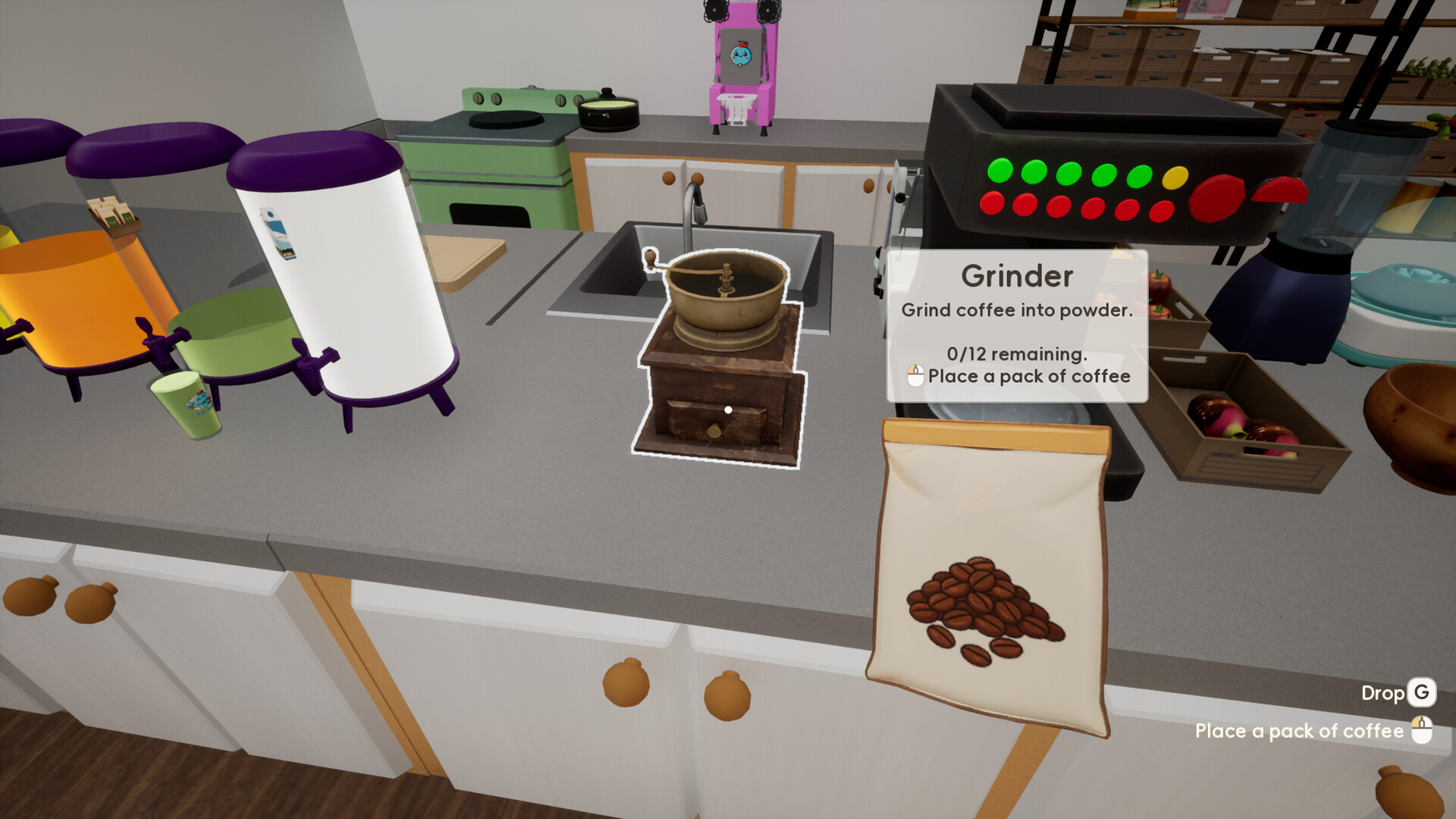
A typical session alternates between calm shop maintenance and intense 3–5 minute lunch or evening rushes. In my playthrough a standard rush sent 8–12 customers in quick succession: an iced watermelon juice (cut fruit → blend → add ice/syrup, ~18–22s), a classic bubble milk tea (boil tapioca earlier: 30–45s cook + 10s strain → brew tea 8–12s → assemble, ~40–60s total if you didn’t pre-cook), and a premium coffee (grind → espresso shot 6–8s → milk froth 5–7s). Managing these steps is the daily rhythm: pre-cook tapioca during quiet periods, stock fridges, and set one person to deliveries while others man the counter. When solo, expect to micro-manage every second; with 4–6 players the workload splits nicely — but so does the blame.
The Little Systems That Bite (and Reward)
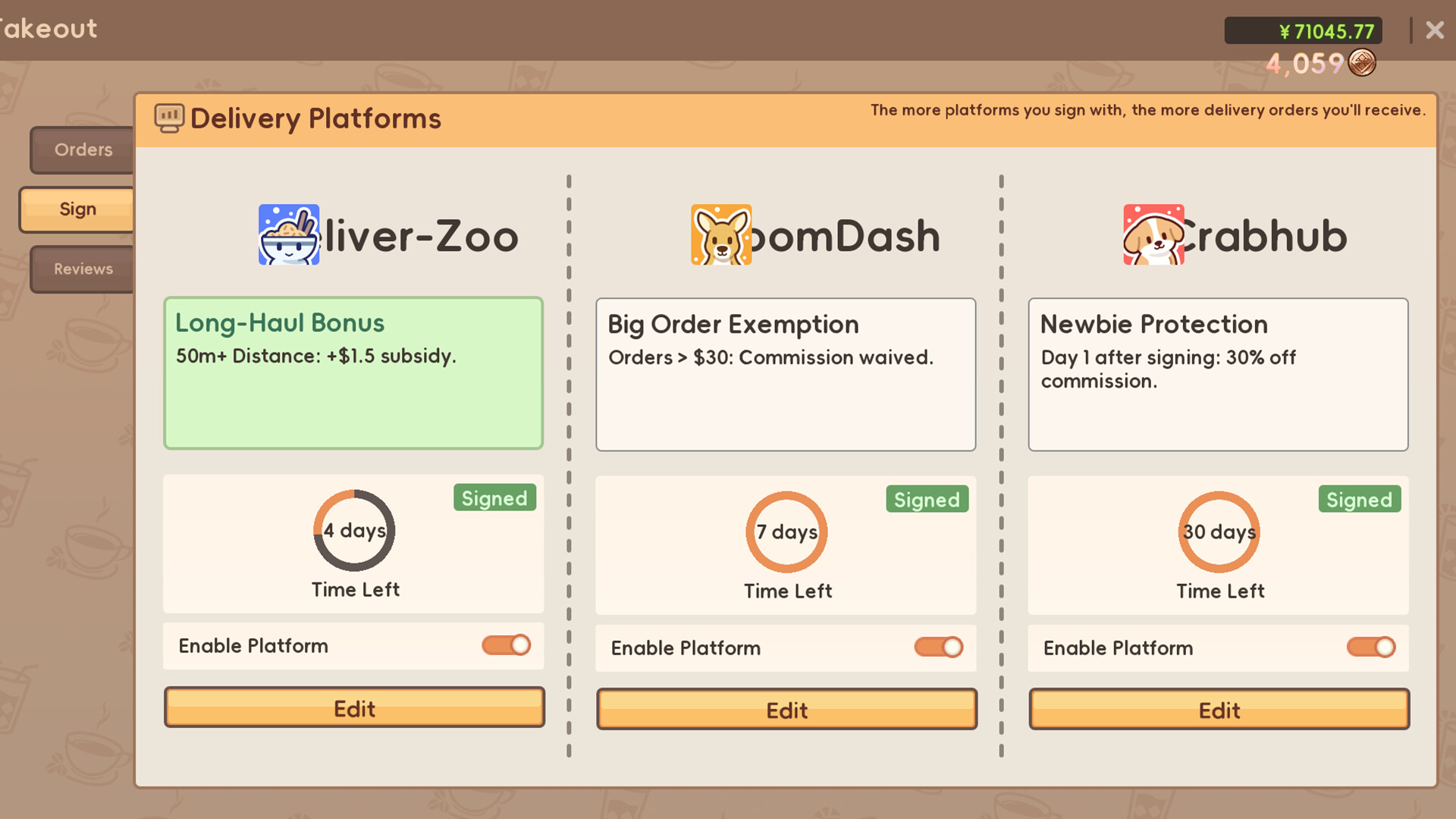
Progression is straightforward but has meaningful knobs: recipes unlock with level and NPC favors, and you can tweak menu prices freely. In my tests a base milk tea priced at $3.00 sold 30–40% more often than a $4.50 premium variant, but the higher margin pushed revenue up by ~20% in a quiet afternoon — so pricing is a real lever, not just window dressing. Delivery platforms charge both a percentage cut (typically ~15–25%) and a per-order fee (about $0.30–$0.70 in my sessions), which forces you to choose between volume and margin. Hiring staff is a future-facing feature; for now players can designate roles in co-op to simulate employees, but single-player users often ask for NPC helpers — a frequent community request.
Design, Festivals and the Magic of Seasons
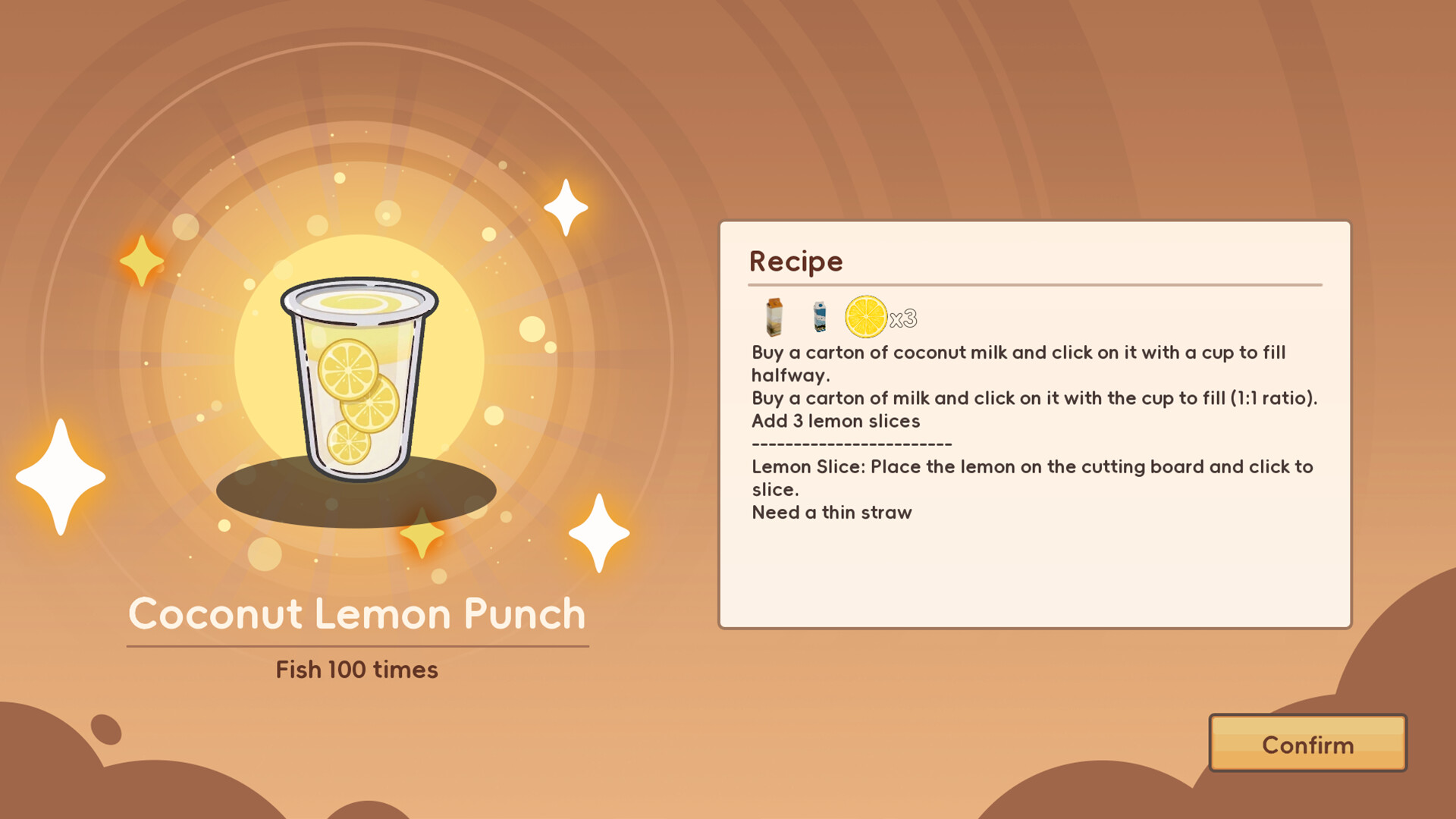
Customization goes deep: counters, digital signs, wallpaper, lamps and even phone wallpapers change customer flow. Seasonal drinks and 11 weather types affect demand — e.g., hot cocoa spikes in cold weather while lemonade sells poorly during rain. The game introduces limited-time recipes for festivals and minor RNG in rare night customers that drop mysterious items. Farming and fishing provide a secondary loop: grow sugarcane or citrus to shave ingredient costs and unlock exclusive recipes. That loop makes expansion decisions (open another shop, raise prices, sign a delivery contract) feel strategic rather than cosmetic.
Performance, Bugs and Technical Notes (Test Systems & Reproducible Issues)
I tested on Windows 11 with an Intel i7-9700K, GTX 1660, 16GB RAM at 1440p and generally saw 60fps in small shops and 45–55fps during densely populated festivals. On a MacBook Pro M1 (macOS), the game usually held 50–60fps at native resolution; lower-end Intel laptops (i5, integrated GPU) dropped to 25–35fps during big events. Load times from cold start were ~12–20s on an NVMe SSD, ~35–50s on older SATA HDDs. A reproducible issue: alt-tabbing during an active co-op shift sometimes desyncs order states — steps to reproduce: (1) join a 4-player lobby, (2) start a rush, (3) Alt+Tab out and return, (4) observe that some completed drinks vanish from the counter and players can receive duplicate order prompts. It’s fixable by restarting the lobby but is annoying during timed runs.
Multiplayer Anecdote: Sabotage, Strategy and a Broken Syrup Bottle
In one memorable 6-player match, a friend intentionally set all strawberry syrup pumps to the wrong concentration to tank a rival’s premium orders — hilarity ensued as the store rating dipped two points and delivery volumes shifted toward cheaper drinks. We recovered by re-pricing mid-session, pre-cooking tapioca for a quick turnaround, and redirecting delivery contracts. Emergent moments like that make the co-op mode shine: strategy, petty sabotage and real teamwork coexist, and small tactical moves (who mans deliveries, who preps tapioca) actually change revenue for the hour.

Boba Cafe Simulator is a lovable, tactile management sim that excels at emergent co-op chaos and long‑term shop progression. It’s worth buying for players who enjoy hands-on crafting, customization and social play, but single-player purists should note the current micromanagement load. I recommend it at its price, with the caveat that a few technical and UX issues (notably the review-incentive prompt and a multiplayer desync) need fixing — but the core gameplay is fun enough to forgive those stumbles.


Pros
- Hands-on drink crafting with many interactive steps (cutting, brewing, cooking).
- Deep customization and festival/season systems that meaningfully change demand.
- Co-op emergent moments — sabotage, role‑play and teamwork create memorable sessions.
- Secondary loops (farming/fishing) add variety beyond the shop floor.
Cons
- Reproducible multiplayer UI desync and Alt+Tab crash workaround required (critical).
- In‑game request for Steam reviews in exchange for cash raises ethical concerns and clouds review reliability (major).
- Single‑player lacks NPC employees for heavy late‑game micromanagement (medium).
Player Opinion
Players are overwhelmingly positive about the demo-to-release improvements: comments praise the variety of decorations, relaxed pacing and the tactile joy of making drinks. Several longtime demo players note that progression now feels more substantial than before, while new buyers enjoy the additional content. At the same time, community discussion repeatedly highlights two pain points: the in-game prompt offering cash for Steam reviews (mentioned across multiple Steam discussion threads and in several recent reviews) and missing quality‑of‑life features for solo play — NPC employees being the most requested. I’ve not seen an official patch note addressing the review incentive yet; developers have been active in the roadmap posts, but the specific Steam‑review concern still appears frequently in community threads.