Company of Heroes 3: Final Stand Review – A Cozy Siege with a Spiky Price Tag
A standalone CoH wave-defense roguelite that nails the tactical loop but trips over content, matchmaking and value. Great for chill co-op nights; not for wallet-friendly shoppers.
I jumped into Company of Heroes 3: Final Stand knowing exactly what I’d get: a focused, defensive twist on Relic’s WWII RTS formula. As a standalone wave-defense roguelite it strips away the full multiplayer sandbox and asks you to build layered defenses against 12 escalating waves (or go infinite in Endless). That concentrated focus is often refreshing — several rounds felt like a perfect 30–45 minute snack — but the launch buzz is dominated by one ugly detail: price and missing matchmaking. If you like methodical, defensive gameplay and co-op with a friend, there’s a lot to enjoy; if you expected a full new CoH-sized package, temper your expectations.

Dig In and Hold Fast
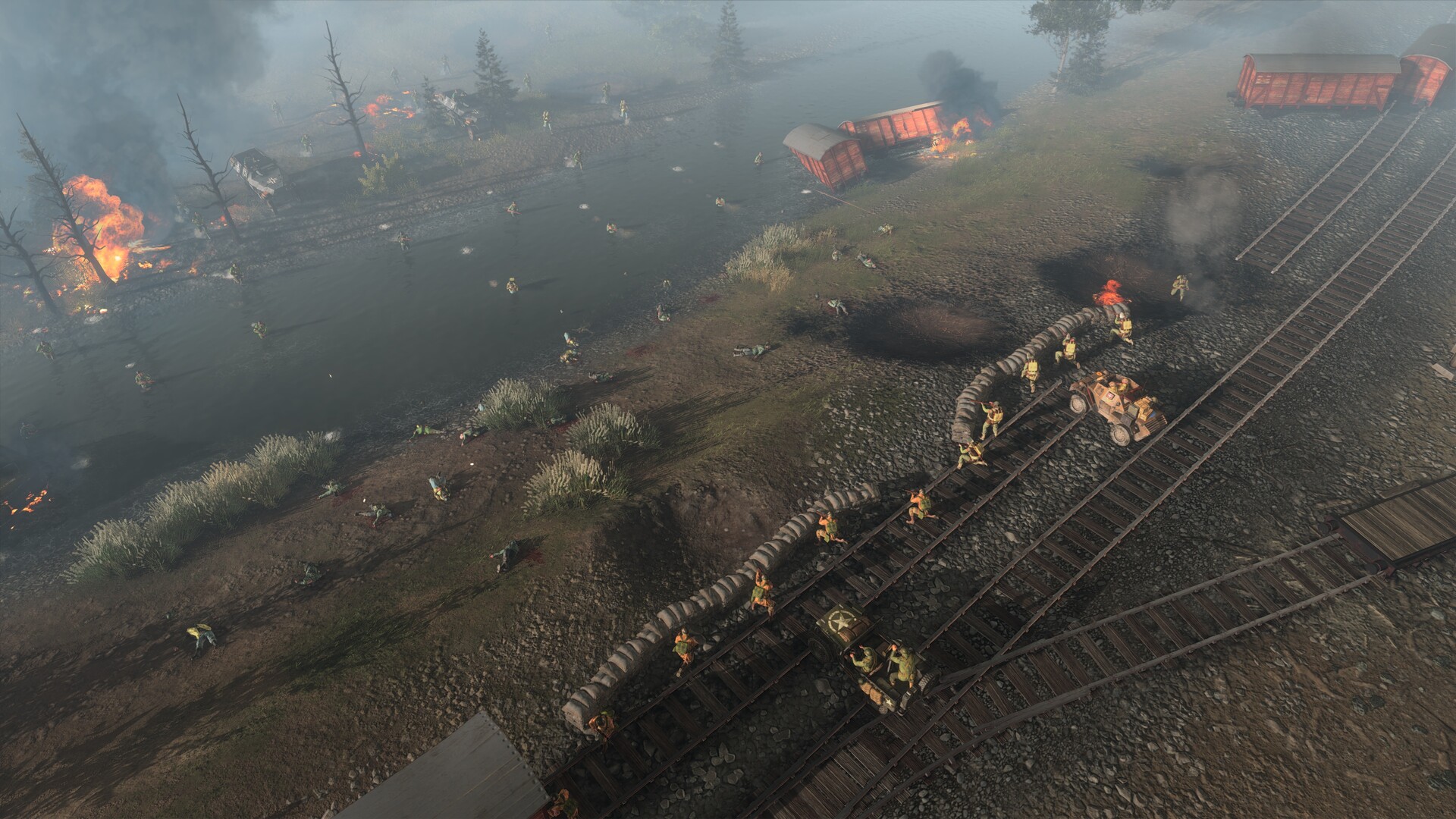
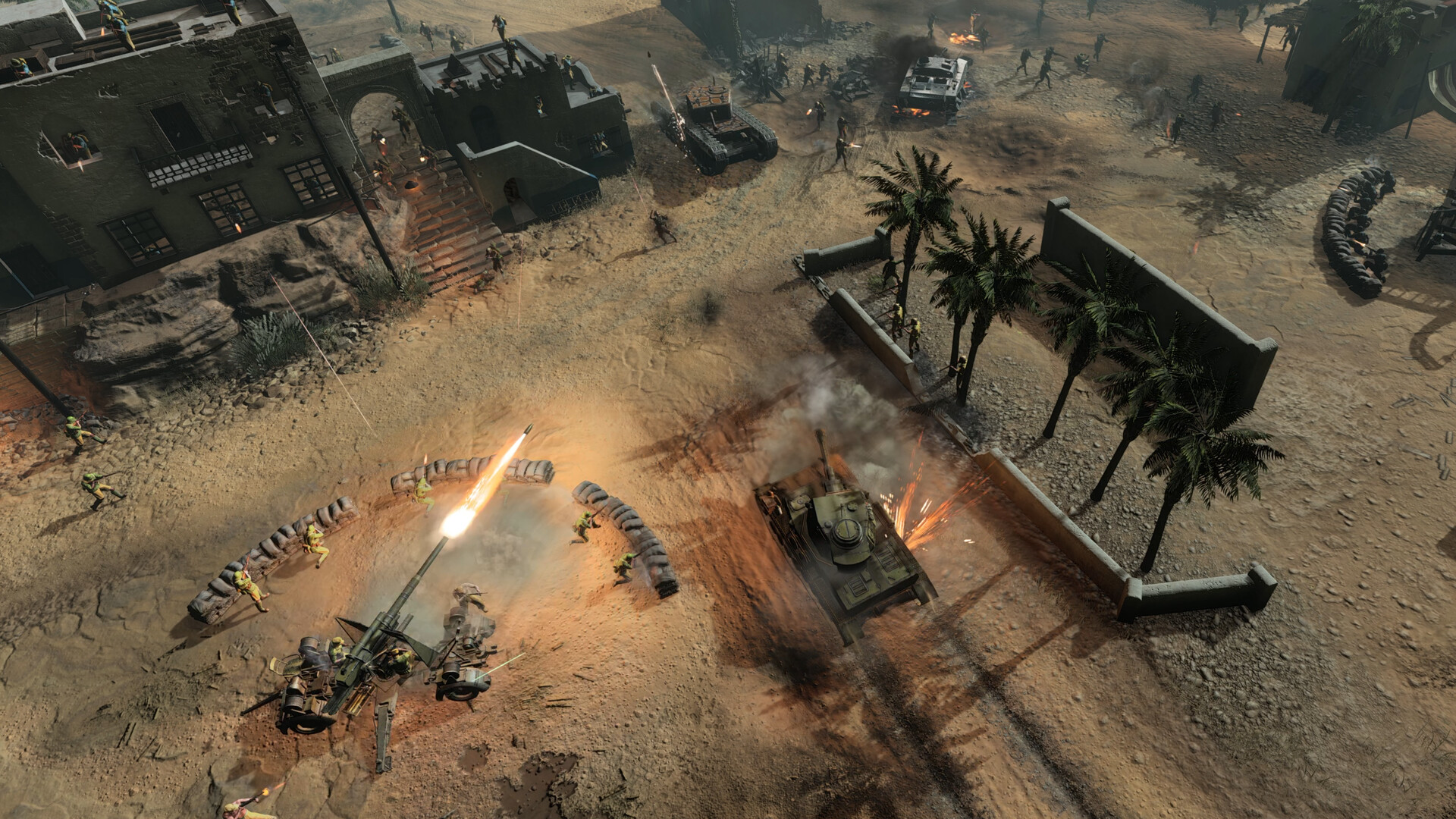
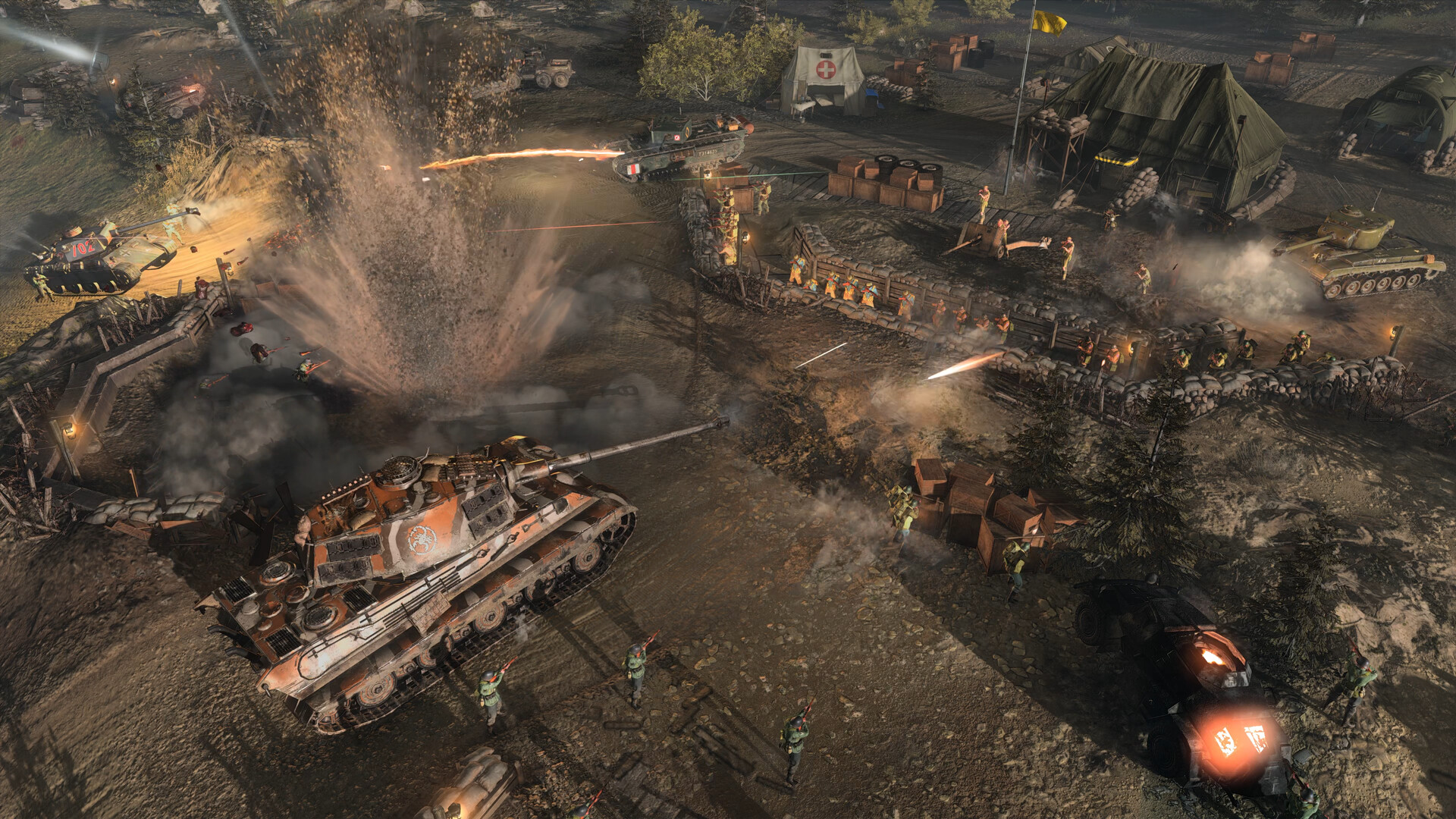
The core loop of Final Stand is gloriously simple and tactical: you choose a faction, deploy a minimal base building footprint, and then prepare for waves that escalate in size and threat. Most of my time was spent juggling unit placement, chokepoint control and smart use of abilities — the usual CoH staples — but with the pressure dialed up because resources trickle in and waves punish mistakes fast. The game forces you to think in layers: infantry to hold lines, engineers to repair and fortify, and heavier units or artillery to blunt armor pushes. Between waves you pick randomized upgrades or new units that persist for the run, and that pick-or-pass moment often made or broke an otherwise stable strategy. Matches are compact: you can finish a full run in a single evening, and that bite-sized rhythm is one of the mode’s strongest draws.
When Luck Meets Long-Term Choices
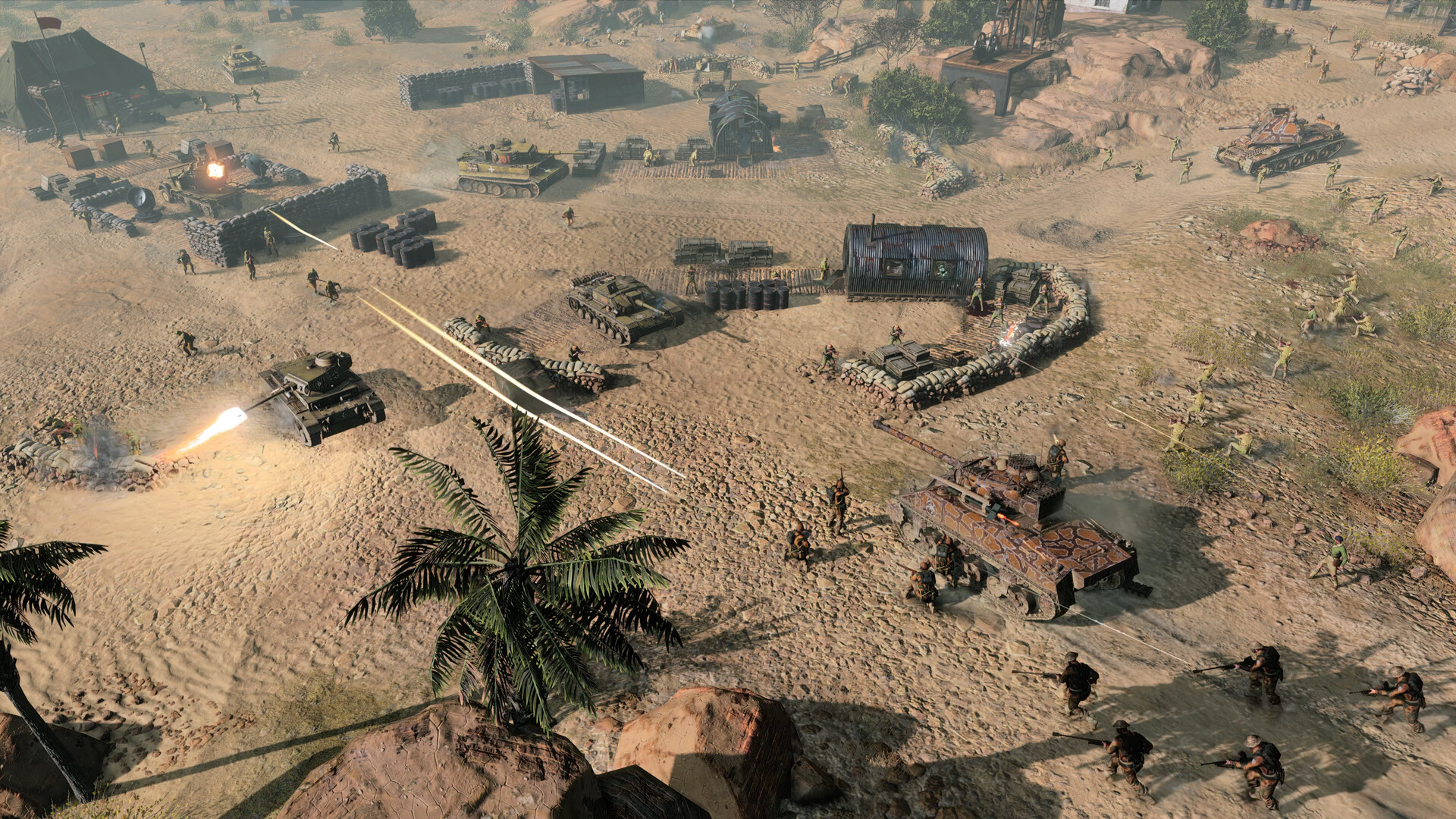
Final Stand leans heavily into roguelite design. There’s a persistent progression tree for each faction with unlockable perks, and the mid-run card draws change how a battlegroup behaves. I liked that the faction identities — US Forces, Wehrmacht, British, Deutsches Afrikakorps — still feel distinct, even if the foundation overlaps: early-game play is similar, but later unlocks can tilt a faction toward aggressive armor play or a fortress-style defense. The randomness keeps runs varied and forces you to improvise, yet some players (and I’ll admit, myself on a bad streak) will groan at runs where the card draws hamstring defensive options. The mode also throws in 36 boss units and 18 dynamic events, which spice up pacing and sometimes produce hilariously brutal moments — think surprise artillery barrages or flank-busting airborne drops that wreck your carefully placed muskets.
A War-Torn Canvas: Presentation and Performance
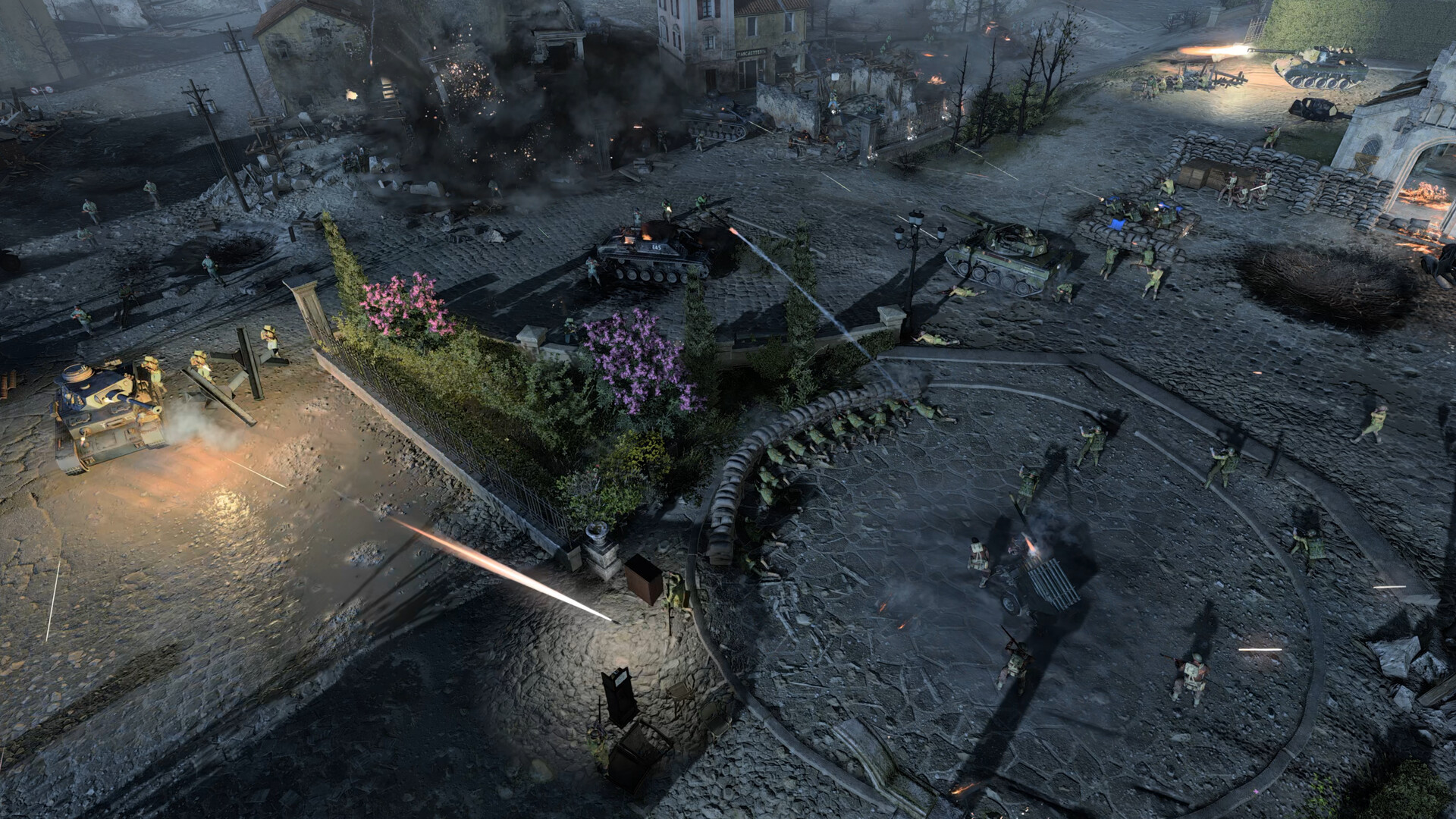
Visually, Final Stand is unmistakably CoH3: detailed units, destructible cover and a battlefield that looks lived-in. The maps are designed for wave defense rather than grand maneuver warfare, so they feel more cramped but appropriately tactical. Sound design is serviceable — weapon and vehicle cues are satisfying — though some voice lines and announcer deliveries felt a bit cartoonish in places and undercut the tension. Performance on Windows is generally stable; I didn’t run into crashes, but I did notice occasional pathfinding hiccups when dozens of units clashed. Accessibility options are modest but present: difficulty sliders range across eight levels and there’s a Newcomer setting for people who want to ease in. Ultimately the presentation carries the mode well, even if a few rough edges (AI behavior and missing UI niceties like a real lobby) hold it back.

Final Stand is a competent and occasionally brilliant twist on Company of Heroes’ formula: tight, tactical defense with roguelite teeth. But launch decisions — pricing, limited content and missing matchmaking — keep it from being the no-brainer spin-off it could have been. Buy it if you crave relaxed CoH-style co-op and don’t mind grinding or wait for a sale if you want more bang for your buck.


Pros
- Tight, tactical wave-defense gameplay that’s easy to drop into
- Roguelite progression and faction trees add replay value
- Great for relaxed 2-player co-op sessions with a friend
- Authentic CoH visuals and satisfying combat/audio cues
Cons
- No matchmaking for co-op on launch — invitations only
- Limited maps, perceived shallow progression and grinding complaints
- Price feels high for the amount of standalone content
Player Opinion
Players are split, and the recurring chorus in reviews is loud: the core gameplay is fun and relaxing for those who like defensive, bite-sized strategy sessions — many praise the chill co-op and roguelite loop as perfect for an evening unwind. However, criticism centers on value and infrastructure: lots of people call the price too steep for five maps and four factions, and many are furious about the lack of online matchmaking for co-op (you must invite friends manually). Several veterans compare it unfavorably to community mods or other tower-defense-like RTS modes (Dawn of War 2’s Last Stand, CoH2 mods, Call to Arms) and say Relic should’ve made this a DLC or priced it lower. Others warn about grindy persistent trees and occasional AI oddities (artillery spam, odd targeting) that can sour runs. Bottom line: if you love the franchise and want a casual defensive mode, there’s genuine enjoyment here — but wait for a sale if you’re price-sensitive.