Culdcept The First Review – Classic Card-Board Strategy Returns to PC
I played CITY CONNECTION's PC port of Culdcept The First — a weird, wonderful mix of Monopoly and a CCG. Deep strategy, ancient visuals, and useful QoL updates, but expect occasional freezes and a few rough edges.
I jumped into Culdcept The First out of pure curiosity and a hearty dose of nostalgia. CITY CONNECTION brought the original Culdcept experience to Windows (released 29 Jul, 2026) with a handful of modern conveniences — but they didn't polish away the original's personality. If you like long, tactical matches that mix dice-driven movement with deckbuilding and territorial fights, this is a rare museum piece that still bites. Expect addictive turns, occasional frustration, and plenty of 'one-more-round' syndrome.

Rolling, Claiming, and Building Your Book
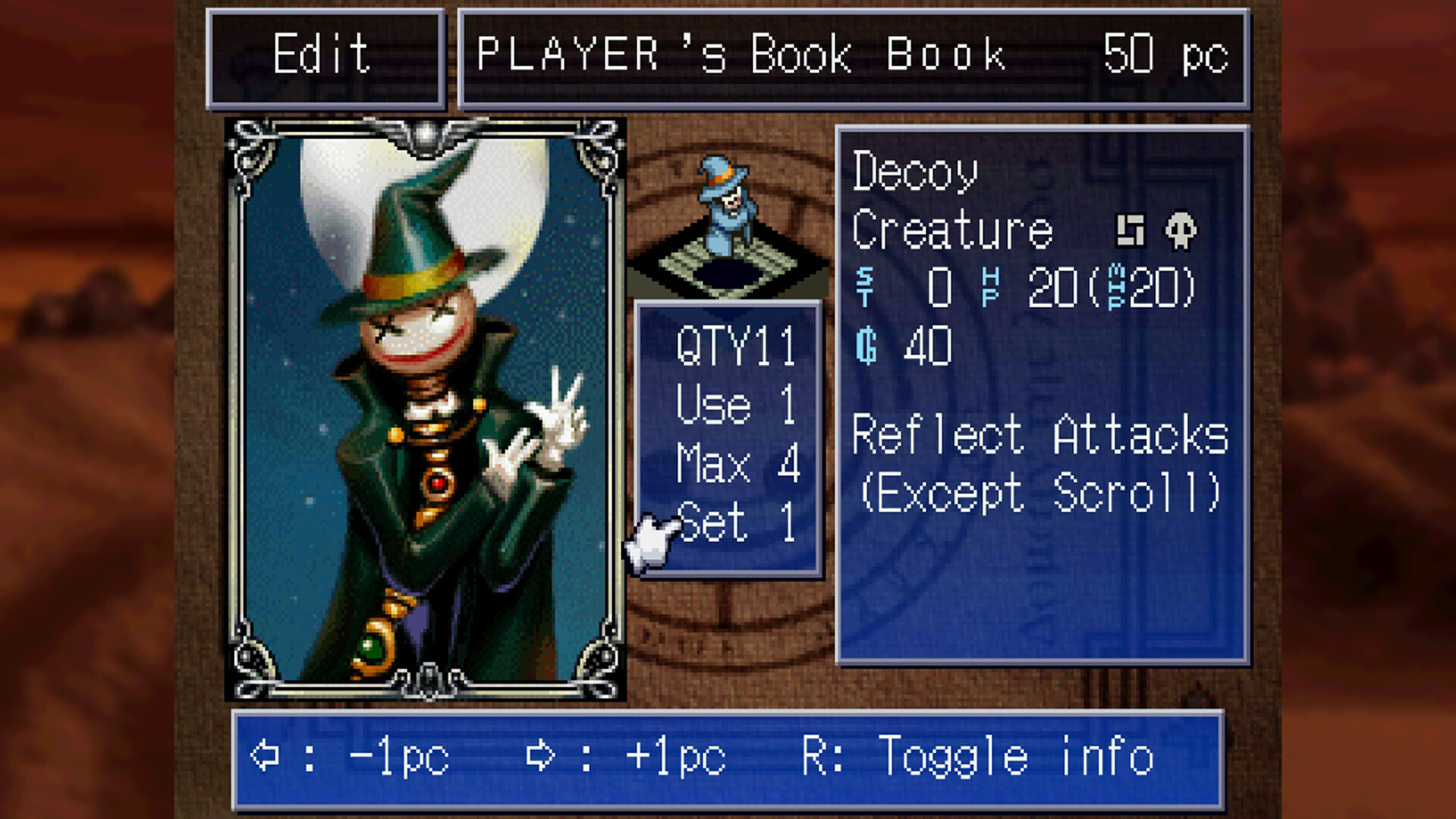
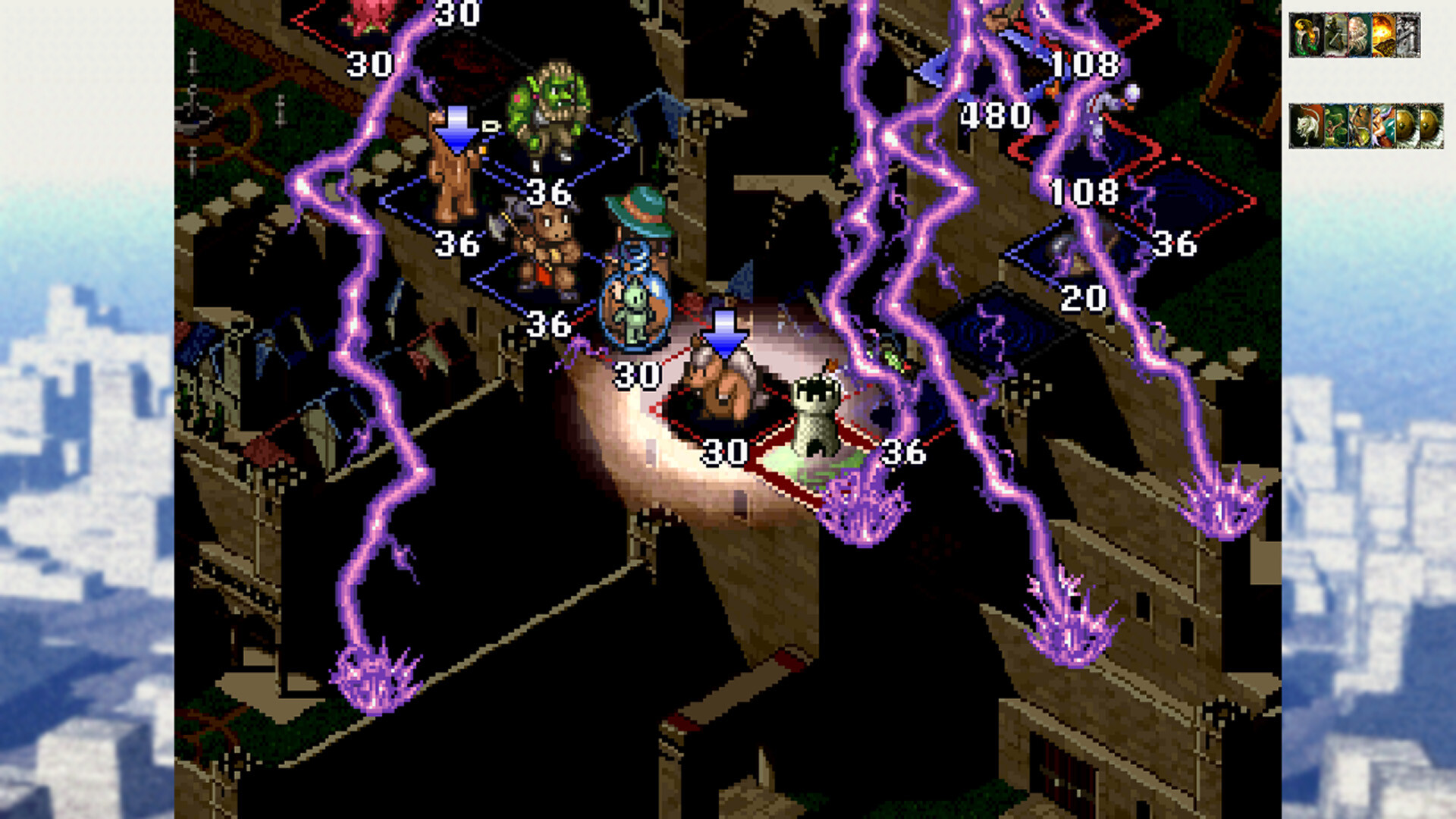
Culdcept plays like Monopoly hitched to a collectible card game: you move by dice, place creatures on tiles to claim territory, and build a 50-card “Book” before each match. Each turn is a careful balance of movement, summoning, and resource management — land types, creature stats and adjacency bonuses all matter. You earn Magic Power (the win currency) by passing certain tiles and collecting tolls when opponents land on your spaces. Battles are resolved using the creature cards you summon, plus item cards and land bonuses; sometimes a single well-timed spell changes the entire board state. The rhythm is oddly addictive: draw, move, summon, bide, cash in — rinse and repeat across long, circuit-style boards.
Where Cardcraft Meets Monopoly (and Then Some)
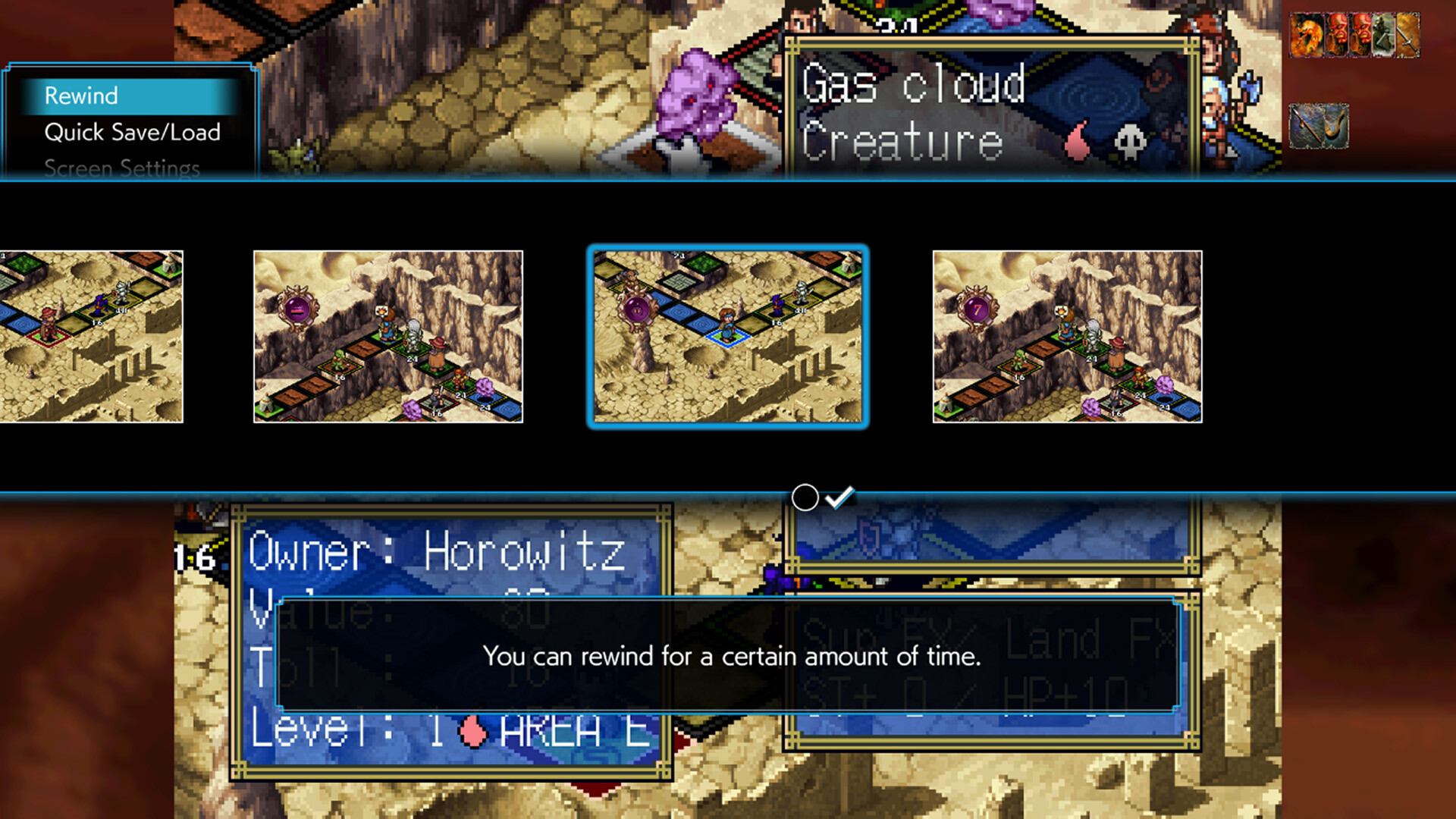
What sets Culdcept apart is how deep the interaction between deckbuilding and board control can get. The game boasts hundreds of cards (builds say over 300 types and around 180 creatures) and the classic land-stock mechanic lets you bet on land-type values — an extra layer of meta-gambling that rewards foresight. The port includes modern QoL toggles like Rewind (jump back to checkpoints), Quick Save & Load, Bonus Pack for extra reward cards, and Reveal Hands to show both players’ cards on screen. These options smooth out tedious stretches and make long matches less punishing, especially if you’re new to the series. Expect steep but rewarding learning curves: early games teach you punishing lessons — and glorious comebacks are very possible when you snatch territory at the right moment.
Pixel Charm, Music, and Rough Edges
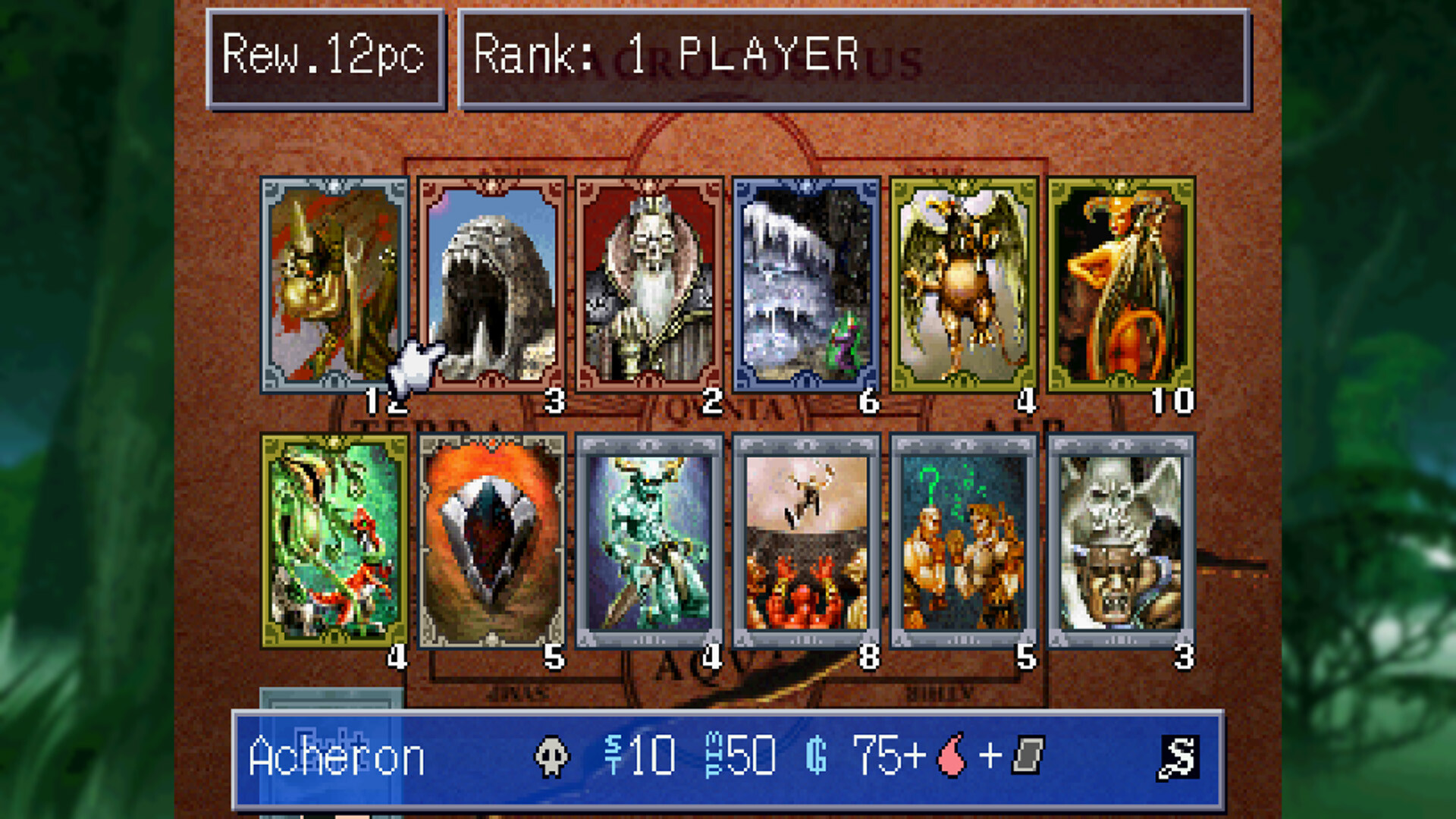
Visually this is a faithful, old-school presentation: PS1-era sprites blown up to modern resolutions, boxed in with borders rather than a widescreen overhaul. The soundtrack and cheesy dialog add to the retro charm, but don't expect modern polish. On the technical side, reports vary — many players praise the Quick Save and Reveal Hands as huge quality-of-life wins, while others experience controller quirks, lack of mouse support, and Steam Deck black-screen issues unless using Proton Experimental. I encountered long animations and some stuttering on lower-end machines; however, the core gameplay runs smoothly enough most of the time. If you love strategy over flash, the presentation feels like a nostalgic, slightly gritty museum exhibit — lovable, but imperfect.

Culdcept The First is a curiosity and a treat: a deep, sometimes slow strategy game that rewards patience and deckcraft. Fans of board/card hybrids will likely forgive the dated visuals and embrace the QoL updates, but those on handhelds or expecting a slick modern port should be cautious. Try the demo, keep an eye on patches, and if you love long tactical matches, this old gem is worth the ride.


Pros
- Deep blend of deckbuilding and board control
- Useful QoL additions (Rewind, Quick Save, Reveal Hands)
- Huge card pool and strategic variety
- Feels like gaming history — nostalgic charm
Cons
- Bare‑bones port visuals; no widescreen or mouse support
- Reports of freezes, Steam Deck black screens, and controller quirks
- Long matches and repetitive animations can feel tedious
Player Opinion
Players are thrilled to finally have the original Culdcept on PC — many call it a dream come true for fans who wanted the series without emulation. Reviews praise the addictive strategy, deep deckbuilding and the new QoL features like Reveal Hands and Quick Save that make marathon matches less painful. At the same time a clear chorus of complaints shows up: multiple users report softlocks, black screens on Steam Deck (Proton Experimental is a reported workaround), missing mouse support, and awkward controller behavior. Newcomers note the slow pace and steep learning curve but often say the payoff is worth it. If you like long, tactical board/card hybrids, community feedback suggests you'll find a lot to love — but be prepared for rough edges until patches land.