Cursemark Review — A Dark, Clever Roguelite with Deep Buildcrafting
Cursemark blends souls-like melee with rune-driven spellcraft and a hand-crafted map that evolves between runs. A smart, sometimes messy Early Access gem for players who love build experimentation.
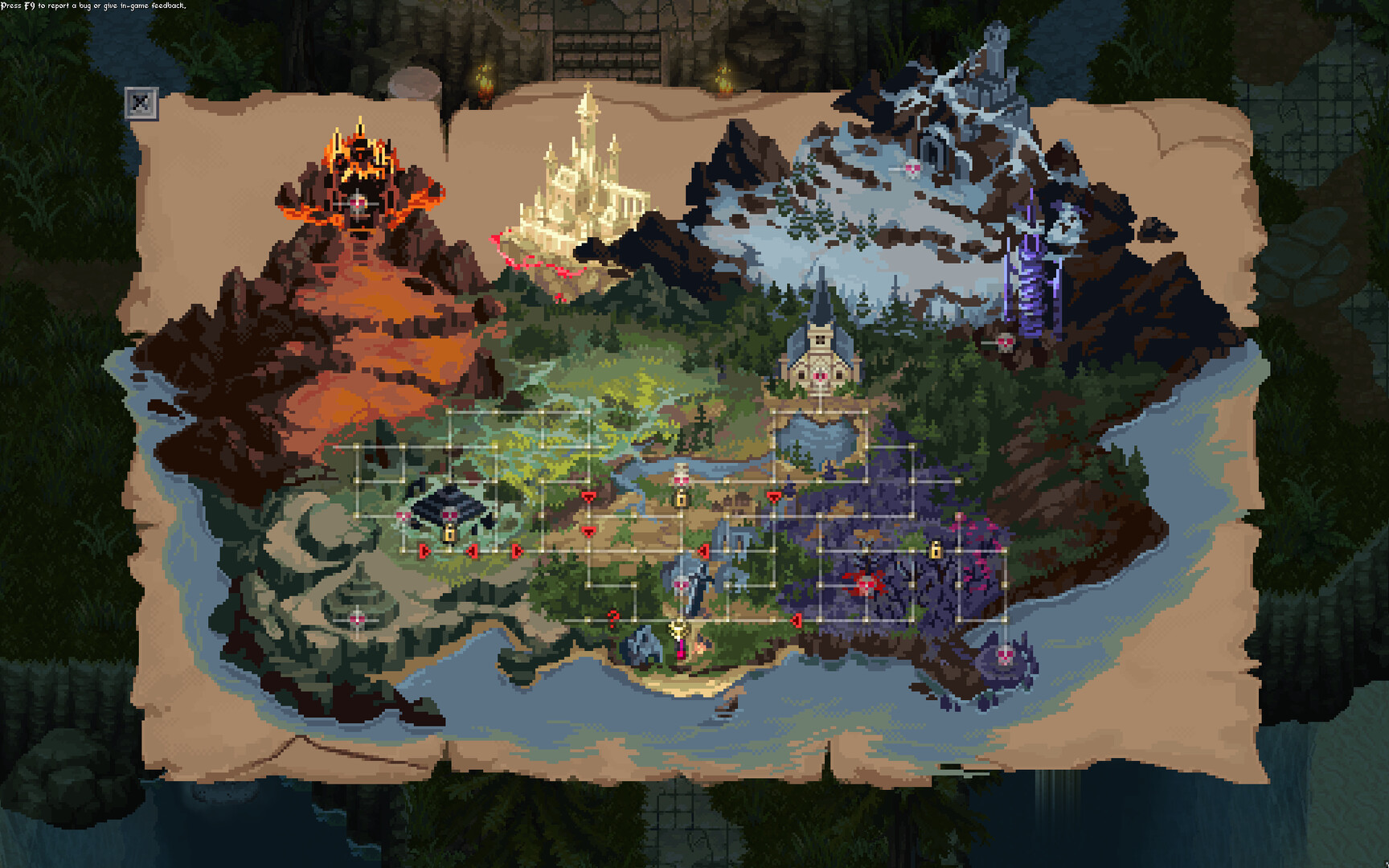
I jumped into Cursemark hoping for a fresh twist on roguelite ARPGs—and it mostly delivered. The game mashes fast, precise melee with spellcasting that actually feels modular thanks to runes that alter abilities in dozens of ways. Instead of a purely procedural world, Cursemark gives you a repeatable map that you unlock and reshape, which makes exploration feel meaningful in a way most roguelites don’t. If you like Hades’ immediacy but crave deeper build systems à la Path of Exile, this is the hybrid you didn’t know you wanted.

Dancing with Danger: Combat and Runs
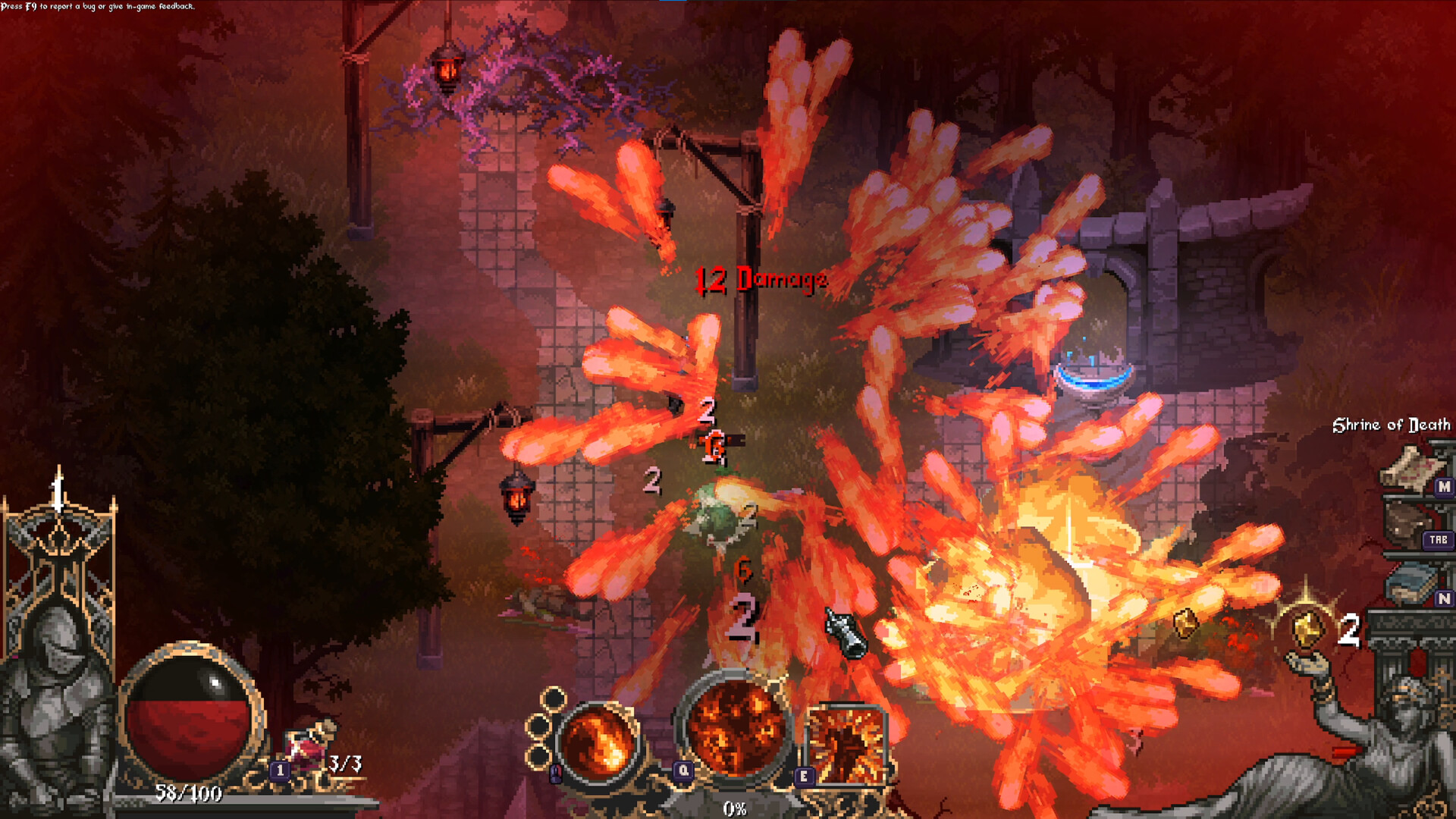
Combat in Cursemark is tight and satisfying: you swing, cast, ward, and reposition in short loops that usually last around 30 minutes. The melee feels weighty without ever becoming sluggish, and spells are more than flashy add‑ons — they’re integral to every build because runes can rewrite how an ability behaves. I spent entire runs turning a sword into a chain‑lightning conduit, or making a fireball split into multiple erupting pillars; these interactions change how I approached rooms and bosses on the fly. Enemy telegraphs are generally fair, but when your own spell effects scatter across the screen it can get noisy, and I’ve had moments where reading a boss’s actual attack becomes tricky. Still, the ebb and flow of clearing rooms while the curse mechanic ramps up tension is brilliant: every cleared room increases elite spawn chance, forcing you to make real risk/reward decisions.
Runes, Relics and the Joy of Frankenbuilds
What sets Cursemark apart is the rune system and the way upgrades stick to the world. Runes attach to attacks, spells, wards and ultimates, and they don’t just add numbers — they rewrite behaviors. Combine a bleed rune with a lightning support and suddenly your slash spreads shocks; merge poison clouds with area control and fights become choreographed chaos. Outside of runs you’ll find shrines and forges you can permanently upgrade, which expands rune slots or gifts new entry points to the map. I like that the meta progression isn’t just a menu — it’s layered into the map itself, so unlocking a forge actually changes the routes you take in later runs. It feels like clever design rather than an abstract currency treadmill.
A Moody Presentation with Rough Edges
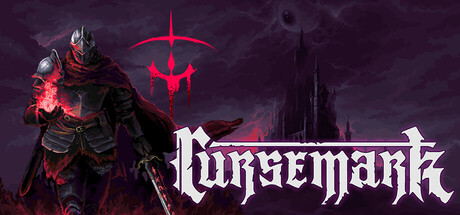
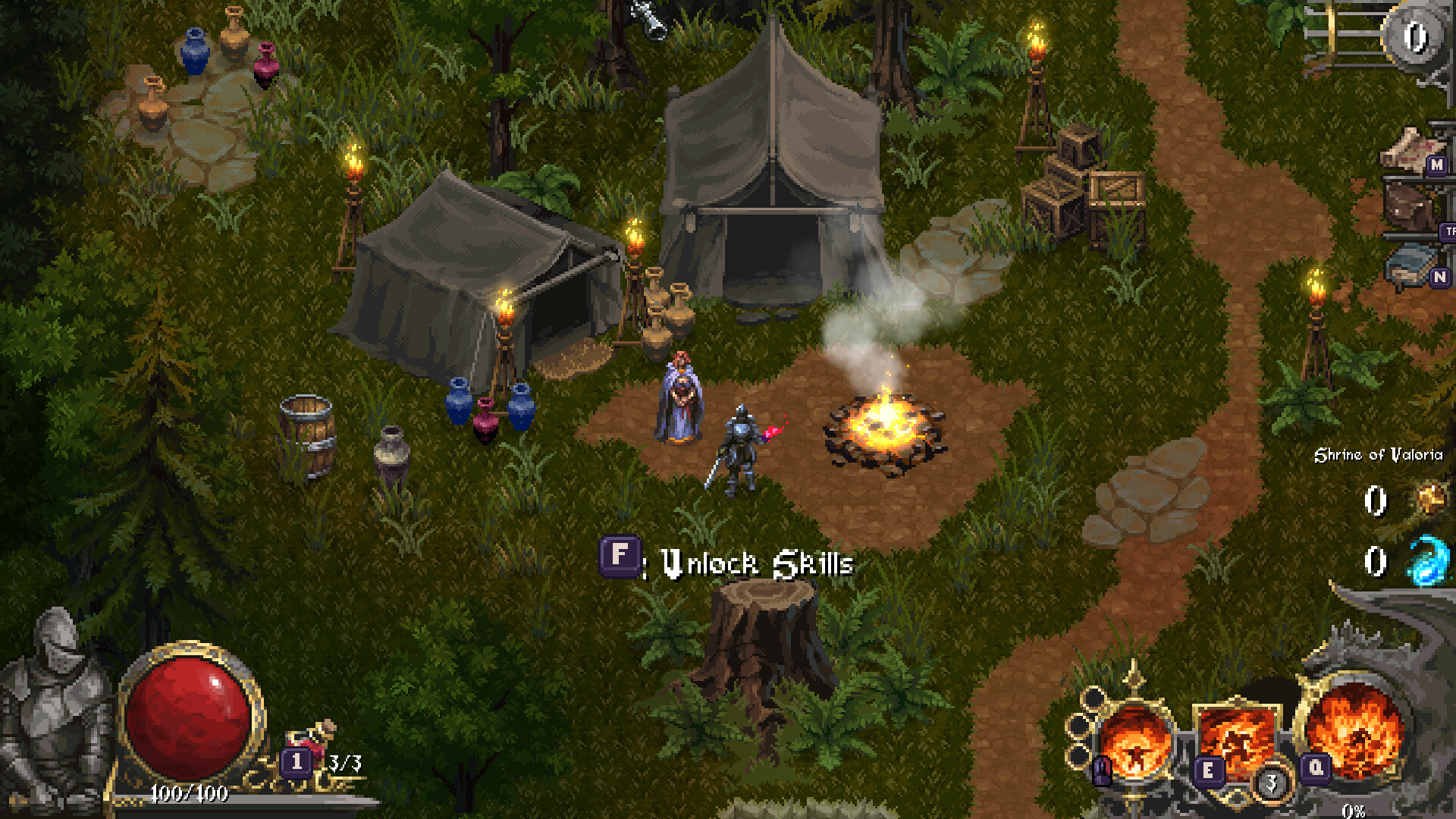
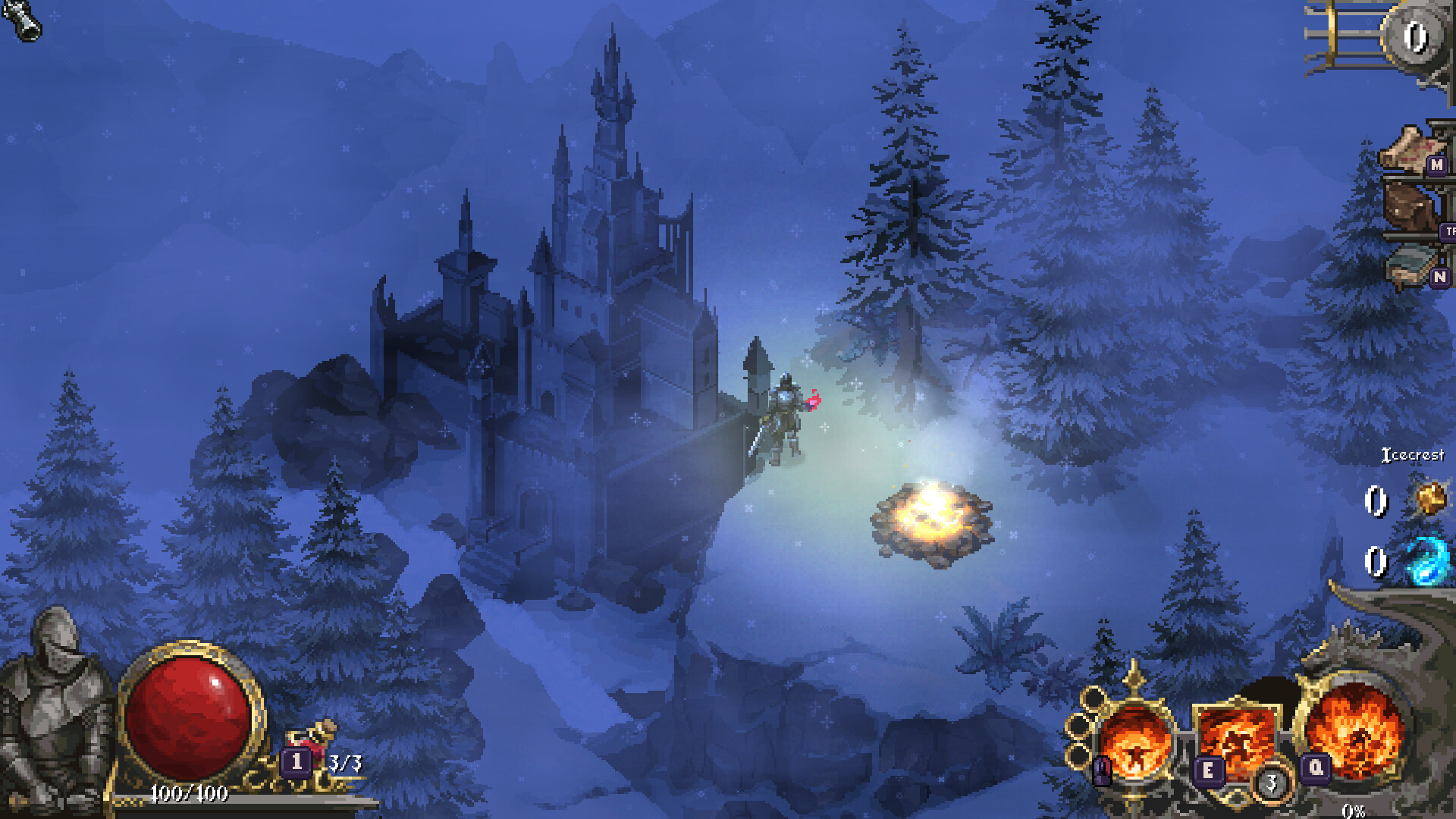
Visually Cursemark leans into a dark pixel aesthetic with crisp animations and expressive enemy design; it’s handsome in a grim, gothic way. The soundtrack and SFX add weight to hits and make spellcasting feel punchy, though some players have mentioned that the SFX mix needs polish. Performance is generally solid on PC and Steam Deck, but a handful of reviews report crashes or severe slowdowns in effect‑heavy scenes; there’s also limited graphics toggles, so troubleshooting can be awkward. Accessibility-wise the game helps with on‑demand explanations (hold ALT to read mechanics), and the world’s lack of hand‑holding (no map markers) is a deliberate choice that rewards curiosity. All in all, the presentation sells the atmosphere even when the occasional technical hiccup reminds you it’s Early Access.

Cursemark is a compelling Early Access roguelite that stands out through its rune interactions, persistent world upgrades, and punchy combat loops. If you enjoy experimenting with builds and appreciate a handcrafted map that grows with you, this is absolutely worth trying — just be prepared for the occasional technical hiccup while the devs polish things. For fans of Hades, Diablo‑lite combat, or deep build crafting, Cursemark is already a strong contender.


Pros
- Deep, creative rune-based buildcrafting that rewards experimentation
- Hand‑designed map with persistent progression and meaningful exploration
- Tight melee and responsive spellcasting that make combat feel satisfying
- Smart risk/reward with the curse mechanic and short, focused runs
Cons
- Visual clutter and effect spam can obscure boss mechanics
- Occasional performance issues and crashes reported in Early Access
- Limited graphics settings make troubleshooting harder for some rigs
Player Opinion
Players praise Cursemark’s build creation and the rune/support system, often comparing it favorably to Path of Exile for the depth of interactions. Many highlight the hand‑designed world — the permanence of shrines and shortcuts gives exploration actual payoff, unlike endless procedural maps. Combat gets repeated compliments for feeling fluid and satisfying, with some users likening the vibe to Hades, Hyper Drifter, or classic Castlevania meets Wizard of Legend. Common criticisms center on technical hiccups: a handful of reviews mention crashes, severe FPS drops in effect‑heavy situations, or rare combinations that can brick a run. A few players also note that visual noise sometimes makes boss telegraphs hard to read. Overall, the consensus is hopeful: great core systems and atmosphere, with polish and stability being the main asks before full release.