Dinoblade Review – Sword‑wielding Spinosaurus and Chaotic Boss Fights
I played Dinoblade as a Spinosaurus with a flaming greatsword — messy, loud and weirdly lovable. An indie action‑RPG that leans hard on spectacle, boss design and the rule of cool.
Dinoblade is the kind of game you buy because a viral animation once made your childhood fantasies briefly believable — and then you get sucked in. Playing as a young Spinosaurus armed with an overgrown flaming greatsword is silly, glorious and oddly satisfying. The game isn’t trying to hide its roots as a one‑man passion project, but it rewards that honesty with big boss encounters, memorable enemy designs and a soundtrack that slams when the metal starts. If you like Dark Souls or Elden Ring for the challenge but want more teeth and fewer polite NPCs, Dinoblade scratches that exact itch.

Riding the Blade: Combat as a Spinosaurus
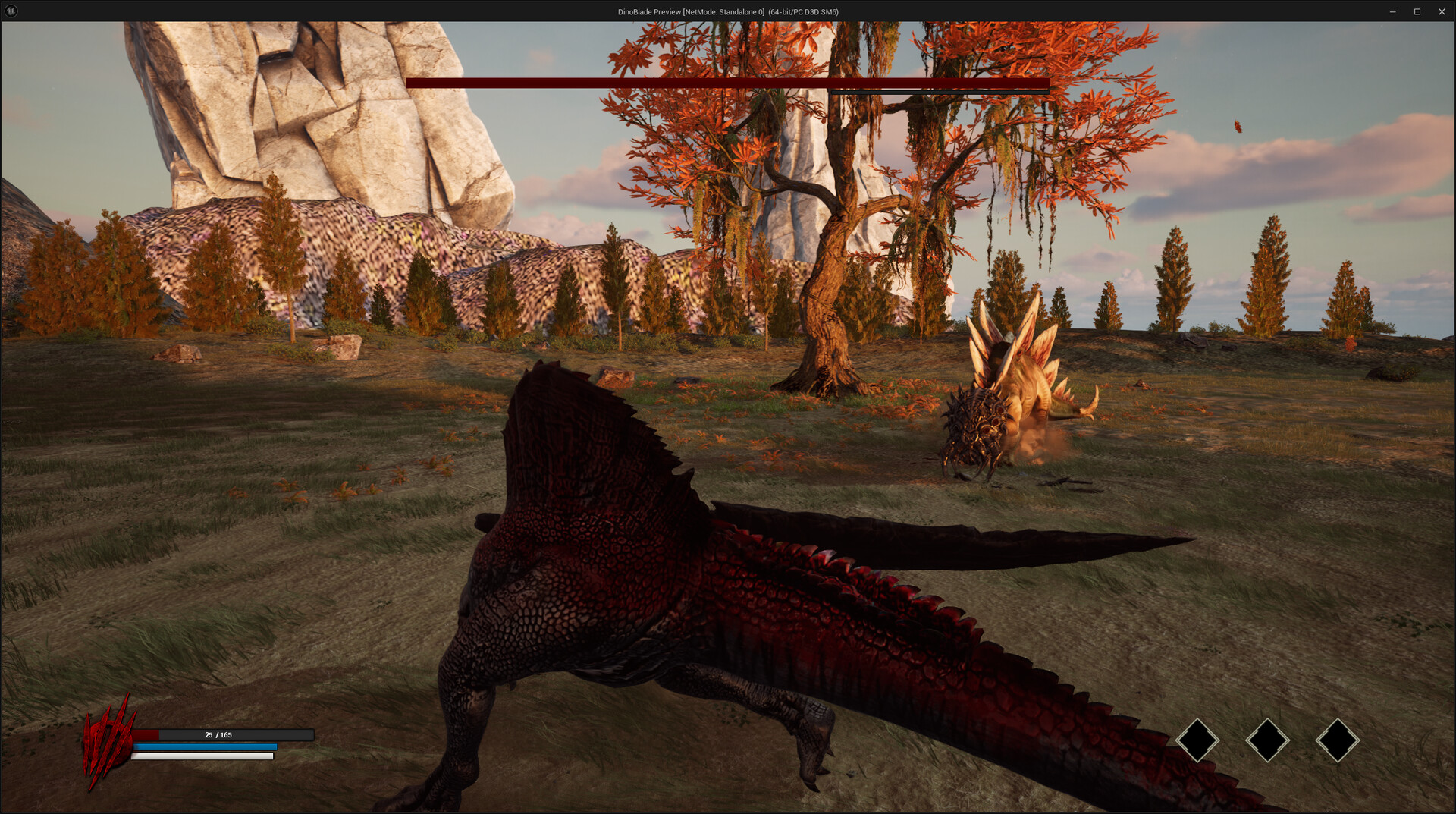
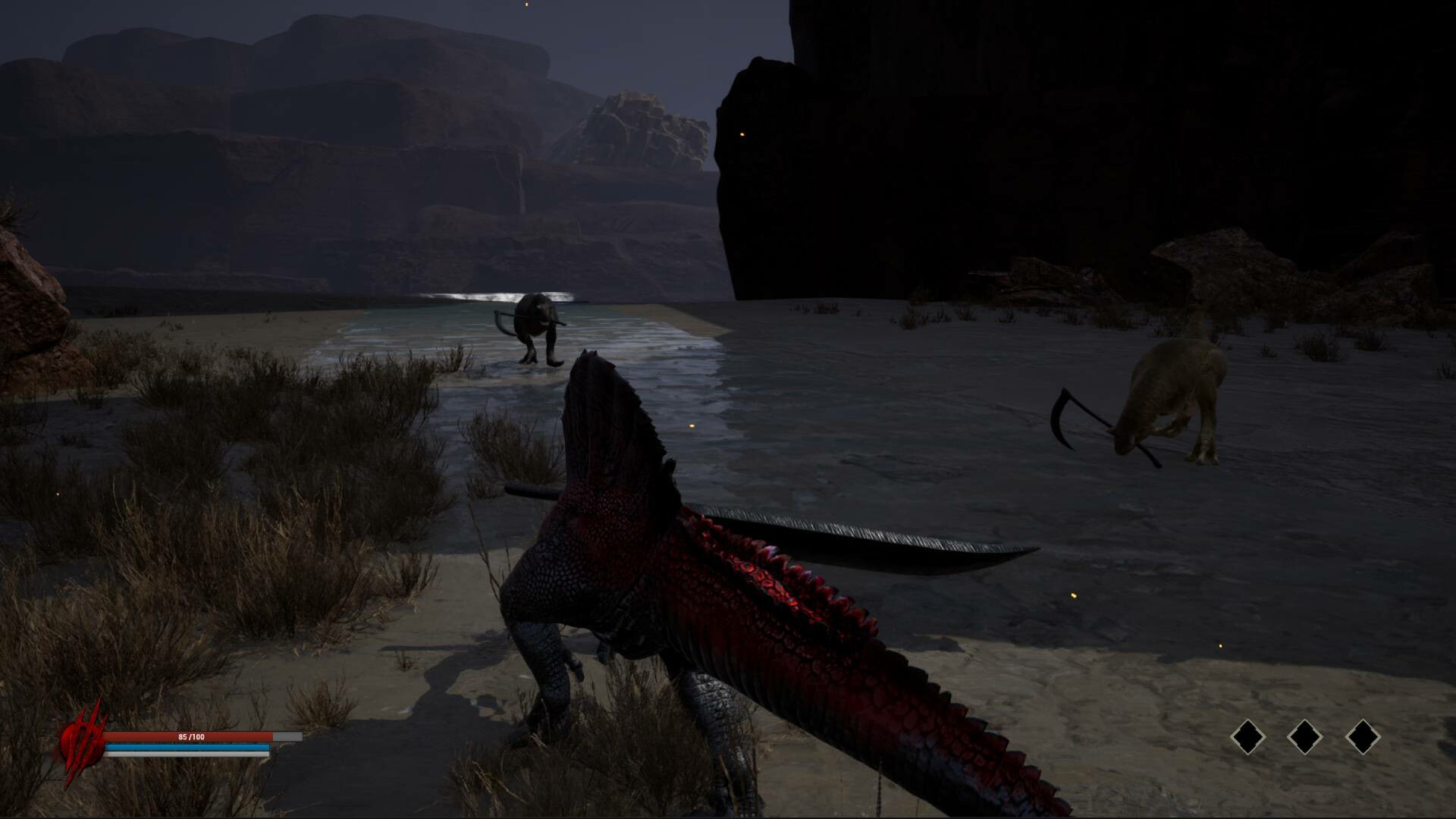
Combat is the whole show in Dinoblade and you spend most of your time swinging, dodging and occasionally performing absurd flip finishes as a lumbering lizard. You'll chain light and heavy attacks into flashy combos, bait parries and punish with brutal counters, and manage a stamina bar that makes every roll feel meaningful. There are clear Souls‑like bones here — timing, spacing and learning enemy tells — but movement is tuned to make a giant dinosaur feel weighty rather than sluggish. I appreciated how some animations let your Spino feel almost dance‑like: a heavy swing that becomes a hop, a second attack that finishes in a backflip; those moments look and feel great. Hit detection isn't perfect — I had my share of wonk where a massive swing didn't register or a parry felt finicky — but when it clicks the payoff is visceral. Expect a combat loop that is equal parts satisfying spectacle and occasional frustration.
The Rule of Cool: Soul Arts, Alphas and Boss Theatre
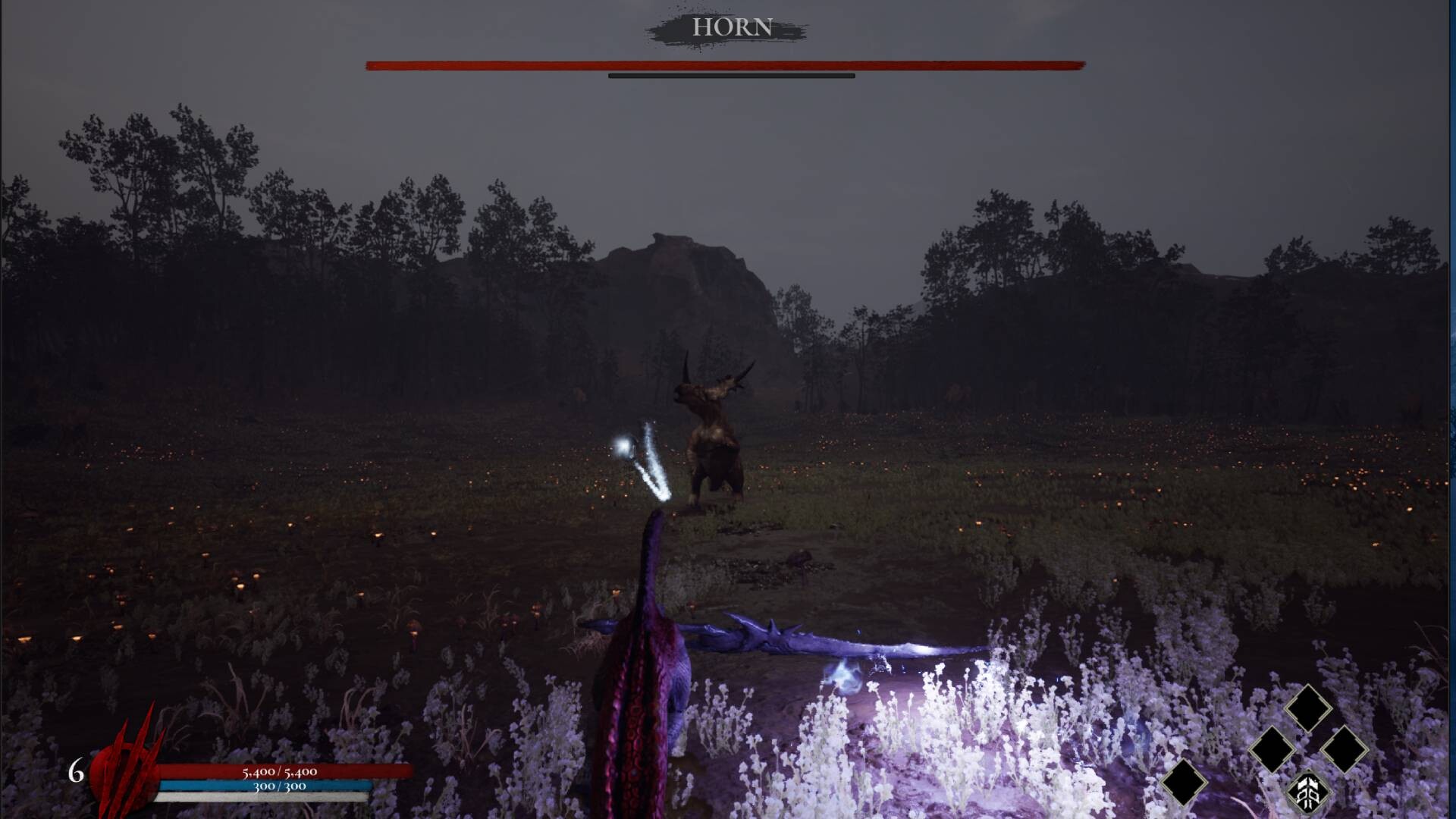
Dinoblade doubles down on spectacle with Soul Arts and boss encounters that are often the game's main selling point. Soul Arts are big active abilities with theatrical animations that let you clear rooms or turn a tense duel into a cinematic moment, but they come with long cooldowns so you can’t spam them into every fight. The world is built around apex Alphas — massive boss dinos that own regions — and taking them down unlocks progression gates and new toys; these fights are the kind of encounters you’ll tell friends about. There’s also an unlockable Boss Rush mode if you beat the final boss, which is perfect if you just want concentrated chaos. Weapon choices change passive stats and looks but do not radically alter your moveset, so customization feels more cosmetic-plus than build‑defining. That said, the “vibe machine” design — great creature concepts, metal soundtrack, and goofy physics moments — carries a lot of mileage.
Scars, Scenery and Soundtrack
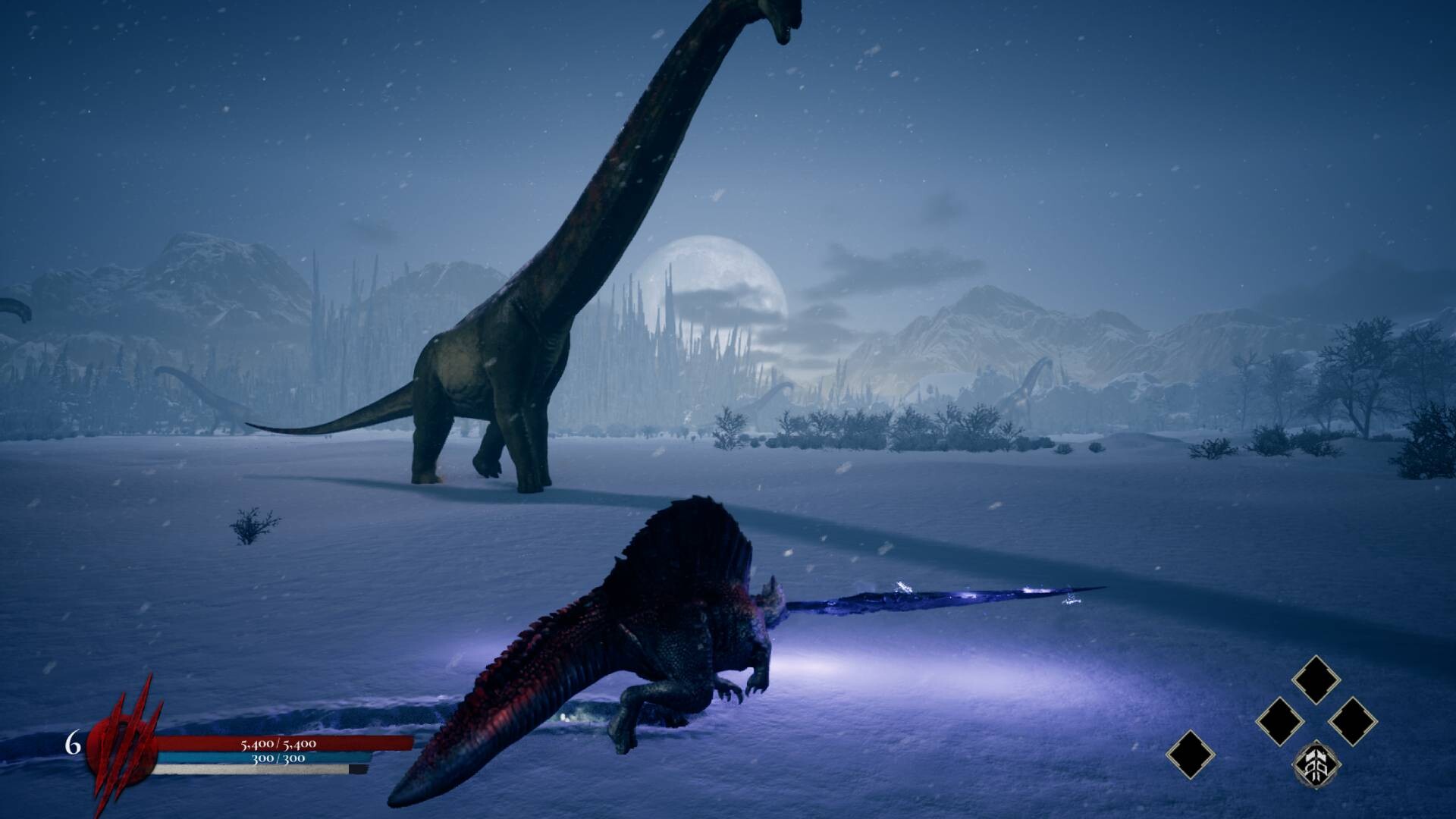
Graphically Dinoblade sits somewhere between polished indie and affectionate jank: some vistas look fantastic and you’ll get giddy exploring misty jungles and canyons, while open areas can feel sparsely populated and occasionally empty. Performance varies depending on your rig — I noticed frame dips and some stutters in particle‑heavy fights — but the game gives options for controller input and basic graphics tweaks which helps. The musical identity is a highlight: menu themes and boss metal hit hard and stick in your head; when the guitars roar the fights feel bigger than they probably are. Sound design for impact is uneven — some weapons thud satisfyingly, others lack weight — but enemy and boss audio cues generally help you learn and react. Accessibility features are limited but there are controller options and simple bindings; however, some players have reported binding bugs that the developer should prioritize fixing.

Dinoblade is a scrappy love letter to the idea of dinosaurs with huge swords: it’s loud, occasionally janky, but frequently brilliant in the moments that matter. I recommend it to players who crave boss spectacle, memorable enemy design and a soundtrack that cranks up the fun; technical issues and uneven combat might annoy perfectionists. Buy it if you want a joyfully weird indie souls‑like with room to grow, and keep an eye on patches for smoother performance.


Pros
- Fantastic boss and enemy designs that sell every fight
- Joyful, theatrical Soul Arts and finishers
- Memorable soundtrack — metal that slaps
- Strong indie heart: creative premise realized
Cons
- Combat hit‑registration and parity can feel inconsistent
- Performance and controller binding bugs reported by players
- Customization is more cosmetic than build‑defining
Player Opinion
Players are overwhelmingly charmed by Dinoblade’s premise and the spectacle of playing a sword‑wielding dinosaur. Reviewers praise the soundtrack, boss fights and the pure joy of dramatic finishers, and many noted they bought the game on principle after following the original viral animations. Common criticisms are consistent: some combat feels janky, hit registration and parry timing can frustrate, and a number of users report controller binding issues or frame‑drops in crowded scenes. Several fans forgive the rough edges because the game nails the vibe and delivers memorable encounters, while others recommend waiting for patches if you need a rock‑solid technical experience. If you like souls‑likes with personality rather than perfect polish, this one will probably click; if you need tight, bug‑free systems day‑one, hold off.