Don't Let It Starve Review – Bento-Building Roguelite with Deliciously Dark Charm
A quirky strategy-roguelite that turns Tetris-like bento building into high-stakes food gambling. Charming, creepy and deeply addictive if you like combos, meta-progression and weird secrets.
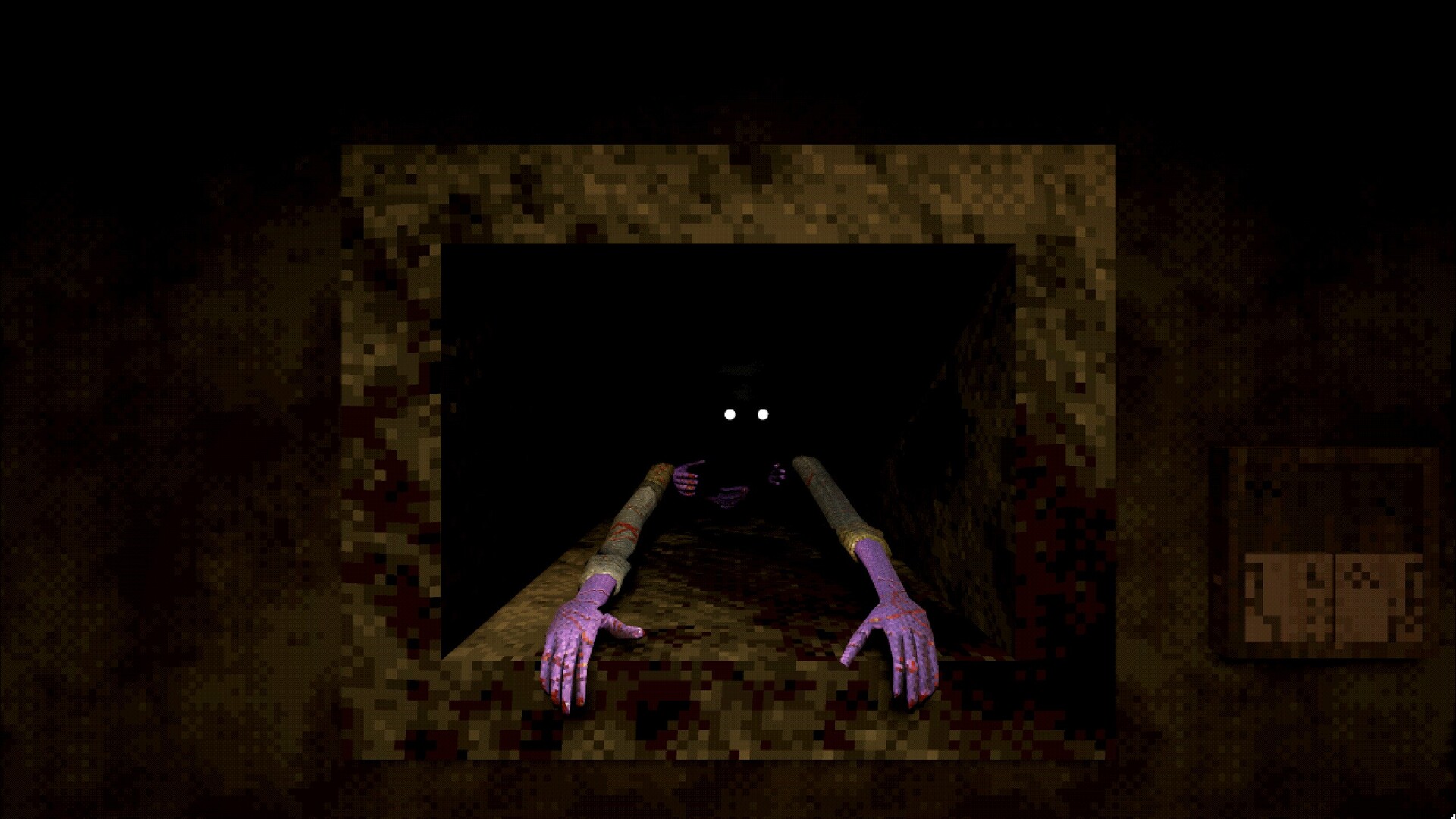
I didn’t expect to get emotionally invested in packing tiny cartoon pickles into a box, but Don’t Let It Starve hooked me within the first ten minutes. Eduardo Scarpato blends grid-based puzzle Tetris vibes with roguelite progression and a spoonful of unsettling horror: a half-chef monster living in the wall who gets angrier the less impressive your bentos are. If you’ve enjoyed Balatro, Cloverpit or Raccoin clones, this one will feel familiar—but it adds its own personality via a clever combo system, hats, tools and meta-puzzles. It’s equally at home as a quick deck-builder snack or a longer obsession when you start chasing secrets and that elusive escape.

Packing for a Monster
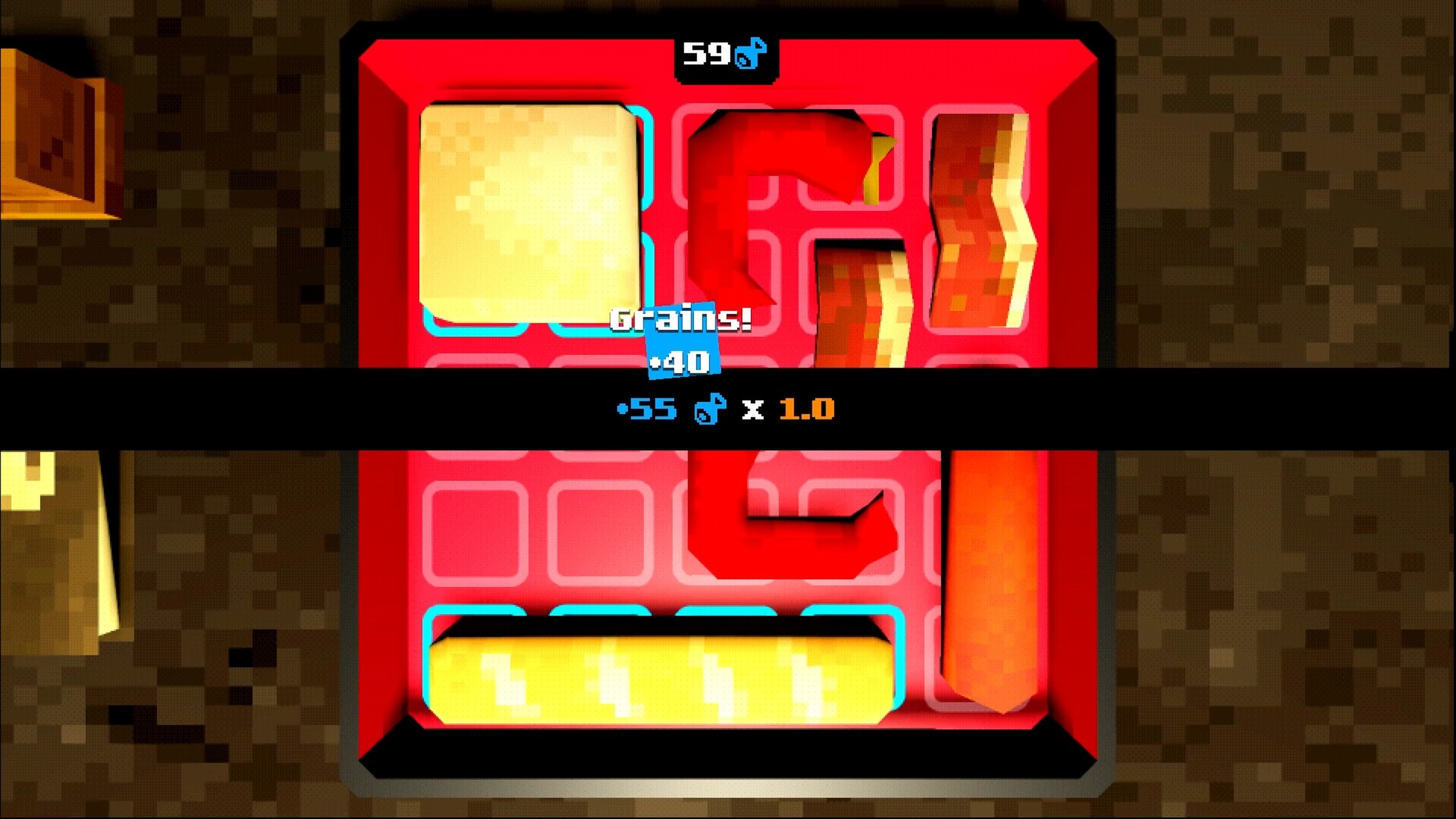
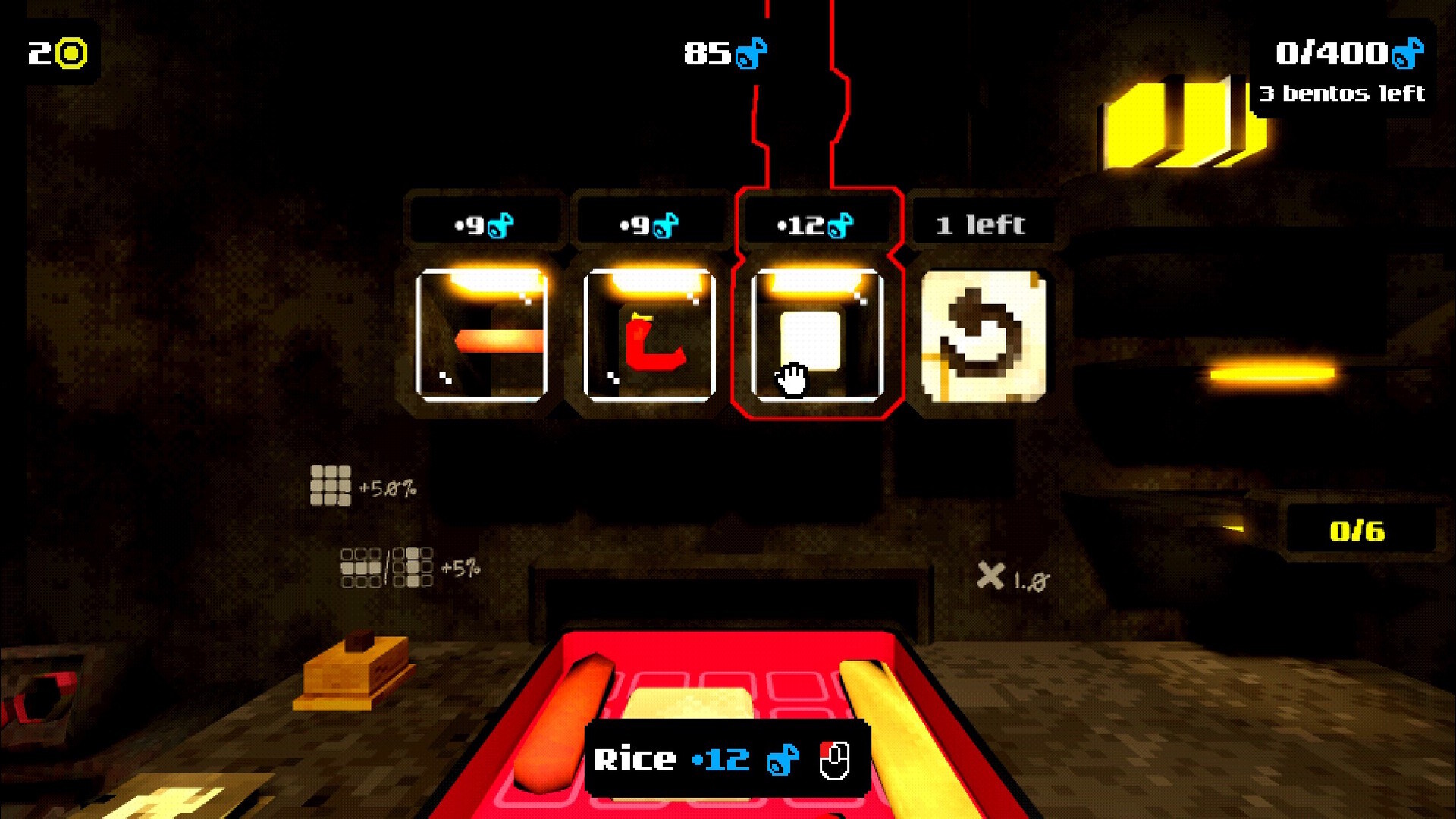
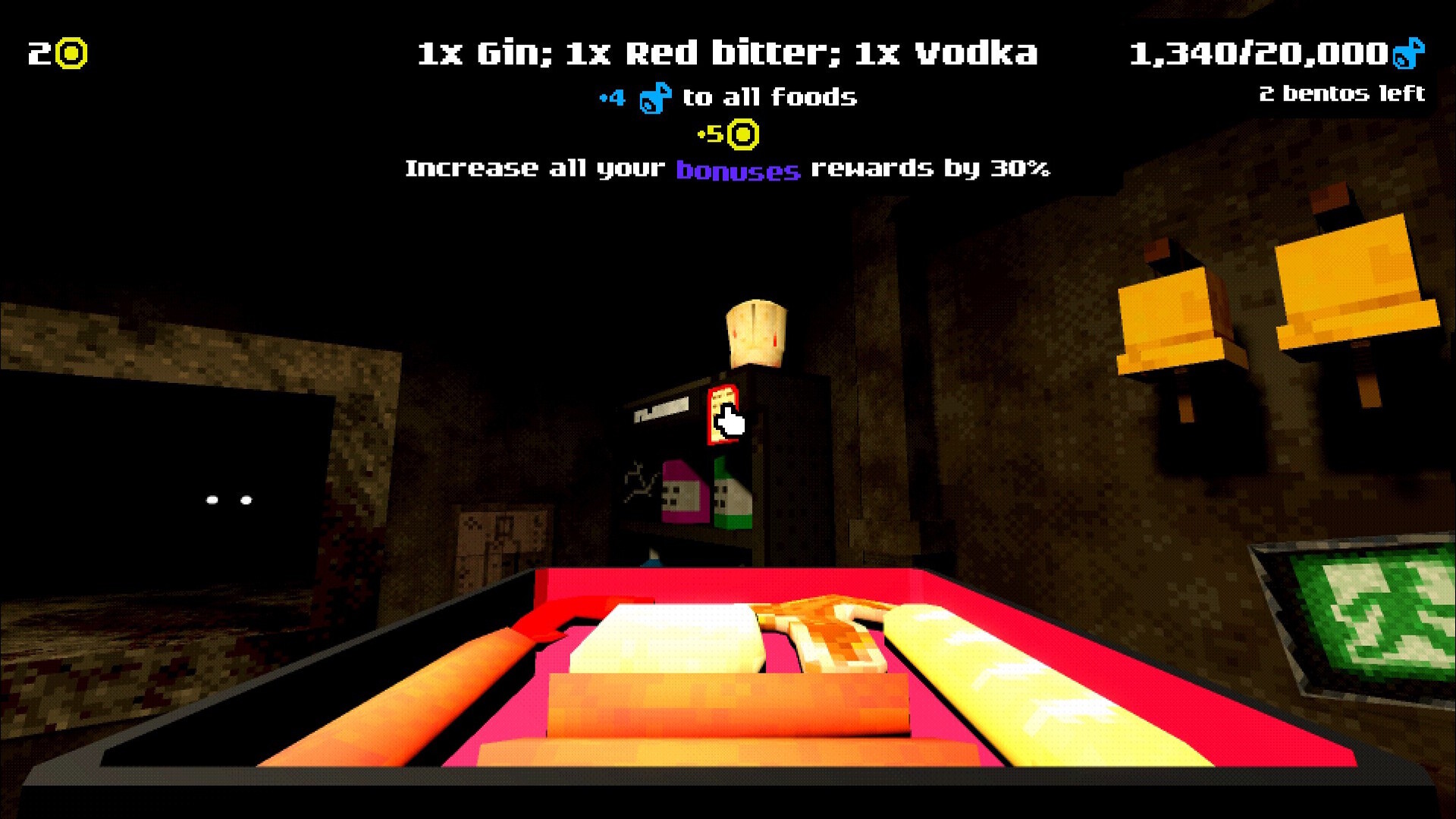
Gameplay in Don’t Let It Starve is immediately tactile: you’re handed oddly shaped ingredients and a bento template (3x3, 4x4, 5x5) and must cram them in for maximum score. It plays like high-stakes inventory Tetris—think Resident Evil 4’s grid but with flavor math—mixed with a gambling element where rerolls and shop purchases shape each run. Each ingredient has a footprint and synergies—stacking the right shapes and types spikes your multipliers—and runs escalate quickly because the wall-chef’s demands grow exponentially. The day-to-day loop is short and satisfying: a 20–30 minute run where you balance immediate placement puzzles with longer-term build planning.
When Combos Become the Currency
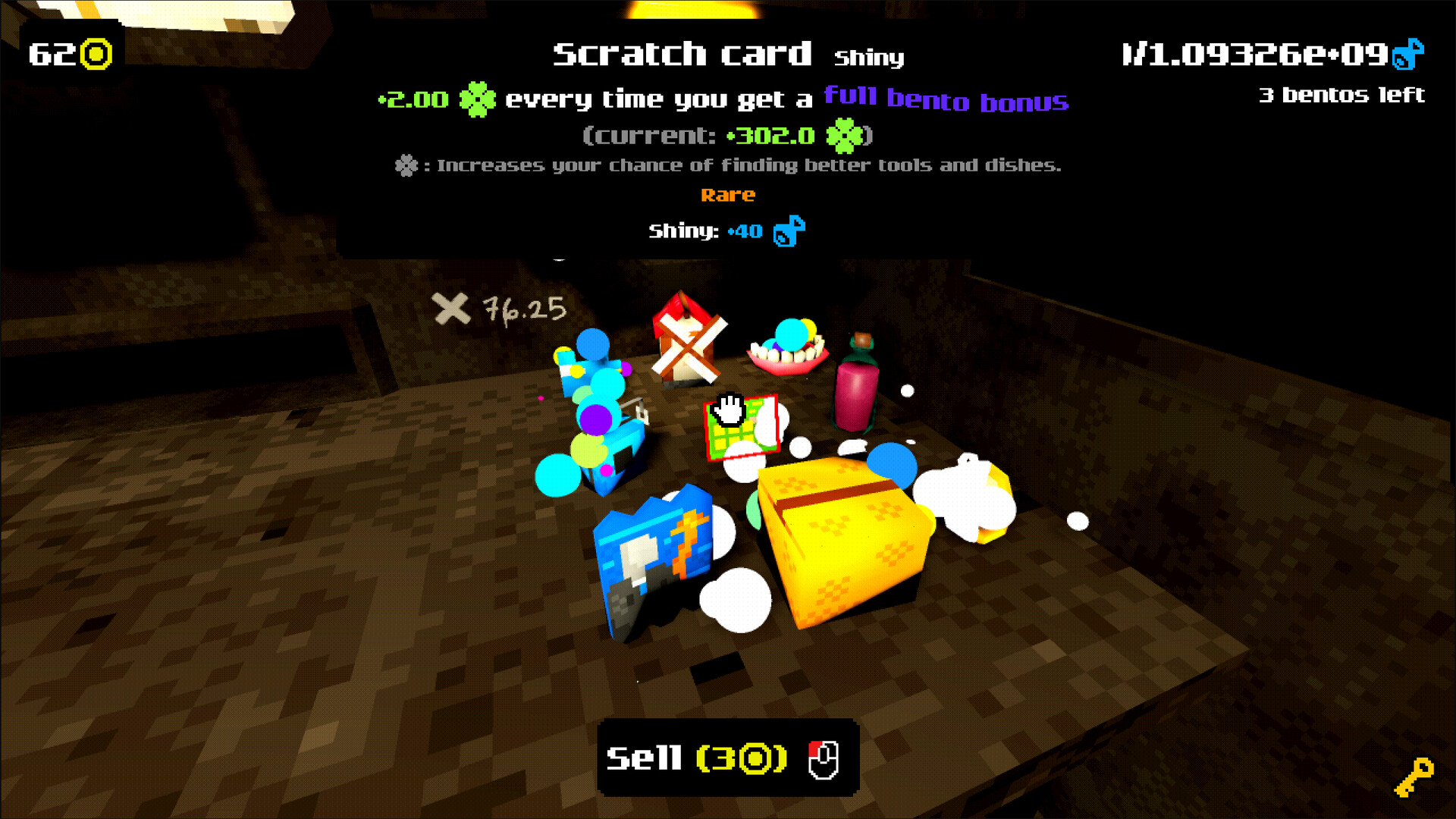
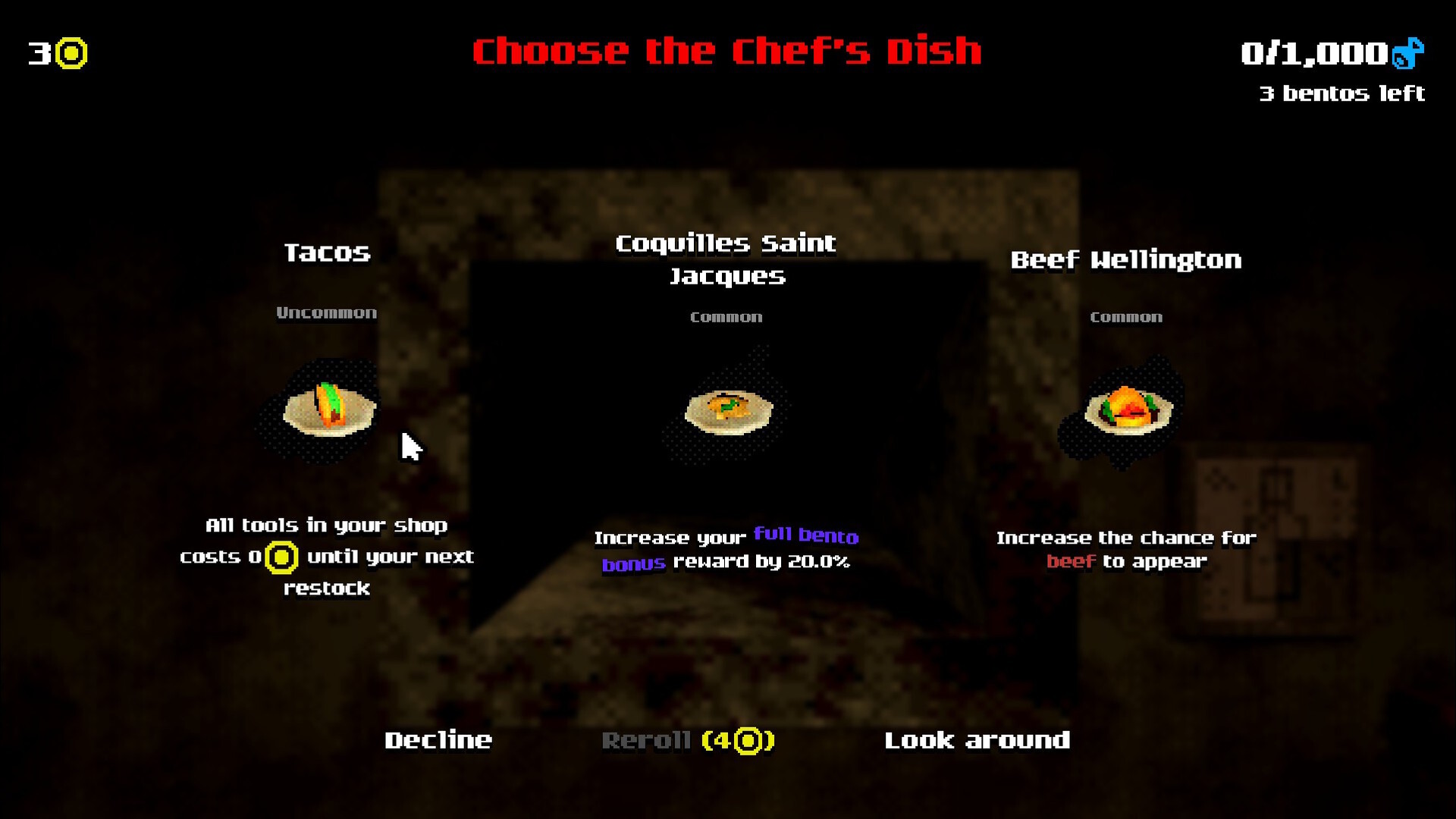
What sets it apart are the combo systems, hats and 100+ tools that let you bend probability and craft signature builds. There are ten hats that change your playstyle, tools that alter placement or scoring, and dozens of modifiers you can buy in the shop. Risk management is core: you can go all-in on bread or pickles if the modifiers line up, but the RNG can make a brilliant plan collapse hilariously. Meta-progression softens that sting—unlocks, persistent upgrades and puzzle fragments you find outside runs make each failure feel like forward momentum. The game also packs challenge modes, an Endless survival variant and a secret-room escape-room vibe that rewards curiosity.
A Kitchen of Style and Knacks
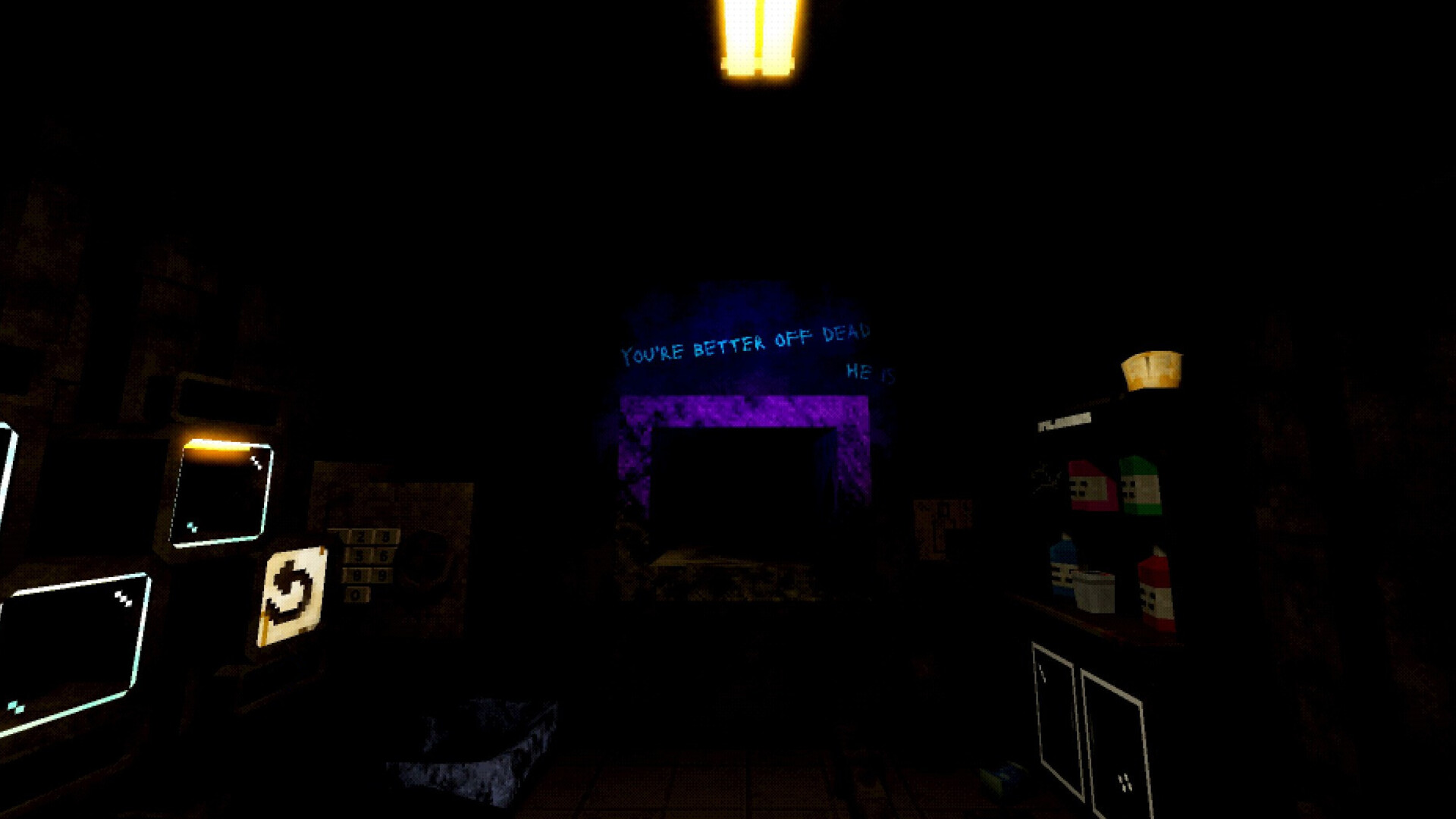
Visually it leans into a quirky, slightly grotesque cartoon style that sits between Cloverpit and Balatro, with expressive UI and a mood that’s more playful-creepy than genuinely terrifying. Audio cues—monster murmurs, the satisfying clack of placing pieces, the ding of combos—do a lot of heavy lifting for atmosphere. Performance is solid on Windows and Linux (Steam Deck compatibility reported by players), and the controls are tight enough that placement frustrations feel like player error rather than lag. Accessibility options are modest; a motion/bob toggle would be welcome, as some players report nausea from menu sway. Overall it’s polished, charmingly weird, and full of little quality-of-life touches once you’ve played a few runs.

Don’t Let It Starve is a deliciously strange mash-up of inventory-Tetris, roguelite gambling and cozy horror. It’s perfect for players who enjoy tight placement puzzles, plenty of combo theorycrafting and a smattering of meta-mystery. Buy it if you like short, intense runs with long-term unlocks—skip it if motion sensitivity or RNG rage-quits ruin your fun.


Pros
- Addictive bento Tetris meets roguelite progression and meta-unlocks.
- Deep combo and tool variety (100+ items, hats, modifiers) for build creativity.
- Charmingly weird art and sound that balance horror and humor.
- Lots of secrets, challenges and an Endless mode to keep you coming back.
Cons
- Runs can feel repetitive once a strong build is found; RNG still dominates.
- Menu/head sway can be nauseating for some players, needs toggle.
- Occasional balance issues; some tools may feel overpowered until nerfed.
Player Opinion
Players I talked to and the Steam reviews echo what I felt: this game scratches the same itch as Balatro, Cloverpit and Raccoin but gives it a spooky, culinary twist. Many praise the addictive loop—people report sinking hours into the demo and full release alike—and highlight the combination of Tetris-like placement and combo multipliers as the core joy. Reviewers love the secret puzzles and meta-progression that keep failed runs feeling meaningful, and several mentioned flawless performance on Steam Deck. Criticisms repeat too: some players wish for nerfs to overly strong builds, others complain about repetitive runs once a winning formula is found, and a minority notes motion sway that makes them queasy. Overall, if you enjoy high-risk resource management and discovery, most users recommend this one highly—and many say it’s worth the modest price.