DragonSword: Awakening Review — A Breath of Fresh Anime Action-RPG
A buy-to-play action RPG that keeps the flashy party combat and open-world exploration of gacha games—but without the gambling. I spent hours swapping, gliding, and collecting in Orbis; here’s what stuck with me.
I jumped into DragonSword: Awakening expecting a colorful knock‑off of bigger open‑world anime RPGs and came away pleasantly surprised. The game nails an approachable tag‑team combat loop, an inviting mount‑based traversal, and a cozy world that loves secrets. Most importantly, it’s buy‑to‑play — no character gambling, no pity systems — and that changes the whole mood. If you’re itching for a flashy, lootable world without predatory monetization, this one’s worth a look.

Riding into Orbis: Exploration, Mounts and Quests
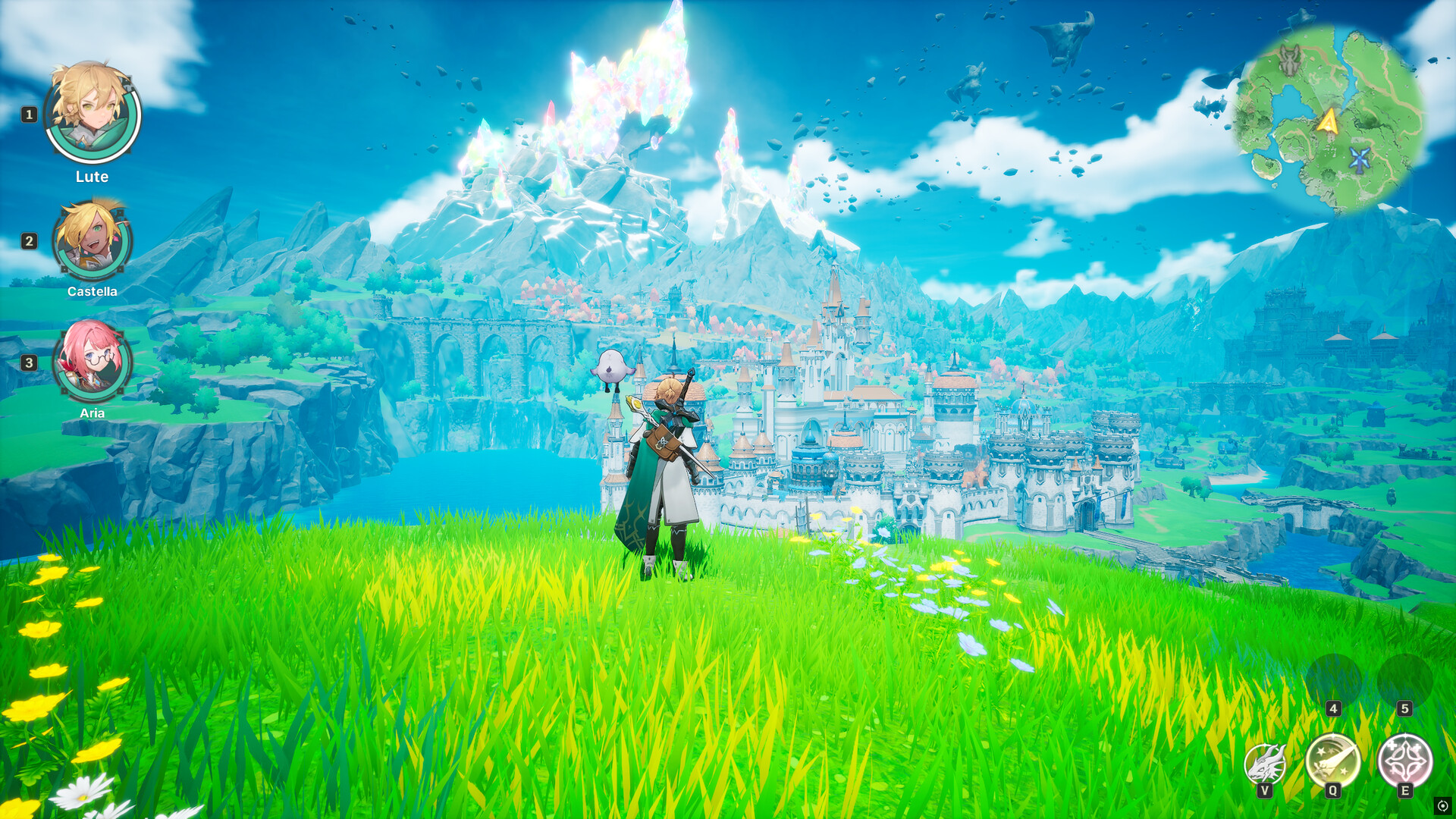
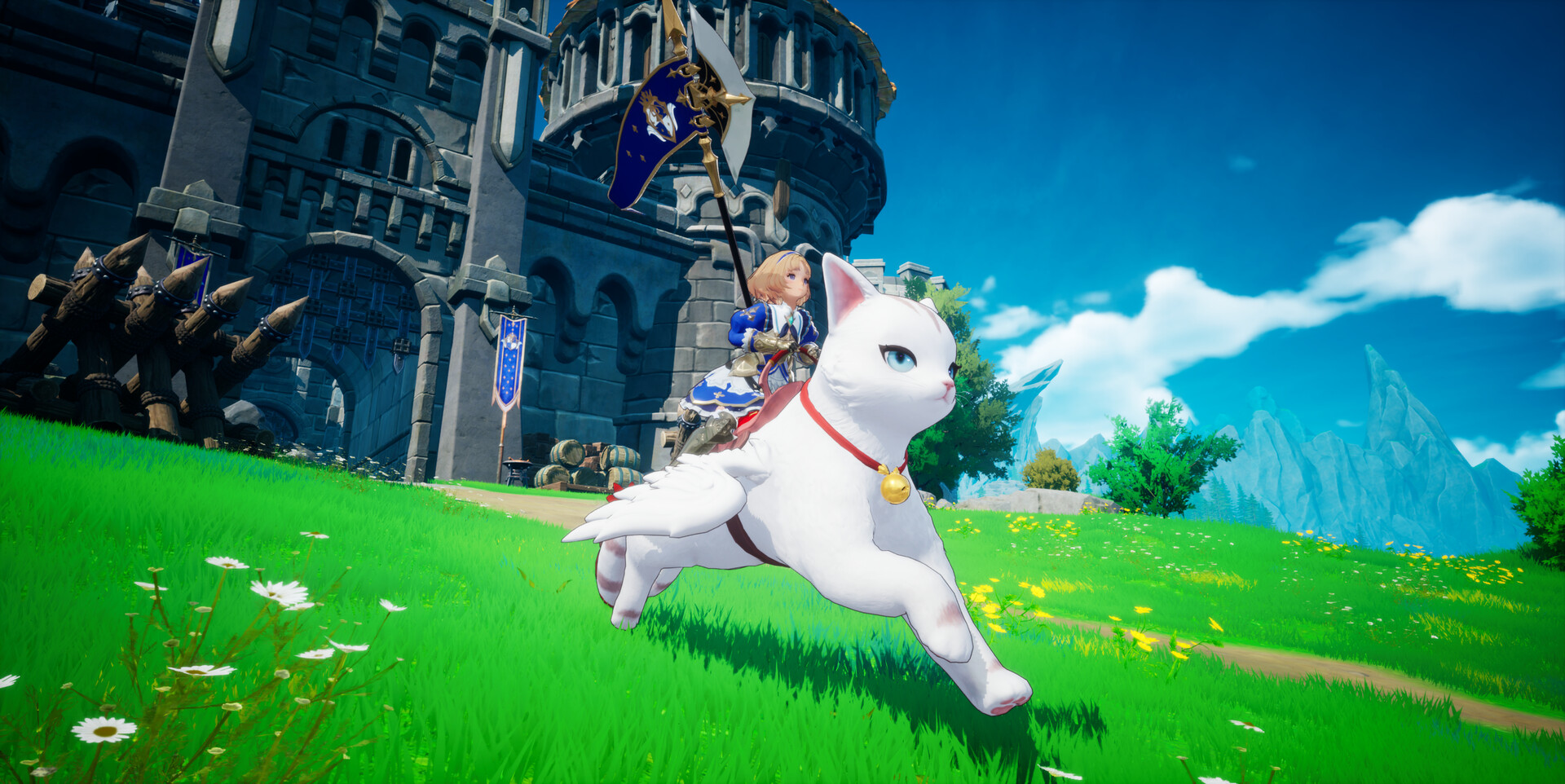
Orbis is the kind of open world that invites me to wander for ten minutes and get lost for an hour. You get mounts early that climb, glide and even scale walls, so traversal rarely feels like filler; it’s actual fun—think Breath of the Wild meets a more directed anime map. The continent is dense with little puzzles, hidden chests, secret cellars under watchtowers and treasure‑filled coves that reward curiosity. There’s a cooking system that turns foraged ingredients into meaningful buffs, familiars that chip in during fights, and plenty of sidequests that paint the towns with personality. The game encourages exploration rather than gating it behind microtransactions: resources and currencies are earned by playing, not paying. I found myself detouring from the main quest more than once just to clear a weird castle room or solve a puzzle that rewarded an unexpected cosmetic.
Status Ailments and Tag‑Team Mayhem
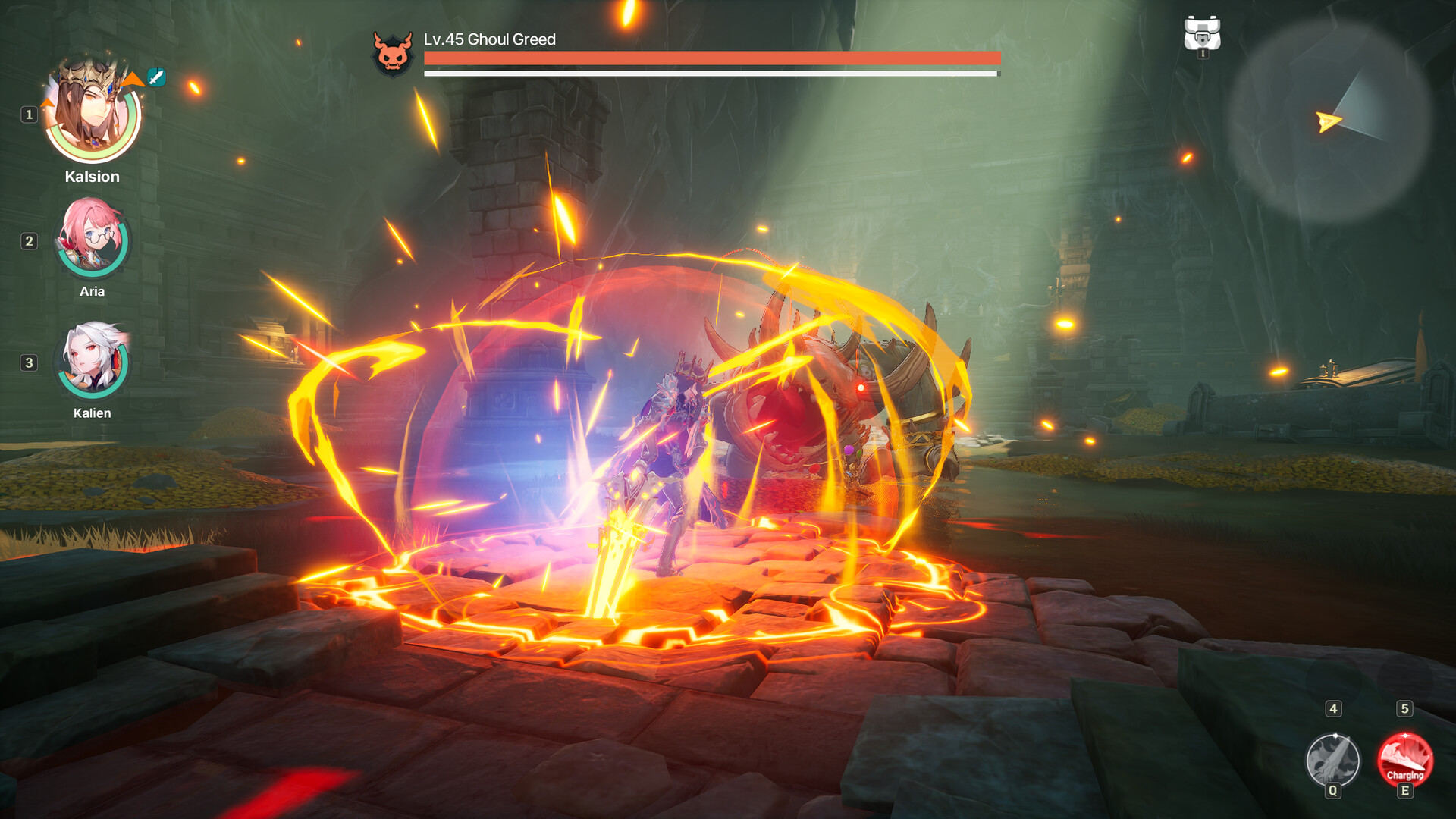
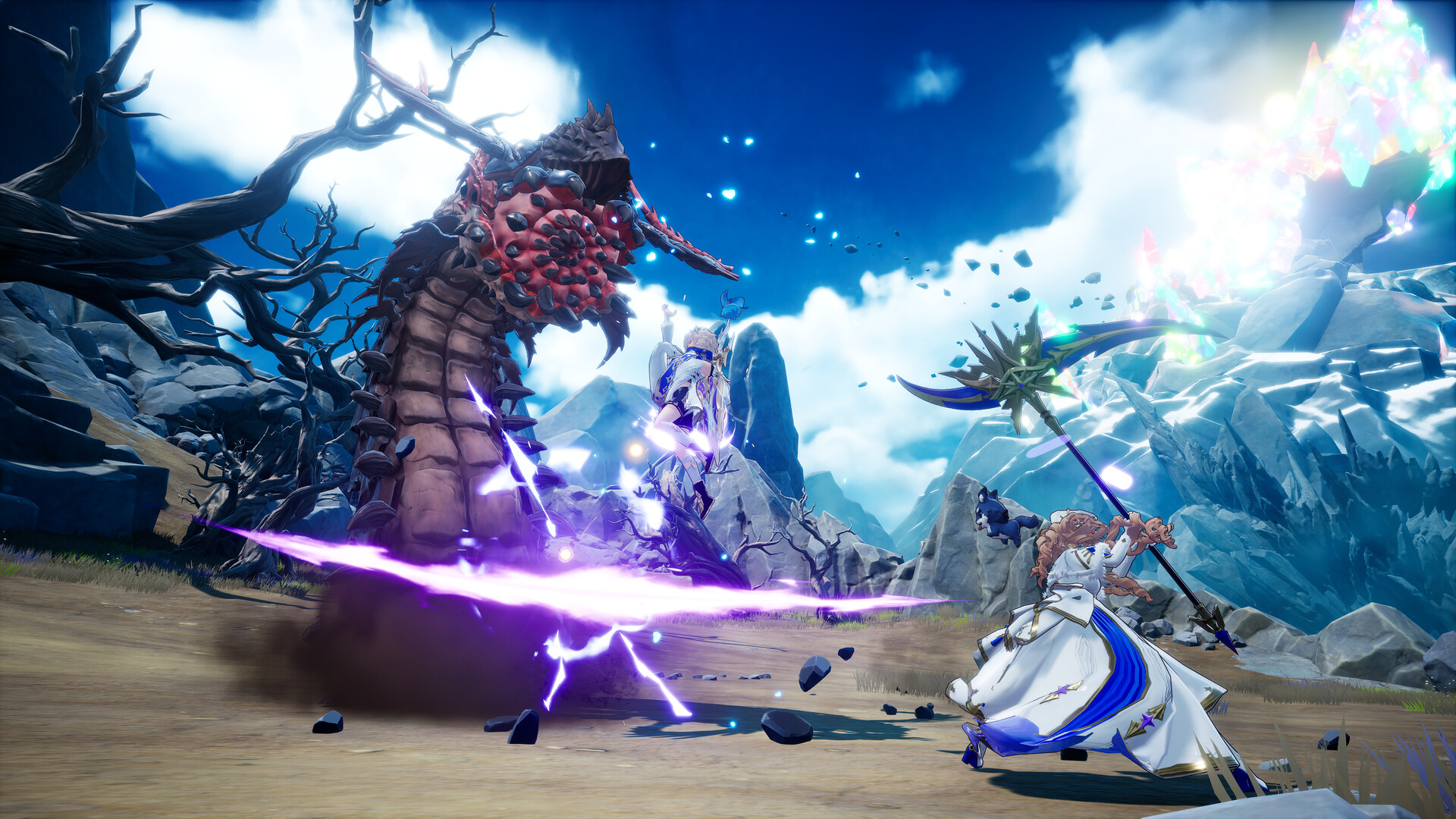
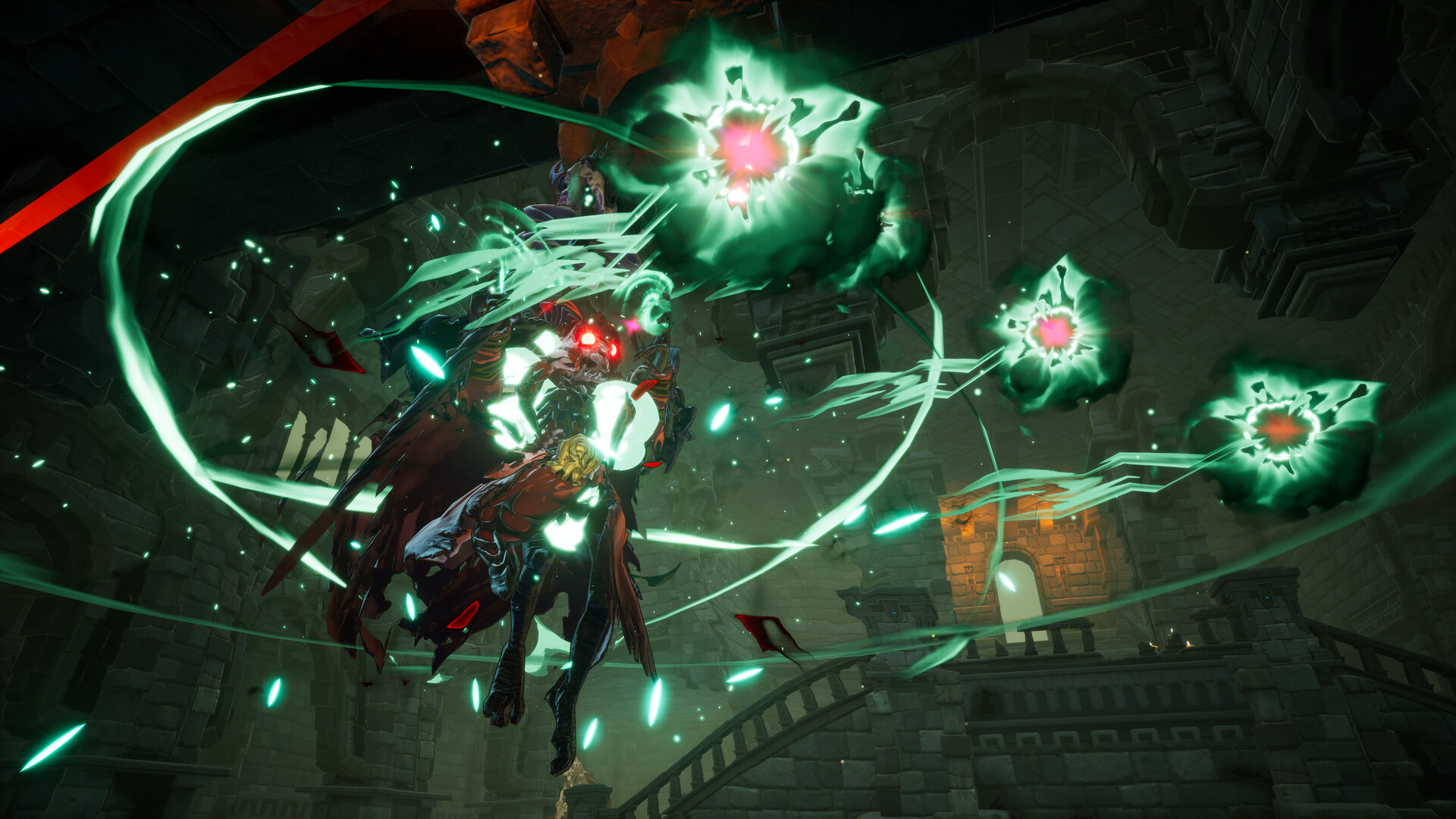
Combat is the real hook: DragonSword runs on a status‑ailment + signal‑skill system that makes switching feel like an integral, skillful act rather than a gimmick. Each hero has unique ailment tools — burn, freeze, stagger, etc. — and many skills only trigger when a status is present, which forces you to plan windows for big damage. Swapping mid‑attack keeps juggles smooth and creates those “oh‑snap” moments when three characters chain into a devastating signal skill. With 19 heroes unlocked through play rather than pulls, experimentation is a joy: you build teams that feel like combos rather than a spreadsheet. The rhythm reminded me of Granblue/Dragon’s Dogma energy but sped up, and while some animations echo Genshin’s polish, the decision to remove gacha makes progression feel earned, not rented.
A Colorful Stage: Art, Sound and Performance
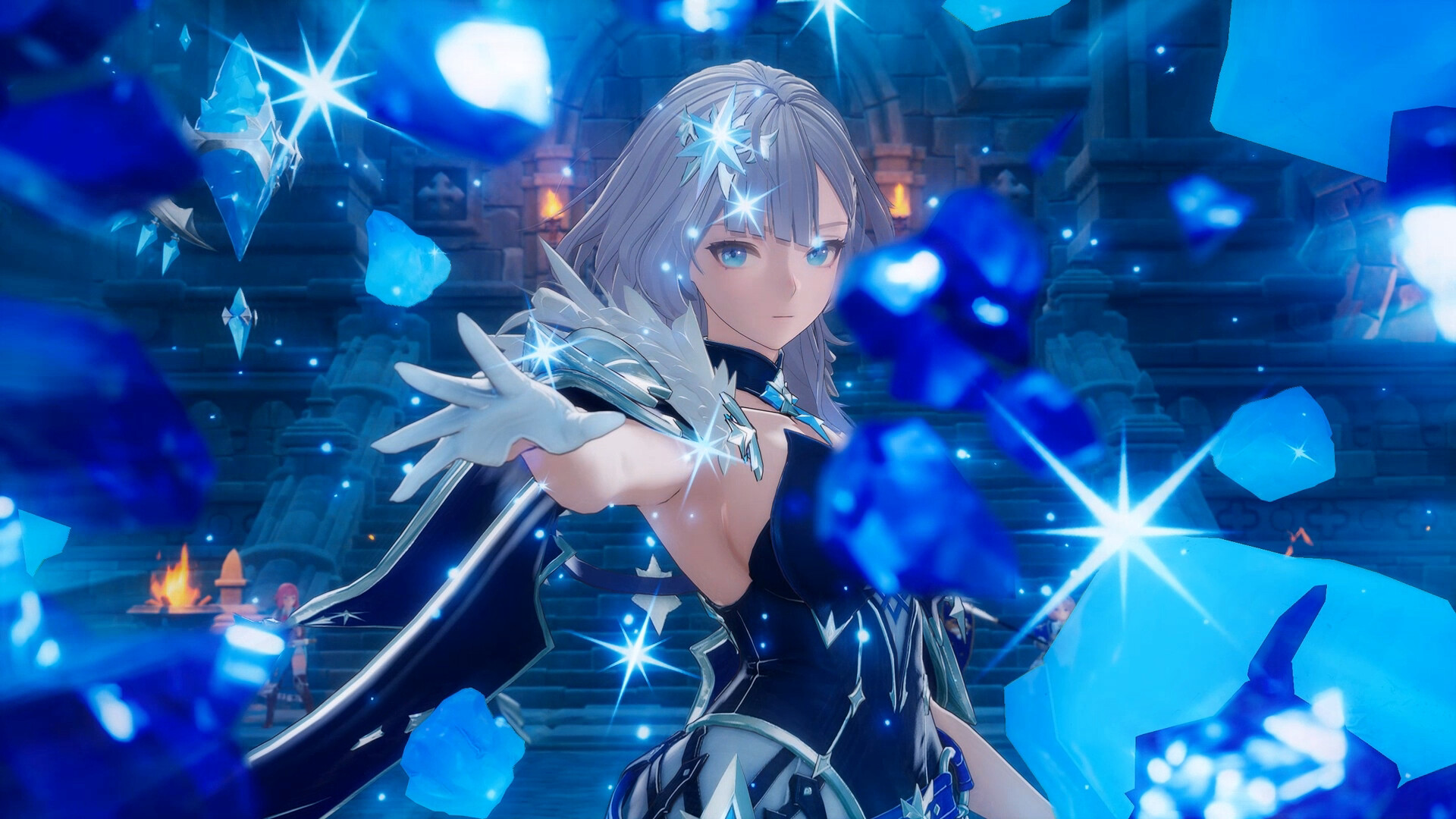
Visually it’s a warm, anime‑inspired Unreal Engine 5 canvas — bright meadows, dramatic towers and expressive character art that pops. The Korean voice acting adds a K‑drama flavor (very on‑brand), though there’s no English dub yet, so subtitles are essential. Sound design hits the right notes: combat SFX are punchy, the soundtrack leans cinematic when it needs to, and towns have ambient life. Performance has been impressive on mid‑range rigs and even handles well on Steam Deck with sensible settings, though dense urban scenes and large battles can cause dips or small stutters. Controller support is solid; button mapping and responsiveness made the tag mechanics feel intentional rather than clunky. Accessibility options are basic but serviceable — I’d like more camera and FOV choices in a patch, though.

DragonSword: Awakening is a heartfelt, playable example of what happens when gacha design meets buy‑to‑play sensibilities. It’s not flawless — translation quirks and some performance spikes hold it back — but its combat, world and fair progression make it a strong recommendation for action‑RPG fans tired of predatory systems. At its price point it feels generous: grab it if you want flashy tag‑team fights, cozy exploration, and a game that respects your time (and wallet).


Pros
- No gacha — all 19 heroes unlockable through play
- Satisfying tag‑team combat with deep status synergy
- Beautiful, warm anime artstyle and rewarding exploration
- Solid controller support and surprisingly good performance
Cons
- Korean voices only for now; no English dub
- Occasional translation jank and small performance hitches in dense areas
- Some UI remnants and systems feel inherited from its gacha origins
Player Opinion
Players overwhelmingly celebrate the game's decision to ditch gacha monetization: a recurring line across reviews is relief that characters are earned, not purchased. People praise the combat loop — swapping mid‑combo and building status chains — and many compare the feel to Granblue, Dragon Nest and the better parts of Genshin, but without the paywall. Performance and controller support get repeated nods: Steam Deck and mid‑range PCs reportedly run well with sensible settings. Criticisms cluster around the lack of an English dub, occasional translation roughness, and a few technical hiccups in crowded cities or big fights. If you like party‑based action RPGs with loot and exploration (think Granblue Relink + Breath of the Wild vibes), you’ll probably enjoy DragonSword.