Fatekeeper Review – Handcrafted First‑Person RPG with Sword & Sorcery Heart
A small‑team Early Access RPG that looks gorgeous and packs satisfying melee plus magic, but still needs polish. Here’s my honest take on combat, progression and whether Fatekeeper is worth your early support.
I jumped into Fatekeeper because the trailers whispered Dark Messiah vibes and the screenshots looked like a love letter to moody, handcrafted landscapes. In practice I found a small, passionate team’s clear vision: cinematic vistas, physicsy melee, and spells that actually feel like tools, not just numbers. But Early Access means rough edges — save points, stamina and the odd boss design can turn a great scene into a rage quit. Still, for the price and the ambition, I kept playing and kept discovering little gems worth praising and a handful of fixes I want to shove in the devs’ inbox.

Walking the Ruins and Winning (or Dying) Gracefully
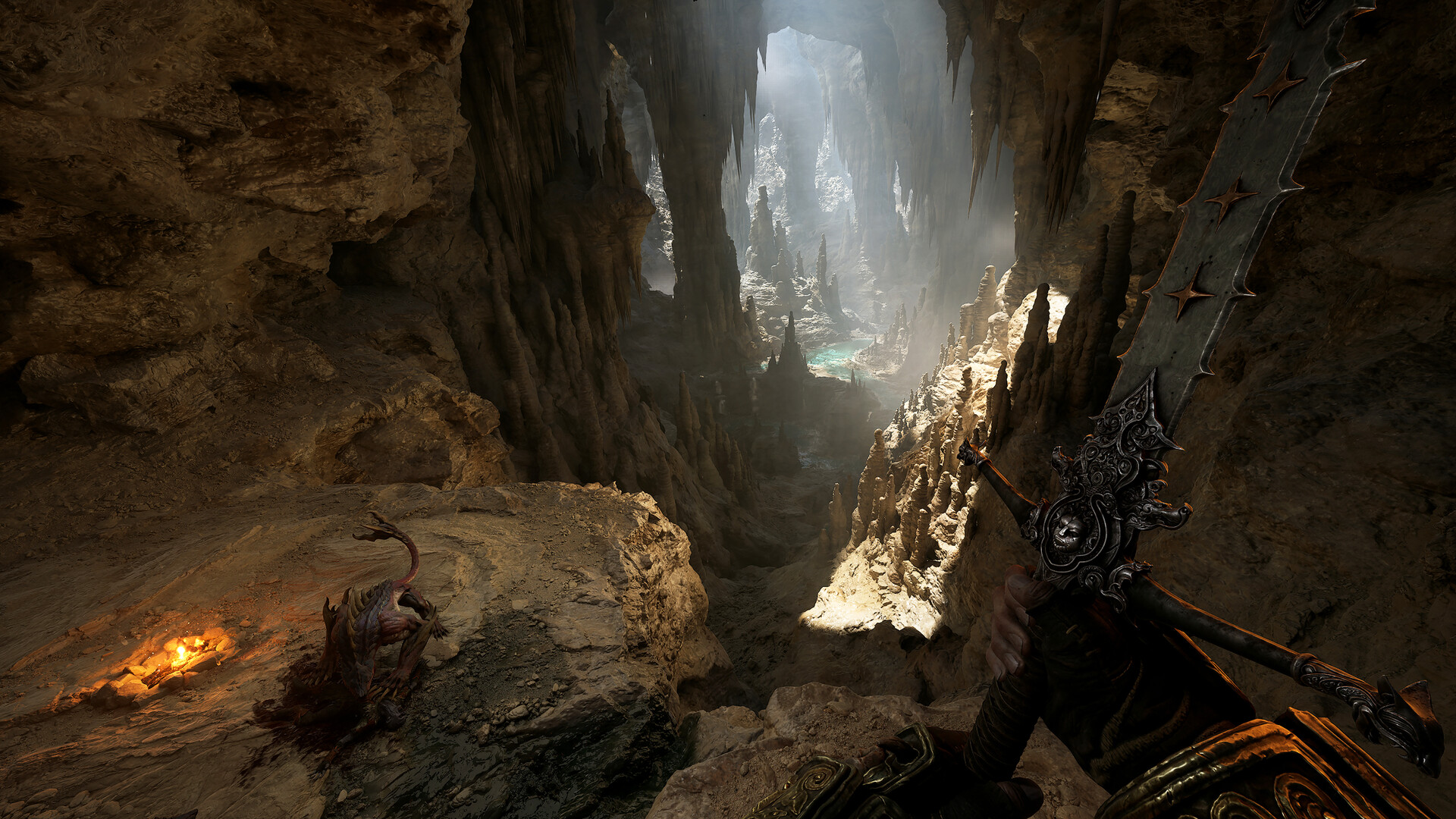
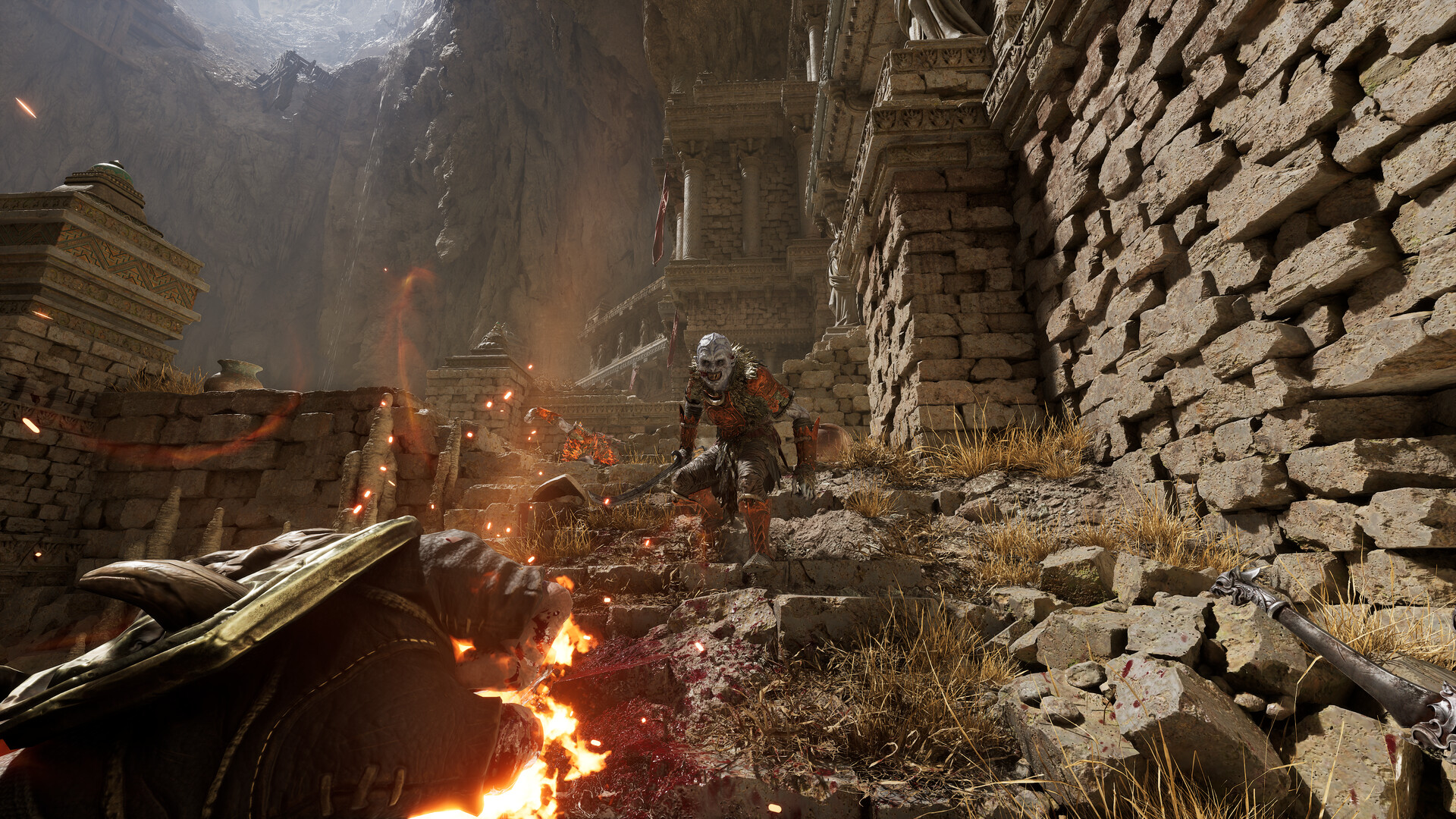
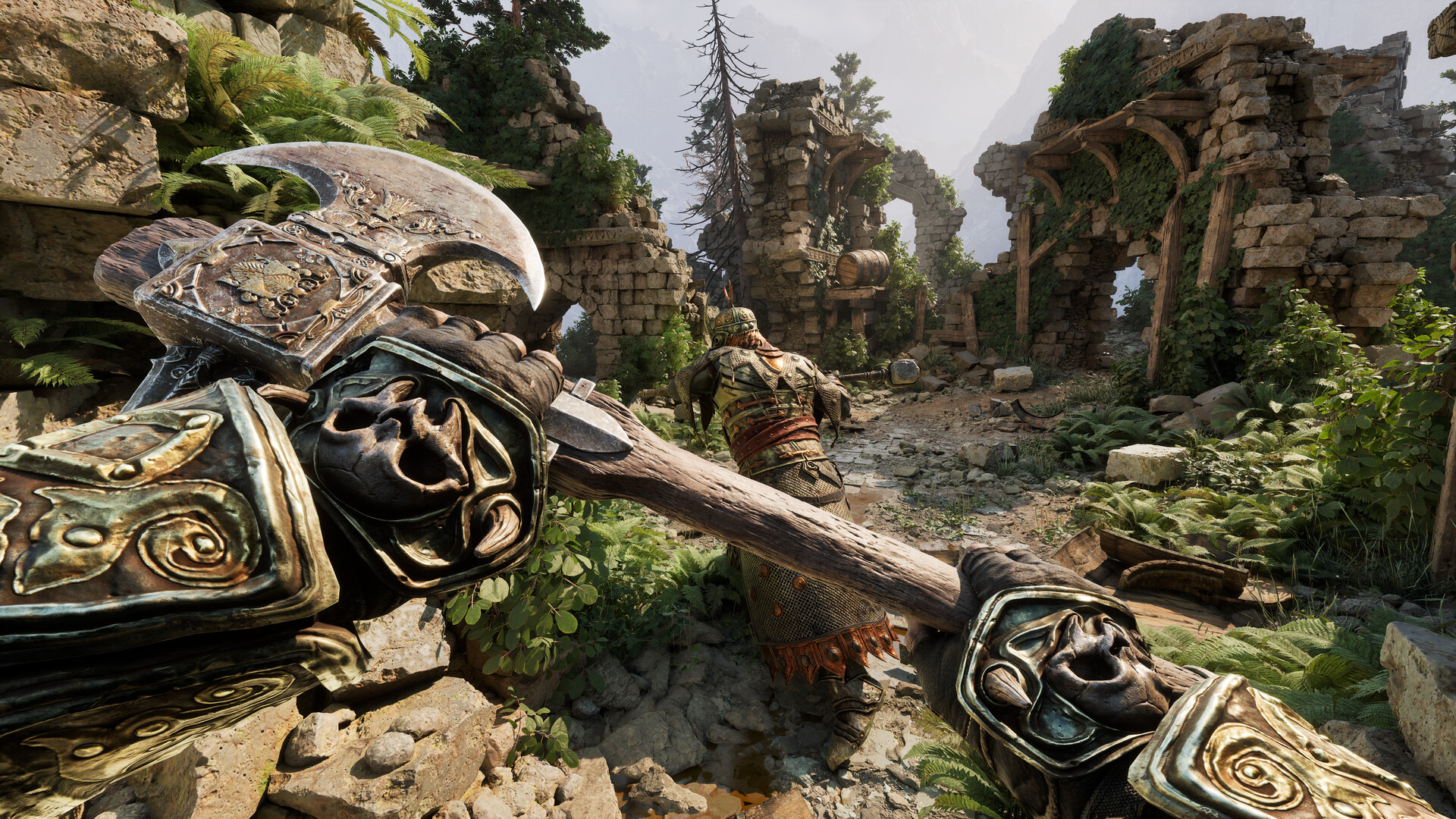
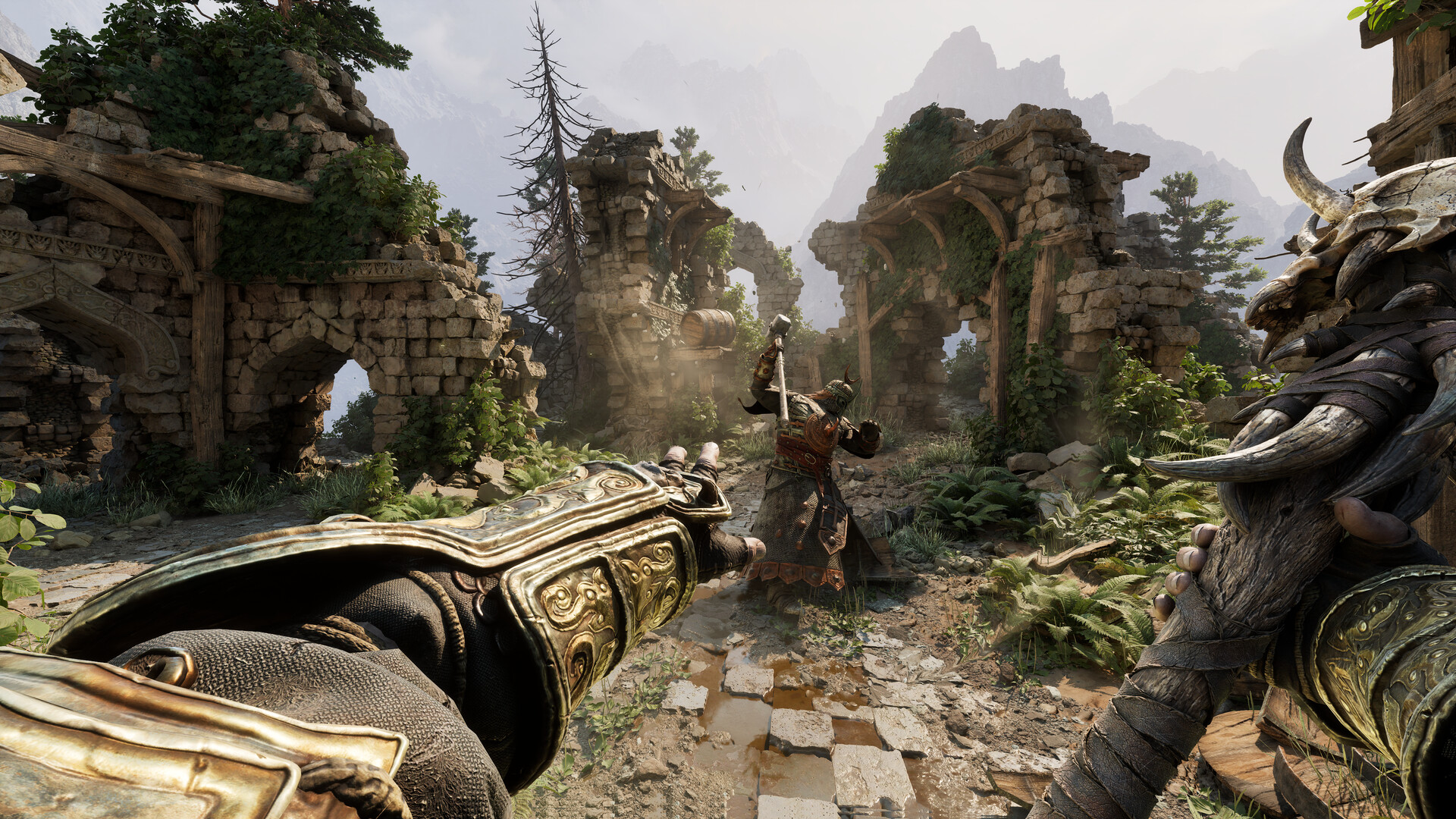
Fatekeeper is a first‑person RPG where most of your time is spent reading space with a sword in hand or lining up a spellcast. You walk through handcrafted ruins, caverns and sanctuaries that reward curiosity with relics, crafting materials and lore scrap—sometimes the reward is a single useful flower, sometimes a weapon that changes how you play. Combat is reactive: light and heavy swings, a dodge/dash, a kick and spells all matter, and stamina management is a constant conversation. Enemies telegraph attacks unevenly: some are readable and fun to bait, others feel like they home in and punish small mistakes. Environmental kills are the most joyful moments — sending a shield‑bearer off a ledge or toppling a chandelier still makes me grin. But the runback problem is real: sparse campfires mean failure often costs several minutes of progress and that repeated trip can wear thin.
Relics, Spells and Choices That Matter
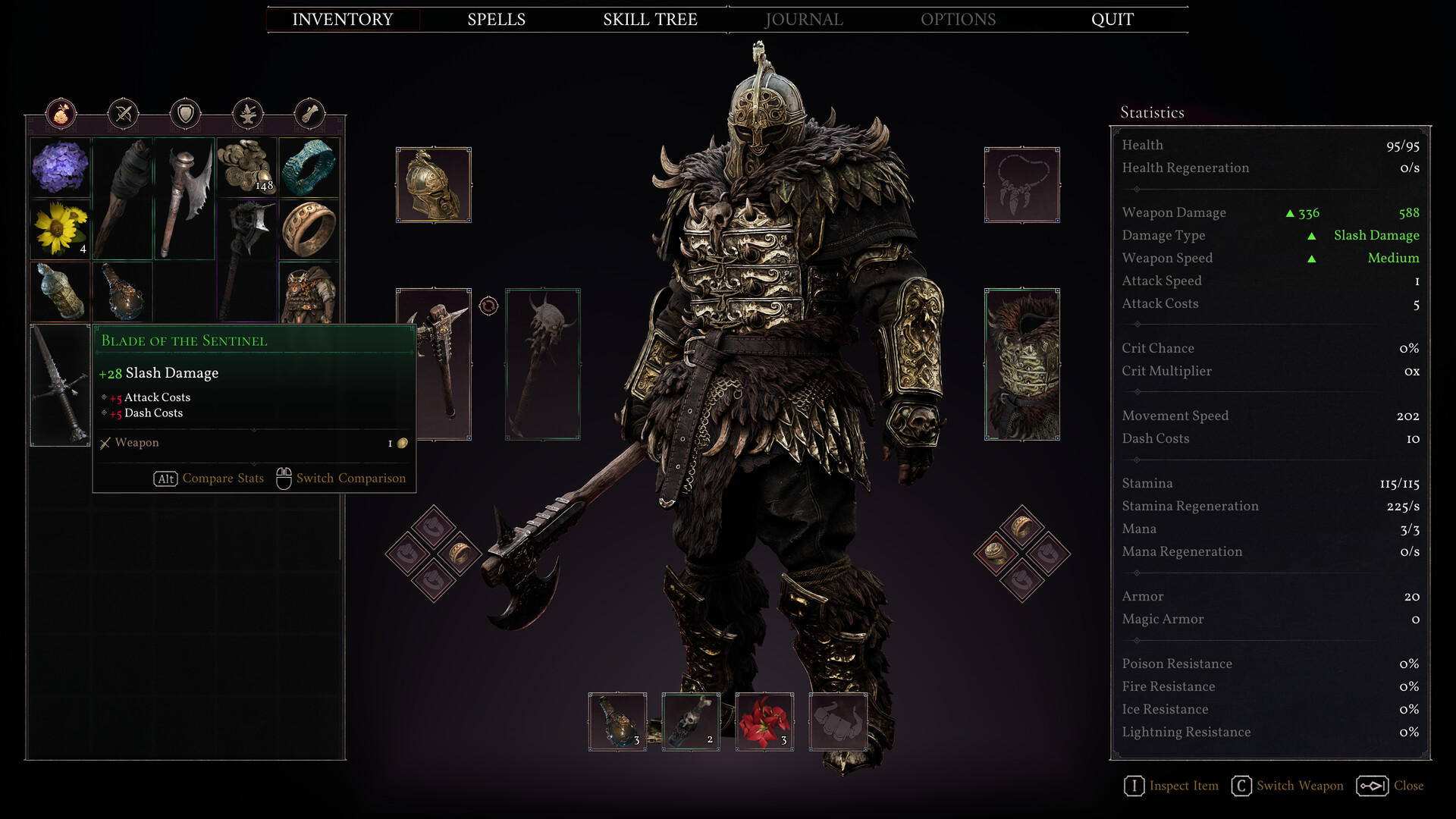
Progression leans into meaningful choices rather than flat stat bumps; the skill tree promises diverse builds (melee, precision, sorcery, alchemy) but Early Access currently gates some cross‑spec freedom so your starting choices can feel punishing. Spells are fun in principle—telekinesis, ice slow, fire burns and a gust/push—but mana costs and cast timing sometimes prevent you from using them as liberally as you’d like. Alchemy is a neat idea and crafting vials/coatings that alter combat opens creative windows, yet the scarcity of ingredients and slow potion animations make it fiddly under pressure. Weapons and armor variety exists and can meaningfully change your rhythm, but reach balancing and hit registration still need tweaks: daggers feel weak, two‑handers feel chunky, and some weapon types currently outscale others more by circumstance than design.
The Look, the Sound, the Rough Edges
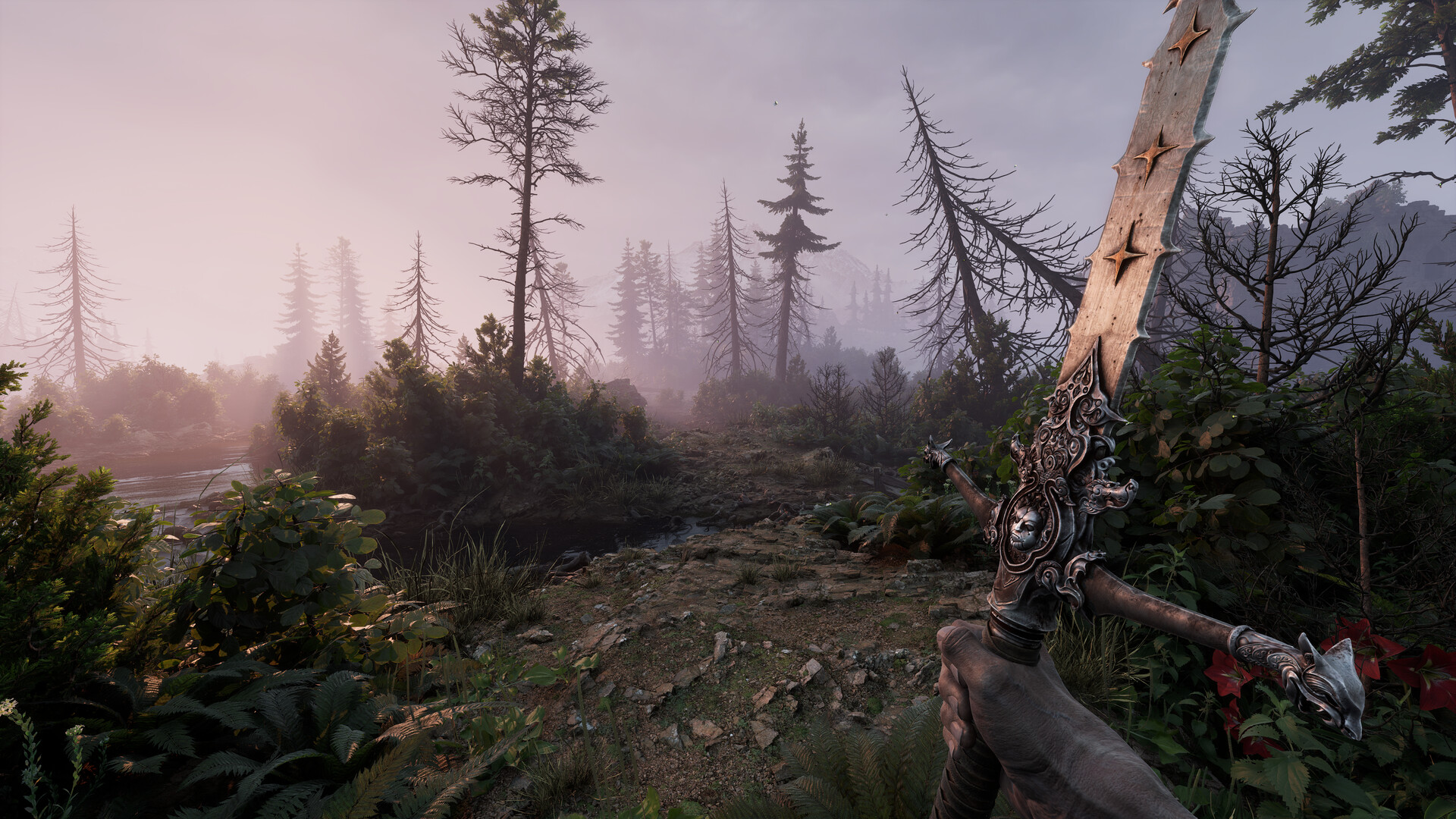
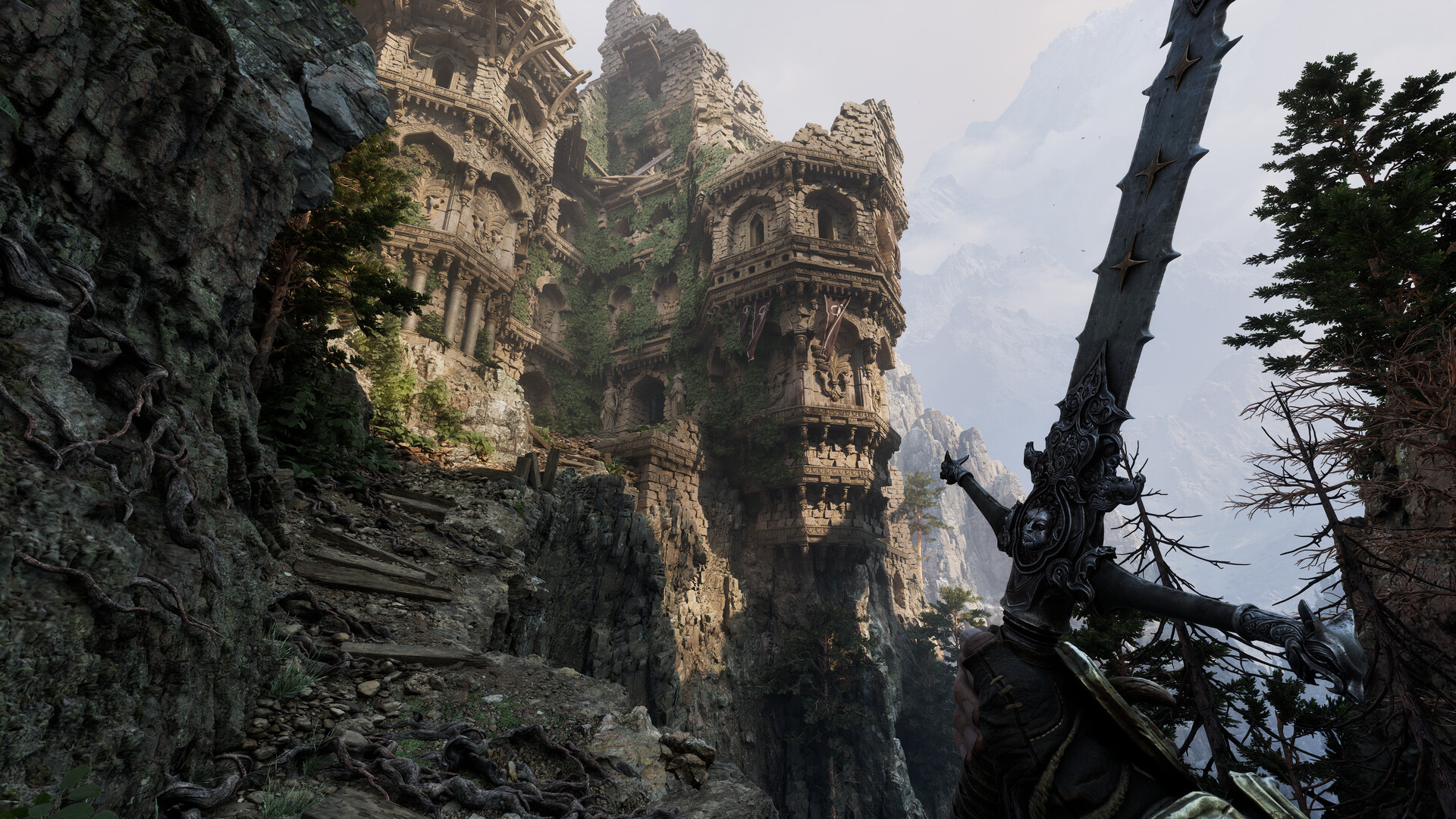
Graphically, Fatekeeper is a showstopper: lighting, foliage and materials give each scene a postcard‑ready vibe and performance is surprisingly solid on modern rigs. Sound design and voice work do a lot of heavy lifting for atmosphere, although mixing occasionally buries lines or ambient cues and some SFX are missing. The UI and control defaults feel like Early Access staples: rebinding quirks, a clumsy quick‑slot flow and a few accessibility options that are not yet present. Bugs and weird AI moments pop up — enemies sometimes clip or act on rails — but the devs are active and many players report quick fixes after patches. In short: the bones are excellent, the art and physics deliver delight, and the mechanical polish — hitboxes, animations, saving rhythm — is the part that still needs a longer bake.

Fatekeeper is one of those Early Access projects where the promise is almost tangible: gorgeous environments, fun physics interactions and interesting progression. Right now it’s a rough gem — play it if you enjoy backing small teams and you don’t need a finished product. If the devs continue to tune combat pacing, save/heal flow and UI, Fatekeeper could become a modern, first‑person cult classic.


Pros
- Stunning handcrafted visuals and solid performance for an indie UE5 title.
- Melee + magic combos and environmental kills feel genuinely satisfying.
- Deep skill tree and customization that promise varied builds.
- Excellent value for Early Access price and very active small dev team.
Cons
- Sparse save points and healing systems make runbacks frustrating.
- Combat needs polish: hit registration, stamina pacing and some boss designs.
- UI/controls and some accessibility options still feel half‑baked.
Player Opinion
Players repeatedly praise Fatekeeper’s visuals, atmosphere and the sense that a small team poured love into the project. Many comparisons to Dark Messiah pop up — usually as a compliment — because of the physicsy melee and environmental interactions. Recurring complaints center on healing and saving: campfires don’t heal and saves are sparse, which makes a single misstep grindy. Combat receive mixed notes: some find it weighty and satisfying, others call it sluggish or inconsistent, especially archers and certain bosses. Folks also ask for better key rebinding, controller support and clearer alchemy/quick‑slot UX. If you like tactical first‑person melee and don’t mind Early Access warts, you’ll probably get a lot out of this.