Fortune Mill Review — A Charming but Overhyped Idle-Minigame Mix
A solo dev's bite-sized idle/minigame compilation — fun, pretty, and frustratingly short. My hands-on impressions about progression, recycled assets, and whether it's worth the price.
I went into Fortune Mill expecting a compact, dopamine‑driven time sink — and that’s mostly what I got. Lavaflame2 bundles five minigame-style rooms (darts, scratchers, pachinko, sushi merging, gacha capsules) into a neat single‑player package with charming pixel visuals and a catchy soundtrack. If you’ve played IdleOn you’ll instantly recognize the DNA and many assets, which is both a comfort and a sore point. The game nails immediate satisfaction and the “numbers go brrr” feeling, but the hype and promises around length and novelty don’t entirely line up with the final product.

Throwing Darts, Scratching Tickets, Winning Rooms
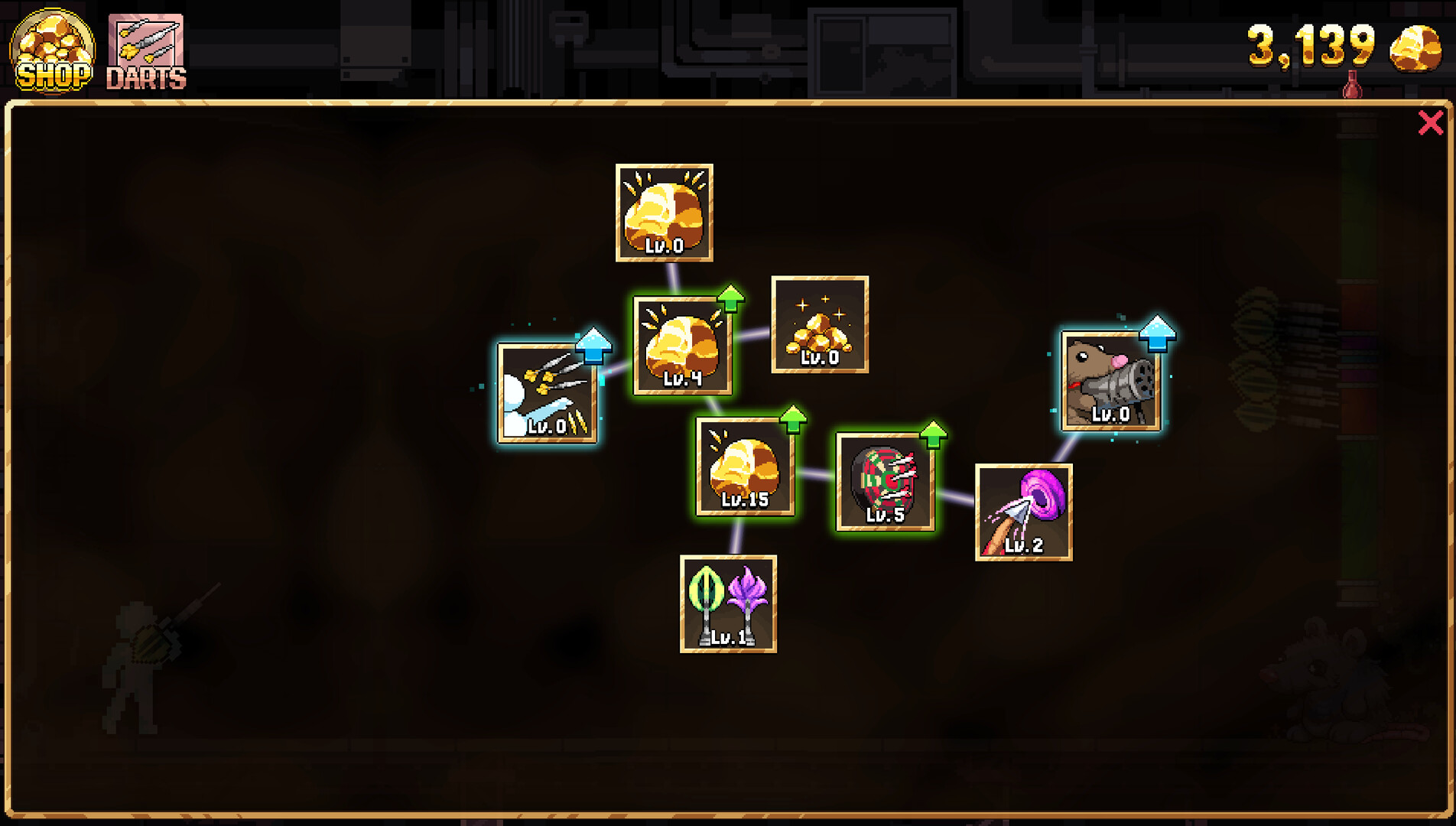
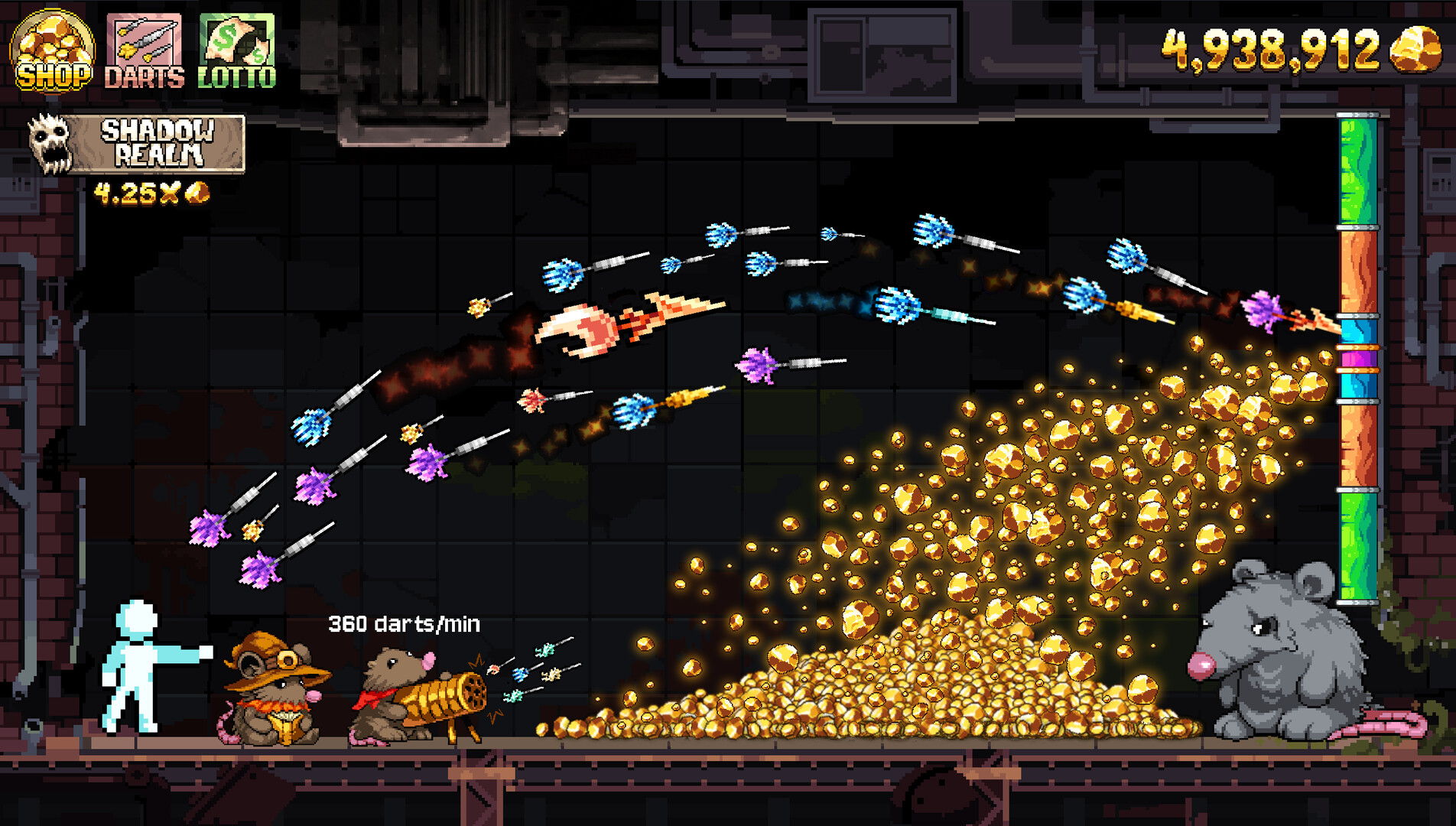
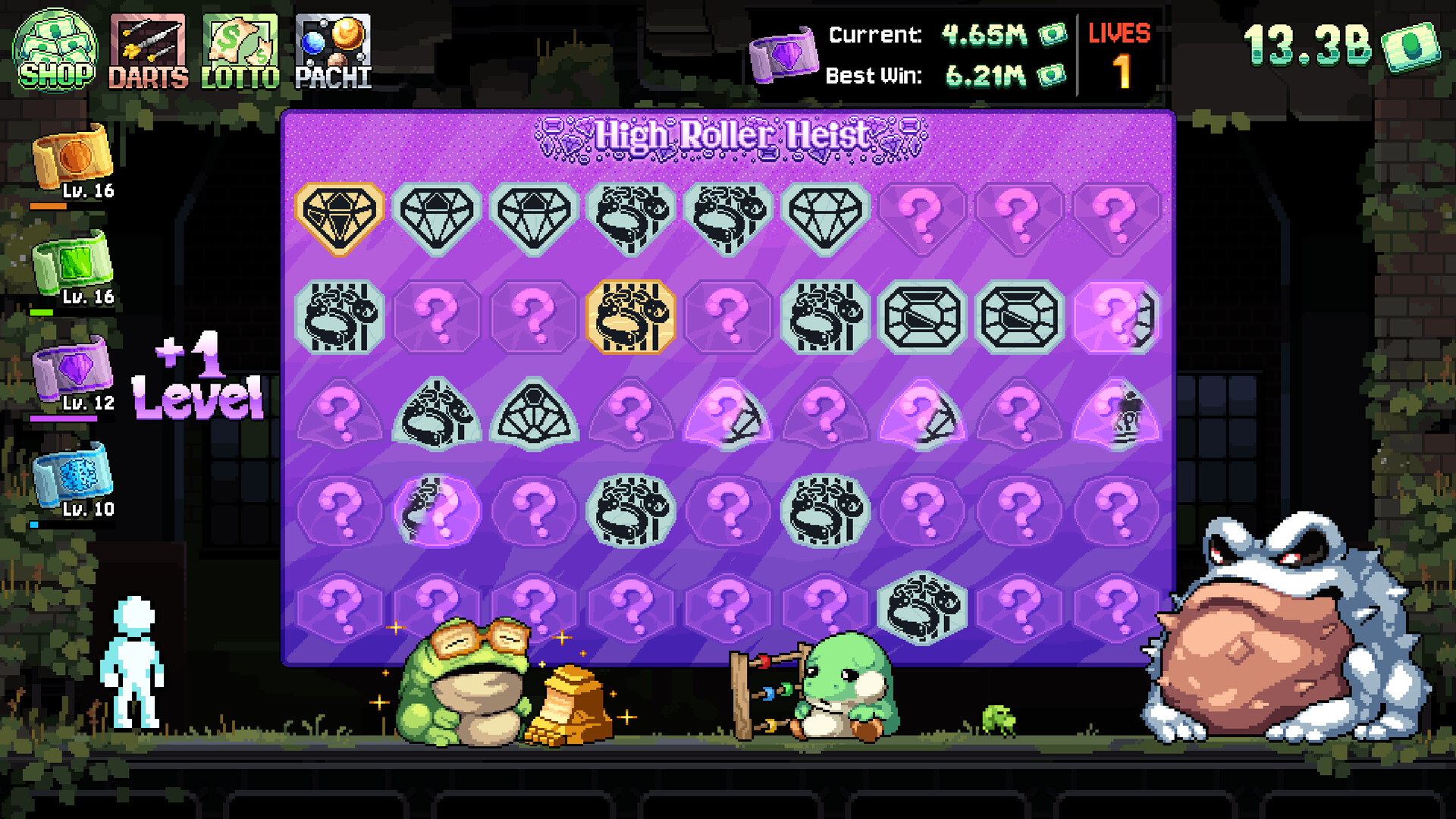
Fortune Mill plays like a coffee‑break compilation of tight minigames stitched together by a shared economy. You start with the darts room where timing and aim feel satisfying at first; you level up bullseyes, unlock helpers and eventually the room becomes a potent passive income engine for the rest of the mill. From there you unlock the scratcher/lottery room — tactile and oddly soothing for about an hour until the clicking becomes rote. Pachinko sits in the middle: visually entertaining and fun in short bursts, but some dice mechanics and card interactions slow the rhythm and increase RNG frustration. Sushi merging is the most mechanically dense of the bunch and eats your wrist if you spam it, but it also rewards a little planning. The capsule/gacha room is the final tap of randomness and reward that ties several synergies together, though by then the main goal is often already within reach.
When Rooms Feed Each Other (and Sometimes Don't)
One of the selling points is how rooms buff each other: upgrades in darts increase ticket payouts, pachinko bonuses amplify sushi yield, and gacha unlocks can cascade across the mill. Those cross‑room synergies are what make the game feel like a single machine rather than five isolated diversions — for a while. The problem is many of the later bonuses feel pointless once you’ve already hit the gating requirement for the final room; you end up chasing marginal multipliers rather than new gameplay. There are satisfying jackpot moments and emergent combinations, but they taper off quickly, which is what makes the second half feel less rewarding than it could have been.
A Pretty Wrapper with Rough Edges
Visually Fortune Mill shines: pixel art, snappy VFX on upgrades, and a soundtrack that carries the loop. Performance is decent on my modern PC, but several user reports (and my own sessions) flagged occasional crashes and memory bloat the longer you pile up gold — something to watch for. Accessibility and QoL could use work: more automation options, animation skips, and faster lotto/pachinko funnels would save wrists and time. The game also leans active rather than purely idle; expect to click and micro‑manage far more than a typical idle title. Overall, it's a polished small package with clear room to improve in pacing and long‑term goals.

Fortune Mill is a compact, well‑made slice of incremental design with clear delights and clear limits. I enjoyed the early loop and the art, but I also felt the hype and the reuse of assets made the experience feel smaller than promised. Buy it if you want a cheap, polished dopamine loop and don’t expect a deep, endless endgame; skip it or wait for updates if you need automation, longevity, or novelty.


Pros
- Great pixel art and soundtrack that give it a lot of charm
- Solid, satisfying early progression loops (darts and jackpots)
- Affordable price and compact single‑player experience
- Cross‑room synergies create short bursts of emergent fun
Cons
- Feels too short and tapering — late game loses momentum
- Reuses many IdleOn assets and mechanics, which can disappoint
Player Opinion
Players are split but consistent in a few themes: most praise the art, soundtrack, and those first few hours of satisfying progression — especially the darts loop and the jackpot moments. Common critiques include repetition, short total playtime (many report finishing in under 10 hours), and quality‑of‑life gaps like missing automation and slow RNG minigames. A recurring meta‑issue in community comments is frustration with the developer’s hype and the perception of reused assets from IdleOn; that colors some reviews as much as actual bugs and balance complaints. If you like incremental, active idlers and don’t mind a shorter, click‑heavy run, many players still recommend it for the price.