Incrempire Review – Addictive Incremental Tower-Defense with a Dark Twist
An idle-meets-active survival tower-defense where you hover to kill, spend gold on a compact skill tree, and chase tight runs. Fun loop, rough endgame—perfect for short bursts but frustrating if you expect long-term depth.
I went into Incrempire expecting a small, competent incremental—what I found was a surprisingly tight tower-defense hybrid that hooks you fast. It blends idle progression with active moments where you literally hover your cursor to slay enemies, which is oddly satisfying. While the early loop is buttery-smooth and rewarding, the game starts showing its limits once the main skill tree is exhausted. Still, for a few hours it does what good indies do: iterate on a simple idea with personality and charm.

Hover to Survive
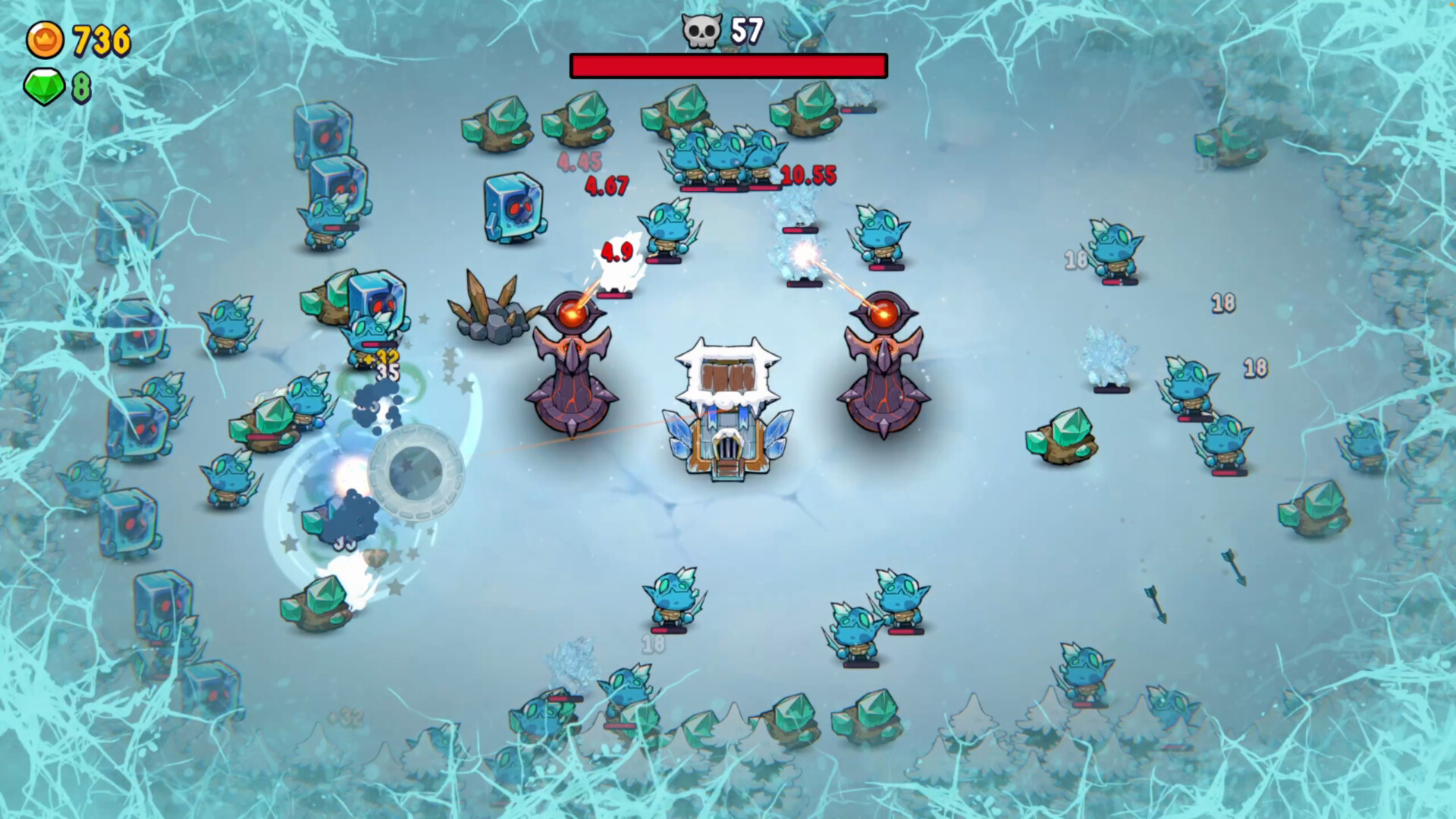
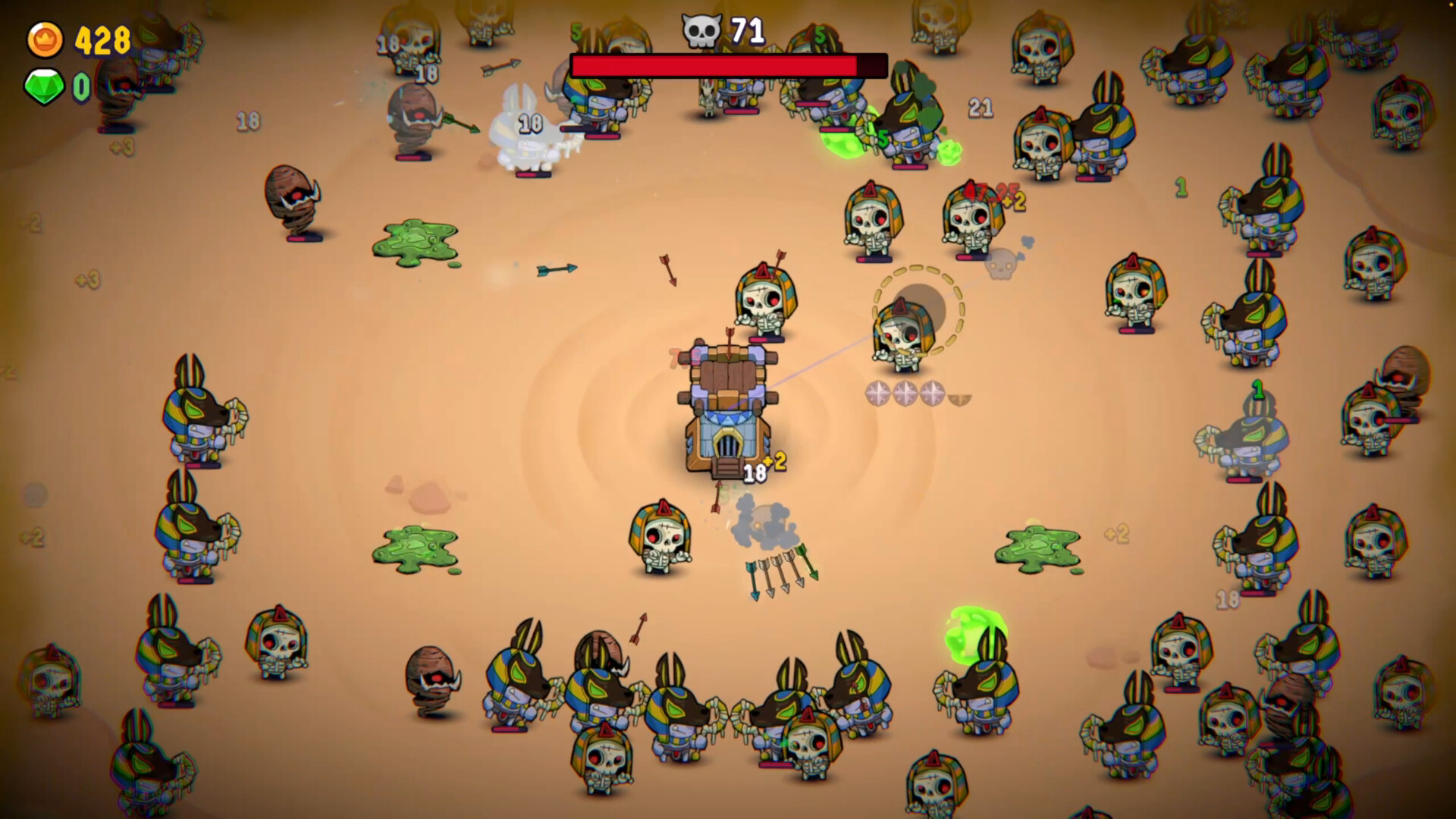
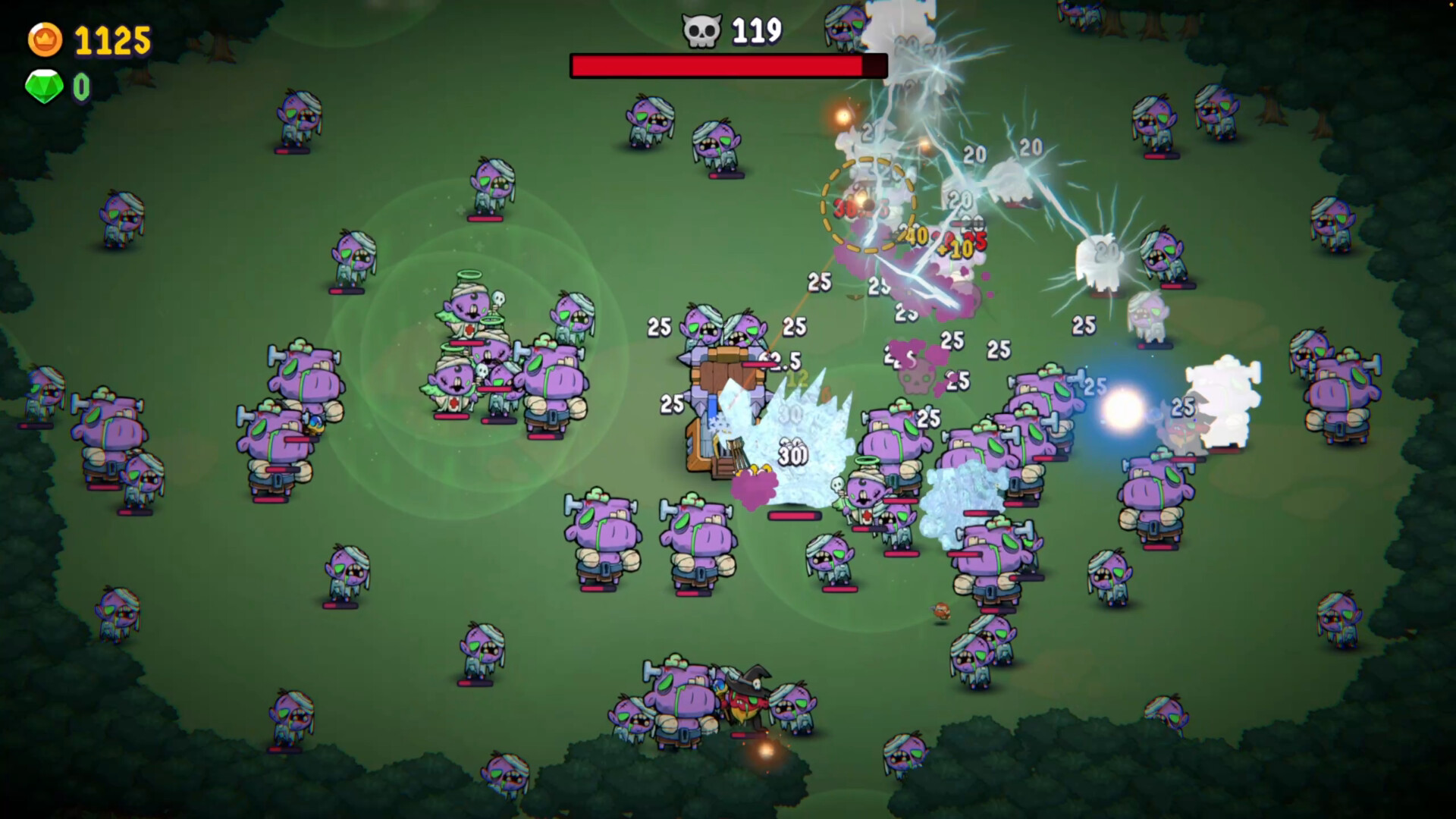
The core loop of Incrempire is gloriously simple: enemies stream toward your castle and you hover the cursor over them to deal damage. That mechanic is effortless to pick up but it’s far from passive—the timing of your hover, when to spend gold, and which temporary blessing to pick before a run all matter. Each defeated enemy drops money that feeds into a compact but meaningful economy. Between waves you spend on permanent stat boosts, towers and unlockable runes that change how a run plays out. The pacing encourages short, intense runs rather than marathon grinding sessions.
Little Systems, Big Decisions
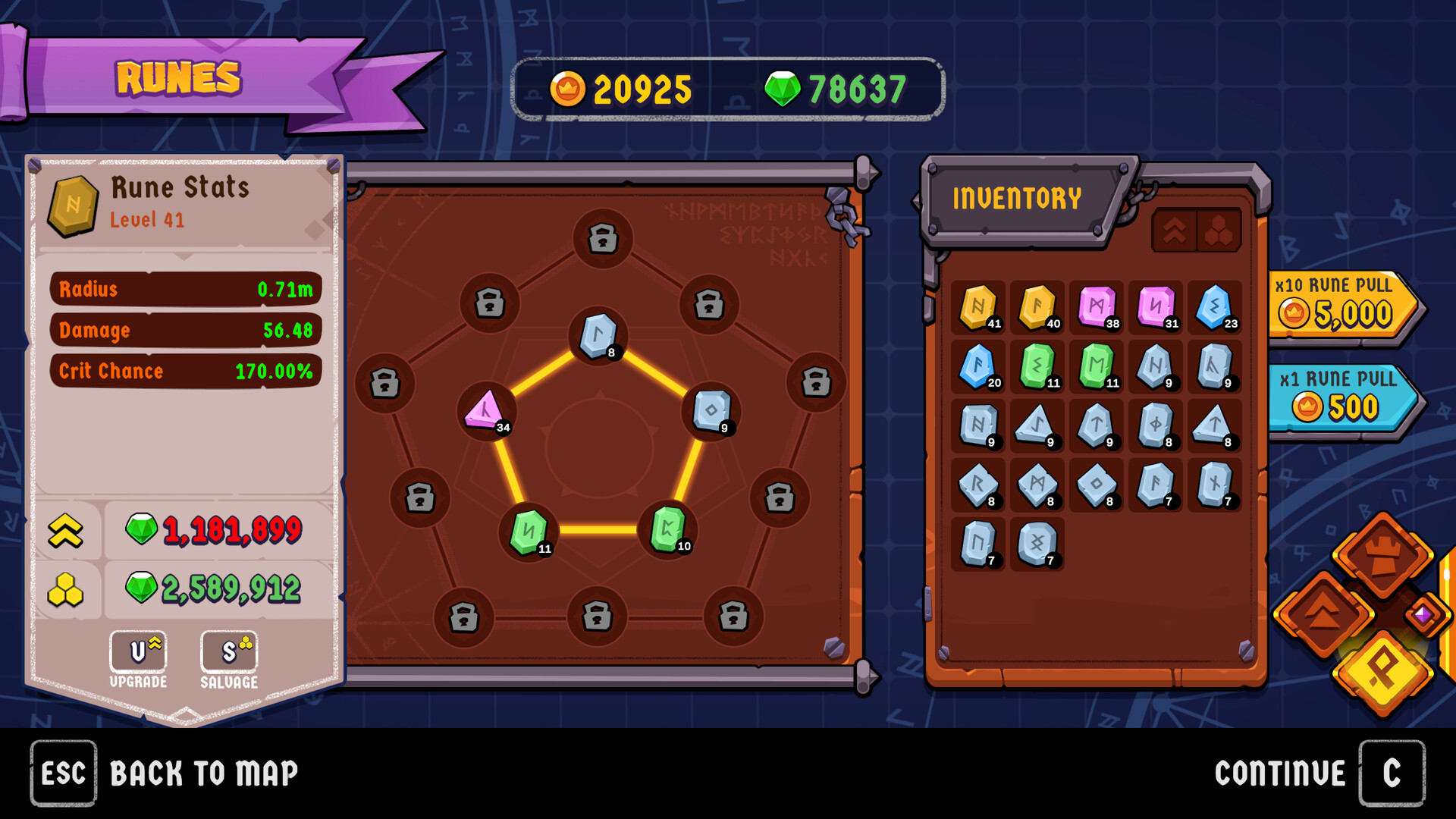
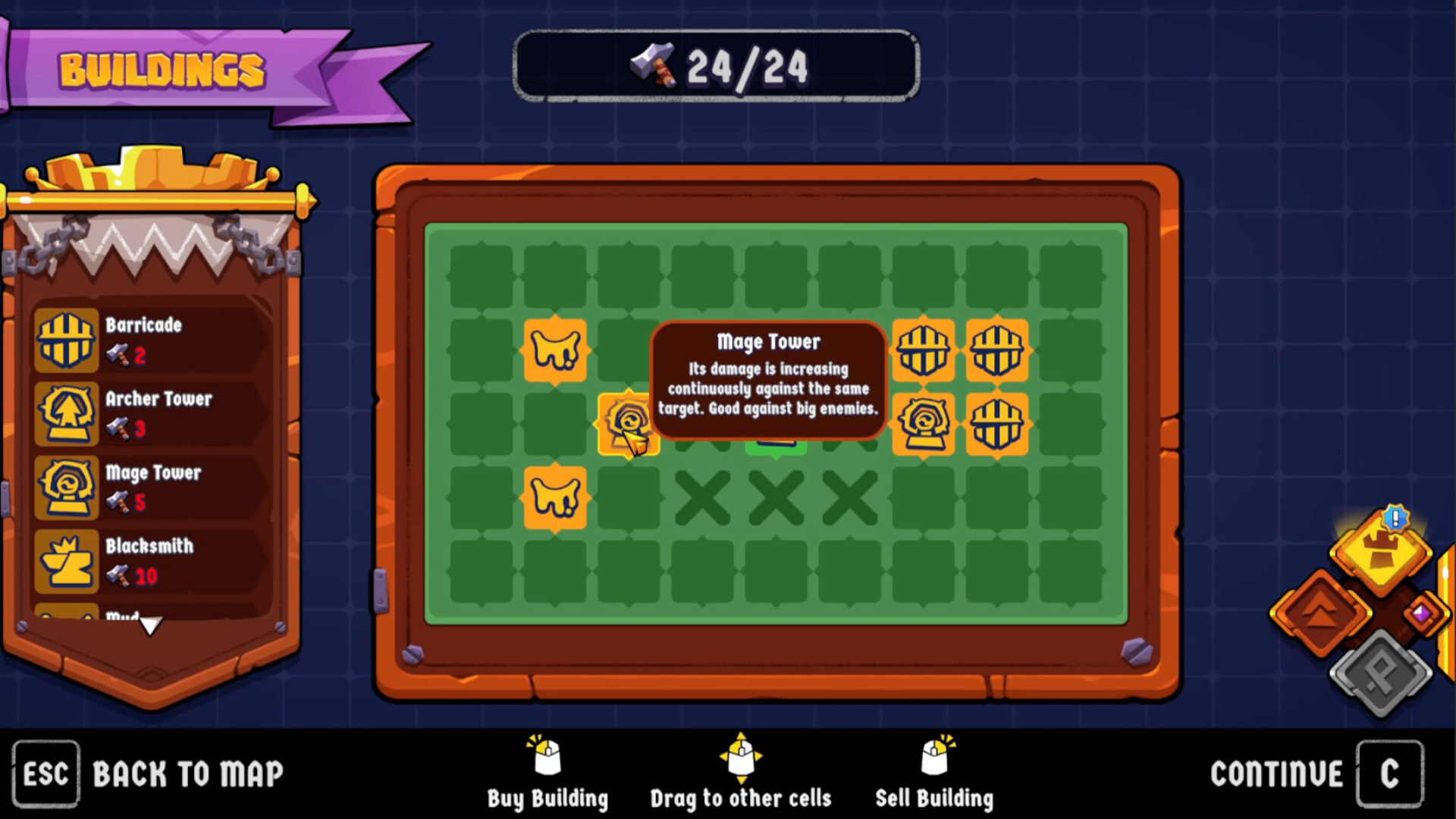
What sets Incrempire apart is how many tiny systems it stitches together. There’s a small skill tree with permanent upgrades, temporary blessings you choose at run start, and rune modifiers that act like mid-run power spikes. Runes can feel like mini-goals that change the way you approach the stage; sometimes a single rune flips a defensive run into an all-out damage fiesta. That said, the permanent skill tree is compact—some players love its focused progression, others will gripe it runs out too soon. Still, the combination of tower placement, active cursor play and strategic buying creates surprisingly emergent tactics.
A Grim but Clean Presentation
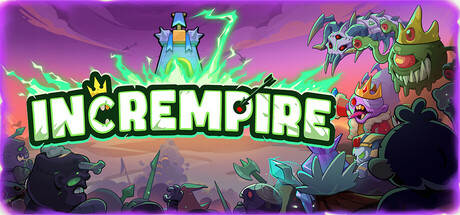
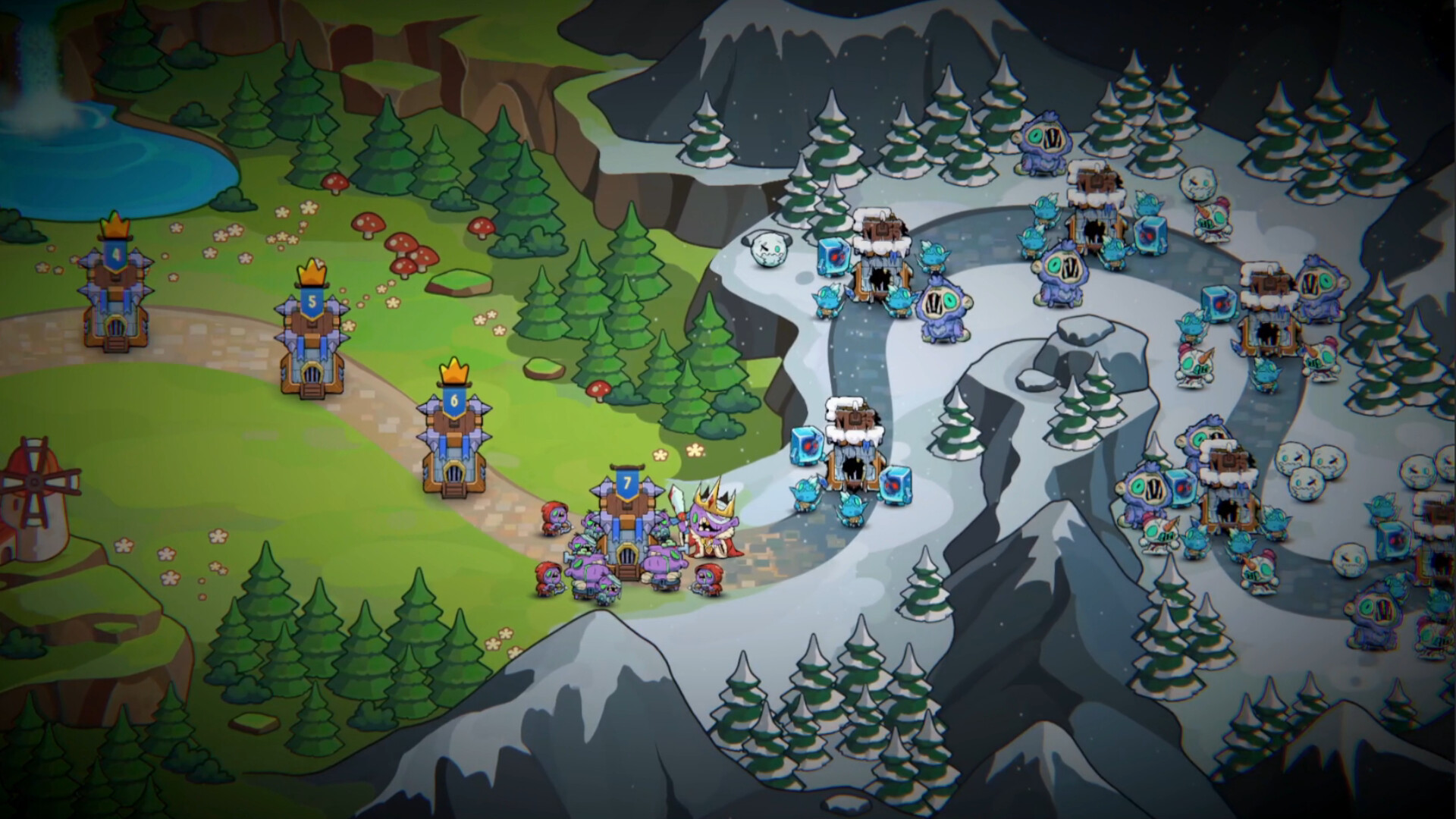
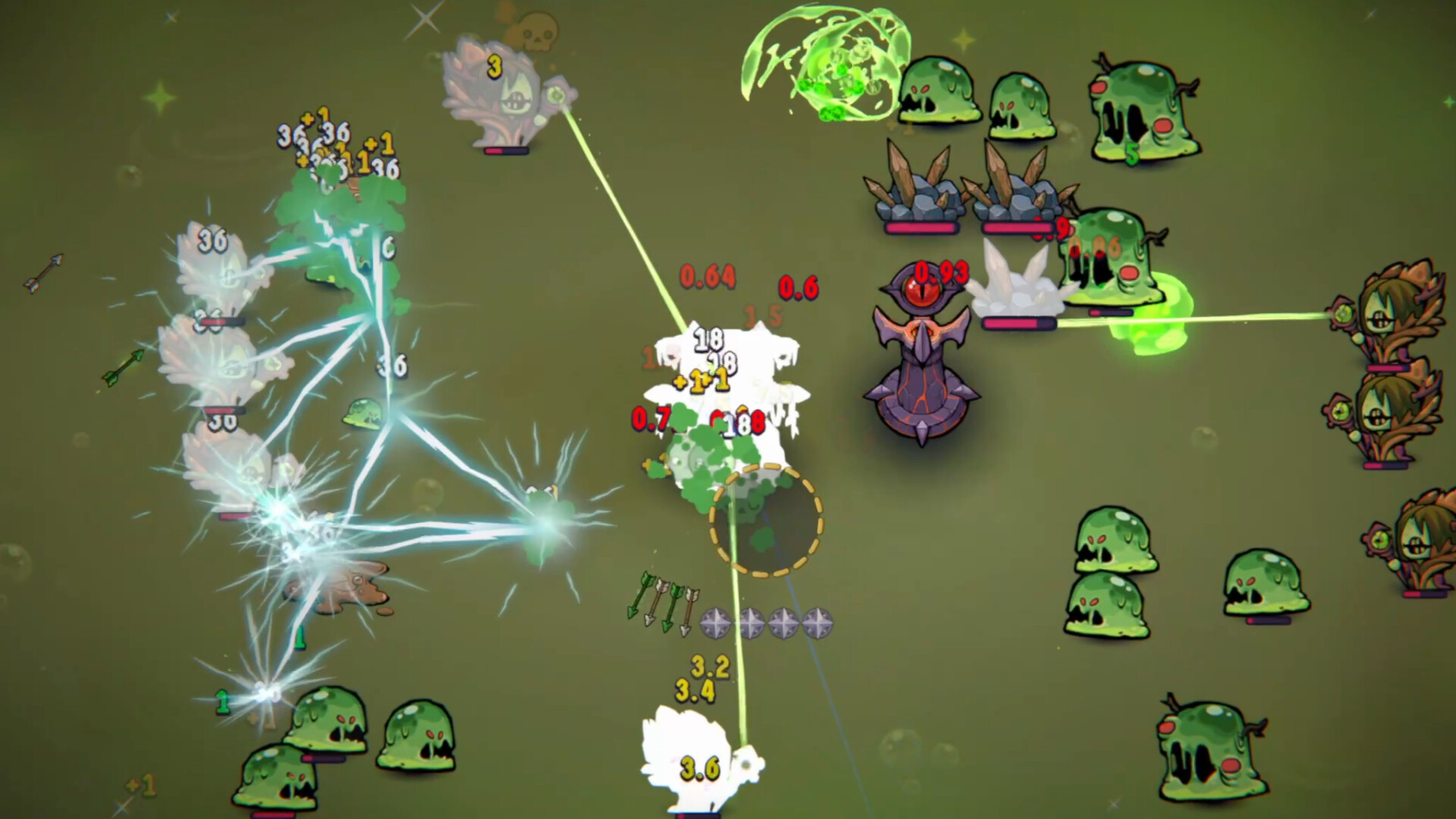
Visually, Incrempire favors readable, colorful sprites and clean UI over flashy trimmings. The art leans toward a darker fantasy palette with cute-but-grim enemy designs that keep the tone charming rather than grim. Sound design is functional: clear audio cues for hits and purchases help you react, while the soundtrack is unobtrusive and loop-friendly. Performance is solid across Windows, macOS and Linux during my playtime—no framerate drama even when the screen gets chaotic. Accessibility is basic but effective: large UI elements, simple controls (mouse-focused), and clear tooltips make it approachable for newcomers to incremental or tower-defense genres.

Incrempire is a compact, well-made incremental tower-defense that nails the core loop and gives you several hours of fun. It’s ideal for players who enjoy repeatable runs and instant gratification, but those who crave deep long-term systems may find it lacking. Worth buying on sale or if you want a tight, replayable indie—keep an eye on future updates that could expand the tree and rebalance late-game modes.


Pros
- Instantly satisfying hover-combat and clear progression feedback
- Blend of idle, tower-defense and survival creates emergent tactics
- Clean visuals, stable performance across platforms
- Developer is responsive and community-minded
Cons
- Skill tree is small; progression peters out after ~2 hours for many
- Endgame balance and rune impact feel uneven
- Some achievements/bugs and repeated review prompts can annoy
Player Opinion
Player feedback is a mixed bag but clustered around familiar themes. Many users praise the addictive loop—finishing a run makes you want to jump straight into the next and the combination of incremental progression with tower-defense elements gets frequent praise. Several players compare it to Maktala or Slice the Crops for satisfying idle growth, and to Kingdom Rush or Bloons for the defense feel. On the flip side a loud group complains the permanent skill tree is too small and that the advertised 4–6 hours can be optimistic; multiple reviews claim the meaningful progression caps around the two-hour refund mark. Others mention bugs (misfired achievements) and balancing issues in late-game modes. If you like short, replayable runs with tangible power-up moments, you’ll likely enjoy it; if you want a long-form sprawling progression, be warned.