Korea. IL-2 Series Review – Massive Map, Gorgeous Planes, Questionable Price
A deep-dive into IL-2’s Korean War entry: beautiful cockpits, massive map and VR — but watch out for launch-day DLC, AI quirks and optimization problems.
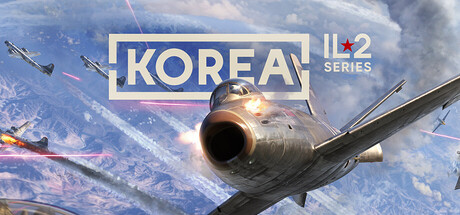
I jumped into Korea. IL-2 Series because the idea of jets and props clashing over a historically reconstructed Korean Peninsula sounded irresistible. The series has a long legacy of satisfying sim fans and this installment promises a huge map, full cockpit fidelity and even walking on the airfield. On first impressions the visuals, the museum mode and VR support are the game’s standout hooks — but the launch has a few rough edges that make me hesitate before recommending it at full price.

Dogfights Between Prop and Jet
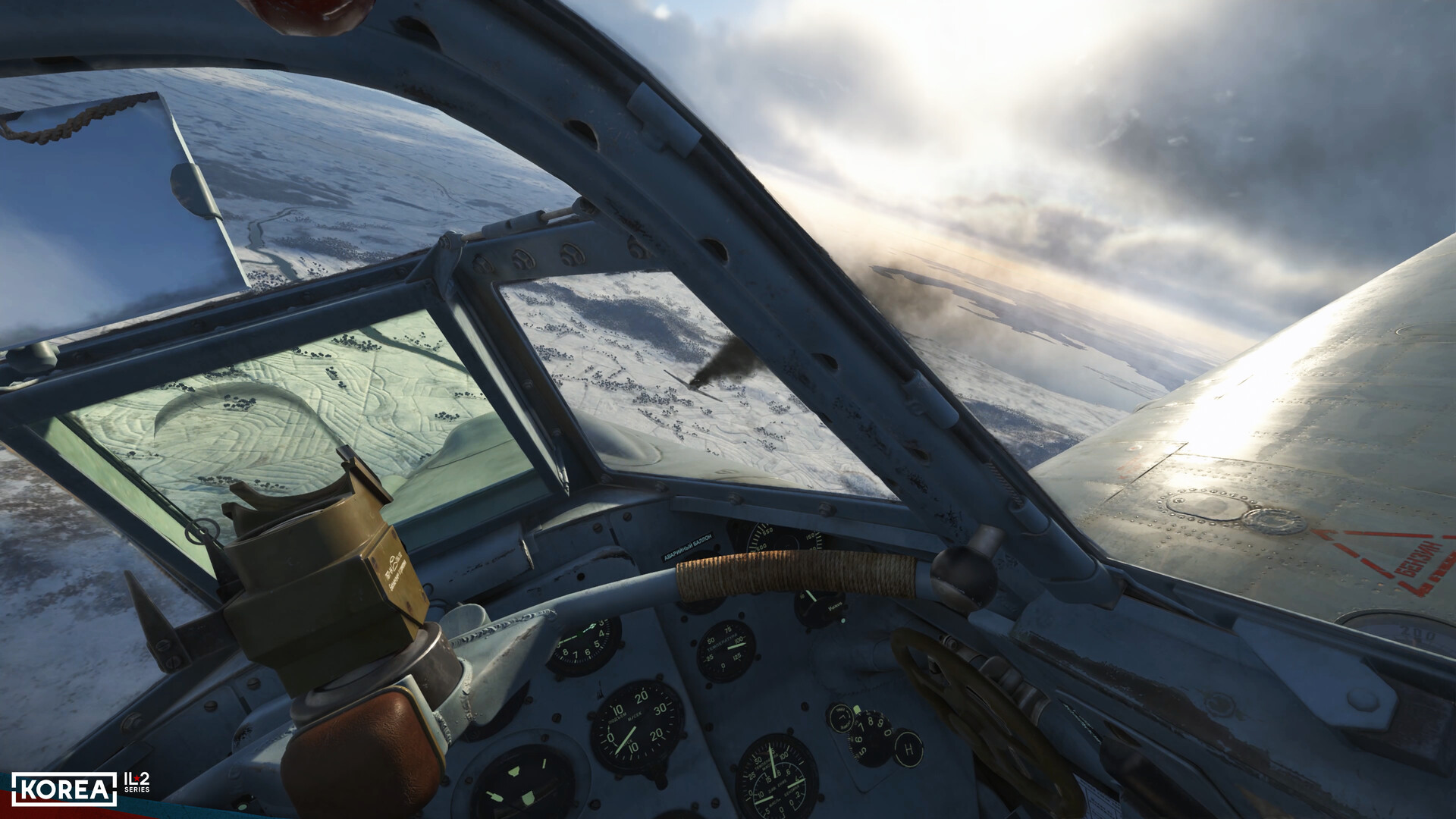
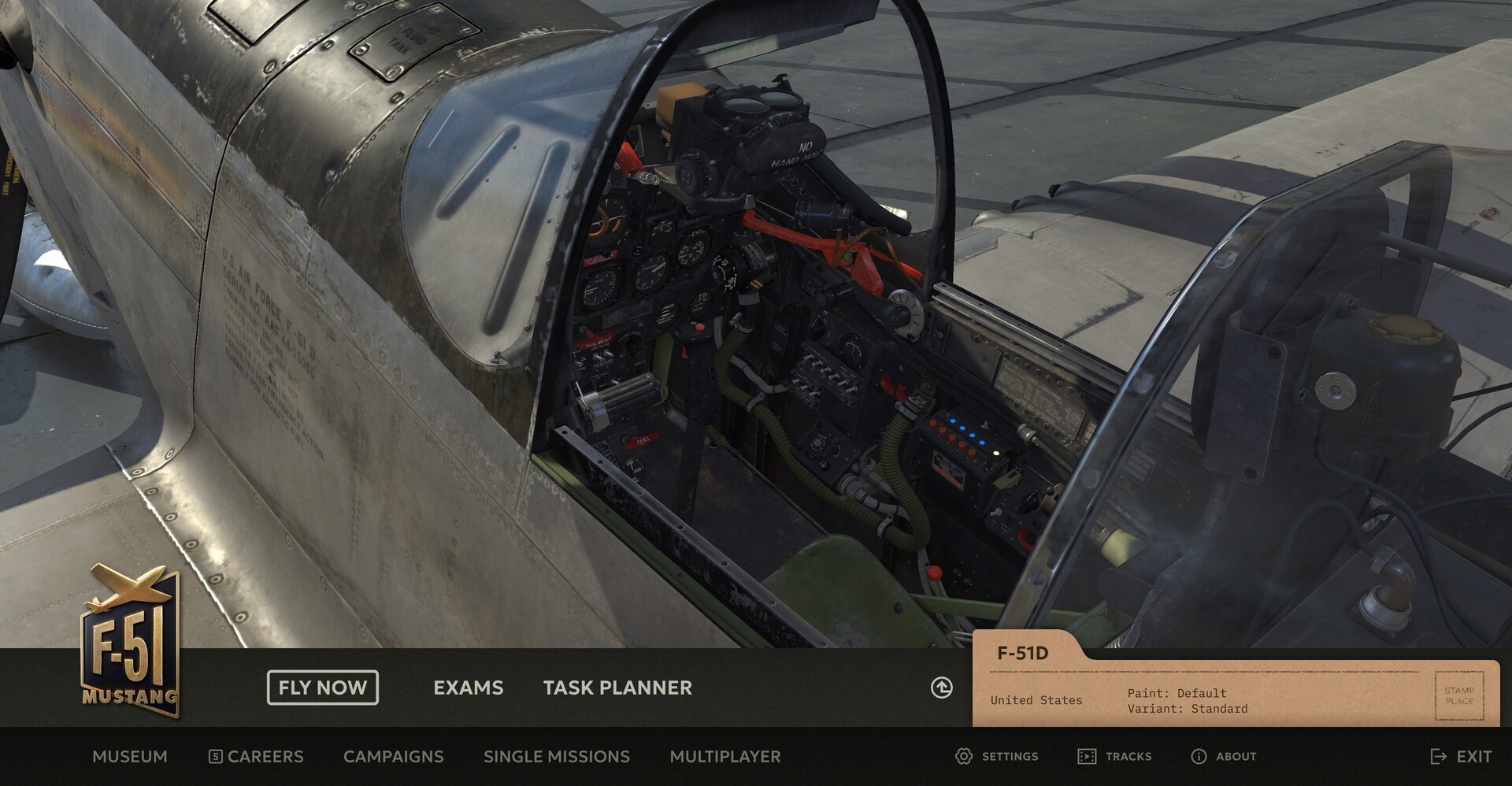
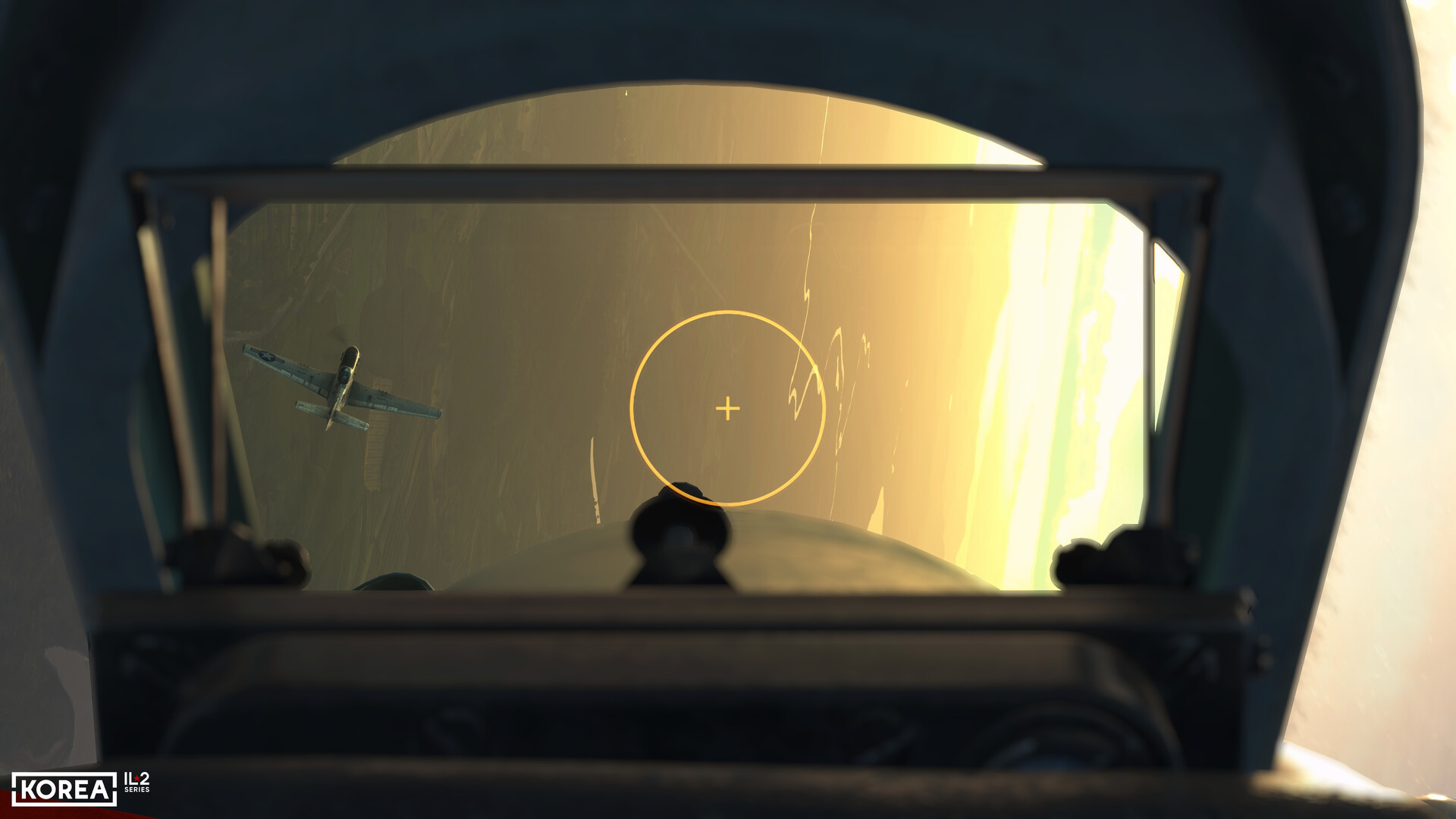
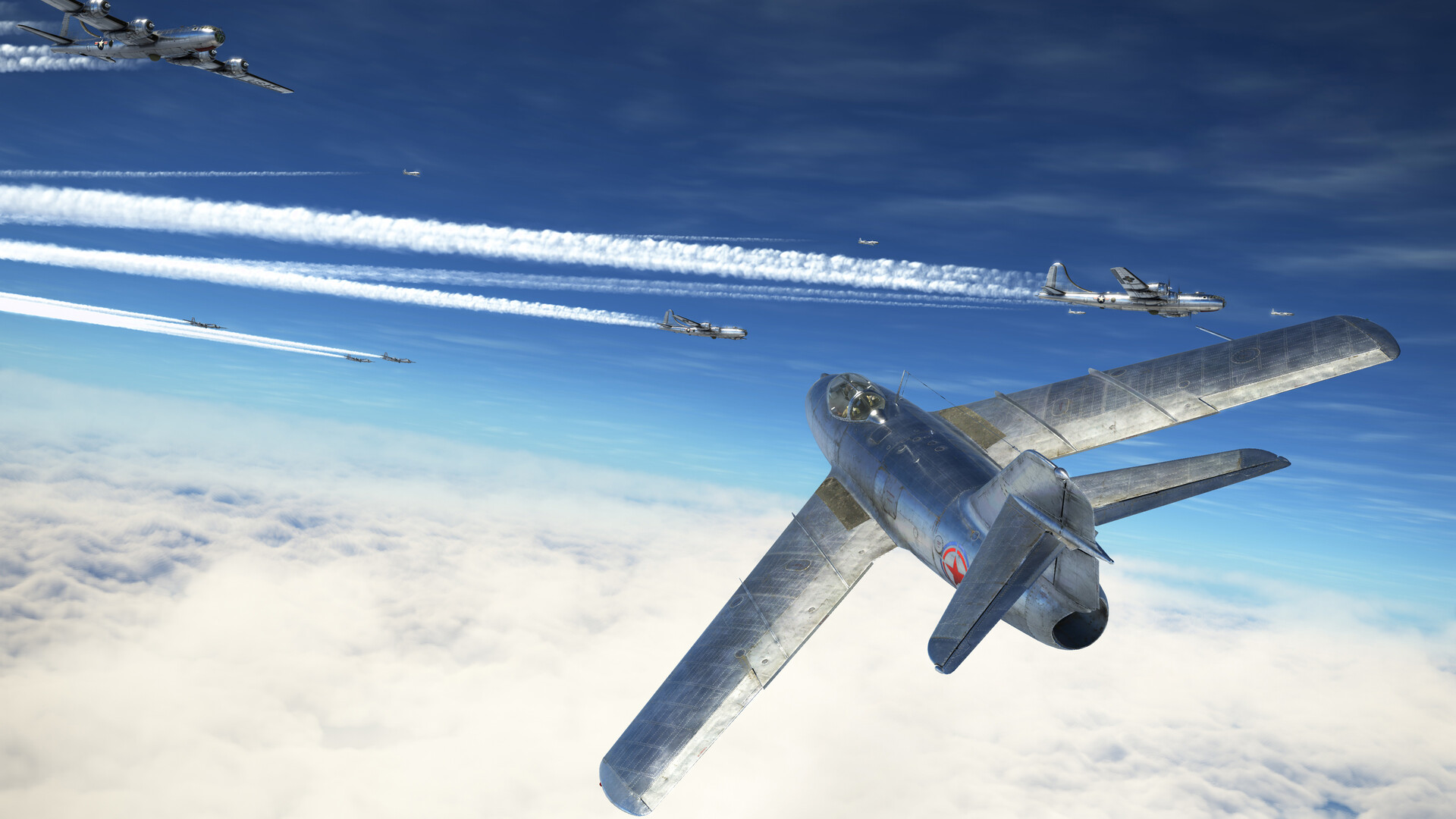
The core of Korea. IL-2 Series is classic aerial combat: you climb, trim, find the bandit and try to put your guns on target while managing speed and energy. Missions vary between interception, CAS and bomber escort, and the feel flips nicely when you switch from piston‑engined props to early jets—the throttle management, energy retention and turn fights aren’t identical and the game communicates those differences through handling and audio cues. Aircraft are painstakingly modelled from blueprints and manuals, and every cockpit instrument responds in real time. I spent more than one sortie just learning how the MiG‑15’s speed buildup contrasted with an F‑51’s slower, more torquey behavior. If you like purposefully tactile flight sims—this scratches that itch.
The Regiment, the Map and the Little Details
What sets Korea apart is the scale and the management layer: a career mode where you can lead a regiment, plan ops on a map that covers over 200,000 square kilometers, and even walk around the airfield. The museum is a delightful addition — you can inspect aircraft, compare performance charts and nerd out on development histories. Ground targets and infrastructure feel meaningful because the damage model is granular: AAA, vehicles and trains react to hits in ways that change mission outcomes. Controller and HOTAS support (and even full controller layouts) make the game accessible: I flailed with my stick one evening, plugged a DualSense and was flying the next—odd, but welcome.
Sight, Sound and Performance Reality Check
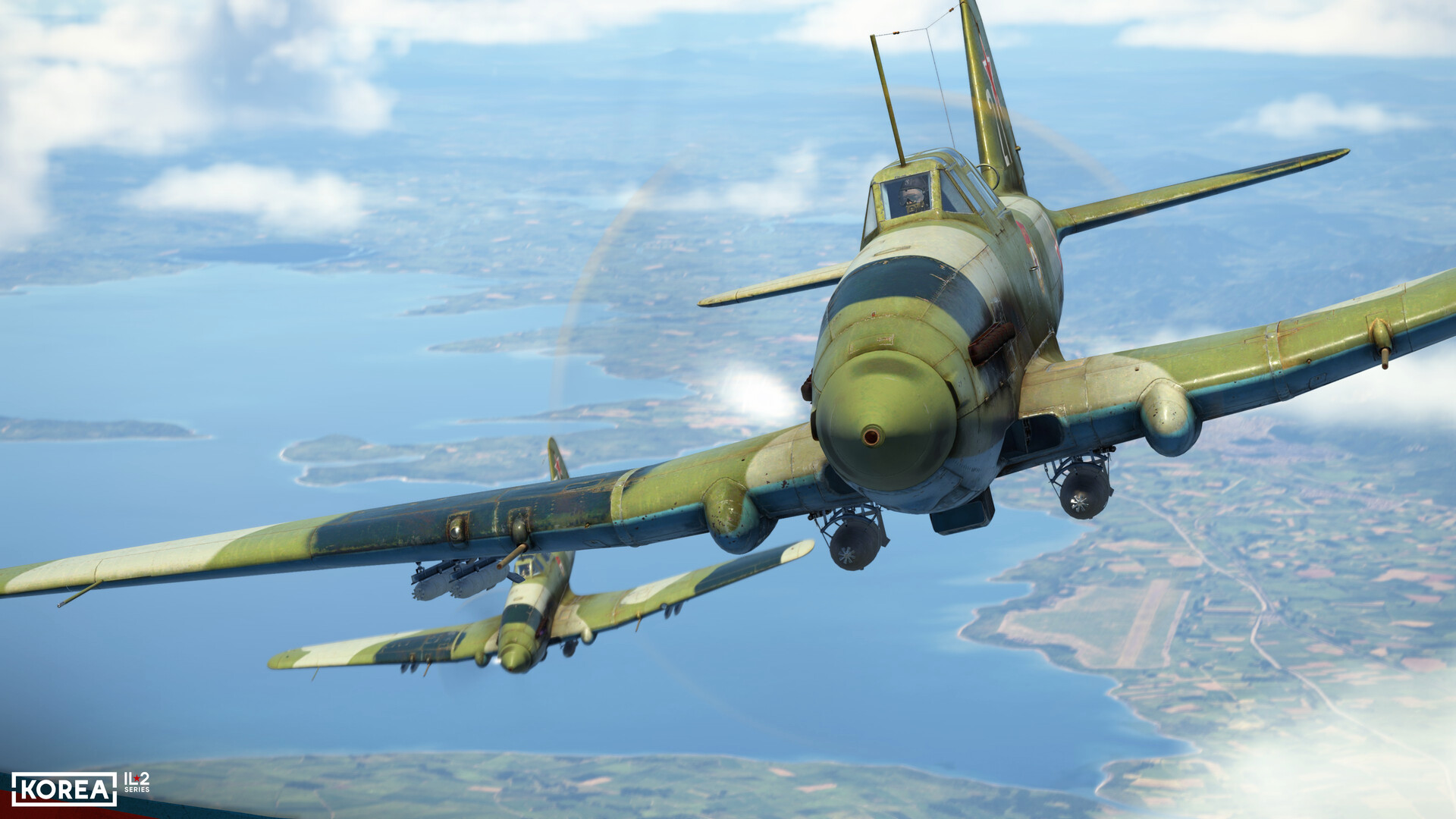
Visually the game is stunning in many places: cockpit detail, lighting at dusk and aircraft models are a love letter to modellers. The soundtrack and radio calls add to immersion and VR makes strafing runs and formation work visceral. That said, performance and AI are the salt in the salad — some players encounter crashes, heavy CPU usage and reprojection in VR during big furballs. AI can also be inconsistent: wingmen sometimes ignore orders or behave oddly in formations, which transforms a promising sortie into a frustration. Overall, the technology package is ambitious — but expect to tweak settings, drivers and profiles before you reach silky smooth gameplay.

Korea. IL-2 Series is an ambitious and often beautiful simulator that nails atmosphere, cockpit fidelity and scale — it’s a huge win for aviation fans who love historical detail. However, launch‑day pricing, the decision to lock aircraft behind paid DLC and uneven AI/optimization prevent me from giving it a full recommendation at retail. If you’re patient, enjoy tinkering with settings, or catch it on sale after a few patches, you’ll likely be very pleased. For now: awesome foundation, needs polish — buy on sale unless you really crave it now.


Pros
- Beautifully modelled cockpits and aircraft with real‑time instruments
- Huge historically based map and meaningful career/commander options
- VR and full controller/HOTAS support widen accessibility
- Detailed damage model and an enjoyable museum mode for history buffs
Cons
- Expensive at launch with day‑one paid aircraft DLC
- AI and wingman behavior can be unreliable in combat
- Optimization and crashes hit some players, especially in VR or on older CPUs
Player Opinion
Player feedback is a real mixed bag. Fans praise the visual fidelity, the museum and the revamped career layer — many say the planes feel great and the immersion is high, especially in VR and with HOTAS setups. On the other hand, a loud portion of reviews complain about the high retail price and day‑one DLC locking two planes behind paywalls, making the base package feel thin for the money. Technical complaints crop up frequently: crashes on launch for some systems, CPU‑heavy performance, and odd wingman AI are recurring themes. Several players recommend waiting for a patch or a sale; others who invested say the sim already delivers long-term engagement once teething issues are addressed. If you’re comfortable with modding settings and patient with updates, chances are you’ll enjoy it — newcomers might want to wait.