Lost & Found Review — Cozy Sleuthing on a 1960s Ship
A short, intimate follow-up to This Bed We Made that trades grand mysteries for tender snooping and cabin service. Perfect as a rainy-afternoon bite if you liked the original — but don’t expect a long campaign.
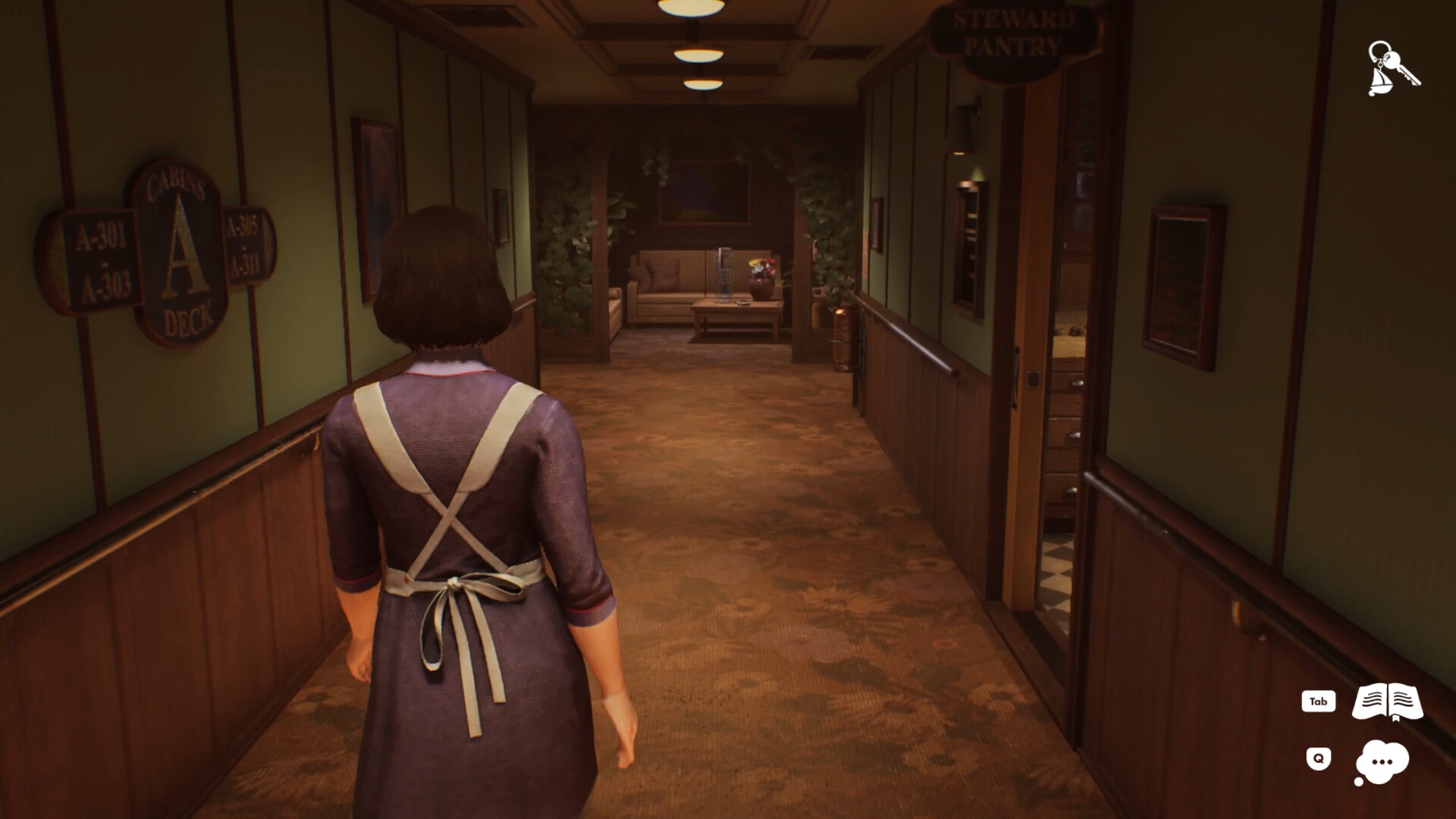
I jumped back into Sophie’s shoes with Lost & Found and came away feeling like I’d popped in for tea with an old friend — brief, warm and slightly bittersweet. The game moves the setting to a 1964 transatlantic ship, trading the hotel corridors of This Bed We Made for narrow cabins, brass railings and the constant hush of the ocean. It’s deliberately small: about one to two hours, focused squarely on tidy tasks, quiet conversations and the sort of snooping that feels almost polite. If you enjoyed intimate narrative adventures like Gone Home or Edith Finch, this one will give you a familiar, cozy hit.

Stewarding and Snooping the Atlantic
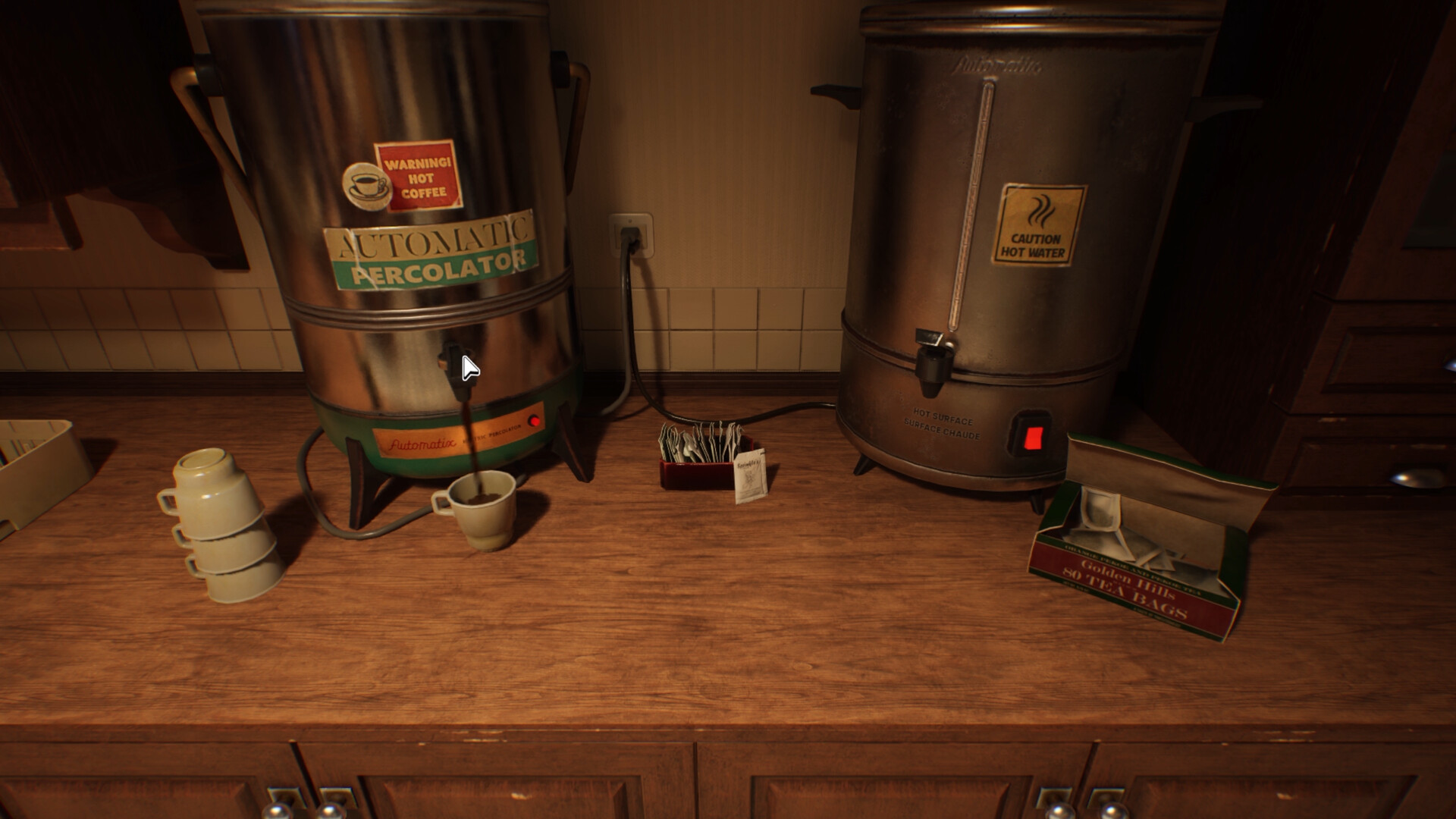
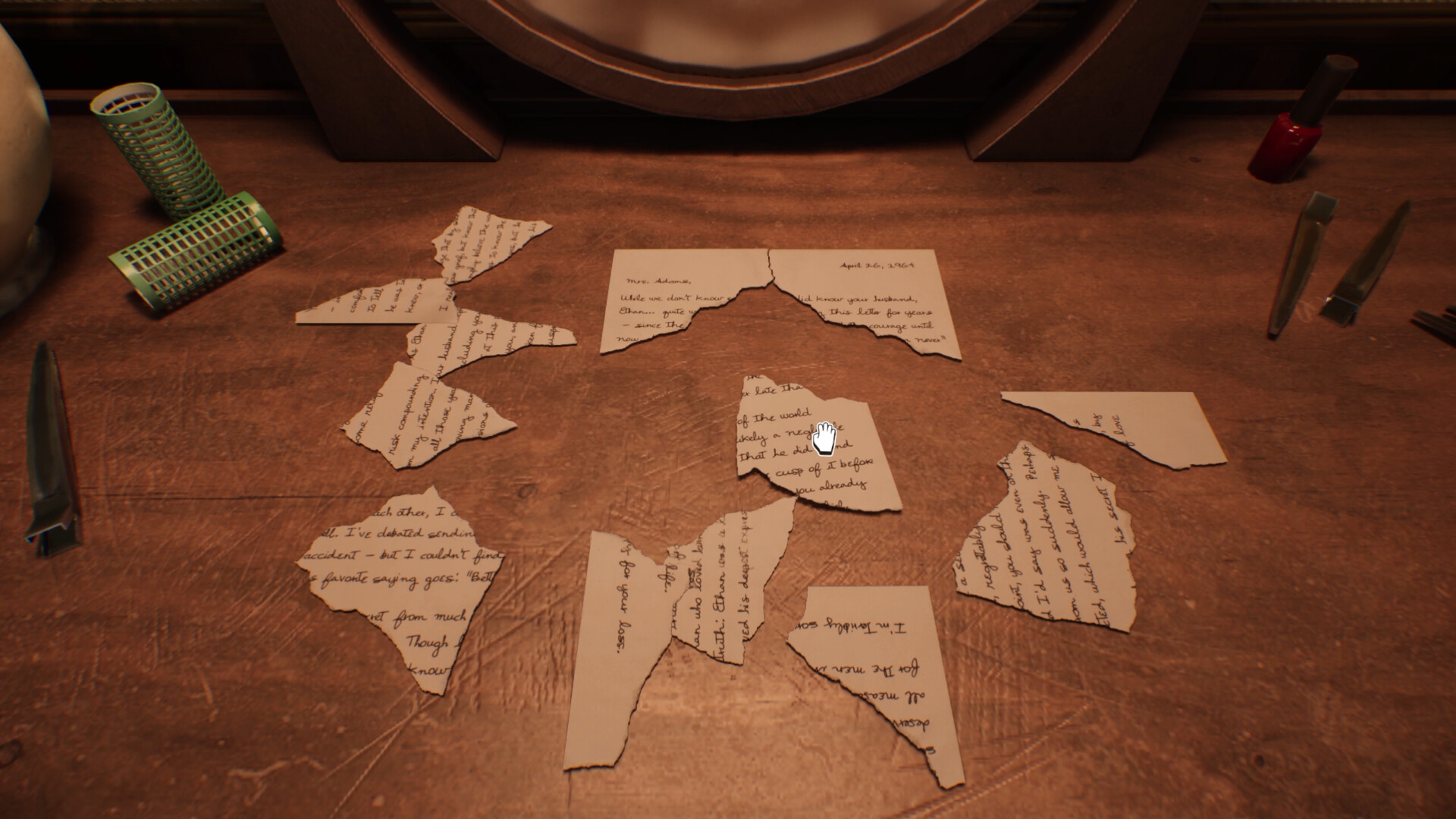
You spend most of your time doing stewardess work — making beds, picking up cups, straightening suitcases — but every mundane action is a gateway into someone’s life. The day-to-day tasks are tactile in a comforting way: I found myself smiling at how the game turns bed-making into a tiny ritual, and then rewarding that ritual with a detail that advances the mystery. Movement is deliberate rather than twitchy, which fits the tone but can feel slow if you sprint from cabin to cabin like I do when I panic about missing achievements. Interactions are mostly about inspecting objects in 360°, reading postcards, unearthing notes and listening when people confess or deflect. Dialogue choices pepper the experience and sometimes reference decisions carried over from the main game, which is a lovely touch for returning players. There’s no big open world to explore — the map is a compact slice of the Orpheus where every item feels hand-placed.
Small Clues, Big Consequences (But Not Always)
What distinguishes Lost & Found is how ordinary details take on emotional weight: a chipped teacup, a tucked photo, a frayed ticket stub — they’re clues and character moments at once. I enjoyed piecing together passenger routines and seeing how Sophie’s empathy shapes outcomes; that gentle moral work is the heart of the experience. That said, this is a bite-sized narrative and not every choice ripples dramatically. Several reviewers and I noticed that many decisions lead to subtle variations and one or two different endings, but they rarely rewrite the entire story. If you came expecting the wide-reaching branching of the first game, you might feel a little shortchanged. For me, the carryover of selections from This Bed We Made still added emotional resonance, even where immediate gameplay consequences were small.
A Soundtrack for Tea and Mystery
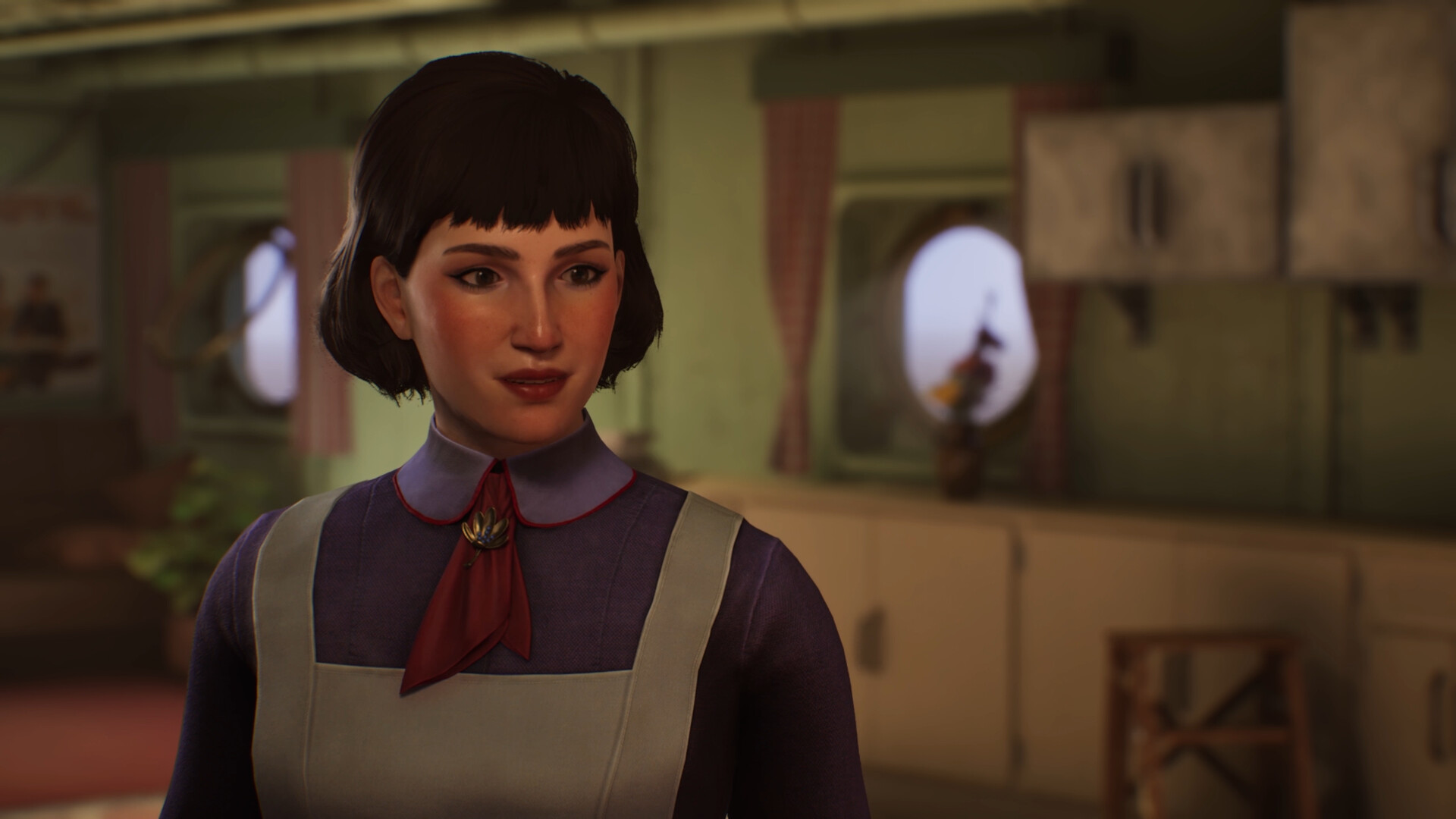
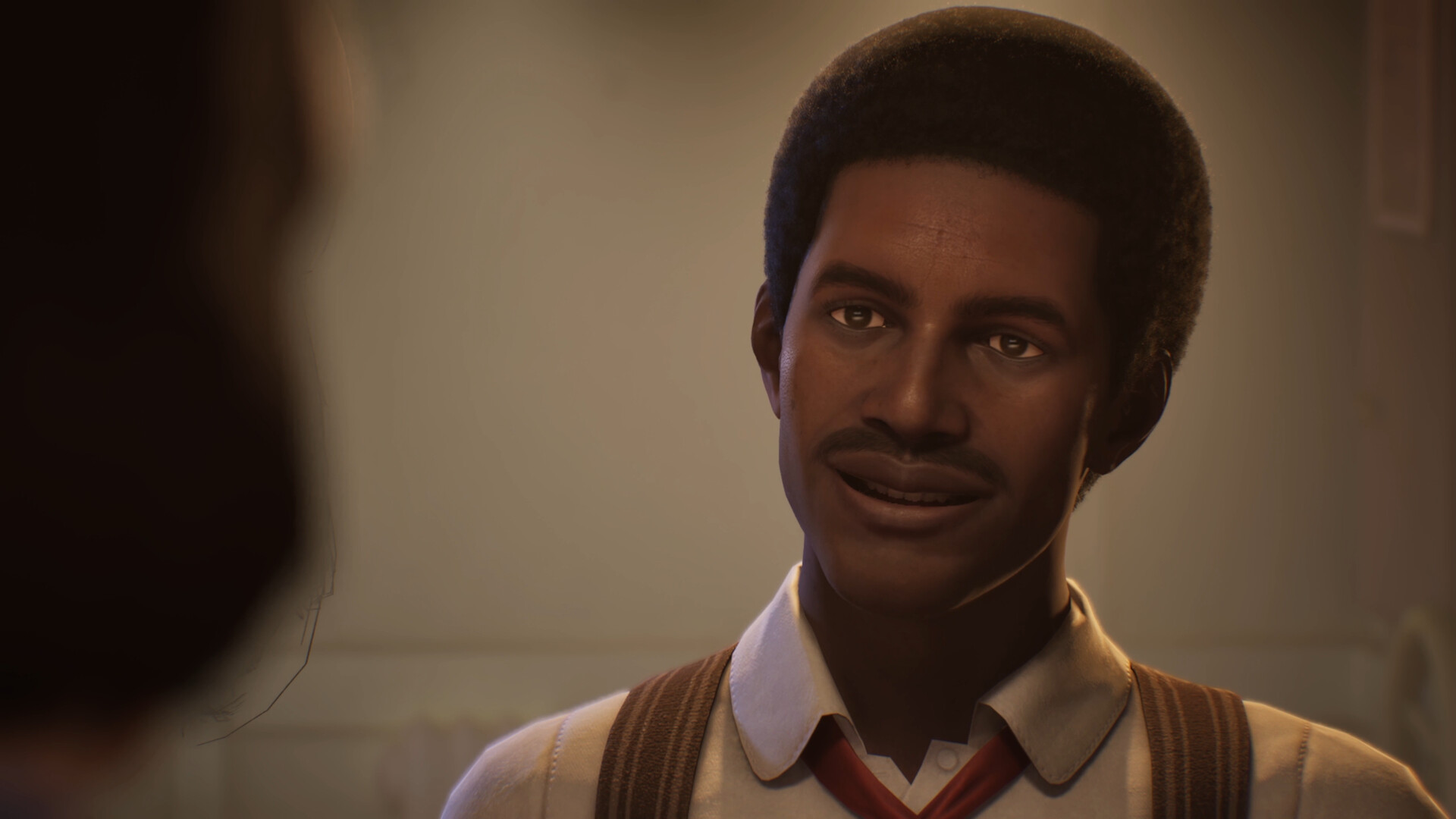
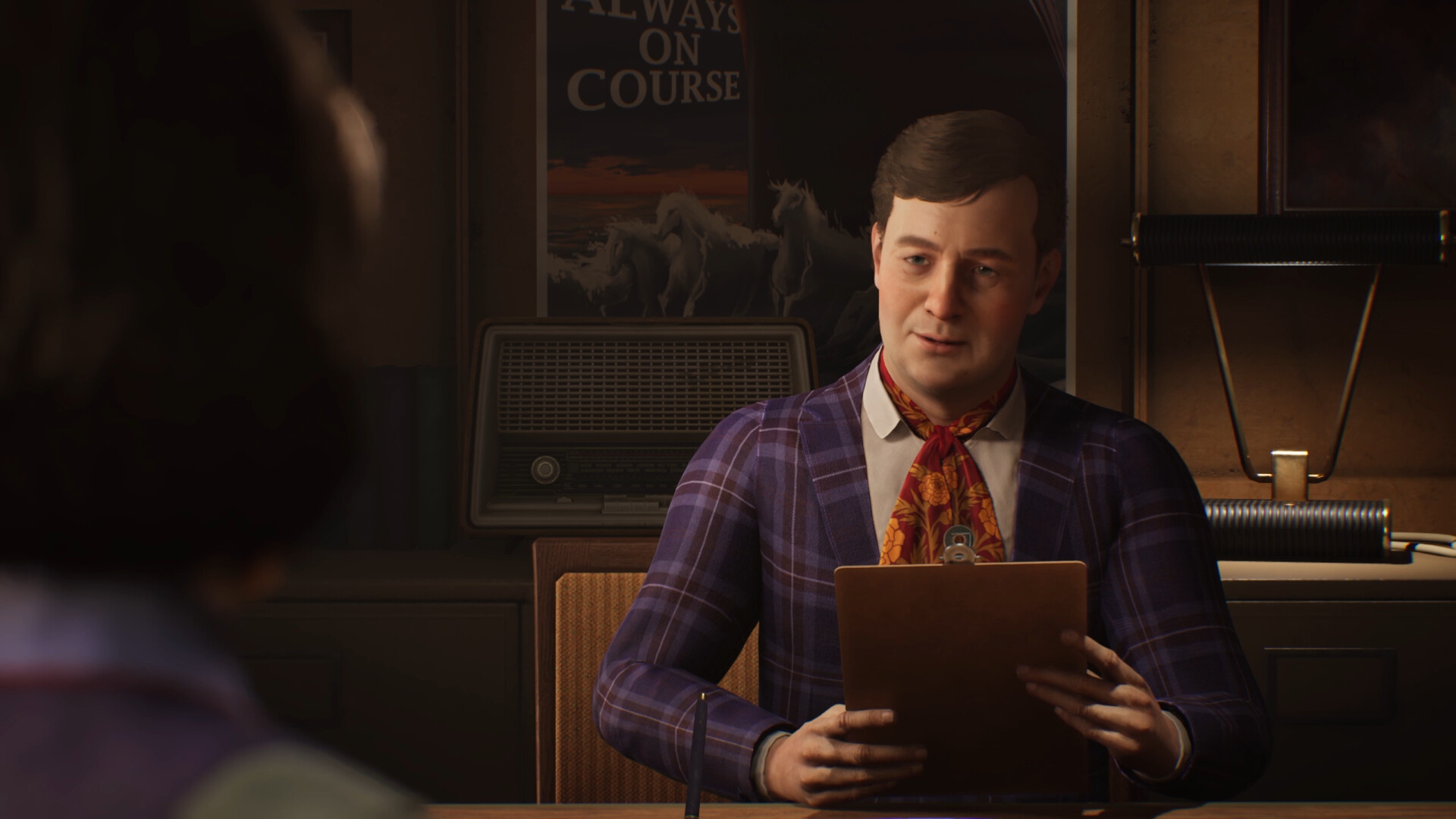
Visually, Lost & Found keeps the same warm, painterly aesthetic as the original: soft lighting, evocative props and character portraits that sell personality without flashy animations. The game's audio deserves special praise — the music establishes that 1960s, transatlantic hum and punctuates quieter moments beautifully. Ambient creaks, distant announcements and the subtle bob of the ship make cabins feel lived in; I often caught myself pausing to just listen. Performance on Windows was smooth during my playthrough; the game is modest in scope so it shouldn’t be a hardware headache. Accessibility options are present but not exhaustive — subtitles and pacing controls exist, though more movement speed options would be welcome for impatient players. Overall, the presentation supports the narrative perfectly: cozy, slightly melancholic and very human.

Lost & Found is a tender, well-crafted appetizer for fans of This Bed We Made and cozy narrative games in general. It doesn’t aim to be epic — it’s intimate, polished and a little too short for those hungry for big branching consequences. Buy it if you want another gentle, character-driven hour or two with Sophie; skip or wait for a sale if you expect a full sequel experience.


Pros
- Lovely atmosphere and music that makes the ship feel alive
- Tactile, cozy mechanics — cleaning and snooping feel satisfying
- Nice continuity with choices carryable from the first game
- Great value as a short, polished narrative snack
Cons
- Very short — some players will want more depth
- Choices often lack significant consequences
- Movement pacing can feel slow if you prefer snappier gameplay
Player Opinion
Players generally praise the cozy atmosphere, the soundtrack and the satisfying act of snooping through cabins — many called it a perfect rainy-day, two-hour experience. Fans especially like that you can carry choices over from This Bed We Made, which gives returning players emotional payoff and fun callbacks. The most common complaint is the length: the DLC’s bite-sized runtime and modest branching left some wanting more, and several players felt that dialogue choices rarely changed the outcome in meaningful ways. A few users said it works wonderfully as a standalone teaser for a bigger sequel, while others warned that if you expect a full mystery with heavy branching you might be disappointed. If you enjoyed narrative exploration games like Gone Home or What Remains of Edith Finch, reviewers agree you'll probably enjoy this one too.