Ludus Magnatus Review – Gladiator Manager with Grit and Glory
I spent several seasons in this Early Access gladiator manager — a rough but surprisingly addictive Ludus sim where every match can break your heart or make a legend. For fans of management sims who like high stakes.
Ludus Magnatus drops you into an alternate Ancient Rome as a lanista with nothing but ambition and a handful of hopeful gladiators. I was drawn to it because matches are fully simulated in 3D and losses have real, permanent consequences — that tension is rare and delicious in management sims. The game wears its Early Access label proudly: there's clear passion and a solid backbone, but rough edges remain. If you enjoy slowly building a team from the dirt up and watching messy arena stories unfold, this one will grab you.

From Division VII to Empire Glory
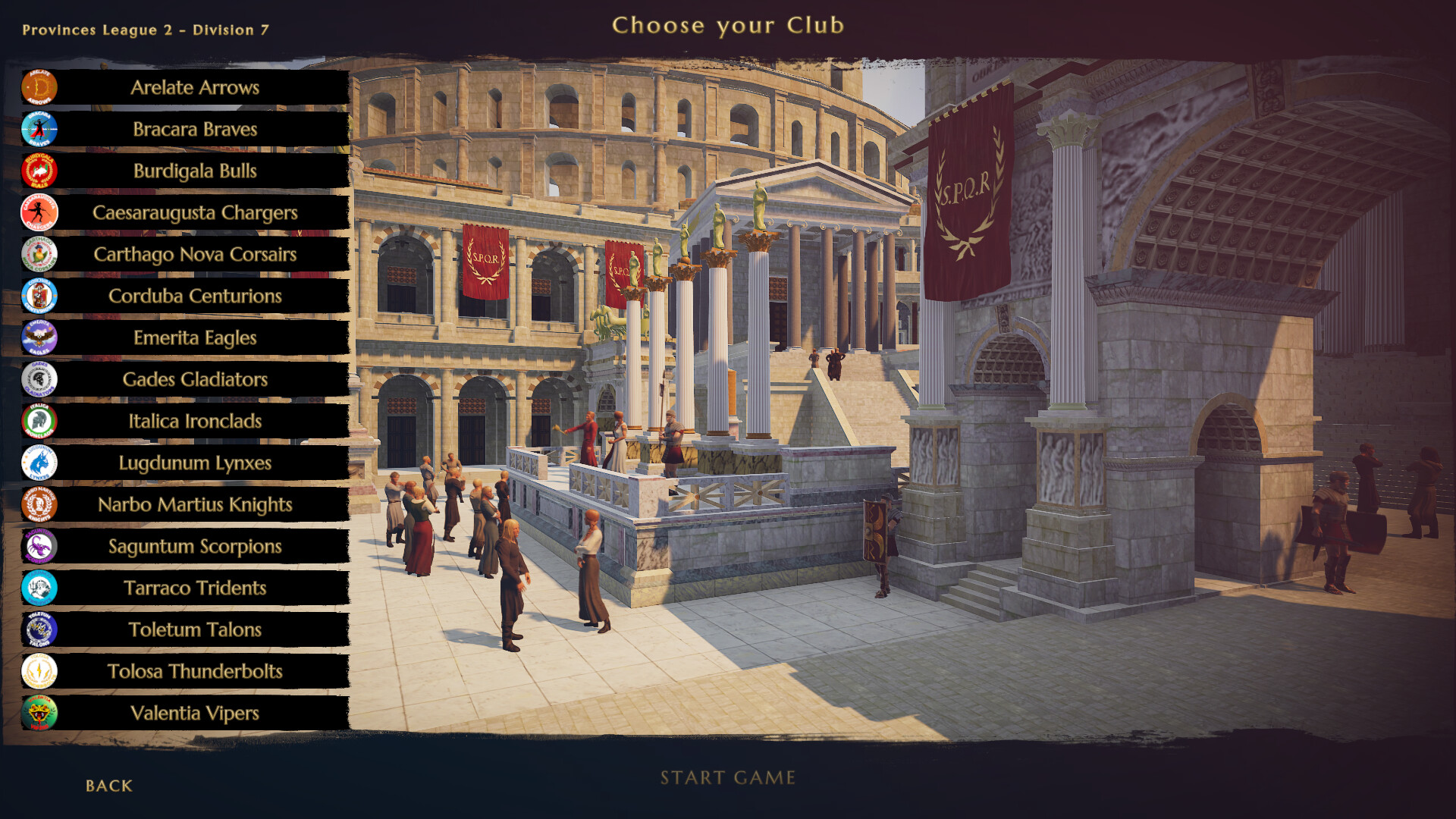
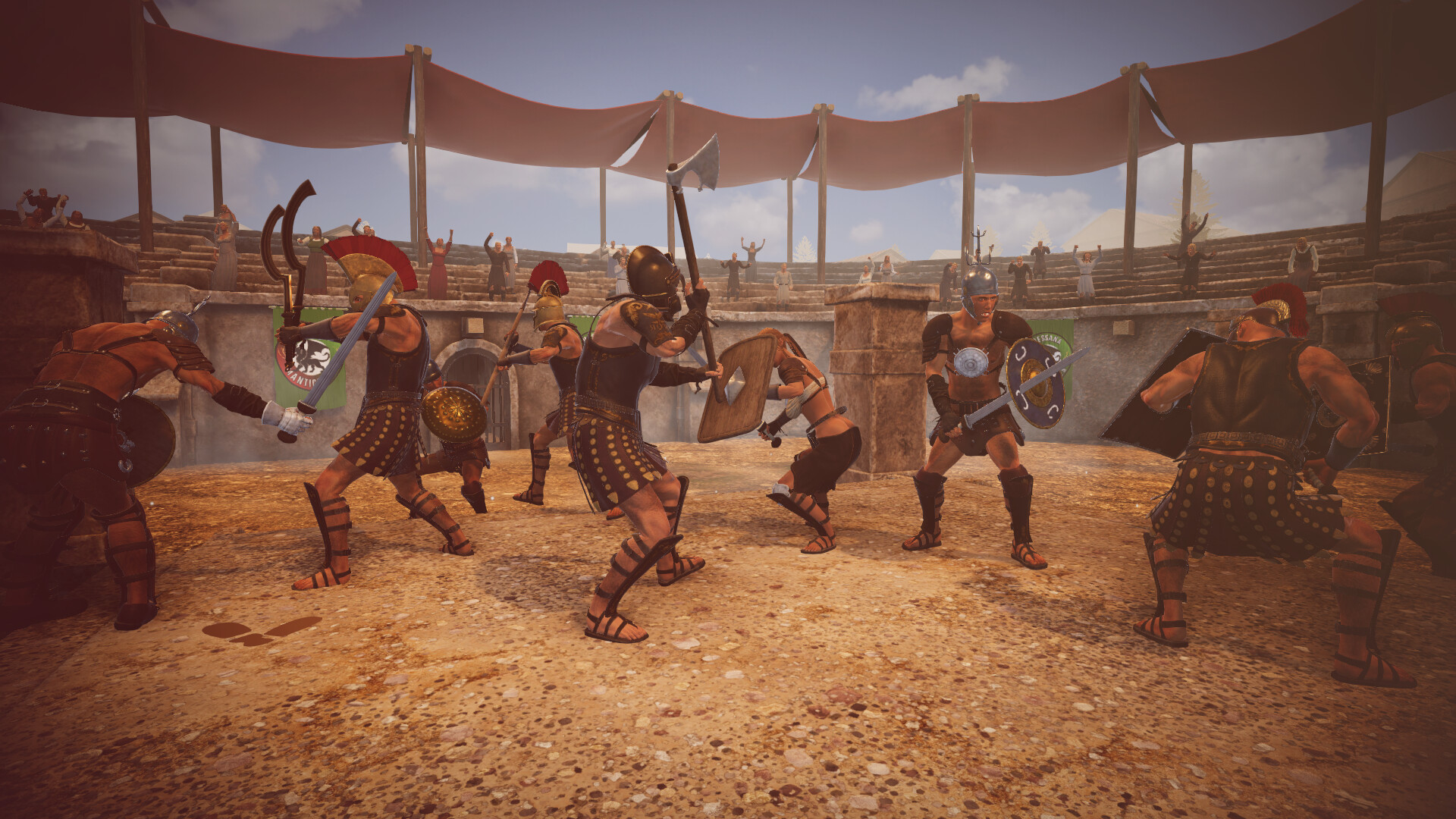
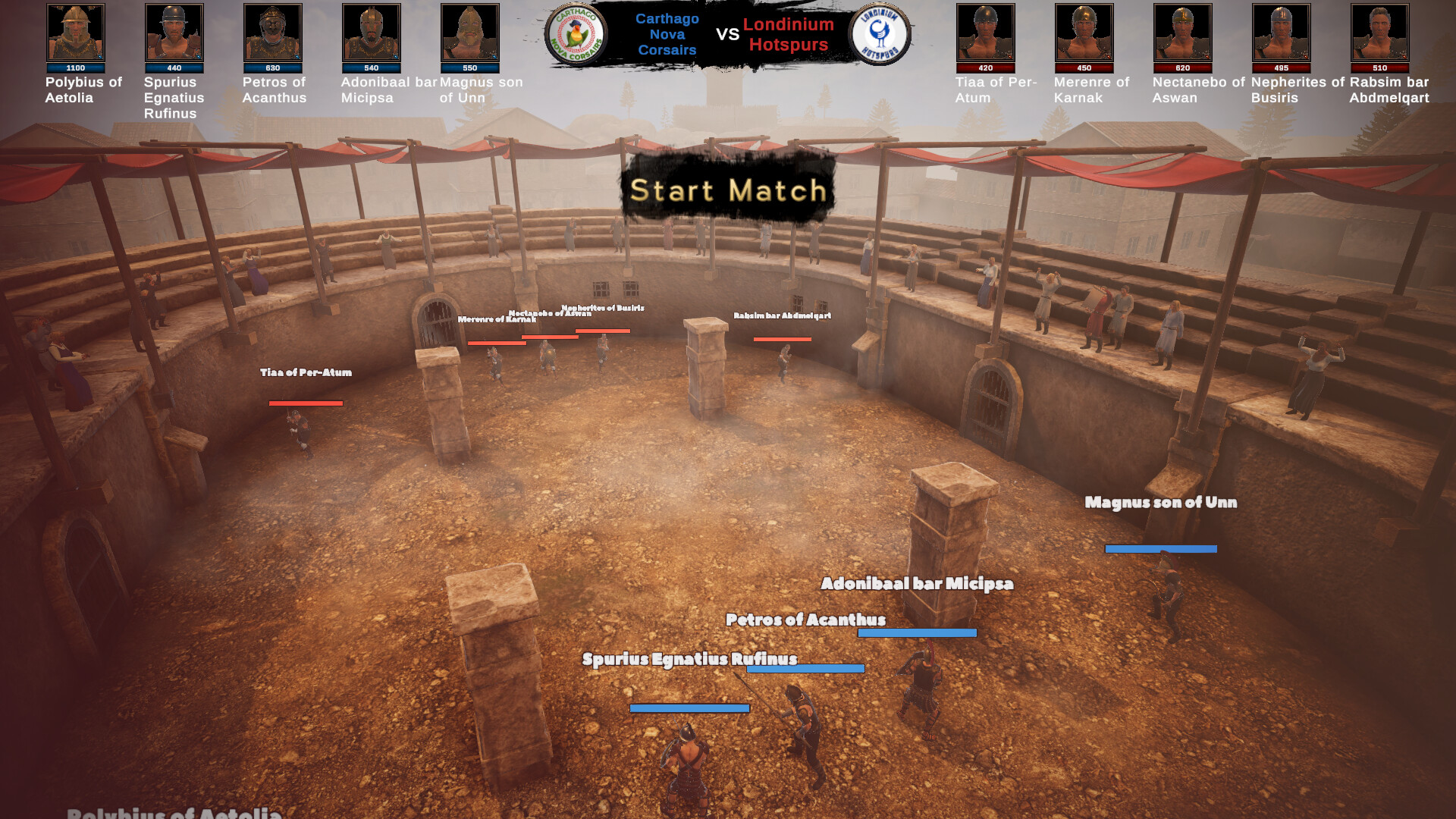
The day-to-day loop of Ludus Magnatus is gloriously simple: recruit, kit out, train, and send your men into the sand. You start in Division VII with one of sixteen clubs, scrape coins together at the market, and decide which gladiators get a chance to shine. Matches play out as fully simulated 3D encounters rather than player-controlled duels; you set tactics and formations beforehand and then spectate as AI-controlled combatants swing, parry, and sometimes spectacularly fail. The permanent-consequence design — injuries, deaths and lasting fame — makes even a low-stakes cup match feel weighty. I found myself hesitating before fielding decent fighters against stronger clubs, which is exactly the kind of emotional investment I want from a management sim.
Where the Little Details Make or Break You
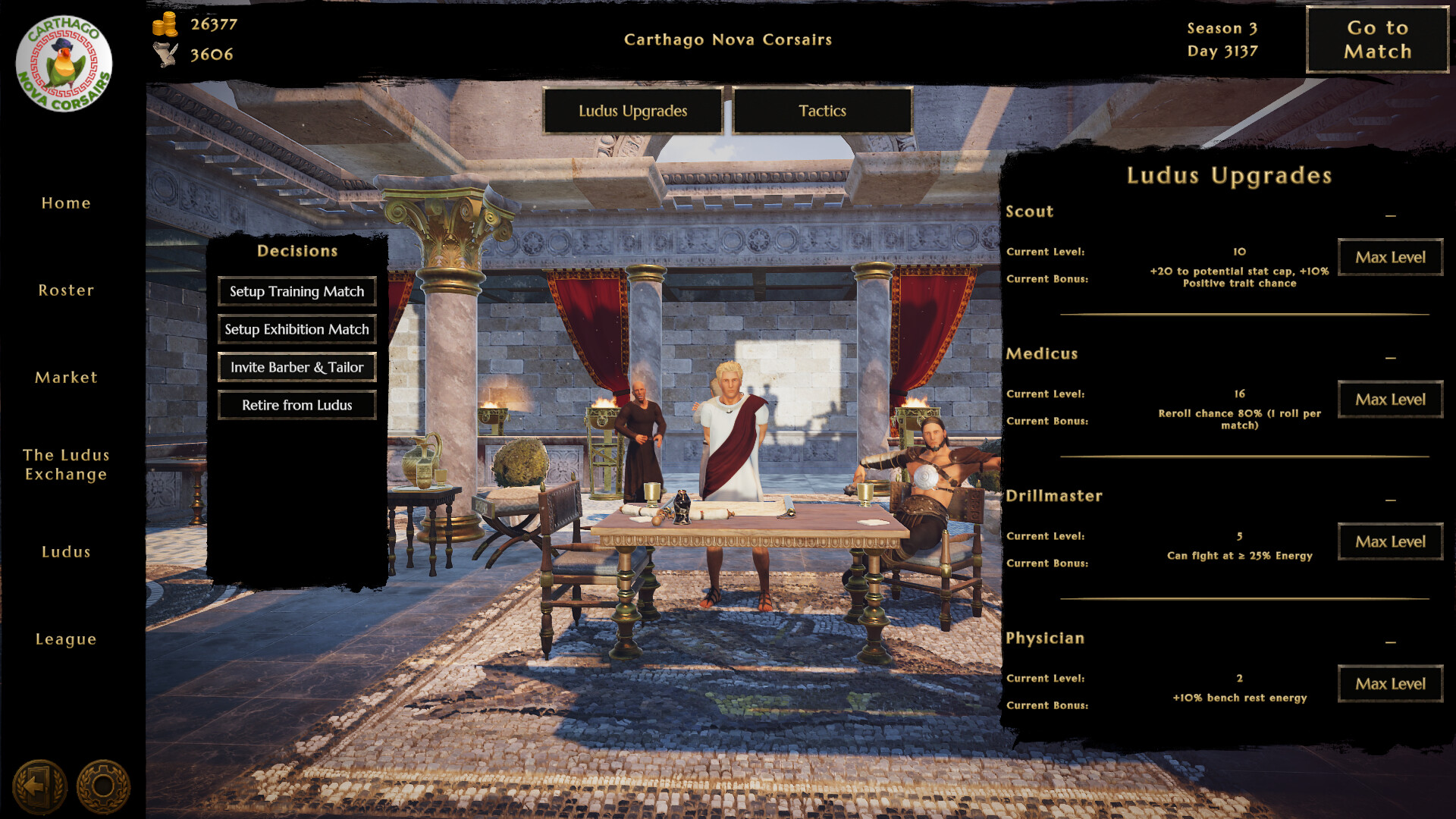
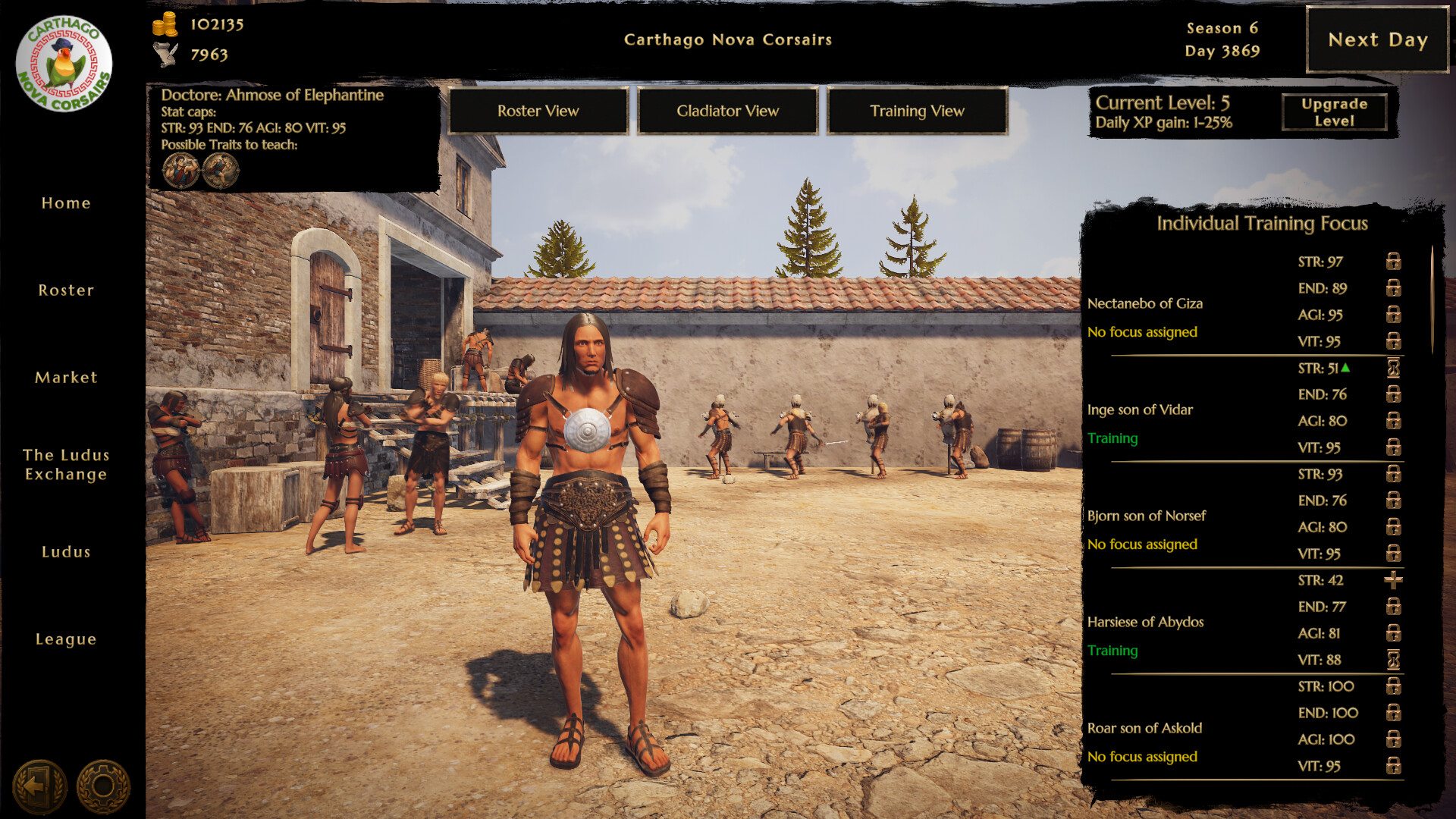
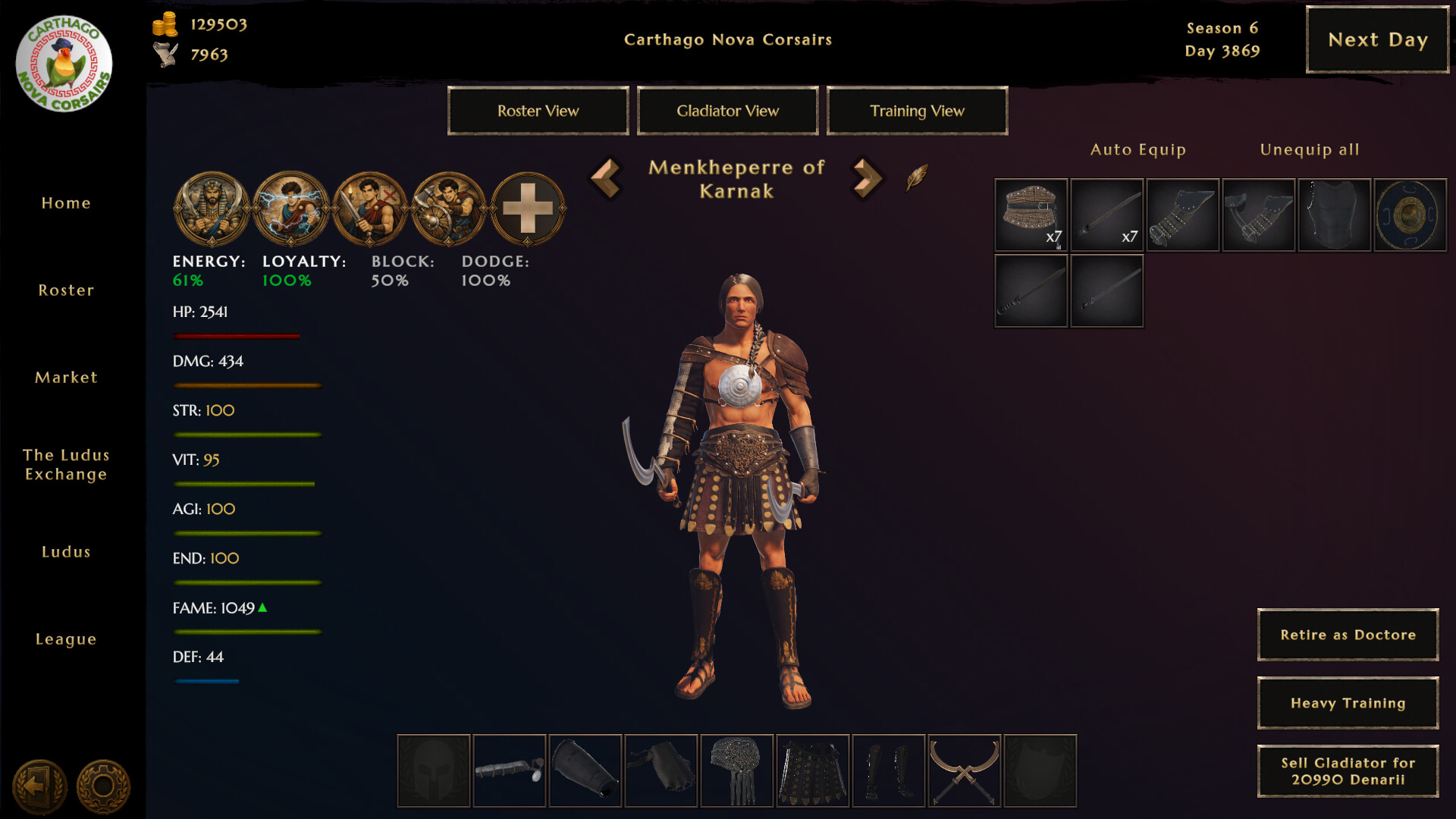
What sets Ludus Magnatus apart is how many tiny systems interact: market economics, scout/doctore/trainer hires, equipment tiers and a fame/loyalty loop that feeds progression. The tactics panel is promising — an auto-battler style setup for starting positions and behaviors — but currently it can feel opaque: reviews and my own trial show a need for clearer pre-match transparency about opponents and formation mapping. The market and roster UX also need polish; greyed-out icons and cramped info make quick decisions fiddly. When the systems click, you get incredible moments: a nobody rising from sackcloth and stone-axe to legendary status, or a tactical gamble that pays off in a last-second knockout.
The Arena, Sound and Tech Reality Check
Visually the game is functional rather than flashy: the 3D arena engine does its job well for a solo-dev Early Access, and the announcer/stage presentation adds real flavor. Audio cues and crowd noise punctuate fights nicely, though some voiced lines and AI-generated assets feel uneven. On the technical side performance is stable for me, but users report issues like odd camera controls, vsync quirks, text-overlays that obstruct action, and the occasional tutorial/UI bug that the dev has been quick to patch. Accessibility is basic — tooltips are thin and some features lack explanation — but there’s a clear path for improvement as updates arrive.

Ludus Magnatus is a promising Early Access management sim with real emotional heft — losses hurt and victories feel earned. If you love systems-driven sims and can tolerate rough edges and balance quirks, you’ll find lots to enjoy and moments that stick. If you want a polished, balanced product right now, consider waiting a few updates; the foundation is strong and the developer is clearly committed.


Pros
- High-stakes management loop where losses matter and create drama
- Deep interaction of market, training and equipment systems
- Strong solo-dev vision and active developer communication
- Fun 3D arena presentation that turns results into stories
Cons
- Opaque pre-match info and some balance issues make early games frustrating
- UI and tooltip gaps — market and roster screens need clearer visuals
- Early Access roughness: camera quirks, occasional bugs, and missing polish
Player Opinion
Players are divided but constructive. Many praise the core idea: starting poor, recruiting, training and watching gladiators grow into legends produces satisfying emergent stories. The developer’s responsiveness and frequent patches are repeatedly lauded. Common criticisms focus on combat balance (some feel fights can be unfair or snowball-y), lack of pre-match transparency about opponent stats, and fiddly UI elements like greyed-out market icons, large name overlays and tutorial bugs. Several reviewers say the game already has a solid backbone and is worth keeping in the library for future updates; others recommend waiting for more polish before buying.