Lunarium Review – A Soulful ARPG with Breathtaking Art
A tender souls-like action RPG that pairs tight parry-focused combat with gorgeous hand-drawn art and a heartfelt duo. It’s rough around the edges but full of personality — perfect for fans of atmospheric indie ARPGs.
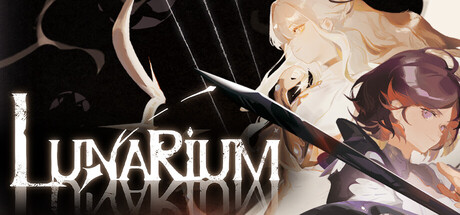
I went into Lunarium expecting a pretty game and a stiff combat loop — what I found was a surprising little adventure that marries Sekiro-esque parry moments with Ender Lilies-like melancholy. The world is fragile, the protagonists Ave and Lune are convincingly written, and the art and soundtrack do most of the heavy lifting. It’s clearly a labour of love from a small dev (月相仪Lunarium), and while a few rough edges remain, the heart of the game more than makes up for them.

Dancing Between Blade and Spell
Combat in Lunarium is a back-and-forth duet between Ave’s sword and Lune’s strange magics. You’ll dodge, parry and punish — parries feel important, and many encounters reward timing more than button-mashing. Ave is nimble but the evade can feel weighty at times; that slow-but-intentional pacing made me respect enemy tells rather than steamroll them. Lune isn’t just a palette swap: she debuffs foes, buffs Ave, and opens pathways with her powers, which creates a satisfying tag-team flow. Boss fights often turn into choreography: read, react, and then press your advantage. For a top-down ARPG it leans heavily on risk-and-reward windows, so expect satisfying one-shot kills and also the sting of a single misread parry.
Cloth, Charms and Companionship
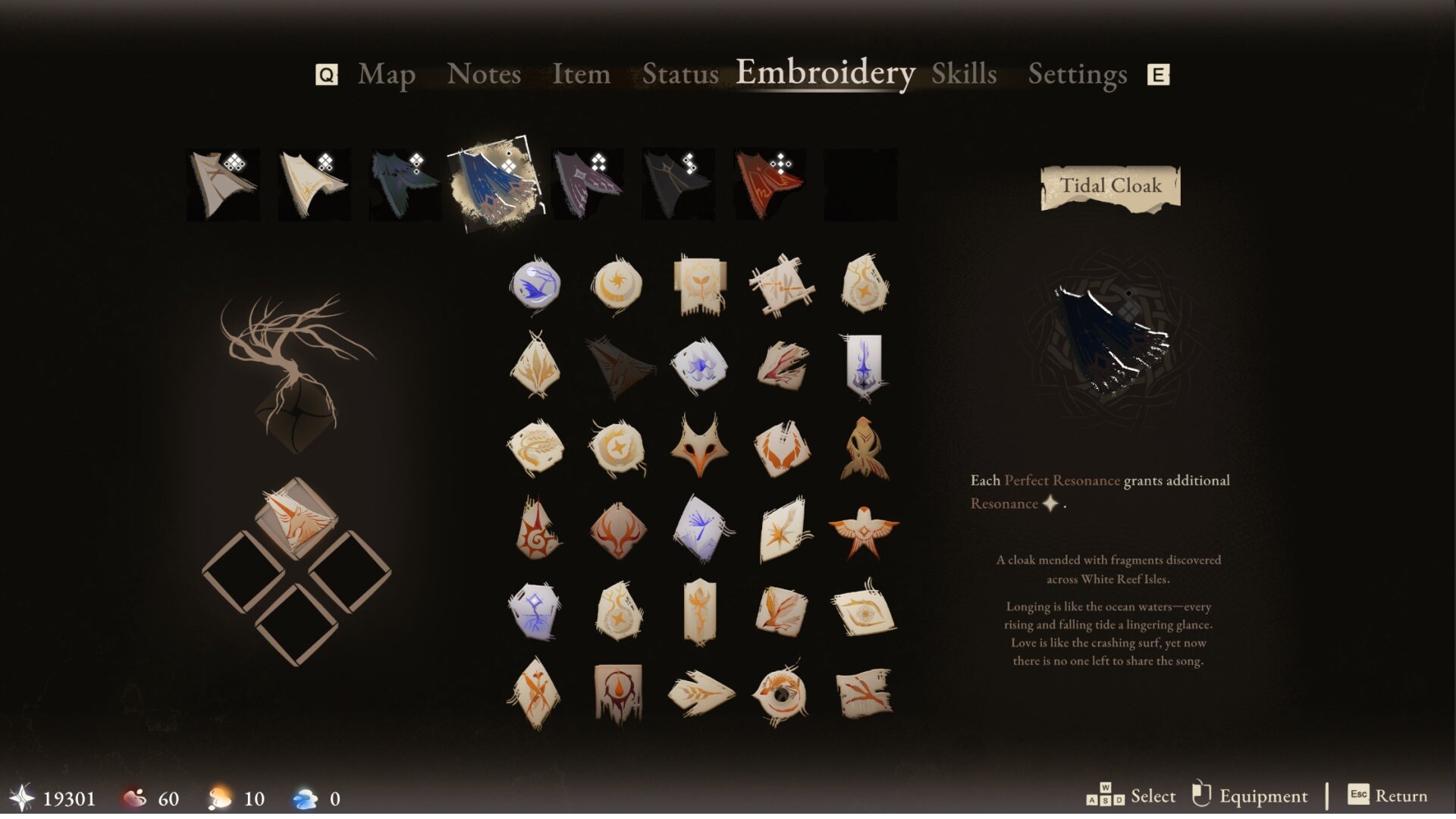
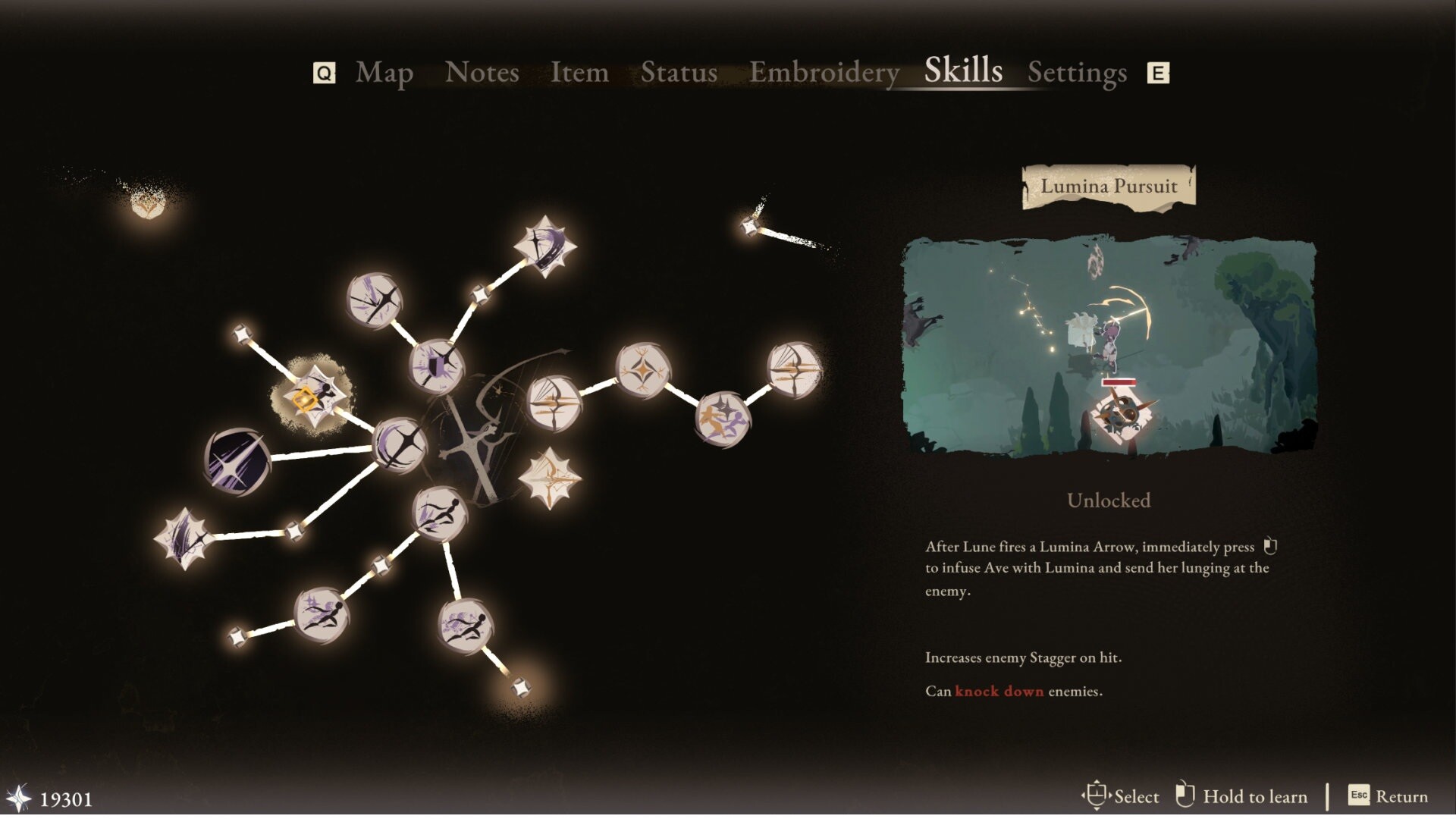
The progression systems — Cloaks, Embroidery and the Skill Tree — are where Lunarium shines for me. Cloaks change both look and playstyle: pick a cloak to lean into offense, defense, or weird utility builds. Embroidery acts like charms/passives and encourages experimentation; swapping a single charm can turn a slow, tanky Ave into a glassy burst machine. The skill tree lets you nudge your build toward combos or survivability, and because death doesn’t permanently punish you harshly, trying out new combos felt low-risk and fun. Lune’s support powers create meaningful gameplay decisions — do you spend cooldowns on offense or use the magic to peel an enemy? I found myself mixing cloaks and embroidery mid-run just to see what odd synergy would click.
A Canvas of Sound and Shadow
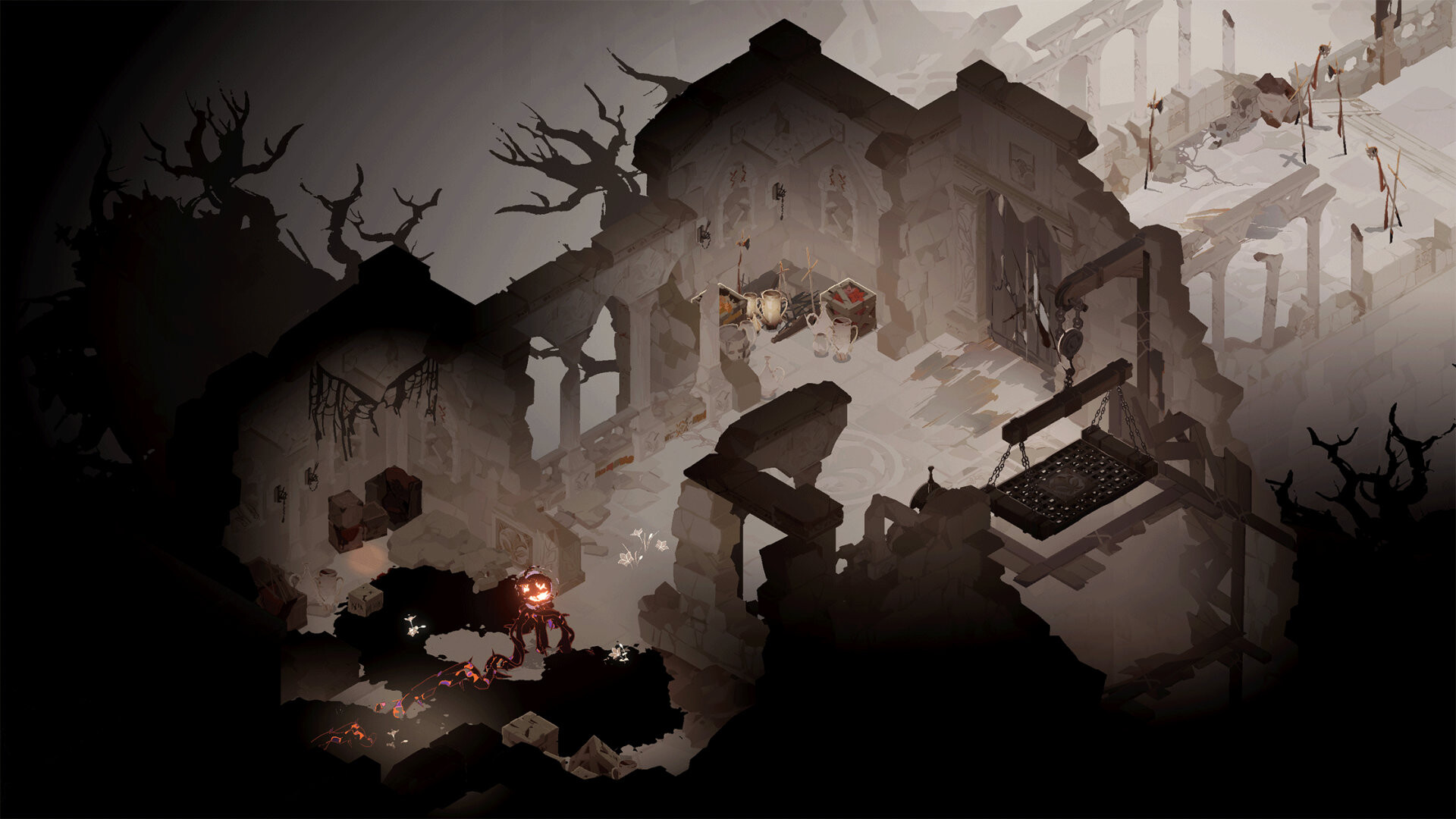
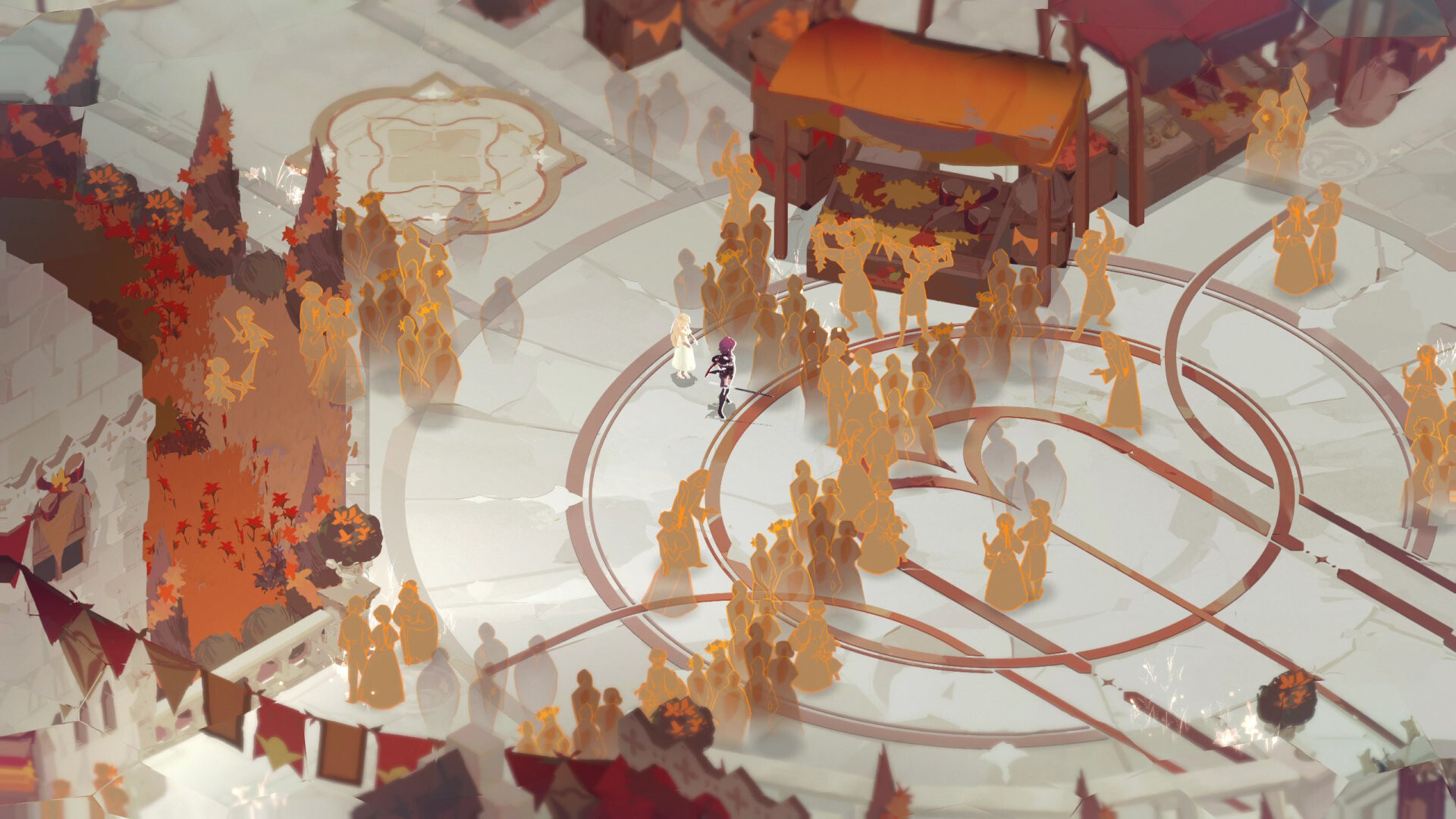
Visually Lunarium is a love letter: hand-drawn backgrounds, layered 2.5D stages and moody lighting that make every new area a postcard worth pausing for. The soundtrack is haunting and often the highlight — combat tracks snap into place when threats escalate and the more ambient pieces sell the melancholy of ruined temples. Performance is generally solid on Windows; some players reported frame drops and early-launch hitches but recent patches have smoothed a lot out. Accessibility is mixed: controller feels excellent (my go-to), while mouse-and-keyboard can be clunkier — particularly the evade and precise parries. Translations are mostly fine, with a few odd lines that break immersion, but the writing between Ave and Lune is genuinely charming and often funny in a small, human way.

Lunarium is a heartfelt ARPG with beautiful visuals, a lovely soundtrack, and combat that rewards patience and timing. It isn’t perfect — expect some polish patches and a preference for controller play — but the core experience is charming and worth your time, especially at its current price point. If you love moody worlds and build experimentation, put Ave and Lune on your wishlist.


Pros
- Stunning hand-drawn art and moody soundtrack
- Tight parry-focused combat with meaningful risk/reward
- Flexible Cloak/Embroidery systems encourage build variety
- Small dev, responsive patching and active support
Cons
- Evade and parry feel inconsistent with mouse & keyboard
- Minor translation hiccups and occasional late‑launch bugs
- Some players report cloud save and frame‑drop issues
Player Opinion
Players praise Lunarium’s visuals and soundtrack almost universally; the hand-drawn backgrounds and combat music are repeatedly named as highlights. Many reviews mention how charming Ave and Lune are, and the writing between them earns genuine smiles. Criticisms tend to cluster around early-launch technical issues (notably a boss bug that was patched quickly), the slightly sluggish feel of the evade action, and that mouse-and-keyboard controls feel worse than controller. Recurring themes: great art, satisfying parry windows for those who master them, and a developer that responds fast to feedback. If you enjoy Ender Lilies, Hollow Knight’s atmosphere or Sekiro/Hollow‑styled parry ballet, Lunarium will likely hit the same sweet spot.