Mahou Arms Review — Anime-Style Hack-and-Slash with Rough Edges
I played Mahou Arms' release: flashy anime combat, great music and animations, but also jank, bugs and a surprisingly short runtime. Is it worth the price? Here's my take.
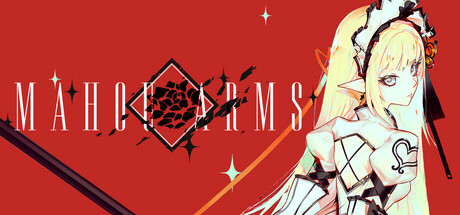
Mahou Arms is an odd little cocktail: magical girls meet paramilitary fiction in a character-action hack-and-slash that frequently reminded me of NieR’s mood swings — brilliant in places, baffling in others. I went in wanting a tight, stylish action romp and came away with moments of real joy (that soundtrack, really) and stretches of frustration. The core idea — controlling a small squad of magically-armed soldiers to reclaim Earth — is neat and cinematic, but the execution still feels like a studio that ran out of time in a few places. If you like anime aesthetics, big combos and occasional jank, this will be a ride worth talking about.
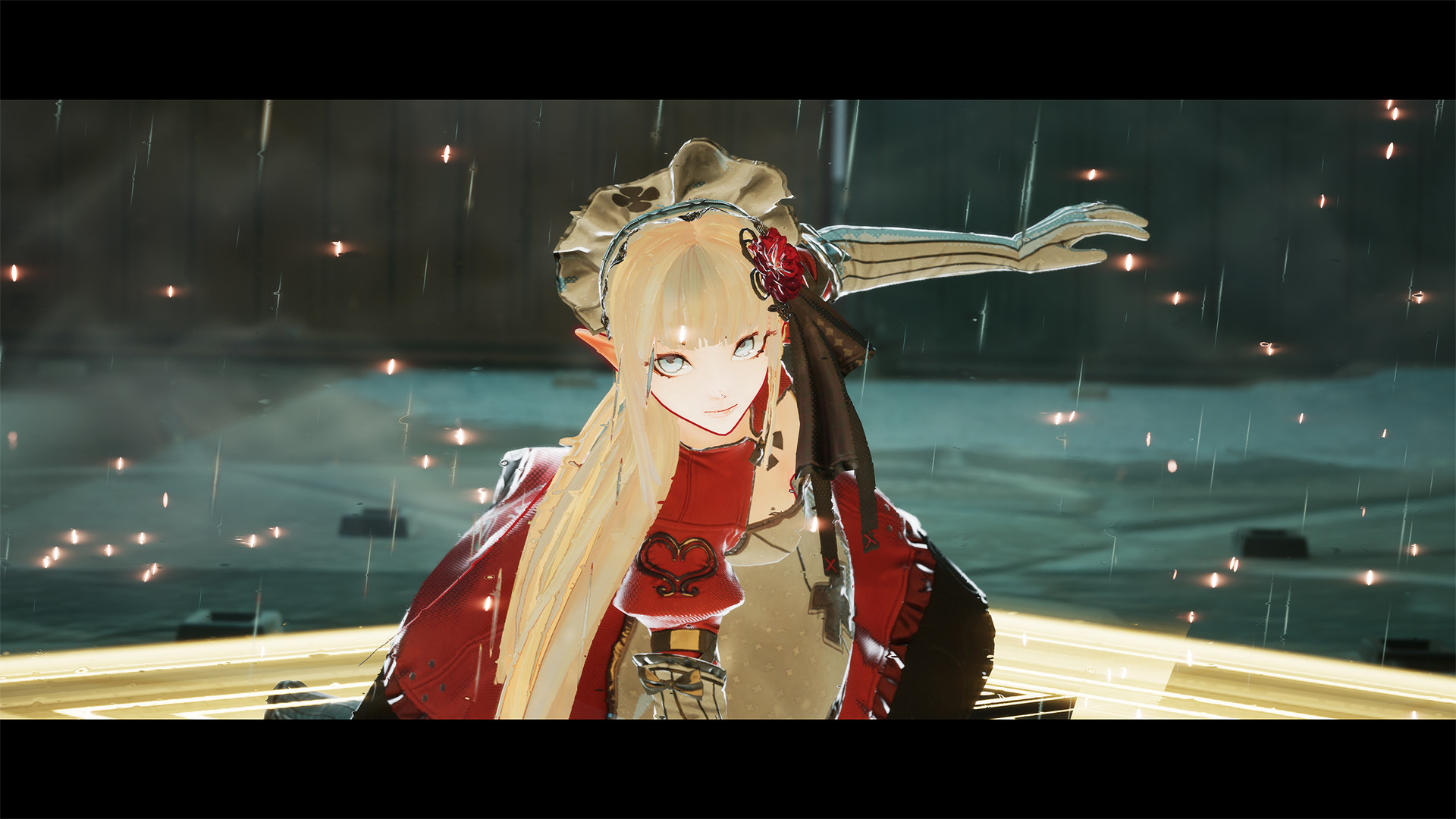
Leading the Vanguard of Cute Chaos
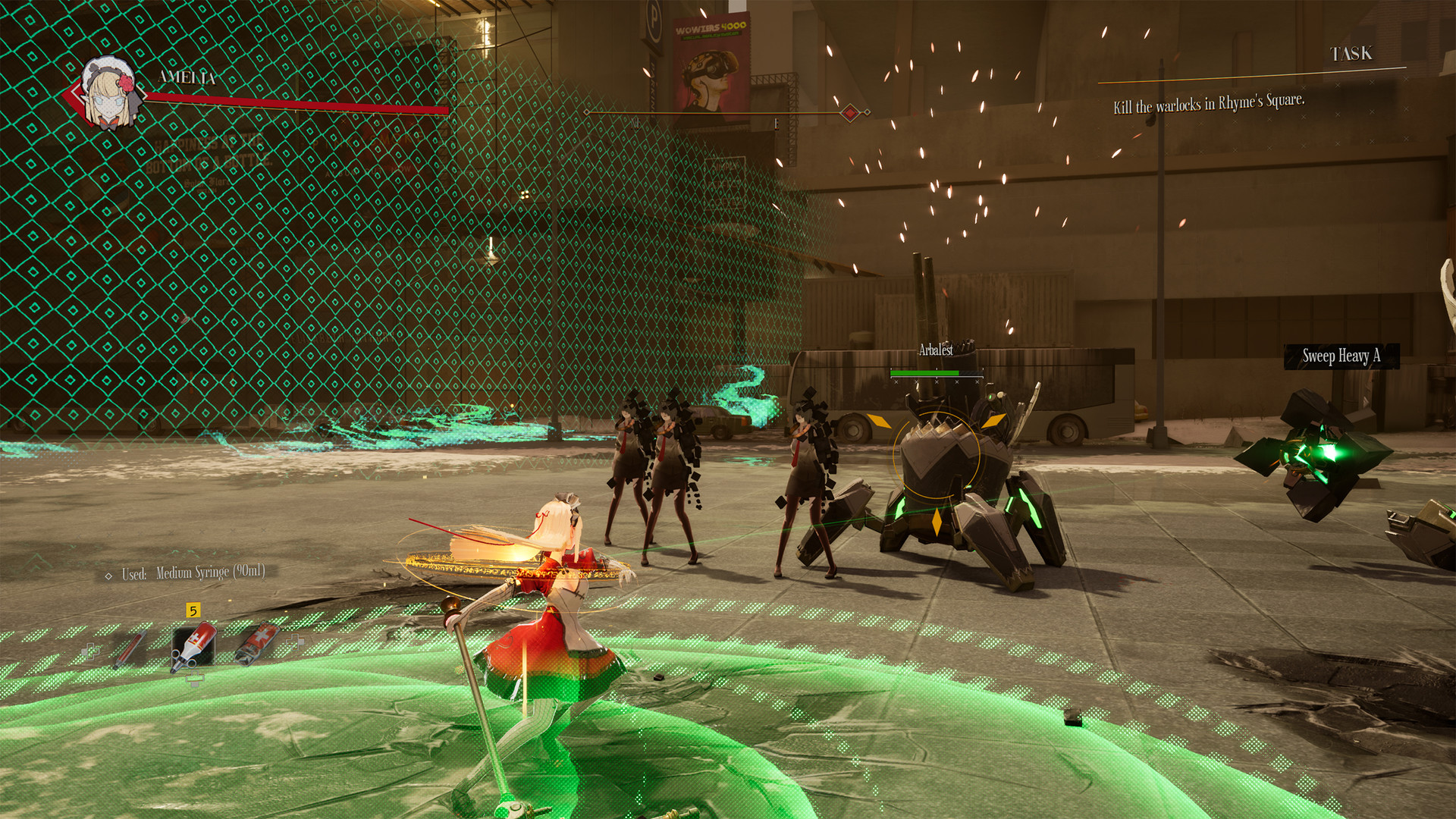
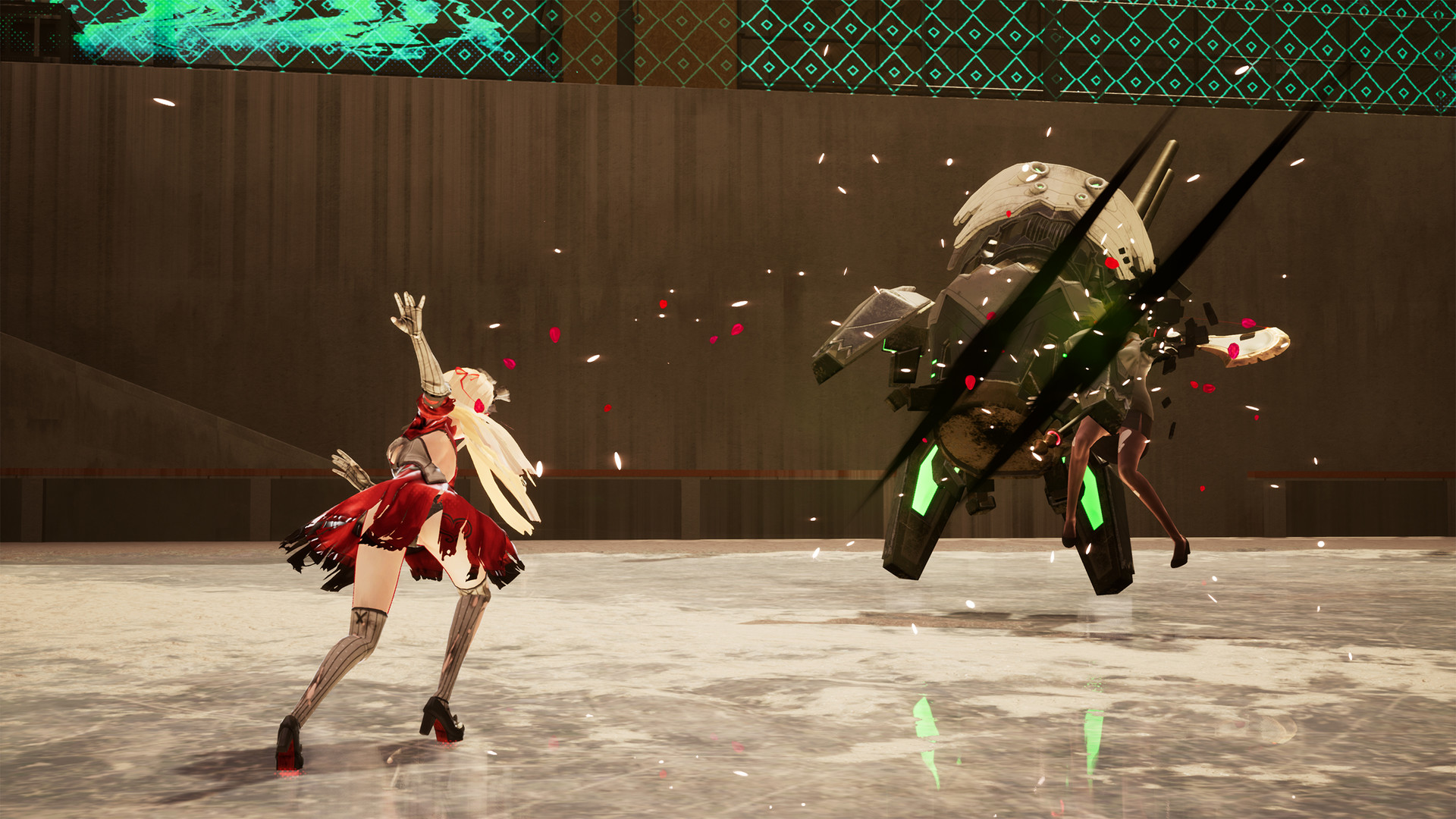
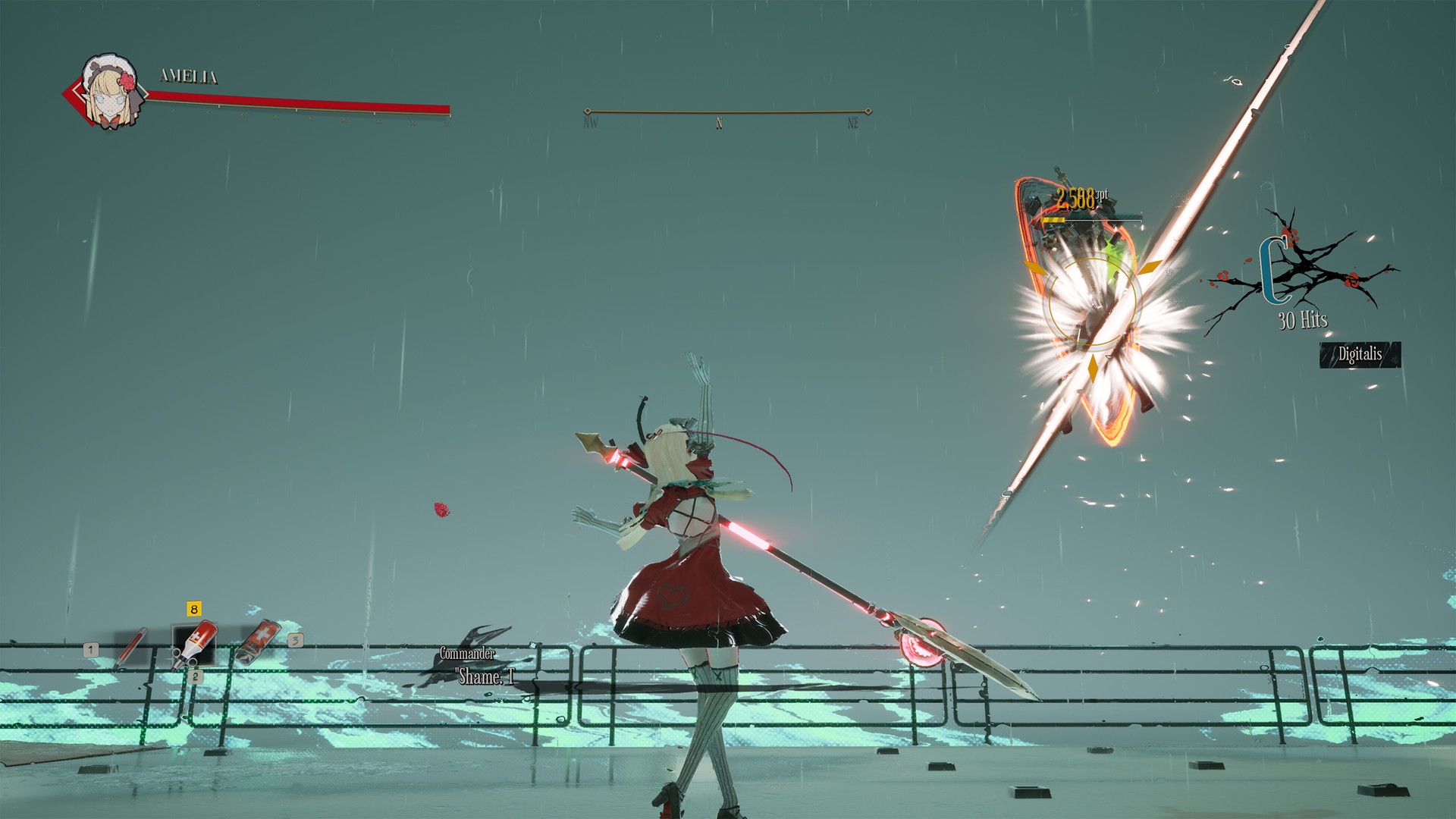
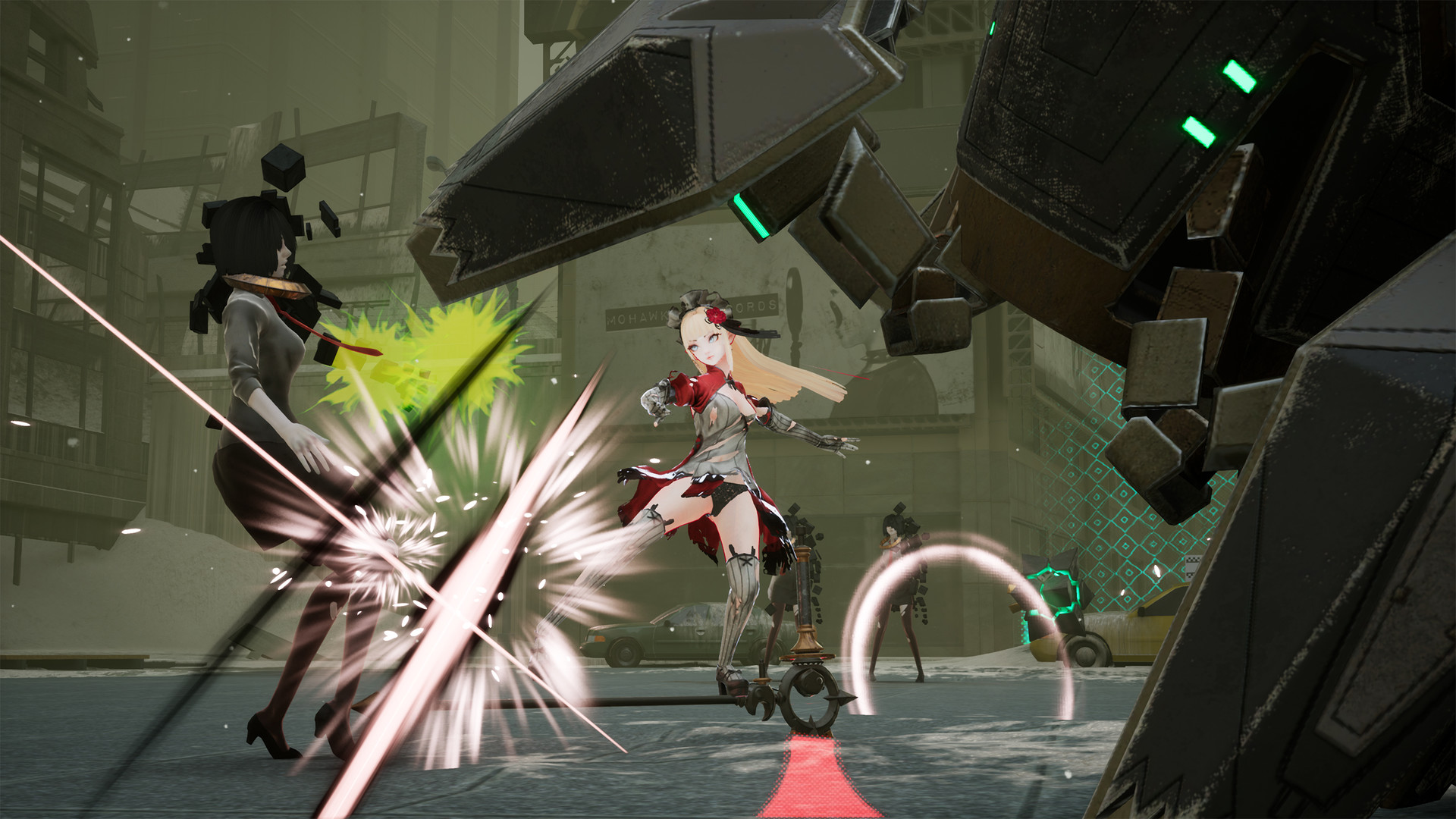
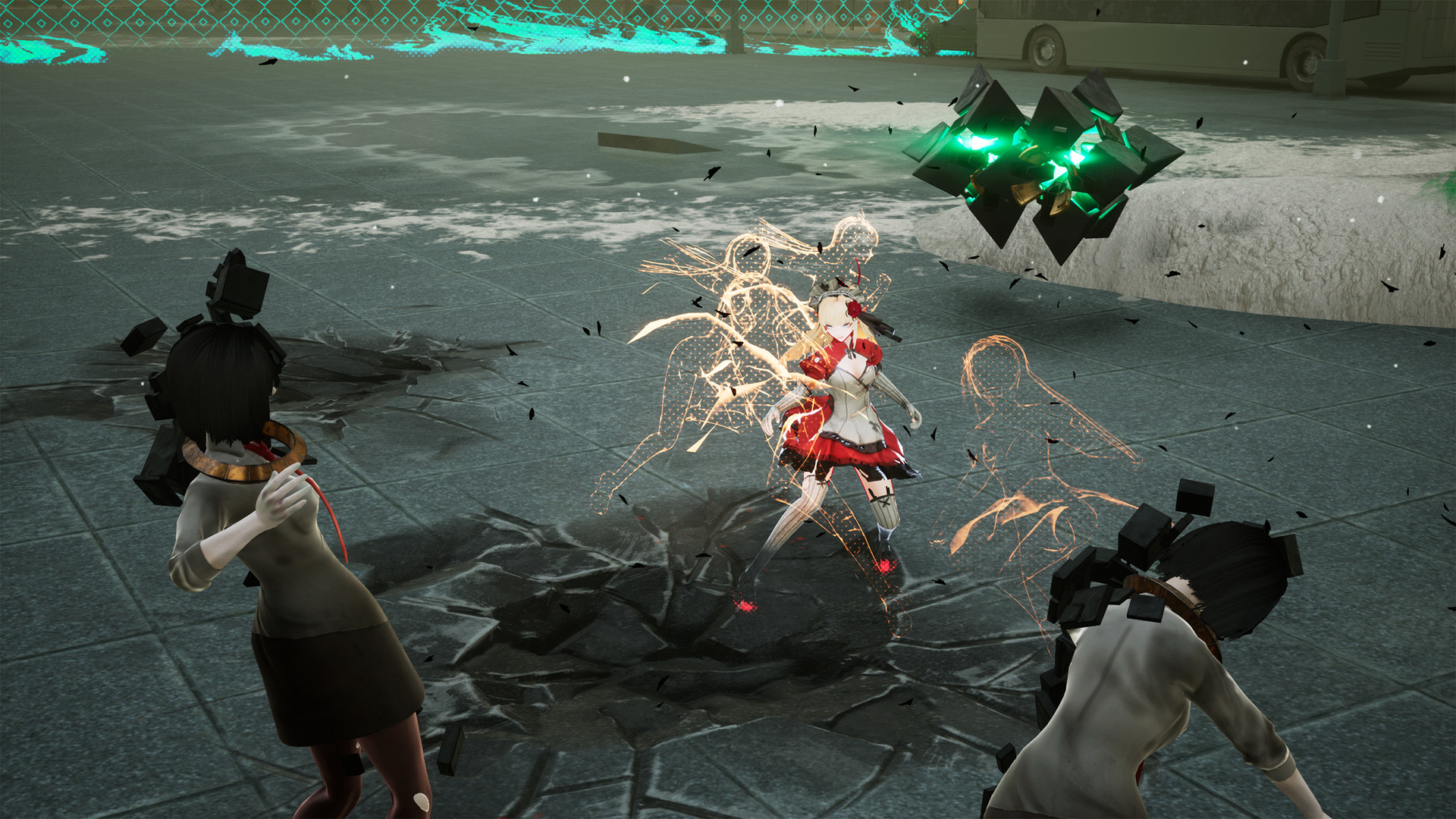
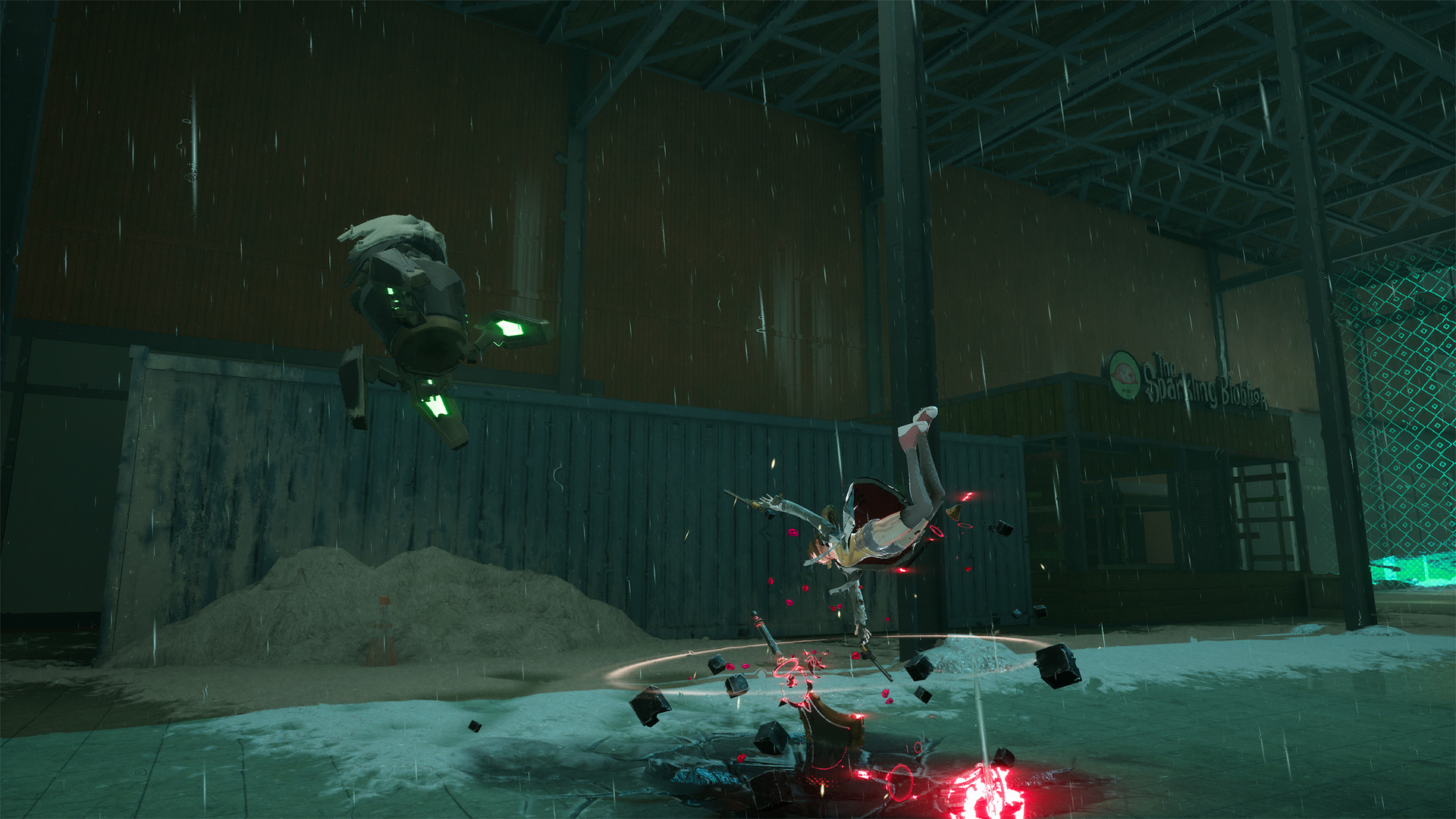
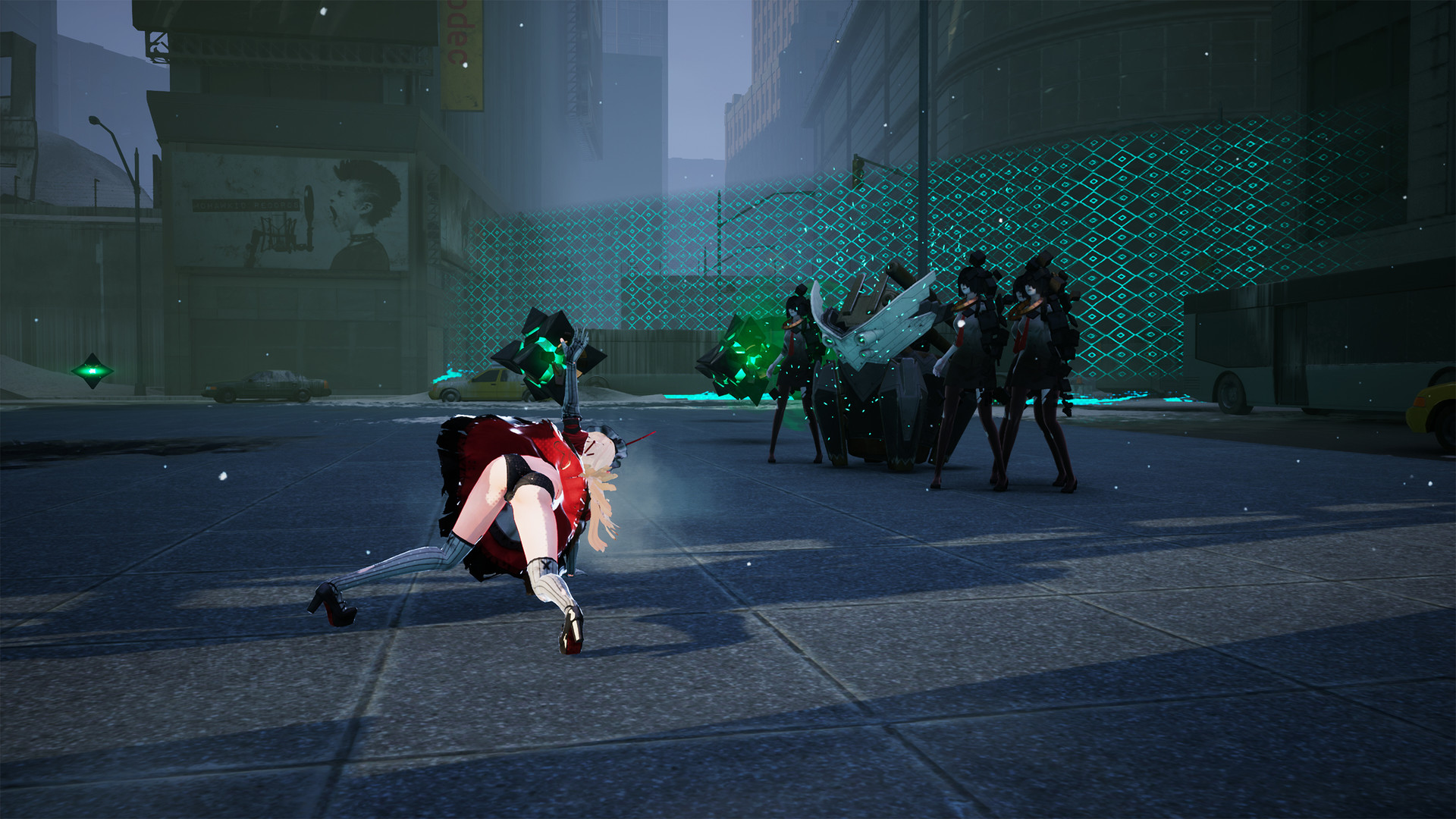
Mahou Arms plays like a compact, character-focused hack-and-slash where you take direct control of magical girls on the front line. Combat centers on button-chained combos, a rating system that rewards stylish play and timing, and a handful of special spells you unlock through leveling up. Expect to dash, dodge and weave through arenas while stringing together light and heavy attacks, occasionally mixing in ranged hacks or a scripted special. The full release offers two playable girls with distinct move sets, so the intent is variety, but because there are only two characters you’ll reuse many animations and combos a lot — which can feel repetitive after a few hours. Levels tend to be chapter-based and fairly linear; you’re pushed forward through set encounters and boss set-pieces rather than open exploration. The weapon and switch systems are straightforward: you’re meant to master one or two kits per character rather than juggling a dozen loadouts.
Gadgets, Spells and Unexpected Mini-Games
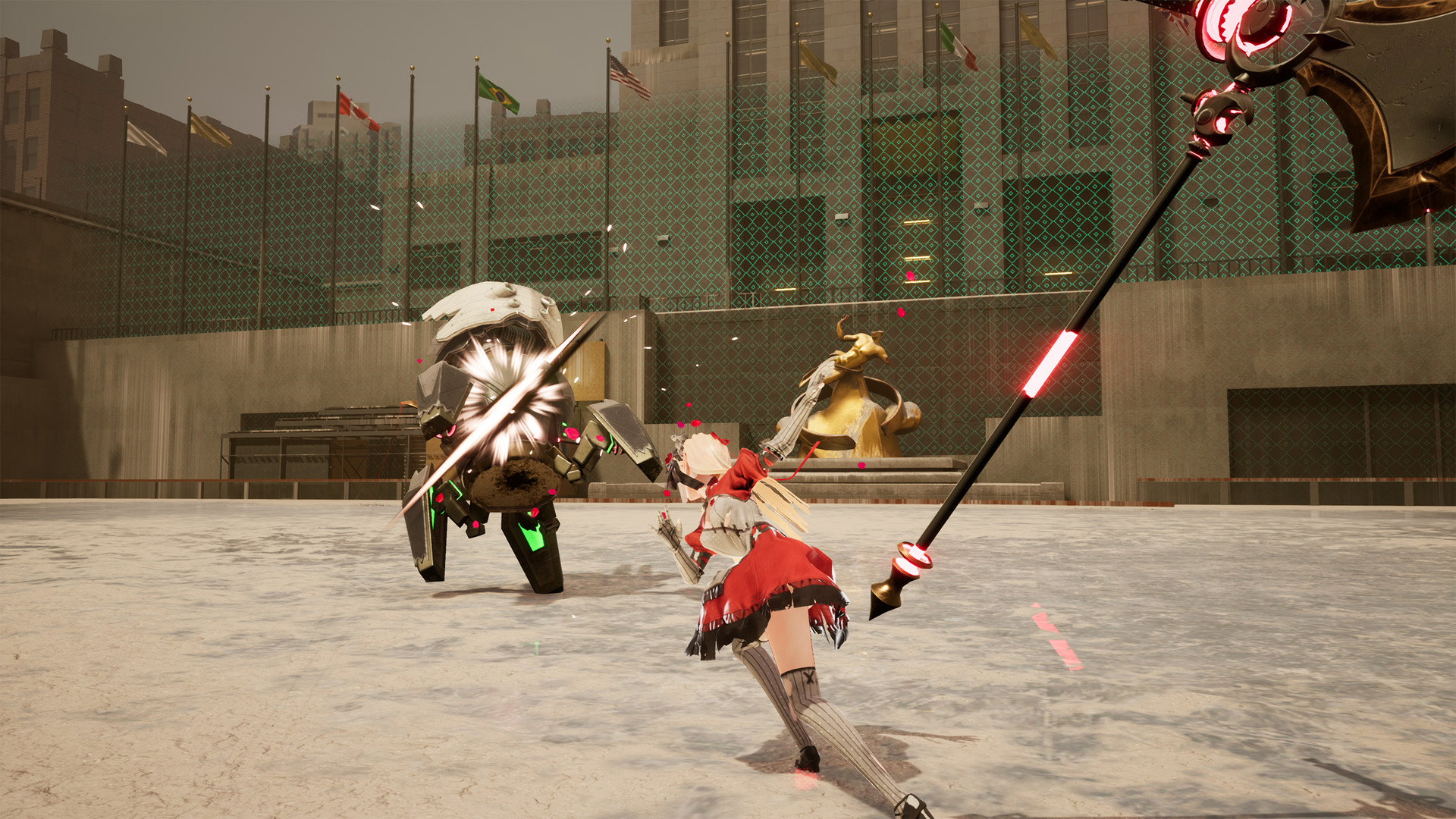
What tries to set Mahou Arms apart are its side diversions and mechanical flourishes. There’s a skill tree to unlock spells and passive boosts, hacking-style cyberspace segments, drone racing and rail-shooter mini-games that break up the third-person slashing. Boss fights are often the highlight: bigger, more theatrical battles where the combat rhythm snaps into place and the game feels genuinely cinematic. I also appreciated the comic-style cutscenes and the English dub — they give the story a definite personality. That said, some of the unique bits feel undercooked; the hacking sections, for instance, come off as short diversions rather than integral systems, and the limitation to two characters reduces the long-term variety you might expect from a game aiming for DMC-like spectacle.
A Stylized, Imperfect Presentation
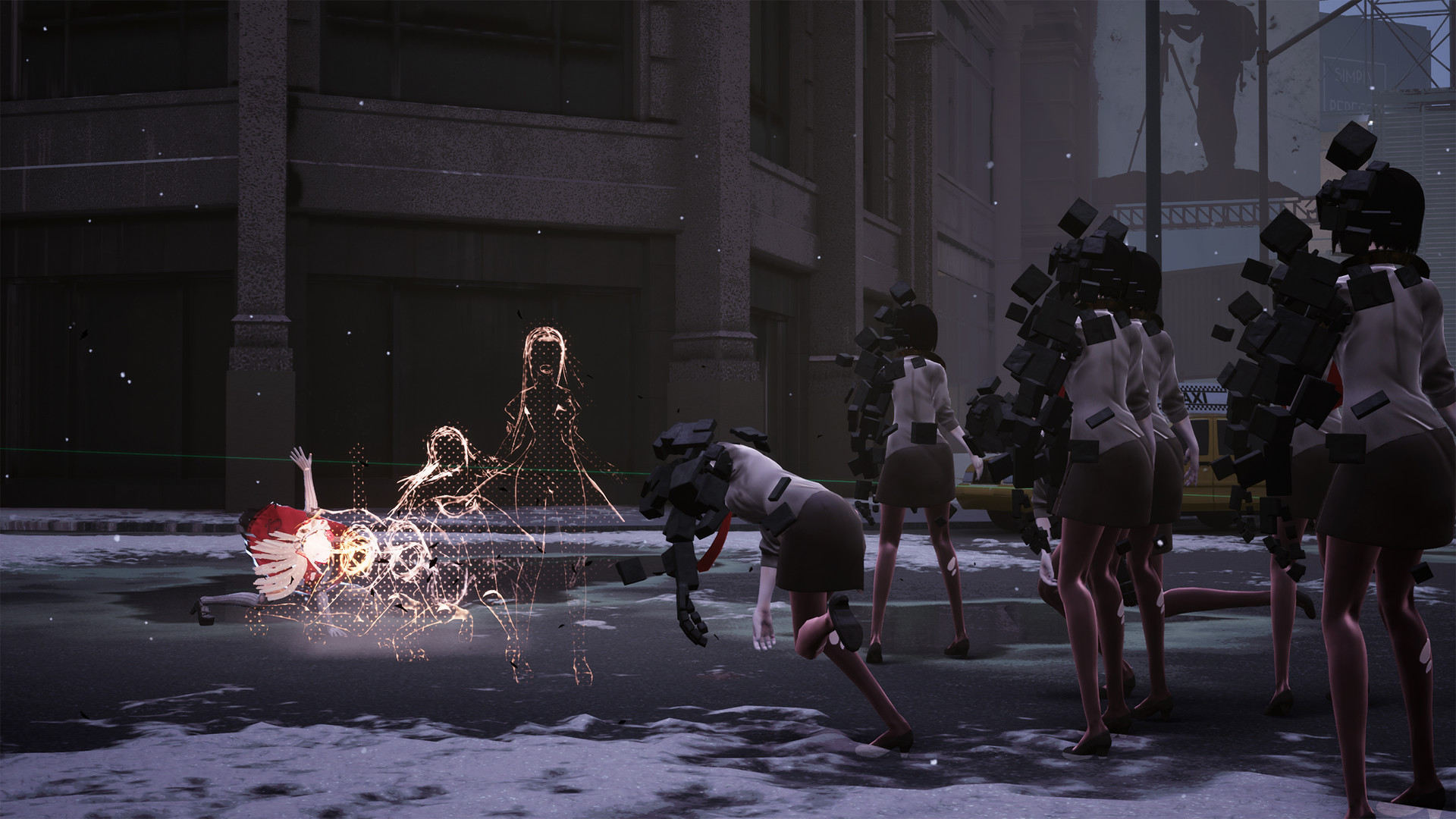
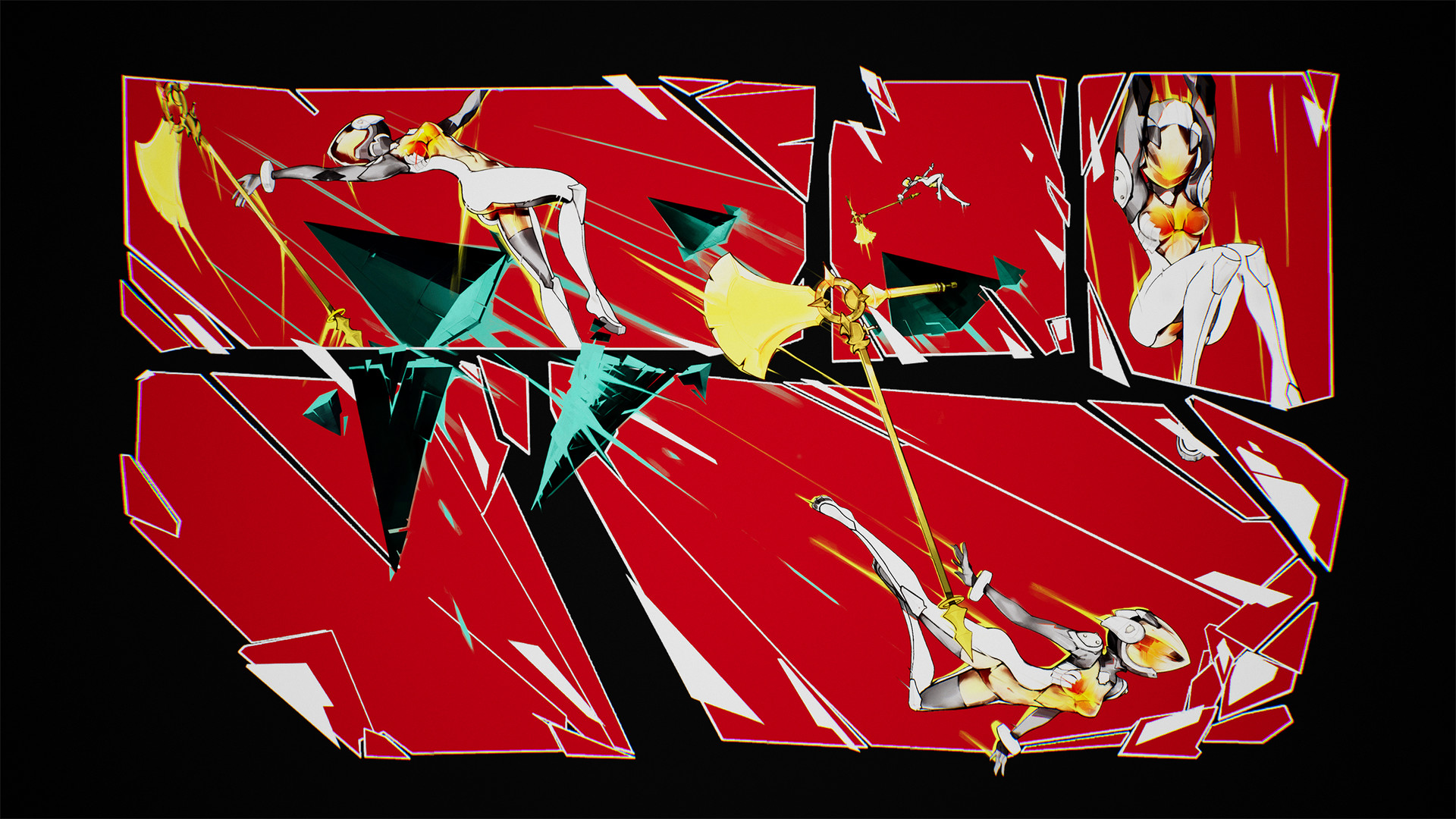
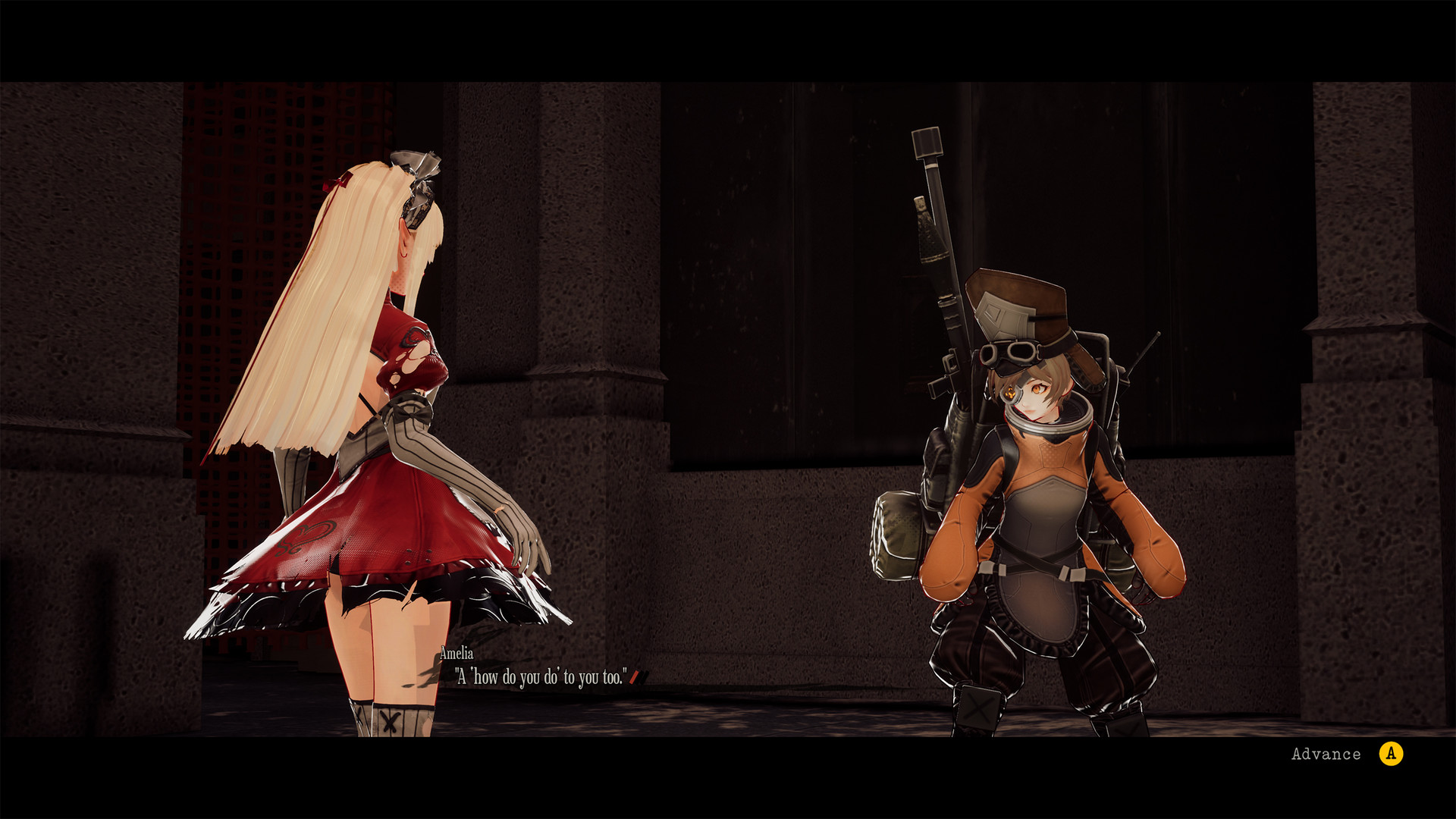
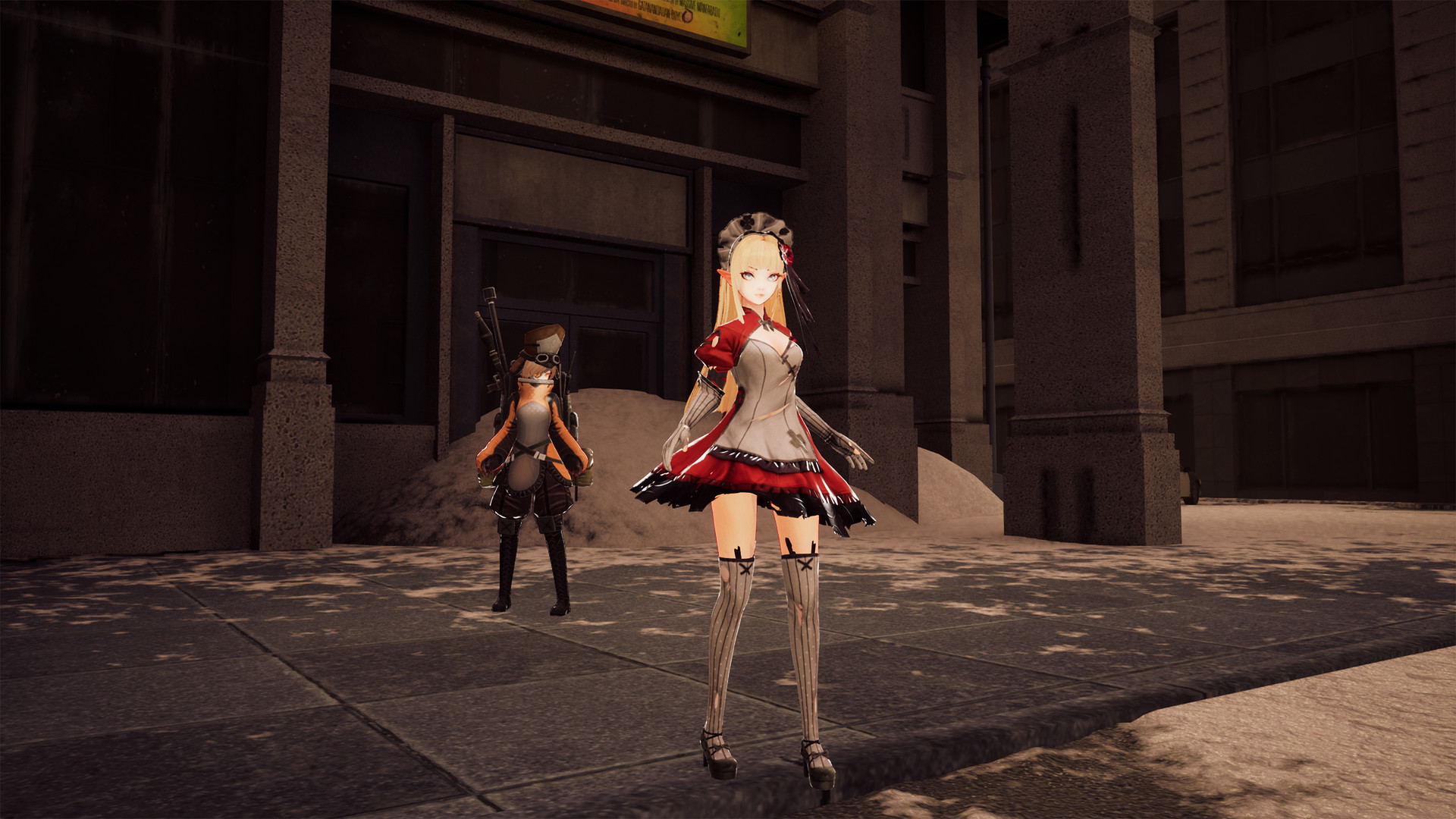
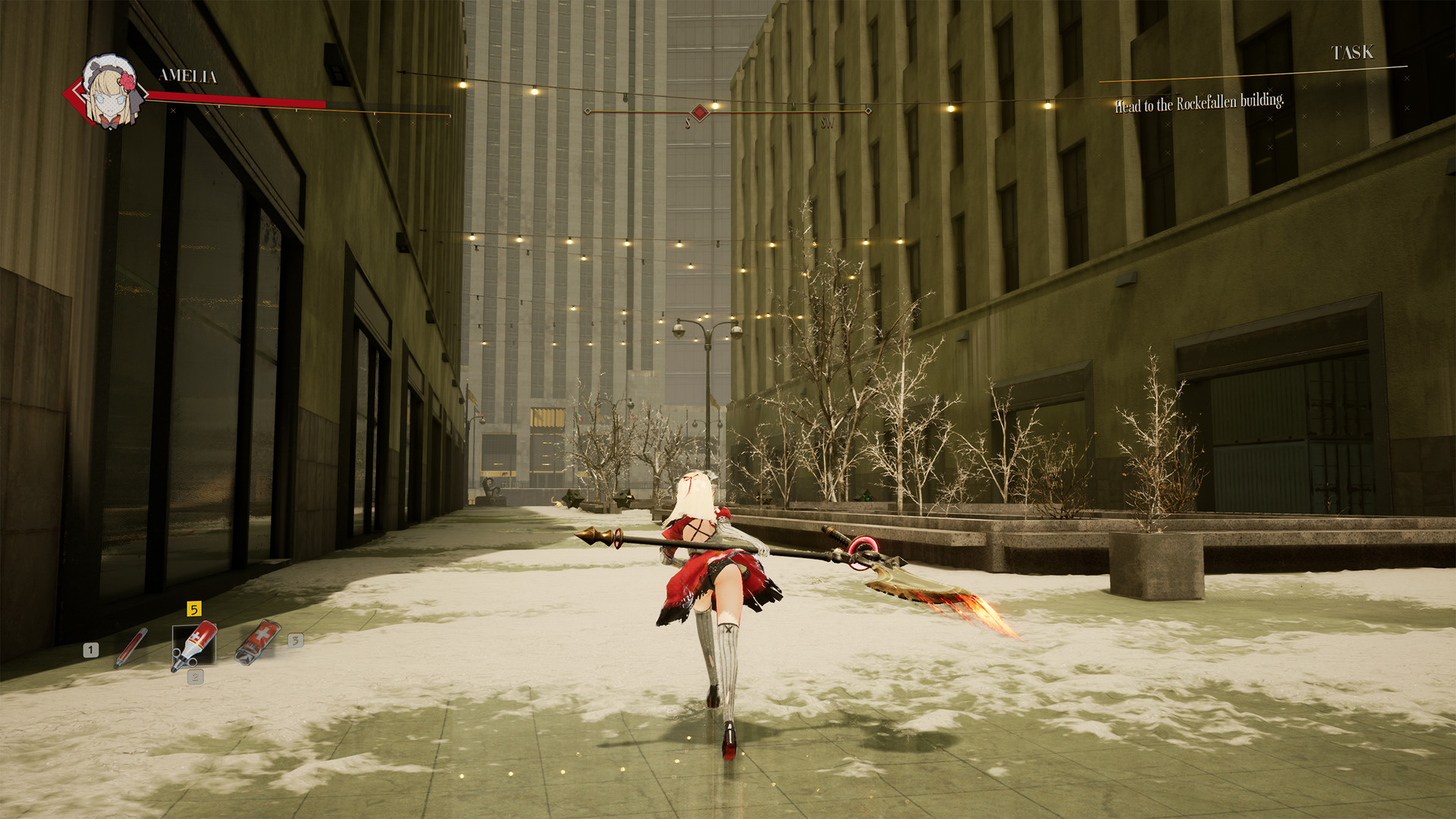
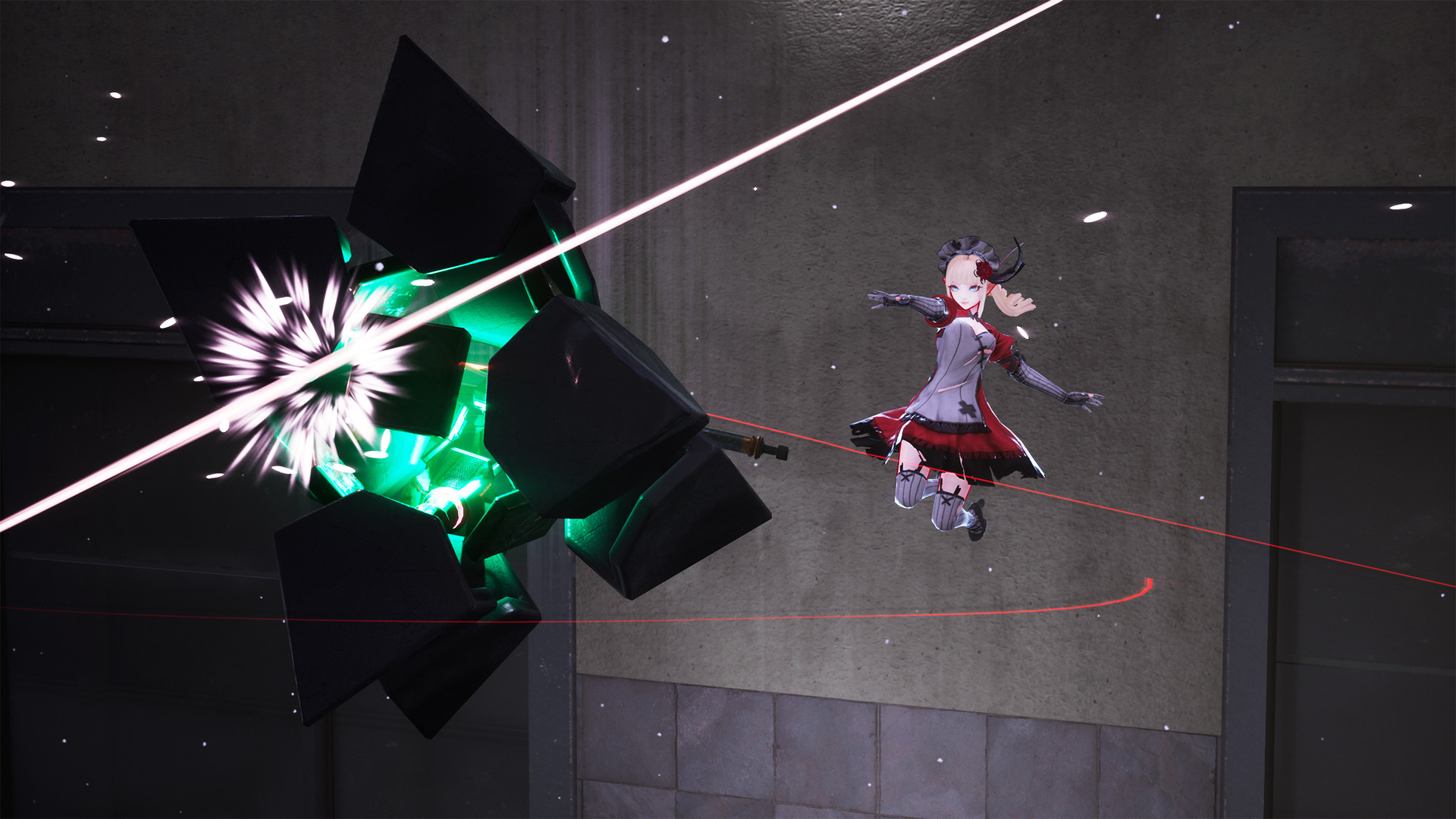
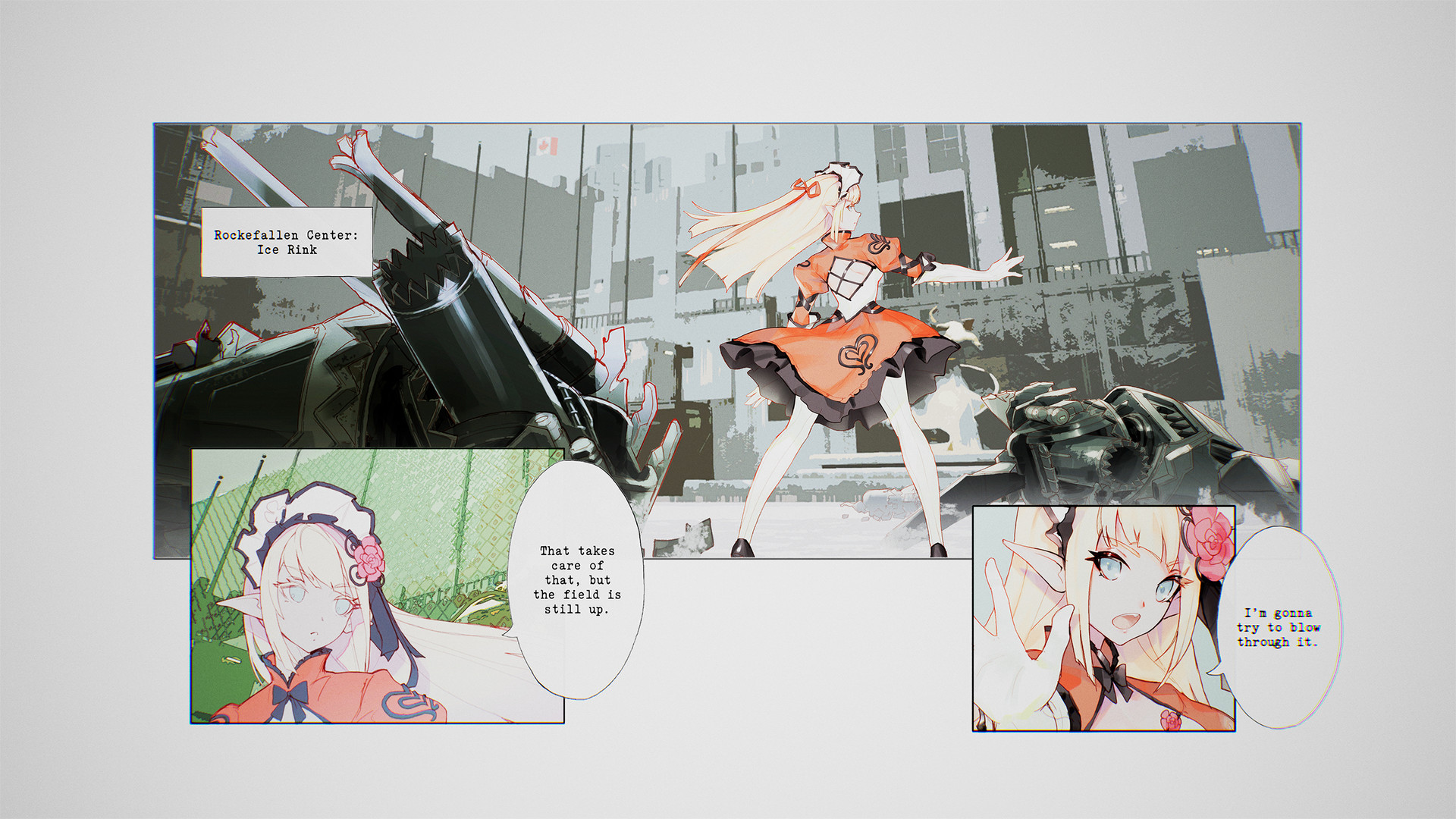
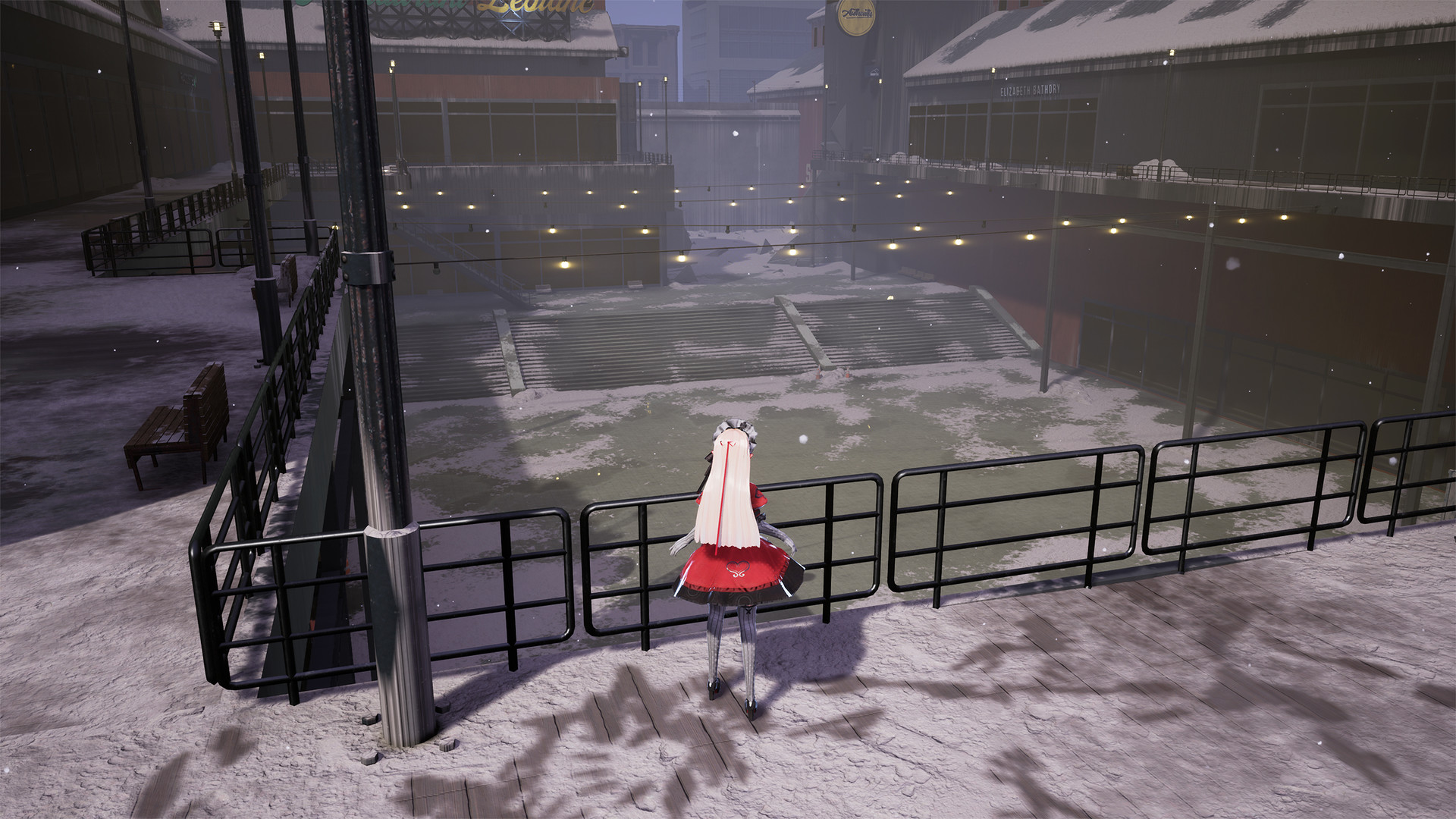
Visually it’s very anime-forward: bold character designs, expressive faces and some fantastic animation frames during combos. Models are a little low-poly in places and environments can feel empty, but the art direction carries a lot of charm. The soundtrack is a clear win — driving tracks that lift the combat — and the English voice work is competent and oddly endearing. Unfortunately, the launch also brought technical issues that undercut immersion: frame-rate quirks, controller incompatibilities for some gamepads, and reported checkpoint/cutscene bugs that can force you to rewatch scenes or even soft-lock a mission. Accessibility options are basic, and some camera or UI choices (protagonist too low on screen during dialogues) can make fights feel cramped. In short: great style and moments of satisfying impact, but the polish around performance and level design needs work.
Mahou Arms is a game of flashes: gorgeous music, charming visuals and some genuinely fun boss fights, but it’s held back by repetition, polish issues and launch bugs. If you’re craving anime-flavored action and don’t mind rough edges, wait for a sale or grab it to support the devs — but if you expect a fully refined DMC-level package at full price, temper your expectations. I’m optimistic that future patches and DLC could turn the strong foundations into something great.
Pros
- Fantastic soundtrack and punchy animations that sell the action.
- Stylish anime art direction and comic-style cutscenes give it personality.
- Moments of brilliant boss design where combat truly clicks.
- Mini-games and a small skill tree add variety to the main loop.
Cons
- Short runtime and limited characters — repetition becomes noticeable.
- Technical hiccups at launch (bugs, controller issues, cutscene problems).
- Some systems (hacking segments, side content) feel undercooked.
Player Opinion
Player feedback is loud and mixed. Many people praise the music, the animations and the game’s distinct anime flair — the comic cutscenes and English dub come up as positive highlights more than once. On the flip side, reviews frequently call out the short length (around 8 hours), high price at launch, repetitive enemy encounters, and a sense of jank in combat and movement. Technical complaints are common: controller incompatibilities, cutscene glitches that force you to replay or freeze the game, and odd save/checkpoint behavior. A vocal subset dislikes the distribution of adult scenes via a separate Patreon patcher and sees that as poor design. Others treat it as a cozy AA effort worth supporting on sale or if you want to back the studio for a potential sequel. If you liked NieR’s melancholic action or simple DMC-style spectacle at heart, you’ll find parts to love — just be prepared for rough edges.