MAZEBOUND: Hunt, Gather, Run! Review — Maze-Runner Survival with Wild Co-op Chaos
I dove into MAZEBOUND's claustrophobic corridors, cart physics, and greedy eyeball thieves. A rough-around-the-edges survival horror that shines in co-op but stings solo — buggy, brilliant and oddly lovable.
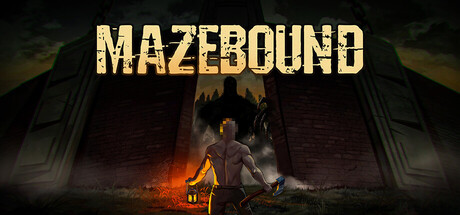
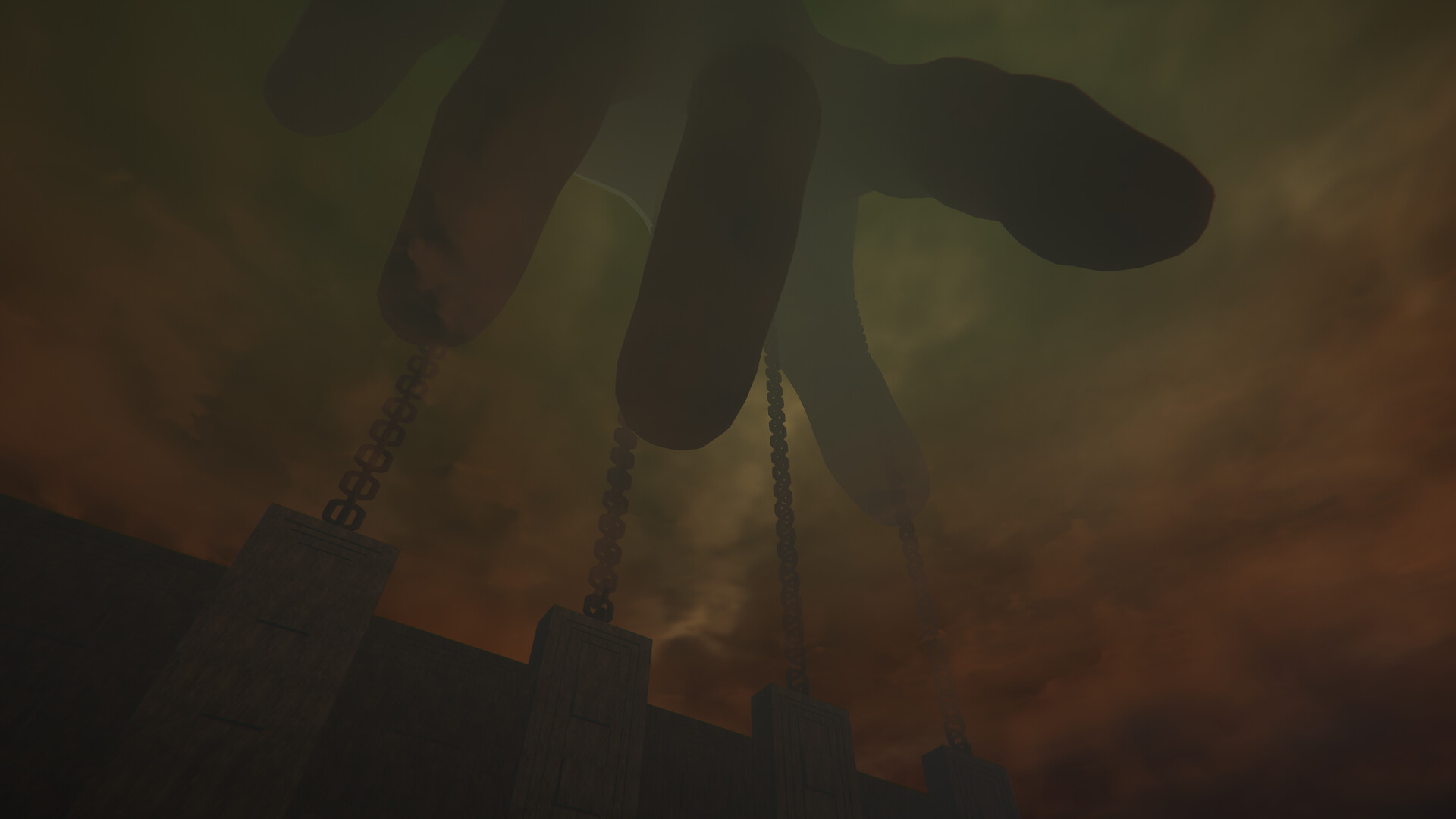
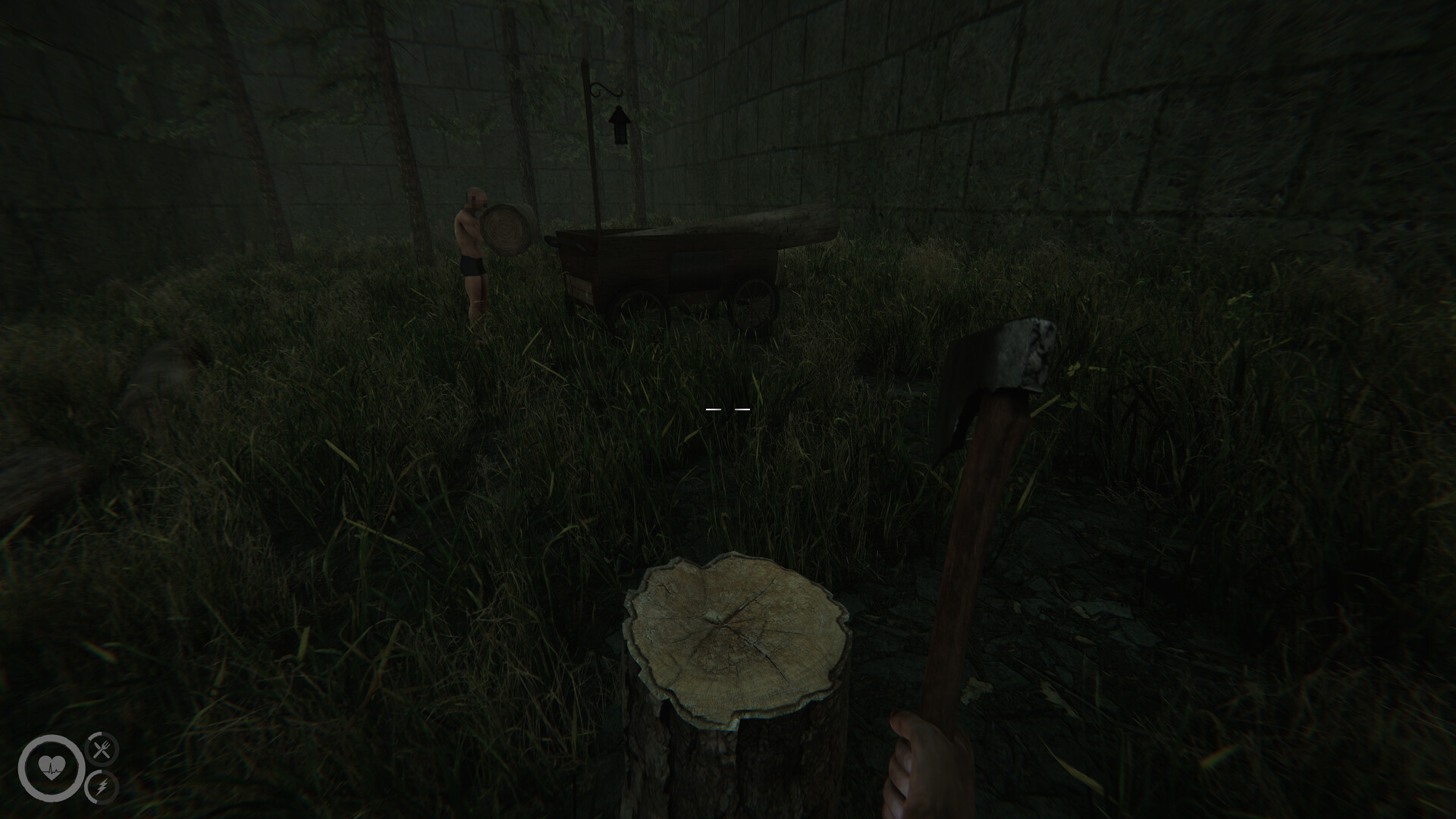
When I first saw MAZEBOUND I expected a bite-sized The Forest cousin with a Maze Runner twist — and that’s basically what I got, but spikier. You start with a boat behind you and an enormous gate ahead, and then the game hands you a cart, some scrap, and a strict “good luck” vibe. What makes it interesting isn't revolutionary mechanics but how simple survival systems (hunt, craft, defend) collide with a living, spiteful maze full of weird creatures — from hogs to spider nightmares and the infamously mischievous eyeball that steals your wheel. Play it with pals and it becomes a frantic comedy of errors; go solo and it feels like a tense, brittle experiment in resource paranoia.

Surviving the Maze: Hunt, Gather, Run
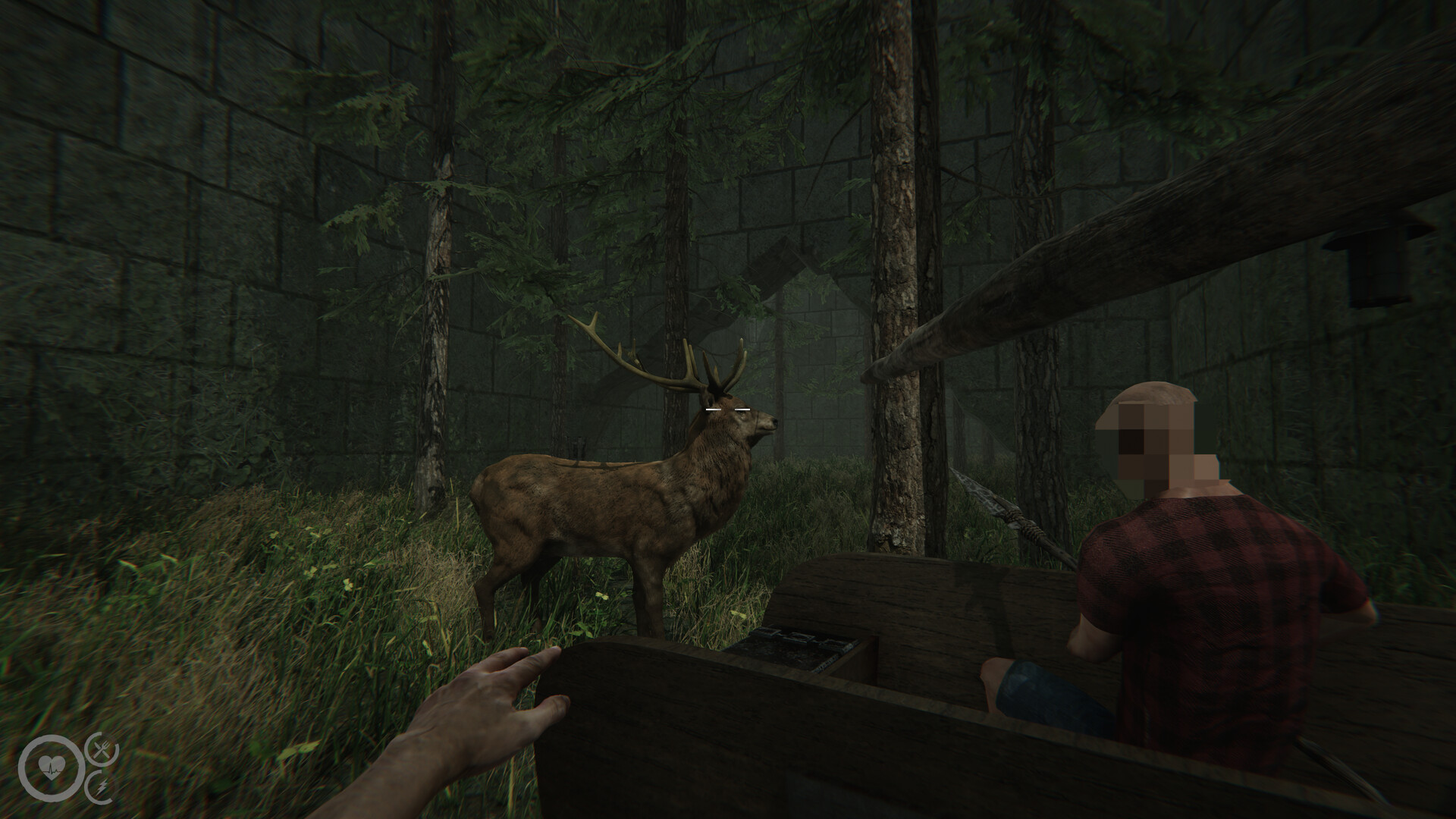
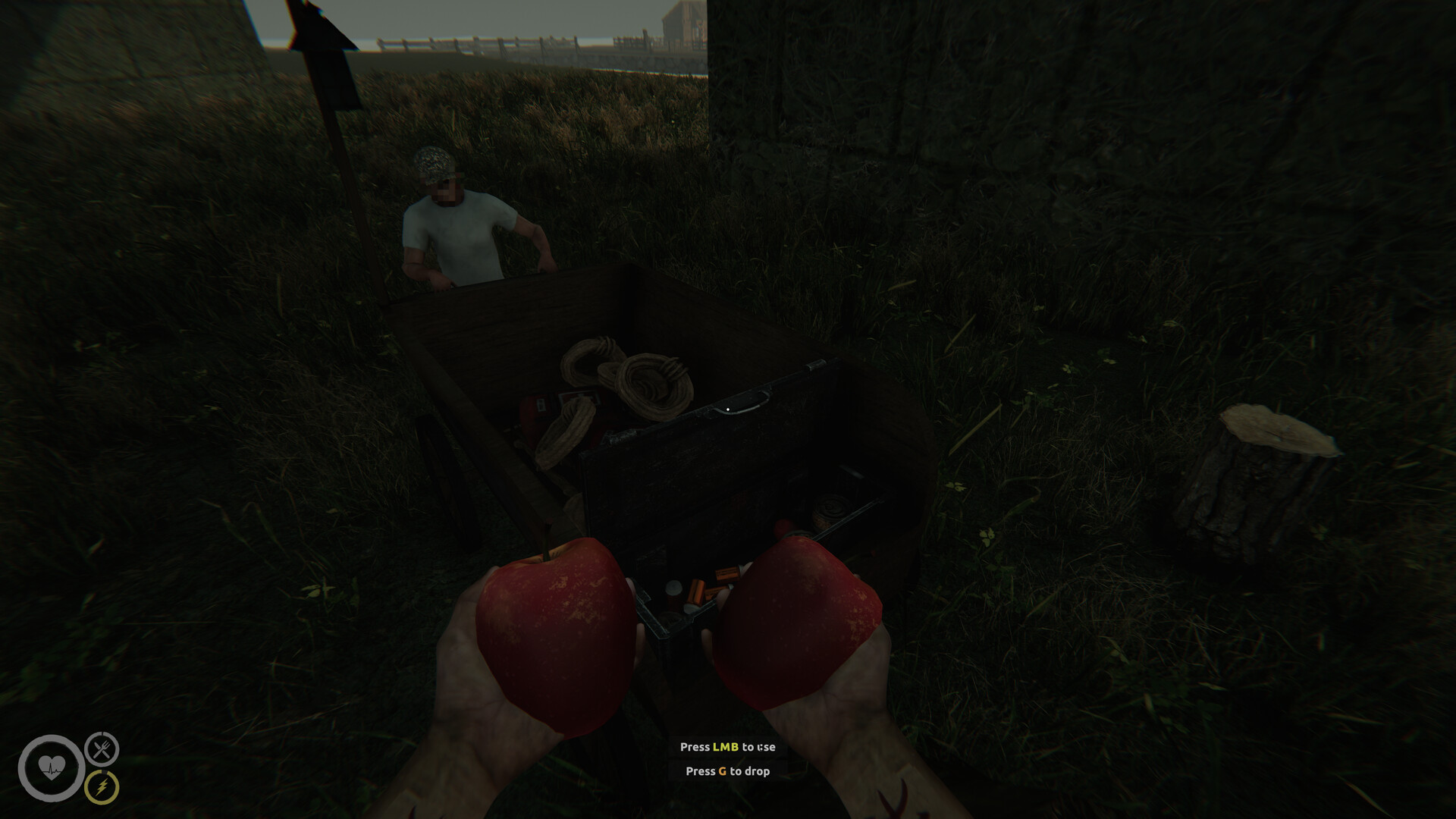
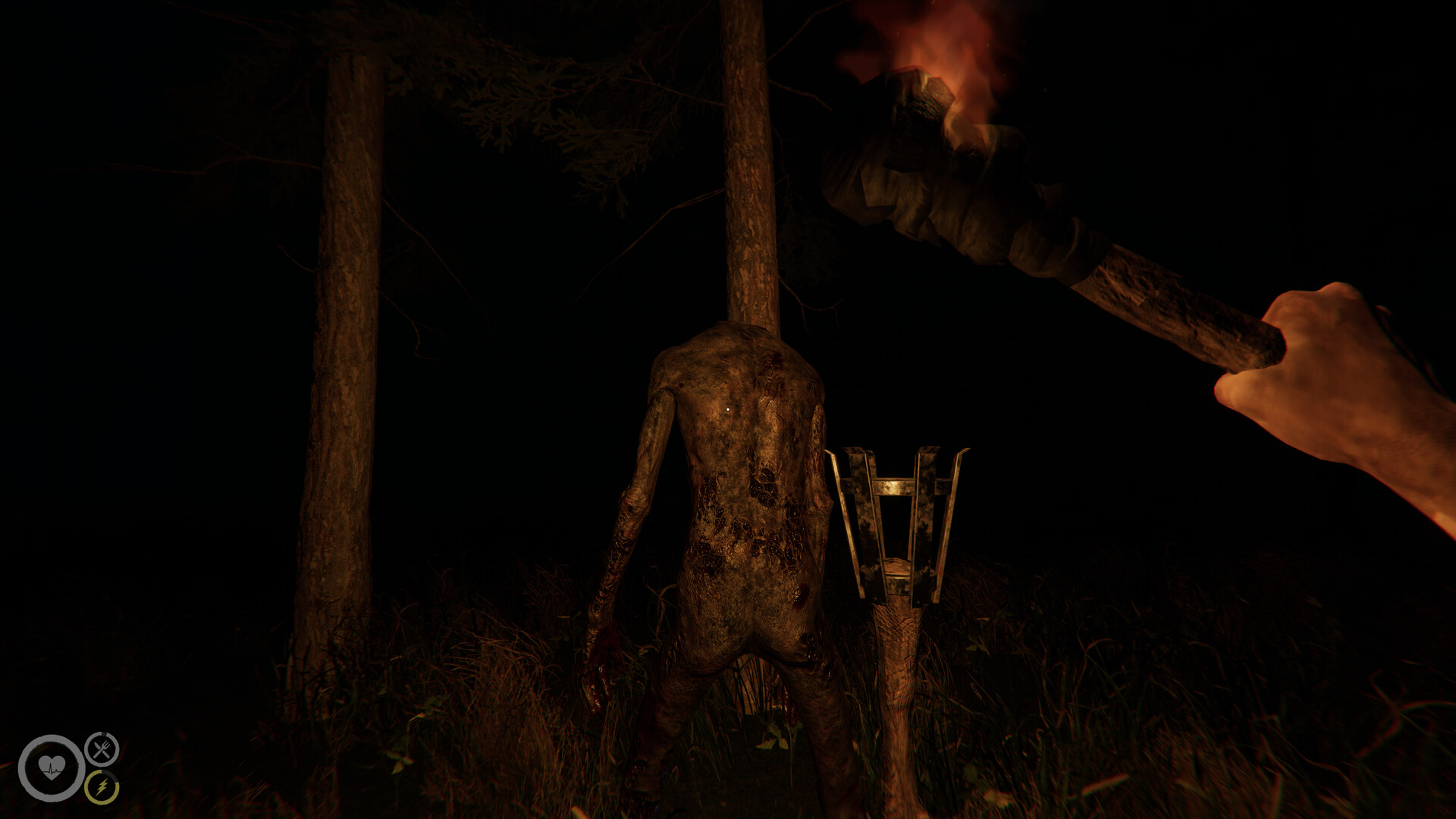
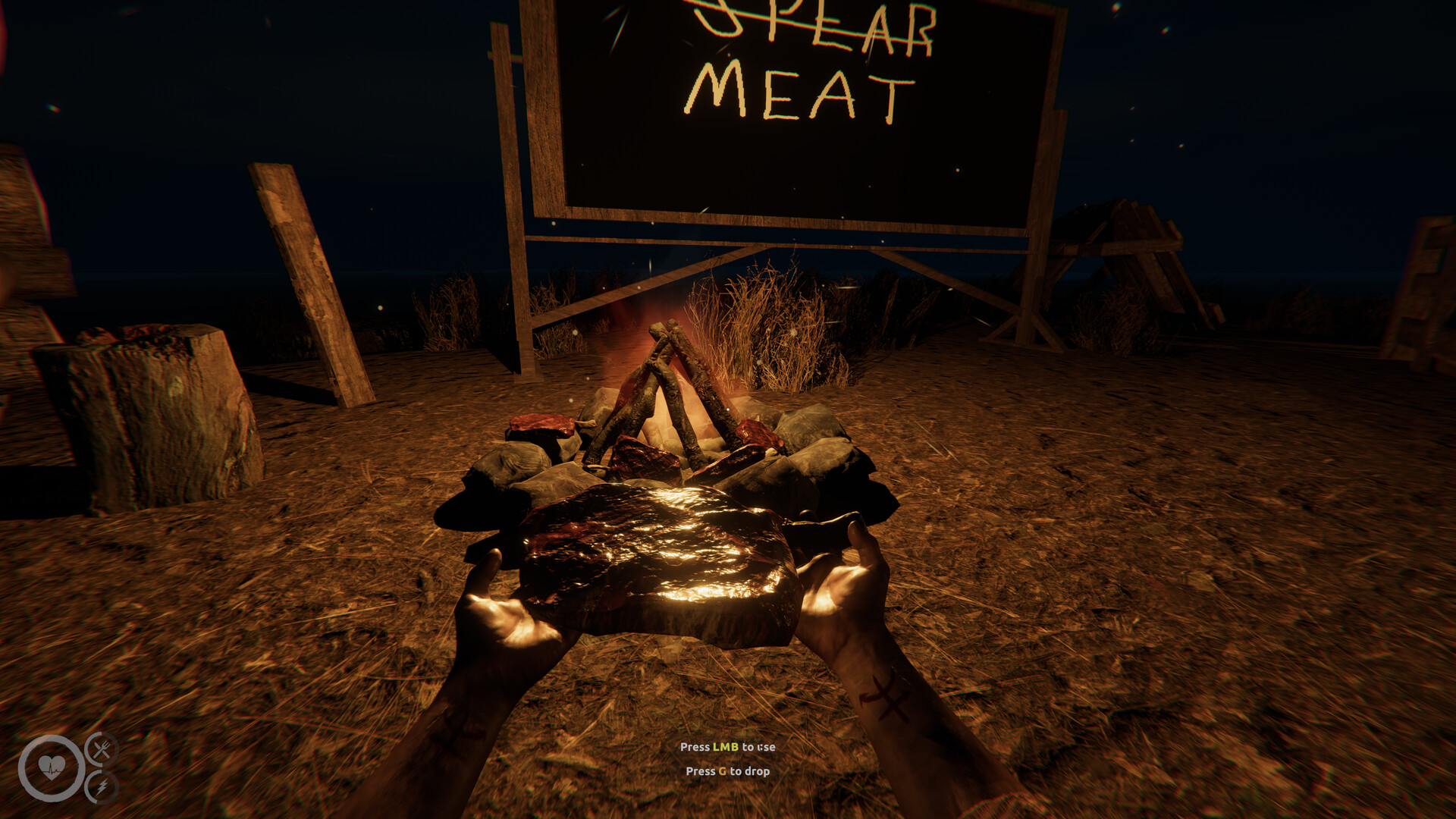
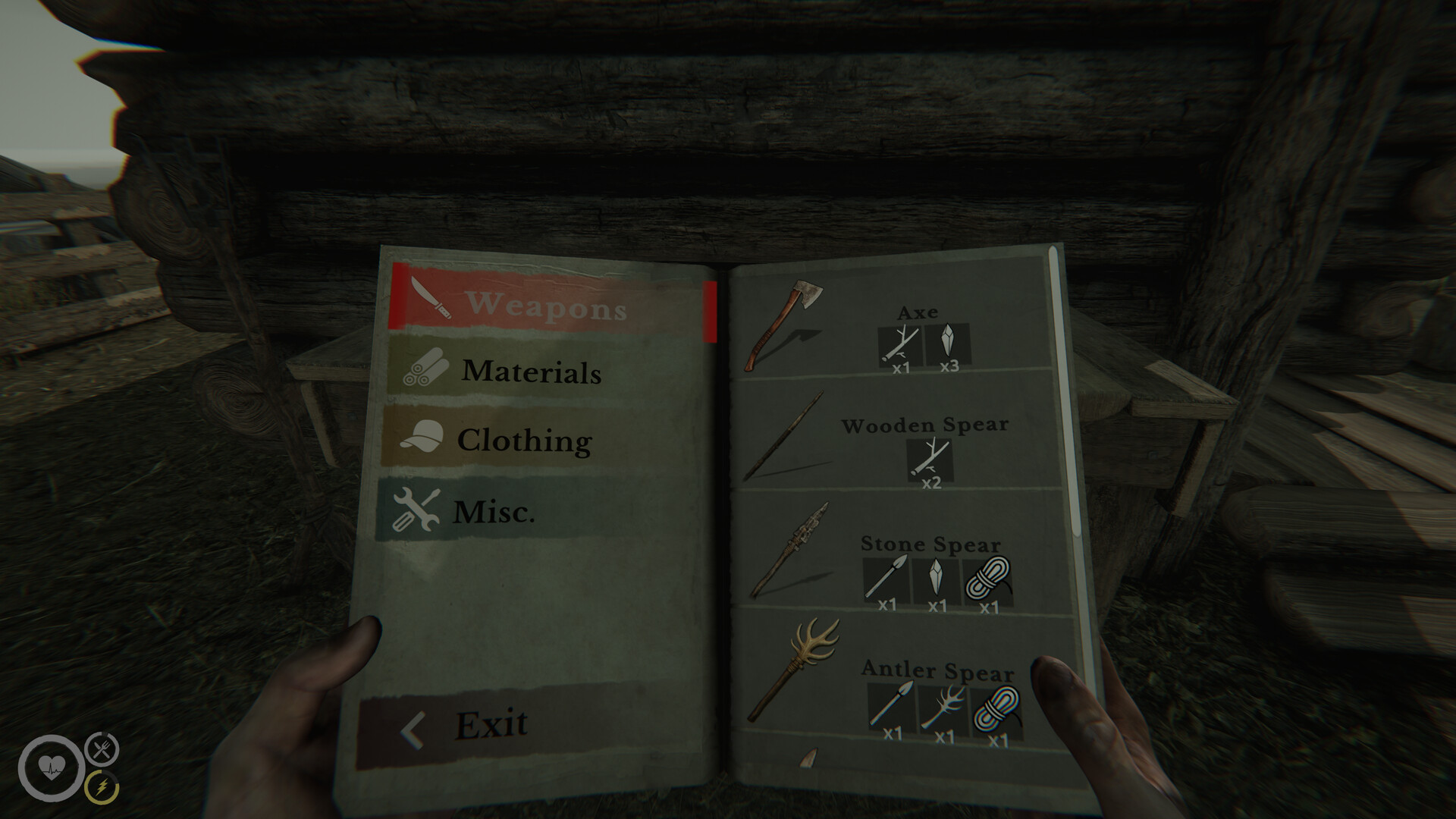
Survival in MAZEBOUND is stubbornly simple and therefore frequently tense: you chop branches for torches, break crates for scraps, hunt animals for meat, craft weapons out of wood and stone, and keep moving because standing still means death. The game forces decisions by tying inventory to your cart — every scrap you carry is literal weight and constant anxiety, especially when Jeff the eyeball or a hog decides your wheel looks delicious. Combat is straightforward melee pokes and swings, with a handful of crafted ballistic toys like the ballista that promise payoff but feel clunky until you learn their quirks. Runs are often a checklist of priorities: grab resources, avoid noisy encounters, secure a portal, and push deeper for rarer materials to build the raft that ends the run.
When Your Cart Becomes the Story
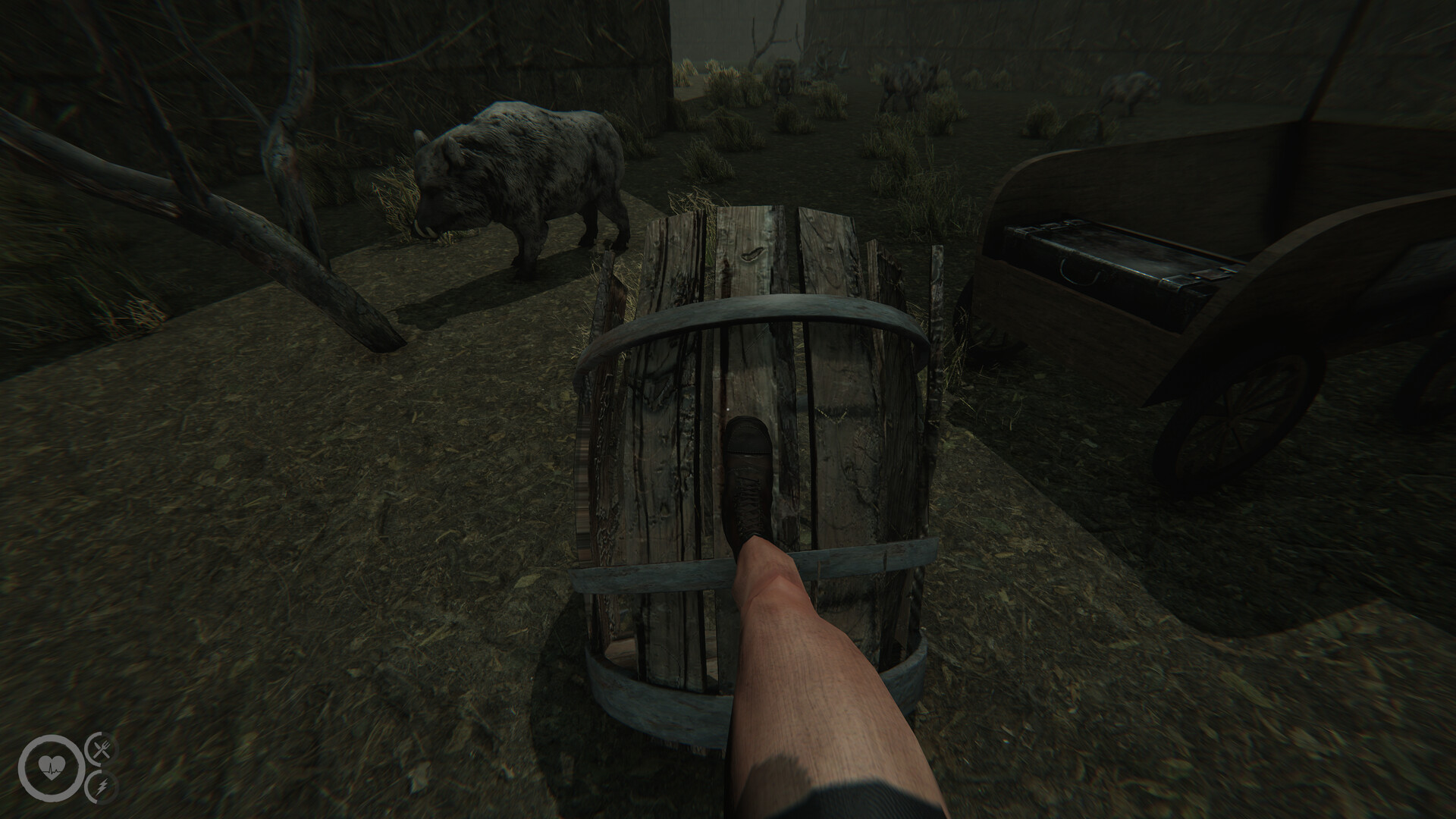
What really defines MAZEBOUND is the cart-as-inventory mechanic: it’s ingenious because it forces cooperation and strategic thinking, and infuriating when physics or ambushes laugh at your planning. I’ve had runs where a single stolen wheel cascaded into a ten-minute farce of chasing Jeff while my supplies spilled everywhere; other times the cart created natural group choreography where everyone guarded one side and built defenses. Items can tumble out, get buried, or be stolen by creatures, which makes simple tasks feel consequential and creates memorable, sometimes rage-inducing moments. The cart also serves as pacing: early on it’s a safety blanket, mid-run it’s a liability you hide, and late-game it can be the lynchpin for boss fights if you’ve invested resources wisely.
A Soundtrack of Creaks, Growls and Bad Decisions
Presentation is lean but effective: the visual style leans gritty and purposeful rather than pretty, which fits the oppressive maze vibe perfectly. Sound design is MAZEBOUND’s secret weapon — the clack of a wheel, distant shrieks, and twigs snapping behind you build tension way better than a bombastic soundtrack could. Performance is generally solid on my Windows rig, though reviewers frequently reported stutters and occasional multiplayer lag; matchmaking and host-advantage bugs (where only the host kept gear across sessions) have been hot topics. Accessibility is modest: there’s no complex skill tree to drown in, but combat lacks parity tools like dodge or block, which makes fights feel swingy and sometimes unfair. Still, when everything clicks — teamwork, inventory management, and a well-timed ballista shot — MAZEBOUND produces some of the most satisfying emergent moments I’ve had in recent indie survival games.

MAZEBOUND is a rough diamond: imperfect, occasionally maddening, but bursting with weird personality and sticky emergent systems. I recommend it most of all for co-op groups who enjoy chaotic survival and shared panic moments; solo players can have a great time too, but should be ready for a steeper difficulty curve and some jank. For the low price and active dev engagement, it’s an easy buy if you like survival horror with a playful, punishing twist.


Pros
- Inventive cart-as-inventory forces teamwork and tense decisions.
- Unique, creepy enemy designs and excellent ambient soundwork.
- Great value for a tiny dev team — lots of memorable emergent moments.
- Co-op amplifies fun and creates hilarious chaotic runs.
Cons
- Bugs and multiplayer/host issues still pop up and can be game-breaking.
- Some enemy balance is poor (spiders and wheel-stealers are notorious).
- Combat lacks defensive tools (no dodge/block), making boss fights swingy.
Player Opinion
Players are divided but a lot of voices converge on the same points: MAZEBOUND is wildly fun with friends and nails atmosphere, but it’s rough around the edges. Many players praise the emergent gameplay — creative traps, cart-based resource drama, and surprising strategies (cheesing bosses with map objects was a recurring anecdote). On the negative side, recurring complaints include aggressive spiders that feel like unavoidable hunters, Jeff the eyeball multiplying and wrecking runs, and frustrating cart physics that spill items at the worst times. Multiplayer quirks also came up repeatedly: early bugs where only the host kept gear, and latency or disconnects in some regions. If you like The Forest or Rust vibes but want a shorter, more focused maze experience, most players say MAZEBOUND delivers — just expect patches and balancing to continue.