Mina the Hollower Review – Charming GBC Horror with a Tough Bite
A meticulous, often ruthless action‑adventure from Yacht Club Games: pixel‑perfect Game Boy Color vibes, inventive burrow combat, gorgeous chiptunes — and a difficulty curve that will make you either grin or rage.
I jumped into Mina the Hollower with the same mix of nostalgia and skepticism I reserve for any big indie follow‑up. Yacht Club Games takes the Game Boy Color aesthetic and grafts on a burrowing dodge, weapon variety, and a trinket system that constantly changes how you approach a room. If you like Zelda’s sense of exploration, Castlevania’s subweapon feel and a dash of Bloodborne’s rally idea, Mina will probably hook you — but expect to sweat a little. It’s charming as hell and stubborn as an old mule.

Burrowing, Whipping and the Dance of Screens
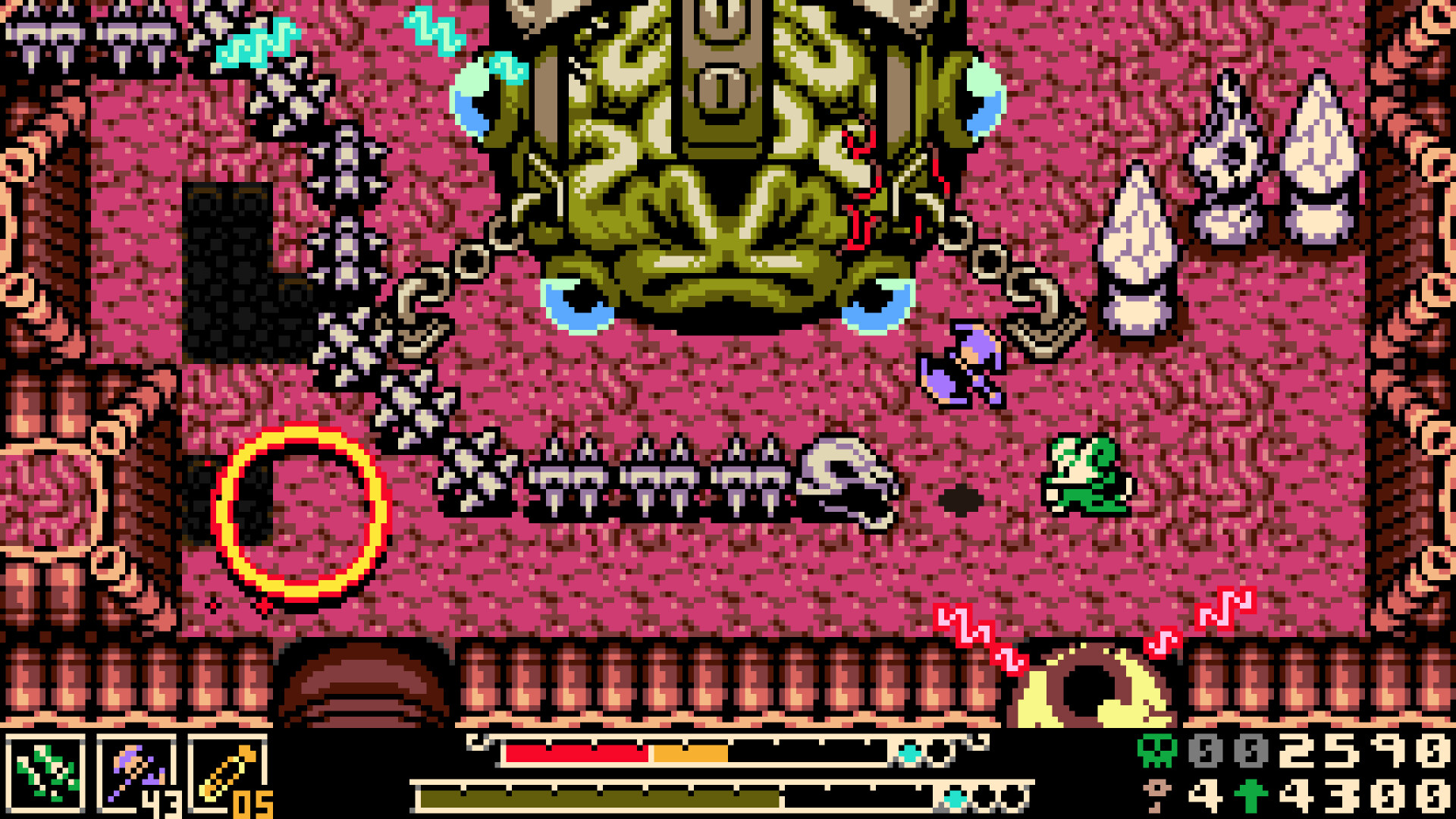
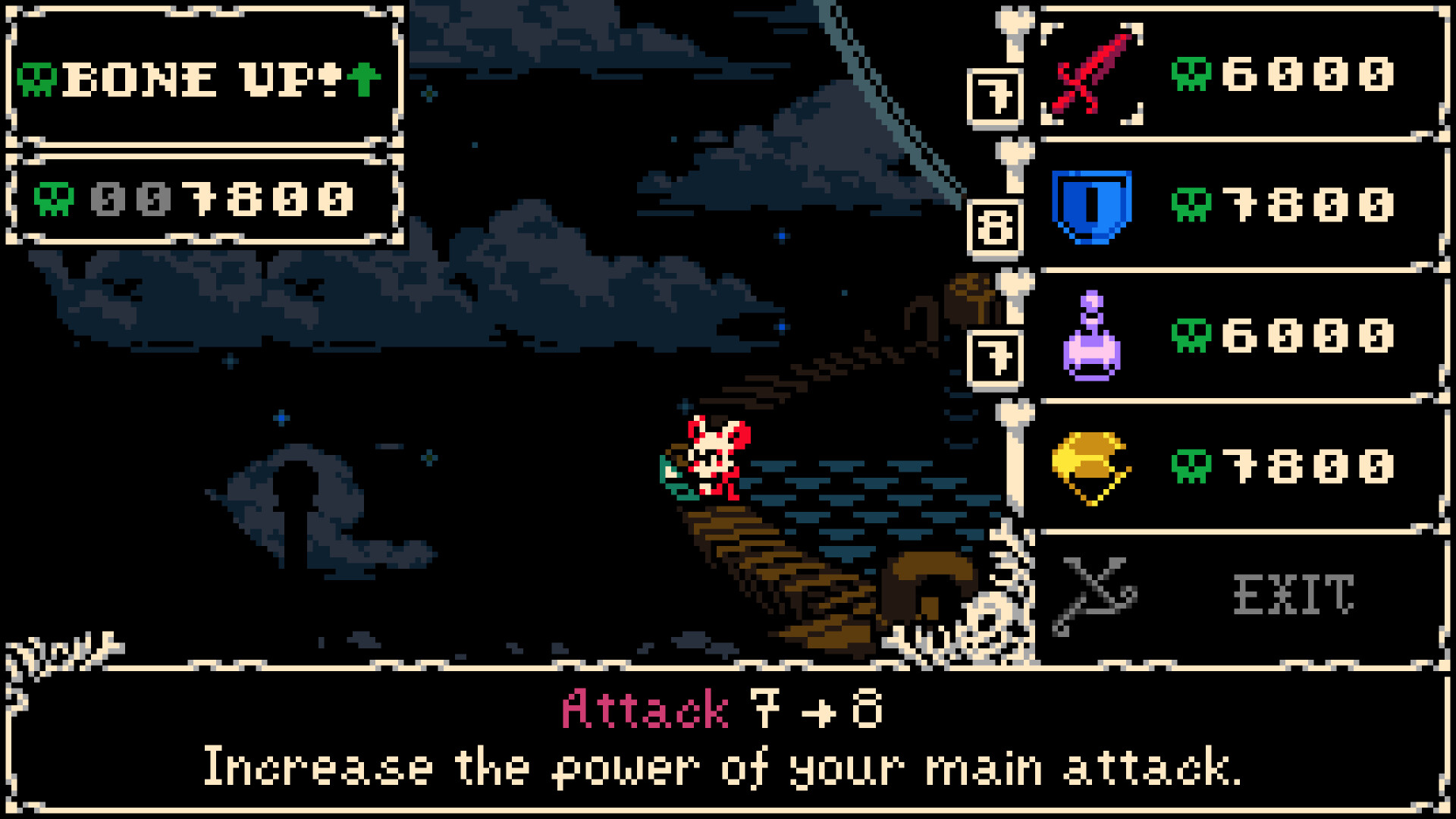
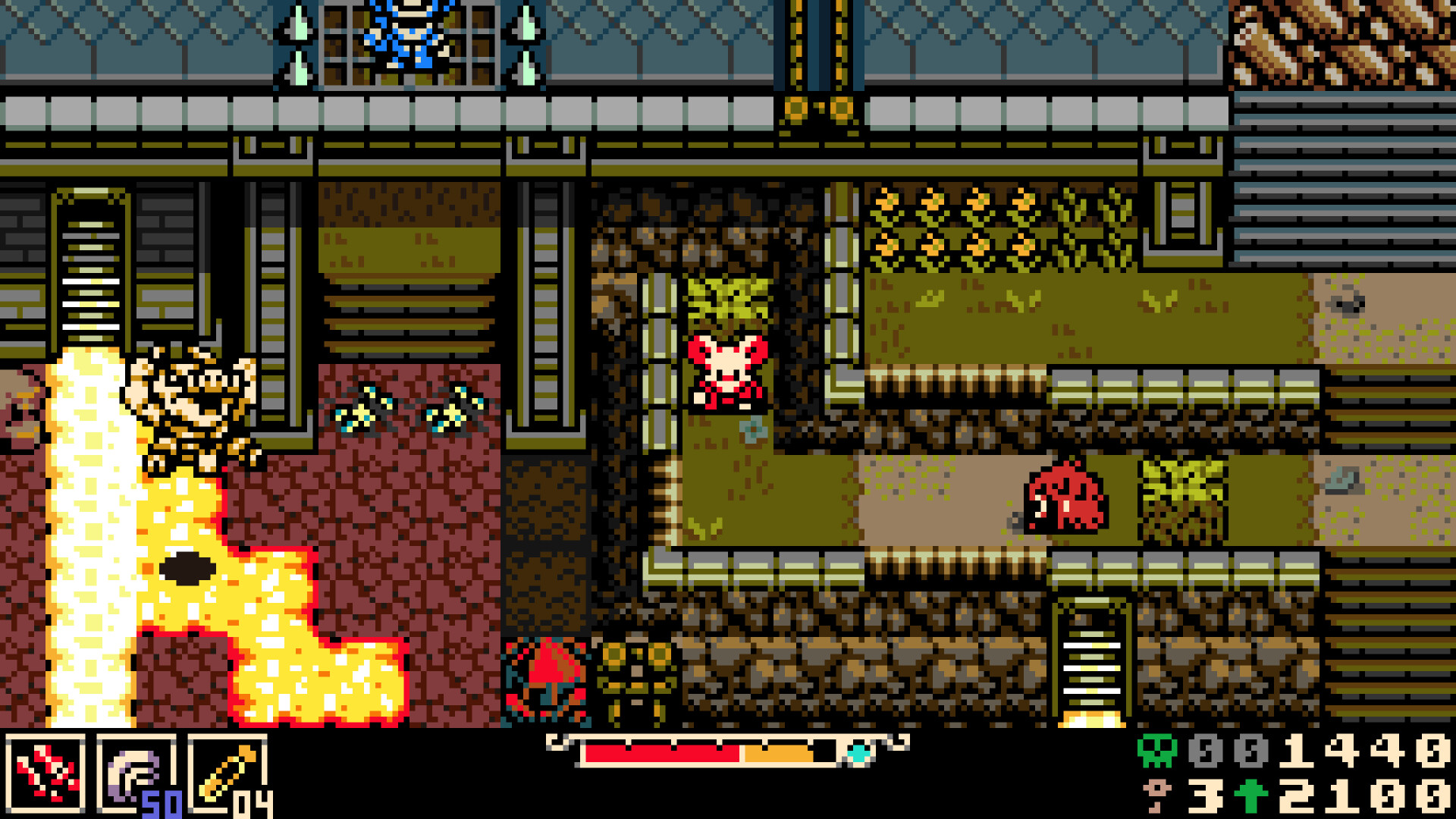
At the heart of Mina the Hollower is a deceptively simple loop: explore interconnected screens, use Mina’s burrow (hold jump to dig) and weapon kit to avoid or punish enemies, and hunt Sparks and Bones to buy upgrades. Combat is a rhythmic game of spacing: your primary attacks are orthogonal, enemies often move diagonally or fly, and positioning — not frantic button‑mashing — wins fights. Platforming is tight but can be unforgiving; pits and environmental hazards play a huge role, and many encounters force you to think in tiles and timing.
Trinkets, Sidearms and Strange Solutions
What really keeps Mina interesting is how many small systems interlock. Trinkets are the game’s answer to build variety: five equip slots let you tune healing, mobility, or economy; some trinkets fundamentally change core actions (jump iframe, burrow chaining, auto‑heal) and can trivialize or transform encounters. Sidearms are delightful but fiendish: you find them in the world, they change traversal or combat, but you lose them on death unless you’ve unlocked storage. That scarcity makes each discovery an event, and also a frequent annoyance — it’s a deliberate design decision that ups the stakes but can feel punitive early on.
A Living, Pixel‑Perfect GBC Palette with a Killer Soundtrack
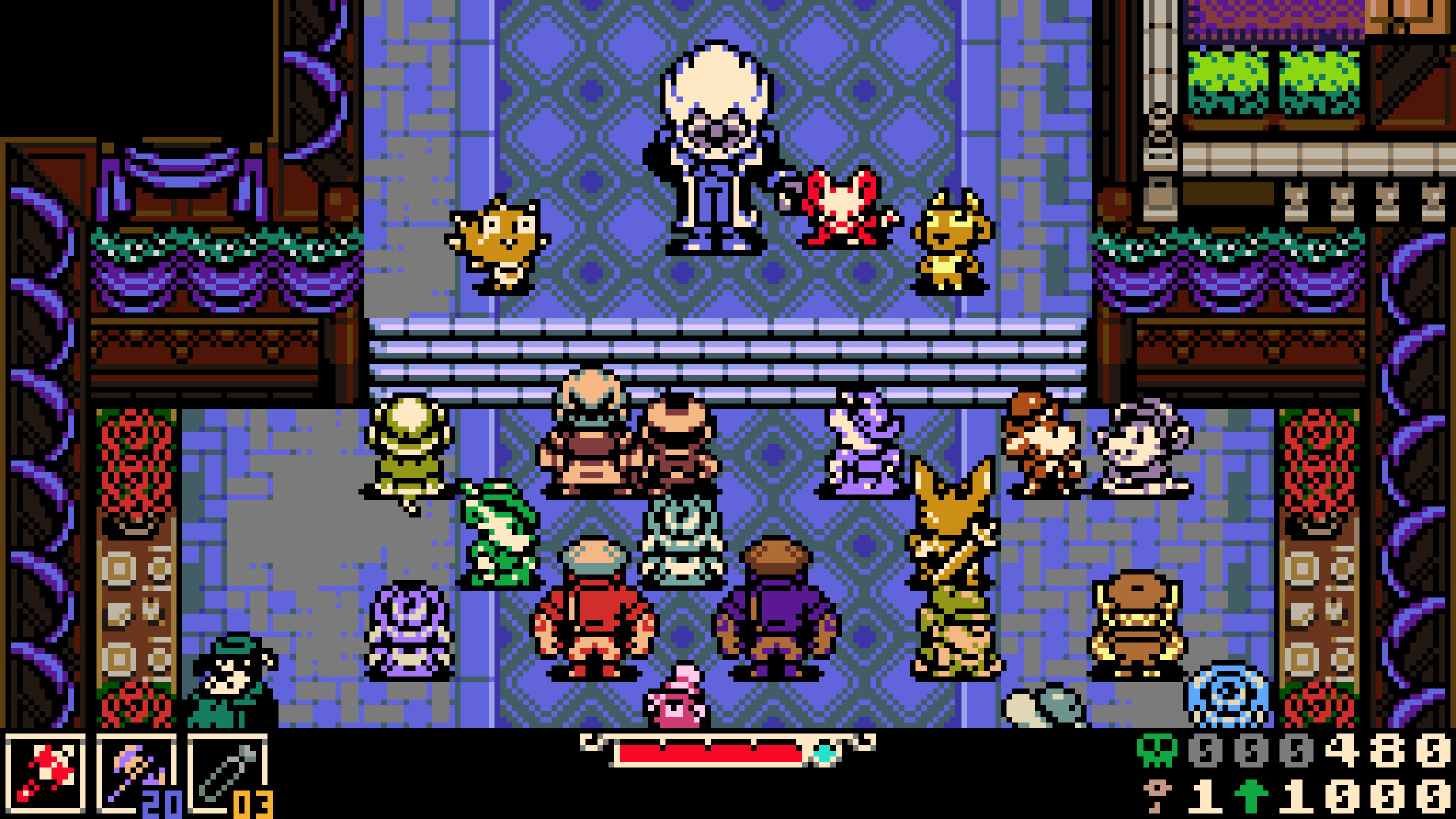
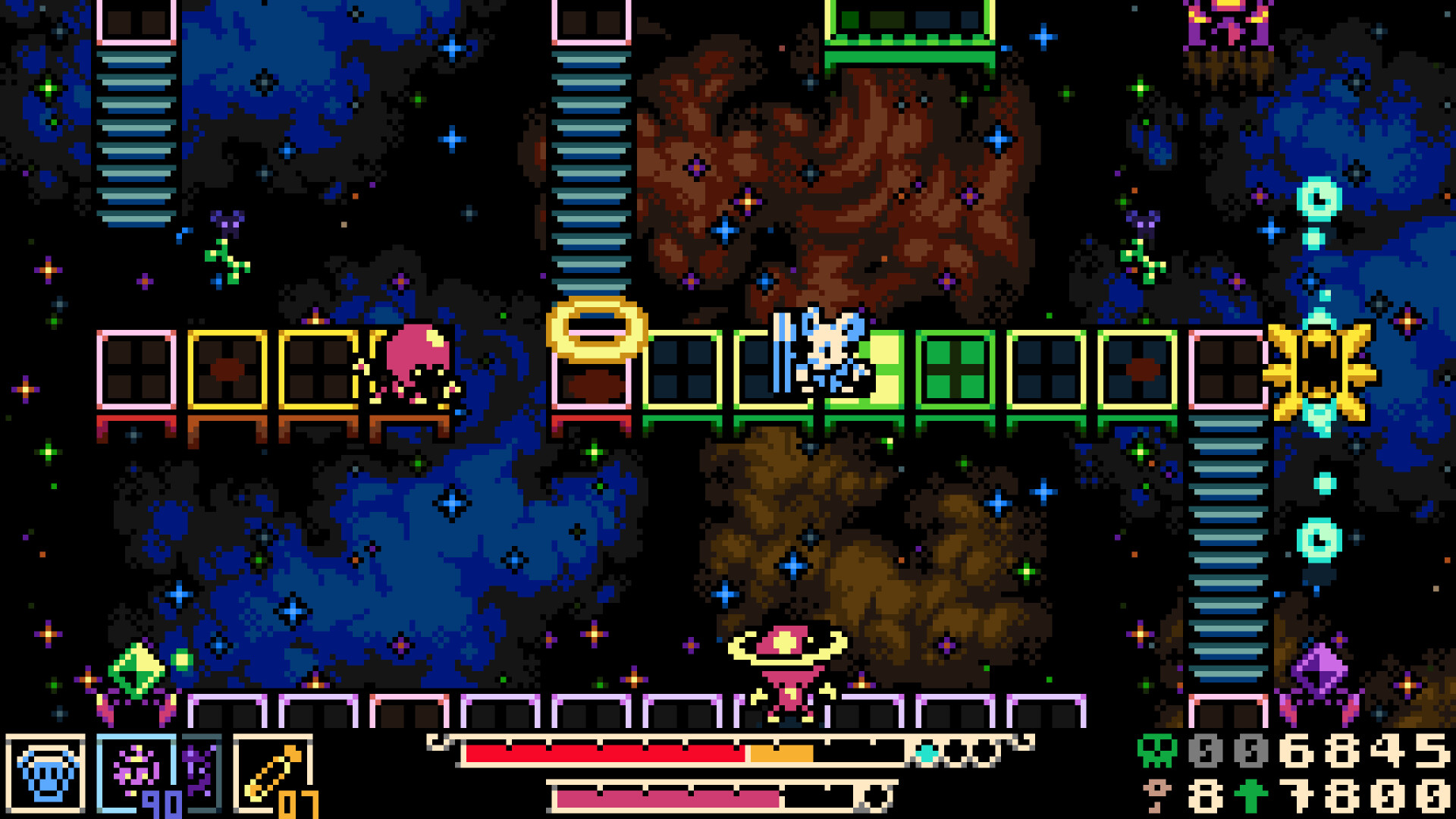
Visually, Mina is a love letter to 8‑bit handhelds but refined: widescreen presentation, smooth animations, and dense, readable screens packed with secrets. Jake Kaufman’s chiptune score is infectious and raises simple rooms into memorable set‑pieces. Performance is solid on PC, though a few players reported frame‑pacing or scaling niggles on certain setups. Accessibility and modifiers are included and very useful, but note: enabling many of them disables achievements — a controversial choice that’s worth considering if you care about trophies.
Playing Mina feels like learning a language. At first the enemy telegraphs and healing rules feel opaque (you must deal damage to refill the healing bar), the sidearm economy can sting, and flying enemies over pits make for frustrating moments. But once you learn the rhythm — which trinkets to slot, when to burrow and how to position for punishment windows — rooms turn into satisfying puzzles. The game rewards curiosity and stubbornness: explore, smash every screen, and don’t be afraid to tinker with modifiers if you want the story without the repeated corpse runs.

Mina the Hollower is a lovingly crafted, sometimes cruelly clever action‑adventure. I loved its world, music and the way small systems slot together — and I groaned at a few early‑game frustrations. Buy it if you enjoy exploration with a bite, or try the modifiers for a gentler tour. Yacht Club made something special: not perfect, but memorable.


Pros
- Immaculate Game Boy Color retro aesthetic updated for modern screens.
- Deep, modular trinket and weapon systems that let you tailor playstyle.
- Jake Kaufman soundtrack and dense, secret‑rich level design.
- Plenty of accessibility modifiers (useful if you want the world, not the salt).
Cons
- Early difficulty spikes, lossy sidearm system and bone retrieval can feel punitive.
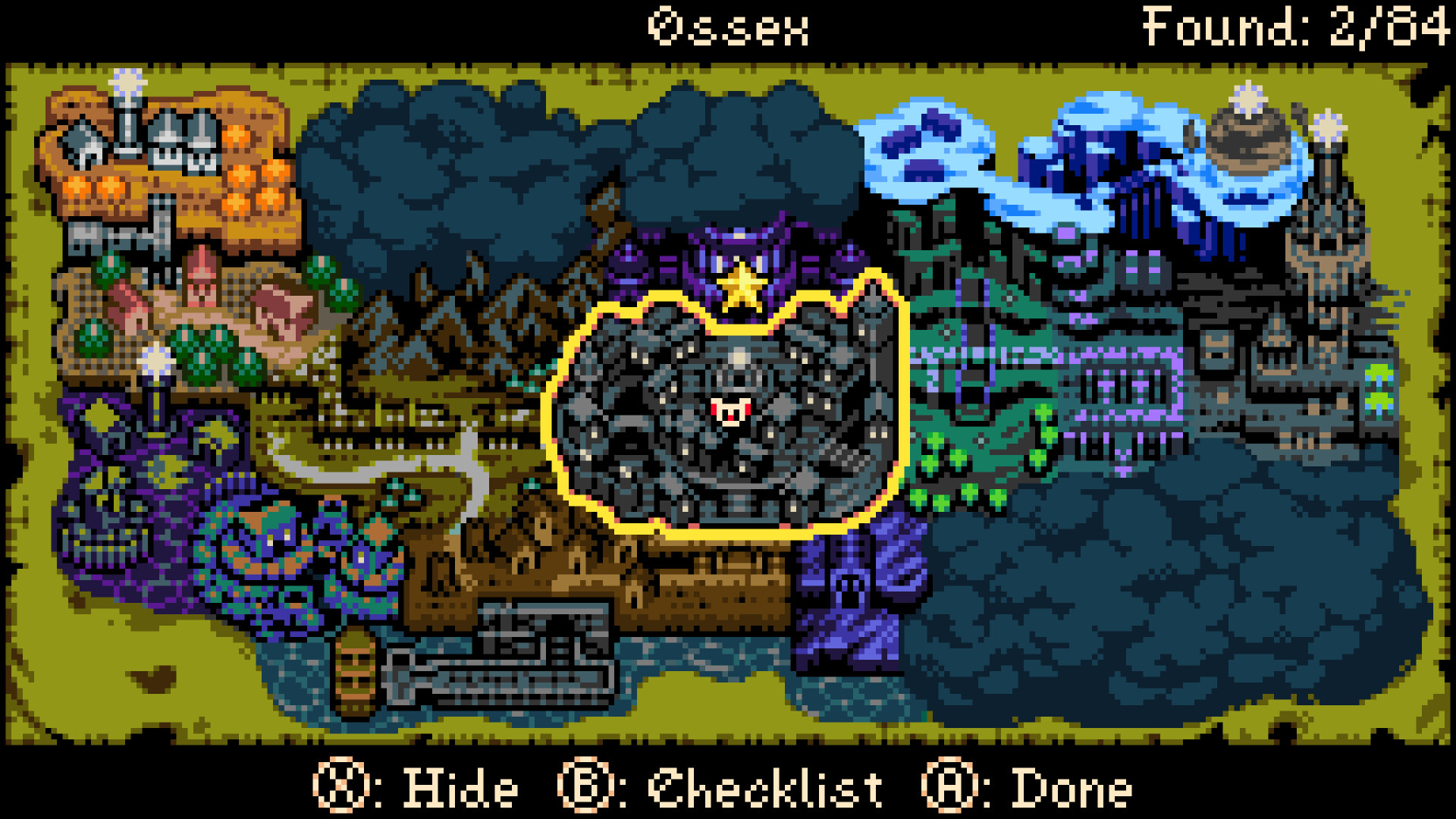
- No map by default and some visual/readability issues in busy screens.
- Some assist options disable achievements — an odd design choice.
Player Opinion
Player reaction is loud and split: many rave about the art, music and the carefully designed world, calling Mina a modern classic that blends Zelda exploration with Castlevania and Souls‑adjacent challenge. Others highlight steep early frustration — flying enemies over pits, confusing telegraphs and losing valuable sidearms on death. A common thread: once you understand the systems (trinkets, bone ups, shop purchases), the game opens up and becomes deeply rewarding. If you like deliberate, sometimes unforgiving design, reviewers say this will click — if not, the modifiers exist but turn off achievements.