Ooblets Review โ Cozy Farming Meets Dance-Battle Chaos
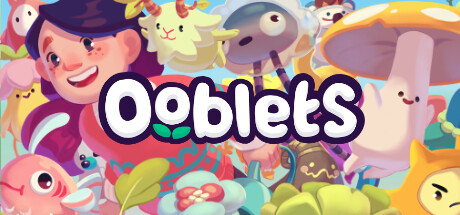
Ooblets swaps monster fights for dance battles, combines farming with creature collecting, and wraps it all in a gloriously weird pastel world. Is the charm enough to stand up to genre giants like Stardew Valley?
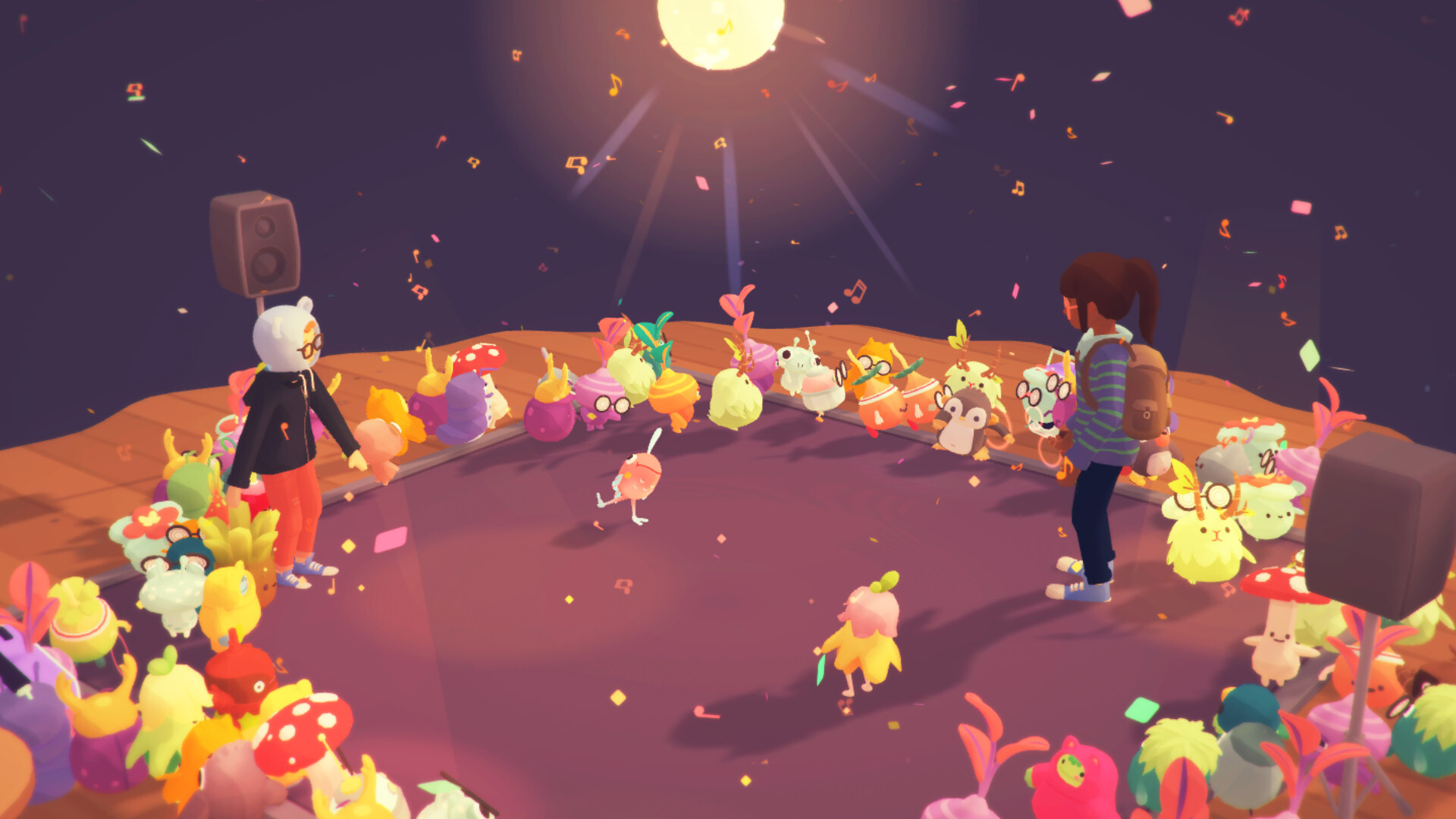
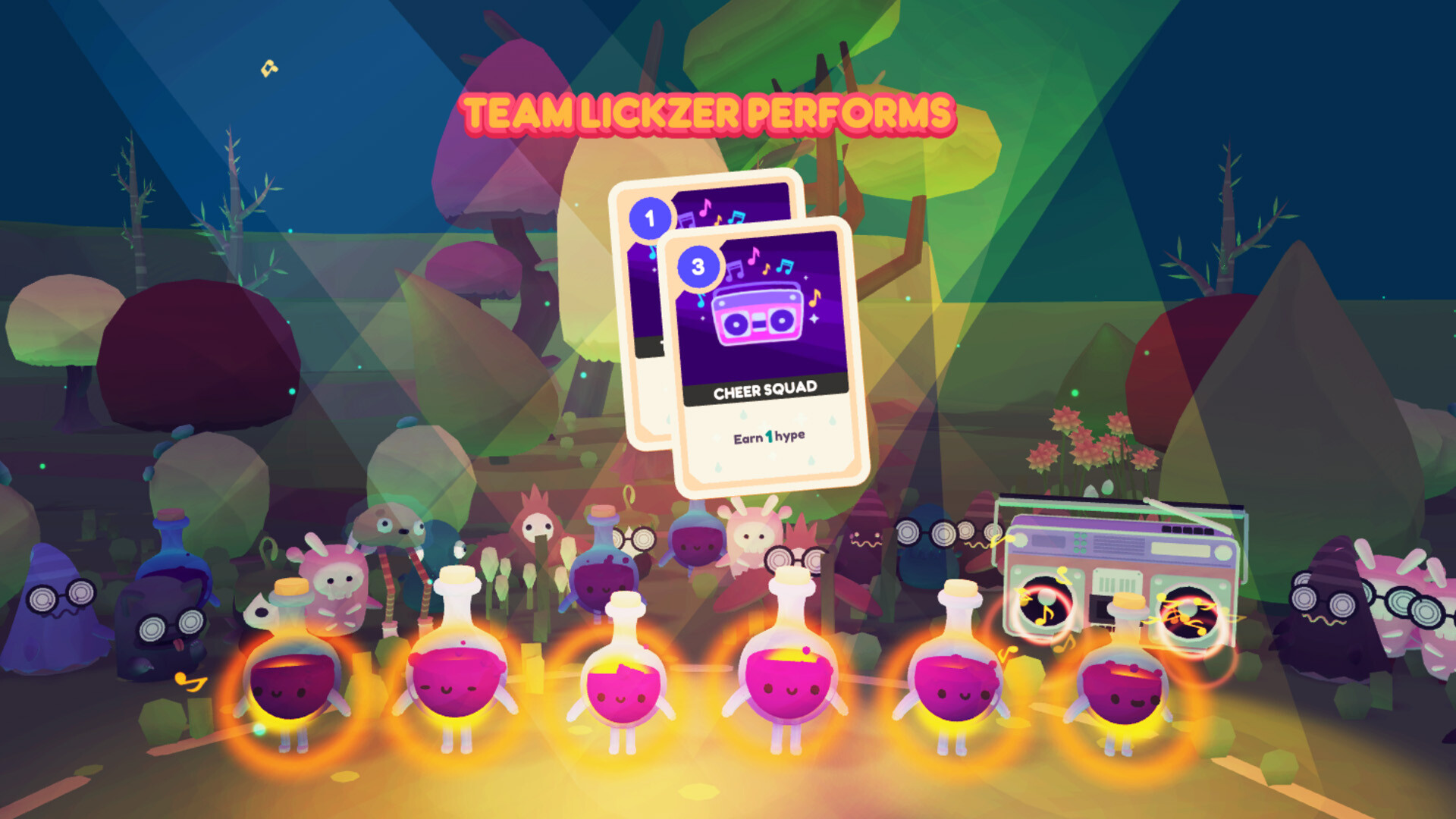
Ooblets settles disputes with a dance-off. Not a metaphor, not a minigame tucked away in a side menu โ the core combat loop of this creature-collecting farming sim is a card-based dance battle where you spend 'Beats' as mana and unleash Tanz-Moves to outlast your opponent on the dancefloor. That single design decision tells you everything about what kind of game Glumberland set out to make: something resolutely, almost aggressively its own thing.
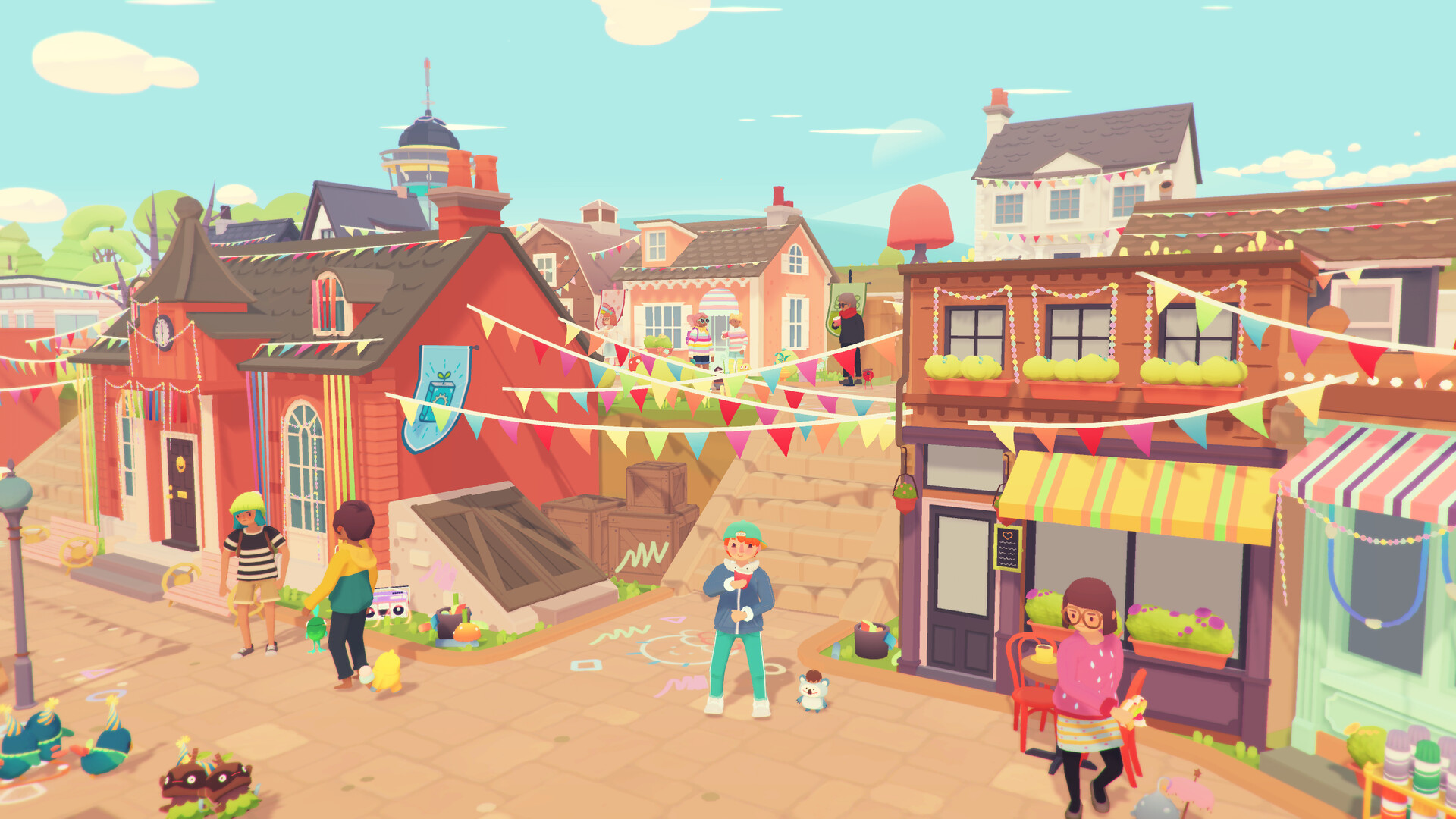
On the surface, Ooblets hits all the familiar cozy-genre checkboxes. You inherit a scrappy little farm in the town of Badgetown, grow crops, befriend locals, decorate your home, and slowly expand your life in a world that runs at a deliberately unhurried pace. But the dance battles, the squishy little creatures called Ooblets that help you work the land, the gleamy rare variants that glow like a disco ball, the player-run shop with its price-negotiation minigame โ none of that feels borrowed. It feels invented, and that inventiveness is both Ooblets' greatest strength and, at times, its biggest stumbling block.

Growing Beats: Farming, Collecting and the Daily Loop
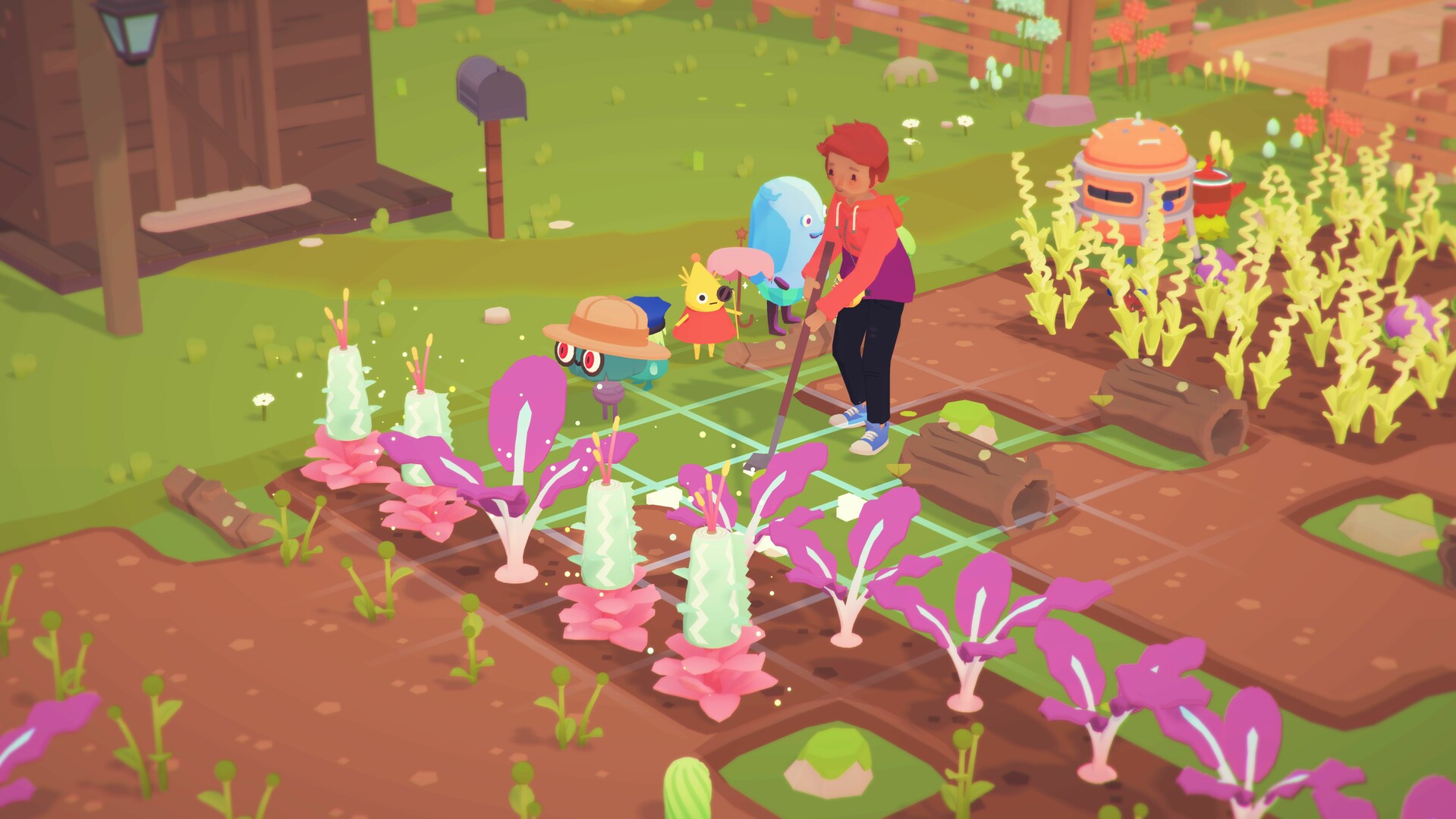
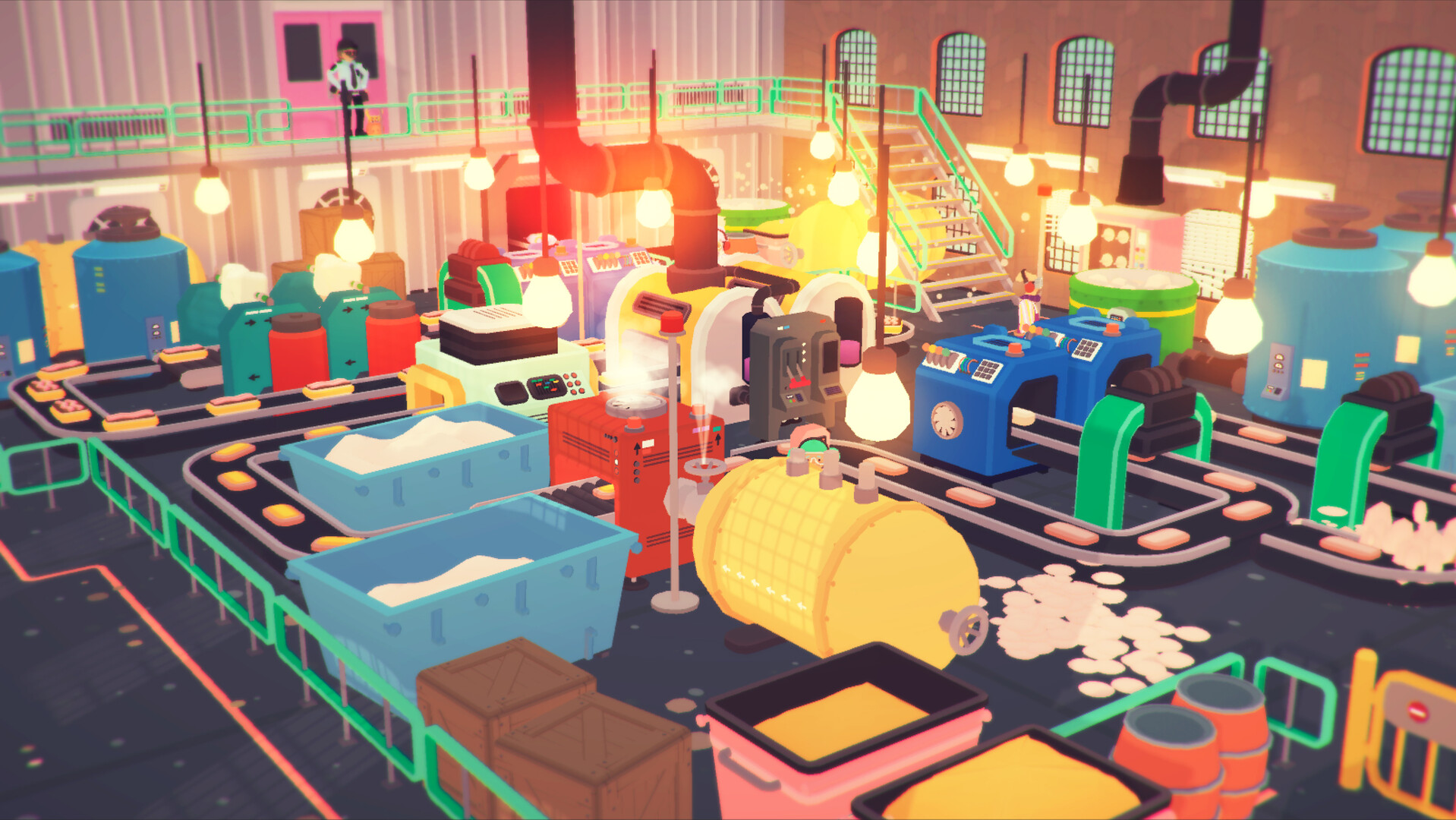
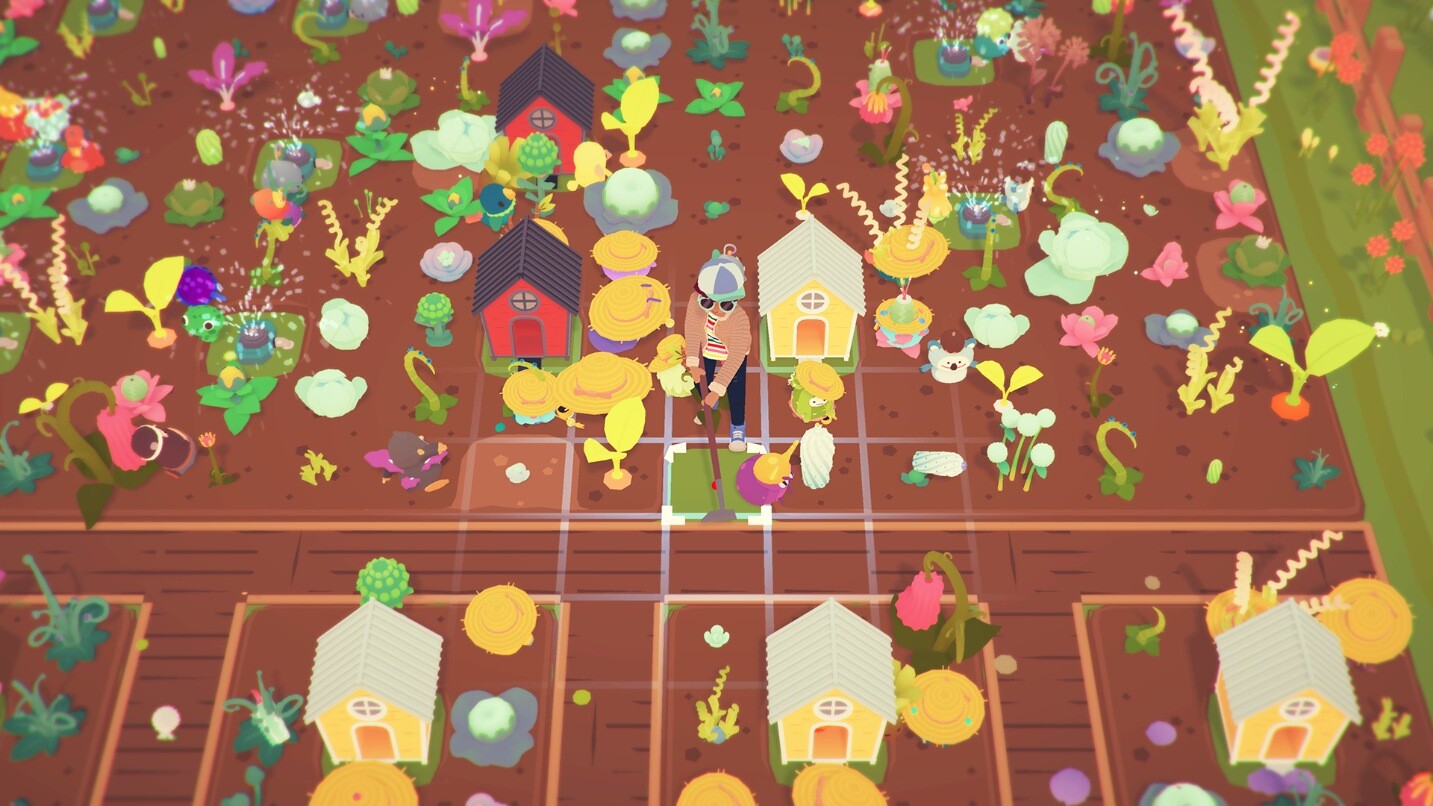
The farming side of Ooblets is familiar enough that Stardew Valley veterans will feel at home within minutes. You water crops, harvest seeds, craft tools, and gradually upgrade your plot. What sets it apart is the Ooblet layer sitting on top of all of it. Ooblets are not just collectibles โ they're farmhands. Once you've recruited one by winning a dance battle and growing their seed, they move into your Oobcoop and start contributing to daily chores. The loop of battling to recruit, growing a seed to hatch, then upgrading coops to house more helpers creates a satisfying symbiosis between the collecting and farming halves of the game. Beyond the farm, Ooblets packs in a surprising density of activities: shop management with actual price negotiation, quest lines for the town's eccentric characters, seasonal real-world events with limited Ooblets, and regions like the ghostly swamp of Nullwhere, the desert of Mamoonia, and the icy peaks of Tippytop โ each with its own visual identity.
Dance Battles and the Art of the Card-Based Tanz-Move
The dance battle system is where Ooblets earns its most genuine points of originality. Each Ooblet on your team brings a set of move-cards into battle. You spend Beats โ the mana equivalent โ to play them, targeting either your own team's energy or whittling down the opponent's. It sounds simple, and the early game absolutely is, but the system grows genuine tactical wrinkles as your roster expands. It never reaches the complexity of a proper deckbuilder, and genre fans looking for deep strategy will hit a ceiling, but as a cozy alternative to turn-based combat it works surprisingly well and fits the game's absurdist tone perfectly.
Pastel Worlds and the Soundtrack Problem
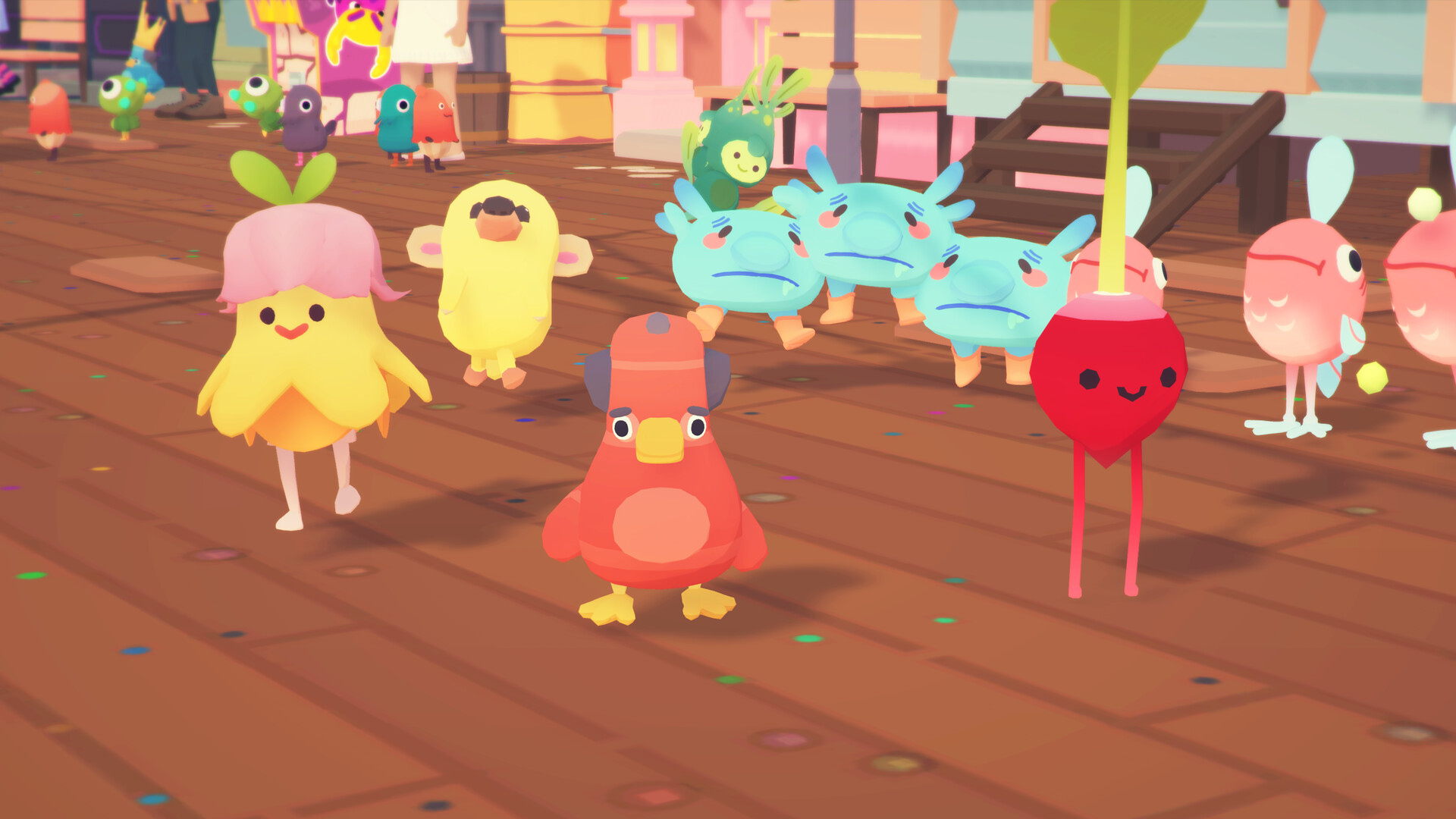
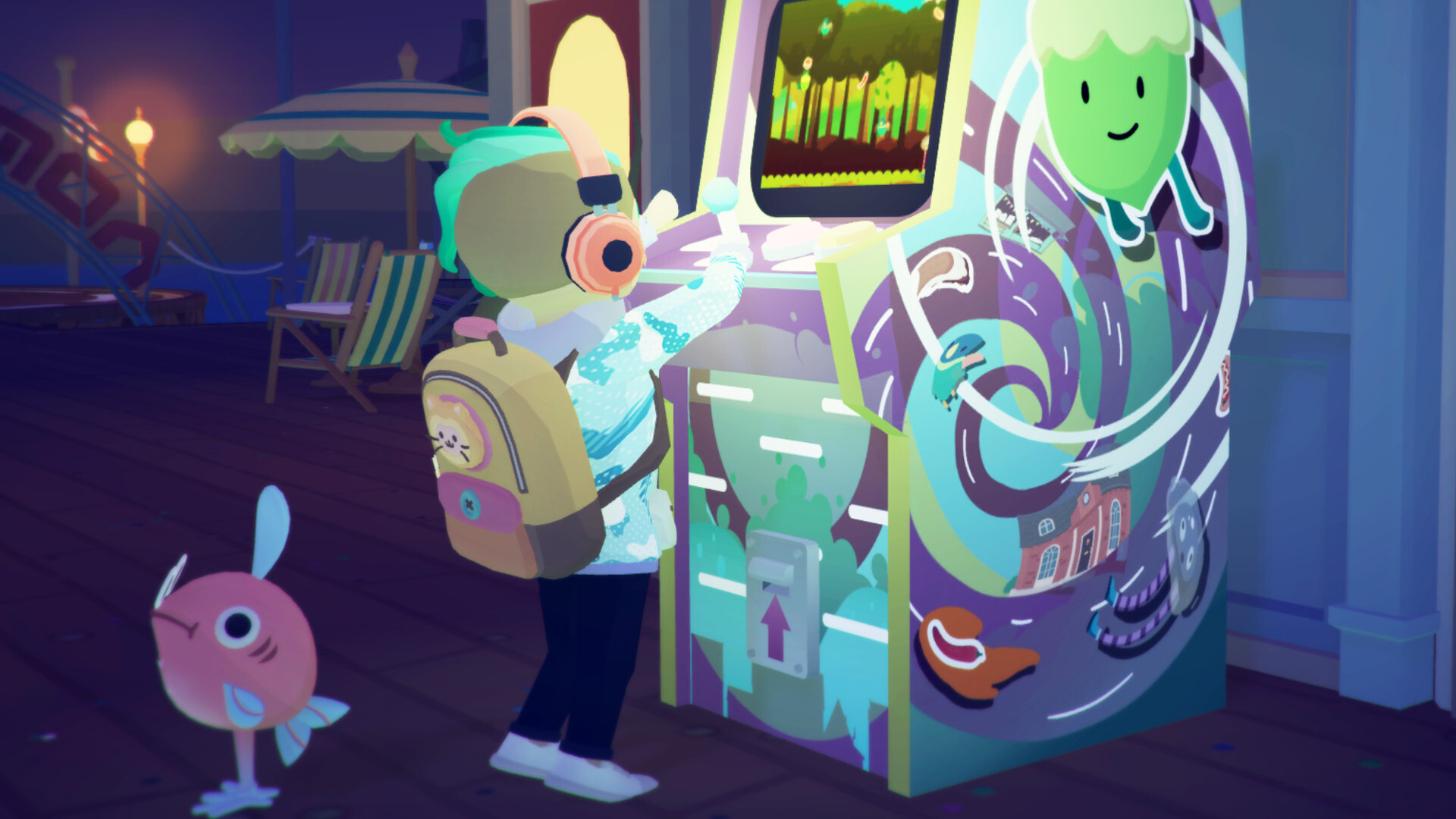
Visually, Ooblets is doing a lot right. The chunky, low-poly art style with its loud pastel palette is consistent and charming across all regions, and the creature designs range from endearing to genuinely inventive โ the gleamy variants with their sparkle effects are an obvious but effective touch for completionists. The UI is clean and readable. Where things stumble is the audio: the soundtrack, while catchy at first, cycles through its limited tracks quickly enough that long sessions start to feel sonically claustrophobic. It's the kind of problem that a single substantial music update could fix, but as of launch that update hasn't arrived. Controller support is solid throughout, and the lack of any hard time pressure makes Ooblets a genuinely low-stress experience.

Ooblets is a genuinely odd and genuinely charming game that earns its place on the shelf next to Stardew Valley and Animal Crossing by doing something neither of them does: replacing combat with a card-based dancefloor showdown and building an entire world around that absurd premise. The Metacritic score of 62 is harsh but not entirely wrong, because genre veterans expecting Stardew-level depth will find the systems a bit thin and the post-launch support underwhelming. But the Steam community's 91.8% approval reflects something real too: for players who want a cozy, pressure-free, visually distinctive life-sim with a personality all its own, Ooblets delivers. Recommended without hesitation for fans of creature collectors and farming sims looking for something weird and warm. Cautious recommendation for anyone wanting mechanical depth or a robust content roadmap.


Pros
- Dance-battle system is genuinely fresh and fits the game's absurdist personality perfectly.
- Remarkable activity density: farming, crafting, creature collecting, shop management, quests and seasonal events all coexist.
- Distinctive visual identity and creature designs that feel invented rather than borrowed from genre predecessors.
- Relaxed, pressure-free pace with full controller support โ a proper cozy experience for long sessions.
Cons
- Soundtrack loops too quickly and becomes repetitive fatigue over longer play sessions.
- Almost no hand-holding during onboarding: new players get dropped into a complex system with minimal guidance.
- Post-launch content updates have been sparse, which feels thin given the asking price.
Player Opinion
Steam players are overwhelmingly enthusiastic, and the 91.8% positive rating tells a clear story: the cozy crowd found exactly what they were looking for. The dance battle concept gets consistent praise as a refreshing departure from standard creature-combat, with many players calling it the highlight of the whole package. The breadth of activities, from farming and quests to running your own shop, is frequently cited as a reason to keep coming back. On the critical side, the music comes up again and again in reviews, with players describing it as catchy at first but grinding on the nerves after a few hours. The lack of post-launch updates is a recurring sore point, especially from players who feel the game left several systems underdeveloped and hoped patches would add depth over time. A number of reviewers also flag the onboarding as a weak spot, noting the game throws a lot of systems at you early on without much explanation. Overall though, the player base is warm and loyal, and repeat players tend to report hours well into the triple digits.