Ostranauts Review – A Gritty, Ambitious Space Salvage Sim
Ostranauts mixes hard‑sci‑fi shipbuilding, Newtonian flight and crew sims into a slow, deeply detailed sandbox. Brilliant writing and systems meet buggy AI and rough performance — a love letter for patient tinkerers, a warning for casual players.
I jumped into Ostranauts hoping for a hard‑sci‑fi sandbox I could live in for dozens of hours — and for the most part, it delivered. The game wears its NEO Scavenger lineage on its sleeve: bleak, clever writing and systems that punish and reward in equal measure. What stands out is the tactile shipbuilding and genuine Newtonian flight feel, plus a crew system that can spawn tiny dramas you didn’t plan for. But be warned: the charm is wrapped in jank — buggy AI, quirky UI and performance spikes are part of the package.

Dockside to Deep Space, One Bolt at a Time
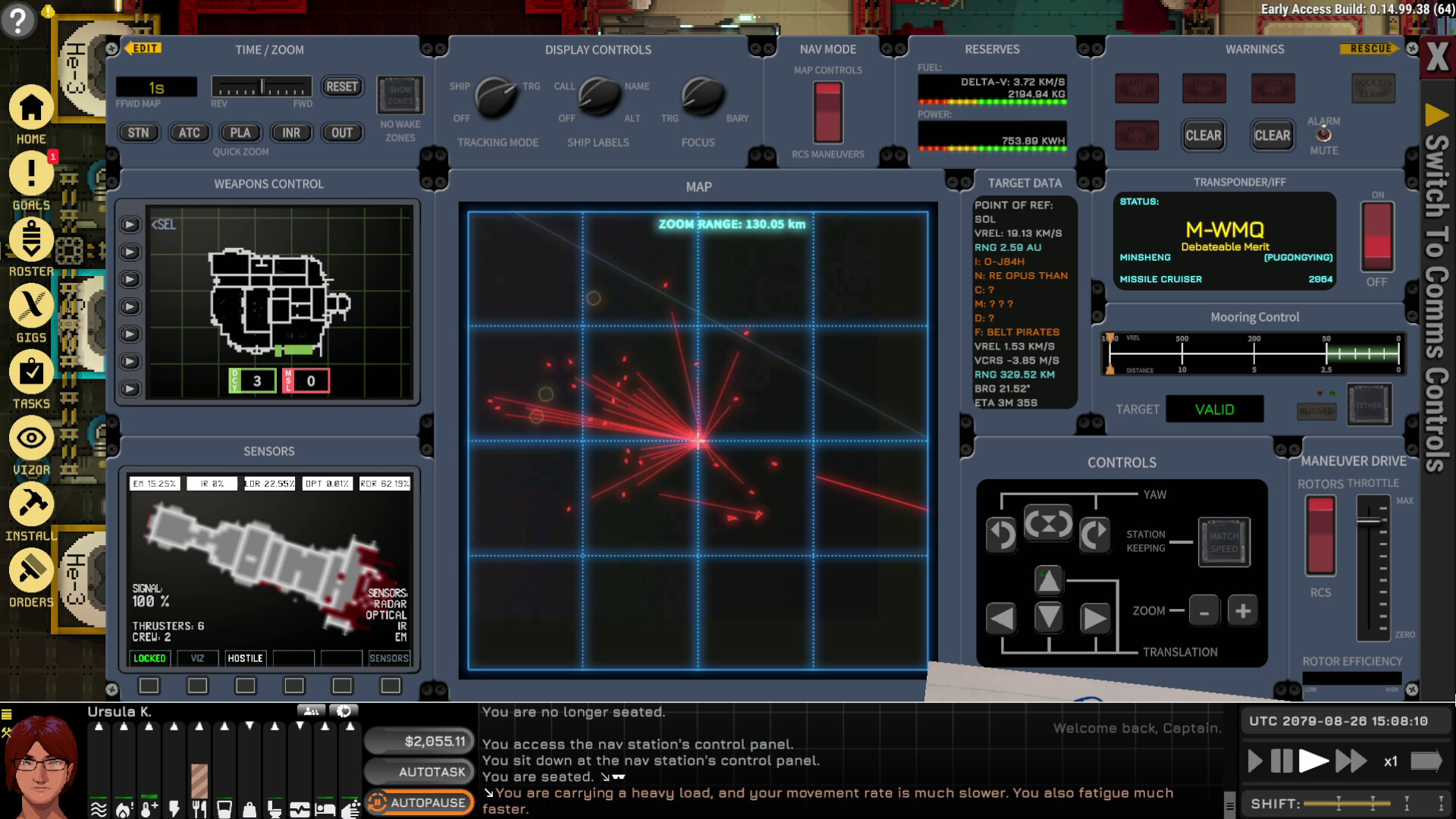
Ostranauts is primarily a slow, systems‑heavy ship and life simulator where most of your time is spent ripping apart derelicts, wiring reactors, and deciding whether to sell that slightly dented thruster or bolt it to your own hull. You start as a wage‑slave scrapper, take out a loan for a barely‑airworthy hull, and then live the uncomfortable, satisfying grind of turning trash into a functioning vessel. Missions can send you into cramped salvages that play like dungeon crawls, while interplanetary transit stretches into weeks of shipboard routines and resource balancing. Piloting obeys newtonian flight — thrusters, inertial mass and careful docking matter — and the learning curve is real: the in‑world manuals and control sheets are part of the game, and they’re oddly delightful to read.
When Every Part Changes Your Ship's Soul
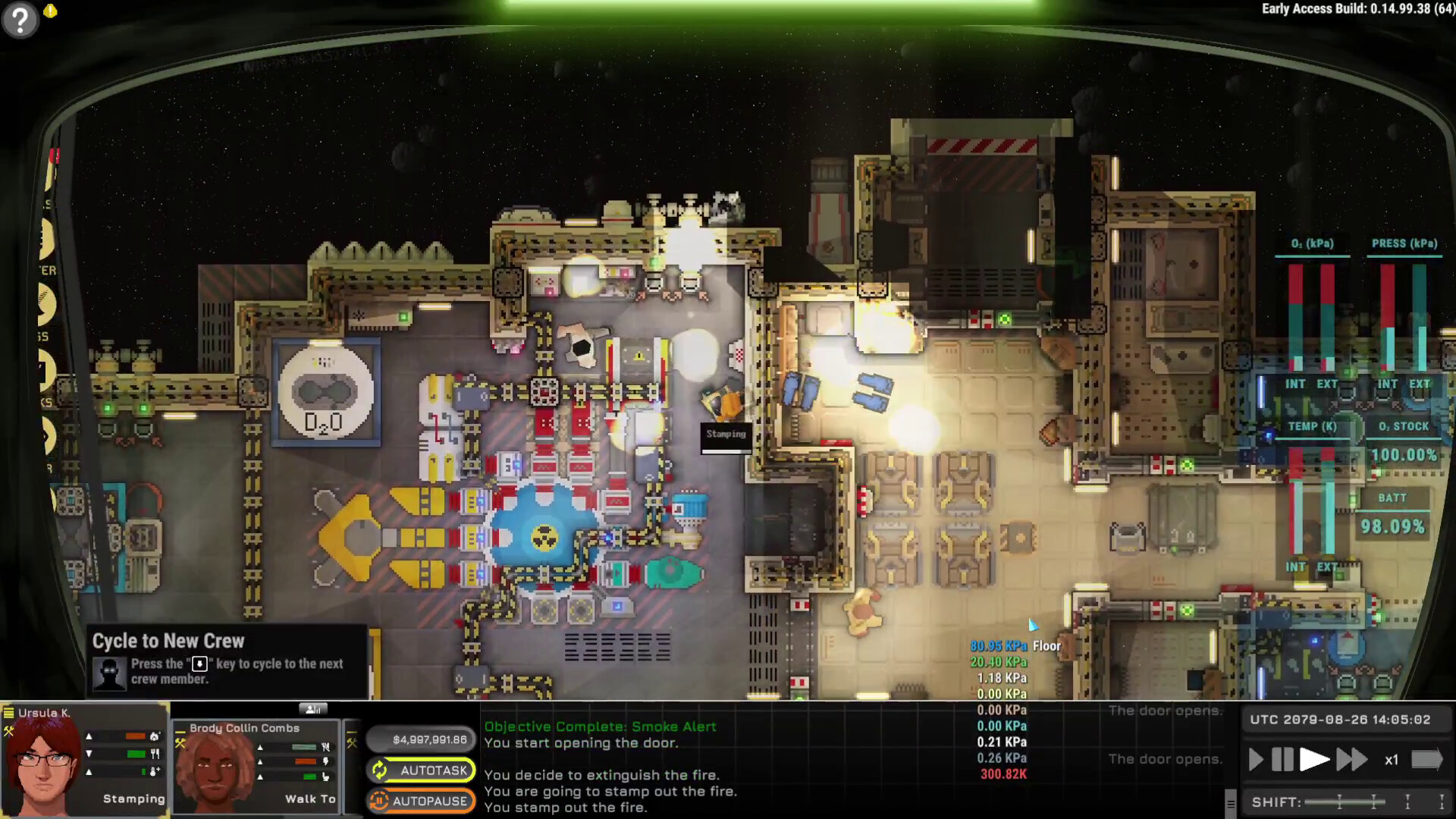
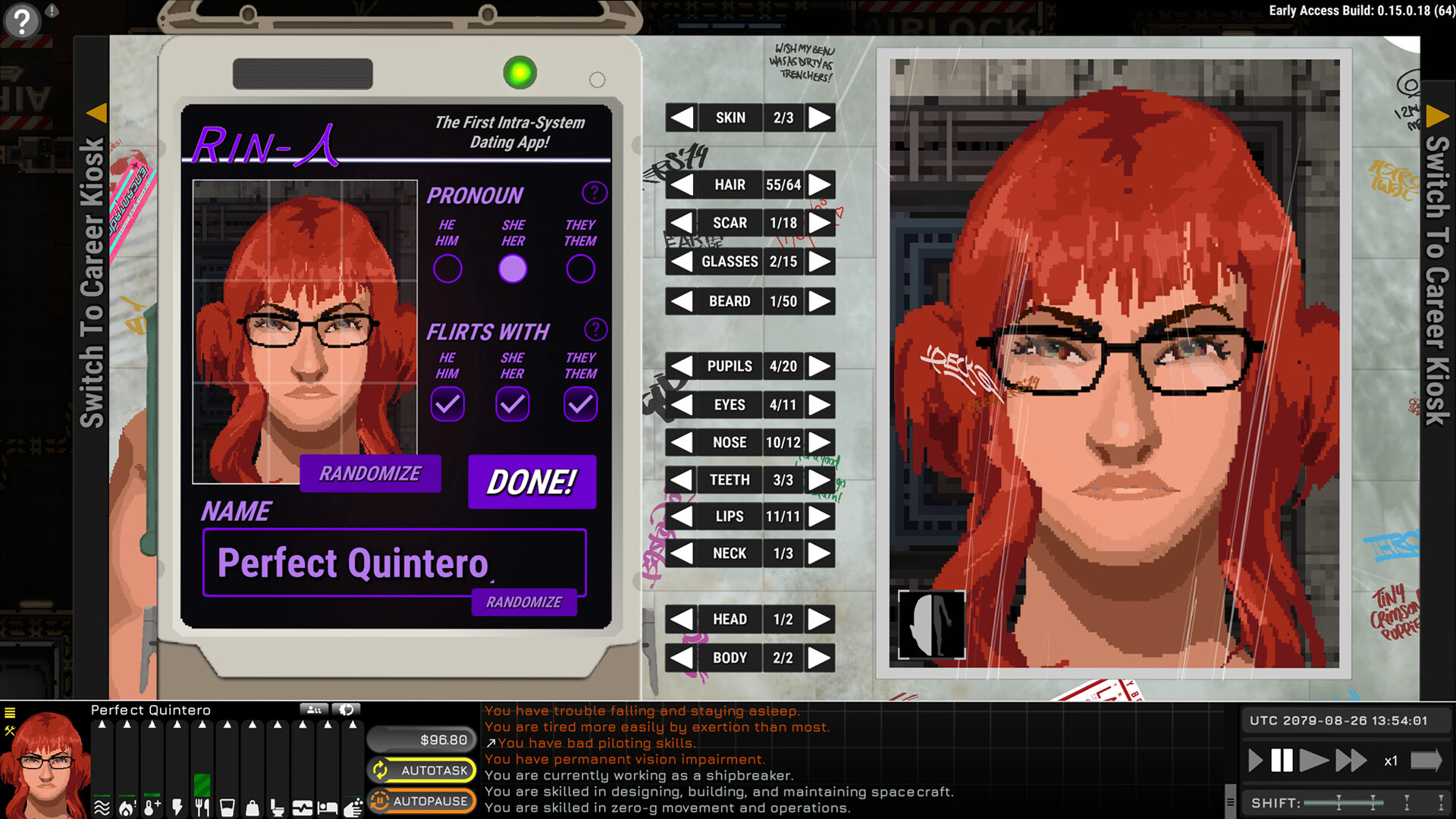
The modular parts system is the game's heart: engines with different thrust curves, bulky hull sections that change handling, and worn components that behave differently from fresh ones. Scavenging 'pre‑loved' parts in boneyards is cheaper than factory replacements, and swapping subsystems changes everything from fuel economy to how your reactor hums. Crew management adds another layer — NPCs have physiological and emotional needs, they make choices, and relationships matter. I’ve hired a surly pirate who became indispensable and then quit to be arrested five minutes later; those organic micro‑stories are where Ostranauts shines. That said, hiring multiplies frustrations: the AI can be unreliable, pathing breaks, and queued jobs sometimes produce chaotic outcomes that force manual babysitting.
A Weathered Look and a Noisy Engine Room
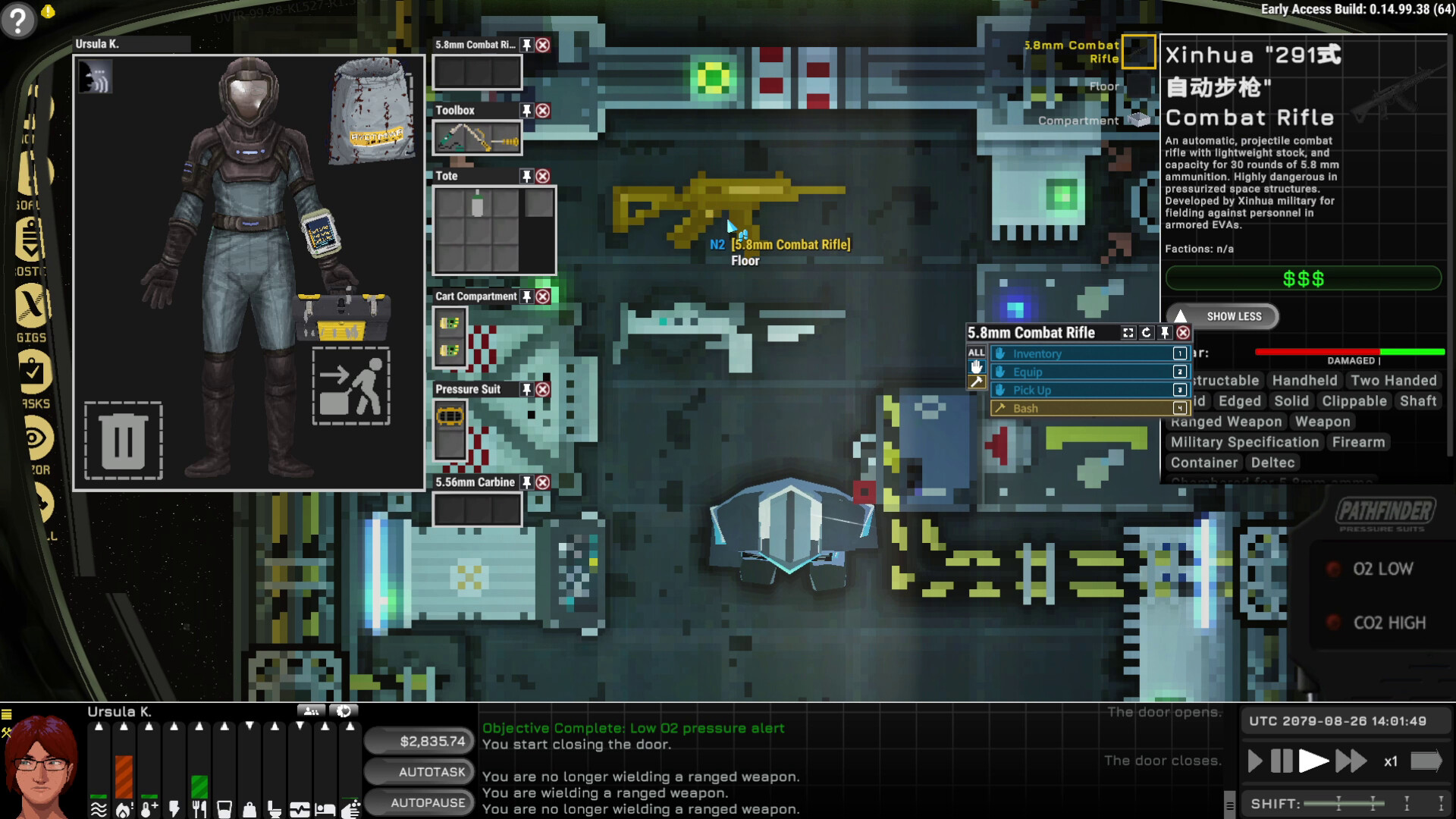
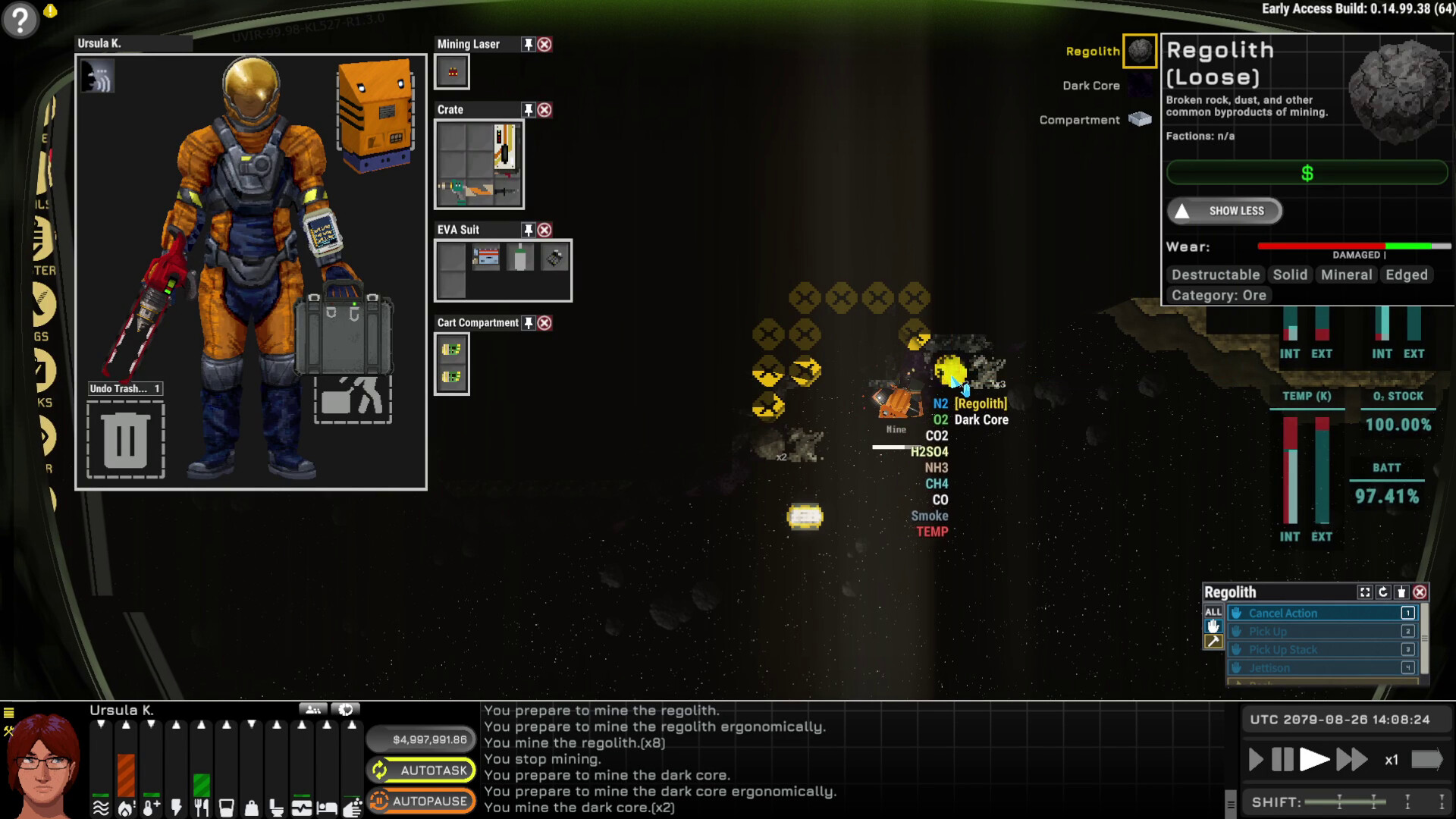
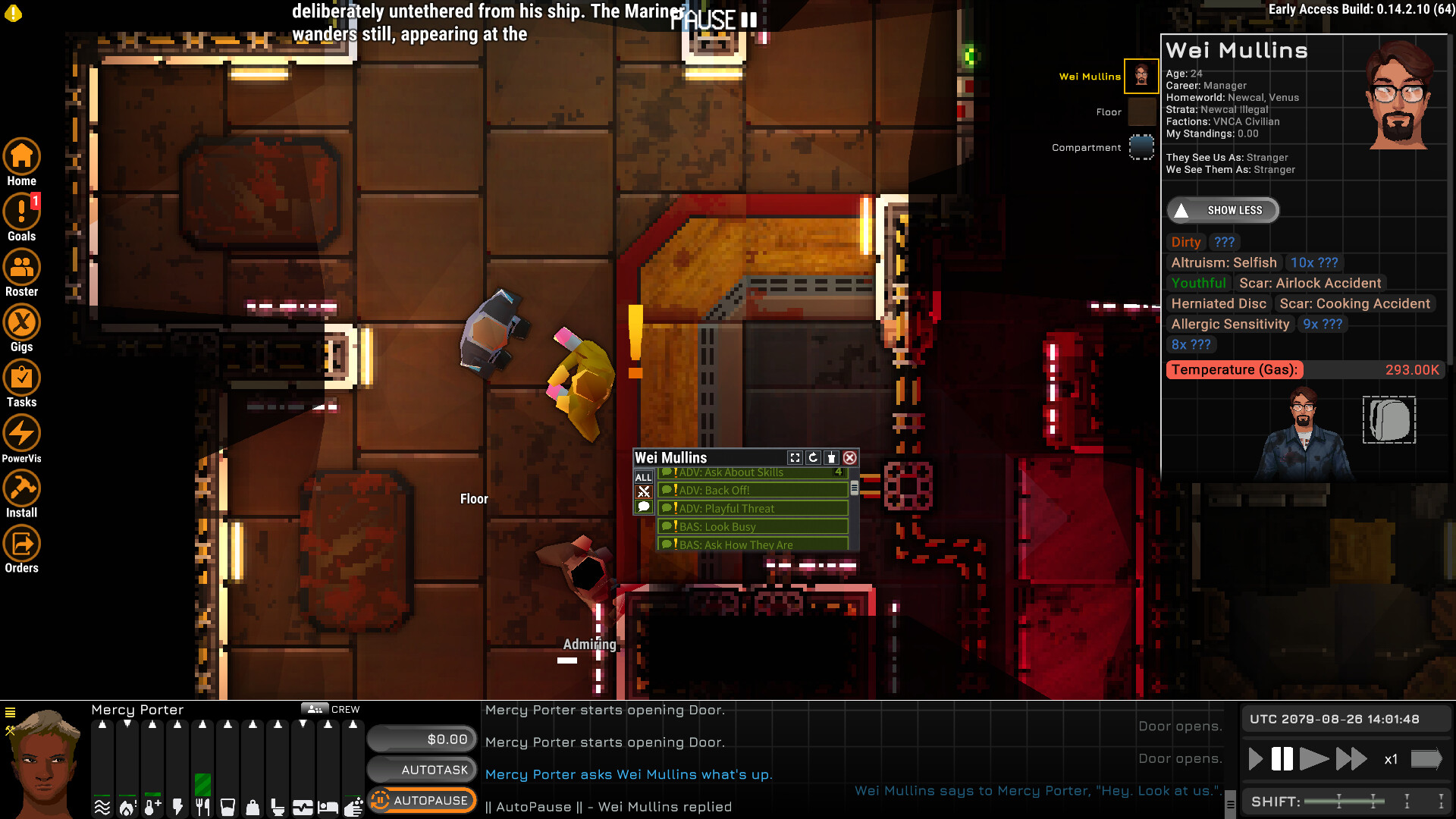
Graphically the game is utilitarian pixel art with excellent mood: worn metal, oily corridors and little UI flares that sell a lived‑in system. The soundtrack and ambient sounds lean into the lonely spacer vibe and help a lot when the UI makes you grind. Performance has been a sore point historically — reviewers repeatedly mention stutters, CTDs and late‑game slowdowns when multiple NPCs and queued tasks collide — though the devs have been responsive and many players report improvements with patches and mods. Accessibility is mixed: there’s little hand‑holding, but mod‑friendly plain‑text data and an active Discord mean a friendly community can smooth the rough edges if you’re willing to learn and tinker.

Ostranauts is a rare, specific kind of space sim: messy, ambitious and full of personality. I recommend it to players who love slow, deeply systemic games and don’t mind wrestling with bugs, quirky UI and occasional performance headaches. If you want instant action and polish, look elsewhere; if you want a ship you’ll tinker with for hundreds of hours and enjoy emergent stories, this is worth the trip.


Pros
- Deep, tactile shipbuilding and Newtonian flight that reward patience
- Rich atmosphere, writing and immersive hard‑sci‑fi setting
- Huge sandbox potential plus modding-friendly plain‑text data
- Community and devs are responsive — active Discord and updates
Cons
- Bugs, AI quirks and quest issues can break immersion
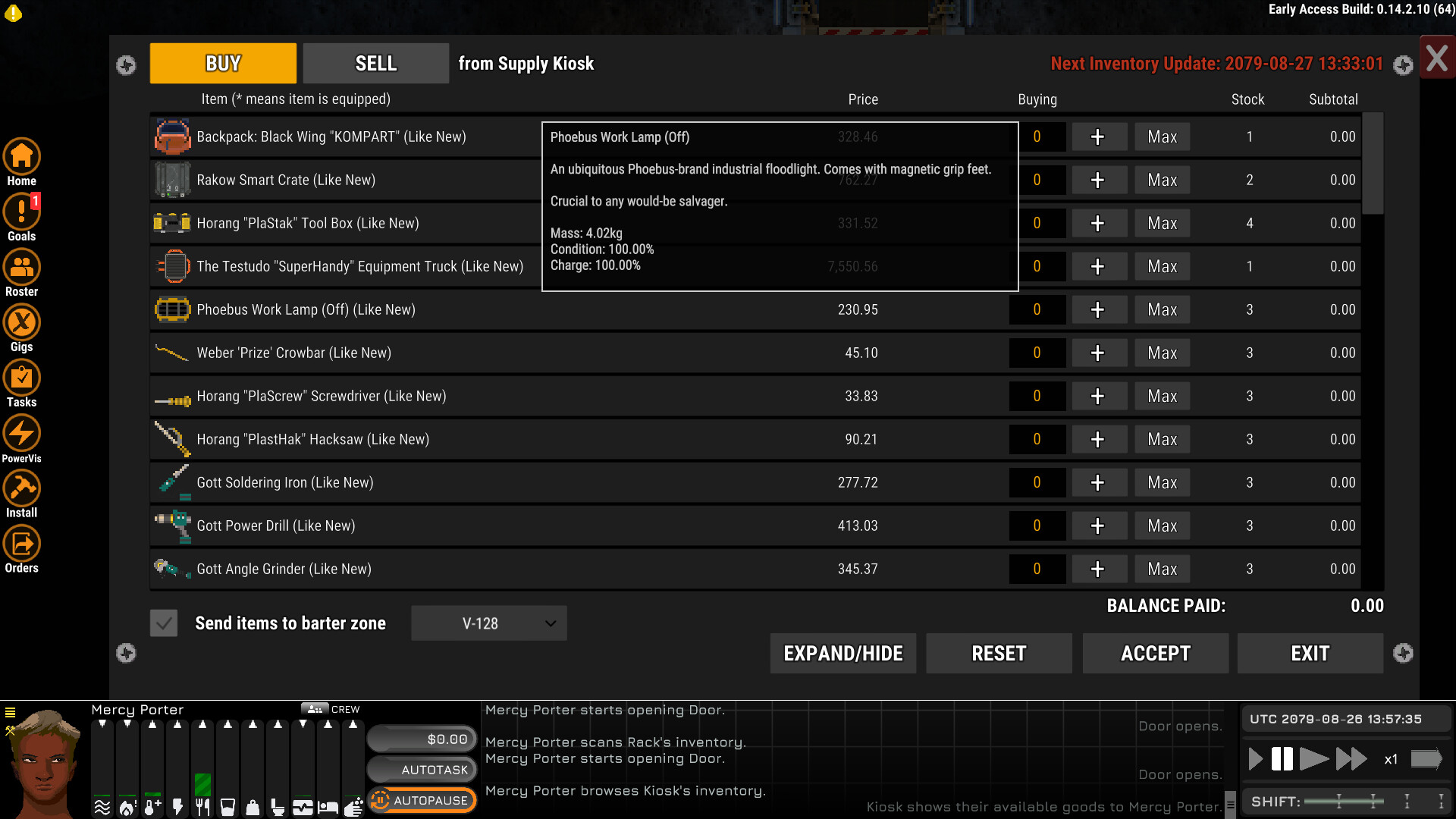
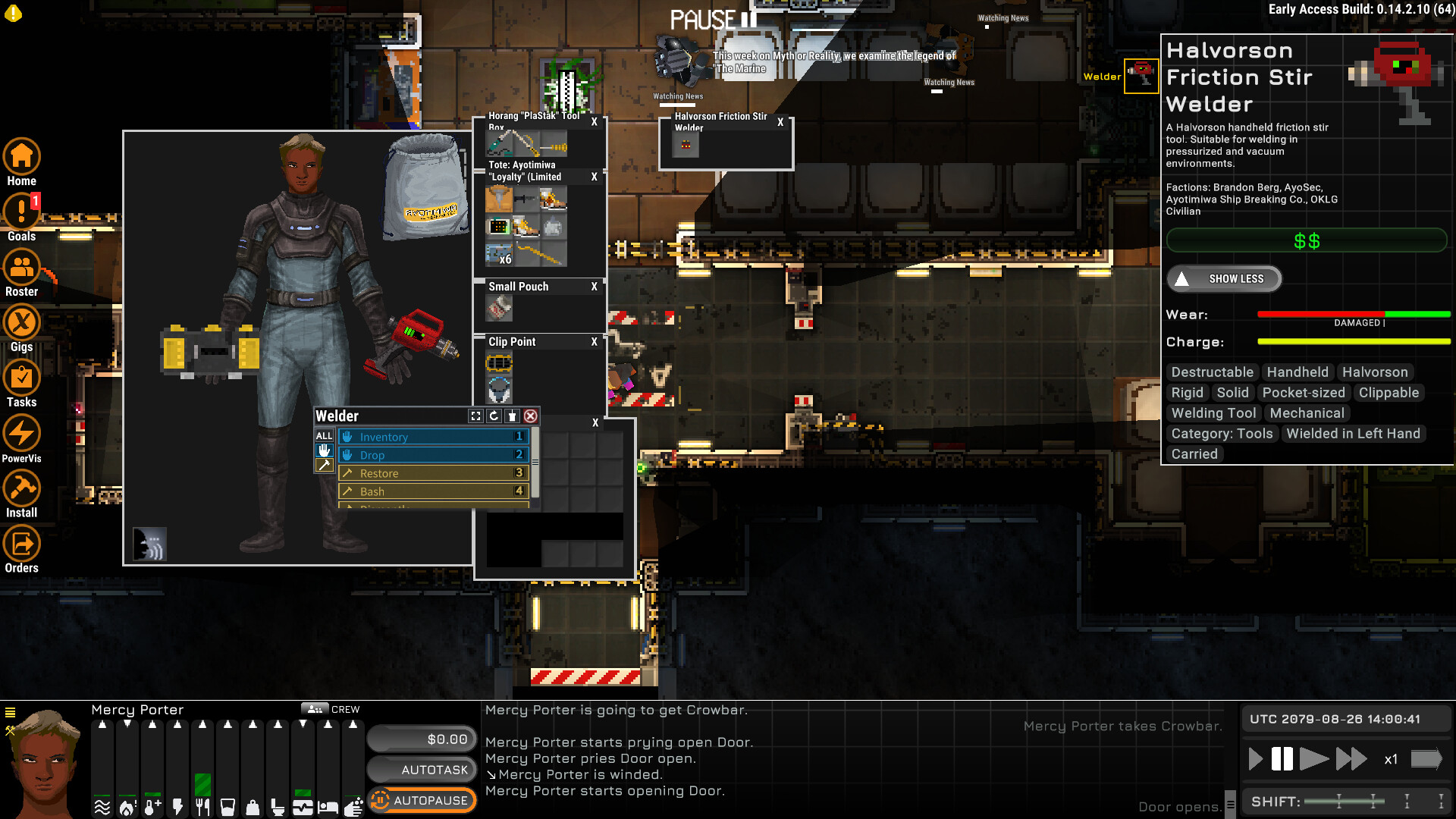
- UI and inventory systems feel clunky and unintuitive
- Performance and stability issues in late game for some setups
Player Opinion
Player sentiment is split but vivid. Many praise the worldbuilding, writing and the addictive loop of salvaging, upgrading and slowly making your ship your own — echoes of NEO Scavenger’s tone come through and fans of slow, systems‑heavy sims (think Project Zomboid, Hardspace: Shipbreaker or Kenshi vibes) find a lot to love. However, a recurrent theme in reviews is frustration with bugs: CTDs, broken quests, AI pathing errors and mid/late‑game performance hits get mentioned again and again. Several players recommend playing solo and avoiding large crews until AI receives more polish. On the positive side, the devs are active, the mod community helps bridge gaps, and dozens of players report long, rewarding runs once they accept the rough edges. If you like patient, fiddly sims with real-world‑ish consequences, Ostranauts often rewards persistence.