Pathogenic Review — Infectious Twin-Stick Roguelite That Nails the Cell Stage
I played Pathogenic at launch: a soft-body, organelle-driven twin-stick roguelite where you literally become the disease. Gorgeous visuals, deep grafting systems and rampant replayability make this a standout indie release.
Pathogenic turns the familiar 'Spore cell stage' fantasy into a full-fledged, frantic roguelite. Playing as a parasite that loots organelles and grafts them onto itself feels delightfully gross and deeply strategic at once. If you like twin-stick shooters with insane build variety — think Binding of Isaac meets Spore with a dash of Enter the Gungeon — this one is worth your microscope time. I spent hours chasing synergies, cackling when a ridiculous build worked, and groaning when the immune system sobered me up.

Infect, Rip, and Become Something Worse
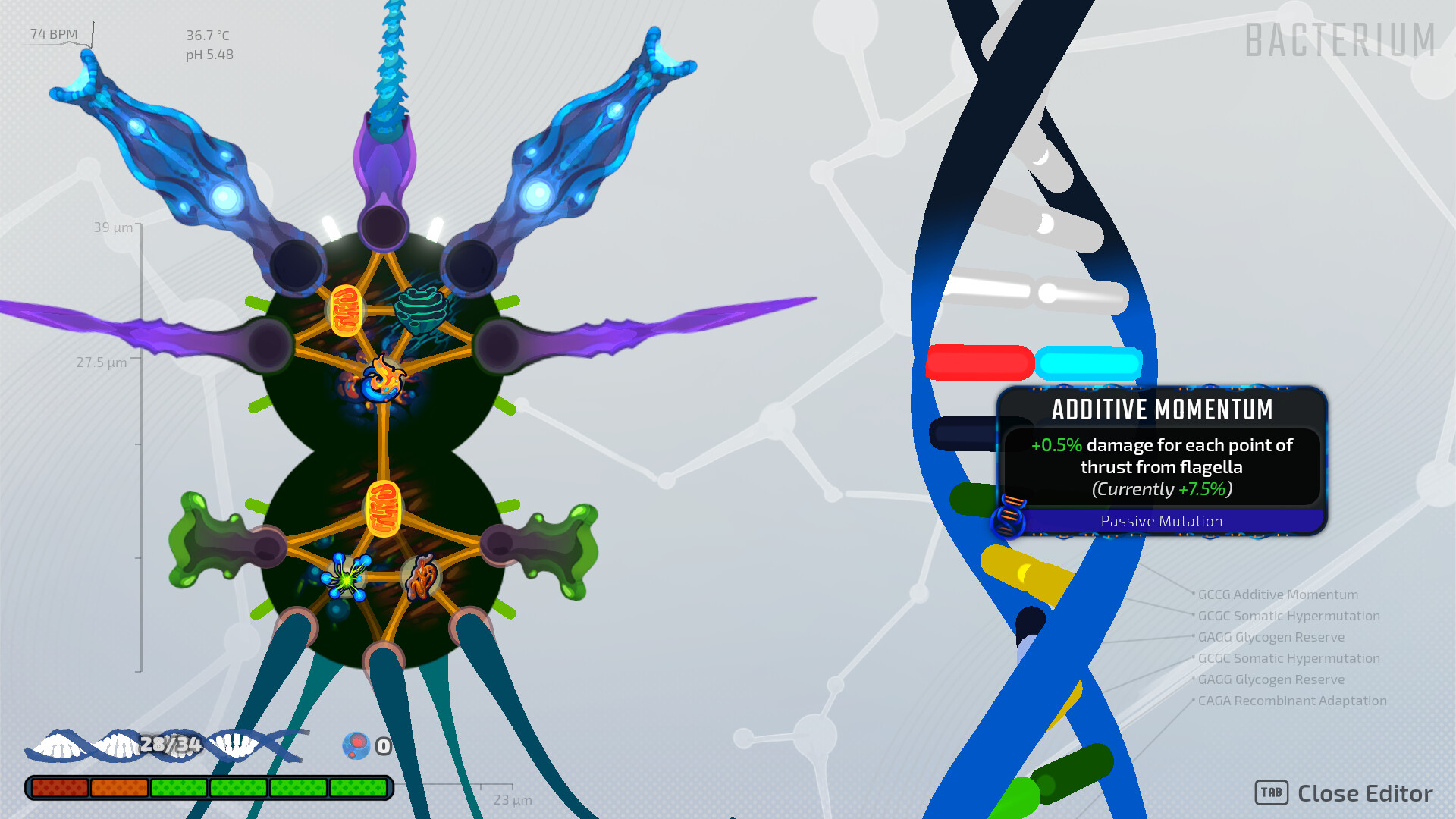
The core loop is gloriously simple: you are a tiny parasite that moves, shoots and scavenges. Each run drops you into procedurally generated biomes inside a human host — think lungs, heart chambers and neural tangles — and you dodge, weave and blast past immune patrols. Combat is twin-stick and tight: aiming, strafing and positioning matter because many builds trade raw power for fragility. The real joy comes from looting enemy cells and ripping out organelles to graft onto your body. Those organelles change your movement (flagella), energy (mitochondria), offense (secretors and ranged organelles), and melee options (spikes). I loved the tactile feel of swapping parts mid‑run — one moment I was a fast, darting flier; the next I was a lumbering spike‑tank that sent macrophages flying.
When Organelle Synergy Becomes an Addiction
What elevates Pathogenic is how organelles chain together. The game rewards experimentation: pair a rapid secretor with an organelle that spawns lingering toxins, and suddenly rooms become controlled chaos on your terms. There are dozens of unique organelles, each with niche interactions that can produce truly game-breaking combos. Meta progression via plasmid fragments means each run contributes to long-term growth, and multiple plasmid trees encourage trying wildly different playstyles. Boss fights test those synergies: from nimble T‑cell hunters to hulking rival parasites and area hazards, every major encounter forced me to rethink my loadout. The daily challenges, modifiers and codex entries add extra bites for completionists.
A Soft‑Body, Colorful World That Feels Alive
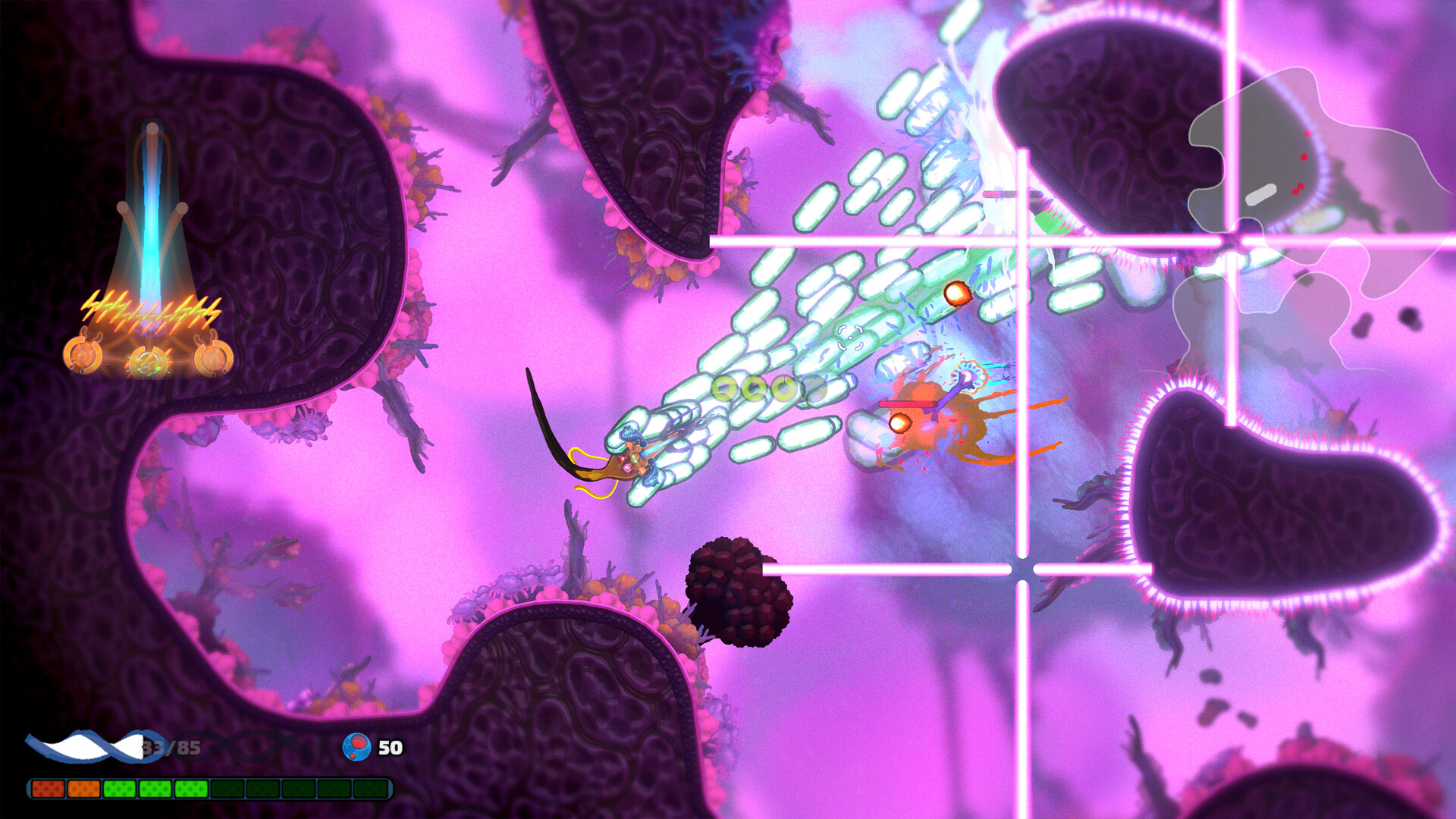
Visually the game is a love letter to organic, squishy physics: everything jiggles, bounces and deforms in ways that make hits and collisions feel satisfying. The vibrant color palette keeps the microscopic setting readable, even when bullet hell chaos is on screen. Sound design and a punchy soundtrack — lots of drum & bass and kinetic beats — back up the action and make runs feel cinematic. Performance has improved significantly since early demos (many players note buttery smoothness now), though a handful of reviews mentioned texture glitches or odd input hiccups on some devices. Accessibility is decent: controls are intuitive, and Steam Deck support appears solid for most players, with a few reporting rare shooting input issues. Overall the presentation supports the design: it’s readable, stylish and, most importantly, fun to watch explode.

Pathogenic is a clever, joyful twist on twin‑stick roguelites: it nails build experimentation, atmosphere and that addictive ‘one more run’ feeling. It’s ideal for fans of bullet‑hell roguelikes who like tinkering with combos and don’t mind some hectic chaos. Buy it if you want long‑term replayability and inventive systems — just be ready to die a lot (and laugh about it).


Pros
- Tons of organelle-driven build variety and surprising synergies
- Soft‑body visuals and satisfying physics make combat feel alive
- Strong replayability with plasmid metaprogression and daily challenges
- Great soundtrack and readable, colorful level design
Cons
- Occasional graphical glitches or input hiccups reported by some players
- Can get overwhelming in late runs if you like slower, tactical play
- No free‑form cell shaping like classic Spore — presets limit cosmetic customization
Player Opinion
Players are overwhelmingly positive: reviewers praise Pathogenic’s build depth, gorgeous visuals, and soundtrack. Many comparisons to The Binding of Isaac, Enter the Gungeon and Spore pop up — usually as compliments — and users rave about the sheer amount of content and value for money. Common praise highlights the organelle combinations, the metaprogression plasmid trees, and the smooth feel on Steam Deck. Criticisms that recur in the community include a few launch bugs (some players noted texture issues or the full build downloading the demo by mistake) and rare input quirks on handhelds. Still, the consensus: it’s addictive, polished, and a must‑try for roguelite fans.