Pronoun Palace Review — A Queer, Chaotic Spelling Roguelike
Pronoun Palace turns scrabble-like spelling into a feral roguelike: biting satire, punchy music by RENREN, and a dizzying array of spells, tiles and enemies. Fun, funny, and unapologetically queer — but watch the dictionary and content depth.
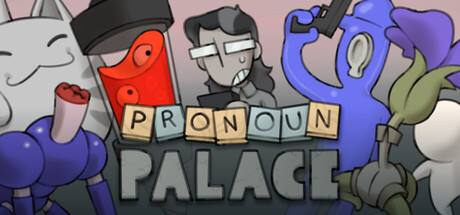
I didn’t expect to get emotionally invested in a 4×4 grid of letters, but Pronoun Palace hooks you fast. It blends Bookworm Adventures-style spelling with roguelike pacing and a bold political coat of paint: the state confiscates your pronouns and you brawl to get them back with words, spells and questionable amphetamine use. The game’s charm is in its voice — scabrous, sharp and often hilarious — while the combat loop rewards clever vocabulary play more than blind RNG. If you like clever wordplay mixed with chaotic enemy gimmicks and a soundtrack that gets stuck in your head, this one deserves a spin.

Spelling As Street Combat
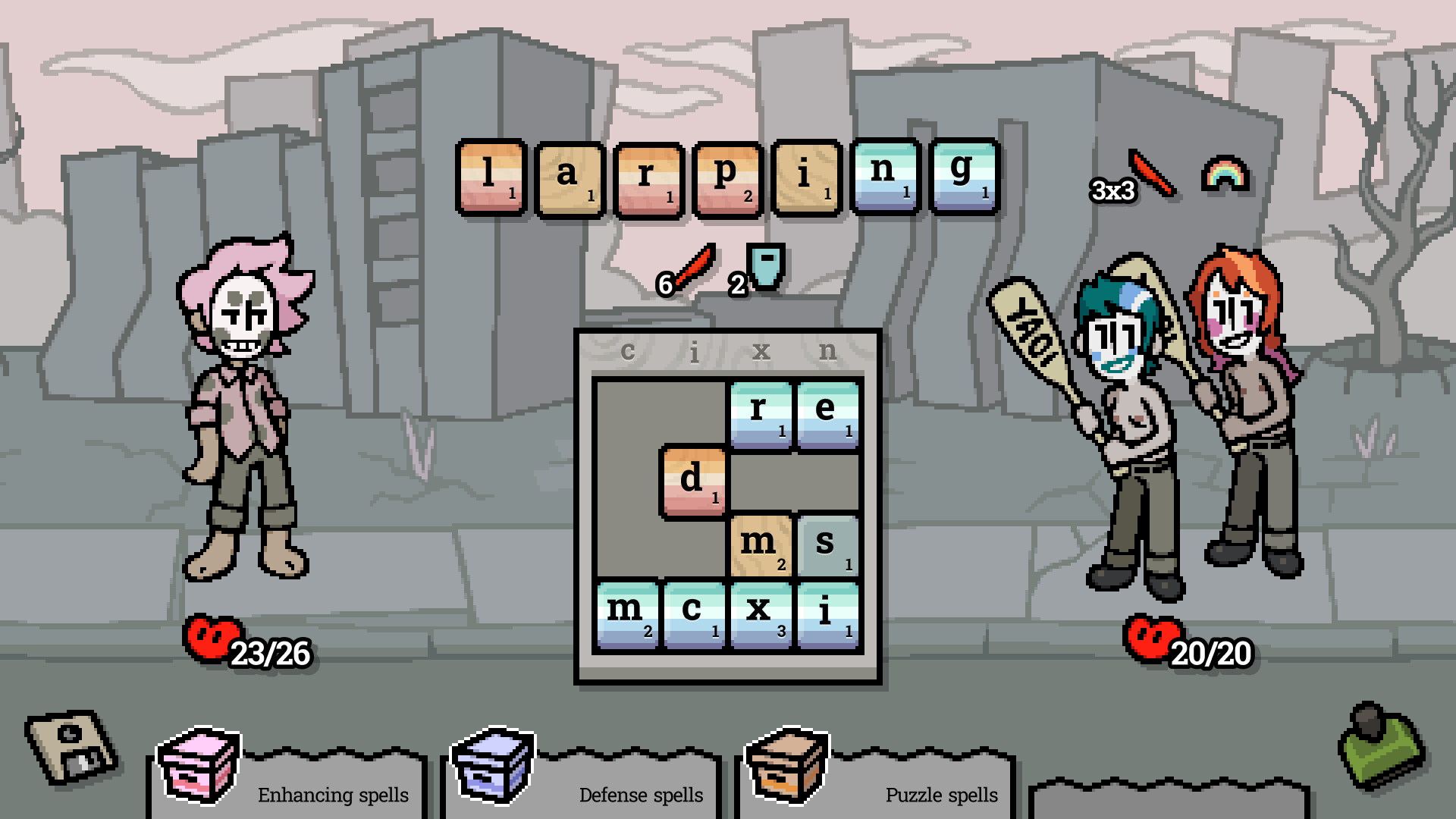
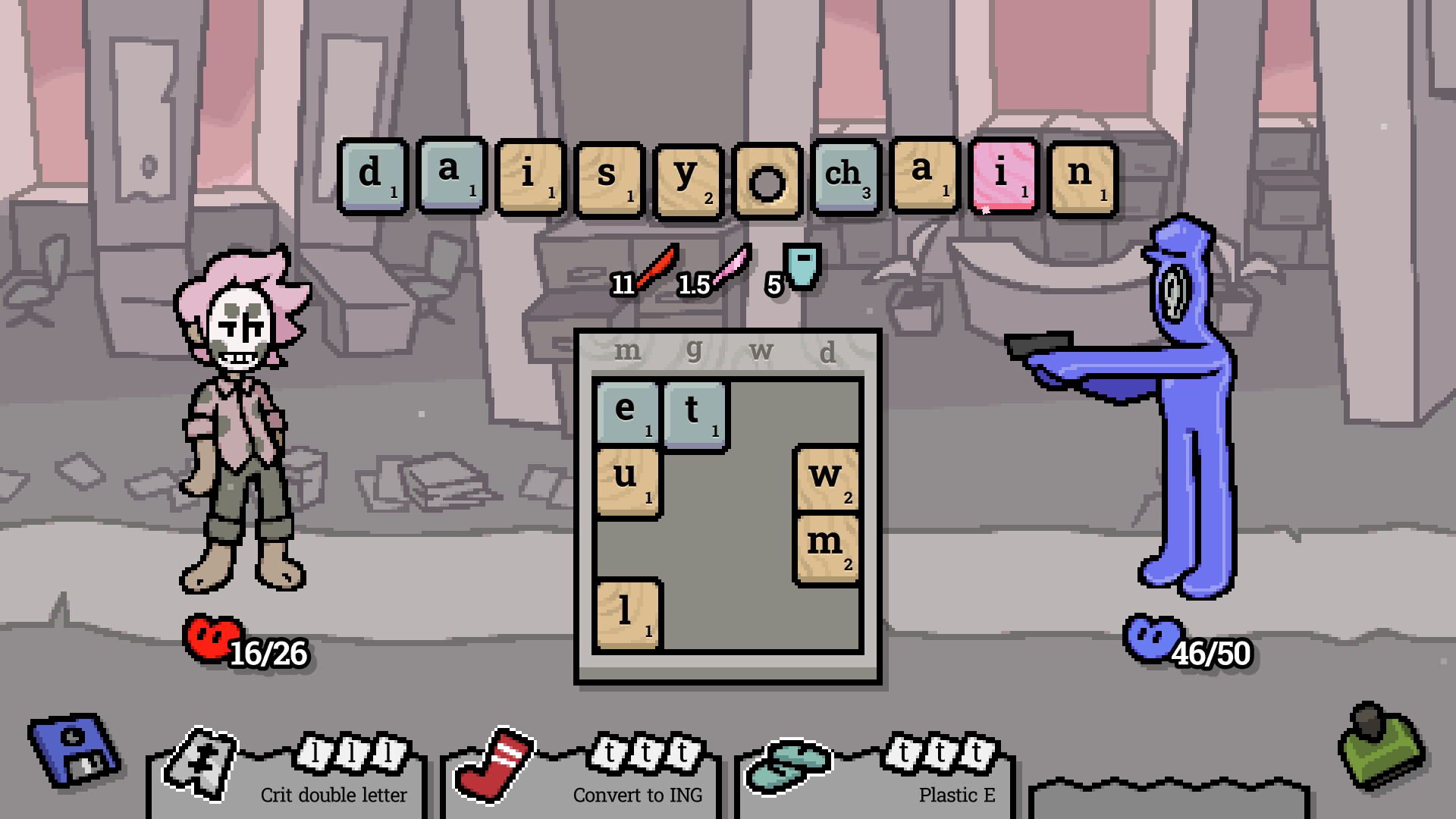
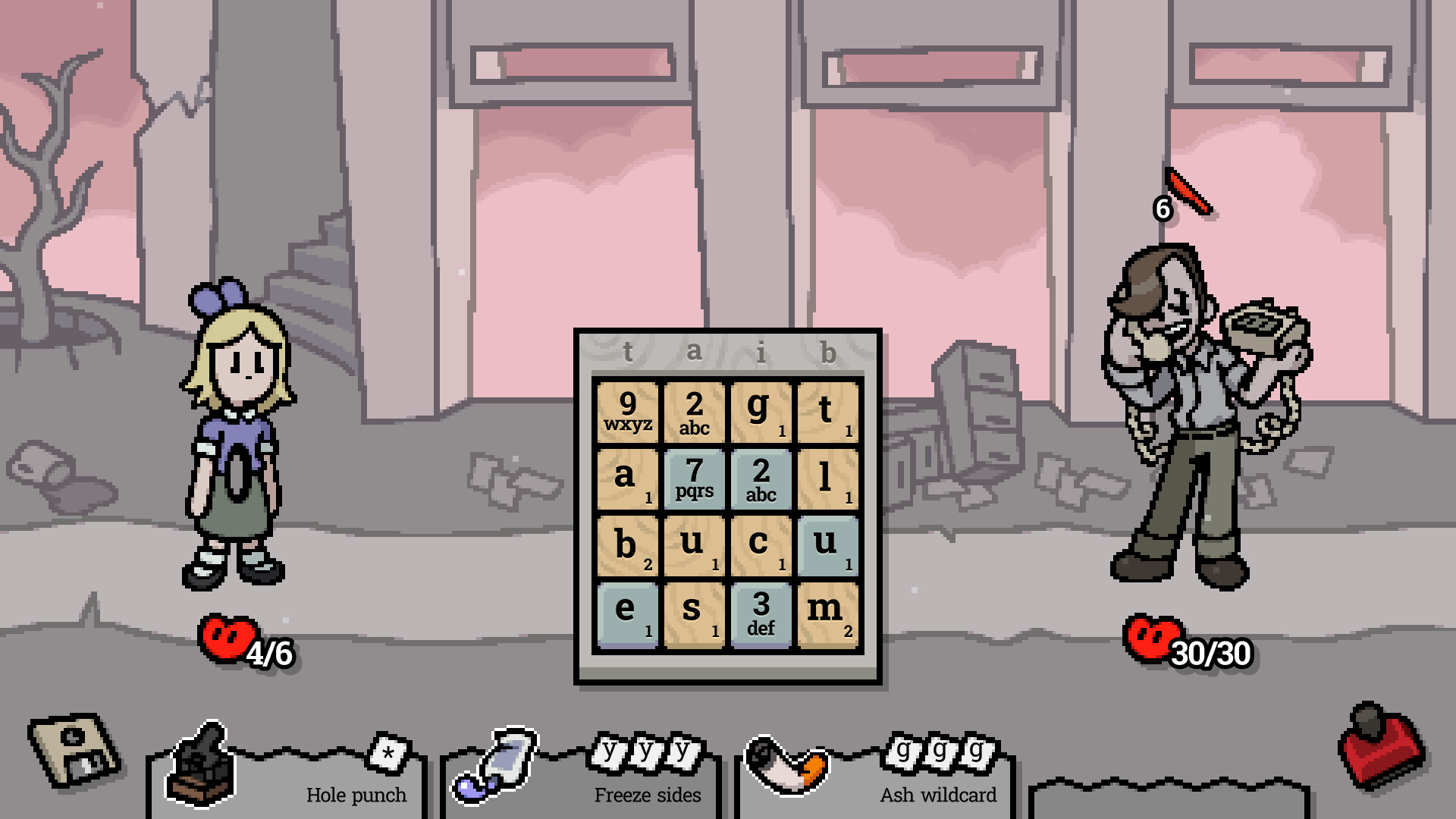
Pronoun Palace plays like a scrabble fight club: you click tiles, spell words and every successful submission lashes out at foes while defensive tiles block incoming hits. The board is small but deceptively deep — wooden tiles are your melee, plastic tiles are shields, and there are wildcards, bombs and mystery letters that force you to adapt on the fly. Each encounter is a mini puzzle with a timer or a gimmick, so runs feel brisk. You’ll fish for letters in a goofy minigame, hole-punch tiles to open new options, and stack spells that shift letters across the alphabet or turn them into candy. Combat isn’t twitchy so much as brainy: the game rewards pattern recognition, vocabulary breadth and the ability to plan a couple of moves ahead while enemies twist the rules.
When Bureaucracy Becomes a Game Mechanic
What makes Pronoun Palace stand out is how every enemy and item actively mutates the spelling rules. Some foes inject poison, capital-letter constraints or trigrams; others demand you avoid letting yaoi and yuri tiles touch (yes, the humor is loud). Five playable characters each offer a radically different toolkit — from the hole-punch utility that can shred boards to characters who can submit multiple words at once or juggle ticking letter-bombs under time pressure. Over 75 spells mean you’ll unlock wild combos: letter shifts, wildcards that let words auto-complete, items that recharge slots based on letters spent, and even absurd little touches like fishing to snag a single vowel. Daily runs and leaderboards add a speedrunning itch, while 10+ difficulty levels scale the chaos for grinders.
A Theatrical Presentation: Music, Art and Performance
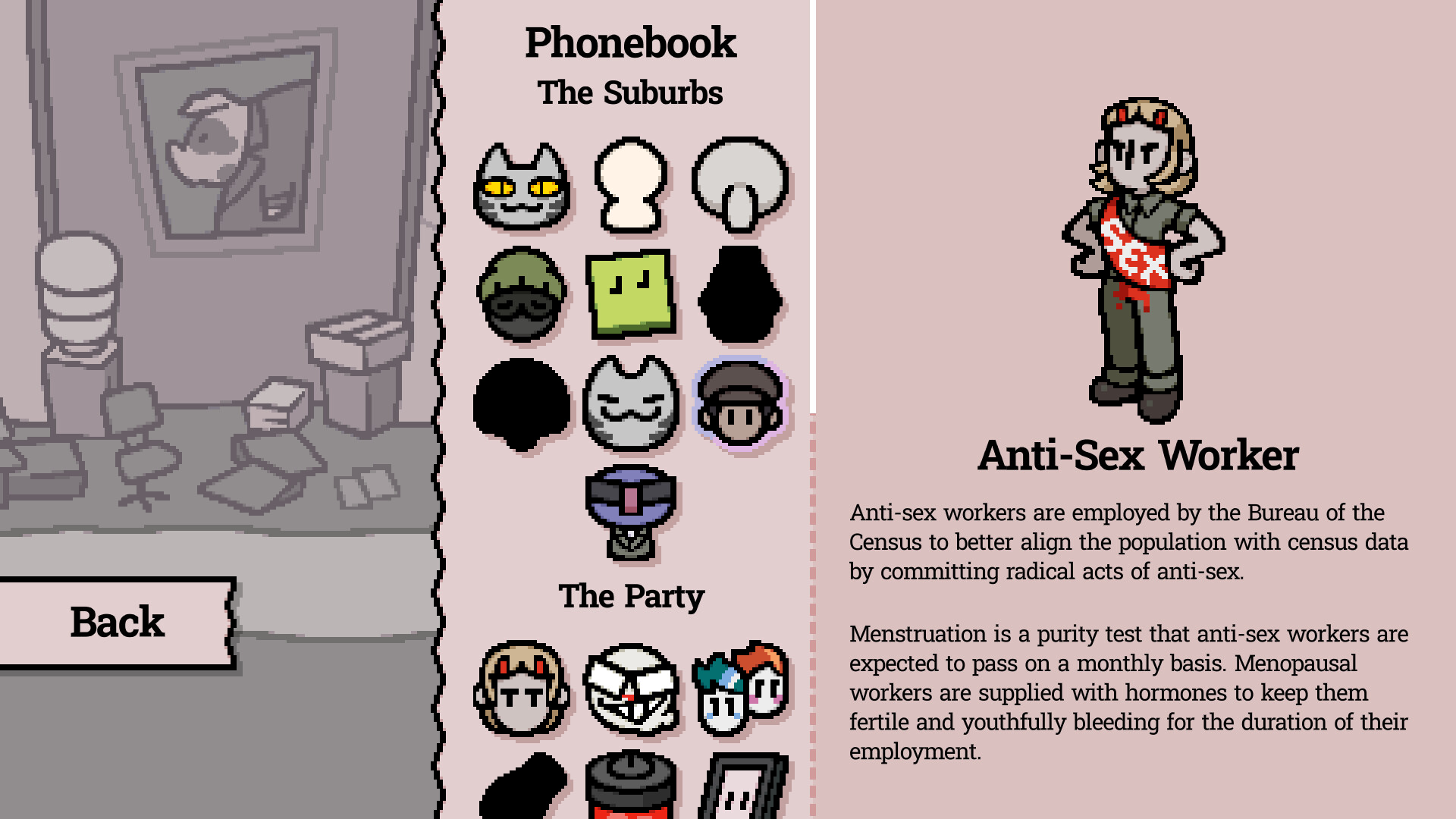
RENREN’s soundtrack is a highlight — I legitimately caught myself dancing while panicking over a 7-letter kill. The art is punchy and queer as hell, with character portraits and bite-sized cutscenes that sell personality without bloating run-time. Performance on Windows/Mac/Linux has been solid in my runs; load times are snappy and framerate stable. Accessibility-wise, a few users asked for keyboard submission and a colorblind mode, and the lack of an in-game dictionary is the loudest gripe: you’ll sometimes waste resources testing if a word is recognized. Overall, it looks, sounds and runs like a polished indie with a distinctive voice.

Pronoun Palace is a brave, funny and mechanically rich spin on spelling games that turns vocabulary into an arms race. Its music, art and enemy design make it a standout indie, and the roguelike systems offer real depth — but the opaque dictionary and relatively limited content at launch keep it from being flawless. Buy it if you love wordplay, queer satire and tight run-based design; skip or wait if you need a full-featured encyclopedia of accepted words or prefer politics-free entertainment.


Pros
- Inventive blending of wordplay and roguelike systems — every encounter feels fresh.
- Outstanding soundtrack by RENREN and bold, characterful art.
- Deep spell and tile synergies with high skill ceiling and daily-run leaderboards.
- Unapologetically queer satire that gives the game a distinct identity.
Cons
- Opaque wordlist — missing words and no easy in-game dictionary frustrate runs.
- Content feels a bit light for the price; fans want more enemy/boss variety.
- Occasionally edgy humor will put off some players; some writing can be polarizing.
Player Opinion
Players rave about the game's personality: the music, art and biting satire are mentioned in almost every review. Many say the combat loop is addictive — you genuinely feel smart when you land a big word and one-shot an enemy. Recurring praise goes to the unique enemy gimmicks and the individual character kits that make every run feel different. On the critical side, the opaque wordlist is the main complaint: people report wasting resources on words that the game won’t accept and the community already made external search tools to compensate. Some players also find the humor and use of slurs or explicit language uncomfortable or offensive, while others praise the game for being unapologetically queer. If you liked Bookworm Adventures, Balatro or word-heavy roguelikes, you’ll probably enjoy Pronoun Palace — just be ready for a contentious wordlist and a very loud political voice.