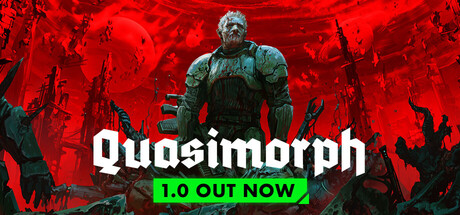
Quasimorph Review – Brutal Roguelike PMC with Cosmic Horror
I spent dozens of runs in Quasimorph: a turn-based, extraction-focused roguelike that mixes cyberpunk PMCs, body-horror mutations and unforgiving systems. Praise for vibe and soundtrack, frustration over RNG and onboarding — worth it if you like a punishing, tactical loop.
I approached Quasimorph like someone stepping into a dark club with a fantastic DJ and a bouncer who hates you: thrilling but risky. The game pitches you as the boss of a space PMC, sending cloned mercs into corporate hell to loot, fight demons and come back—or die trying. It blends turn-based tactics, extraction-style risk/reward and a heavy dose of body-horror flavour that feels distinct from XCOM or Tarkov. If you enjoy steep learning curves and a soundtrack that slaps, this one will keep you up at night.

Boarding Contracts, Counting Bullets
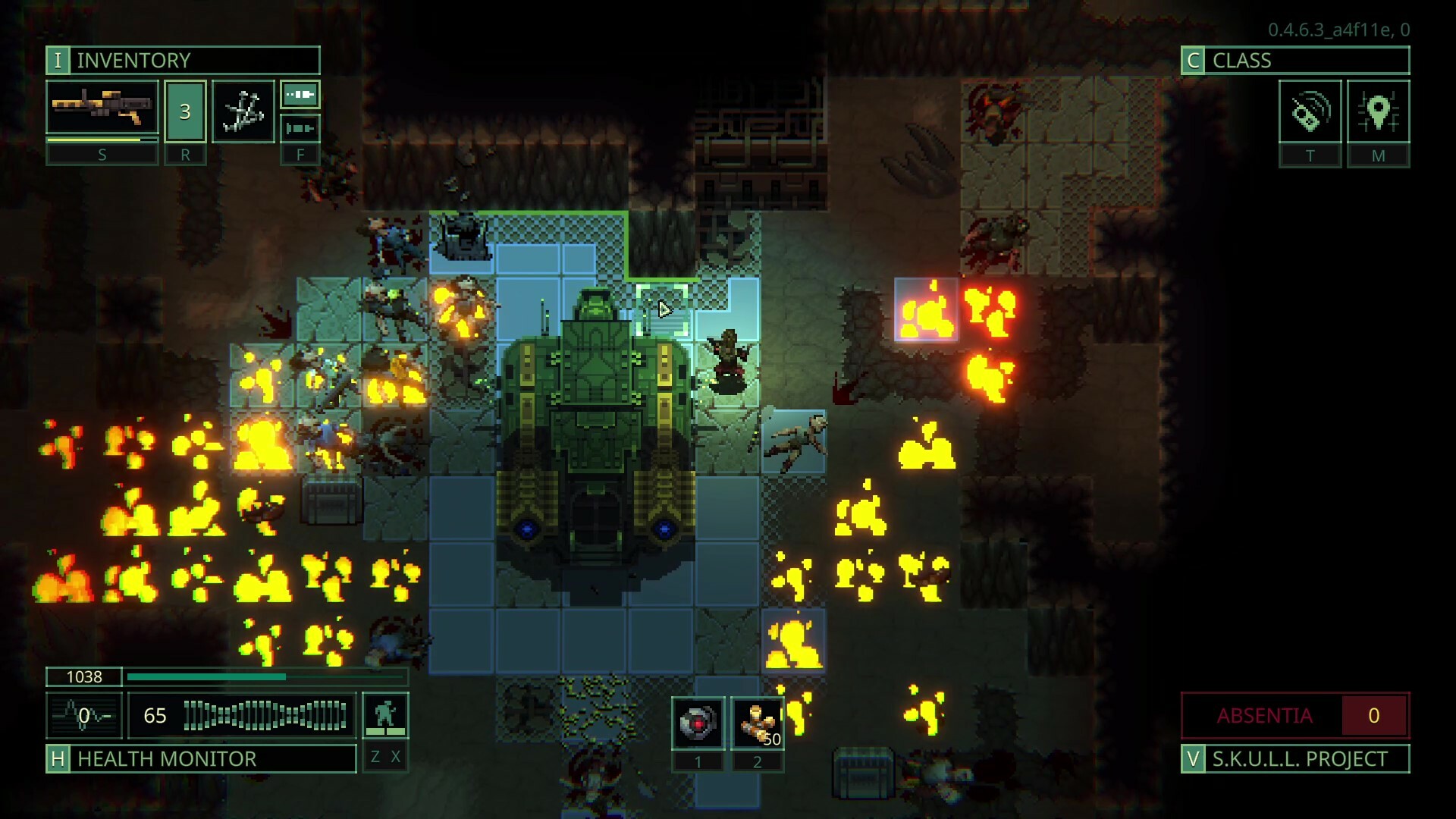
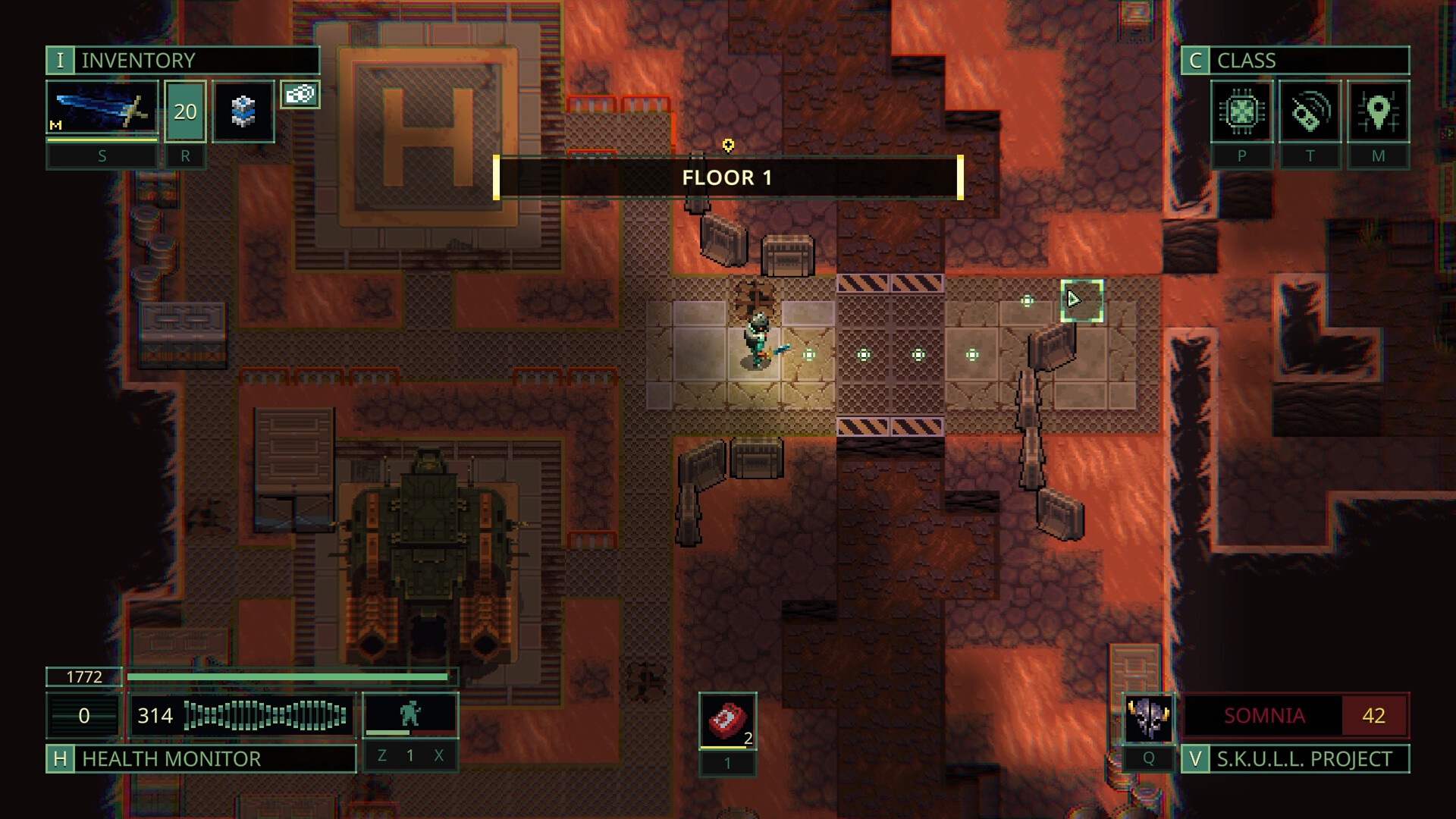
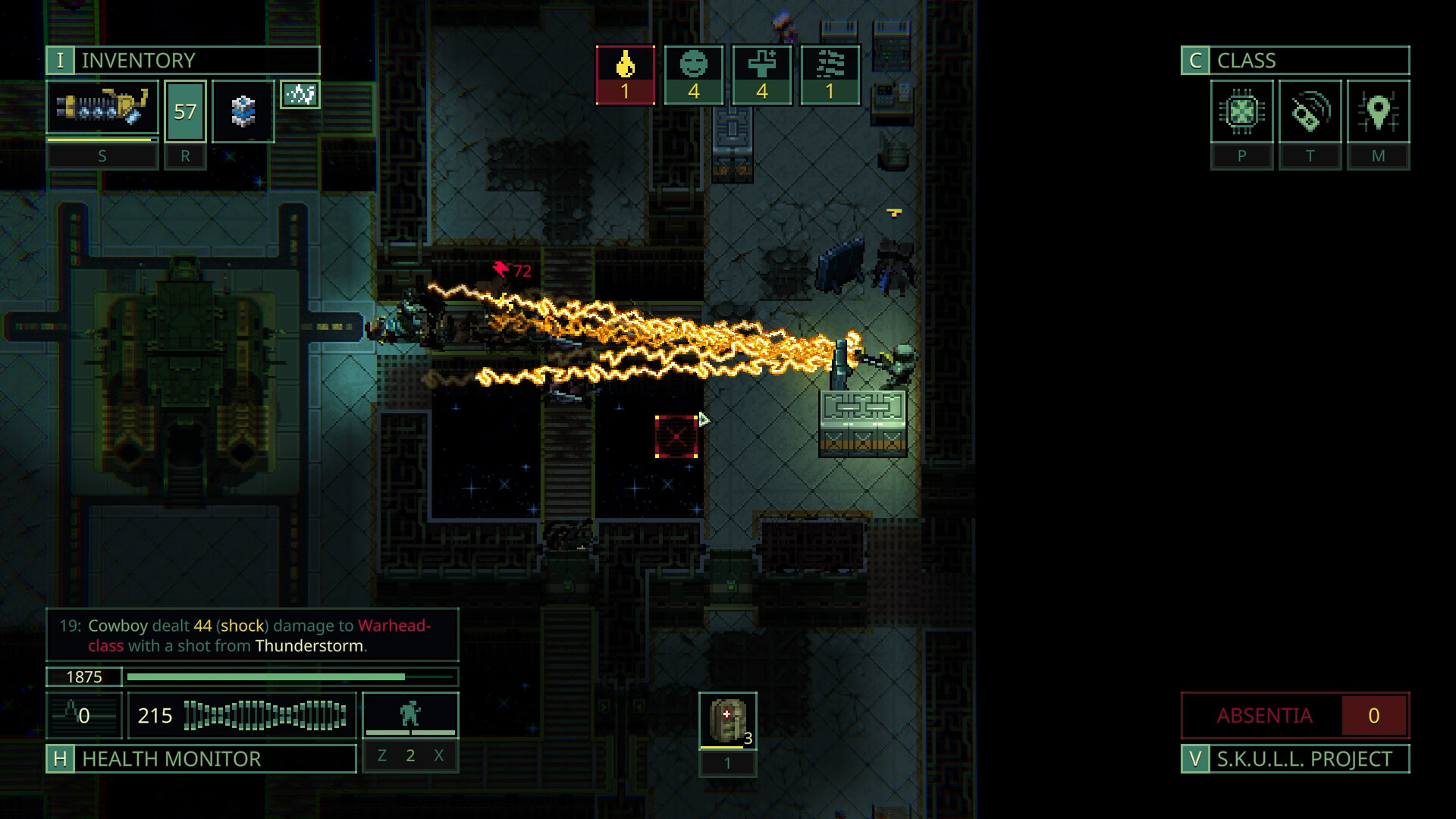
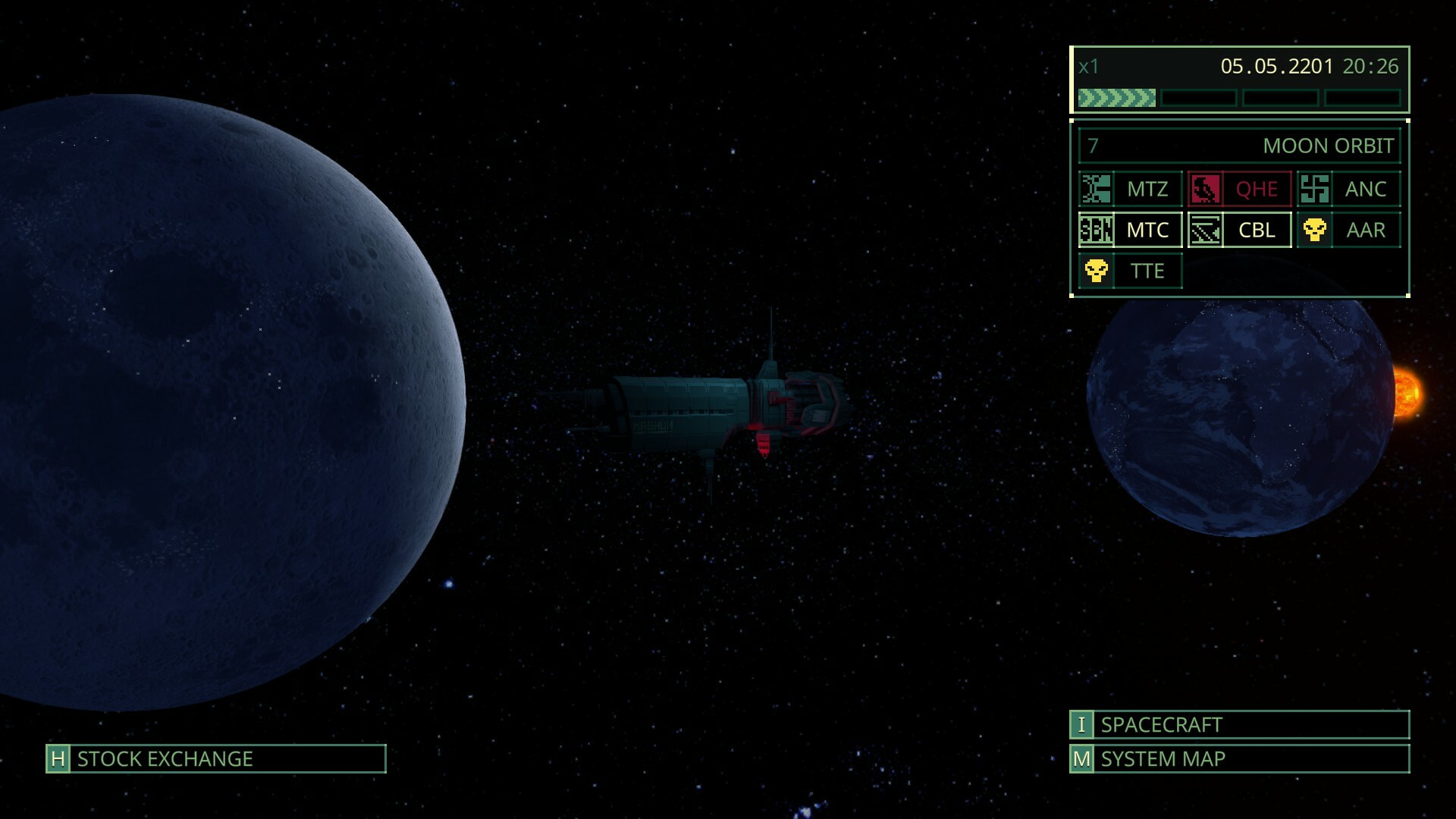
Quasimorph’s core loop is gloriously mean: you accept contracts from corporations, print disposable mercenaries, gear them out and dive into procedurally assembled bases, labs or wrecks to extract loot and tech. Gameplay is top-down and turn-based, but it has the tense economy of an extraction shooter — every item you bring can be lost on death. You'll manage inventory tightly, trade off meds versus loot weight, and decide whether to push for one more room or sprint to the extract. Combat rewards planning: cover, action-point economy, weapon ranges and special gadgets are all meaningful. Missions vary from stealthy infiltrations to straight-up slaughterfests where knowing enemy kits matters. The game makes you feel like a cold-blooded manager whose emotional investment is in equipment, not clones — except the devs make you care anyway.
When Flesh Turns Into a Timer
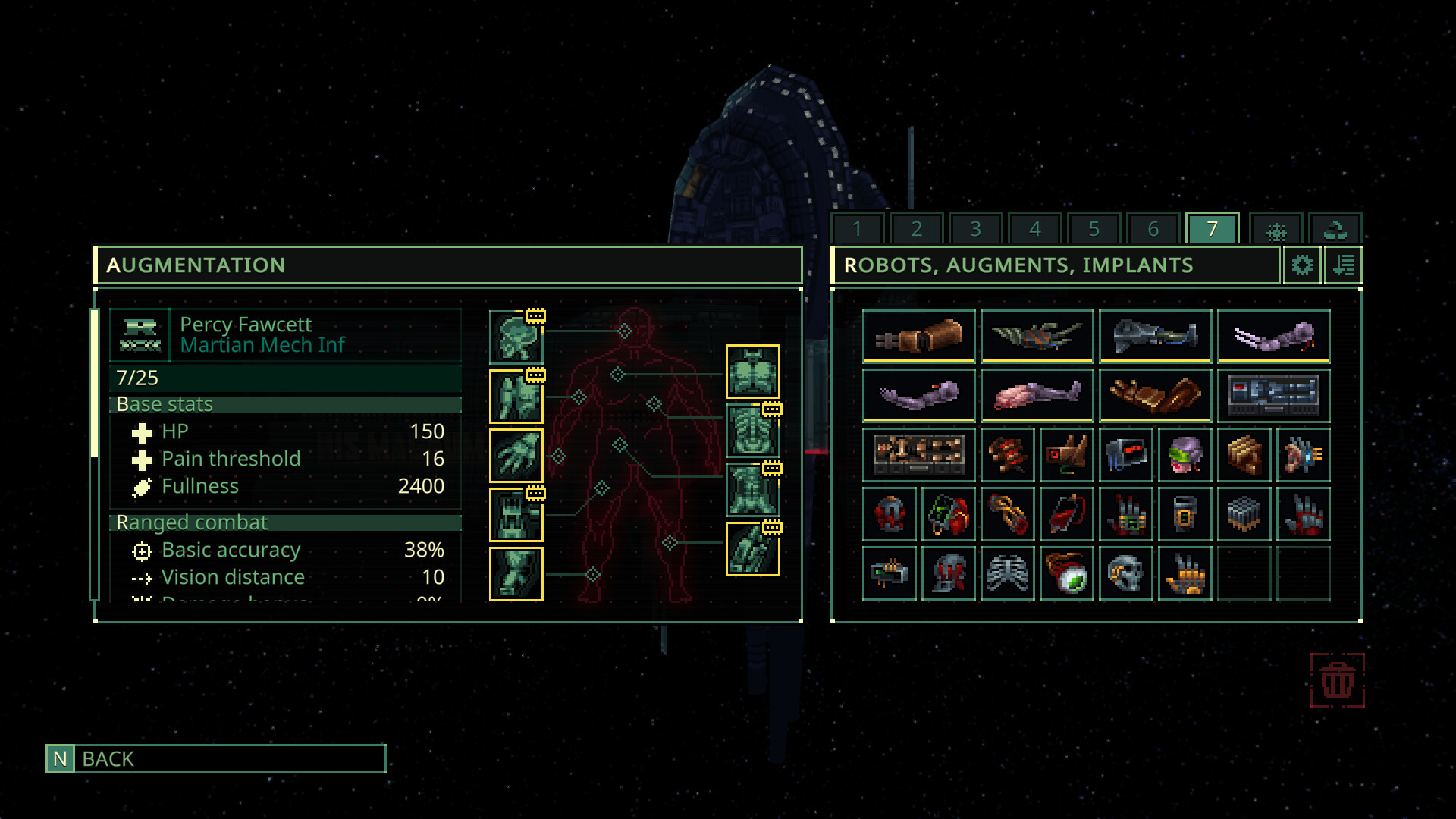
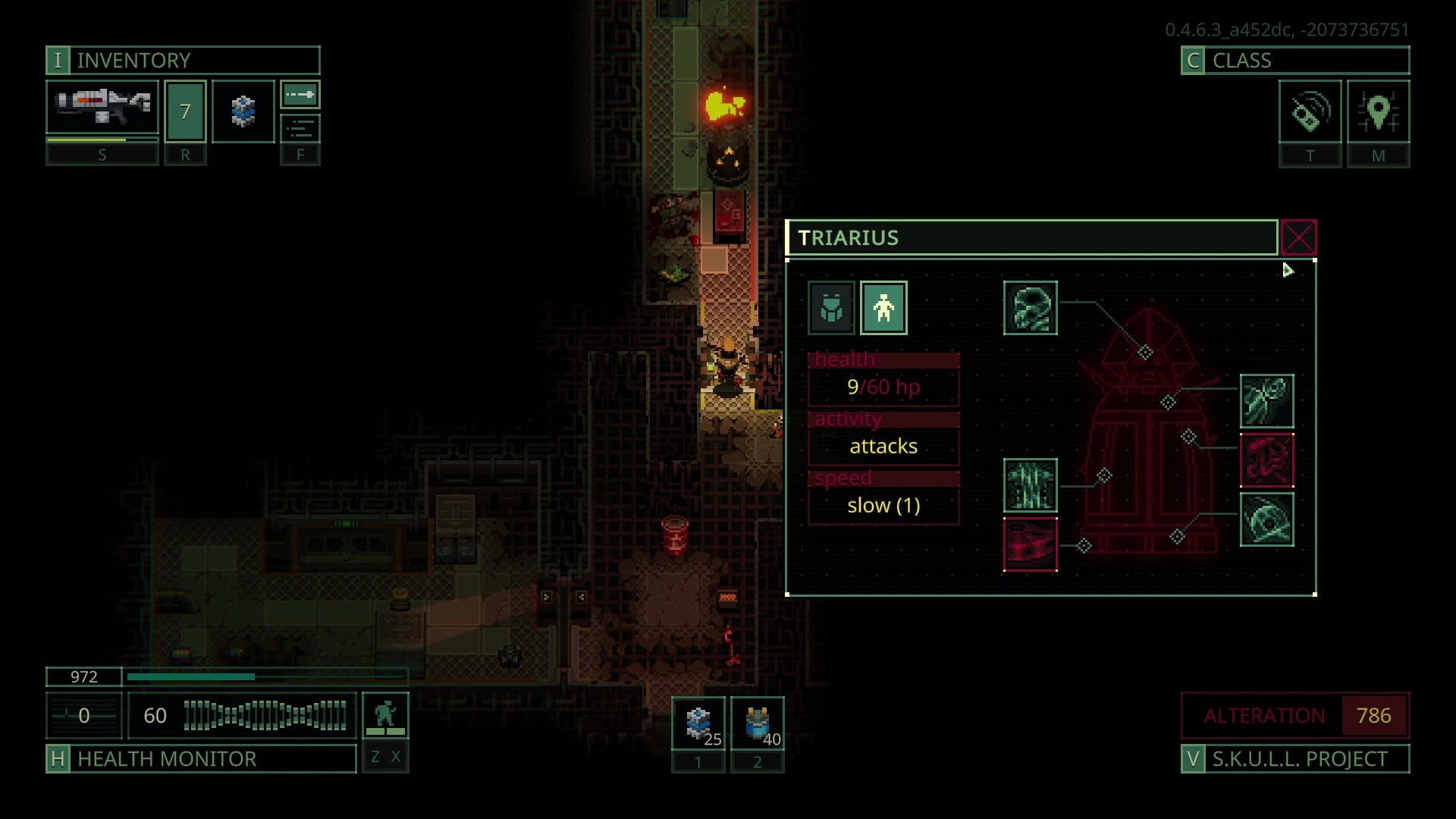
What makes Quasimorph stand out is its weird cocktail of systems: body modifications, quasimorphosis as a soft timer, and a staggering item pool. You can convert mercenaries into walking arsenals with cybernetic implants or gruesome augmentations ripped from fallen foes. The quasimorphosis mechanic escalates fights by spawning demonic variants or mutating enemies the longer you stay, so there’s a real carrot-and-stick between greed and survival. The variety of weapons, armor pieces, consumables and class-like roles encourages experimentation; I loved trying a stealth-assassin clone with poisoned blades and then failing spectacularly. There’s also faction tech gating — the best countergear often lies behind working with factions, which can feel clever or grindy depending on the run.
Sound, Sprites and That Relentless Feeling
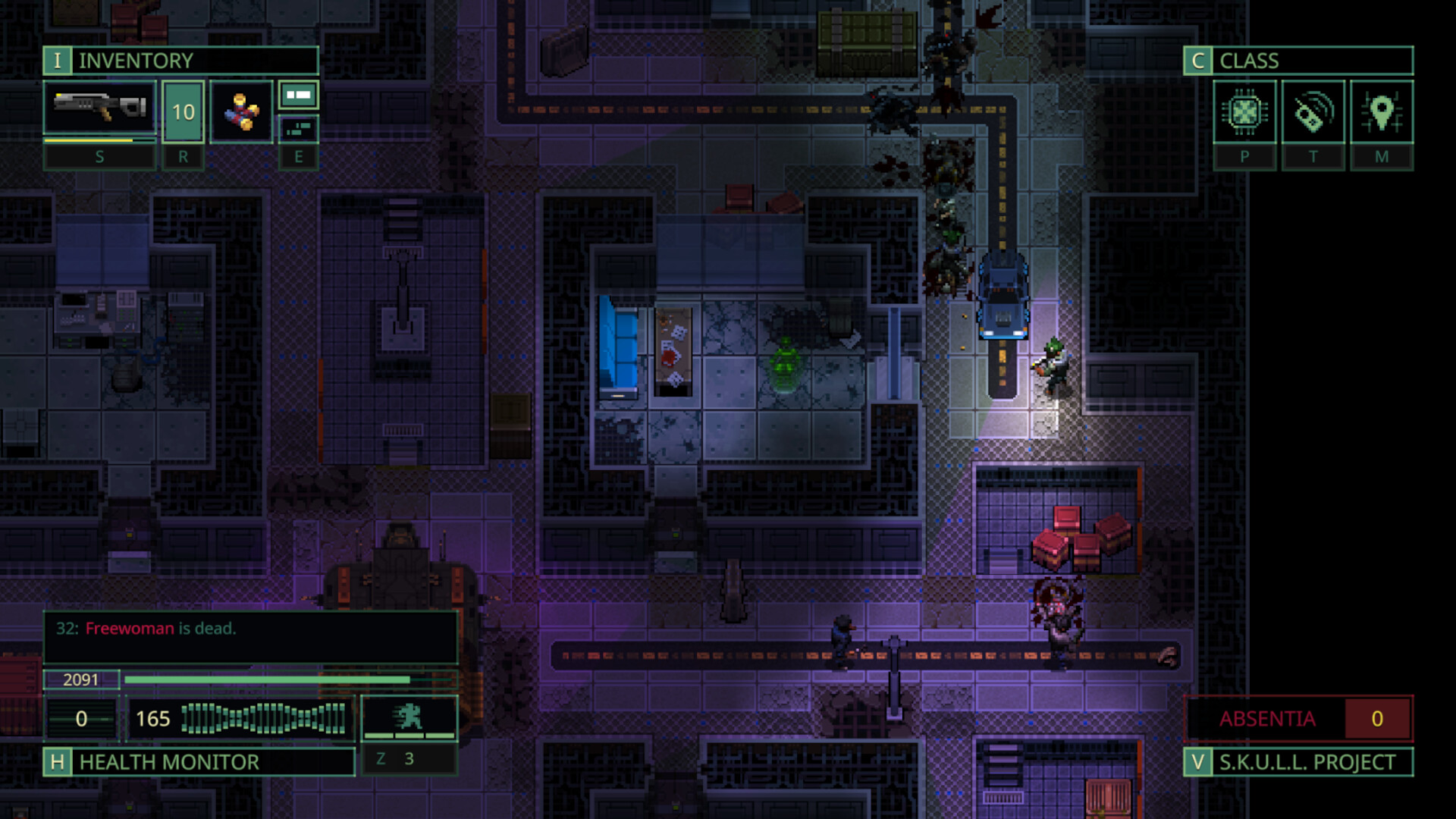
Visually the game uses crisp pixel art and a consistent UI that nails the mood: grimy terminals, blood-smeared corridors and tiny details that sell a late-capitalist nightmare. The soundtrack is a highlight — intense, synth-heavy tracks that turn a tight firefight into a cinematic sprint. Performance is surprisingly good on modest hardware, and the turn-based pace means laptop players can enjoy it too. On the downside the UI and onboarding are rough in places: the tutorial is sparse and some mechanics (healing RNG, status cures, faction progression) can feel opaque at first. Still, the presentation builds an atmosphere other indie tactics games rarely reach.

Quasimorph is a raw, brilliant and often cruel game: a must-play for fans of tactical extraction shooters and punishing roguelikes, but not for the faint of heart. It nails atmosphere, systems depth and replayability, though the onboarding, RNG and occasional balance issues keep it from perfection. Buy it if you crave high-stakes choices, a killer soundtrack, and are willing to die — a lot.


Pros
- Atmosphere and soundtrack are top-tier — instantly memorable vibes.
- Deep experimentation with augments, weapons and merc classes.
- Addictive extraction loop: risk versus reward feels meaningful.
- Good performance and strong visual consistency for an indie title.
Cons
- Steep learning curve, opaque systems and thin tutorials.
- RNG and occasional balance spikes can feel punishing and unfair.
- Late-game faction gating sometimes forces tedious grind to progress.
Player Opinion
Player sentiment around Quasimorph is intense and split: many praise the worldbuilding, soundtrack and the addictive tension of the extraction loop, calling it a masterclass of mood and audio design. Fans compare it to Tarkov, XCOM and Dark Souls — brutal, tactical and rewarding when you learn its rules. The common criticisms are loud: steep difficulty spikes, RNG moments that feel unfair (missed 95% hits, healing failures), and a tutorial that leaves newcomers bewildered. Several reviews highlight that recent updates improved medicine and QoL, and that the devs listen to feedback. If you like unforgiving tactical shooters with deep progression, the community consensus is that Quasimorph is worth the climb; if you want a forgiving, hand-holding experience, this will frustrate you.