Ragnarok: The New World Review – Nostalgia Meets Mobile MMO Design
A first-person take on Ragnarok: The New World — beautiful visuals and classic touches, but heavy auto-play, intrusive pop-ups and mobile monetization make this a mixed bag for PC fans.
I came into Ragnarok: The New World with that peculiar mix of hope and low expectations every veteran feels when Gravity ships yet another Ragnarok-branded title. On paper it promises the first open-world RO with PC-grade visuals, an all-new Druid class and seamless cross-device progress — which sounds great. In practice the game is a glorious, scenic nostalgia tour that’s also firmly rooted in mobile MMO design: lots of QoL ‘helps’, mandatory auto-systems, and a monetization framework that keeps nudging you toward the shop. If you grew up on classic RO and love spotting Porings while enjoying a modern soundtrack, there’s a lot to like — but be ready to compromise on control and competitive fairness.

Roaming a Beautiful, Hand-Held World
The core loop feels familiar: quest hubs, field mobs like the old days, instanced bosses, and an open world that looks great in motion at 60–120 FPS if your rig can handle it. You level through story quests and daily systems while the UI constantly suggests activities to maximize rewards. Movement and combat can be fully manual — WASD and keys work — but the game leans into auto-pathing and auto-combat as primary playstyles: tap a quest, your character runs, fights and interacts on their own. That makes low-effort progression painless, but it also removes a lot of the on-the-ground exploration and emergent moments that defined the original RO for many players.
Three-Form Druid and Build Freedom (with Caveats)
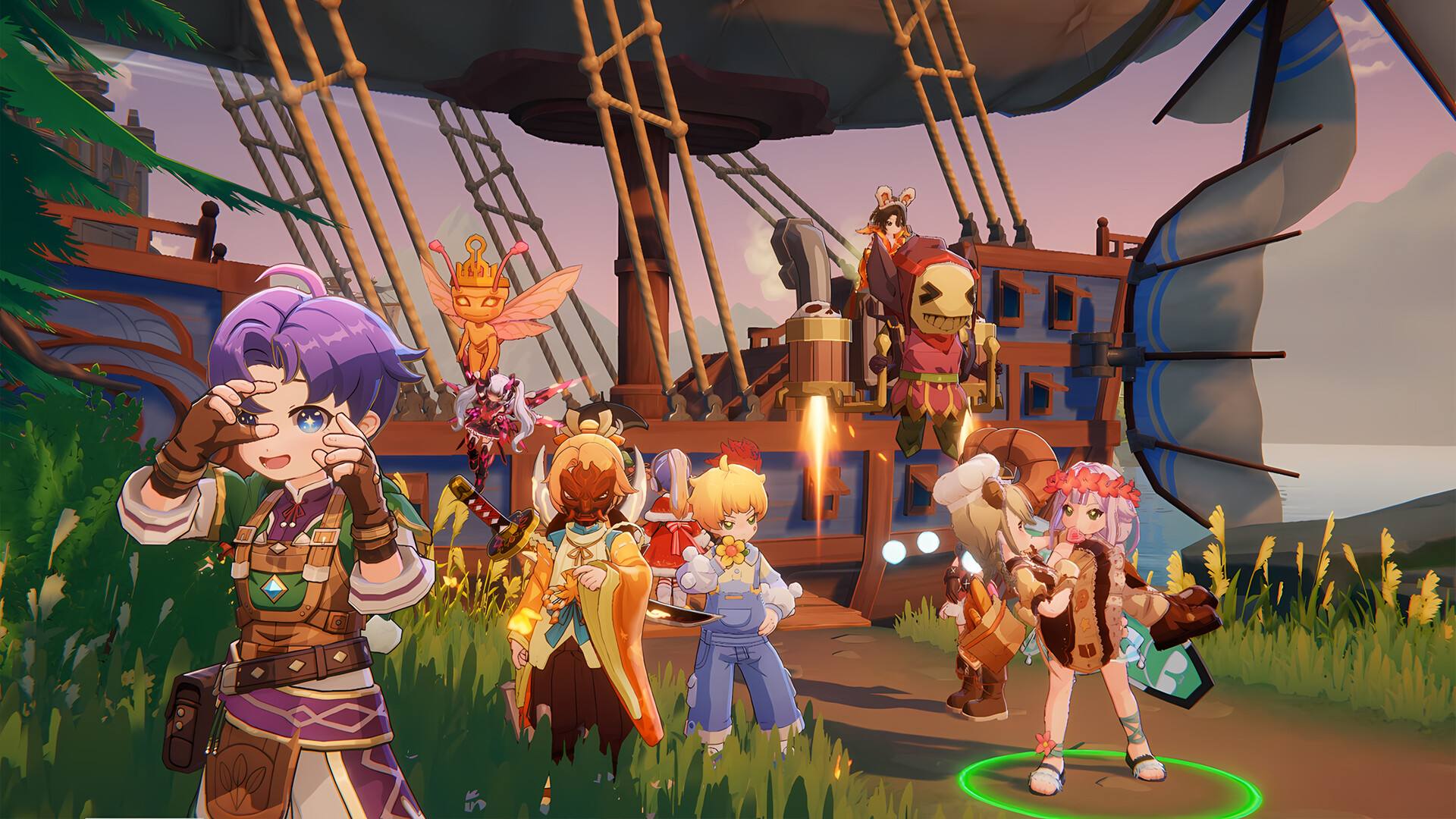
The new Druid is the headline: one class, three playstyles — Werewolf for melee burst, Wereraptor for speed and AoE, and Human Arcanist for ranged magic — switchable as you progress, though some second-job transitions are gated and require specific NPC interactions. On paper the “change jobs anytime” promise is liberating: free stat resets and skill resets let you experiment without fear. In practice, many players report that switching still involves menu navigation and sometimes NPC visits, and the most efficient builds are shaped by gacha pets, refining materials and limited-time boosts. The auction house and MVP-mount drops are enjoyable economy features — I loved hunting an MVP mount once with a guild — but they coexist with pay-forward conveniences like offline resource gains, battle passes and limited daily EXP windows that encourage habitual logins or purchases.
Visuals, Performance and the PC Caveats
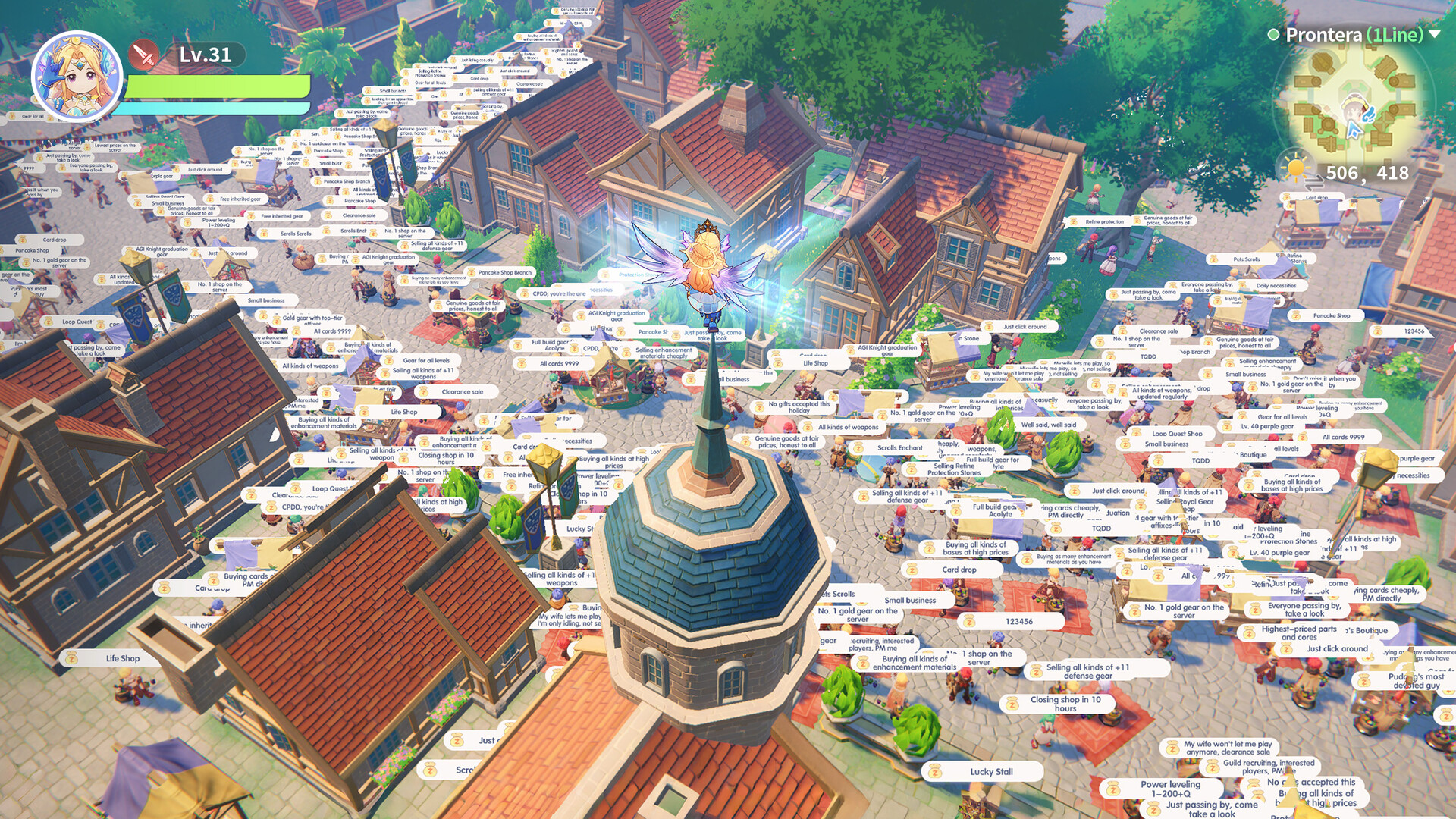
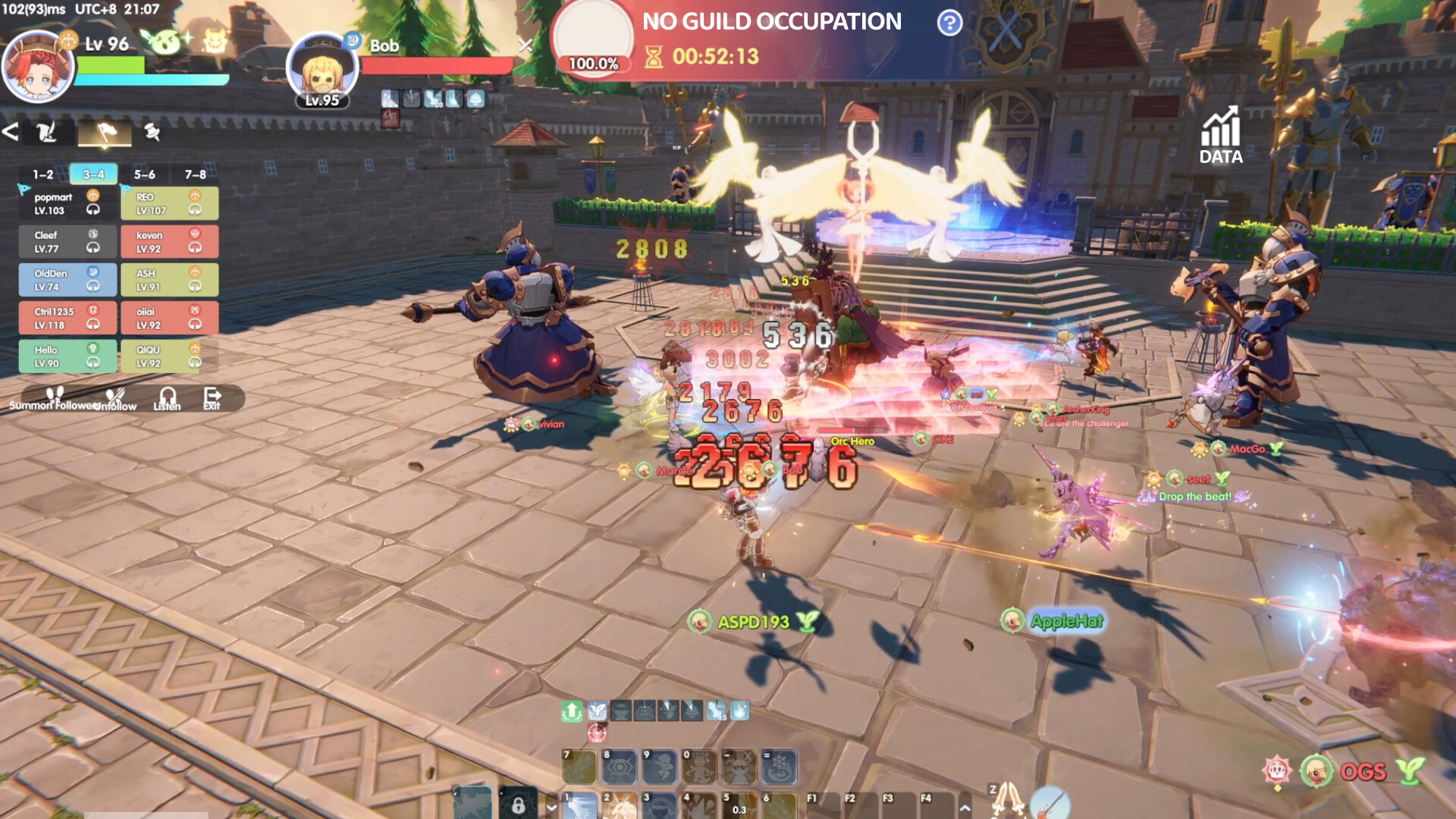
Graphically it’s a big step from recent mobile RO spin-offs: character models, dyes and costumes look crisp, and the game actually offers smooth 120 FPS on high-end setups. That said, the UI screams mobile-first: tiny toggles, nested menus, and intrusive notification banners that clutter the screen — the marquee announcement bar is a relentless offender. Network-wise, many players (and I, during peak hours) saw high ping because servers are clustered in SEA at launch; that can make instance timing and some boss mechanics feel laggy. The launcher and Steam integration also caused friction for some: a third-party login flow that opens a browser and requests an account felt unnecessary on PC and raised privacy concerns. Overall, the tech demonstrates polish where it matters visually, but usability and regional server support need work.

Ragnarok: The New World is a mixed bag: it nails nostalgia and presentation in places, and the Druid plus build freedom are genuine highlights. But the mobile-first design — mandatory auto systems, intrusive notifications, aggressive monetization and regional server issues — prevents it from being the true PC successor many hoped for. Try it if you want a polished-looking, casual RO experience and don’t mind daily caps or occasional pay walls. Avoid it if you expect a hands-on, competitive PC MMO or low-latency western servers.


Pros
- Lovely visuals, costumes and a nostalgic soundtrack that hits the right notes.
- Flexible class system and free stat/skill resets make experimentation low-risk.
- Convenient features like offline resource gain and auction house add value for casual play.
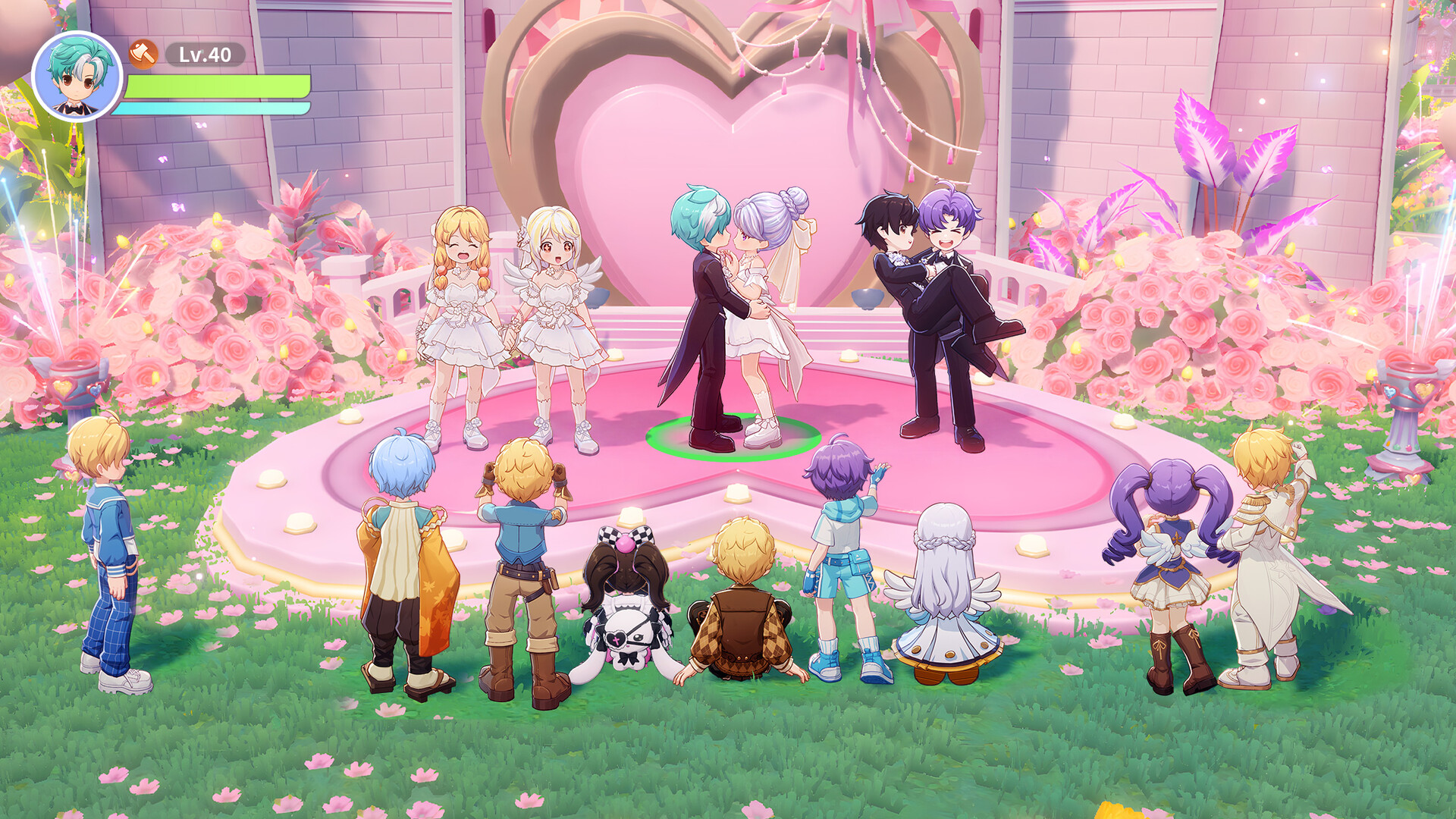
- MVP mounts, dyeing and deep cosmetic options for fashion players.
Cons
- Auto-everything: mandatory auto-pathing/auto-combat kills manual play and exploration.
- Aggressive mobile-style monetization: gacha pets, refinement boosts, daily EXP gates.
- Server/launcher friction — SEA-centric servers at launch, third-party login pop-ups.
Player Opinion
Steam reviewers are sharply divided, and the recurring themes are consistent. Players praise the art direction, soundtrack and the novelty of the Druid’s three forms, but many complain that the game ‘plays itself’ — “auto-battle, auto-quest, auto-everything” is an exact quote echoed across many posts (Steam reviews, Jul 2026). Complaints also center on intrusive UI pop-ups, a third-party login that opens the browser, and SEA-only servers causing high ping for western players. A representative critical line from community feedback: “You literally watch your character run and fight itself” (Steam review, Jul 2026). On the positive side some veterans admit it scratches a nostalgia itch and that instanced boss fights can be enjoyable if you join a coordinated group — but the shop and gacha systems are repeatedly called out as pay-to-progress. If you enjoy casual, low-effort PvE with cosmetic goals, you’ll find good moments; if you want manual control, competitive PvP fairness, or low-latency western servers, the consensus says look elsewhere.