Rift Wizard 3 Review – A Brutal, Brilliant Sandbox of Sorcery
Rift Wizard 3 refines the series' brutal roguelike sorcery with a bold crafting system, tighter maps and devastating enemy design. A must-play for tinkers and masochists alike—if you can stomach the steep learning curve.
I jumped into Rift Wizard 3 expecting more of the same; what I found was a familiar skeleton remade into something leaner, meaner and a little more vindictive. The game keeps the series’ signature puzzle-like combat and adds a dense crafting system that forces choices you’ll regret—and celebrate. If you enjoyed RW2’s buildcraft, this pushes those ideas further: spells can be upgraded twice, equipment now comes from components, and portals hand you the choice of which trials to face. It’s less forgiving, but also more satisfying when a risky plan actually clicks.

Pocket Battles: Fast, Brutal, Tactical
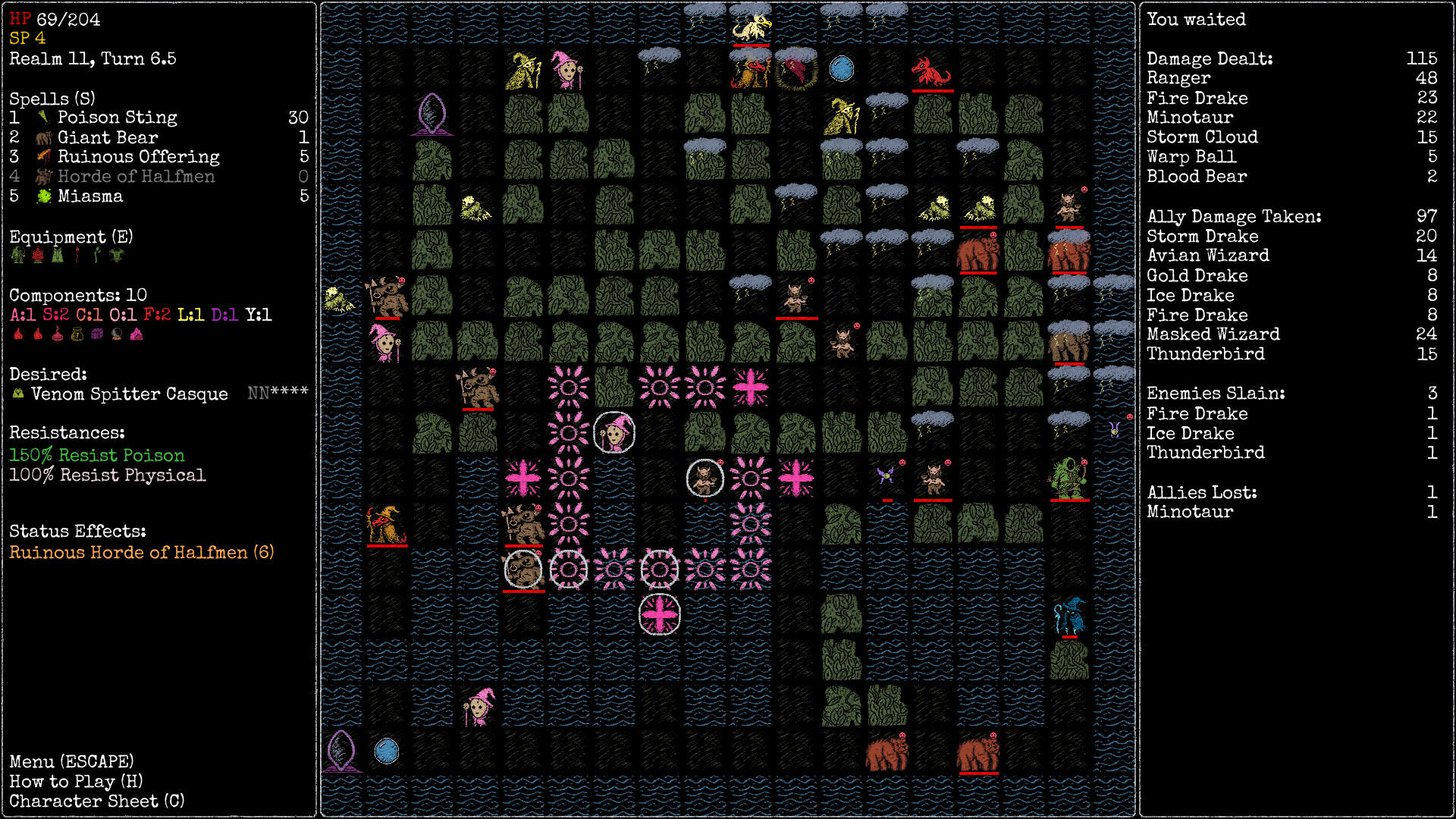
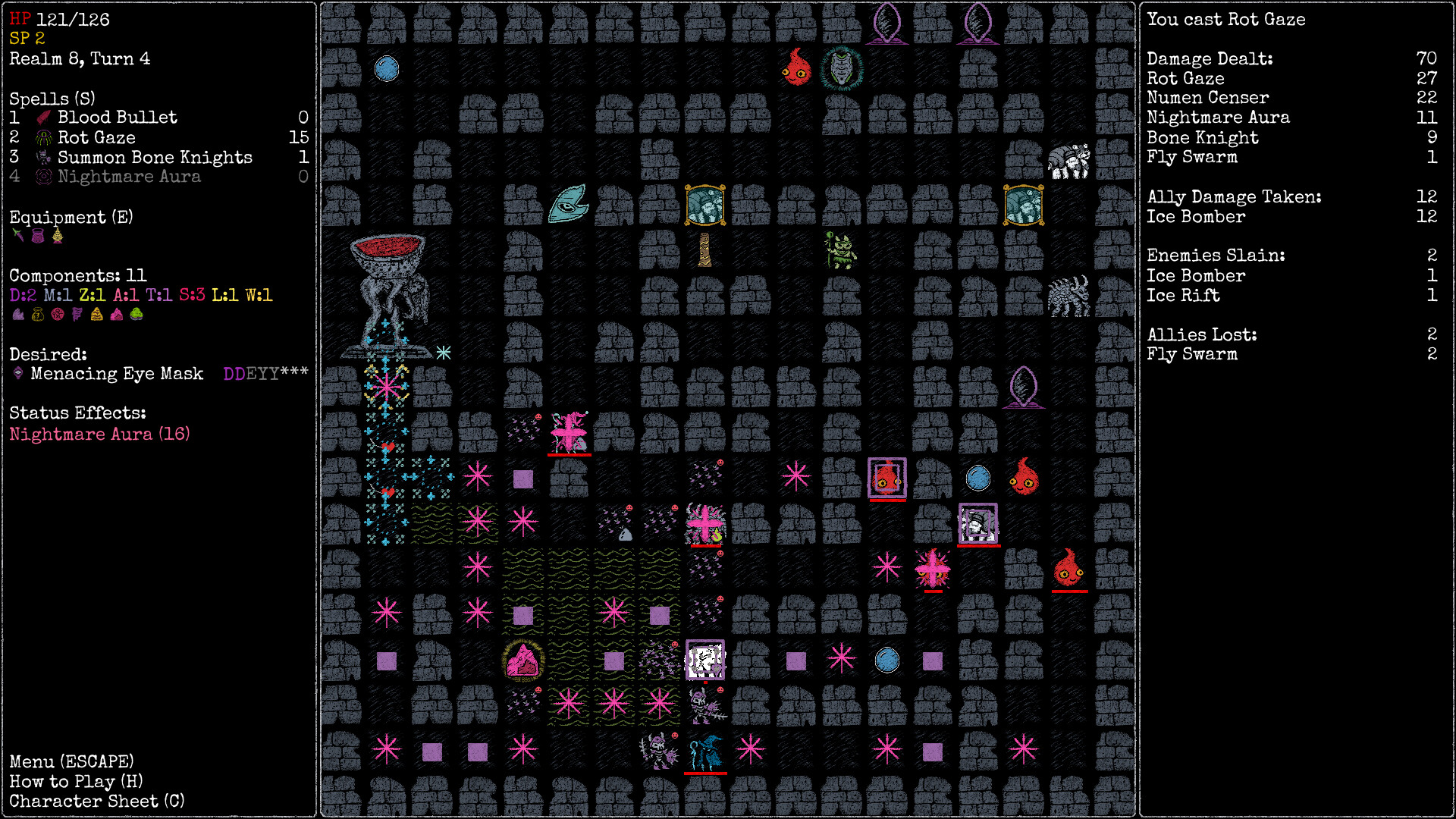
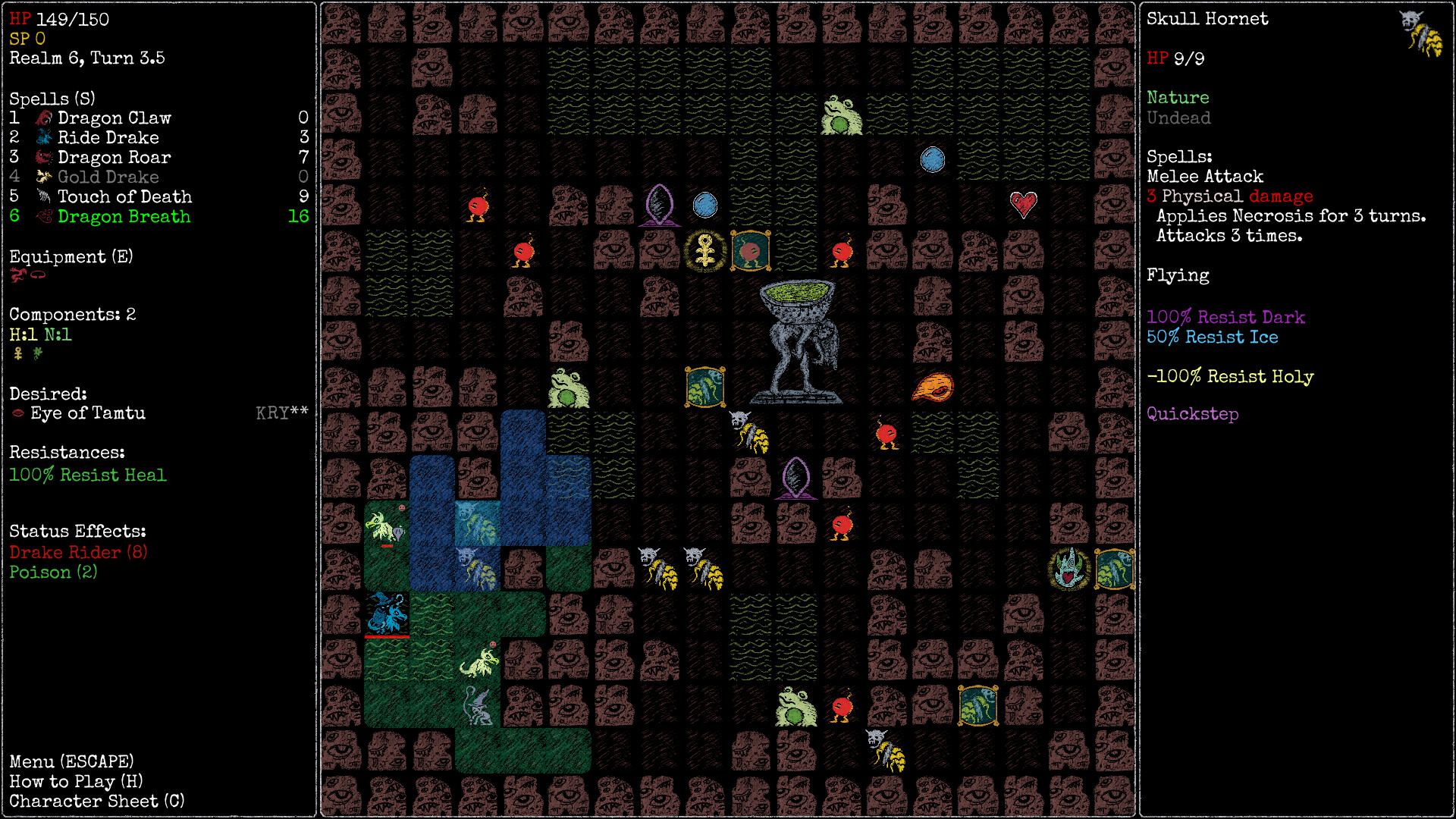
Rift Wizard 3 shortens arenas and tightens encounters so every action matters. The core loop is still gloriously simple: pick a rift, choose spells and artifacts, and obliterate the map. Movement, line-of-sight and positioning feel vital because rooms are smaller — you’ll be dancing around projectiles and area attacks much more often than in previous entries. Combat plays like a chess-puzzle with explosive fireworks; many fights are won by exploiting synergies rather than raw numbers. Teleporting, timing your charges and baiting enemies into traps are everyday tactics, and the game rewards clever think-ahead play. It’s not about spray-and-pray; it’s about assembling a toolkit and then solving the level with it.
Component Alchemy: Crafting that Makes You Sweat
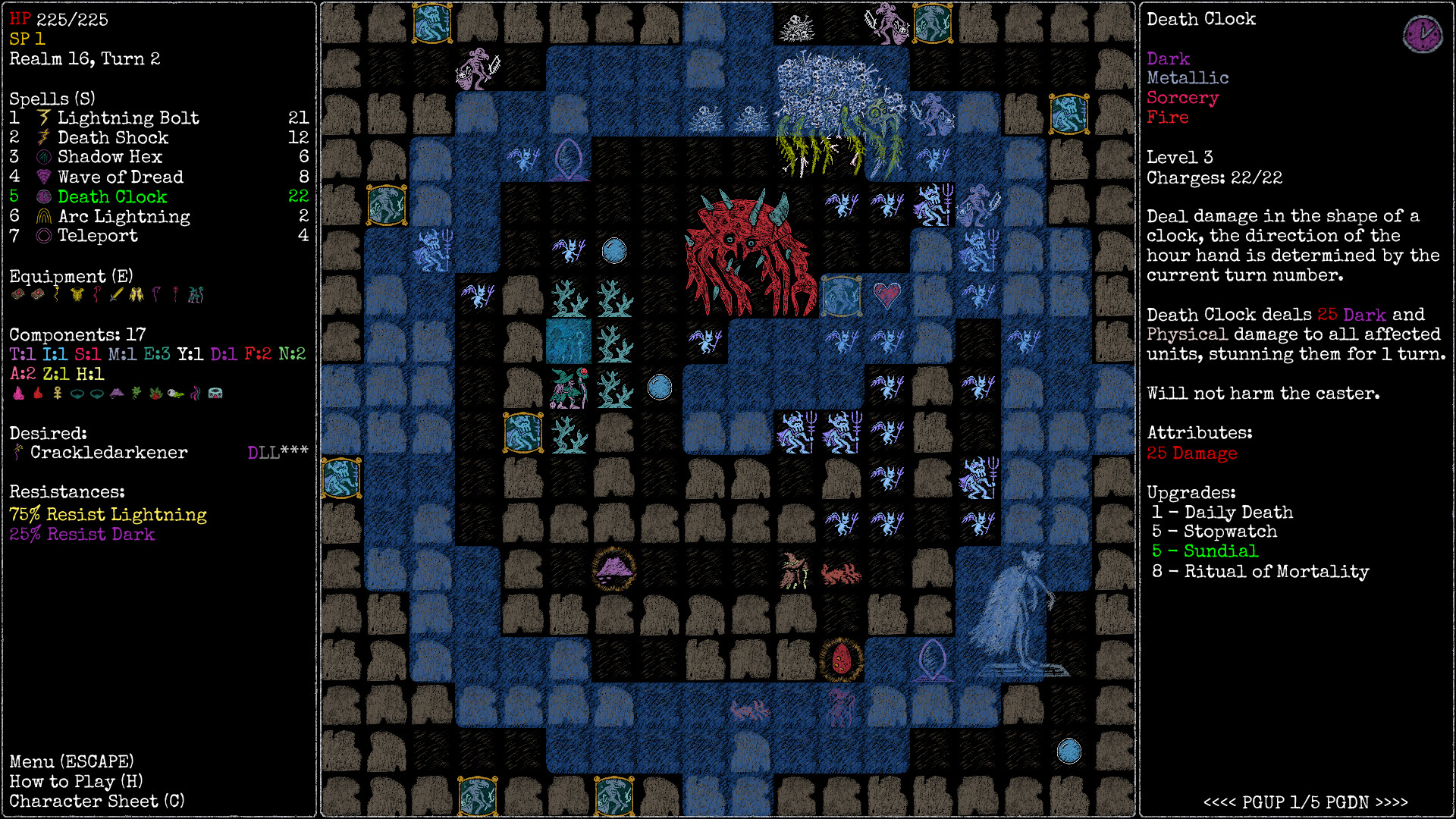
The new crafting system is the headline change and it’s a deliciously brutal gamble. Instead of predictable consumables, you gather components scattered through rifts and combine them into permanent craftable equipment. That creates agonising choices: take an on-pickup temporary boost now or hoard materials for a long-term item that could make a later build sing. Many reviews complain (rightfully) about losing consumable safety nets, and I share that frustration on first runs—no more clutch health pots. But the flip side is huge agency: crafting can recreate or even surpass the old ‘required’ wands by letting you manufacture passives tailored to your plan. Spells now accept two upgrades, shrines and items can stack upgrades, and weird, emergent combos appear that feel like discovering secret spells. The portal system complements this: you pick the challenges, plan resource flow across levels and try to maximize crafting potential without being nuked mid-prep.
Hand-Drawn Grit and Sound That Hits the Mood
Visually, RW3 trades some pixel nostalgia for a hand-drawn clarity that helps readability in crowded fights. Large enemy sprites—like the flesh colossus—and distinct spell effects pop off the screen, which is welcome when the room is a chaos of projectiles. Smaller maps and clearer visuals combine to make tactical reading easier, even when the game is punishing. The soundtrack is moodier and more varied than before; not everyone will prefer it to RW2’s ost, but it grows on you and gives boss encounters genuine punch. Performance on Windows has been solid in my runs; accessibility options are modest but the UI is reasonably clean. There are rough edges—some spell descriptions are terse and the learning curve is steep—but the presentation overall supports the brutal, thoughtful gameplay.

Rift Wizard 3 is a brutal, brainy roguelike that refines the series’ strengths while asking more of the player. It’s a love letter to buildcrafting with a punishing twist: crafting and double upgrades open spectacular possibilities, but the loss of consumables raises the stakes. Buy it if you thrive on experimentation, emergent synergies and tactical pressure; if you prefer forgiving runs or casual discovery, start with RW2 instead.


Pros
- Deep crafting system that rewards planning and creativity
- Tighter maps and combat that make every choice meaningful
- Spells with double upgrades and rich emergent synergies
- Distinct art direction and impactful boss encounters
Cons
- Removes consumable safety nets—early runs can feel unforgiving
- Steep information overload; terse spell descriptions hinder discovery
- Smaller maps can feel punishing to players who liked bigger snowballing arenas
Player Opinion
Players praise RW3’s fresh art, upgraded spells, and the new crafting system—many say crafting restores agency and reduces cruel RNG deaths compared to RW2. Several longtime fans celebrate the tighter loop and the thrill of tougher boss fights like the revised Mordred encounter. Recurrent complaints focus on the removal of consumables and a steeper difficulty curve: some feel forced to learn every spell text and its minutiae before attempting consistent runs. Others love the emergent complexity and report hundreds of hours diving into obscure synergies. In short: if you adore buildcraft and don’t mind steep entry costs, the community reaction is overwhelmingly positive, albeit divisive for those who miss the old safety nets.