Romestead Review – Rebuild Rome in a Cozy (and Brutal) Zombie Survival
A charming mix of city-building, survival and Zelda-like dungeons — Romestead lets you farm, fight and ferry cart-trains of logs while the gods sleep. A lot of promise, great co-op, but expect rough edges.
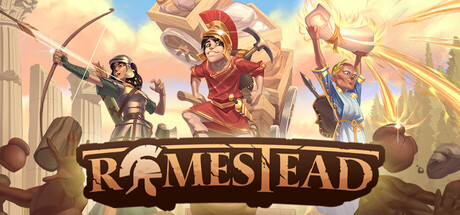
I jumped into Romestead because the blend of town-building, dungeon crawling and deity-driven progression sounded irresistible — and I wasn’t disappointed. The game mixes Stardew/Valheim vibes with top-down Zelda combat and a surprising logistics layer (cart trains are gloriously silly). It’s an Early Access love letter with real polish in many places: towns grow organically, bosses demand respect, and co-op up to eight players actually works. Still, be ready to babysit villagers and forgive a few rough edges — that’s part of the charm and the pain.

Hauling, Hacking and Hearth: How You Spend Your Days
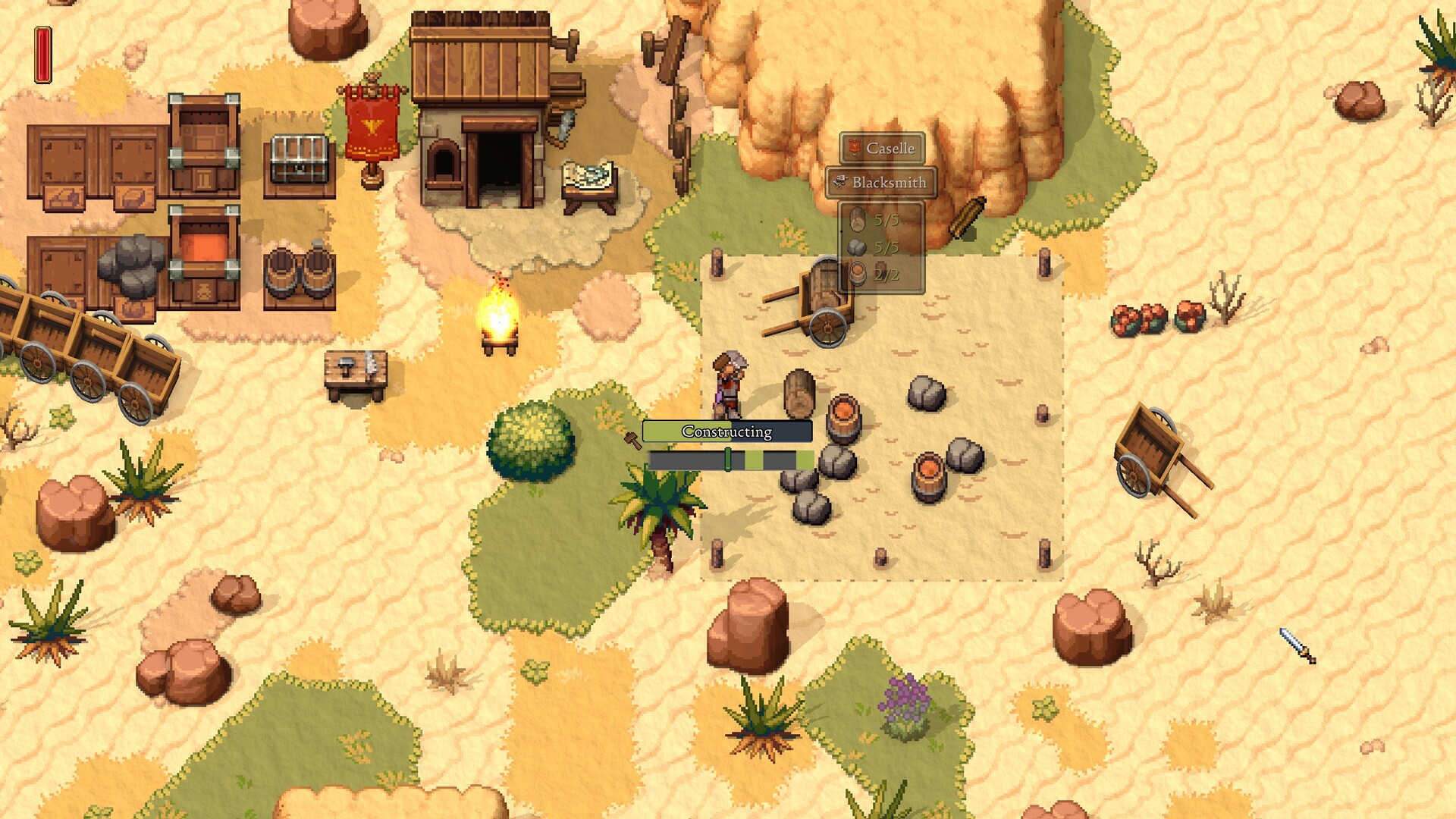
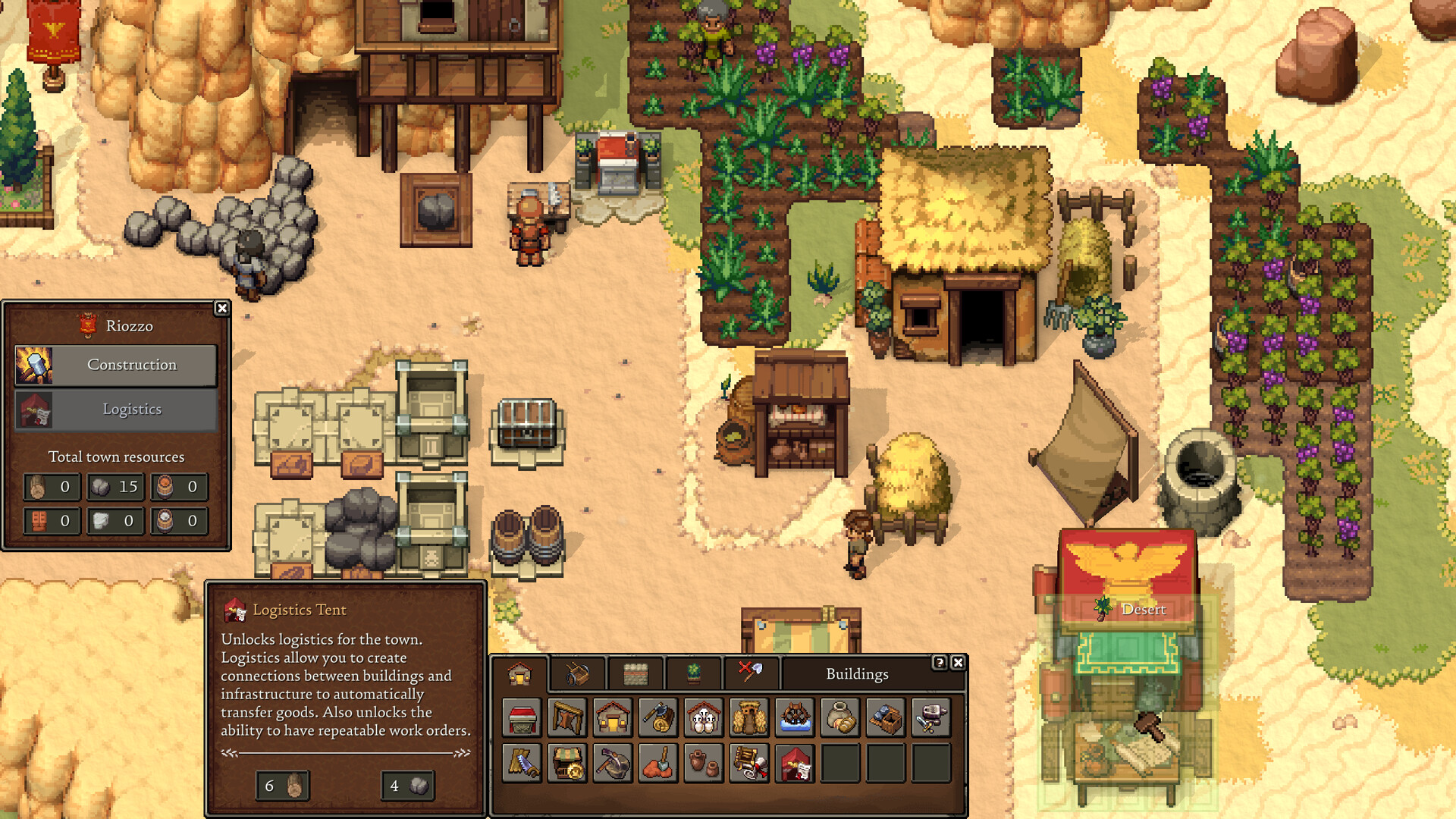
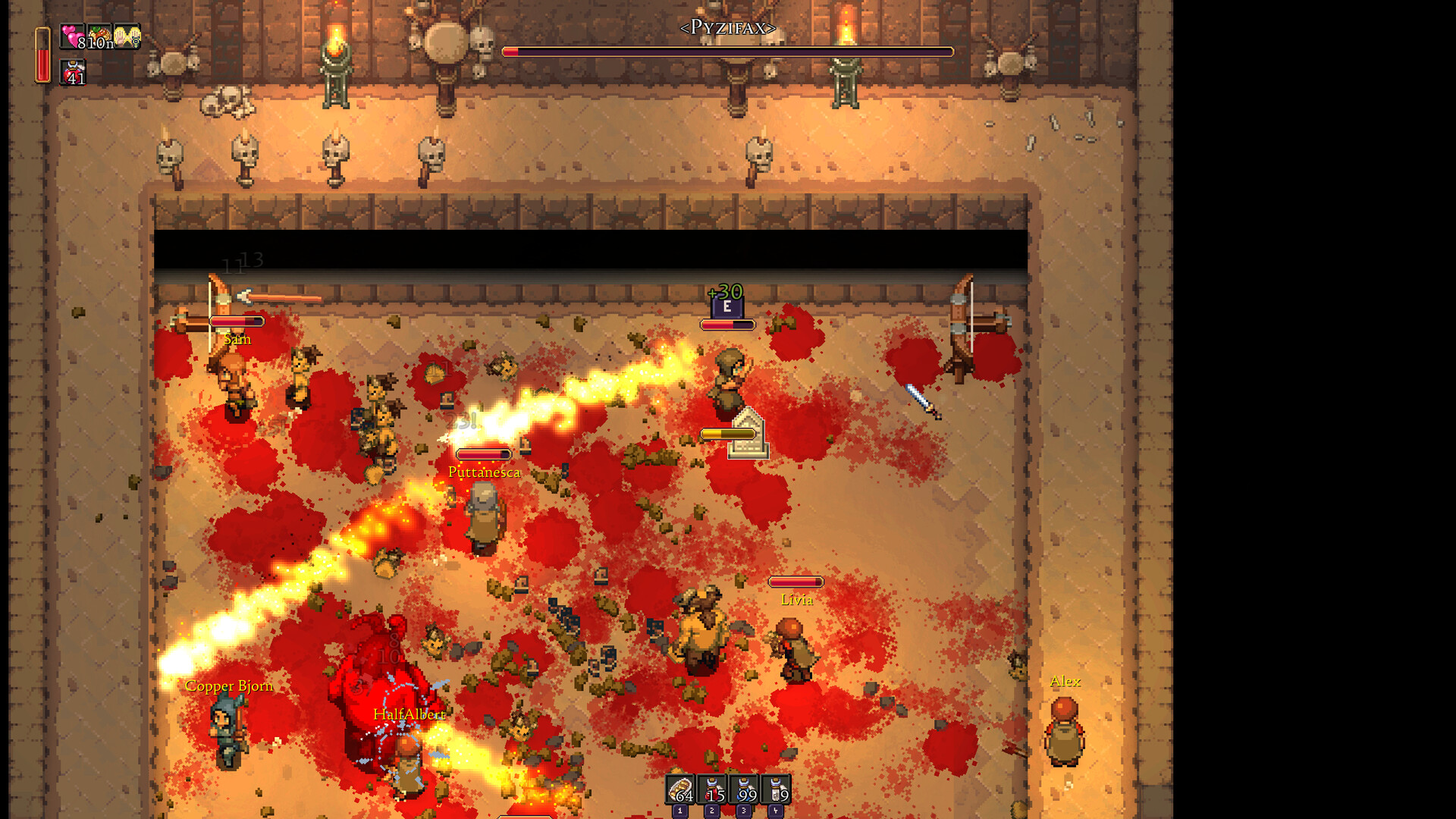
Romestead’s core loop feels familiar but layered: I spend my daytime exploring procedurally generated biomes, chopping trees or mining ore, then hauling heavy resources back—one by one—unless I chain carts into a glorious train and feel like a logistics god. Combat is a tight, top-down action affair with dash, block and charged attacks; it scratches that old-school Zelda itch but with RPG-ish gear progression and spells. Nights and raid-waves force defensive planning: walls, ballistae and traps matter, and sometimes the best tool is a well-placed boulder. Towns are more than aesthetic: you recruit survivors into jobs (blacksmith, miller, trader), assign them to buildings and watch production tick up — when it works, it’s deeply satisfying.
When Rome (and Your Town) Get Interesting
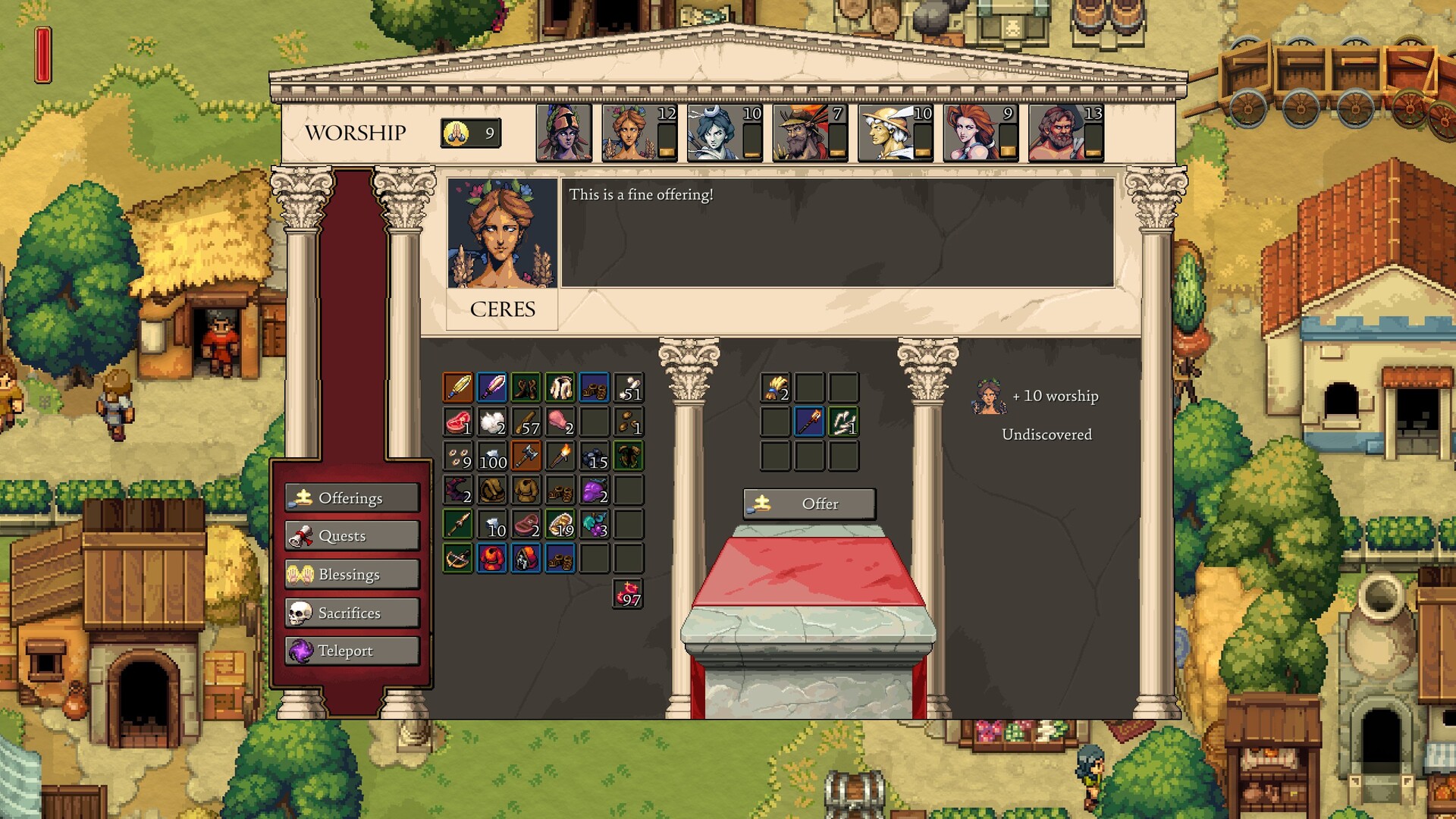
What elevates Romestead are the small, quirky systems that interact: offerings to Roman gods unlock tiers of research and buffs, unlocking new production chains and quality-of-life upgrades. The way heavy resources are physical objects in the world makes building feel tactile — I’ve laughed more than once hauling a log train behind me like a medieval trucker. Crafting and city building slowly scale into a genuine colony sim: roads, trade routes between settlements, specialized outposts and automation bits appear as you progress. Dungeons hide trinkets, craftsmen, and survivors, while boss encounters act as gating milestones — they scale with player count and can be memorably brutal. That spike in difficulty can be awesome in co-op and punishing solo, which feeds both triumph and occasional salt.
A World With Personality — And Rough Spots
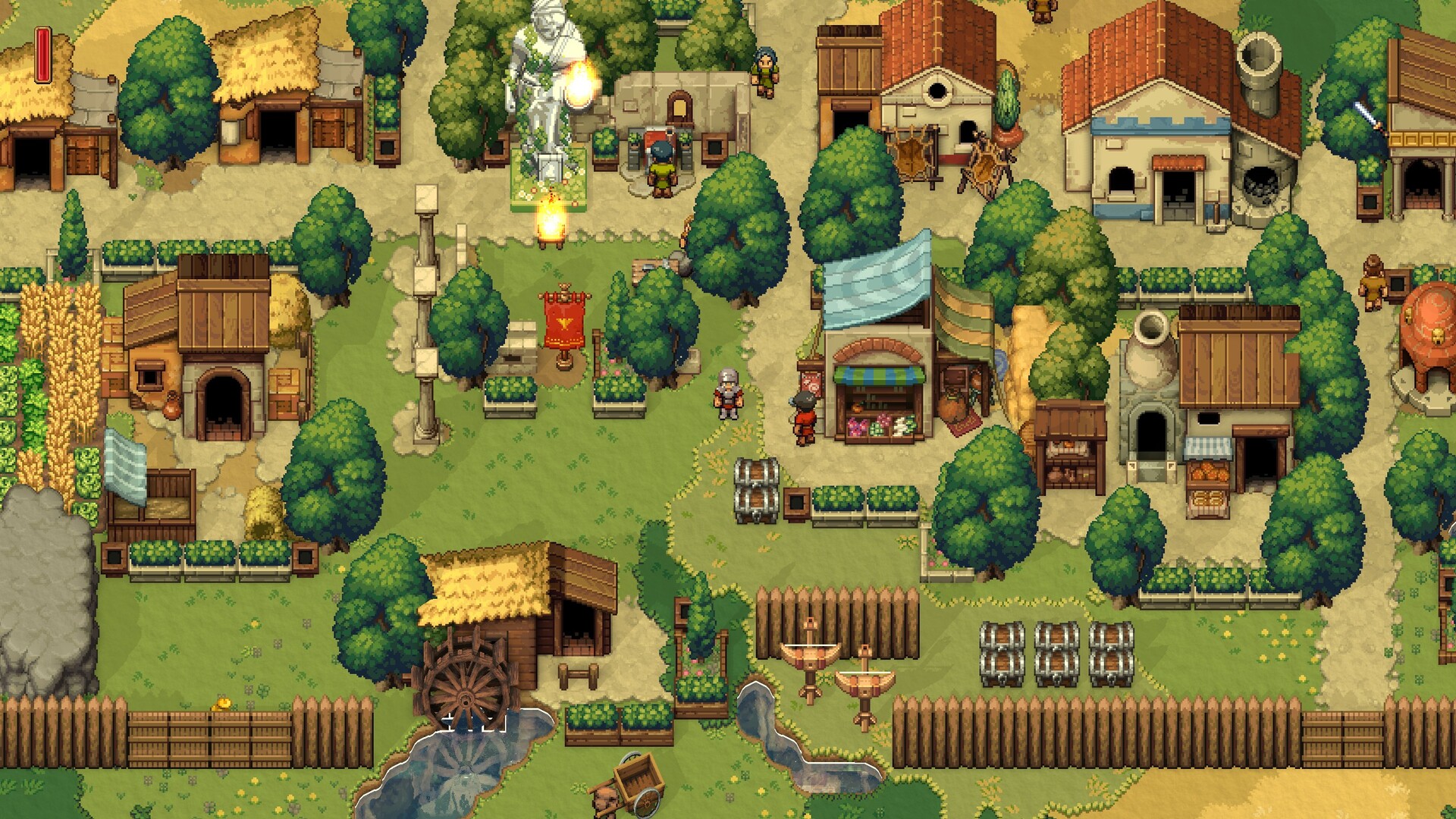
Visually, Romestead nails a cozy pixel style with fluid animations, good particle work (blood splatter feels satisfying) and surprisingly pleasant water reflections. Music and ambiance fit the tone: pastoral during the day, tense at night. Performance on Windows is generally solid; community reports suggest it runs on Deck/Linux with tweaks, but official support is Windows-first. Where the game shows its Early Access teeth: NPC AI and QoL. Villagers sometimes path poorly (standing in fires or lakes is a real thing), storage logistics can feel tedious before you unlock transport automation, and some buildings are fiddly to move. Still, the devs are responsive and patches come regularly — many annoying issues have community workarounds and developer fixes appear fast. All of this makes Romestead feel like a living project: rough around the edges but honest, feature-rich and fun to lose hours in.

Romestead is one of those Early Access games that already delivers a lot: cozy aesthetics, deep systems and genuinely fun co-op. I’d happily recommend it to groups of friends and solo players who don’t mind tinkering and occasional babysitting of NPCs. Buy it if you want a long, messy, rewarding building loop with memorable boss fights — but expect patches and polish to keep coming.


Pros
- Delightful mix of town-building, survival and dungeon crawling
- Cart trains, physical resources and tactile logistics feel great
- Co-op up to 8 players scales well and is a highlight
- Regular developer updates and strong community engagement
Cons
- NPC AI and pathing issues can break progression or frustrate
- Quality-of-life and inventory automation feel limited early on
- Some boss fights feel overtuned, especially for solo players
Player Opinion
Players consistently praise Romestead’s addictive loop: building cozy towns, chaining carts, recruiting artisans and diving into challenging bosses. Many reviews name-check Stardew Valley’s charm, Valheim’s progression and Core Keeper’s vibes as reference points — and people love the cart trains. Recurring criticisms focus on villager AI (they sometimes wander into hazards), tedious manual hauling before logistics upgrades, and a few bosses that feel too punishing solo. Community sentiment also highlights fast developer response to bugs and frequent updates. If you enjoy cooperative base-building and don’t mind Early Access roughness, most players say Romestead is worth the price.