Rune Dice Review – Bouncy Dice Merges, Big Combos, Small Runs
A physics-driven roguelite where dice merge to create explosive chains. Fun, inventive core loop but currently held back by short runs and dice physics quirks.
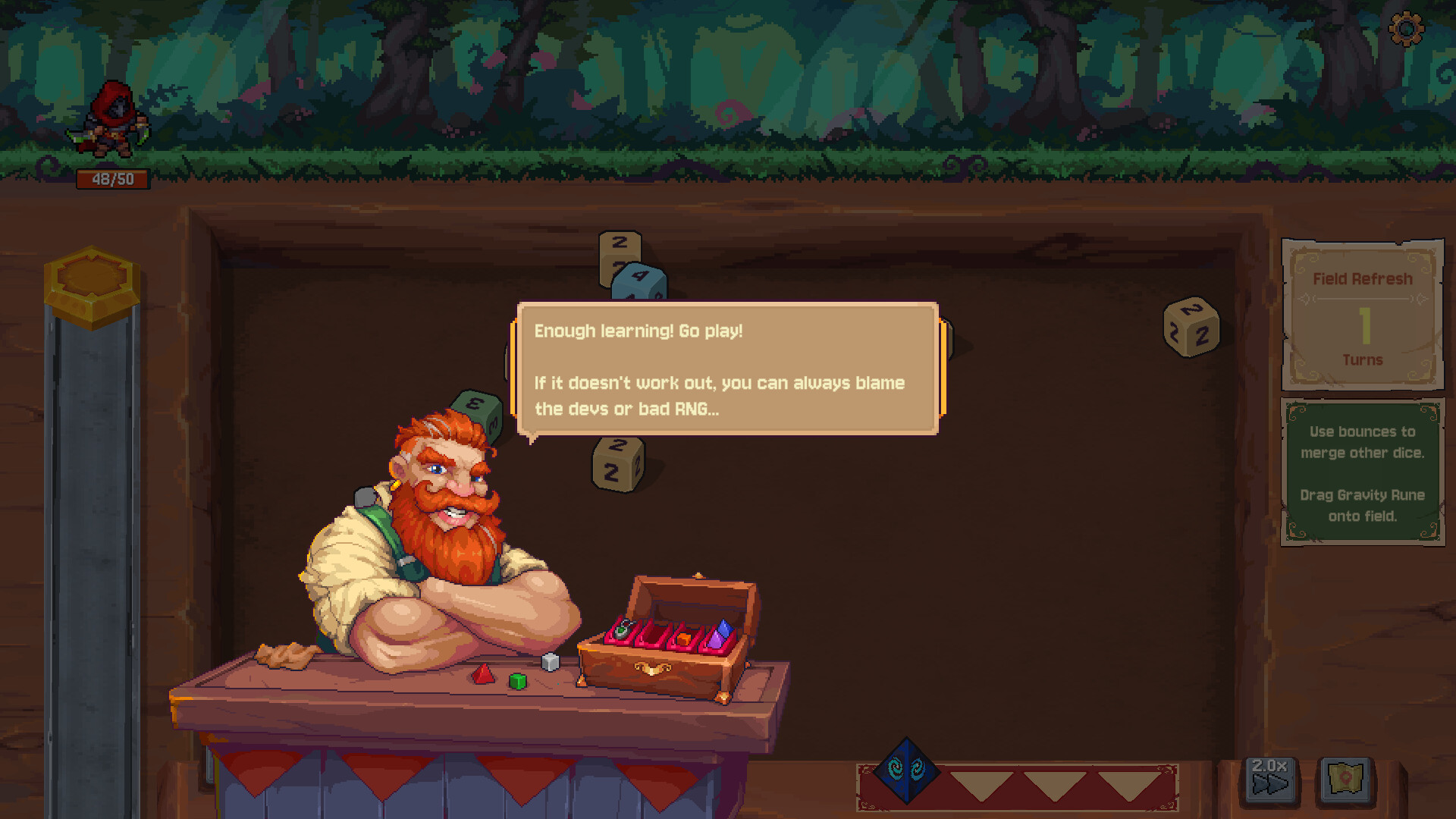
Rune Dice hooks you fast: you aim a die like a pool shot, watch it bounce, and pray it triggers a chain reaction that wipes the board. The idea — mixing billiards physics with merge mechanics and roguelite progression — is deliciously original and often delivers satisfying 'numbers go up' moments. If you liked Peglin or Slay the Spire's map pacing, you'll recognize the DNA here, but Rune Dice takes its own path with 8 classes and tangible class identity. I found myself grinning at first combos and fuming when a promising run ended abruptly because the level was over — more on that later.

Launching Chaos Across the Battlefield
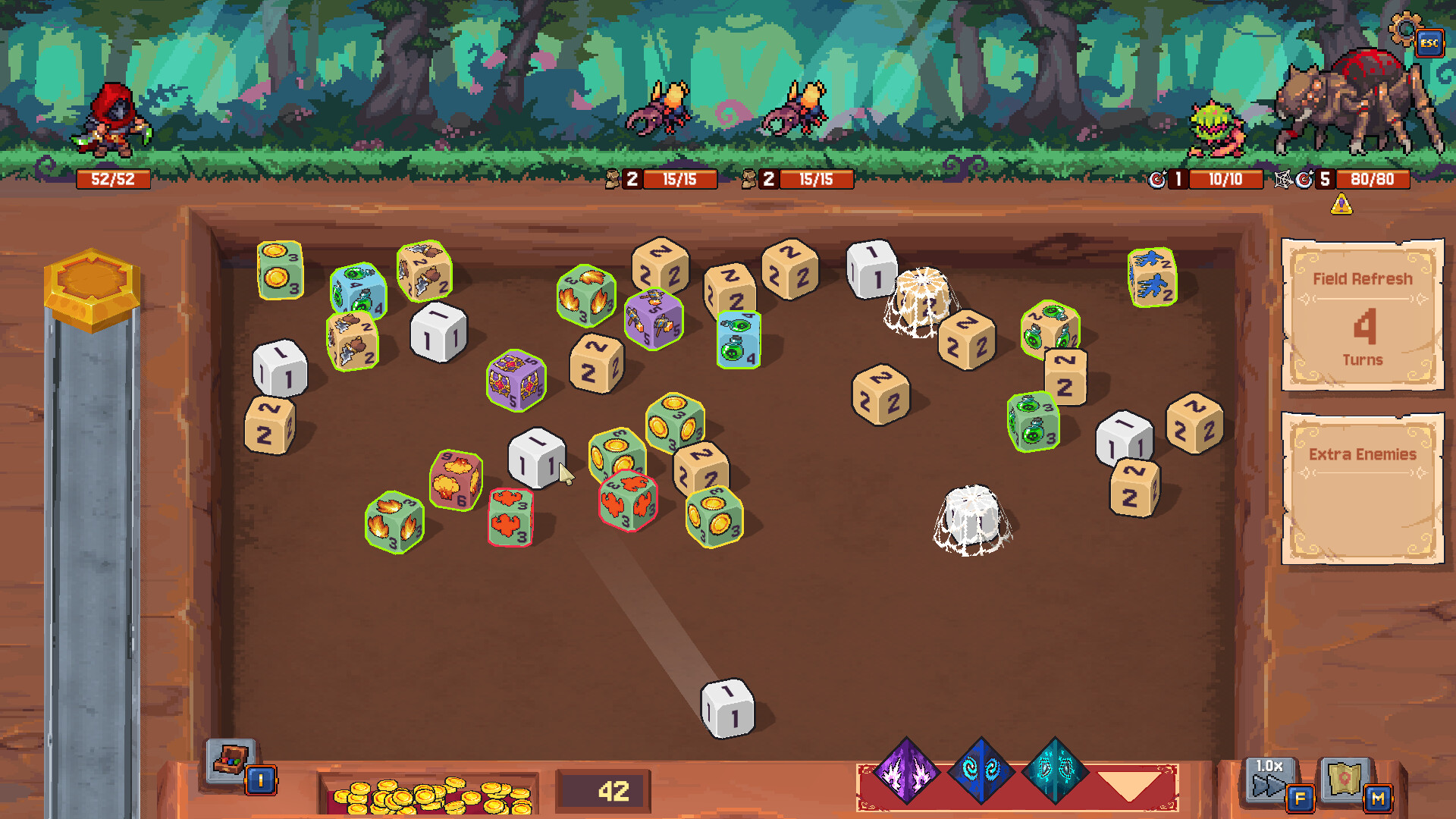
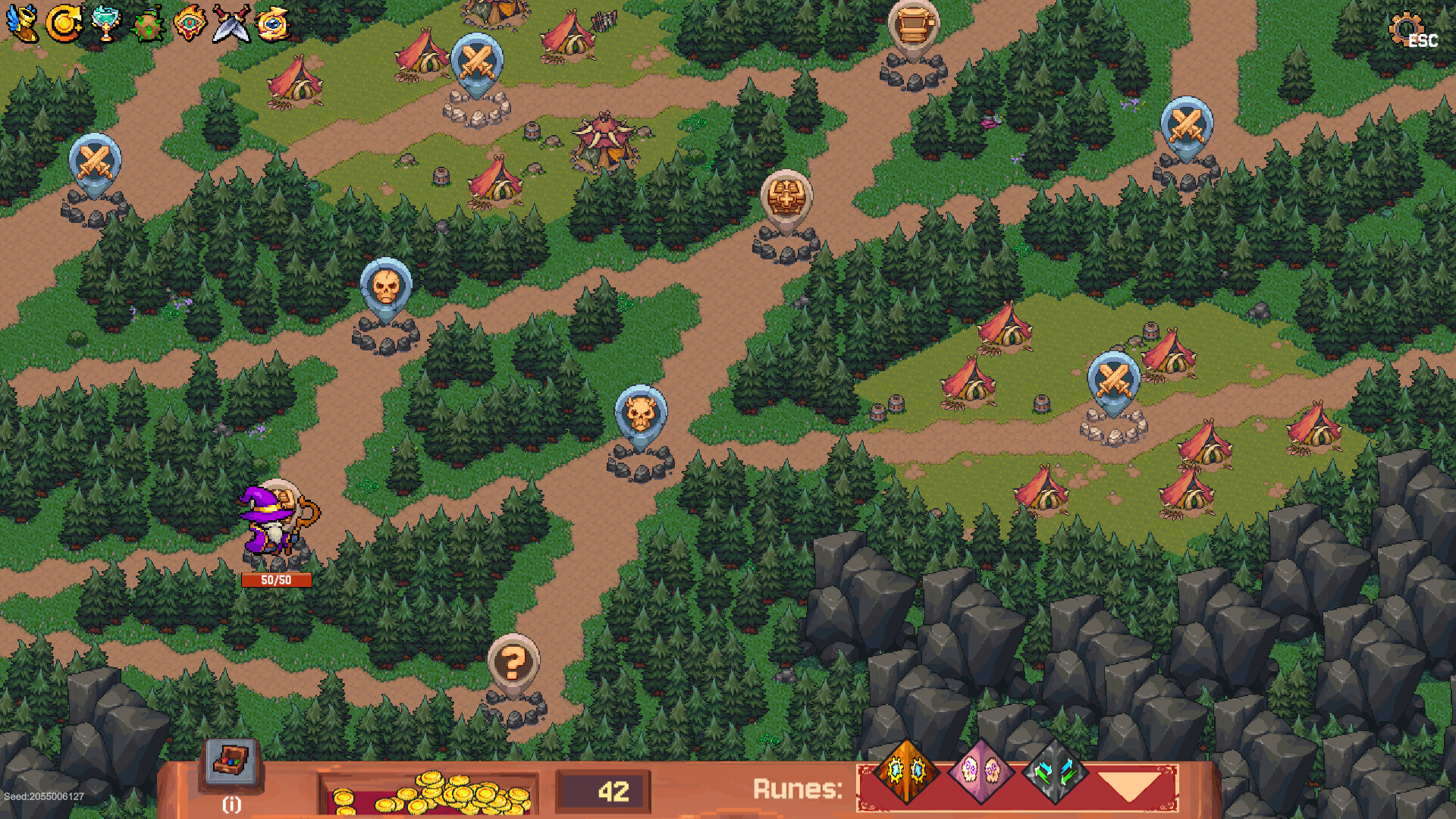
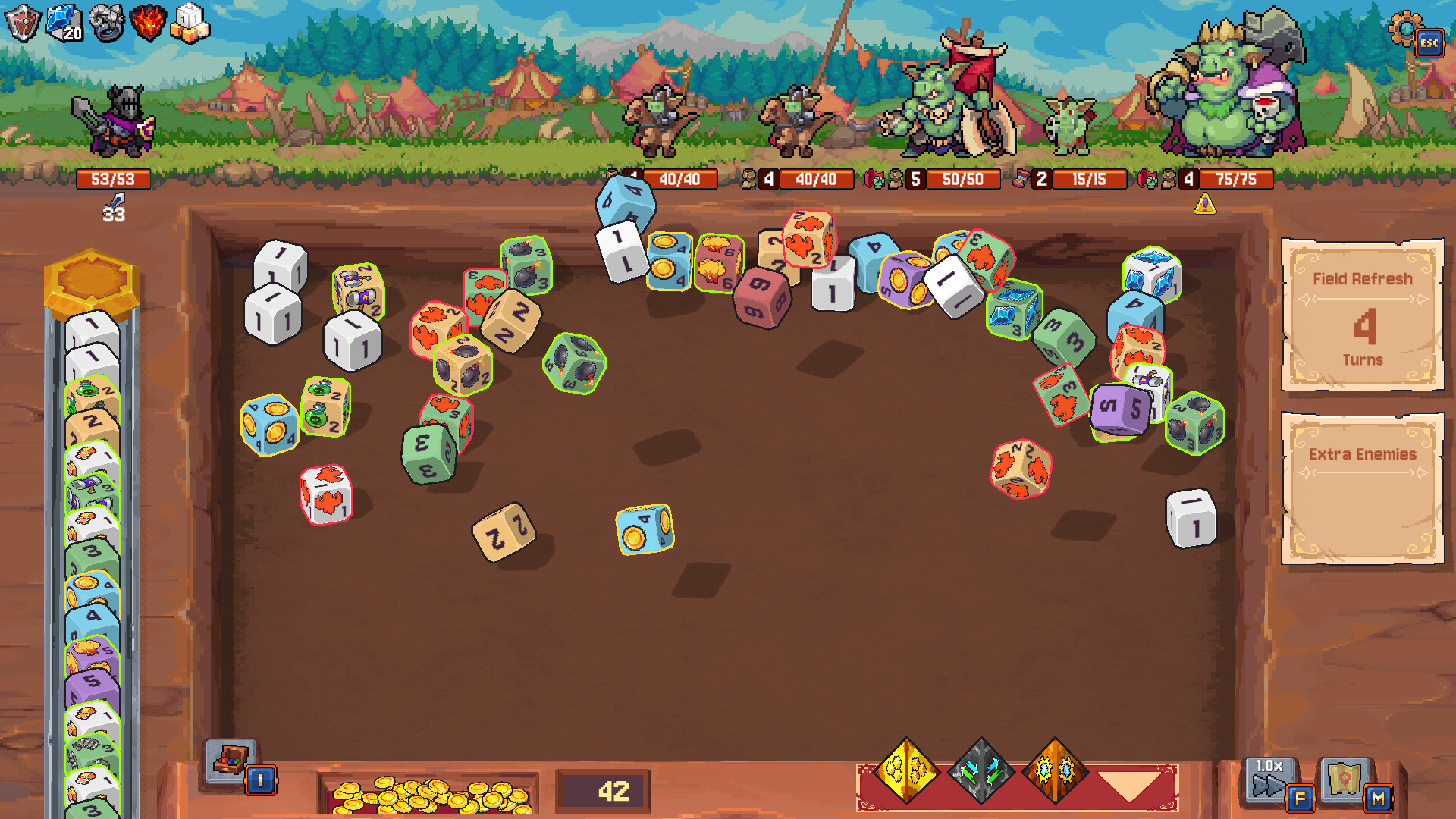
Combat in Rune Dice plays like a cross between Peggle-style aiming and a physics sandbox. Each battle starts with several dice on the board and one you launch from the left — you aim, shoot, and hope your shot causes matches. When identical-value dice touch they fuse into a higher die and automatically leap toward the next matching value to continue the chain, turning a single good shot into dozens of attacks. The twist: merges count as separate hits, so a long chain can utterly clear waves. You also choose nodes on a roguelite map, pick rewards after fights, visit shops, and prepare for bosses that often twist the rules of engagement.
When Merges Become Your Best (and Worst) Friend
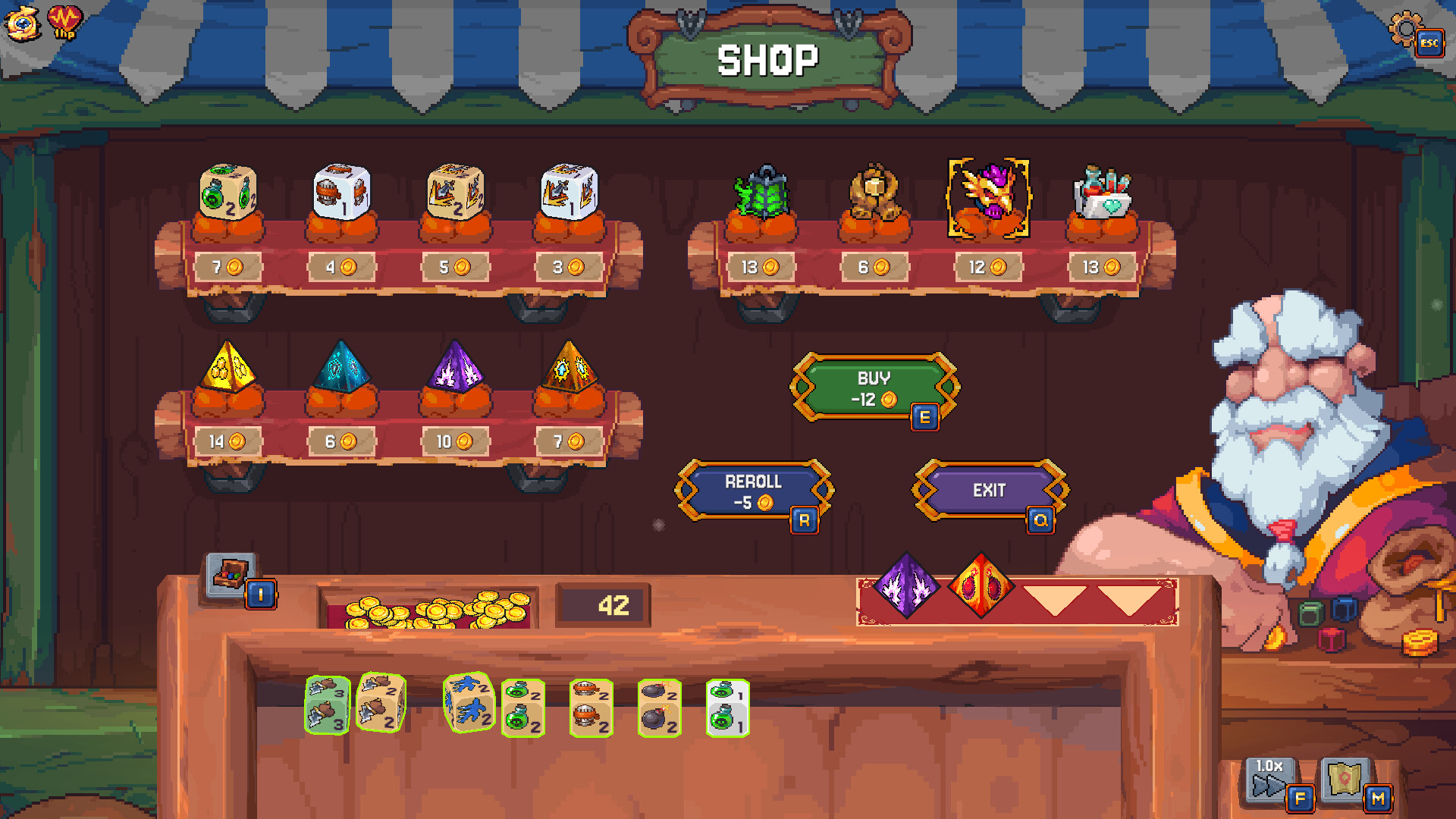
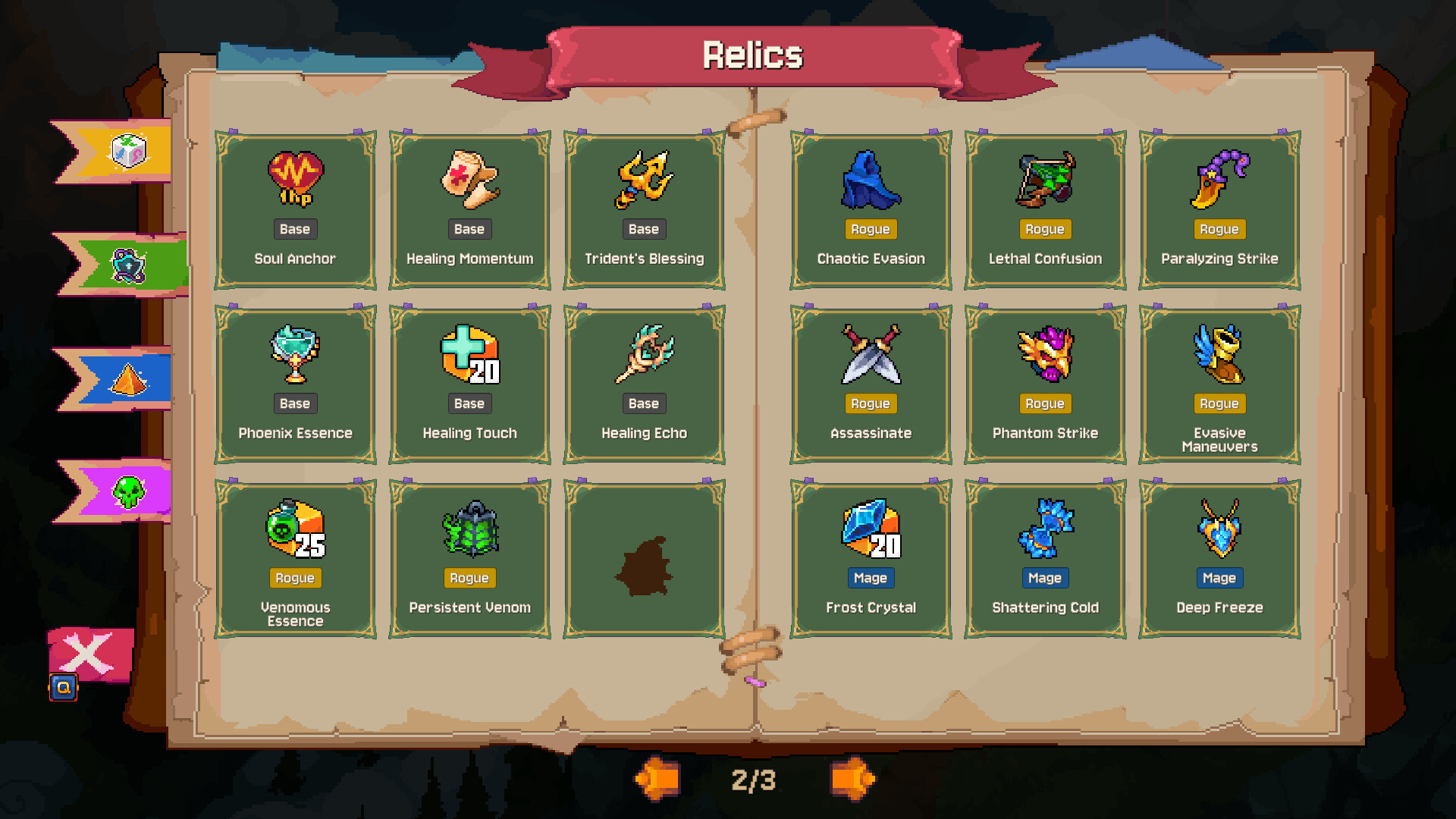
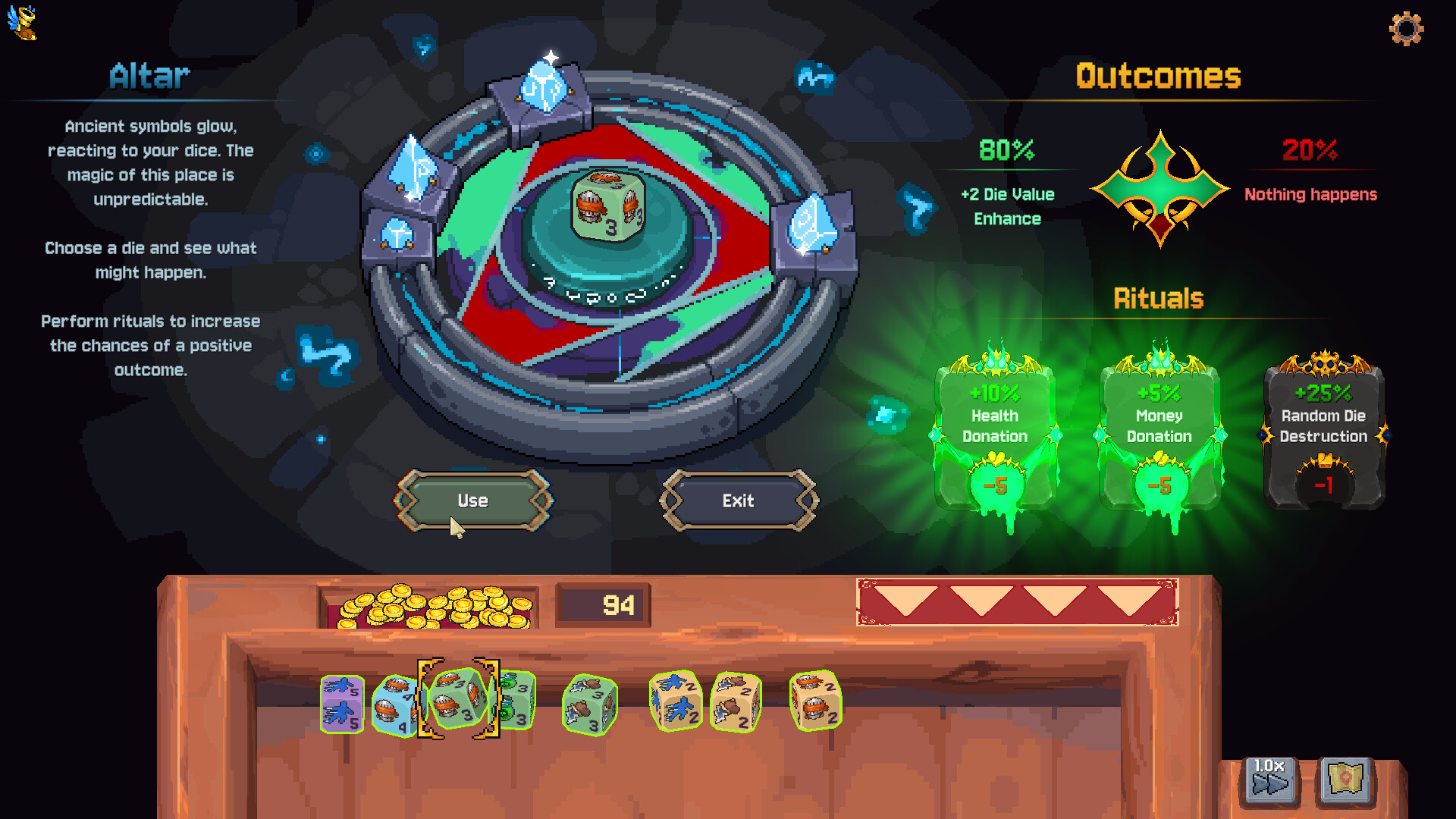
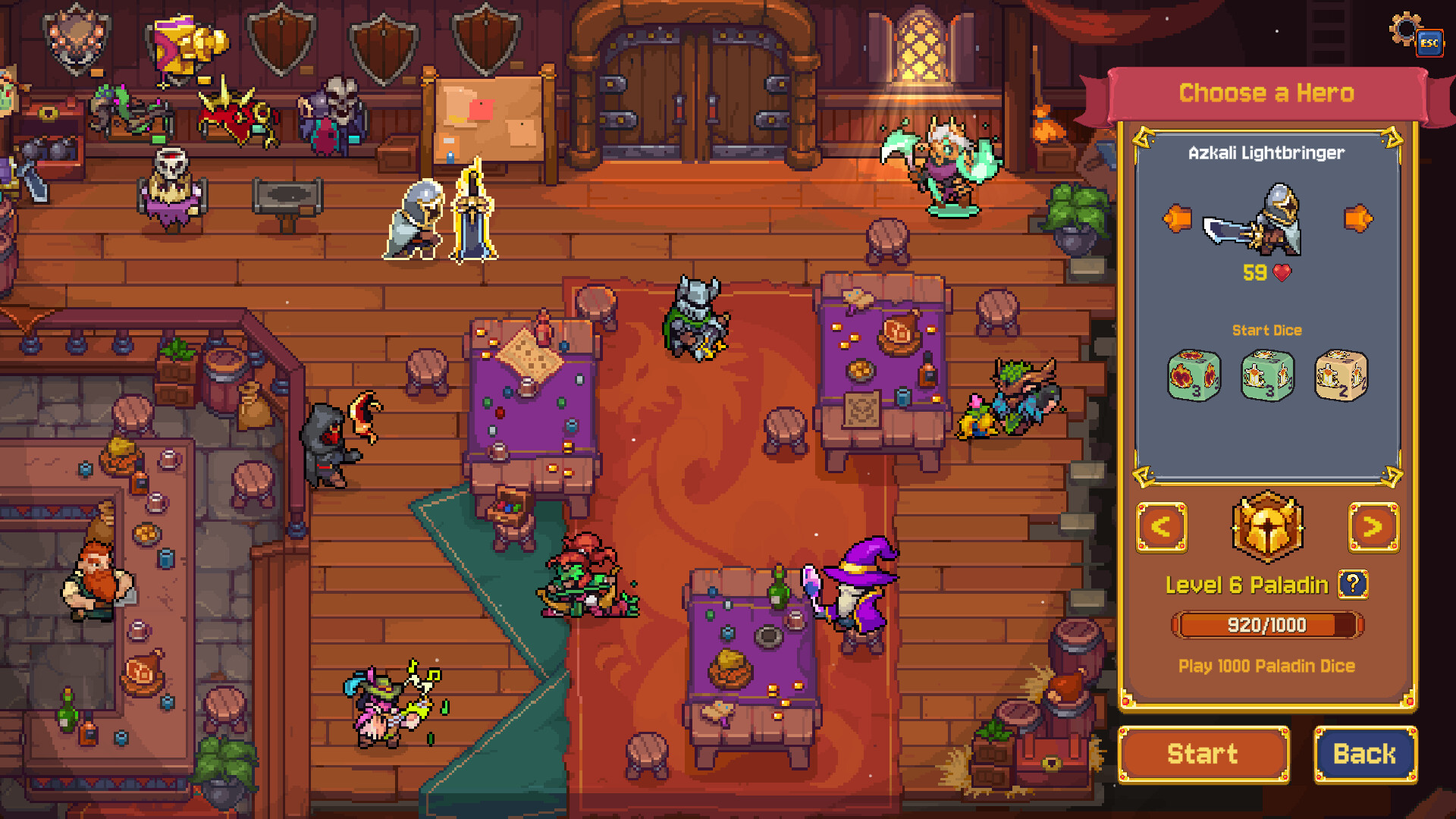
What makes Rune Dice unique is the fusion-driven buildplay. There are 8 classes with distinct dice and playstyles — Rogues spread poison, Mages summon lightning storms, Warriors soak up hits — and each class has multiple characters that slightly change starting dice. Relics and runes add meaningful variety: relics give persistent bonuses during a run, runes are one-shot battlefield toys (shuffle the board, pull dice together, heal, etc.). The game encourages building synergies between dice values, relic bonuses, and runes to engineer absurd combos. The downside is that many players (myself included sometimes) feel the board never gets quite chaotic enough before a run ends; you want dozens of dice bouncing and cascading, but runs often finish just as you hit that joyful surge.
A Soundtrack, Visuals and the Temperamental Dice Physics
Visually Rune Dice is clean and readable: colorful dice, playful particle effects for merges, and charming class portraits give the game personality without overcomplication. The sound design is key — merges and big-number pop sounds are spine-tinglingly satisfying and make every good combo feel earned. Performance is solid on PC/Steam Deck and controller support is tight. But the physics system, the game's soul, can be temperamental: merges sometimes target moving dice in a way that kills combos, and dice can land awkwardly and refuse to continue a chain. That inconsistency is the largest source of frustration and is frequently mentioned by the community — fix the predictability of merges and the game feels instantly more generous.

Rune Dice is a clever and charming roguelite with a brilliantly tactile core loop — when the dice cooperate it's pure joy. Right now it's best for quick runs, experimentation across classes, and players who forgive some physics quirks. I recommend it at full price only if you love dice-and-physics toys; everyone else should keep an eye on updates (longer run modes and merge predictability would bump this into top tier). Try the demo first — you'll know within minutes if the bouncy merge play clicks for you.


Pros
- Satisfying merge-and-chain core loop with strong audiovisual feedback
- Eight distinct classes with unique dice and playstyles
- Good value for short pick-up-and-play sessions; excellent demo
- Lots of unlockables, relics and runes that allow experimentation
Cons
- Runs often feel too short — build momentum is cut off prematurely
- Dice physics and merge targeting can be inconsistent and frustrating
- Some boss designs negate player builds in a way that can feel unfair
Player Opinion
Players praise Rune Dice for its addictive merge chains, satisfying audiovisual hits, and varied class identities. Many enjoy the unlocking loop and the way relics and runes let you experiment with synergies. However, a recurring criticism is that runs end just as they start to get exciting — people want a mode that lets builds snowball across multiple areas or an endless run. The dice physics and occasional bad merge targeting also draw negative comments; some runs have been ruined by dice not behaving predictably. If you like Peglin or physics-based puzzle-roguelites, you'll likely enjoy Rune Dice, but expect a bit of grind and some frustrating rng moments.