Scrap Mechanic Review – Sandbox Engineering, Wild Physics, and 1.0 at Last
Scrap Mechanic is a creative multiplayer sandbox where you build vehicles, automate farms and survive against haywire robots. This review looks at the building, survival, and the long-awaited 1.0/Chapter 2 release.
I’ve been tinkering in Scrap Mechanic off and on for years, and the march toward 1.0 felt like watching a slow-moving machine finally rev up. The game is interesting because it blends toy-like building with surprisingly deep mechanical systems and a goofy, charming world full of clanking enemies. If you like Trailmakers’ vehicular creativity or Besiege’s engineering puzzles, Scrap Mechanic sits between them but with a friendlier, more sandboxy coat of paint. What makes it special is the feeling that any scrap pile can become a ridiculous, rolling masterpiece — or an explosive pile of bolts. The July 24, 2026 1.0/Chapter 2 release finally promises to push survival and digging deeper than the early access era ever did.

Building Anything (and Watching It Try to Cooperate)
At its heart Scrap Mechanic is a toybox for engineers and chaos architects. You spend hours snapping together blocks, engines, bearings, and sensors, turning innocent bits of scrap into cars, drills, walking houses, or things that should never leave the workshop. The building tools are simple to pick up but offer surprising depth: a clever suspension tweak, a well-placed piston, or a tiny sensor can turn a glorified lawnmower into a tunneling beast. I’ve rebuilt the same buggy half a dozen times because the game rewards iteration—what looks fine in the editor often behaves oddly once physics get involved. Multiplayer amplifies this: watching your friend's hovercar gently explode after a minor bump is a social ritual. The sandbox freedom is enormous, and community mods multiply the parts and possibilities.
Farming, Fighting and the Joy of Problem Solving
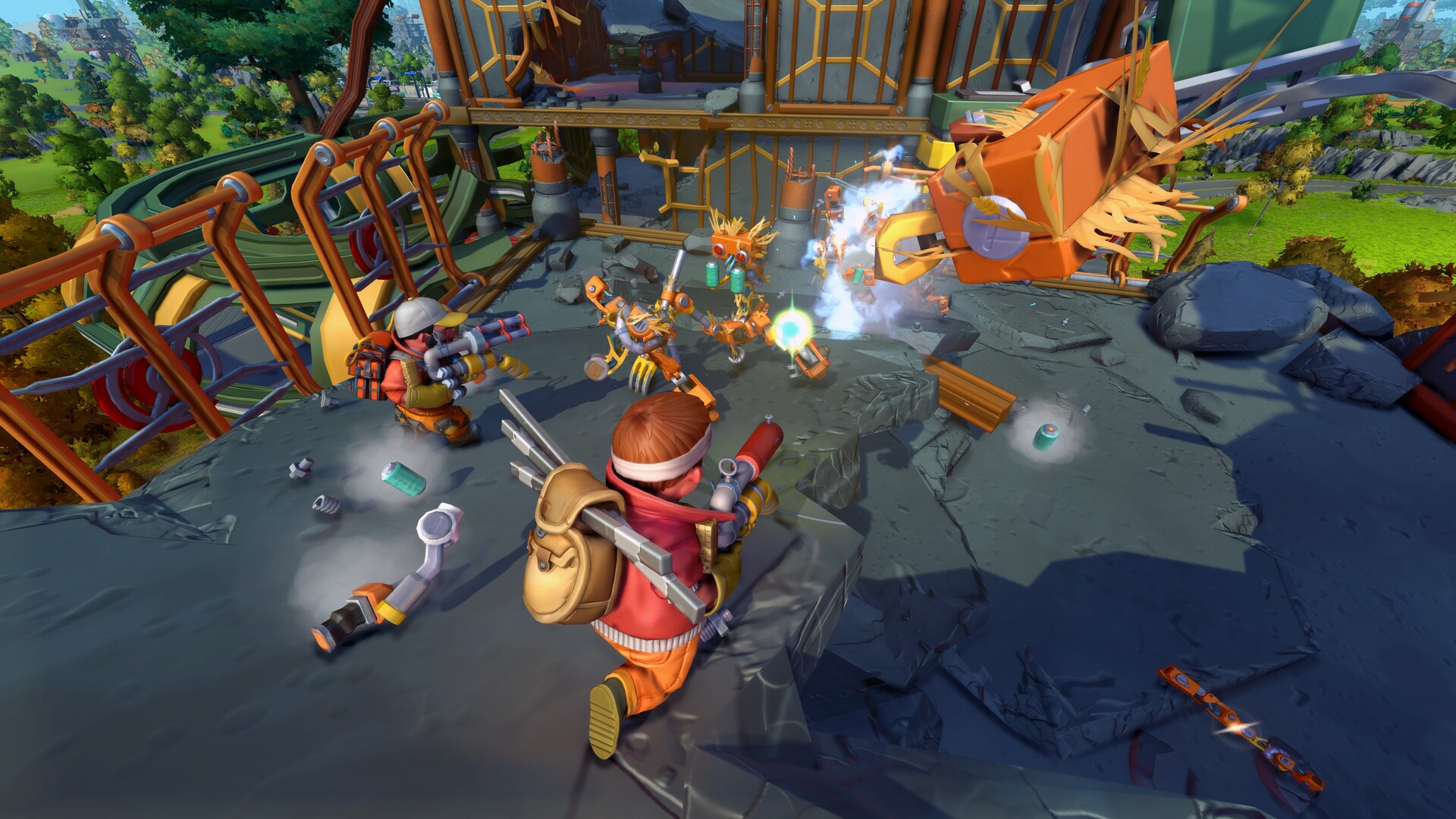
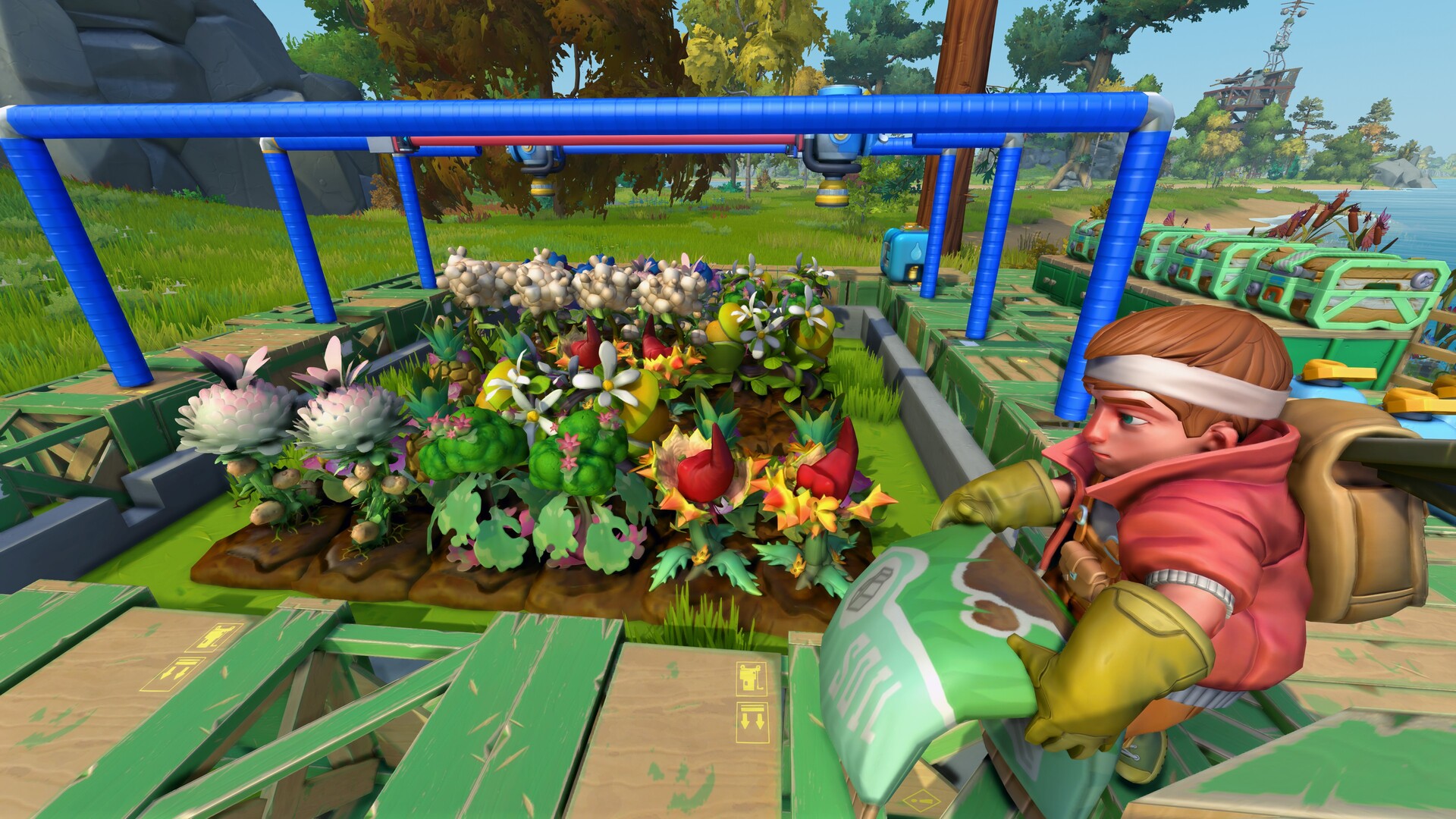
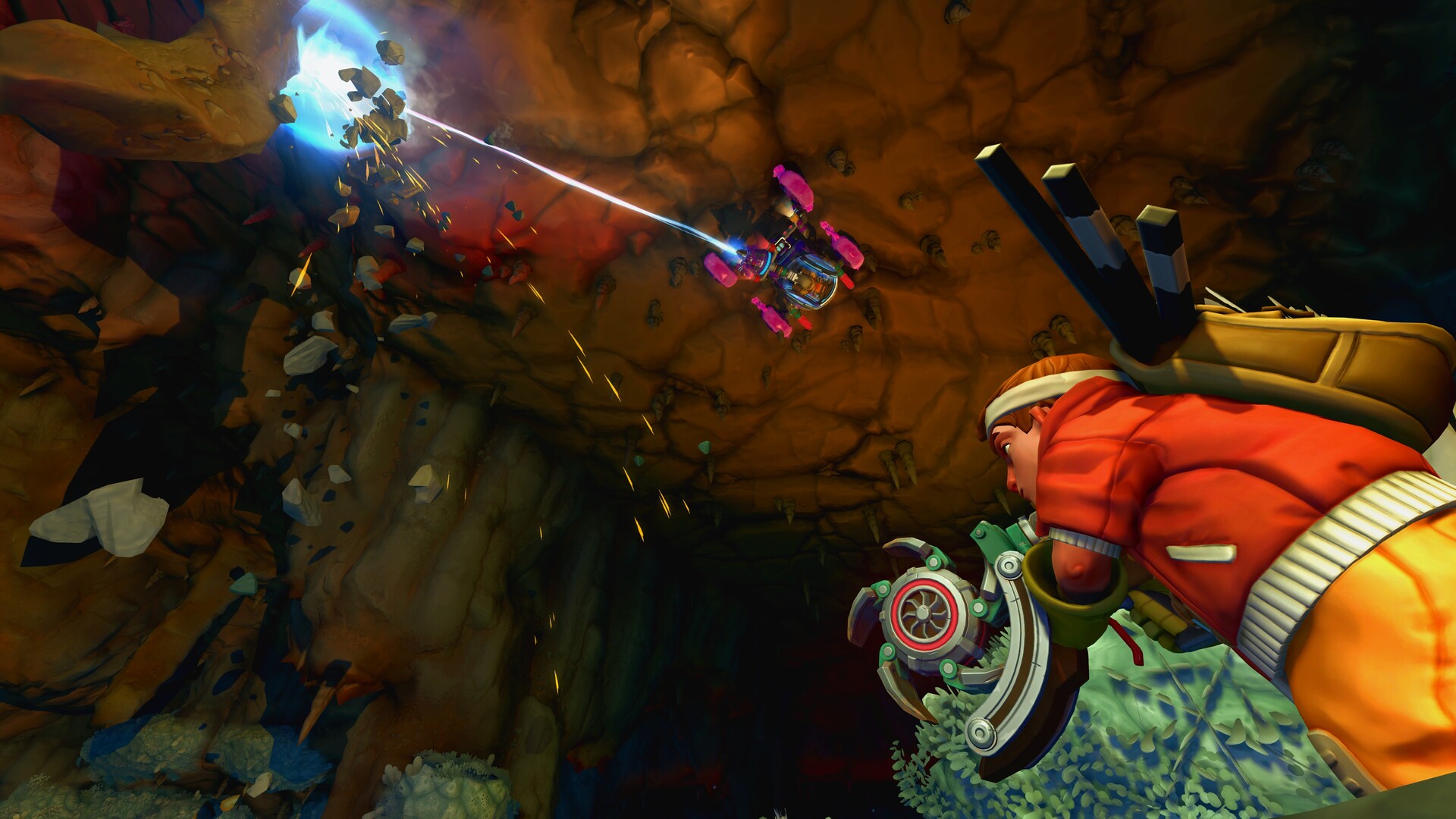
Survival mode mixes base-building, farming and combat into a light narrative that now continues with Chapter 2 and the Drilling Thunder content. You’ll farm to craft ammo and parts, build defenses against the Farmbots gone rogue, and attach drills or boosters to vehicles to dig toward the planet’s mysterious core. Combat rarely feels like a pure shooter; instead you fight with contraptions—ramming, trapping, or zapping enemies with clever automations. There’s genuine satisfaction when a machine you designed solves a resource problem or defends a crop patch for a whole in-game day. That said, the pacing can wobble: once you automate farming completely the challenge shifts and some of the survival tension drains away, which I and several other players noted. Still, the mix of farming-as-resource-loop and vehicle-based combat is uniquely Scrap Mechanic.
Looks, Sound and the Occasional Rattle
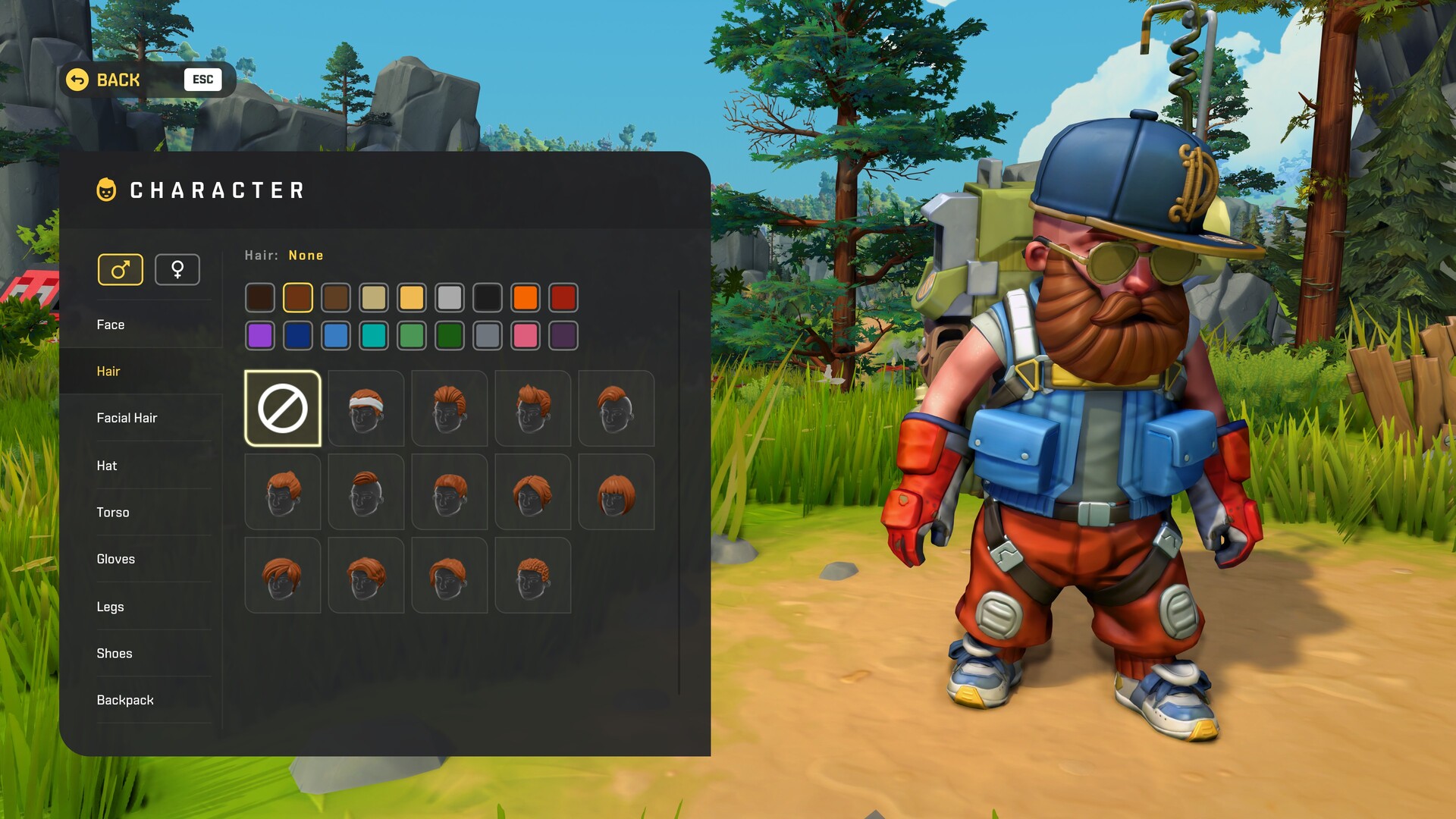
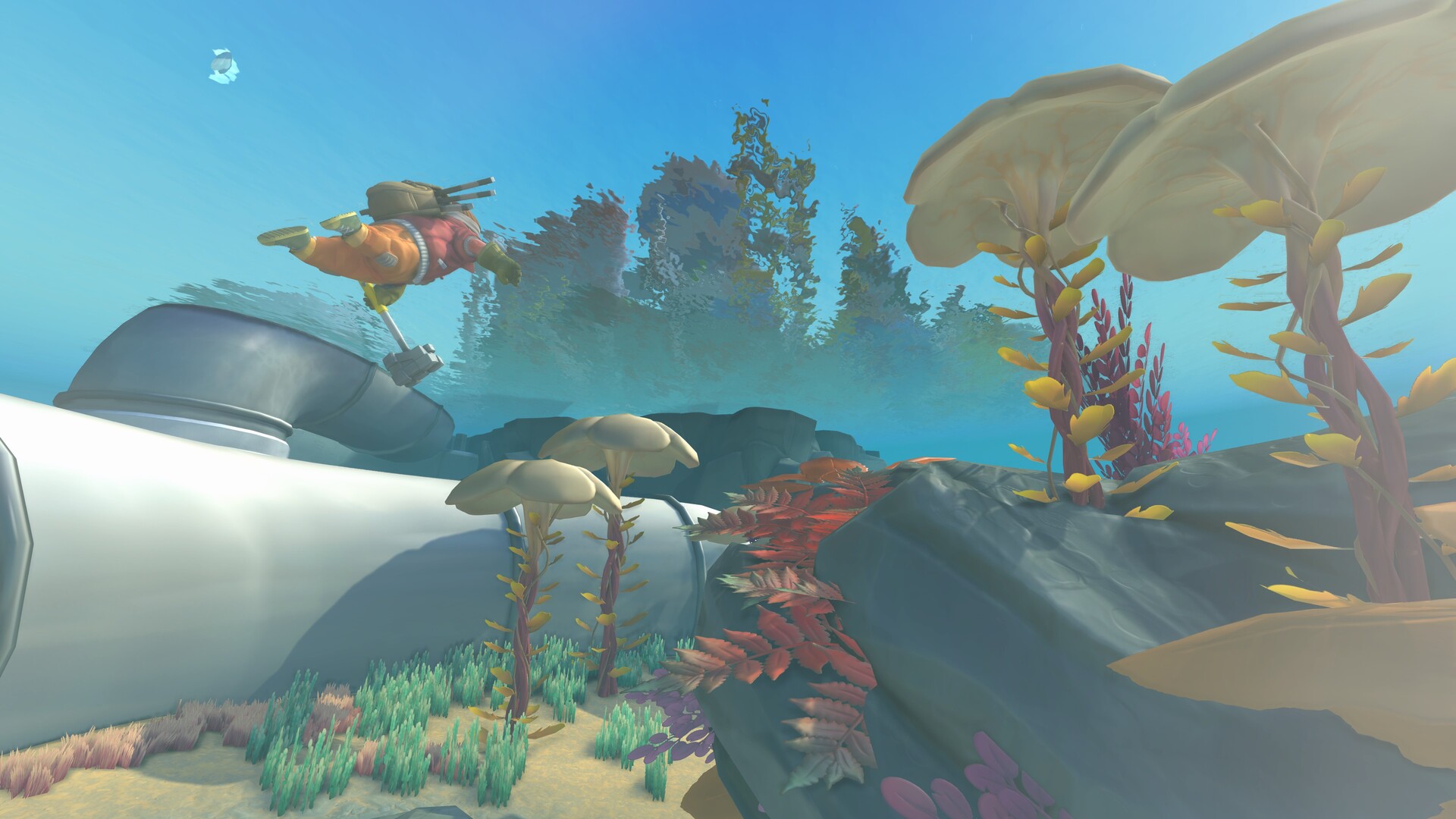
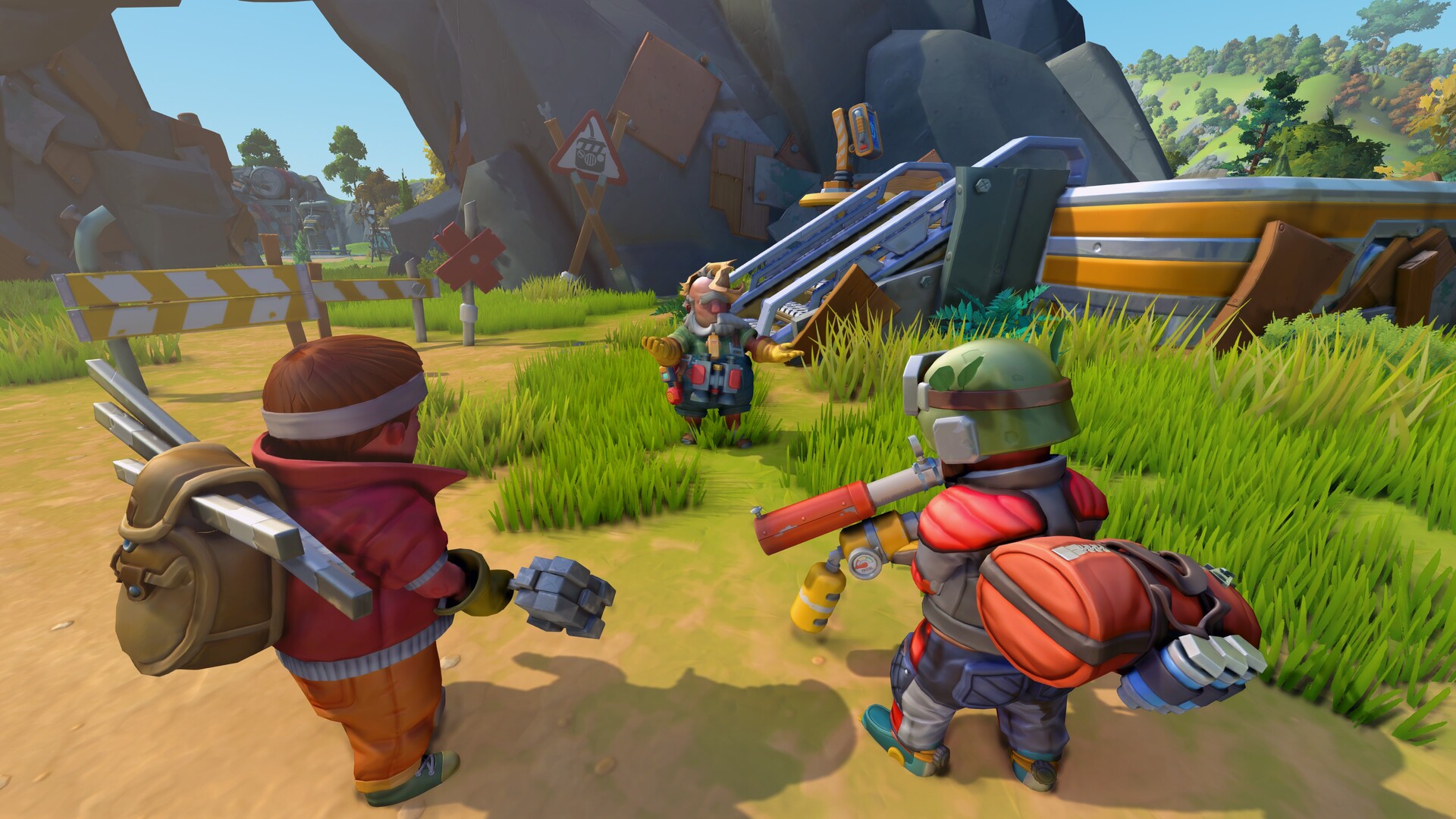
Graphically, Scrap Mechanic opts for a colorful, slightly cartoonish aesthetic that keeps things readable when your build collapses in on itself. The UI and building grid are functional if a bit clunky at times, and the audio—plinks, whirs and the triumphant tinkle of a working contraption—does a lot of the heavy lifting for atmosphere. Performance historically has been the sore spot: very large creations, physics-heavy scenes and multiplayer can tank FPS or induce janky behaviour where bearings or suspension go unstable. The devs and modders have patched and tweaked a lot, and 1.0 promises optimizations and terrain deformation systems that could improve stability, but expect occasional framerate dips and weird physics quirks, especially on weaker PCs. Accessibility-wise, the game is forgiving: there are tutorials and a patient learning curve, but mastery takes practice and patience.

Scrap Mechanic is a love letter to anyone who enjoys building, tinkering and laughing at glorious failures. It isn’t perfect — physics quirks and long development stretches can be frustrating — but the creative payoff and community make it easy to forgive the rough edges. If you’re into sandbox engineering, cooperative chaos, and the odd bit of survival, this is a must-try. Buy it for the workshop, stay for the ridiculous contraptions.


Pros
- Extremely creative building tools and deep mechanical freedom
- Unique physics-driven gameplay that rewards experimentation
- Great multiplayer antics and strong modding community
- Survival content expanded with Chapter 2 / Drilling Thunder
Cons
- Performance and physics instability with large creations
- Long development gaps and occasional silence from devs
- Survival pacing can become repetitive after full automation
Player Opinion
Players consistently praise Scrap Mechanic’s freedom and physics engine — many say it’s the most creative sandbox they’ve played and highlight hours spent in creative mode or on community mods. The Steam comments are full of nostalgic stories: people who grew up watching YouTubers or logged thousands of hours returning for 1.0. Frustration is also a recurring theme: long waits between major updates, occasional dev silence, and performance issues with large builds are commonly mentioned. Still, most reviews balance those gripes with excitement about Chapter 2 / Drilling Thunder and gratitude for the game’s unique feel. Multiplayer, workshop vehicles and mods are recurrently named as the reasons players keep coming back. If you love engineering puzzles, you’ll find a home here; if you expect a polished, bug-free simulation, temper expectations.