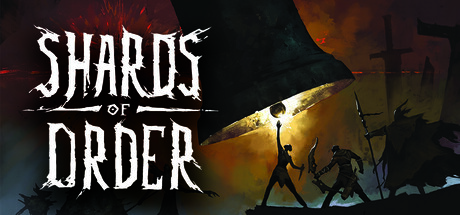
Shards of Order Review – A Grimdeck RPG That Puts Time on the Board
A dark, hand-crafted RPG that replaces mana with a time counter and forces you to think like a clockmaker. Shared decks, brutal bosses and a haunting soundtrack make this indie gem worth a look.
I jumped into Shards of Order expecting another Slay-the-Spire-ish romp and left with something stranger and darker: a full-bodied CRPG wrapped around card combat. Fardust’s game swaps turns and mana for a visible time clock that every card shifts — it’s a small idea that reshapes every fight. If you like grim fantasy, careful planning and music that makes you pause mid-combat, this one’s likely to stick. It isn’t always friendly, but it rewards slow, thoughtful play and a taste for bleak storytelling.

Mastering Time as a Weapon
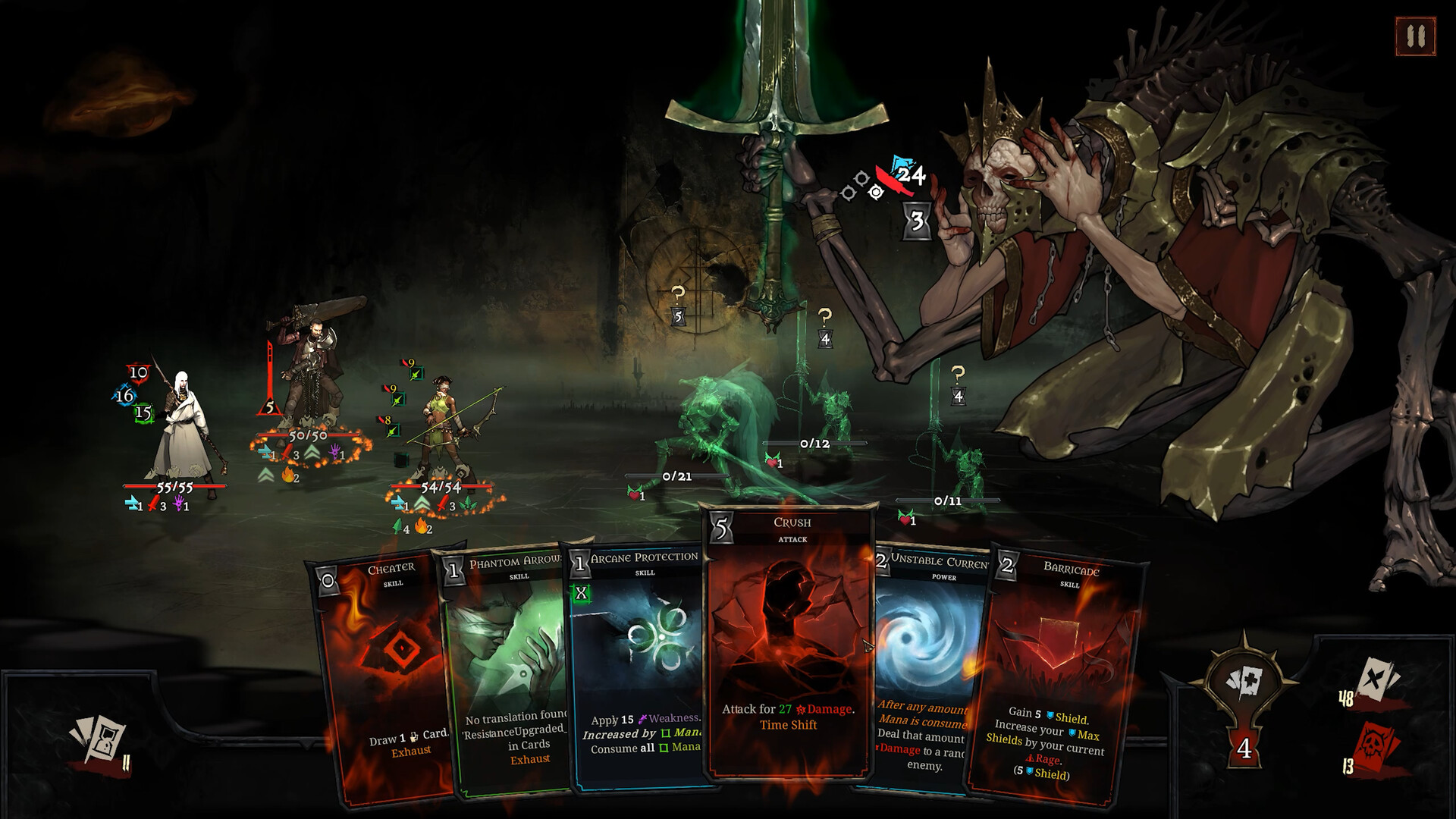
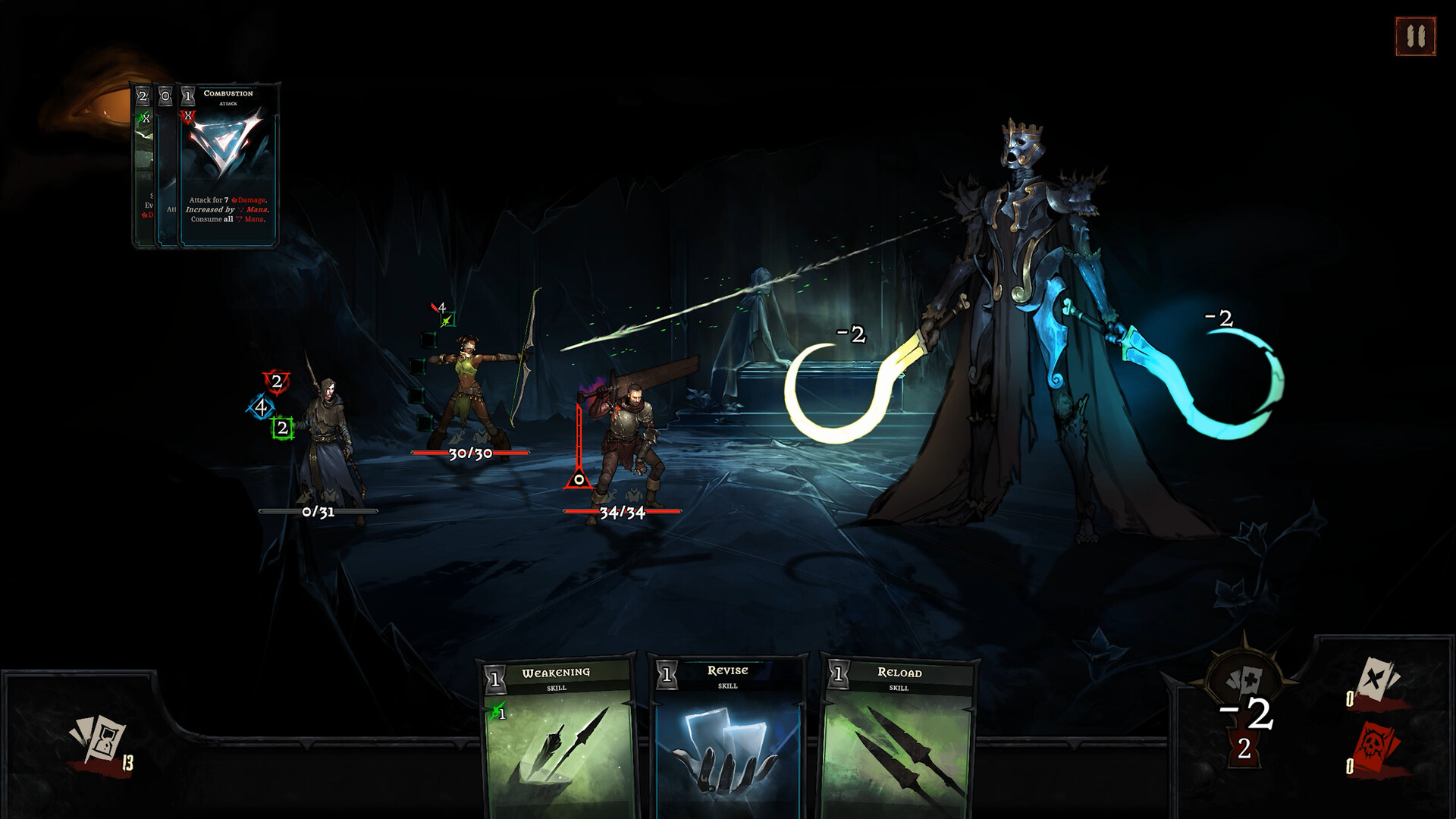
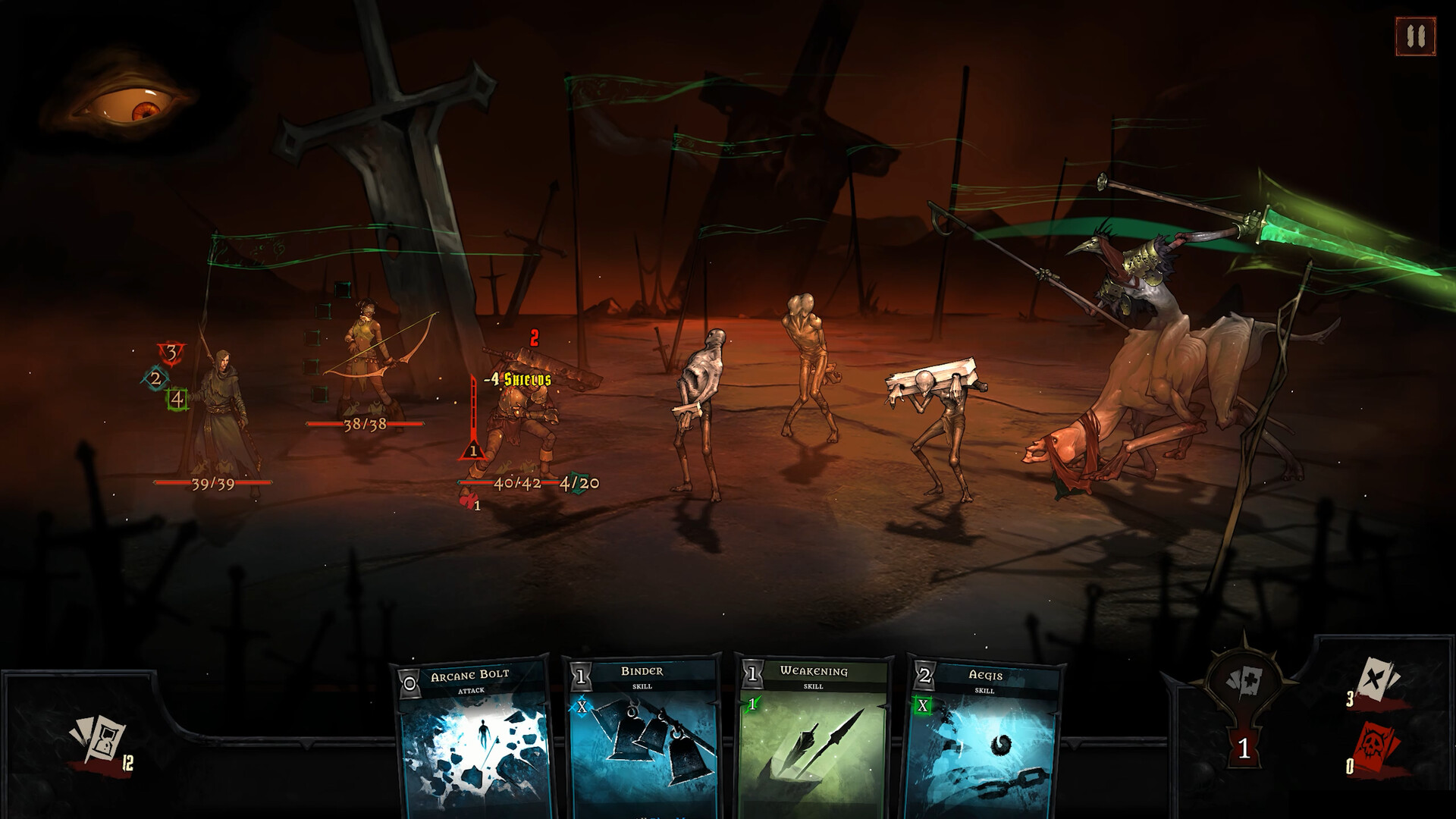
Combat in Shards of Order feels like chess with a metronome. Each enemy shows a countdown to their next action, and every card you play moves those ticks forward or backward. There are no mana pools and no classical turns; instead you spend Time, and Time is a shared resource you manipulate to keep fragile allies alive and punish exposed foes. That changes deck choices: heavy attacks might clear a countdown but leave your party exposed later, while small stalling cards can push an incoming strike off the table. You lead three heroes but use one shared deck, so every new card alters draw odds for the whole group. It forces decisions I didn’t know I loved — do I shove the deck toward one damage dealer or keep it balanced so the healer sees her stitches more often? Boss fights become tense puzzles of tempo rather than button mashing.
Shared Fate: Deckbuilding that Feels Like Party Management
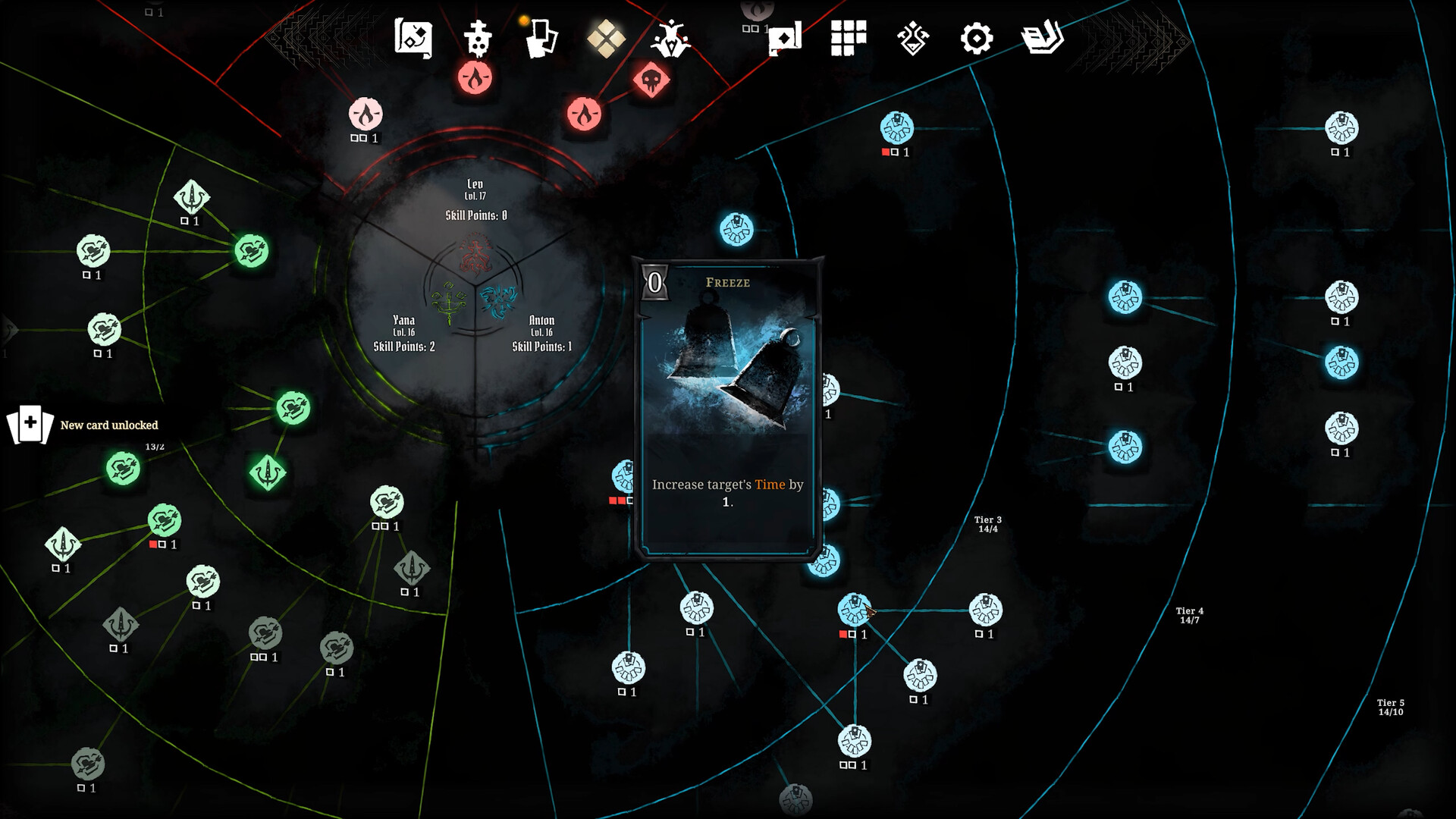
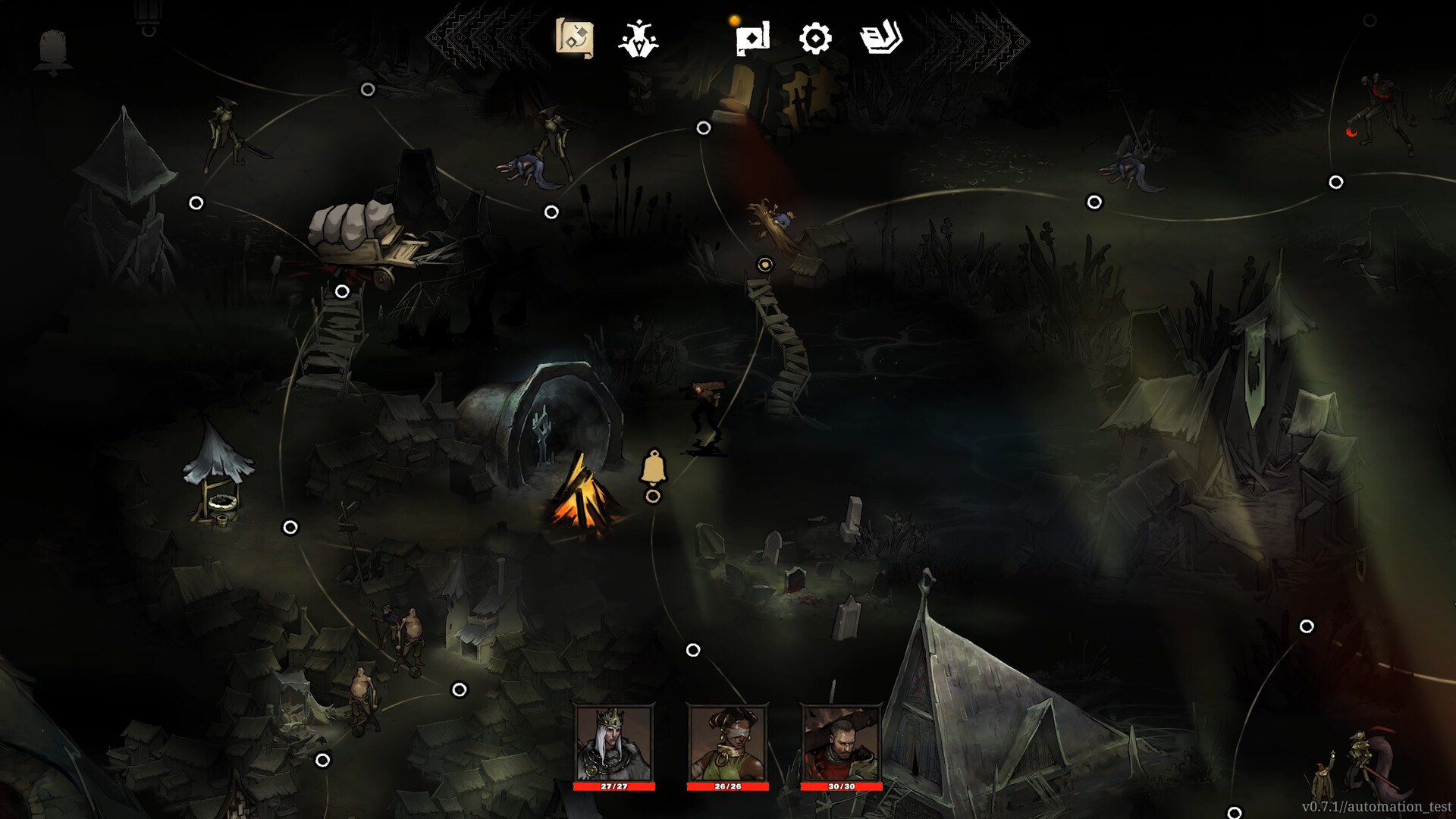
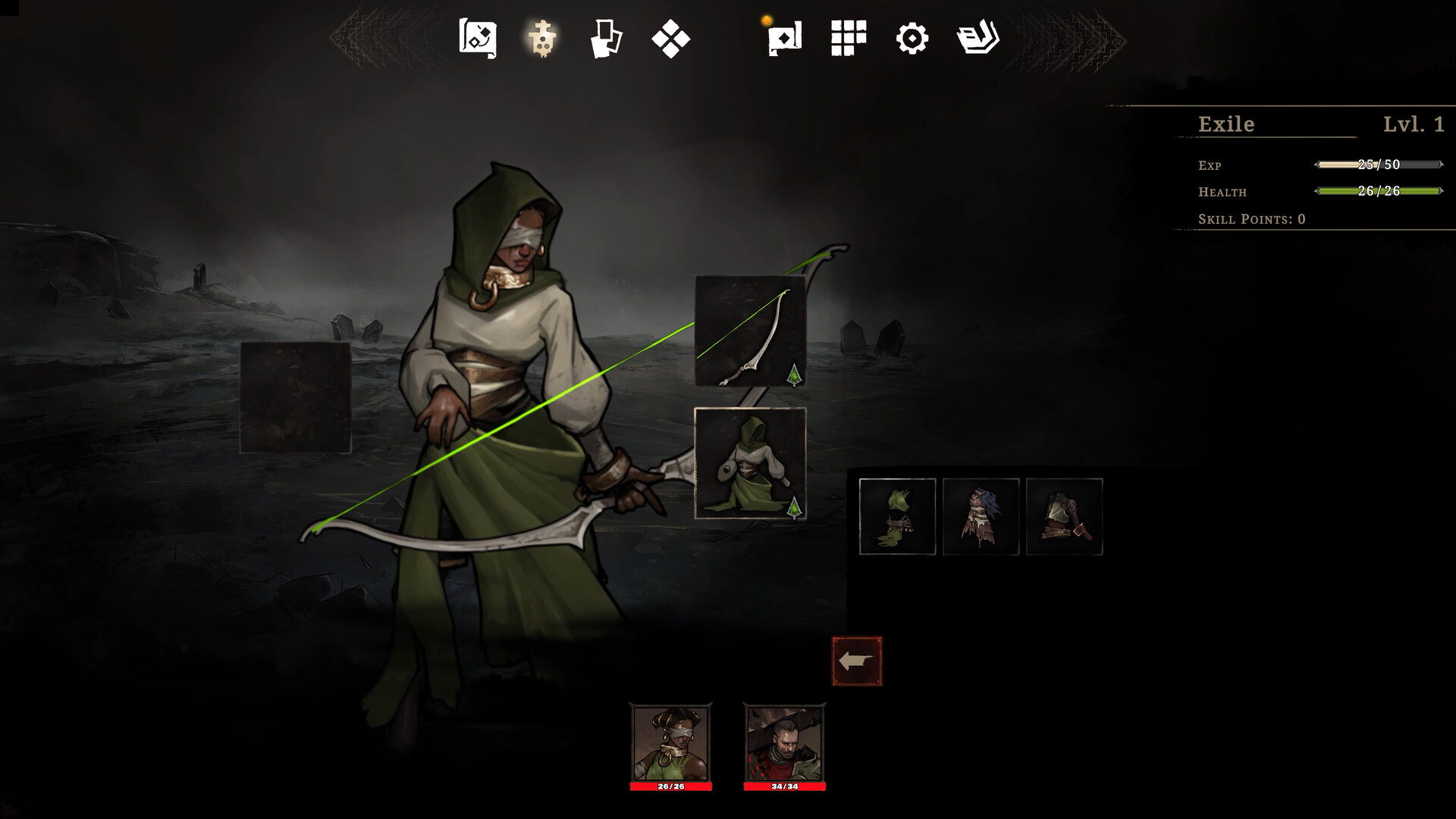
What sets Shards of Order apart is the way equipment, skills and cards are braided together. Weapons and armor add unique cards to the common deck, so gear is more than stats — it’s a design choice. Each hero has a skill tree and a personal arc, which means my choices outside combat tangibly shifted how combats played out. Dialogue choices and quests can even gift exclusive cards, so roleplaying and exploration pay tactical dividends. The game resists being a pure roguelike: you level up, keep gear, and progress in a meaningful story. That anti-roguelike stance means bad runs don't punish you by erasing everything; instead you adjust your strategy, learn from mistakes and return smarter, which I appreciated after too many cheap deaths early on.
A Nightmarish Stage: Art, Sound and Performance
Presentation is one of Shards’ strongest pillars. The hand-drawn backgrounds and character illustrations lean hard into grimdark aesthetics — rot, stitched flesh and uncanny faces — and it fits the tone rather than being gratuitous. The soundtrack and choral pieces (included in the Supporter’s Edition) are haunting and often elevate a tough fight into a moment of high drama. Sound design gives hits weight and makes countdowns feel ominous; sometimes I muted everything because it made the tension too real. Performance on Windows was solid during my playtime, with only a couple of minor text glitches reported in the community. Accessibility options are modest but the clear UI for countdowns, card effects and target previews helps reduce cognitive overload.

Shards of Order is an ambitious, occasionally punishing RPG that turns card combat into a study of tempo and consequence. It’s best for players who love deckbuilders but crave narrative weight and tactical depth — expect to die, learn, and adapt rather than brute-force your way through. For the price, and especially with the Supporter’s Edition extras, it’s an easy recommendation if you enjoy dark fantasy and careful planning.


Pros
- Innovative time-based combat that reshapes deckbuilding
- Rich, hand-drawn grimdark presentation and haunting soundtrack
- Meaningful RPG systems — gear, skill trees and story choices matter
- Supporter Edition bonuses (artbook, soundtrack, tarot) add value
Cons
- Occasional UI clarity issues in target selection and planning
- Steep difficulty spikes and some balance/progression complaints
- Lots of text and reading — not ideal when you're tired
Player Opinion
Players repeatedly praise the game’s atmosphere, music and the way story choices feed into deck options — many reviewers compared it favorably to Thronebreaker and even Darkest Dungeon for mood. Several positive reviews highlight that the anti-roguelike progression is a breath of fresh air: you keep gear and character growth, so defeats teach rather than erase. Common criticisms center on balance (difficulty spikes, progression pacing) and the role of luck in draws; a few players wished for more persistent progression to blunt late-game scaling. Voice acting and animation get frequent praise, though some users note the absence of full voiceover in every scene and occasional translation glitches. If you like tactical, story-heavy deckbuilders with a high difficulty ceiling, you'll likely find a lot to love here.