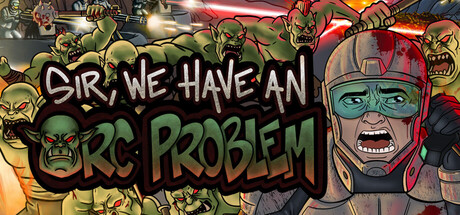

Sir, We Have an Orc Problem Review – Massive Hordes, Minimal Fuss
A charmingly chaotic indie tower defense that renders tens of thousands of orcs—and asks you to grind your way out with upgrades. Fun, satisfying moments but also a fair share of repetition and balance quirks.
I came to Sir, We Have an Orc Problem expecting a cute little tower defense and left pleasantly surprised by how cathartic it can feel to turn entire green armies into confetti. The game leans hard into spectacle—thousands upon thousands of orcs marching like a toxic slime—and pairs that with a slow-but-steady upgrade tree that nudges you forward. It’s not trying to reinvent the genre; instead it sells a loop of placement, watch, learn, and repeat—often with satisfying explosions. If you like your TD simple, a bit grindy, and hypnotically watchable, this one will probably stick to you like orc goo.
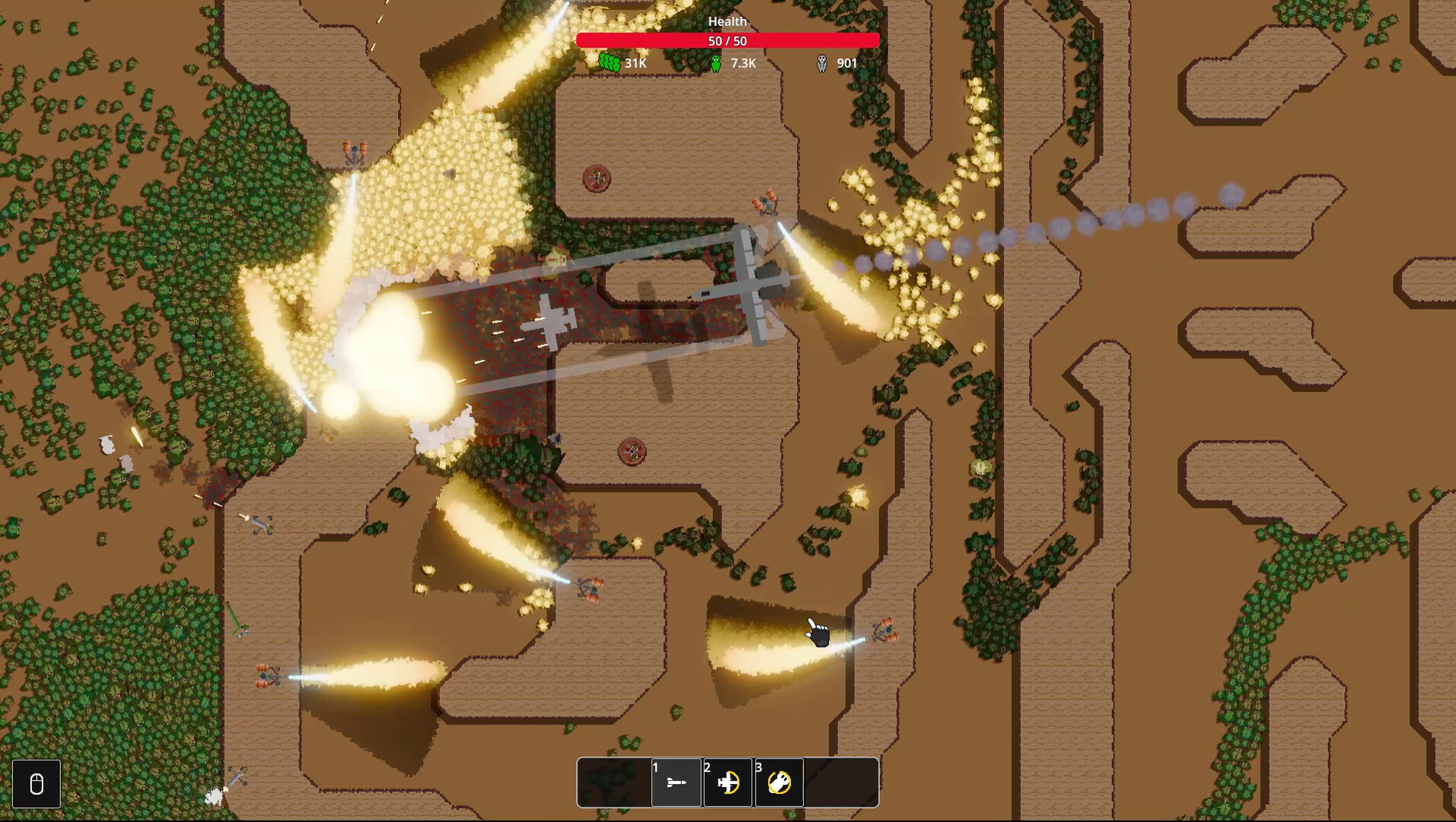
Fighting an Ever-Flowing Green River
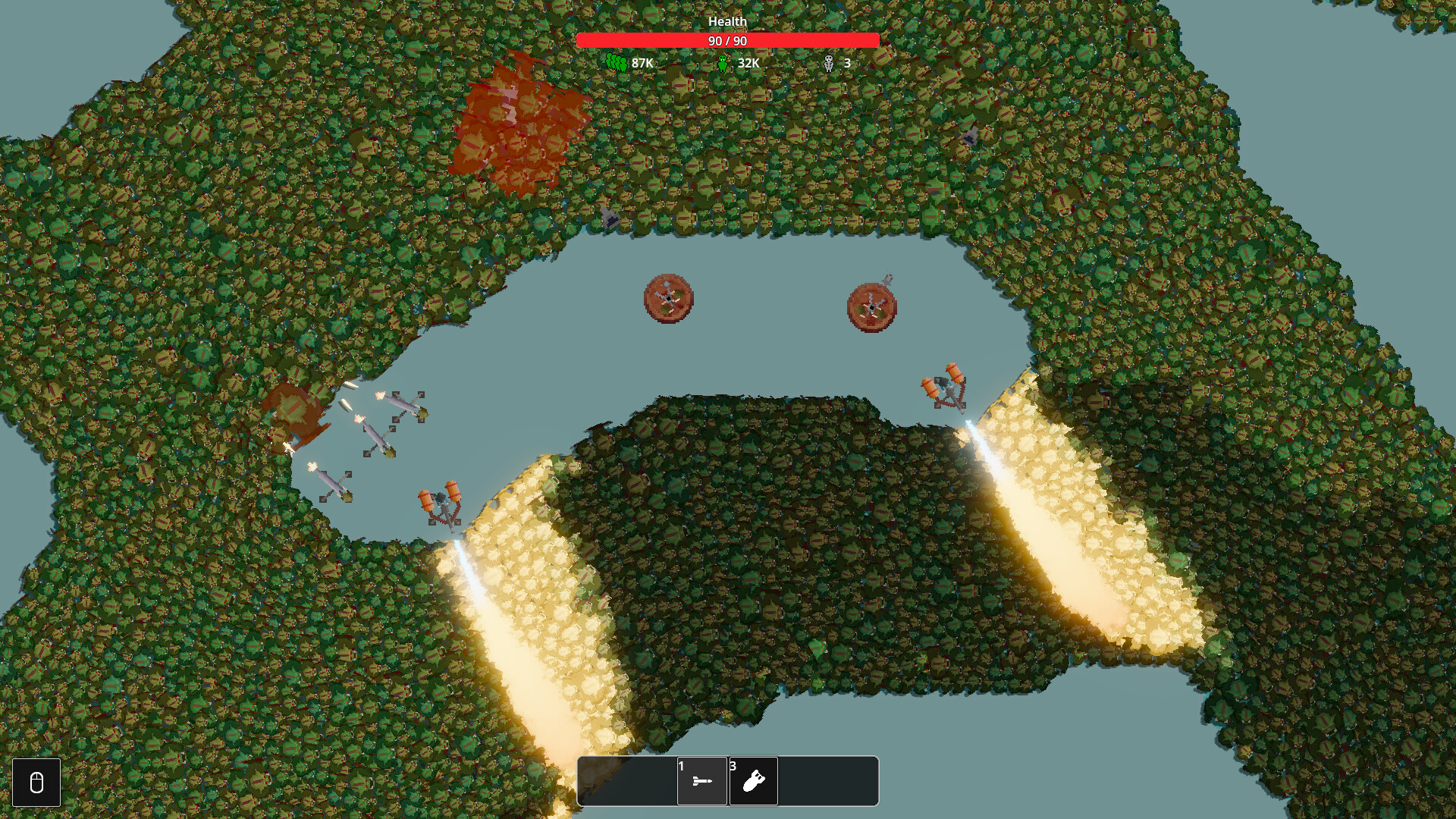
At its core the game is gloriously simple: you place turrets, hit play, and watch waves of orcs stream across lanes. The primary actions are tower placement and selecting active abilities—air strikes, orbital lasers, nukes—that let you turn the tide in desperate moments. Runs are short-to-medium length but can stretch if you hit a wall; losing still nets resources for the meta-progression, so each attempt feels like forward progress. The tactical meat comes from choosing which turrets to unlock and where to funnel the orcs; some maps reward chokepoints while others punish scattershot placement. I often find myself doing a reconnaissance run—hit play without building—to see where the river of orcs concentrates, then rearrange turrets to squeeze the most carnage out of each weapon. The loop is satisfying because when it clicks you feel clever, and when it doesn’t you mostly feel productive anyway thanks to the incremental gains.
When Bigger Is the Gimmick (and It Mostly Works)
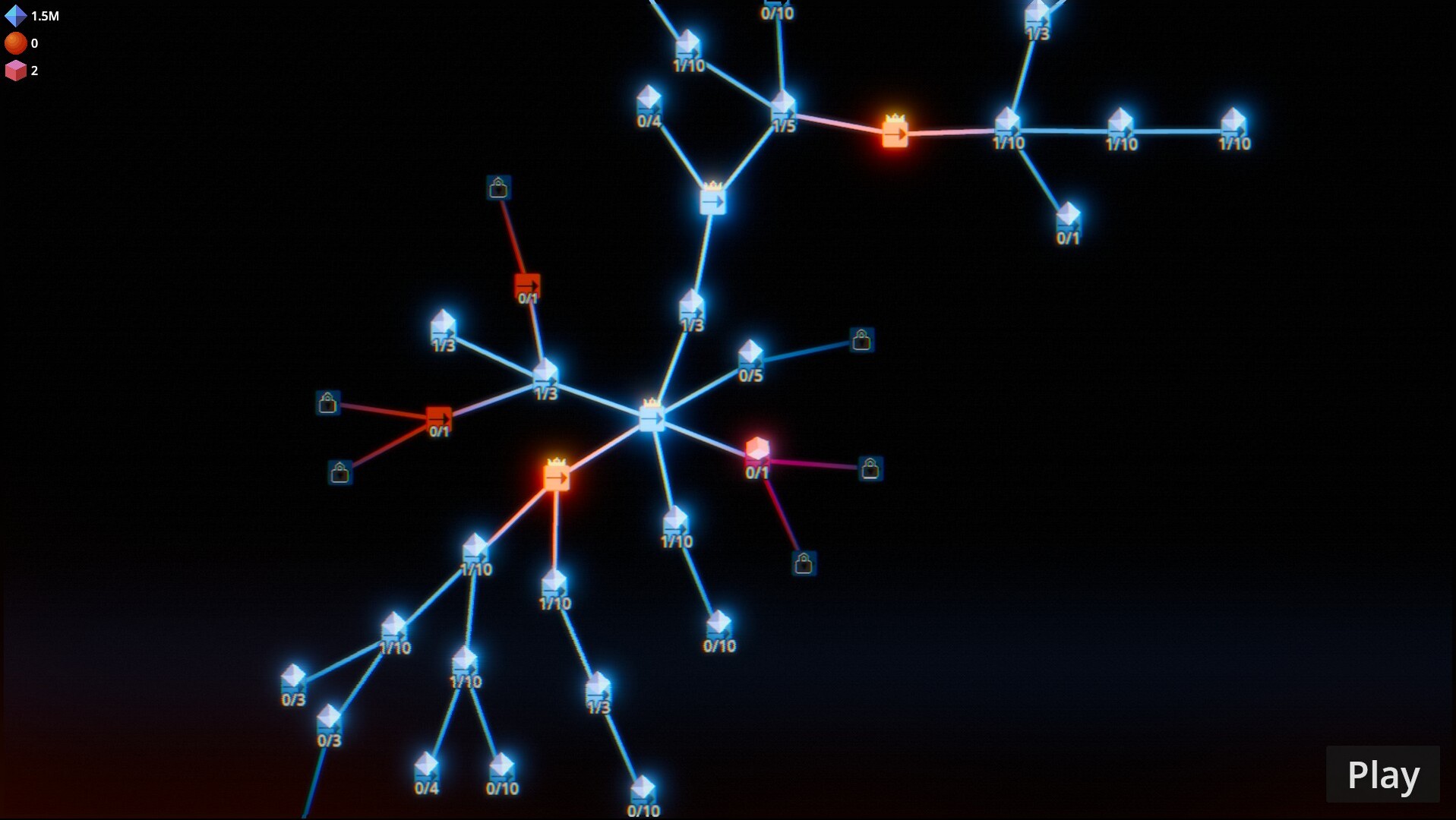
What sets this apart from other small TD games is scale: literally tens of thousands of units simulated with pathing, collisions and particle-satisfying ragdolling on death. At first it’s mesmerizing—watching an orbital laser bisect a crowd is oddly poetic—so the spectacle alone sells a few hours. The upgrade tree leans into incremental design: you spend scrap from runs to unlock new turret types, passive boosts and more dramatic abilities. That meta layer is what keeps you returning, but it also creates the game’s biggest tension: the need to grind feels baked-in. Sometimes you’ll win by strategy, often you’ll win because your unlocked levels finally grant enough raw DPS. I had glorious moments of tactical placement and equally many where I clicked ‘play’ and watched the same river roll until the numbers favored me.
Looks, Sound and Performance: Clean and Functional
Visually the game is minimalist—clear, readable sprites and UI that never competes with the on-screen chaos. That serves the design well: you always know what killed the orcs and why. Audio leans utilitarian; impacts and explosions land with good thump but the soundtrack could use more variety to avoid looping fatigue. Performance is a genuine highlight: the engine handles massive hordes without stutter, which is a technical flex that actually improves enjoyment. Accessibility is basic but solid—controller support works, though mouse placement is more precise for late, zoomed-out maps. Overall the presentation does exactly what it should: make the carnage readable, fast, and fun.

Sir, We Have an Orc Problem is a guilty-pleasure tower defense: technically impressive, immediately gratifying, and occasionally grindy. If you crave spectacle and don’t mind some repetition while you chip away at an upgrade tree, this is well worth a look—especially on sale. If hardcore strategic depth or varied enemy encounters are your dealbreakers, you might want to wait for more content updates first.


Pros
- Stunning display of thousands of units; performance is rock-solid.
- Simple, addictive loop—easy to learn and hypnotically watchable.
- Meaningful upgrade tree that rewards repeated attempts.
- Good accessibility and controller support for a small indie.
Cons
- Grindy progression can feel obligatory rather than fun.
- Limited enemy variety and long stretches of passive watching.
- Music and UI could use more polish and variety.
Player Opinion
Players frequently praise the visceral joy of mowing down tens of thousands of orcs and the game’s technical prowess—many reports highlight zero slowdown even at huge unit counts. The upgrade loop and the addictive ‘one-more-run’ feeling are mentioned often, especially by people who enjoy incremental progression. On the flip side, common criticisms include repetitive runs, a lack of enemy variety beyond size variants, and a sense that strategy can be sidelined by raw DPS and grinding. Price and content value are recurring talking points: some players think the current price is fair, others would like a discount or more content for the tag. Requests that pop up a lot are: higher game speed / fast-forward, a respec option for upgrade builds, more maps and enemy types, and Steam Workshop/mod tools for community content.