Some of You May Die Review – Deep Autobattler That Lets You Break the Rules
A strategic autobattler with brutal customization, real-time PvP and a ‘break the game’ design philosophy. Lots of depth, a few rough edges—great for tinkerers and competitive players.
Some of You May Die is an autobattler that wears its design philosophy on its sleeve: breaking the game is the goal. Developed by Octavia Blue and released on Windows, it mixes familiar deckbuilding/autobattler loop elements with a surprisingly fine-grained stat and upgrade system that lets you craft wildly specific heroes. If you like games where experimentation, risky builds and seeing strange combos go off are part of the fun, this one begs to be played. It’s not perfect at launch, but it scratches that obsessive ‘one more run’ itch in a way few indie autobattlers do.

Racing for an Unstoppable Squad
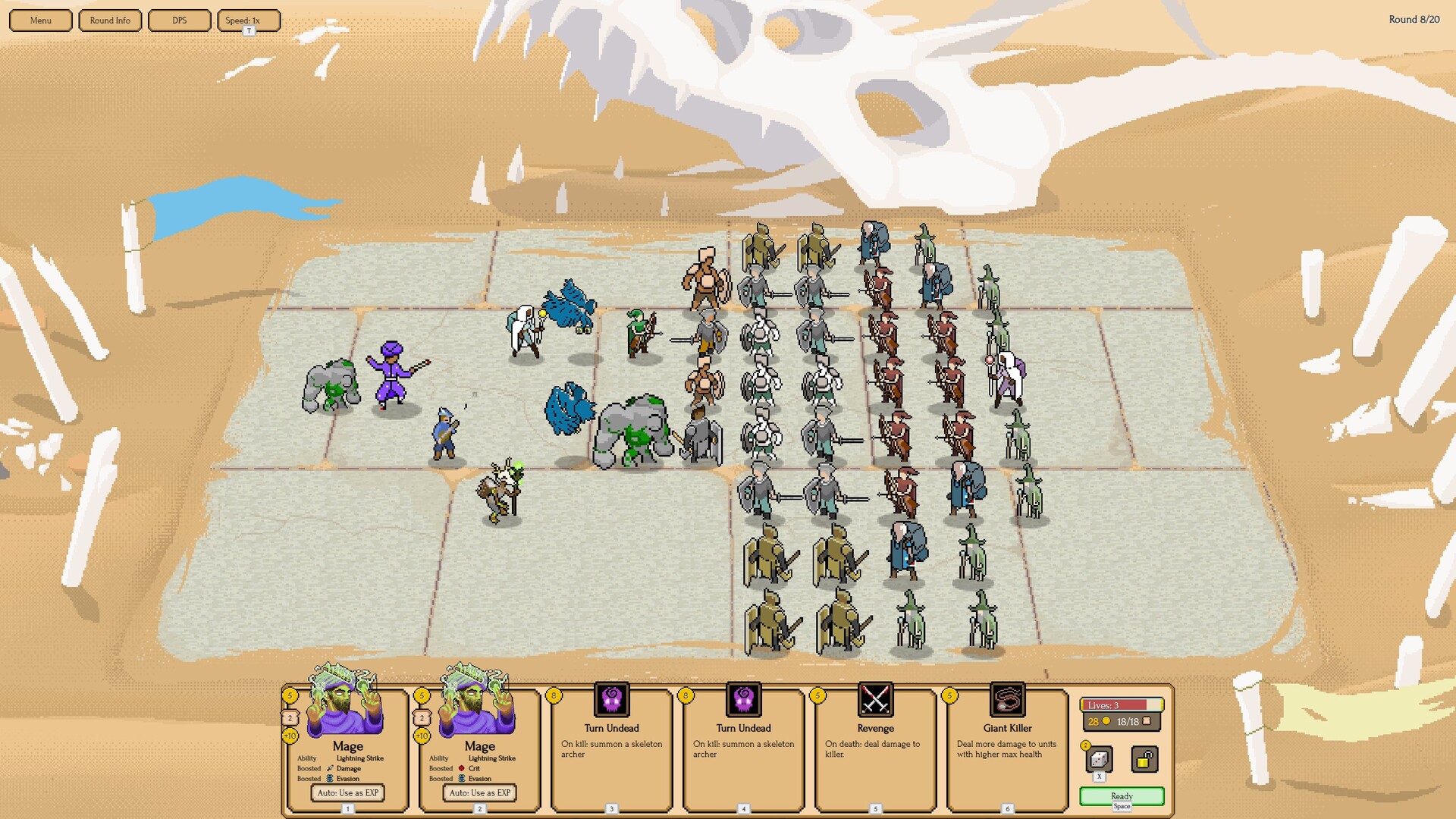
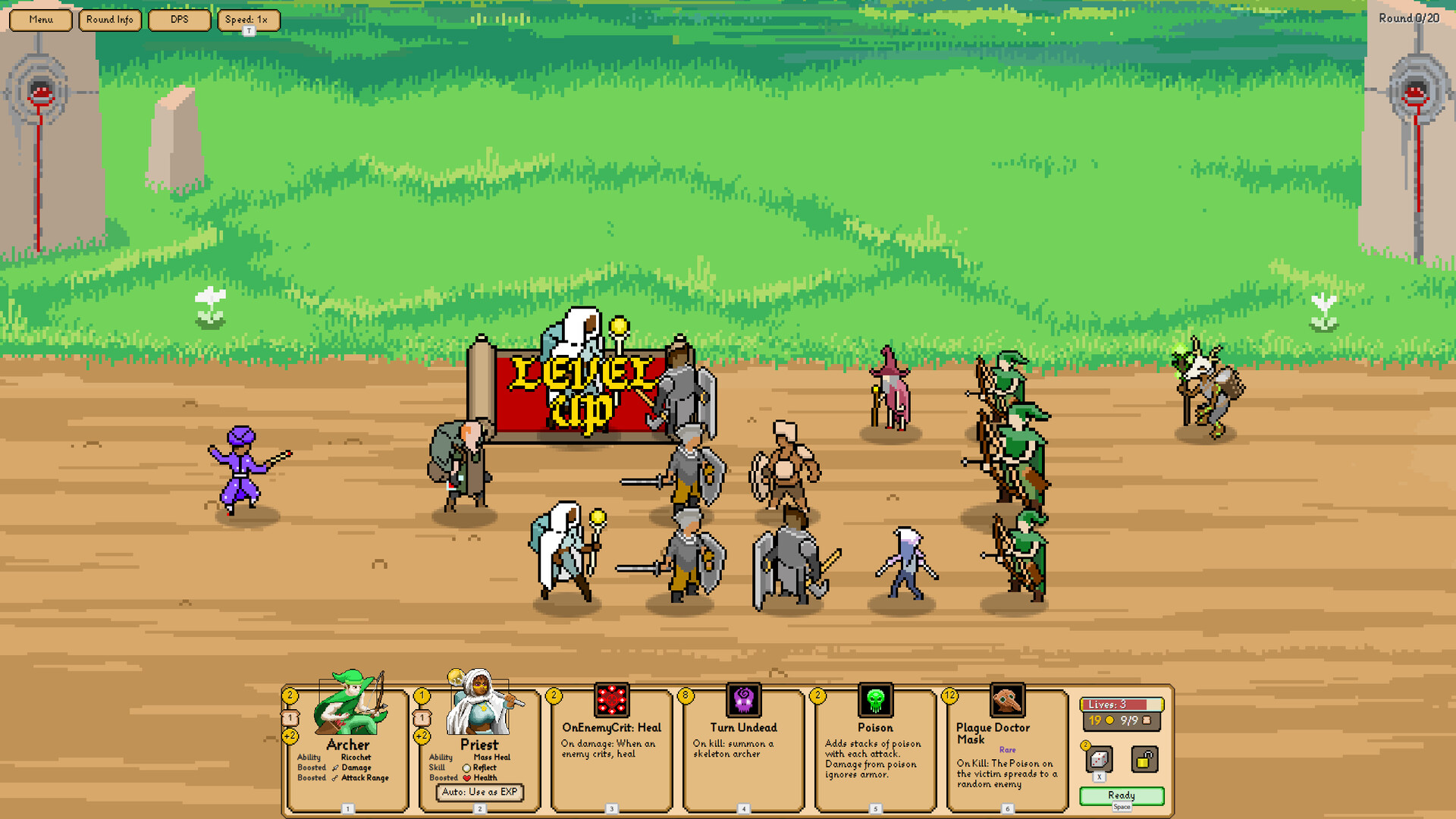
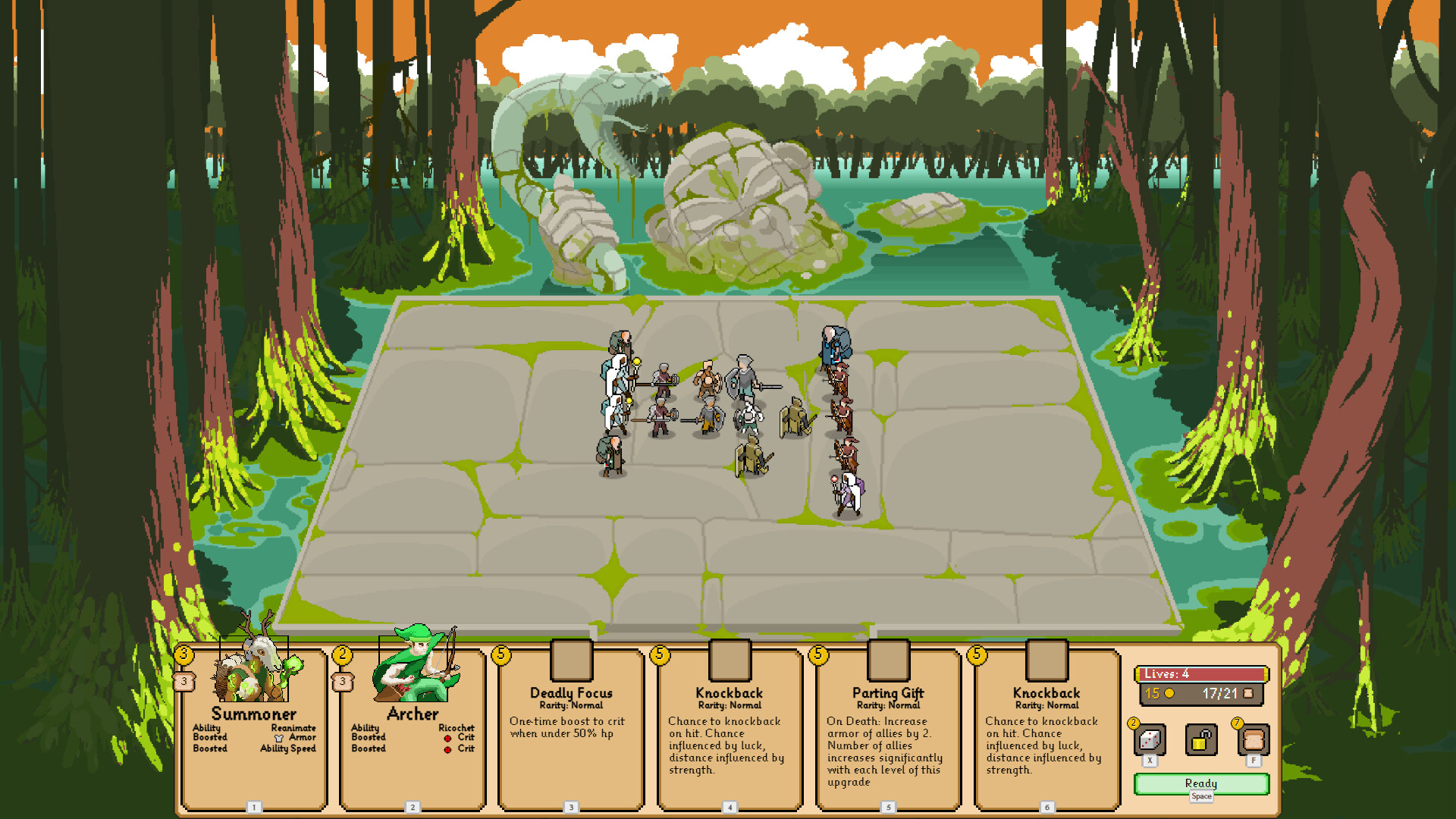
The core loop is delightfully familiar but with a twist: you recruit heroes from a rotating shop, and each hero arrives with two boosted stats and a unique ability that gives them an immediate identity. Rounds are about choosing which hero to level, which upgrades to sink gold into, and how to balance going wide with many units versus stacking a few to absurd strength. Combat itself is automated—your placement and composition decide outcomes more than twitch skills—so the daily player tasks are shop decisions, resource management, and reading your opponent in PvP. The singleplayer campaign stages present escalating scenarios and a lives system that hands you extra gold on retries, which softens the learning curve without robbing tension. I found myself obsessing over tiny spreadsheet-like choices—should I max attack speed or invest in armor that reflects damage? Those micro-decisions are the meat of the game.
When Customization Becomes the Point
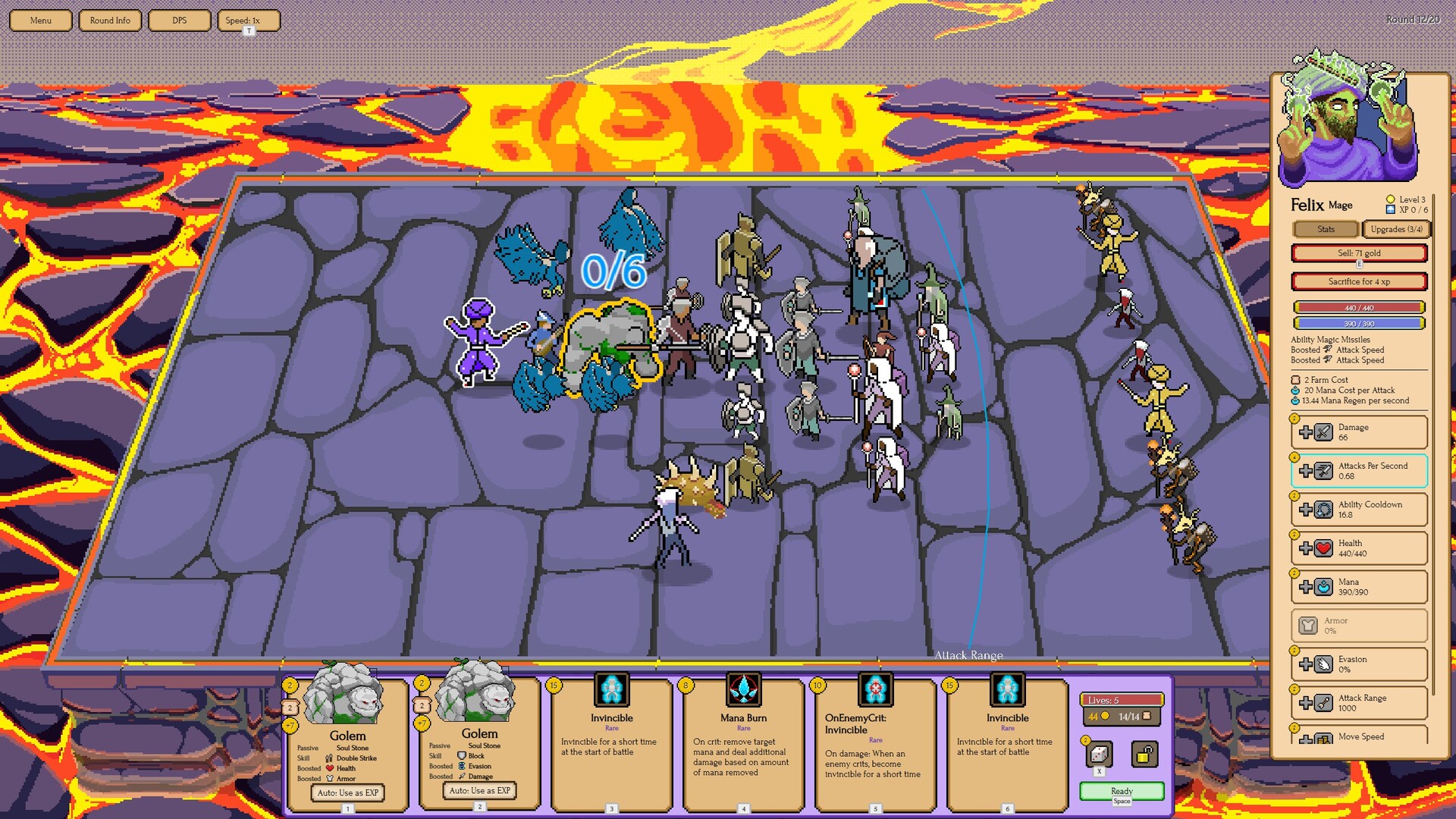
What really sets this apart is the level of control you’re given over hero stats and upgrade stacking. Every offered hero’s boosted stats mean some units scale absurdly faster in certain directions, and upgrades themselves level up to become much stronger, leading to compounding effects that genuinely feel like engineering a monster. You can craft a high-armor priest who reflects hits, an assassin that zips behind lines with obscene movement, or an archer built to spam attack speed until fights blur into a fireworks display. The randomized pools and rotating upgrade menus keep each run fresh and punish tunnel vision—what worked last match might be paper this time. Multiplayer throws in the extra spice of human unpredictability, though current issues like alt+f4 abuse and matchmaking roughness (seen in early reviews) can spoil the flavor until fixed. Still, for theorycrafters and build gardeners, this is a sandbox with teeth.
A Gritty, Functional Presentation
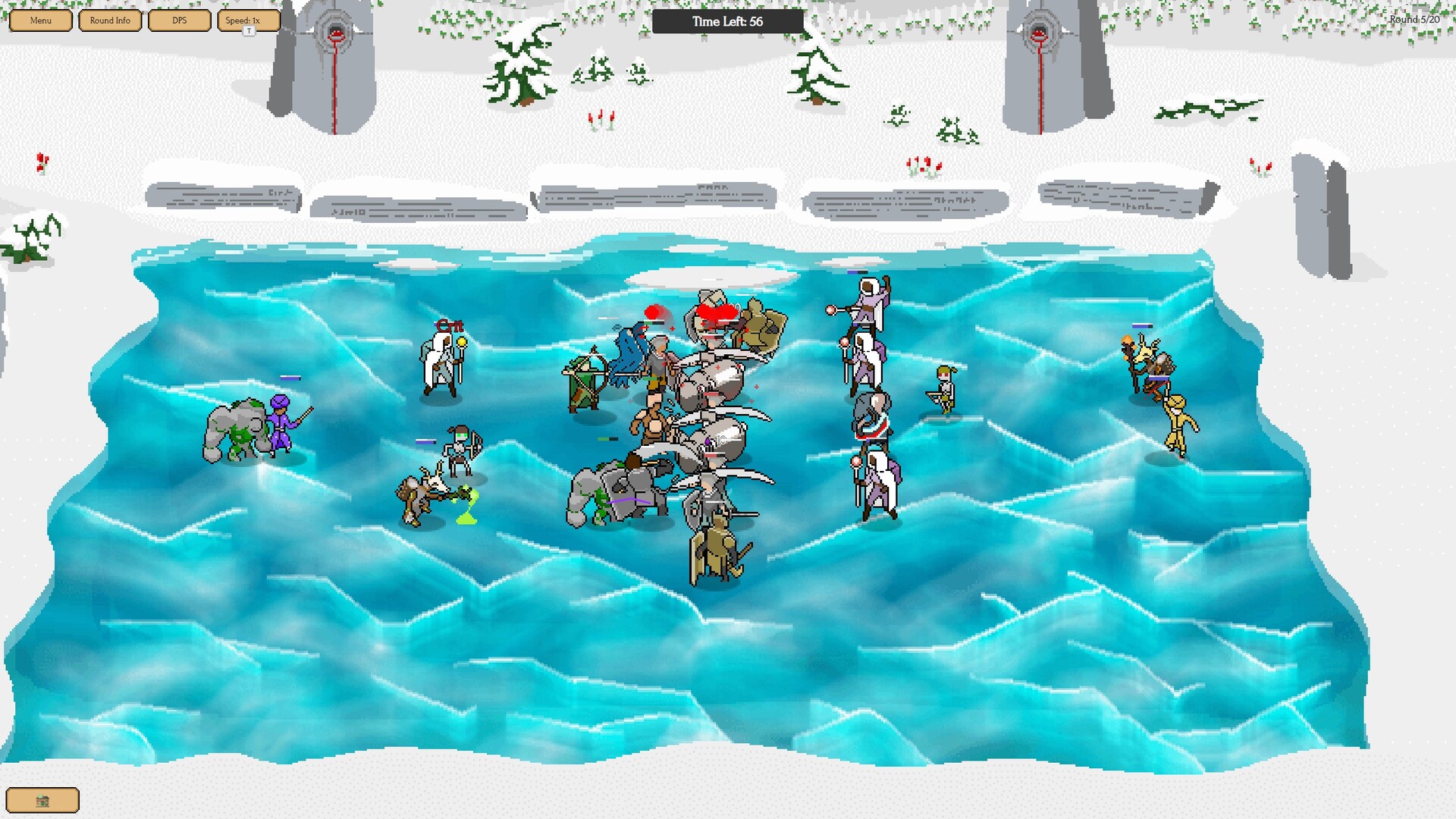
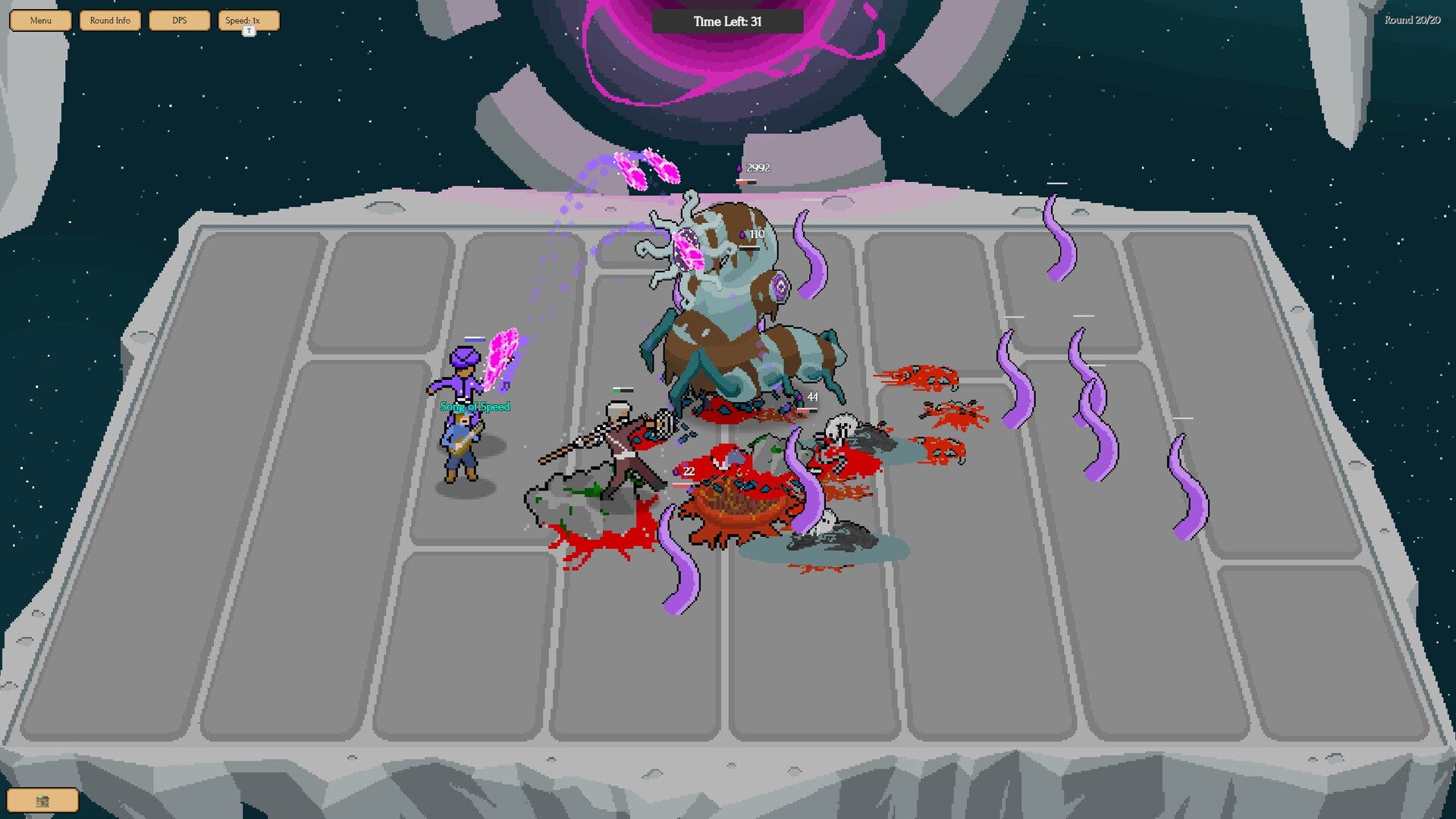
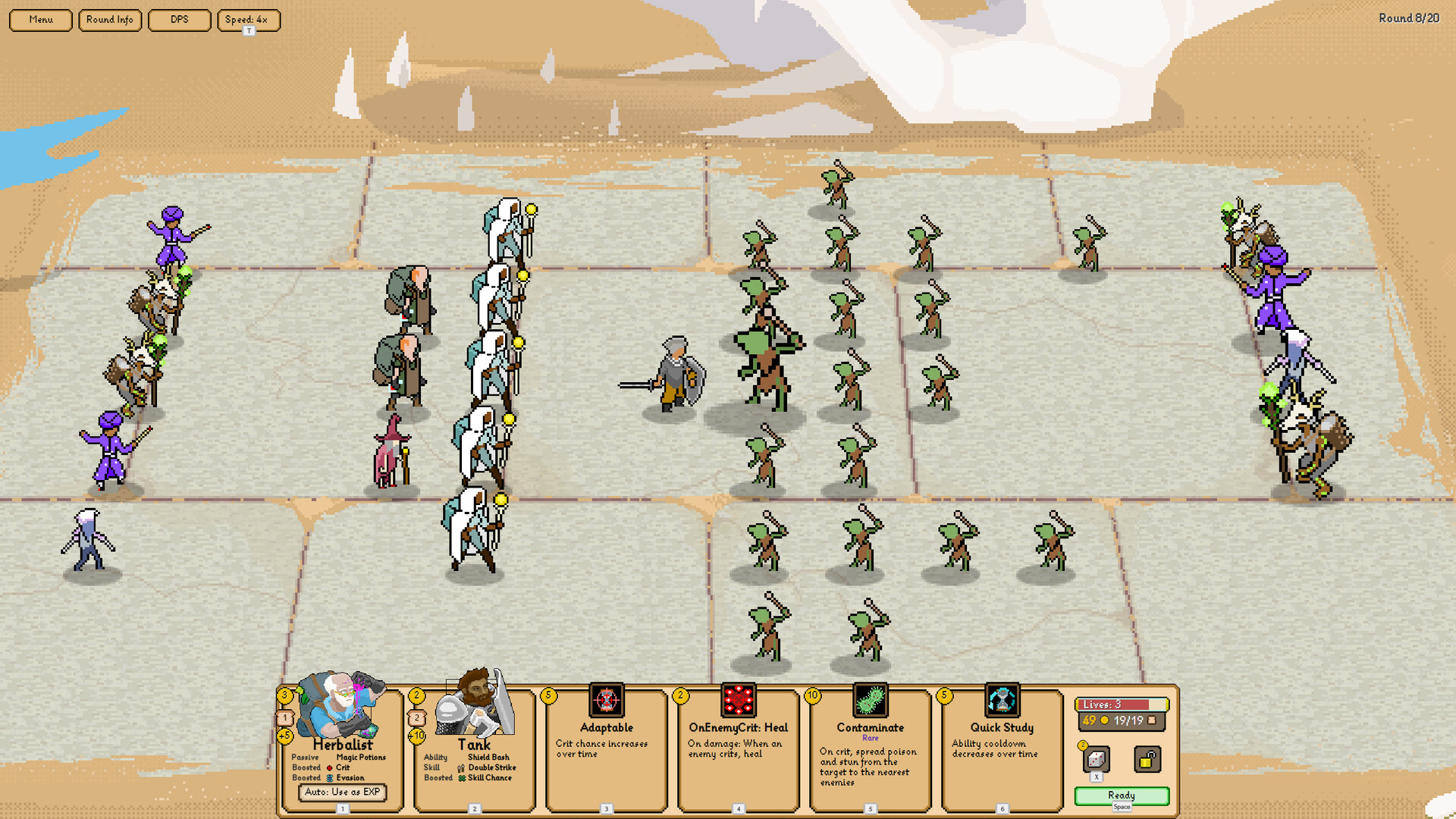
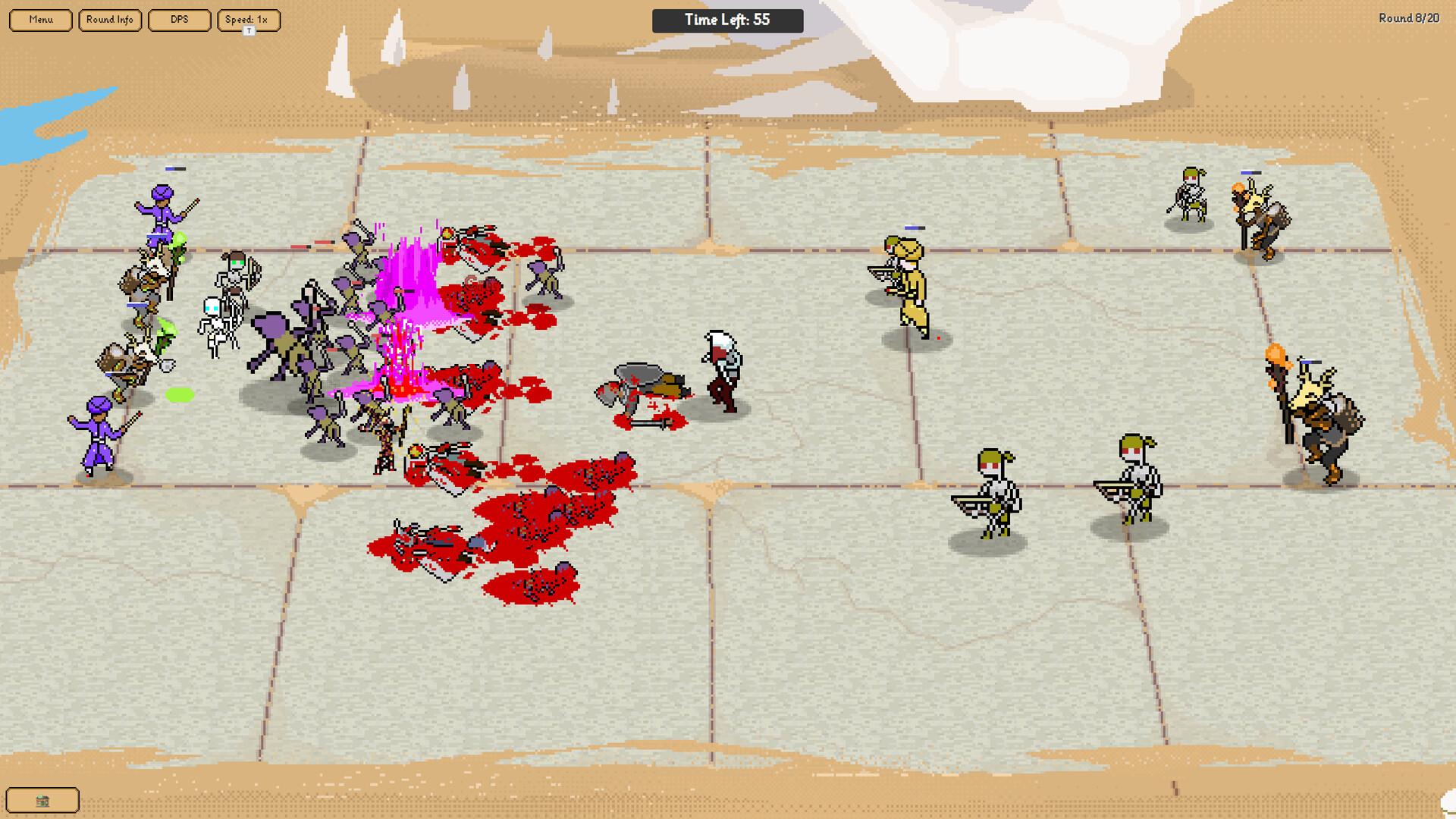
Visually the game goes for clarity over spectacle: units are readable, UI is clean and the economy cues are easy to parse, which I appreciated when juggling dozens of synergistic upgrades. Sound and music are serviceable; they set mood rather than steal scenes, though some loops could use refinement. Performance on Windows was stable during my sessions, but there are reports from players about missing QoL features—more save slots, customizable hotkeys and polished UI options would help the long-term comfort of heavy players. Accessibility settings are limited at launch, so expect a bit of a learning cliff if you’re not used to autobattlers. Overall, the presentation prioritizes function—so the systems can sing—at the cost of some polish, which suits a design that rewards experimentation and mental spreadsheets.

Some of You May Die is a bold indie autobattler that rewards experimentation and careful thinking, offering huge customization and satisfying compounding upgrades. It’s rough around the edges at launch—price concerns, QoL gaps and PvP griefing need attention—but the core systems are compelling enough to make it worth diving into if you like theorycrafting or competitive play. Buy if you enjoy deep build-based strategy and can forgive early flaws; otherwise wait for a few patches.


Pros
- Deep, flexible customization that rewards experimentation
- Compelling singleplayer campaign plus real-time PvP option
- Readable UI and clear feedback for stat-driven builds
- High replayability thanks to randomized pools and stacking mechanics
Cons
- Rough edges at launch: price concerns, QoL and polish issues
- PvP vulnerable to griefing (alt+f4 exploits reported)
- Steep difficulty spikes that can frustrate new players
Player Opinion
Players praise the game’s depth and the addictive feeling of discovering novel builds, with numerous reviews saying the demo hooked them and the full release expanded that. Common complaints focus on launch pricing, polish and quality-of-life features—things like save slots, better keybind customization, and UI tweaks are frequently requested. Several reviewers flagged the PvP griefing issue (opponents alt+f4 to stall) as a dealbreaker for multiplayer until it’s fixed. Difficulty is another recurring theme: some find the learning curve and spikes punishing, while others enjoy the challenge and the satisfaction of a hard-earned win. If you like TFT-style autobattlers, Doomfields or theorycraft-heavy strategy games, you’ll probably find joy here, but expect to tinker and invest time to get the most out of it.