SpaceCraft Review – A Promising MMO Space Sandbox with Rough Edges
SpaceCraft aims for a Satisfactory × No Man’s Sky MMO: mining, ship-building, corporations and player-driven economy — but launch shows both great bones and frustrating early-access roughness.
I jumped into SpaceCraft because the promise of seamless FTL jumps, planetary landings and player-run economies sounded like exactly my kind of sandbox. The twist: this is very much an MMO, not a single-player or local-coop game — a detail many players found surprising. What sold me was the blend of ship customisation, automation and the idea of building corporations, but early access shows that great ideas still need a lot of polish. Expect a game with real ambition, occasional technical hiccups and a steep, sometimes grindy learning curve.

Mining, Scanning and the Ore Loop
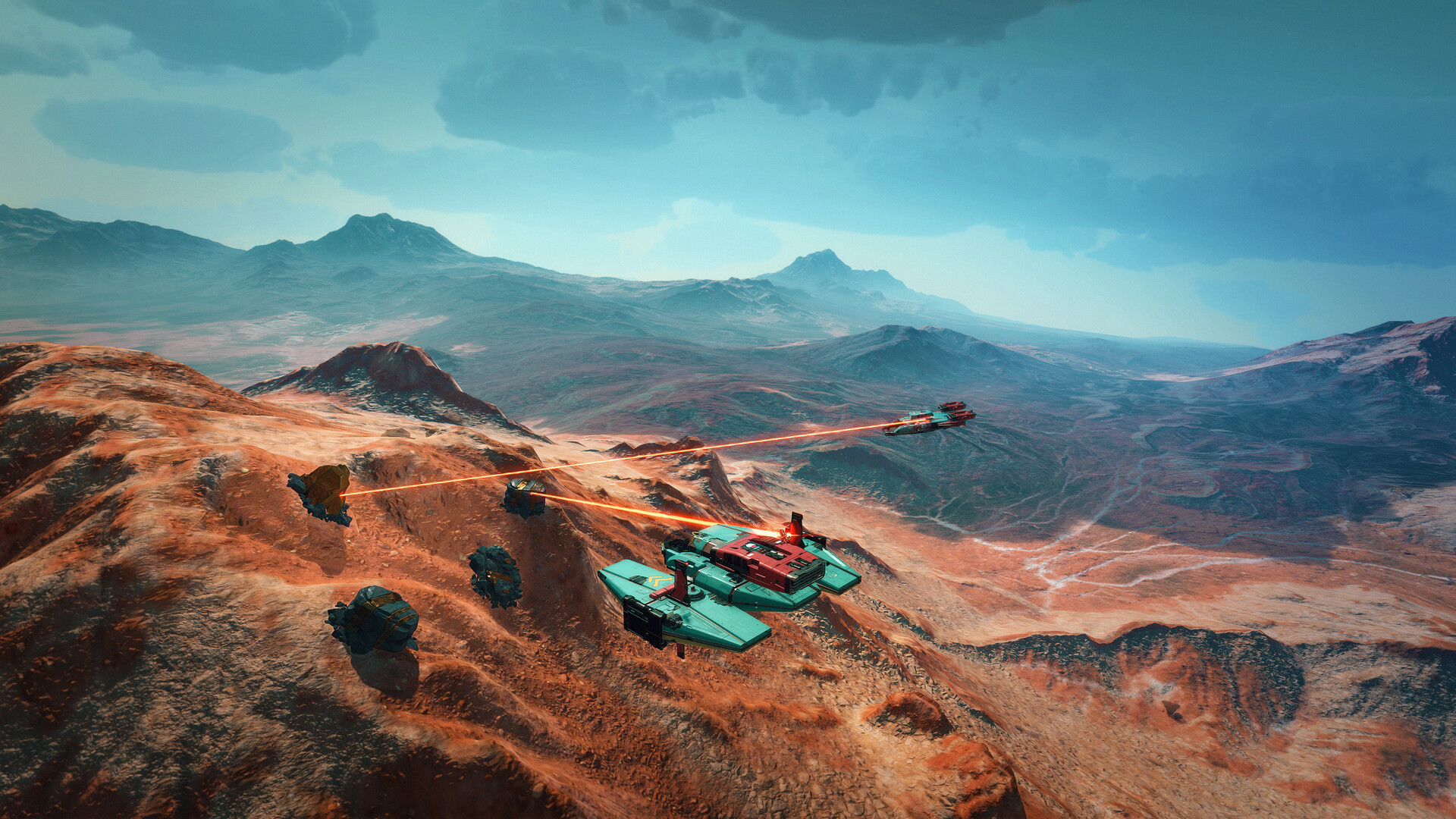
The core gameplay puts you in the role of a miner-cum-entrepreneur who scans planets, docks at stations and hauls ores back and forth. Much of early play is about exploration, finding resource nodes and balancing limited cargo with the upgrades you can afford. Mining itself is satisfying in principle — target, beam, extract — but often stretched by long flight times between points of interest, a small inventory and the need to return to a station to refine or craft. There’s a clear progression: better lasers, bigger cargo, refined materials and eventually ship components. In practice you’ll feel a lot like a space trucker at first: scan, fly, mine, sell, repeat, with the promise that later automation and bases will change the tempo.
Corporations, Blueprints and Player Economy
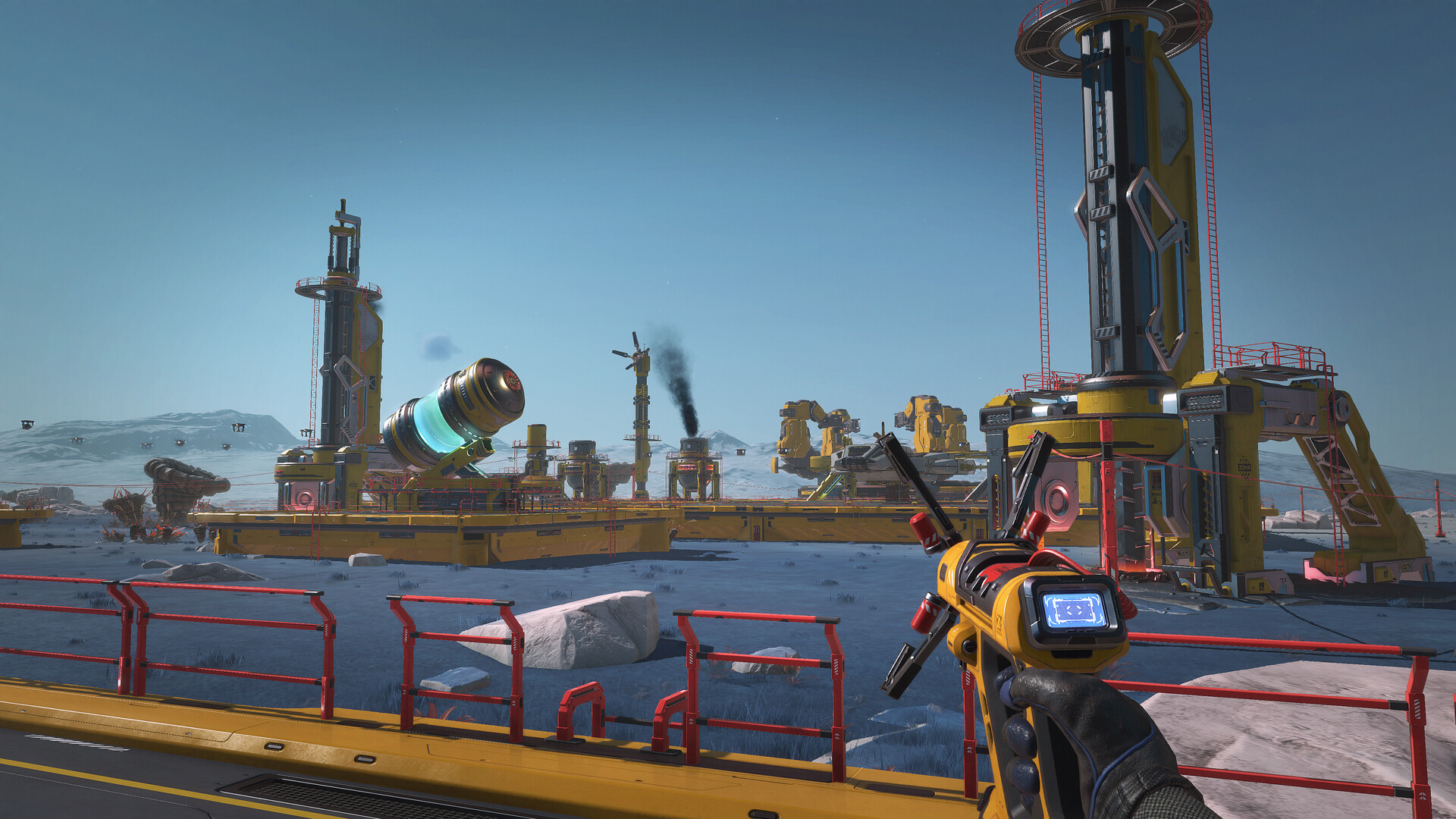
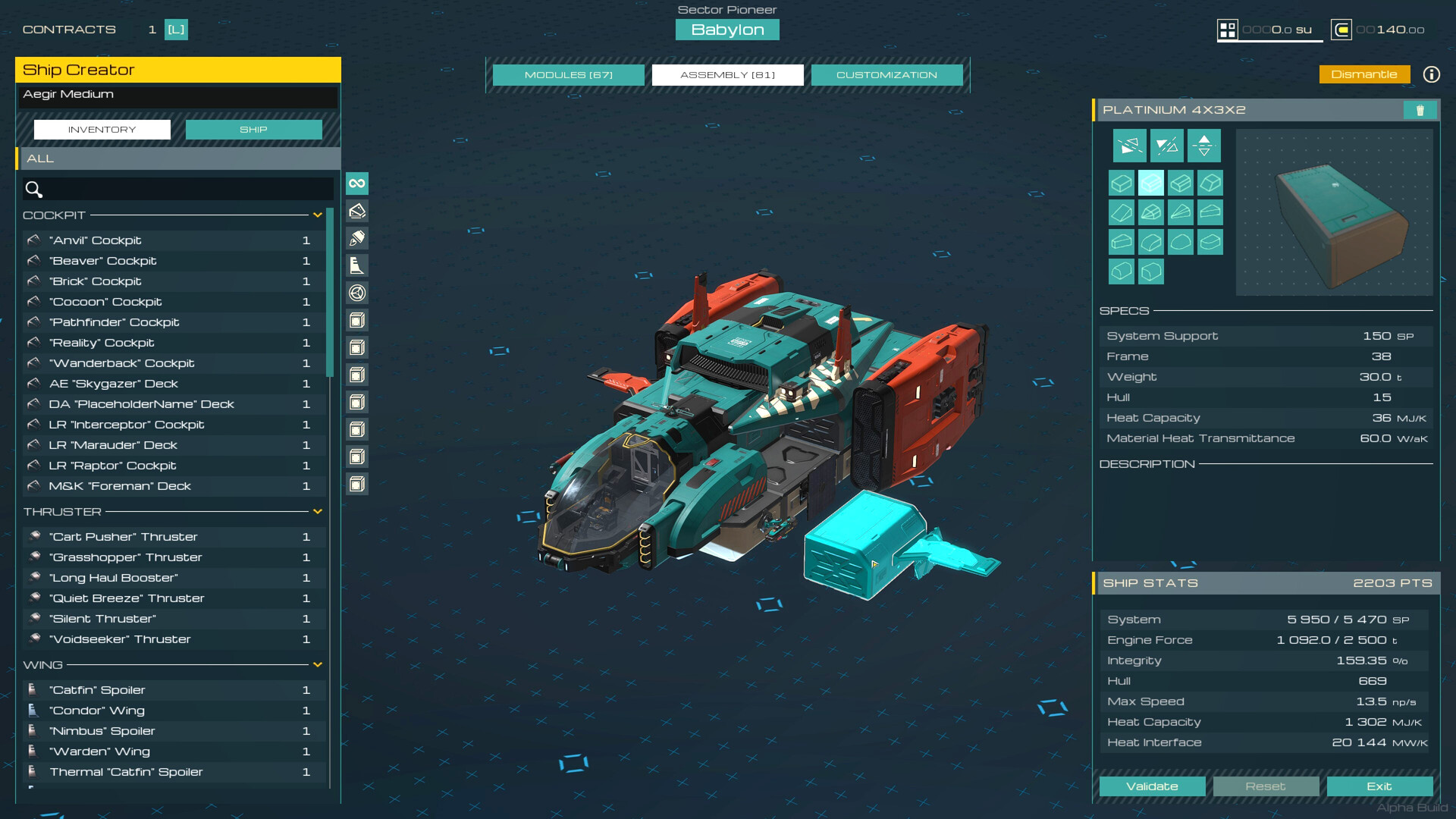
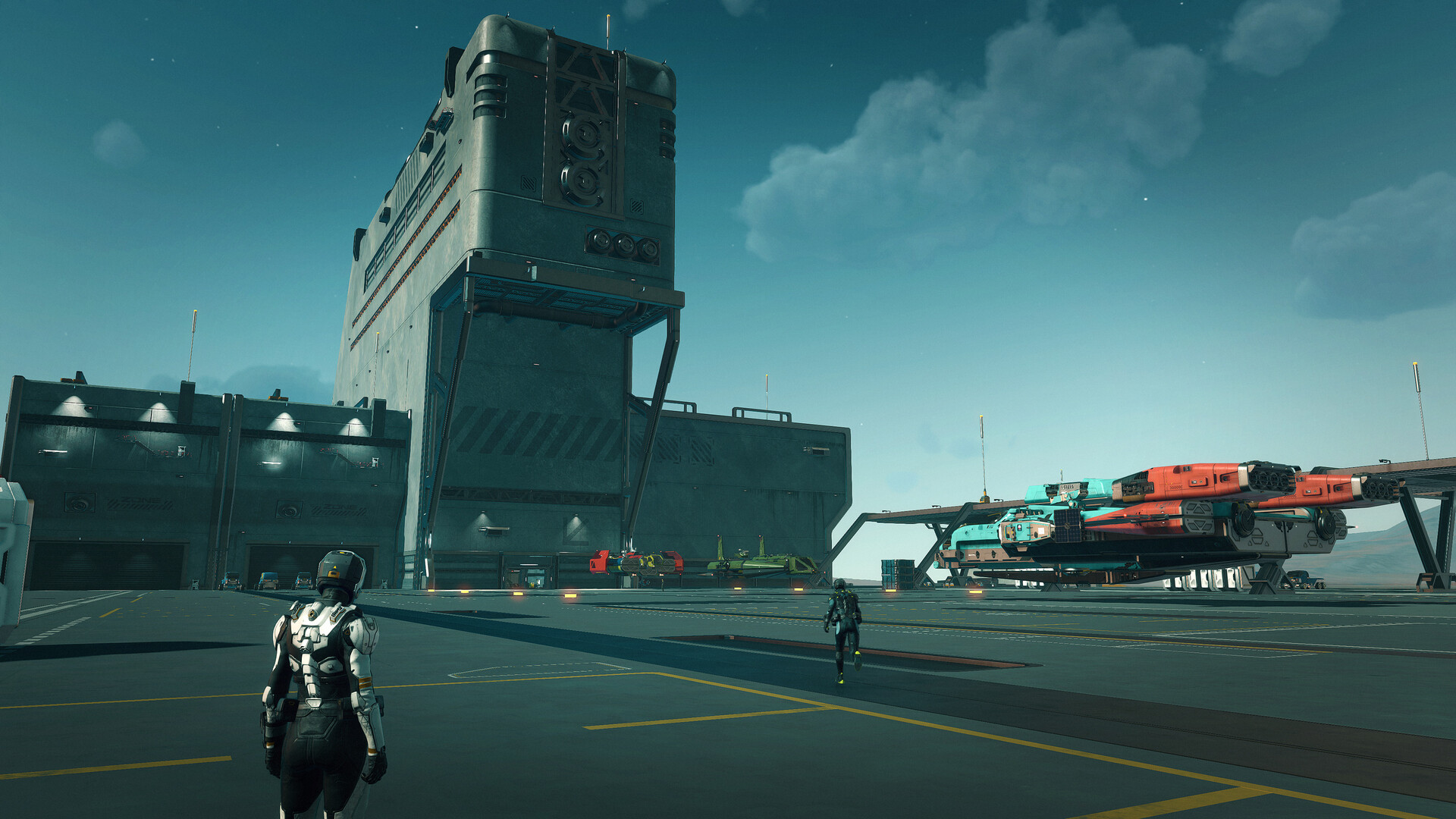
What sets SpaceCraft apart on paper is the social and economic layer. Corporations let you pool roles — miners, logisticians, base builders — and automate production lines with drones and cargo ships. The marketplace is player-affected: sales change prices and blueprints can be traded, which creates meaningful incentives to specialise. Ship-building is modular: piece together hulls and components or buy proven blueprints from other players. I loved fiddling with designs; the customization can produce genuinely weird and functional ships. The caveat is that these systems are present but still maturing: player reports mention resource stealing, contested base locations and a sometimes punishing risk of losing progress if you’re not careful.
Presentation, Performance and Atmosphere
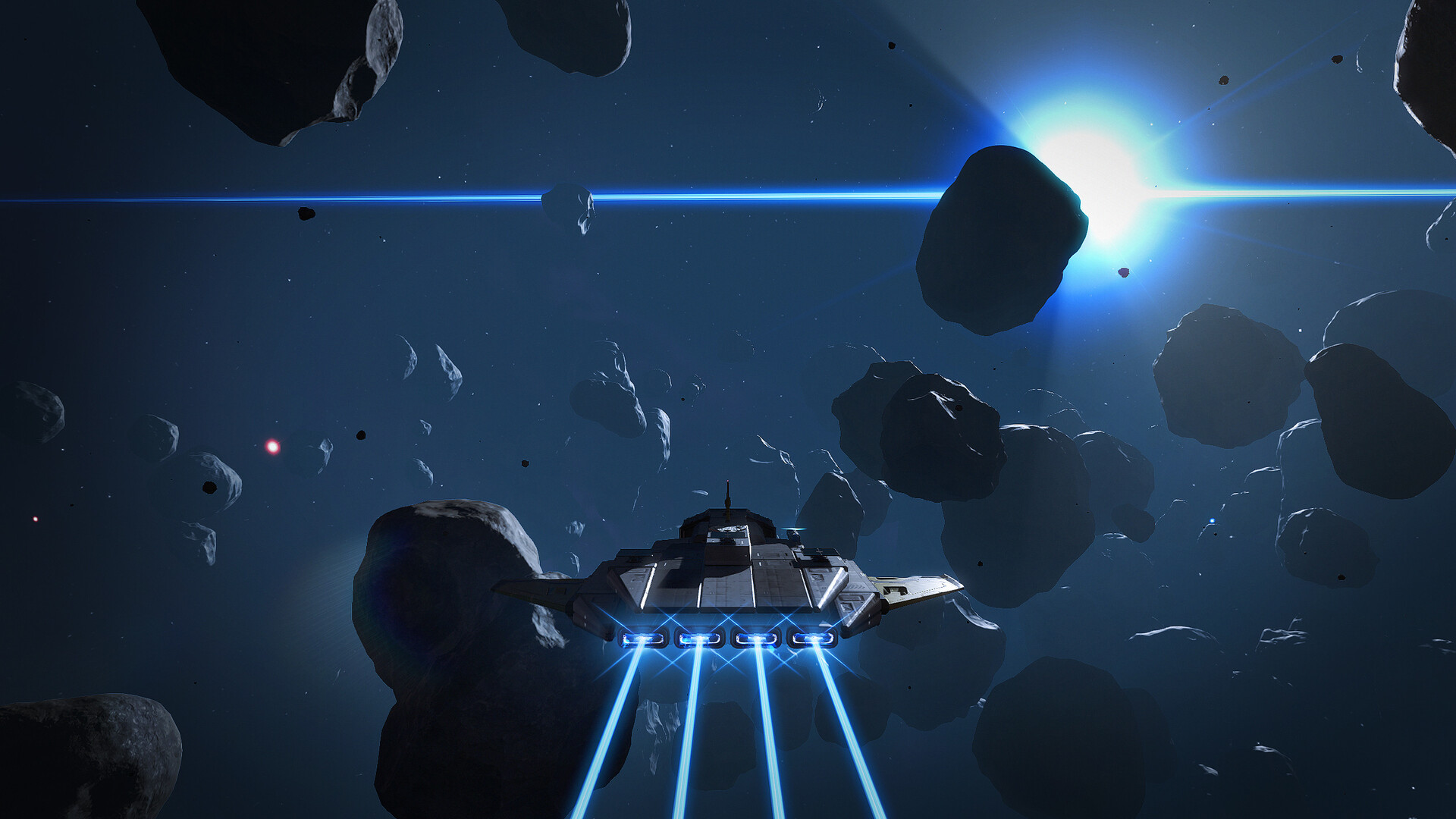
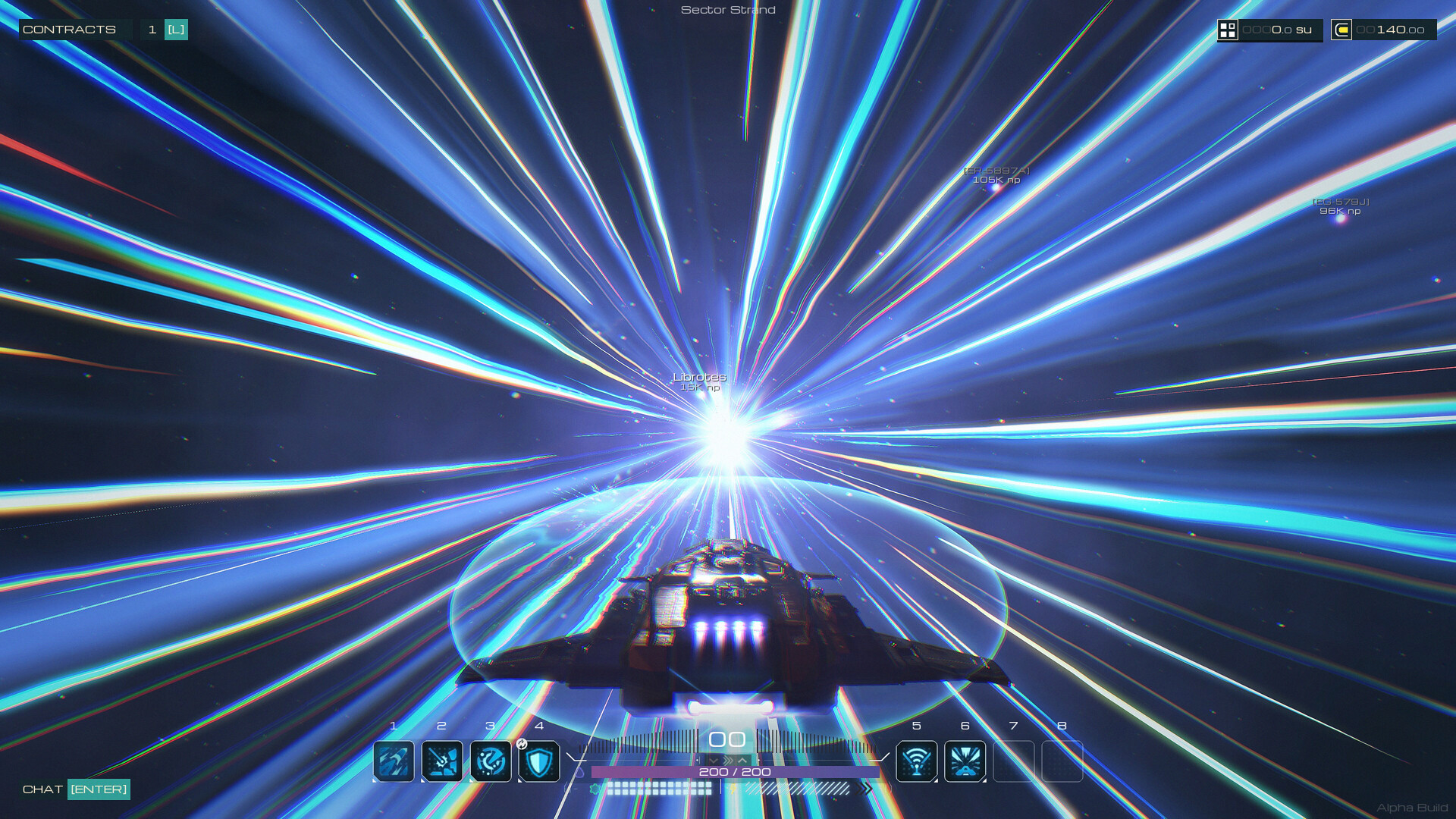
Visually the game leans towards simplified, readable graphics rather than photorealism, which helps performance on mid-range PCs when things behave. Atmosphere comes from the scale — FTL jumps, empty suns, and the novelty of entering atmospheres — but many planets currently feel barren and similar, which dampens exploration joy. Audio design is pleasant but occasionally buggy with overlapping tracks cutting out. Performance and stability are the headline issues: stutters when breaking atmosphere, server disconnects and hitches in busy systems are recurring complaints. Accessibility is promising — automation, drones, and a tech tree give multiple playstyles — yet UI clarity and inventory ergonomics need work to make the experience smooth.

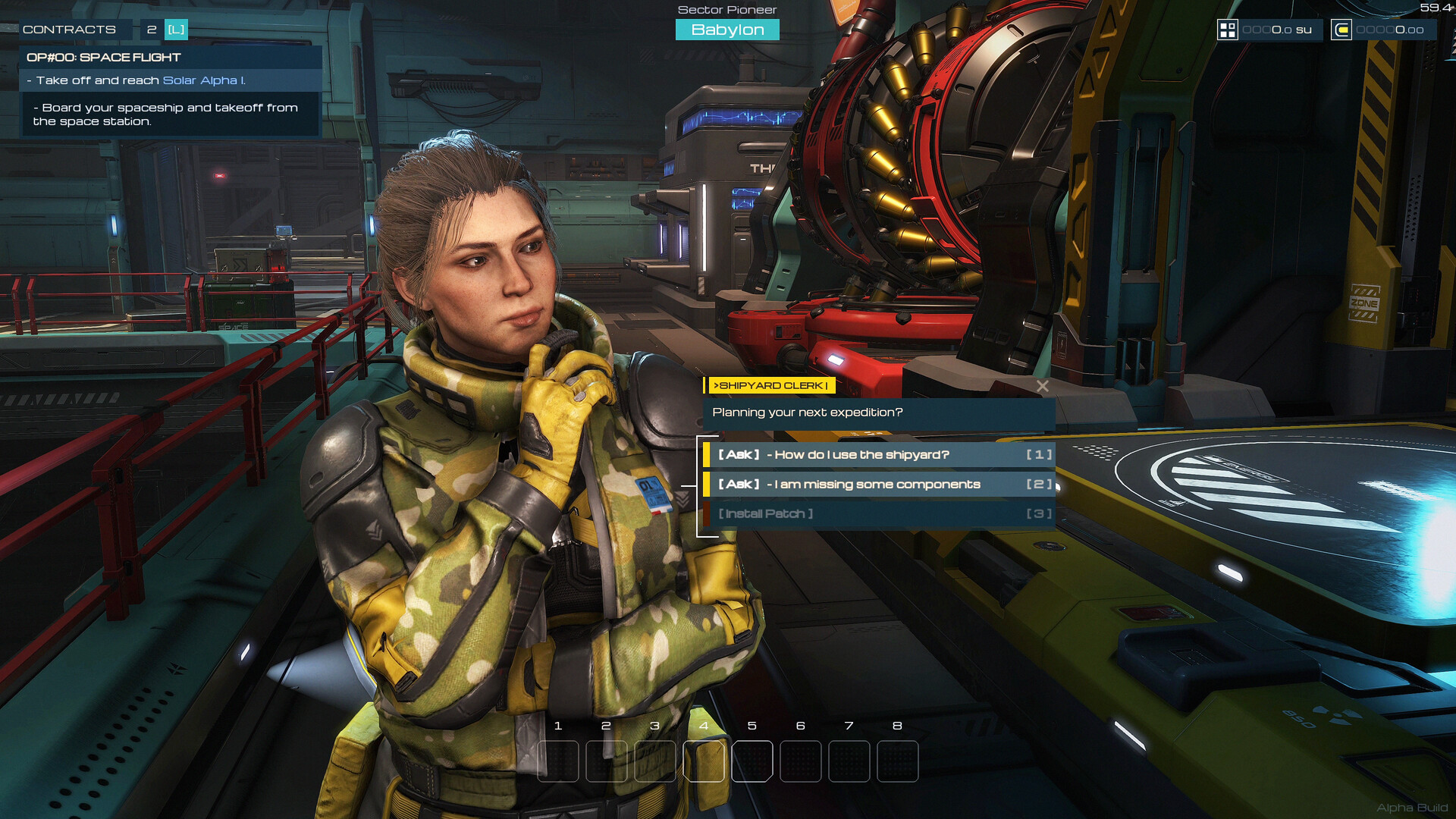
SpaceCraft is a promising MMO sandbox with clear ambitions and the bones of something special: ship design, automation and a player-driven market. Right now it’s uneven — technical hiccups, tutorial friction and barren planets hold it back — so buy only if you like early access and multiplayer competition. I’ll be sticking around to watch systems mature, because when the rough edges are polished this could be a great space economy game.


Pros
- Ambitious sandbox systems: ship-building, automation and player economy
- Modular ship design allows creative and functional builds
- Good foundation for corporations and large-scale logistics
- Accessible art direction keeps hardware requirements moderate
Cons
- MMO-only design is confusingly tagged as single-player/coop
- Planets feel barren and exploration loop is repetitive at launch
- Performance issues: stutters, server disconnects and long tutorials
Player Opinion
Player feedback is split but consistent in themes: many praise the core idea — a blend of No Man’s Sky, Satisfactory and MMO logistics — and enjoy ship customization, the early economy and the potential for corporations. Critics fault the store page tags for implying single-player, which led to surprise and refunds, and most negative reviews call out the long tutorial, barren planets, inventory limits and persistent server or stutter issues. Some players report fair early stability and a fun mining loop if you like grindy progression, while others warn the current experience feels like a mining sim more than the broad crafting game advertised. If you enjoy social competition, contested resources and building a corporate empire, you’ll find a lot to like; solo players expecting a quiet single-player sandbox may want to wait for offline or coop options.