Starminer Review – Brutal, Beautiful, and Brilliantly Niche Space Mining
Starminer is a slow-burn space sandbox that asks you to pilot, build and micro-manage a modular fleet in Newtonian 6DOF. Great visuals and physics, but expect a steep learning curve, rough UI and early-access bugs.
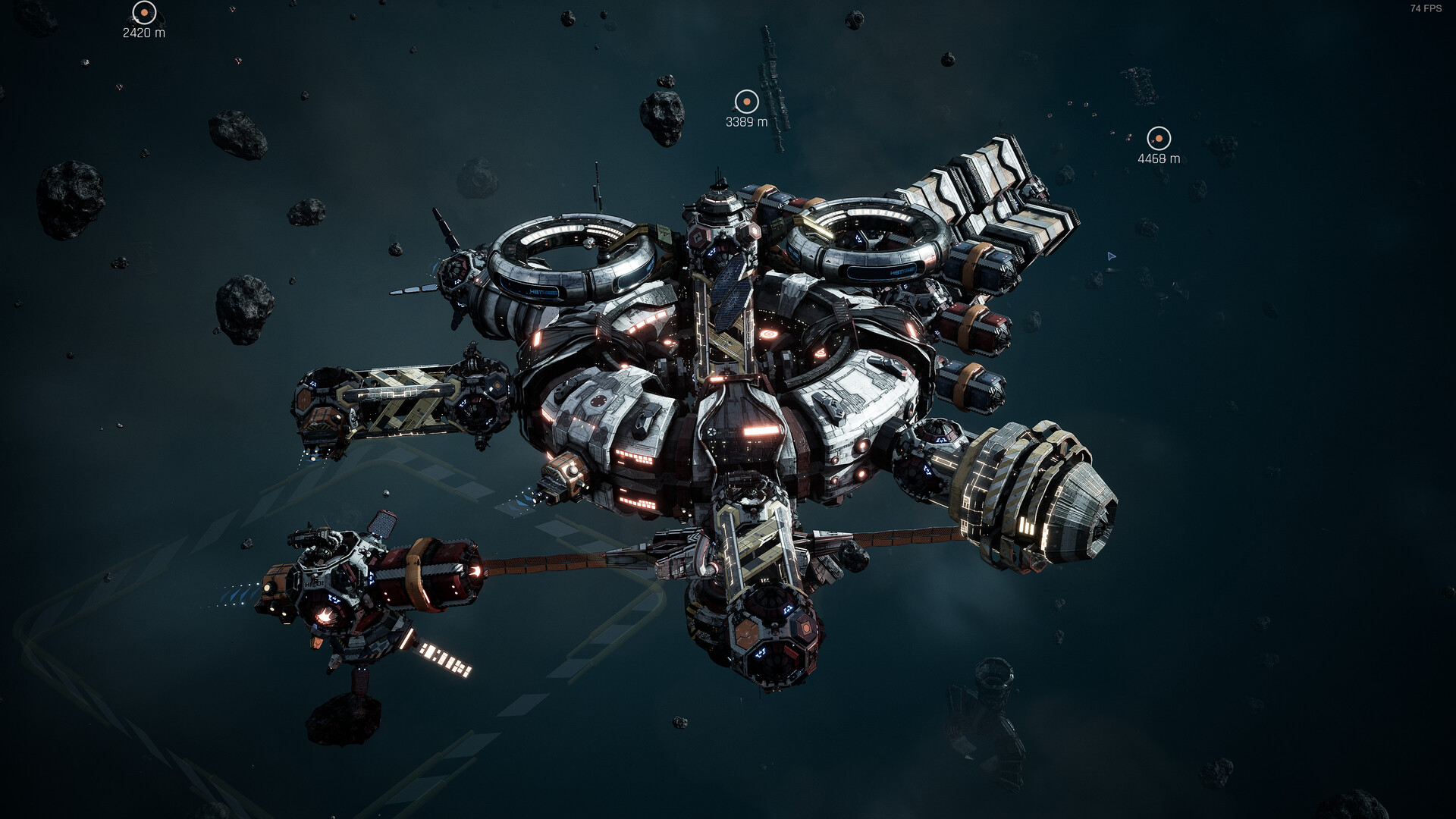
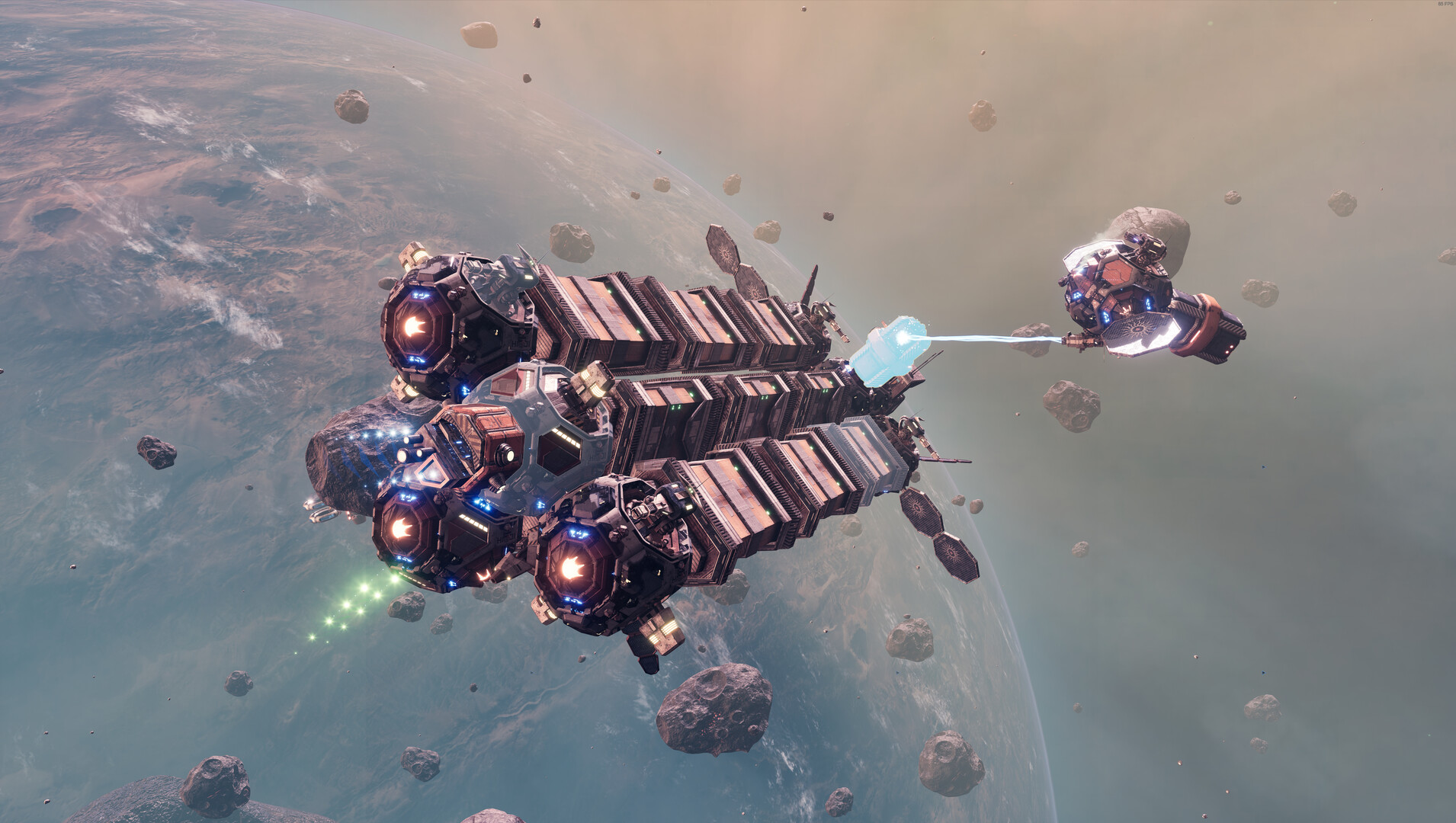
I dove into Starminer because the promise of piloting huge modular ships through asteroid fields with fully simulated physics sounded like candy for space‑nerds — and it mostly delivers. Think a blend of EVE/Elite ideas, Rings of Saturn’s mining joy and a dash of Space Engineers’ Lego‑building, all slowed down and deepened. What makes Starminer stand out is the tactile feeling: you don’t just click a miner into place, you wrestle a 150,000t construct into position and pray the thrusters aren’t pointing the wrong way. Expect zen moments and hair‑raising crashes in equal measure.

Piloting a Behemoth, One Thruster at a Time
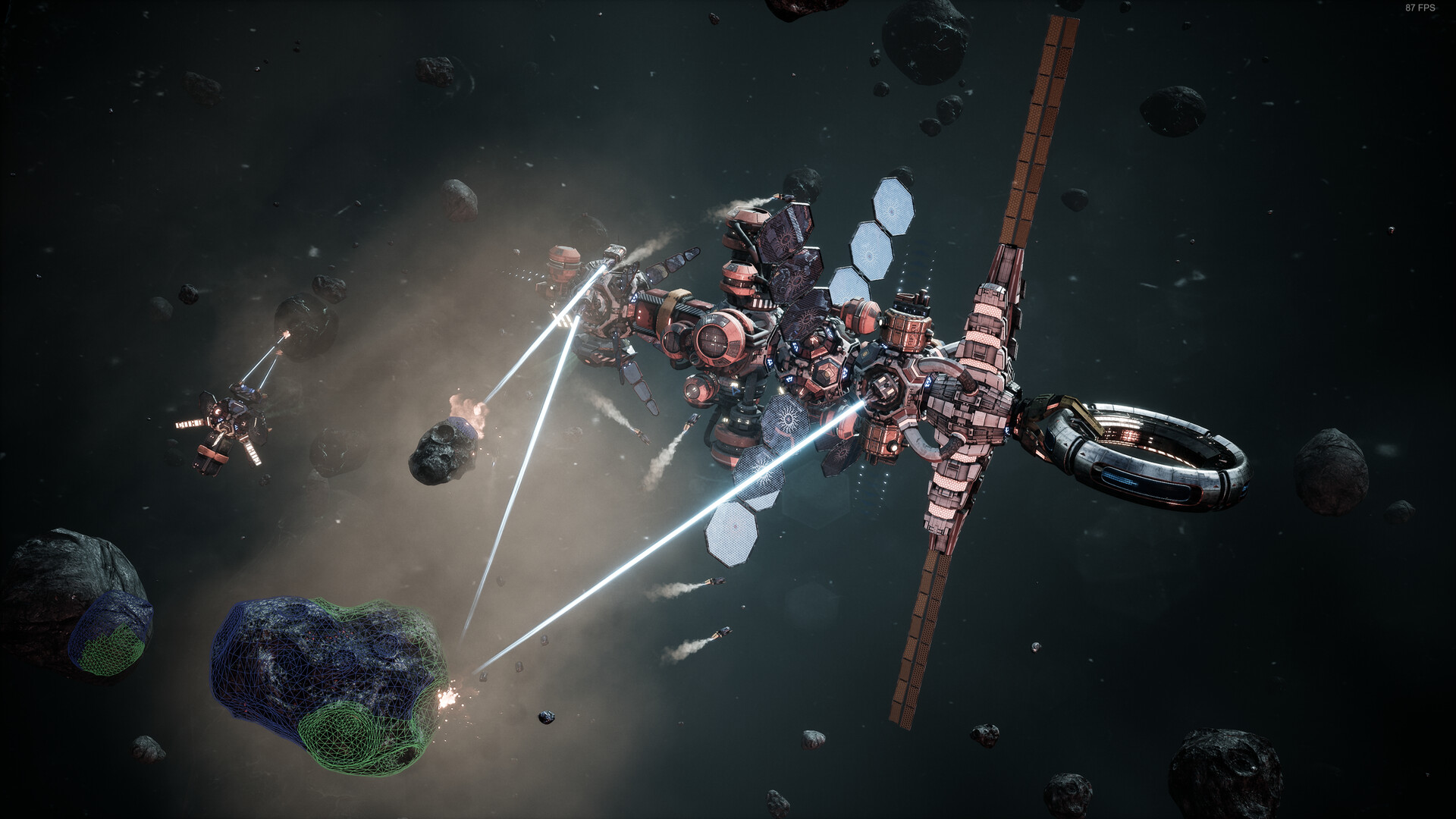
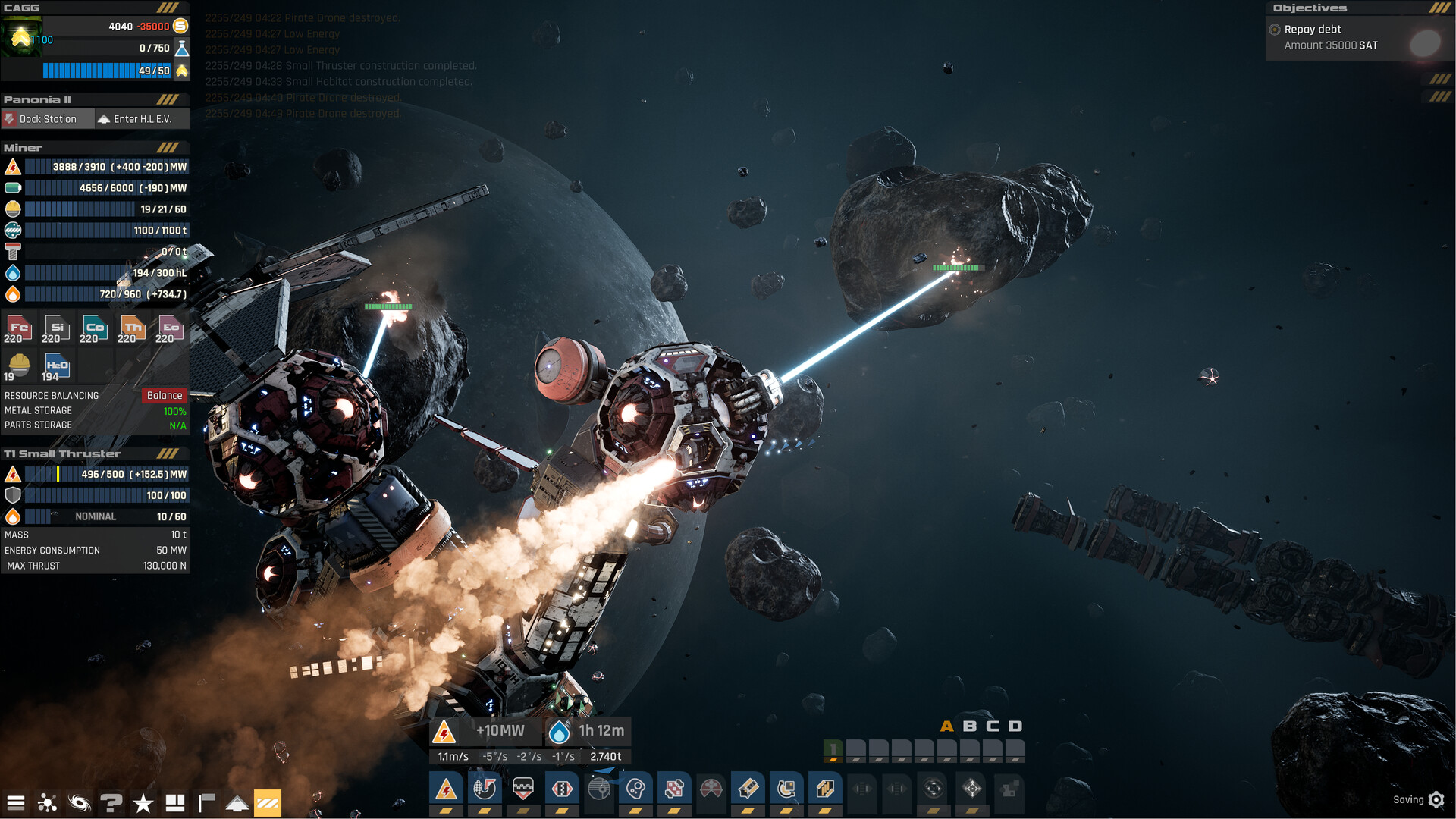
Starminer’s core loop is deceptively simple: fly to resources, mine them, process and trade — but the execution is a study in deliberate, Newtonian movement. Ships use true 6DOF physics: translation with WASD (or ESDF if you rebind), Q/E for lateral adjustments, and modifiers for pitch/yaw/roll. There are arcade and simulation options, but even arcade keeps you honest: mass distribution, thruster placement and radiator layout matter. Collisions hurt hard; a careless nudge will tear modules off and make you wish you’d saved. I spend as much time aligning my ship’s laser cones and hangar ports as I do chasing contracts, which makes each successful docking oddly satisfying.
Crafting Your Fleet, One Module at a Time
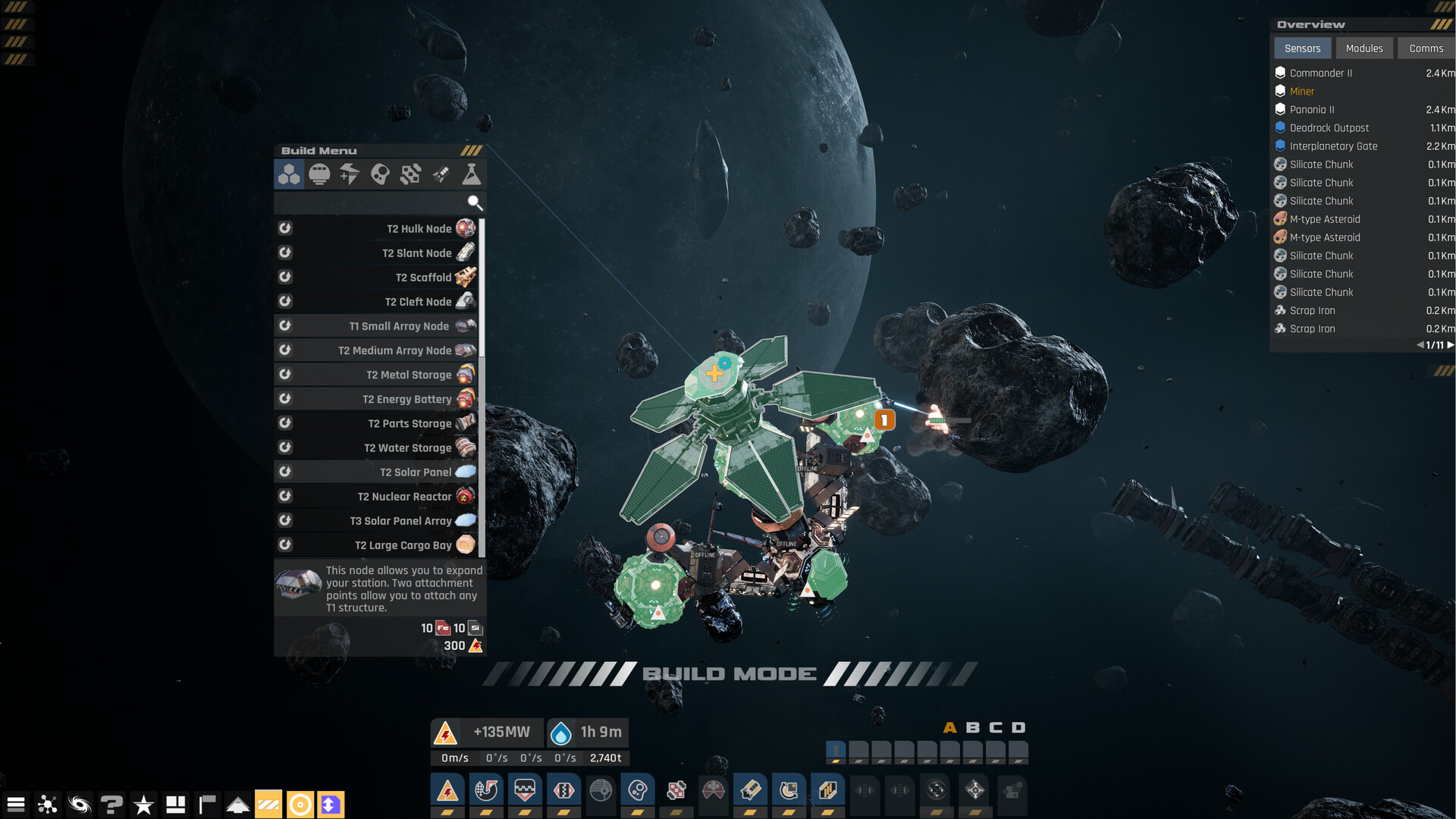
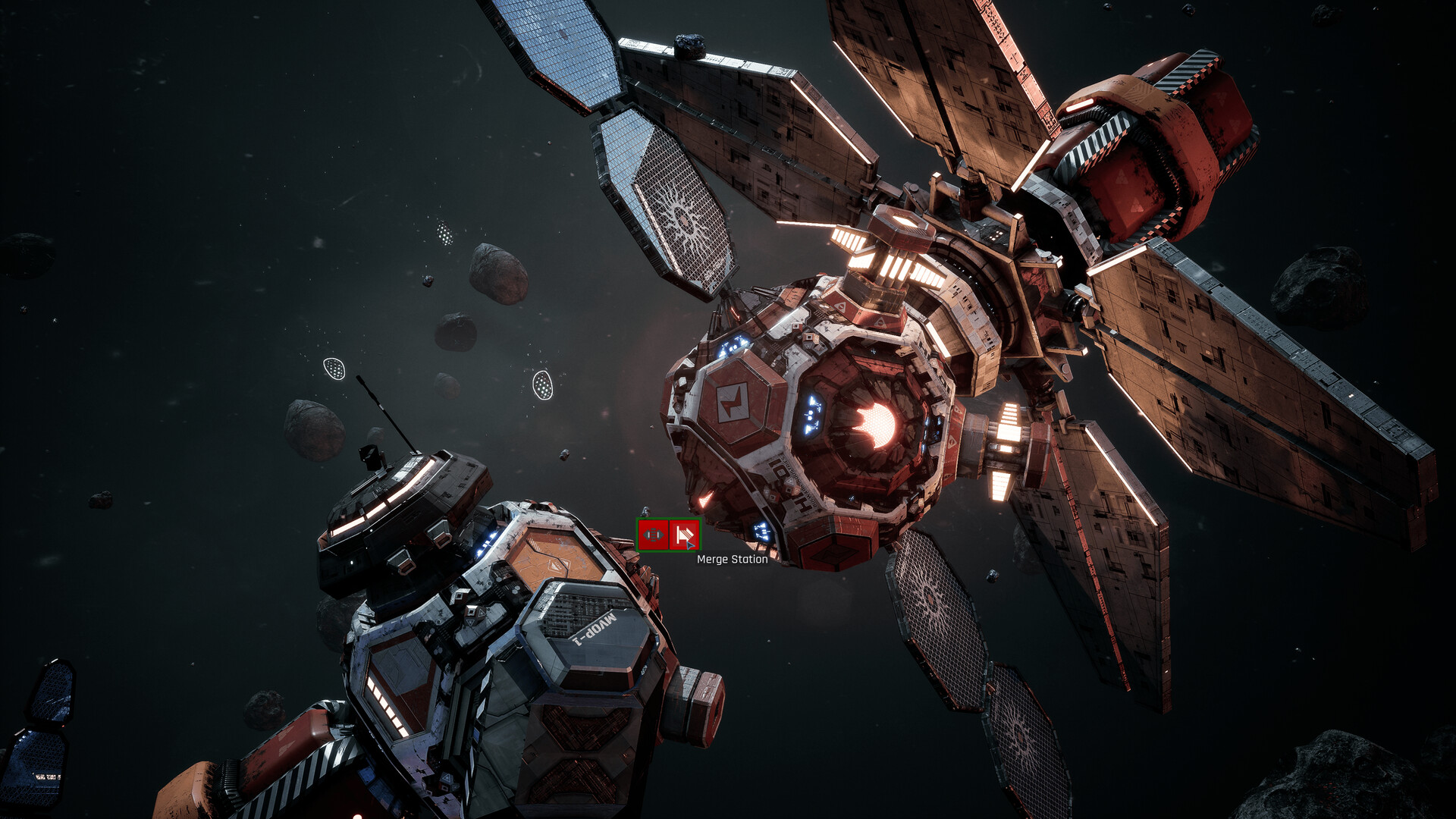
The building system is modular and granular — you assemble ships and stations node by node, balancing power, tonnage and slot economy. You can design many small nimble craft or a few lumbering capital hulls packed with lasers, refineries and docking bays. Research unlocks new modules, and link gates open the map as you expand. Automation exists but is intentionally light: basic conditional transfers and auto‑mining when a ship is parked, not full factory orchestration. That lack of deep automation annoyed some players, but I found the hands‑on feel rewarding: your logistics are personal, and every hauler you pilot becomes part of the story.
The Look, Sound and the Shakes
Presentation is one of Starminer’s strongest cards. The art direction blends clean, industrial module art with soft space backdrops; watching small drones zip between your rigs is oddly meditative. The soundtrack and UI audio cues complement the chill‑but‑tense loop — often I left the game running just to listen. Performance is generally solid on modern hardware and Proton seems to run it well for Linux players, but expect hiccups on very large constructions. Accessibility gaps are real: tiny default text, cluttered windows and too many unexplained blue highlights in the UI make onboarding painful until the tutorial actually sinks in.

Starminer is a rare, focused space sandbox that scratches a very specific itch: tactile shipbuilding, manual piloting and methodical mining. I recommend it to players who enjoy systems games with real physics and don’t mind early‑access rough edges. If you want fast action, seamless automation or a hand‑holding tutorial, wait for future updates — but if you like learning by doing, this will reward you handsomely.


Pros
- Satisfying modular ship and station building with real engineering weight
- Newtonian 6DOF flight that rewards learning and finesse
- Beautiful visuals, calming soundtrack and strong sense of scale
- Hands‑on logistics loop — mining, refining and piloting feels personal
Cons
- Steep learning curve and confusing tutorials/UI
- Early‑access bugs, occasional mission or trading glitches
- Limited automation compared to factory/empire sims
Player Opinion
Player feedback is a mixed bag but clear in its patterns. Many players call Starminer a ‘dream game’ for space‑miners: they love the Newtonian flight, modular shipbuilding and relaxing mining loops. Others praise the visuals, soundtrack and small dev team’s responsiveness to bug reports. The recurrent complaints are also loud — tutorials that burst with jargon, a cluttered UI, some mission or trading bugs and a lack of deep automation for fleets. Several reviewers warned that the game won’t be for everyone: it’s slow, deliberate and expects patience. If you enjoy Rings of Saturn, Elite’s mining feel or the micro‑engineering side of Avorion/Space Engineers, the community consensus is: give it time and you’ll find a dedicated, passionate player base.