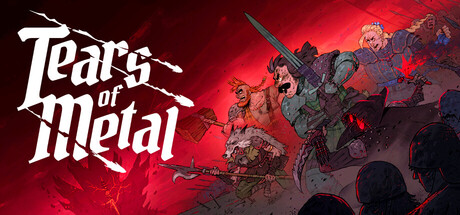
Tears of Metal Review — A Scottish Musou Roguelite That Actually Delivers
A surprisingly joyful mash-up of Dynasty Warriors-style mass combat and roguelite progression — Tears of Metal pairs chunky melee, uplifting bagpipe-metal, and co-op mayhem. Great art, some rough edges, but a very promising early access.
I didn't expect to be chanting "For Scotland!" while shredding hordes with bagpipe-laced metal, but here we are. Tears of Metal takes the crowd-slaying satisfaction of Dynasty Warriors and dresses it up in roguelite trinkets, emblem synergies and a charming comic-book art style. You can play solo or jump into four-player co-op, rally recruits between runs, and toggle an ascension system if you want more bite. It's the kind of indie experiment that feels lovingly made — sometimes rough, often ecstatic, and usually a lot of fun.

Charging Through the Highlands
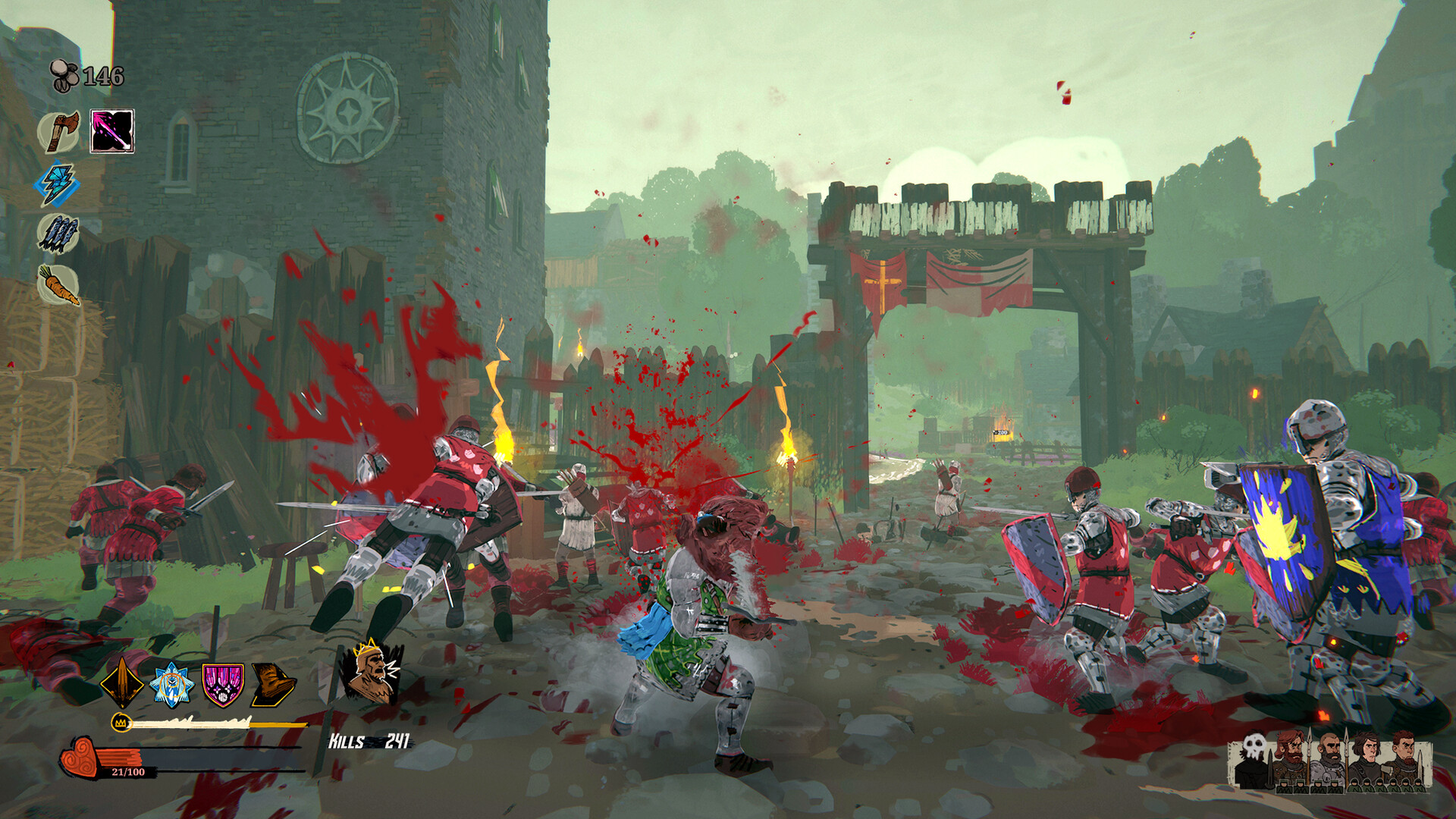
The core loop is gloriously simple: pick a hero, storm a handcrafted map, slaughter waves of invaders and complete objectives while juggling your loadout. Combat is front-and-center — basic attacks, heavy hits, parries or dodges depending on your weapon, and weapon-swapping that can completely change a character's playstyle. There are multiple heroes to unlock, each with unique default movesets and several weapon types that alter how you approach crowds and bosses. Between campaigns you manage a settlement, recruit captains and soldiers, and spend permanent resources to strengthen your clan — which makes repeated runs feel meaningful instead of purely cosmetic.
Synergies That Actually Surprise
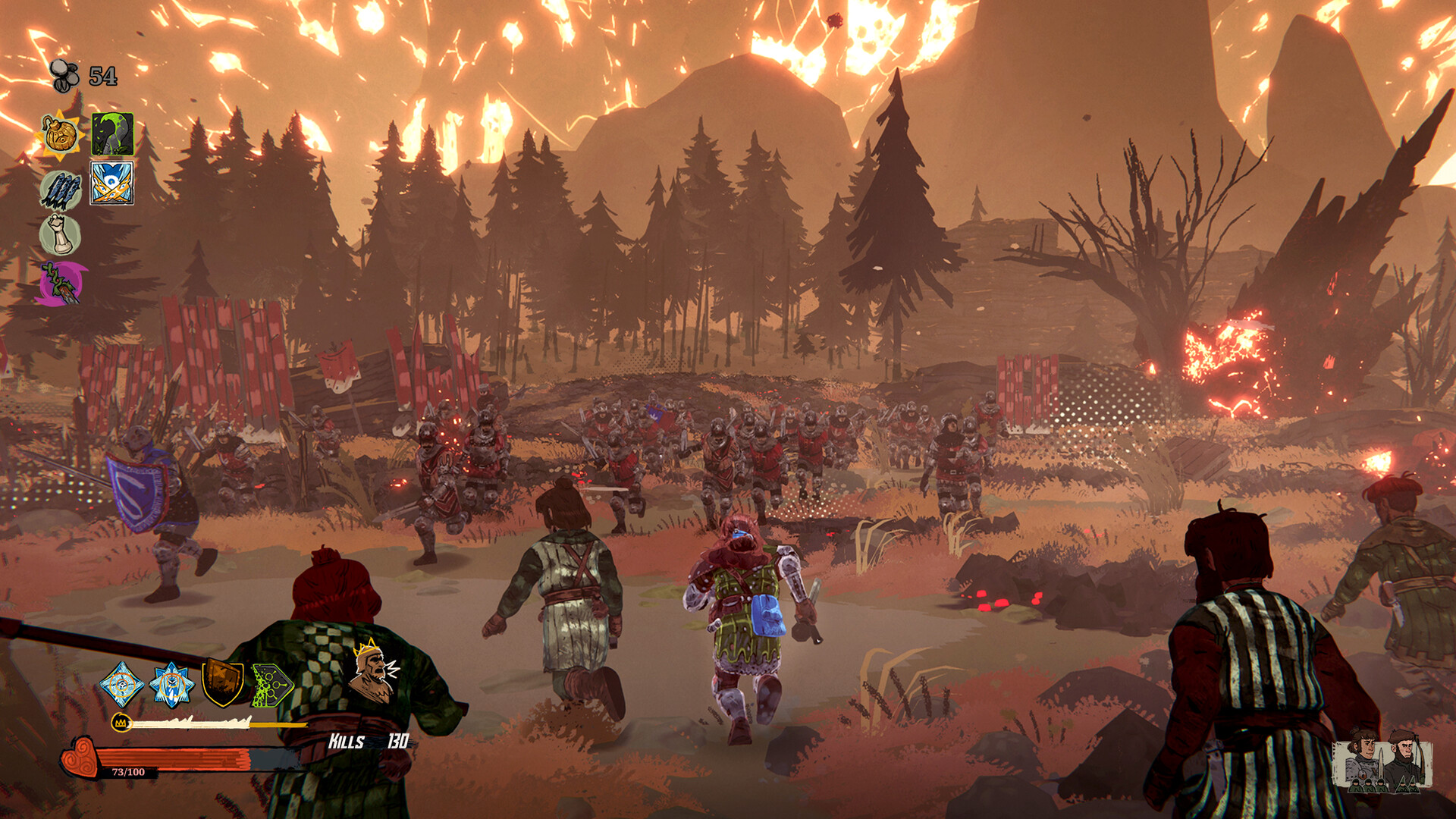
Where Tears of Metal shines is its stacking synergies: Emblems, artifacts and items combine into explosive builds that can turn a humble run into a carnage ballet. I frequently found combos that unexpectedly amplified my play — one emblemed weapon turning a defensive parry hero into a dodge-focused speedster, or artifact mixes that made siege engines melt. The overworld roguelite map and ascension modifiers give you decisions beyond "go kill bad guys": choose riskier objectives for better loot, unlock new shops in your settlement, and slowly expand which characters and artifacts are available. Co-op adds another layer: builds that feel borderline silly solo become terrifyingly effective with coordinated teammates.
More than Bagpipes: Presentation & Tech
Visually the game leans into a comic-cell shaded style that popped off my screen — dramatic silhouettes, exaggerated animations and readable enemy telegraphs. The soundtrack is a highlight: bagpipe-metal surprisingly works and elevates the fight loops. Performance has been solid on my rig and many players report good frame rates even on high settings; the developer seems responsive to platform quirks, though some users mention missing SteamOS/Bazzite support at launch. There are rough edges: a few maps feel cramped, enemy AI can be basic at times, and endgame variety will need more content down the road. Still, animations, sound design and map variety make the combat feel punchy and rewarding.

Tears of Metal is one of those rare indie titles that turns a familiar formula into something distinctly its own. If you love hack-and-slash combat, enjoy experimenting with build synergies and want a loud, proud soundtrack to back your carnage, this is worth trying solo or with friends. Keep an eye on content updates — the game already hums, and with more polish it could become a must-play.


Pros
- Satisfying, weighty hack-and-slash combat with meaningful weapon variety
- Excellent art direction and a wildly catchy bagpipe-metal soundtrack
- Roguelite progression and settlement upgrades make runs feel rewarding
- Co-op for up to 4 players transforms good builds into glorious chaos
Cons
- Some maps feel small and enemy AI can be simplistic
- Endgame and content depth need expansion — repetitive at times
- Missing some quality-of-life options (difficulty presets, ranged classes at launch)
Player Opinion
Players are ecstatic about the theme, soundtrack and the satisfying mash-up of Musou-style crowd combat with roguelite progression. Common praise highlights the art style, the variety of weapons and the co-op thrills — multiple reviewers gush about how the game makes them "lose track of time" and how it nails the Dynasty Warriors feeling while keeping its own identity. Criticisms appear repeatedly too: some want clearer difficulty options for a more casual run, others note short campaigns, small maps and repetitive enemies as things to improve. A handful of early testers pointed out endgame gaps and progression pacing, but nearly every positive review recommends supporting the game early for its promise and polish.