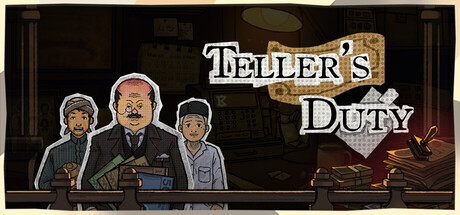
Teller's Duty Review – A Bank-Teller Drama with Heart and Bureaucracy
A Papers, Please–style desk sim that balances moral choices, a vintage paper aesthetic and a surprisingly cozy cat. Charming, occasionally glitchy, and emotionally tugging.
I jumped into Teller’s Duty expecting a Papers, Please echo—and that’s not a bad starting point. The game puts you behind a bank counter in the dystopian Kertasia, balancing deposits, withdrawals, and a personal life that keeps getting more complicated. What surprised me most was how tender it can be: between rule-following and forgery checks there’s a surprisingly humane story about family, survival, and little comforts like a pet cat. It’s sometimes clunky and occasionally buggy, but when it clicks, it nails that tense, slow‑burn feeling of making choices under pressure.

Counting, Checking, Caring
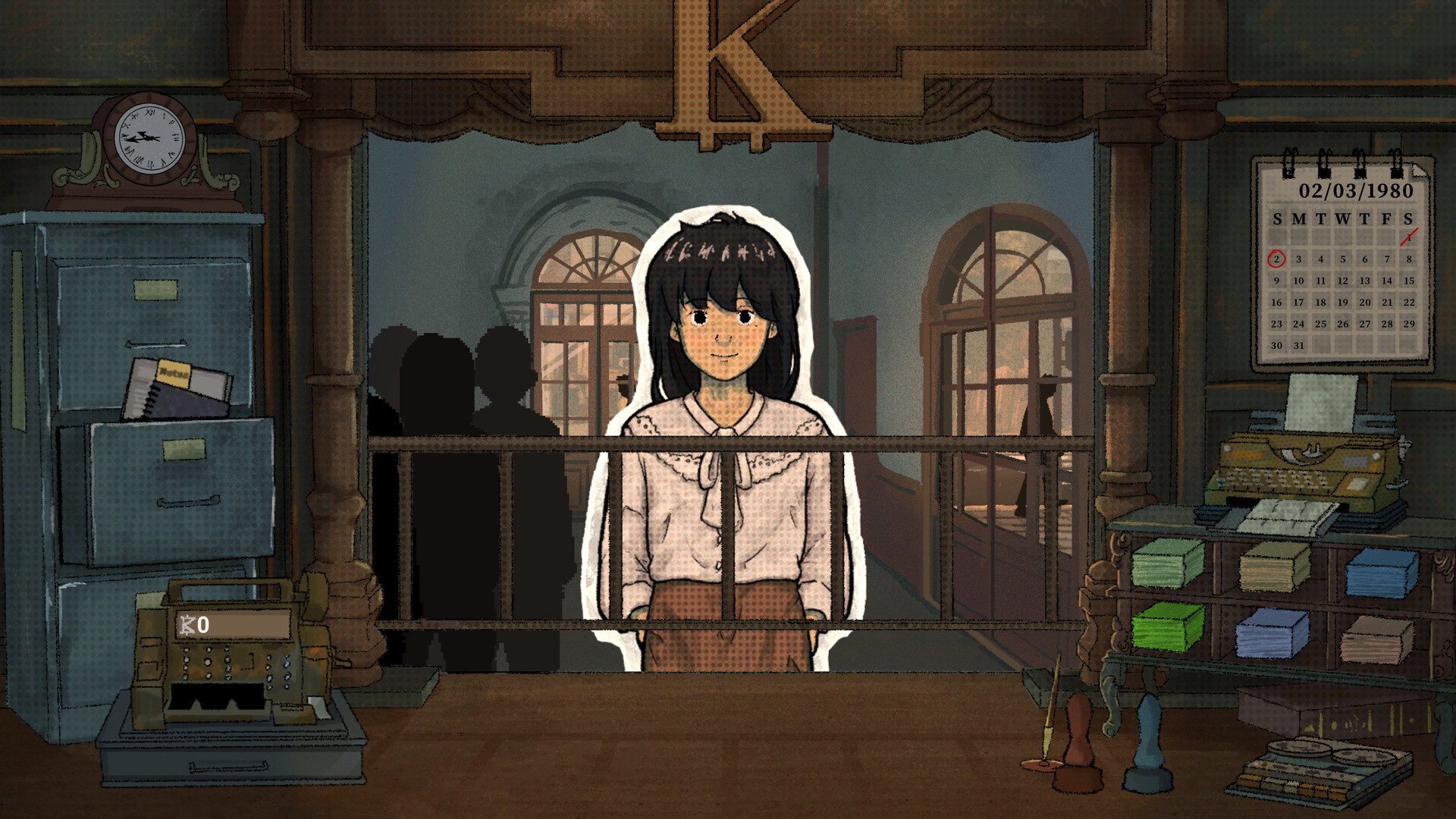
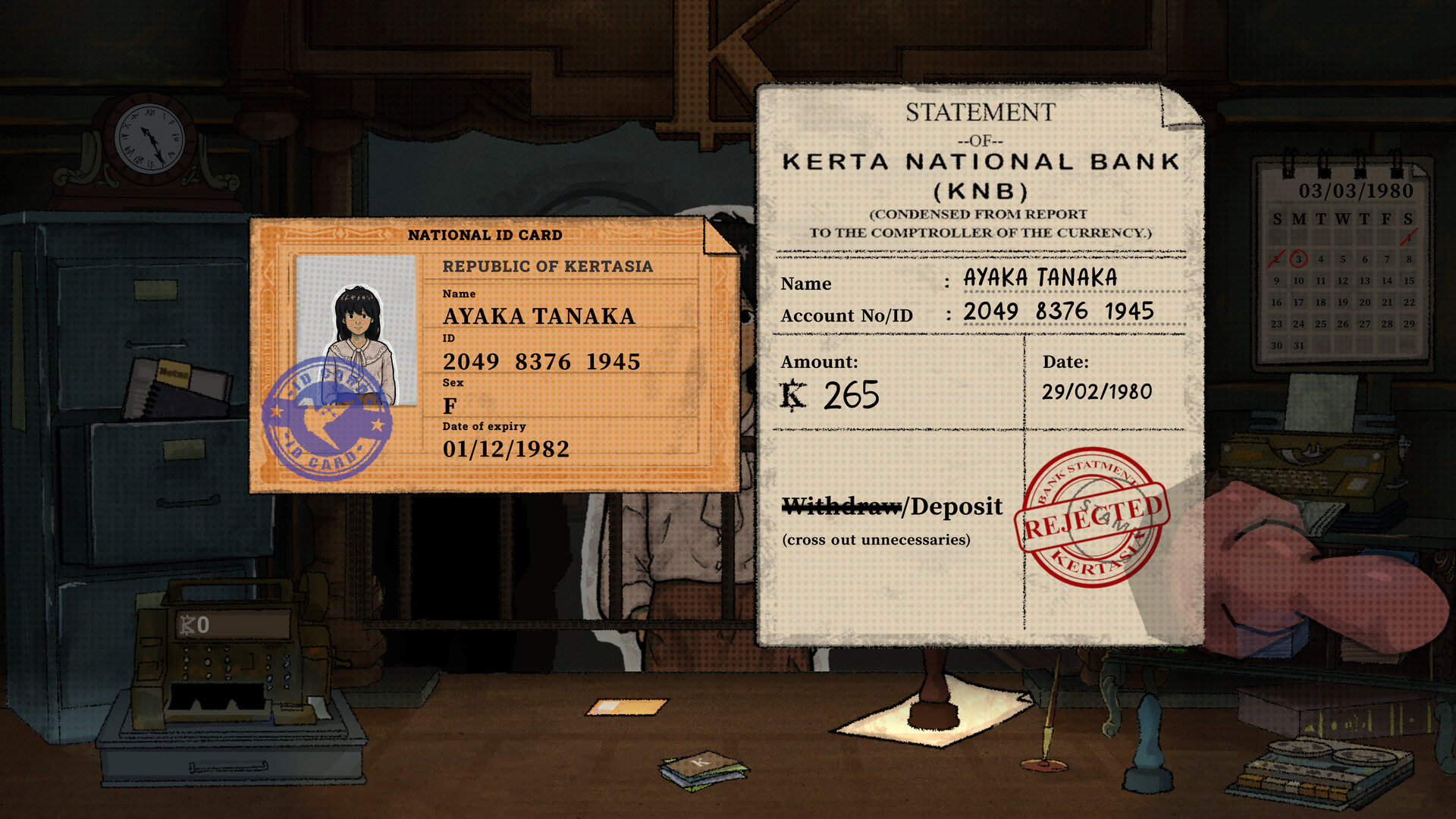
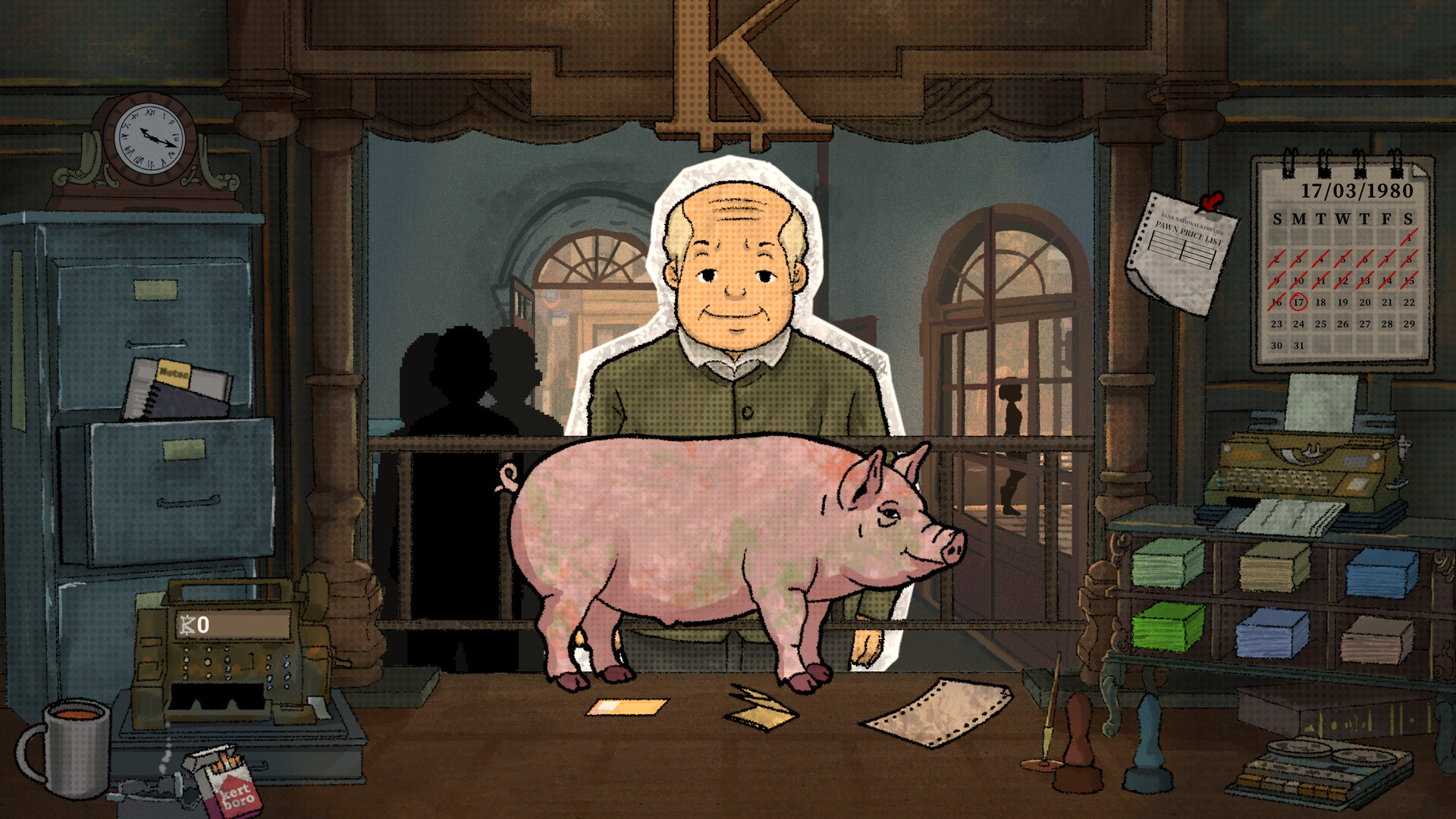
The day‑to‑day work in Teller’s Duty is wonderfully tactile. You process transactions, inspect documents, compare faces to IDs and decide whether a withdrawal looks legitimate. A couple of neat comfort features speed this up: keyboard shortcuts, a deposit‑counting machine, and clear checklists that help once the rules pile up. That said, some parts of the cash handling feel fiddly—manual counting can be cramped because of a small surface area, and the UI occasionally forces you to reach for the counting machine midflow. Expect to be switching mental gears a lot: one minute you’re policing forgeries, the next you’re choosing whether to send money home to your mother or keep it to pay rent.
When Rules and Guilt Collide
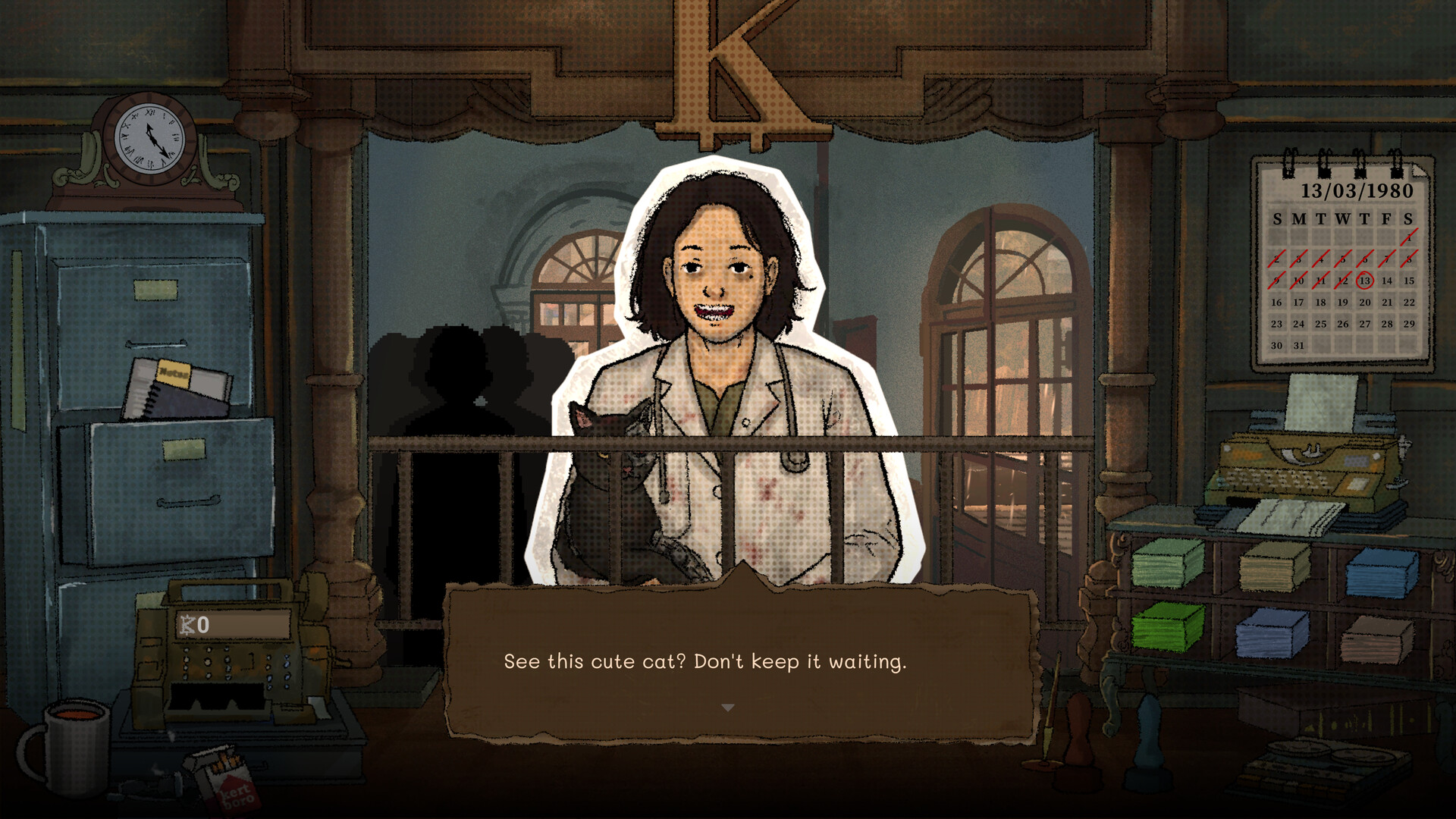
The unique twist here is how the game folds moral dilemmas into mundane banking tasks. Every customer encounter can become a tiny ethical crisis—do you follow a rule that ruins someone’s life, or take a quiet risk for a family in need? There are 100+ unique encounters, and many of them tug on you. The narrative unfolds in still panel cutscenes and branching outcomes, so your little choices nudge job security, relationships and even the country’s trajectory. I loved the emotional stakes: the cat you can adopt becomes a small anchor in an otherwise harsh routine, and little touches—like your uncle’s demands or surprising visits from family—make the grind feel meaningful.
Paper, Pixels and Performance
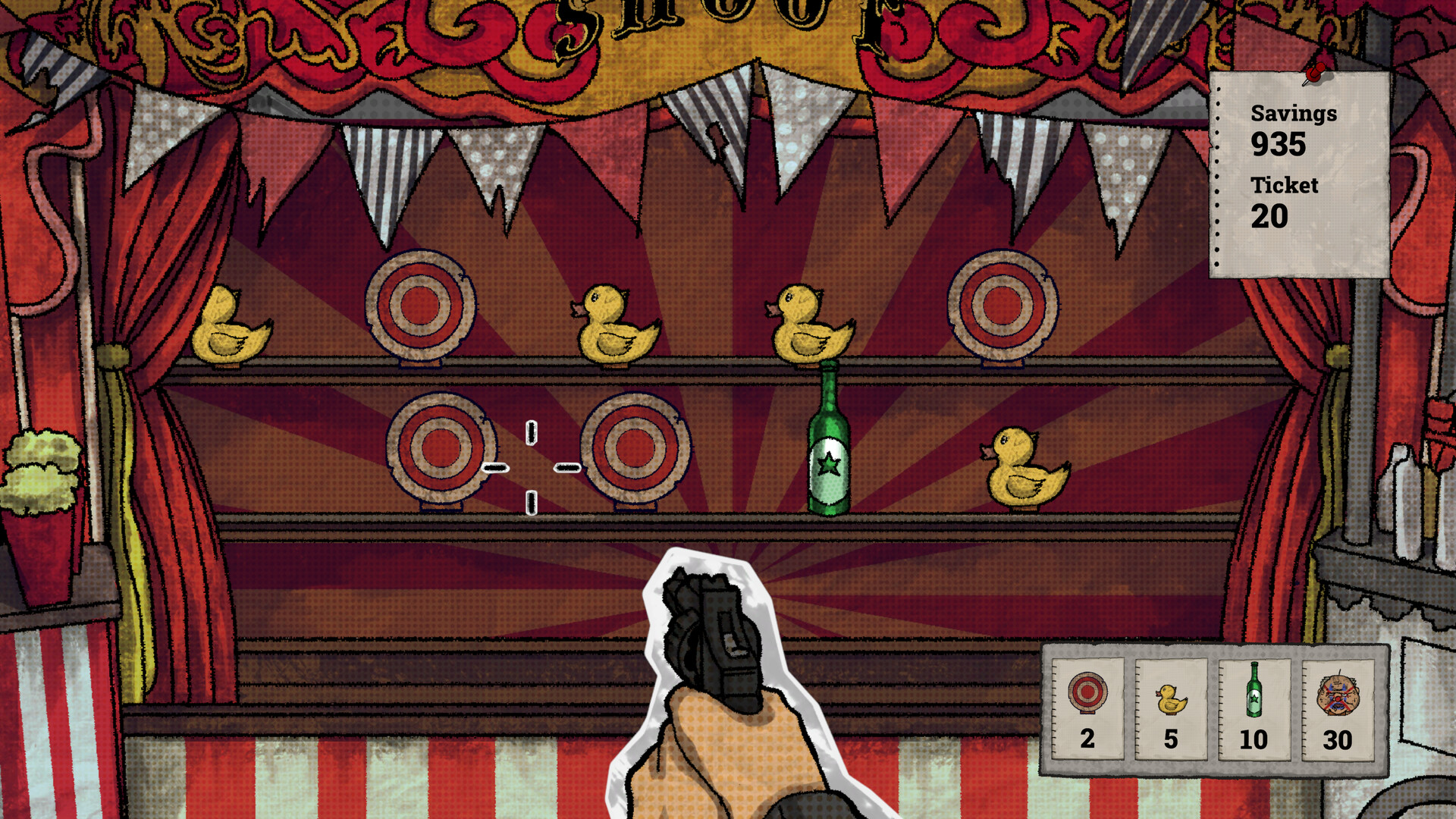
The art is a standout: a vintage paper, government‑document aesthetic that gives Kertasia its own flavor. It’s not flashy, but it’s distinct—think textured backgrounds, muted inks, and characters that look like they were photocopied from a bad day at the archive. Sound design leans into the clerical world: fax buzzes, the tick of a counting machine and melancholy ambience that fits the tone. Performance on Windows felt solid for me, though reviewers mention occasional glitches—duplicating objects at home, frozen cutscenes, and a finicky shooting sequence late in the game. Localization varies: some NPC lines come across awkward, and initial language selection could be clearer at launch, but overall the presentation sells the mood well.
Little Systems That Add Up
Beyond the core counter work there’s light life management: save for meals, manage your savings, and juggle the demands of your household. These systems never become full‑on survival sim mechanics, but they add urgency to the decisions at the counter. There are also mini‑segments that break up the loop—an actiony shooting sequence appears later (it can be rough and has been reported as buggy), and cutscenes deliver much of the emotional weight. Replayability is decent thanks to multiple endings and branching consequences, though some players find the pacing a touch short. If you like slow tension, moral friction and a game that rewards careful reading, Teller’s Duty will keep you at the counter for a good while.

Teller’s Duty is a tender, occasionally rough‑around‑the‑edges desk sim that succeeds largely on mood and moral friction. If you loved Papers, Please for its difficult choices and bleak warmth, you’ll find much to enjoy here—especially if you don’t mind a few bugs and localization quirks. Recommended for players who like narrative weight, careful reading and a little cat therapy between customers.


Pros
- Evocative vintage paper art and strong atmosphere
- Meaningful moral choices that affect relationships and endings
- Tactile counter gameplay with handy keyboard shortcuts
- Small, touching narrative beats (and you can pet a cat)
Cons
- Occasional bugs and clutchy sequences (notably a shooting segment)
- Some translation/localization rough edges and repetitive NPC lines
- Manual counting surface can feel cramped for large stacks
Player Opinion
Players consistently praise Teller’s Duty for capturing the Papers, Please vibe while adding a deeper, more personal story. Many reviews highlight the unique art style, intuitive UI shortcuts, and the emotional weight of decisions—adopting and petting the cat gets a lot of love. Common criticisms include buggy moments (duplicated items at home, frozen cutscenes, and a finicky shooting wave), inconsistent translations and repetitive dialog options. Several users mentioned a confusing initial language setup and a cramped counting surface, but most still feel the narrative and mechanics make the game worth playing—especially for fans of slow‑burn desk sims.