Yakuza Kiwami Review — A Rough, Emotional Rebirth of Kiryu's First Case
I replayed Kazuma Kiryu's origin story in Yakuza Kiwami — a heartfelt, sometimes messy remake with addictive brawling, Majima's chaos and a city full of distractions.
I went back to where it all started: Yakuza Kiwami, the remake of the first game that launched a franchise. On paper it's classic Kiryu — ten years in the slammer, a stolen childhood, and a city that never sleeps — but the Kiwami treatment adds modern polish, Majima's unpredictability and a few rough edges. If you loved Yakuza 0, Kiwami will feel familiar and occasionally frustrating: it's sentimental, melodramatic, and often surprisingly tender. But underneath the occasional boss slog and uneven pacing lies a game that still knows how to entertain, surprise, and make you care about its characters.

Brawling Through Kamurocho
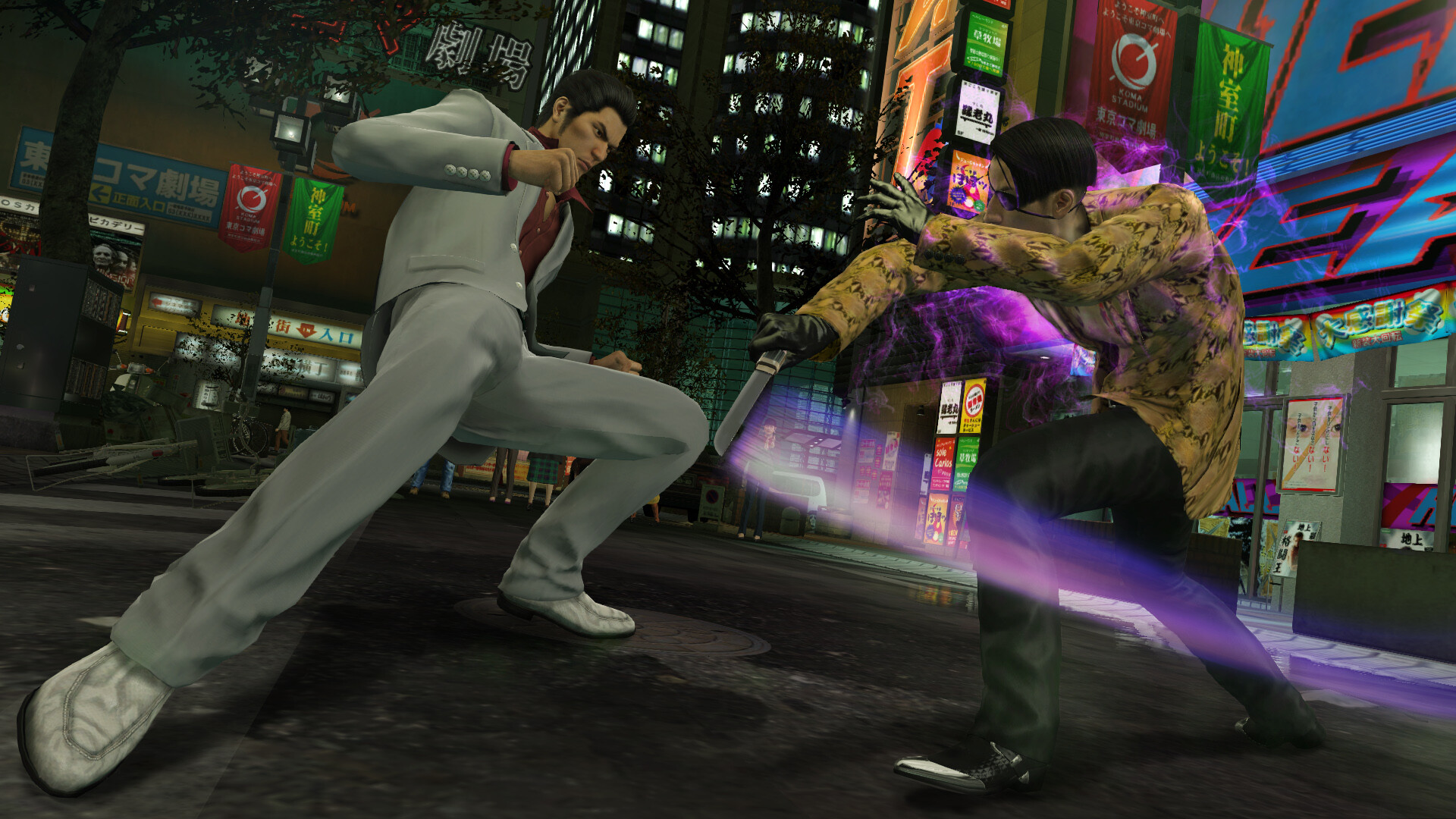
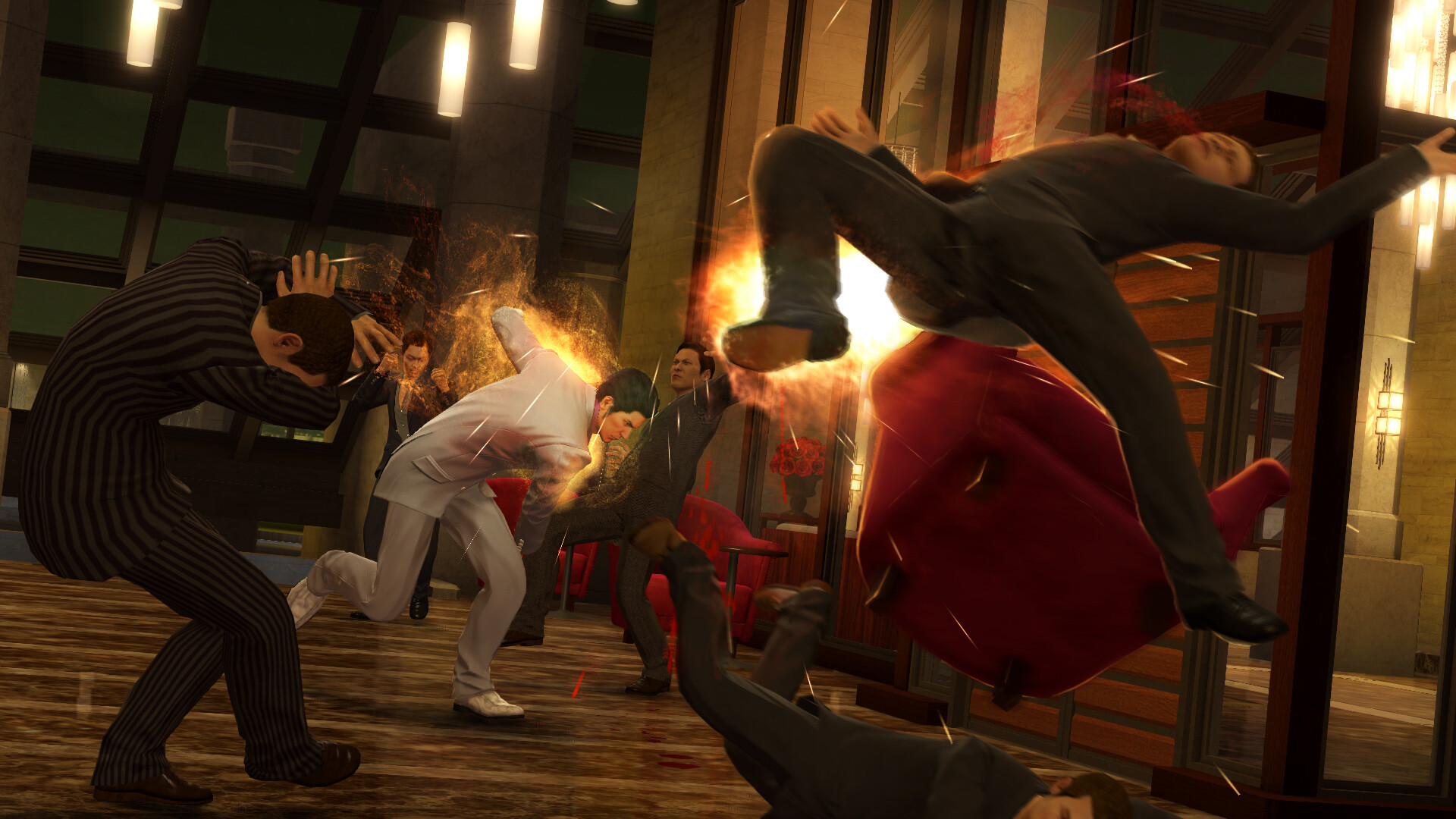
The heart of Yakuza Kiwami is its beat-'em-up combat loop: you walk into a narrow alley, some thugs start talking trash, and what follows is a clean, kinetic exchange of punches, throws and style-switching. Kiryu can toggle between four distinct styles — Brawler for heavy, crunchy hits; Rush for fast combos; Beast for overpowering grabs; and Dragon for that signature, cinematic flair. In practice this gives you a satisfying toolbox: I loved swapping to Rush to dodge into combos, then clobbering a stunned enemy with Beast. Heat mechanics and special moves make fights feel cinematic — building up to a cinematic Heat move is always gratifying — but the Kiwami additions to boss fights (the color-aura charge mechanics) occasionally turn fights into tedious meter-management rather than read-and-react encounters.
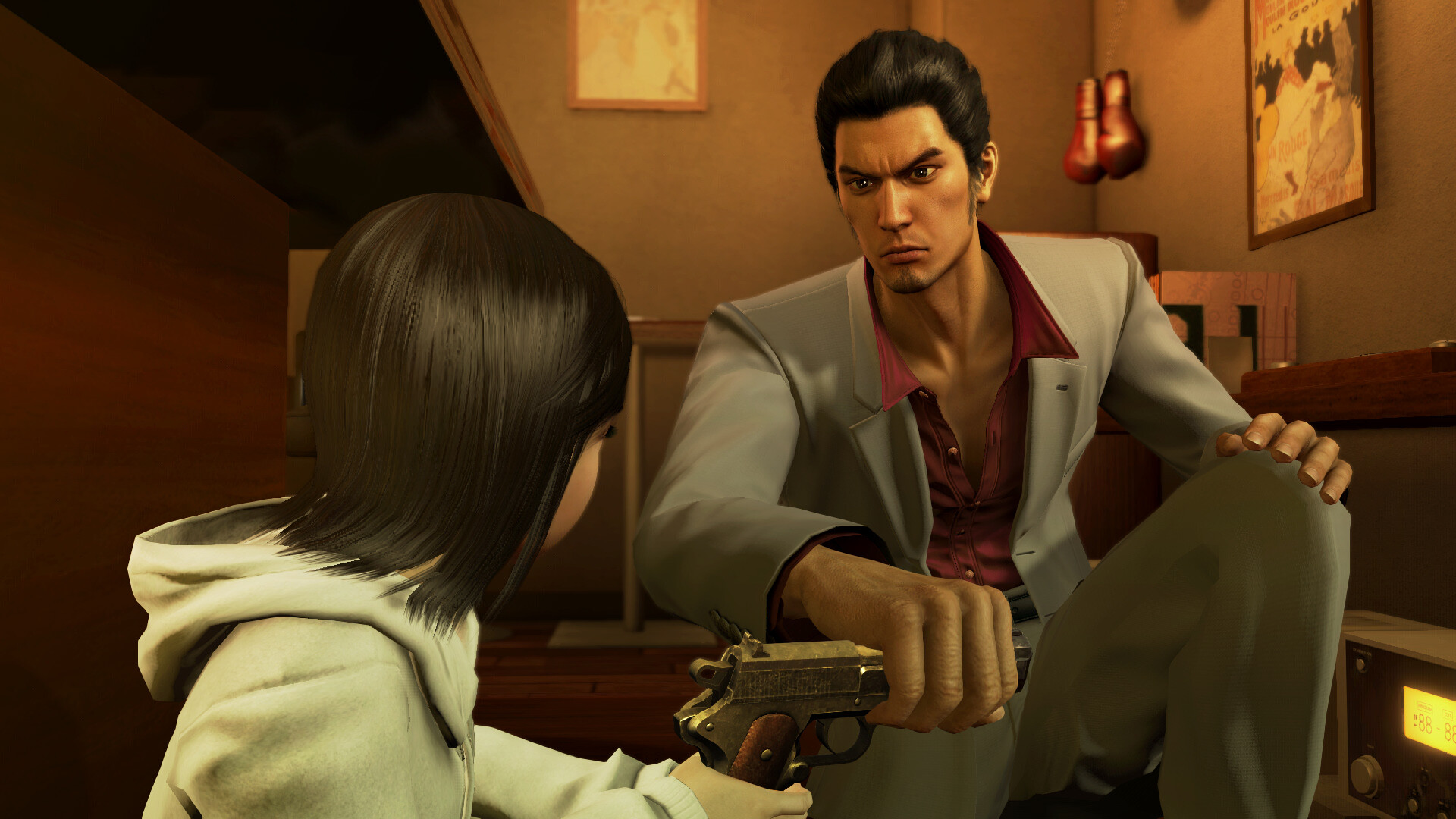
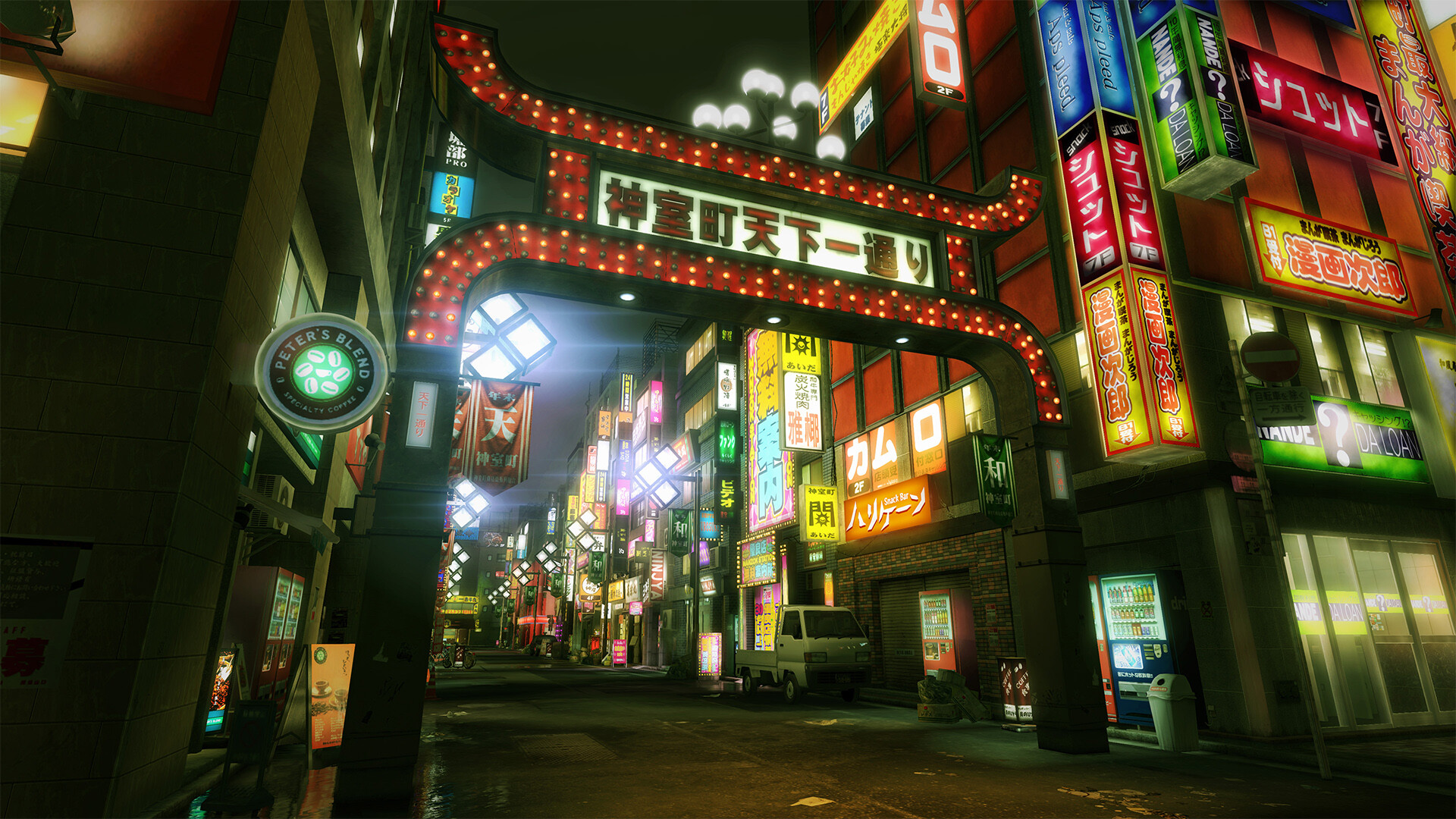
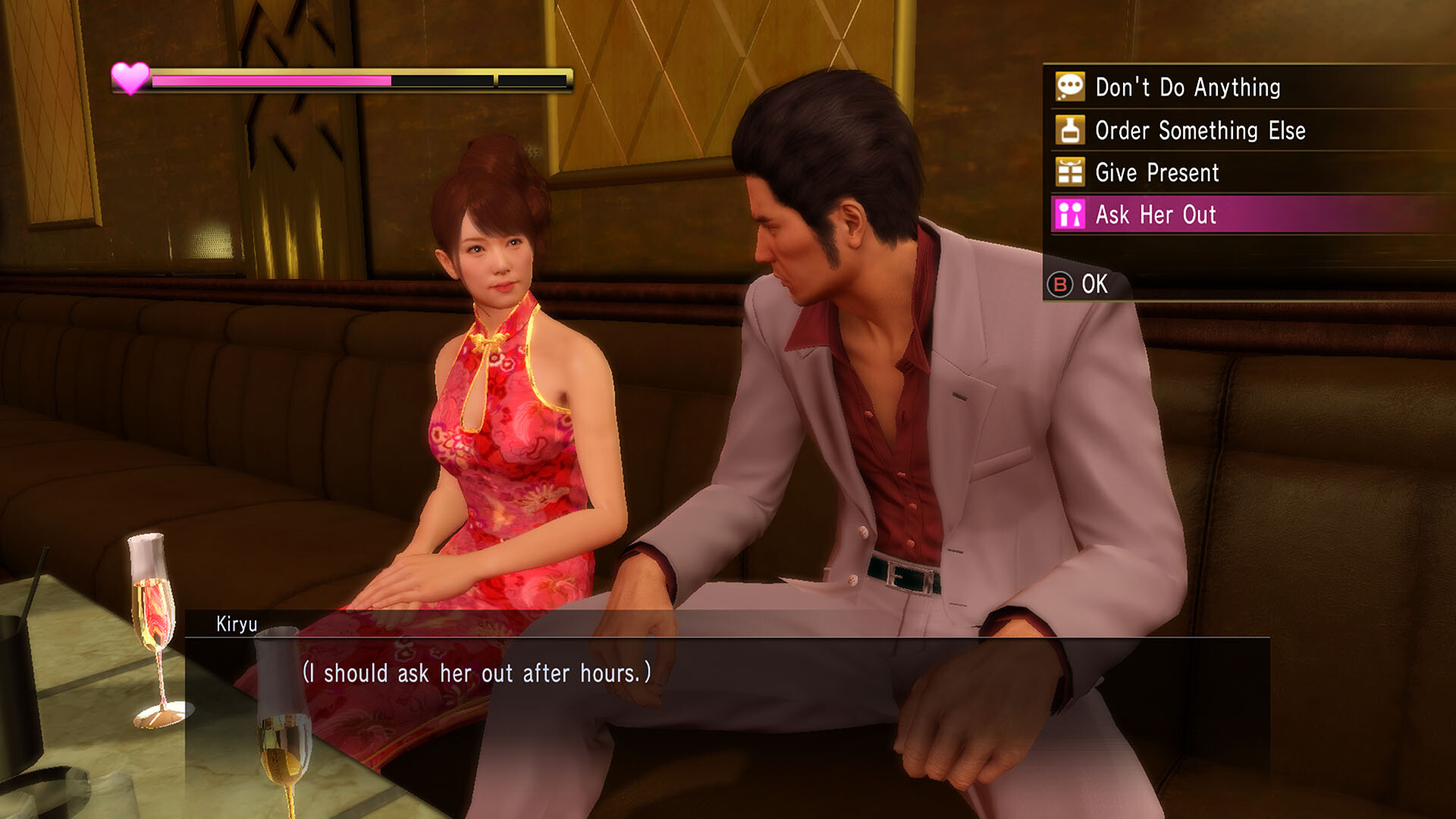
Outside of fights, Kamurocho is a playground: arcades, karaoke, batting cages, cabaret clubs and the odd, touching side-quest break up the main story. I spent an embarrassingly long time playing classic SEGA arcade cabinets and doing Haruka’s requests, which range from cute fetch quests to surprisingly emotional beats. The substories are a mixed bag — some are genuinely hilarious or moving, others feel like dated scam setups — but they flesh out a living neighborhood with oddball NPCs that I’ll remember more than some plot beats.
When Majima Shows Up, Chaos Ensues
What sets Kiwami apart from a straight-up remake is its additions, chief among them the Majima Everywhere system. Majima popping up in ridiculous costumes or ambushing Kiryu turns the city into an unpredictable gauntlet. I’ll be honest: I laughed, groaned and sometimes flung my controller in frustration during those encounters. They add personality and replayable surprise, but they can also feel spammy if you’re trying to progress the story. Another unique touch is the inclusion of legacy elements and QoL remasters — certain moves and mechanics feel modernized while preserving the older game's structure.
The upgrade systems and optional challenges (Coliseum tournaments, training sessions, and equipment hunts) add an RPG-lite layer. Some players will love the grind for the overpowered moves (Tiger Drop, anyone?), others will bristle at the pacing when gear/skills gate progress. I personally toggled difficulty a few times: the game can be breezy in groups and infuriating in some boss encounters where stunlocking or strange hit detection turns a set-piece into a slog.
Neon Streets, Punchy Audio, and Occasional Jank
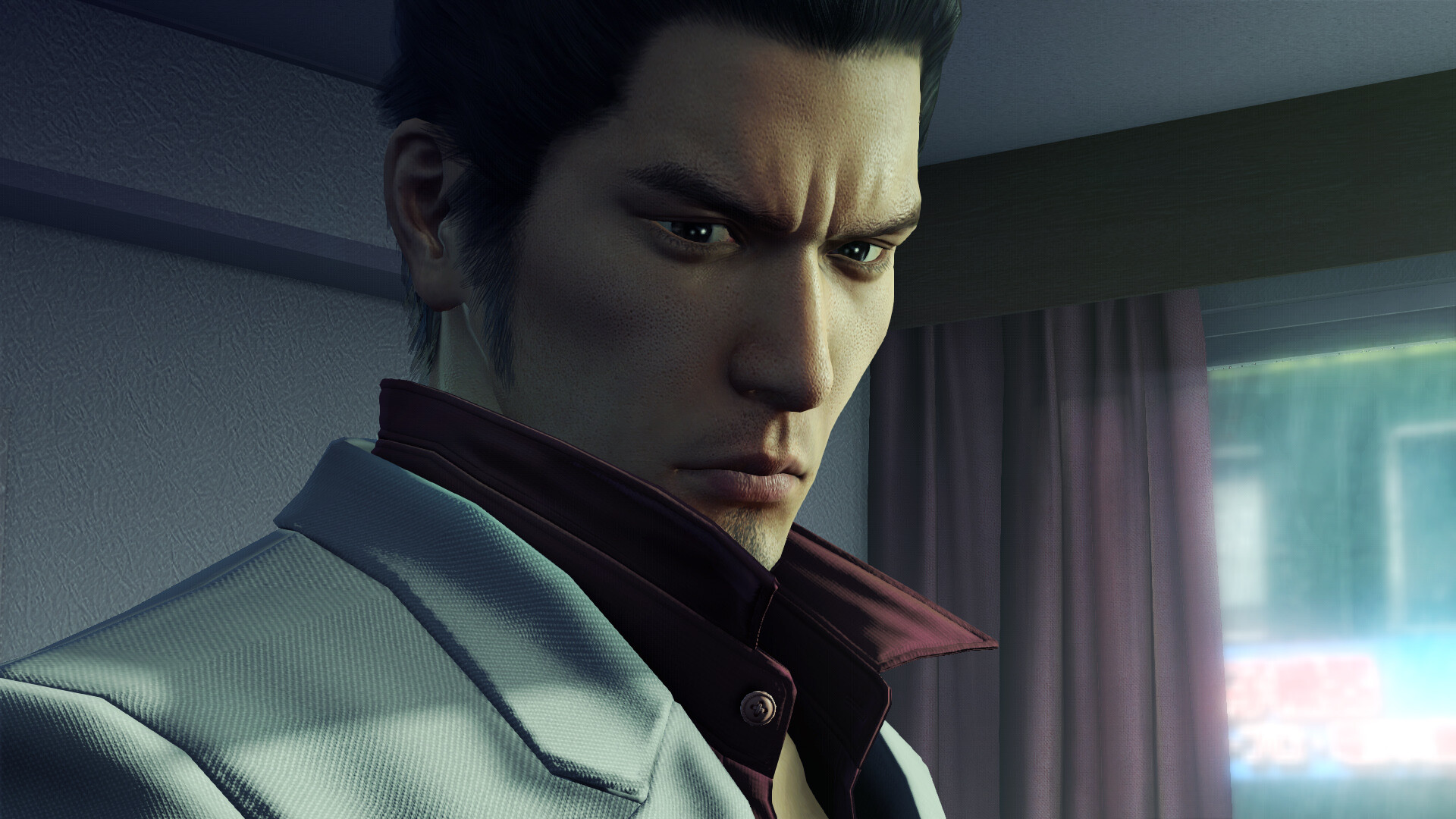
Graphically Kiwami mixes upgraded character models with a slightly older level layout; Kiryu looks more modern but the city still carries the bones of the 2005 design. The soundtrack balances new tracks and nostalgic motifs — some original tunes are missed, but tracks like “Get Over It” hit at the right moments. Audio design during fights is punchy: impacts feel weighty, the crowd reacts, and cutscenes still deliver cinematic punch.
On the technical side, expect some rough edges: occasional controller quirks reported by users, and a few fights that feel unpolished compared to later series entries. Performance on modern PCs is generally solid but the underlying design sometimes betrays its 2005 origins — pacing and enemy AI can show their age. Still, Kamurocho is warmly realized, and the game's presentation does a lot of emotional heavy lifting when the story leans on drama and tragedy.

Yakuza Kiwami is a heartfelt, occasionally messy remake that still delivers memorable characters, a city full of distractions and genuinely satisfying brawling. It's not as polished or balanced as later entries like Yakuza 0, but it's essential for understanding Kiryu's background and the series' emotional core. Buy it if you want a story-driven action game with tons of side content — just be ready for a few frustrating boss fights and some rough edges.


Pros
- Strong, emotional core story that builds Kiryu’s origins
- Satisfying, varied combat with four distinct styles
- Kamurocho is packed with mini-games and charming side content
- Majima Everywhere adds unpredictable, memorable encounters
Cons
- Boss fights can feel unbalanced, grindy or repetitive
- Pacing and some substories feel dated compared to newer entries
- Occasional technical hiccups and control quirks reported by players
Player Opinion
Players generally praise Kiwami for its emotionally charged narrative and Kiryu’s character arc, often noting moments that genuinely moved them. Majima Everywhere is a fan-favorite feature — people love the unpredictability and the laugh-out-loud ambushes — although some find it intrusive when trying to progress. Criticism centers on boss balance and late-game fights: many reviewers mention stunlocking, health regeneration mechanics and the aura/color counter system as frustrating, leading some to recommend turning difficulty down for the tougher encounters. Substories and minigames split opinions: a lot of users adore the arcade and side content, while others point out that some side missions feel dated or grindy. If you enjoyed Yakuza 0, expect familiar combat with slightly rougher edges; newcomers will find a moving entry point to the series though pacing may feel uneven at times.