Atomcraft Review — The Ultimate Falling-Sand Chemistry Sandbox
A deep pixel-by-pixel sandbox where chemistry, engineering and survival meet. Build machines, extract the periodic table and fix your ship—if you can stop your lab from exploding.
I dove into Atomcraft expecting a cute 'falling sand' curiosity and came up with a miniature chemical apocalypse that I loved tinkering with. The hook is simple but brilliant: every pixel is placeable and reacts according to real-world-like chemistry, so your experiments actually feel like experiments. If you ever wished Noita had a spreadsheet and a lab coat, Atomcraft scratches that itch — all while nudging you to improvise machines, drills and reaction chambers to survive. It’s oddly calming and constantly alarming; I laughed, cursed, and saved my ship parts in almost the same hour.

Digging, Drilling and Pixel Surgery
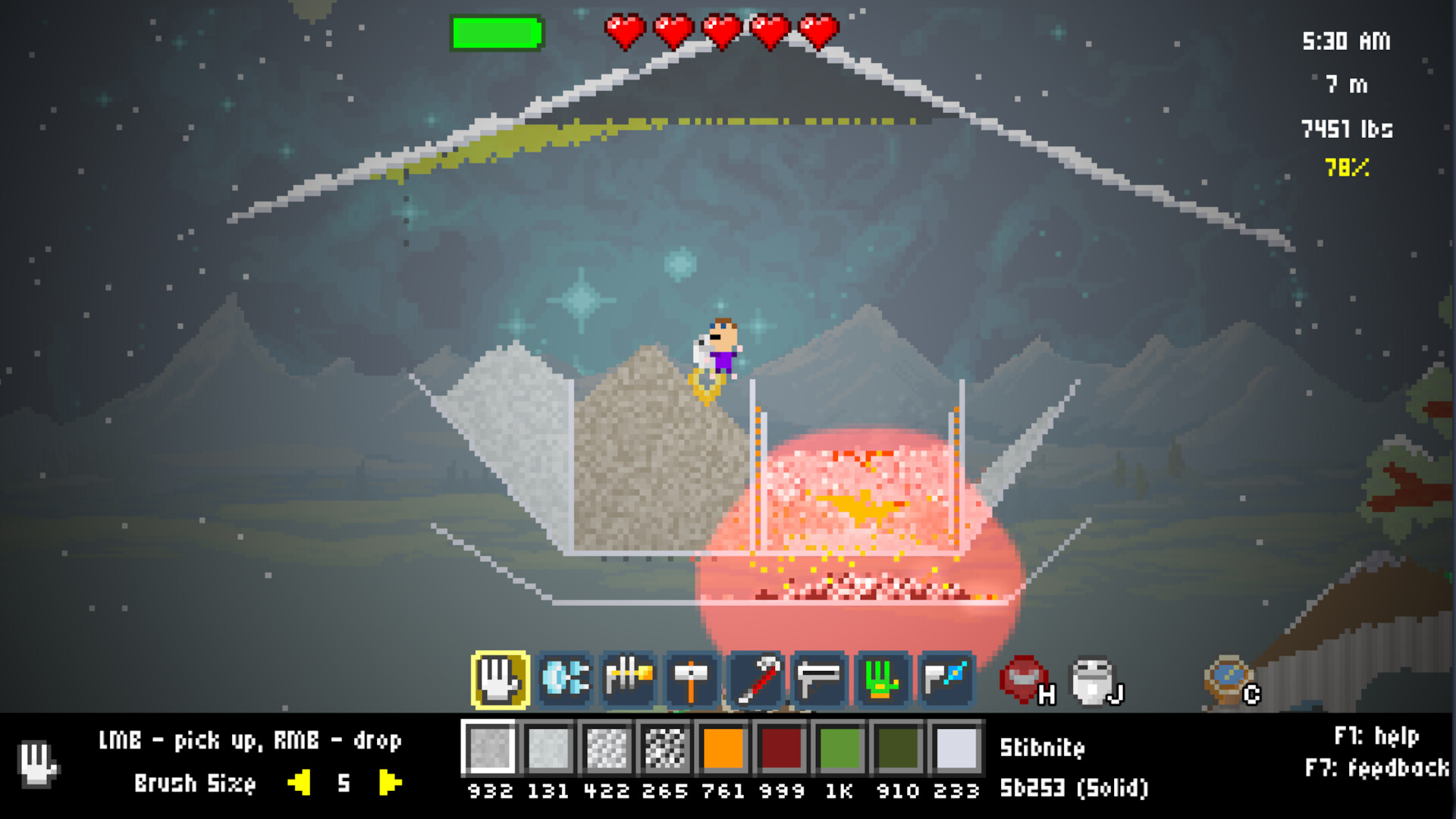
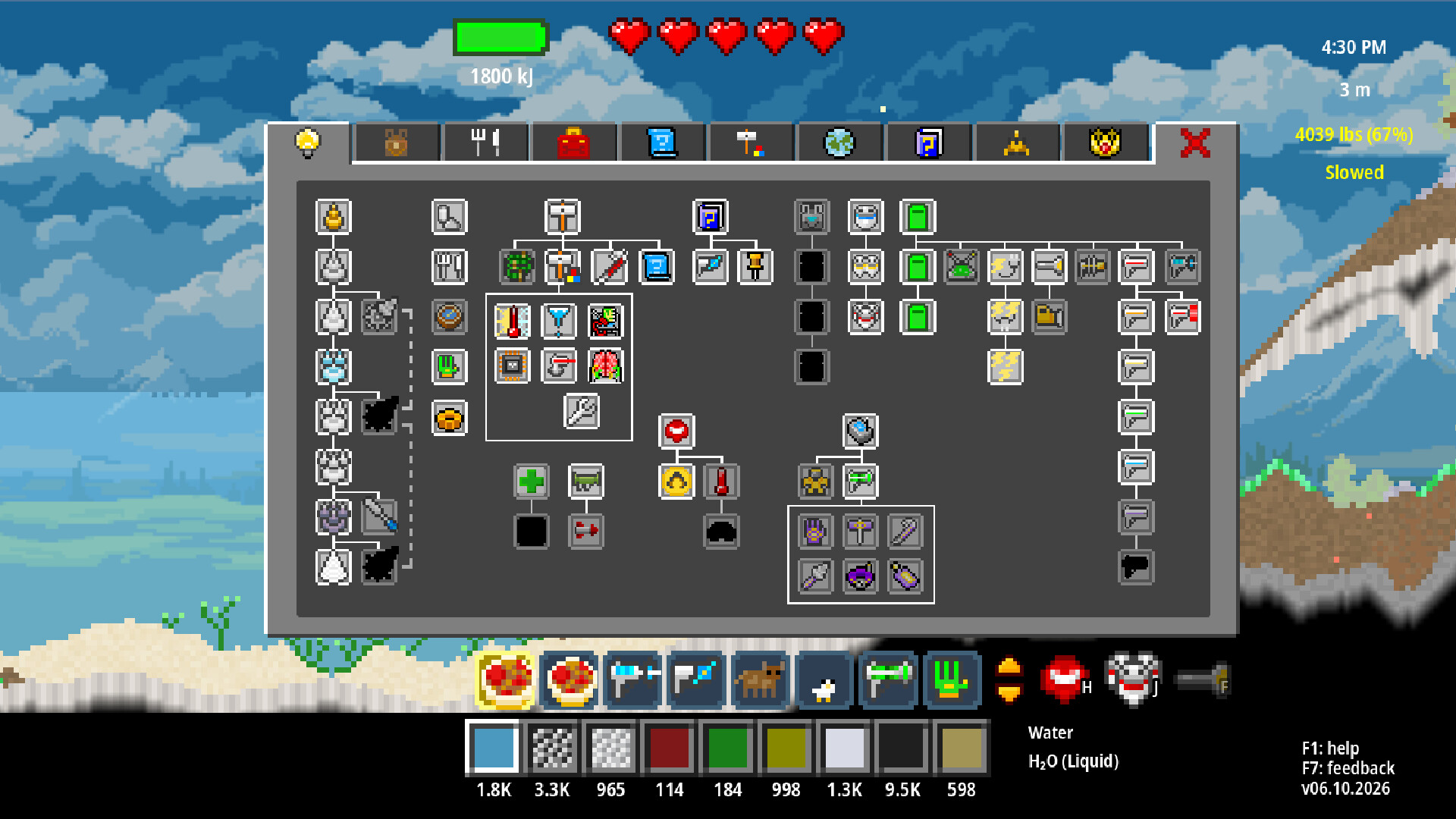
Atomcraft plays like a love letter to falling-sand and powder toy fans, but with a survival/engineering overlay. Your day-to-day actions are tactile: pick up or place individual pixels, upgrade drills to mine deeper, and ferry raw ore back to your base. Early gameplay revolves around resource loops — dig, smelt, react — but the groove develops as you automate those loops with conveyor pixels, pumps and wiring. I spent the first dozen hours obsessed with refining simple ores into basic elements, then combining those to create reagents I only half-remembered from high school chemistry. Contrast to Terraria or Noita, Atomcraft doesn’t reward twitch reflexes as much as methodical planning and clever machine layout.
When Reactions Teach You to Be Cautious
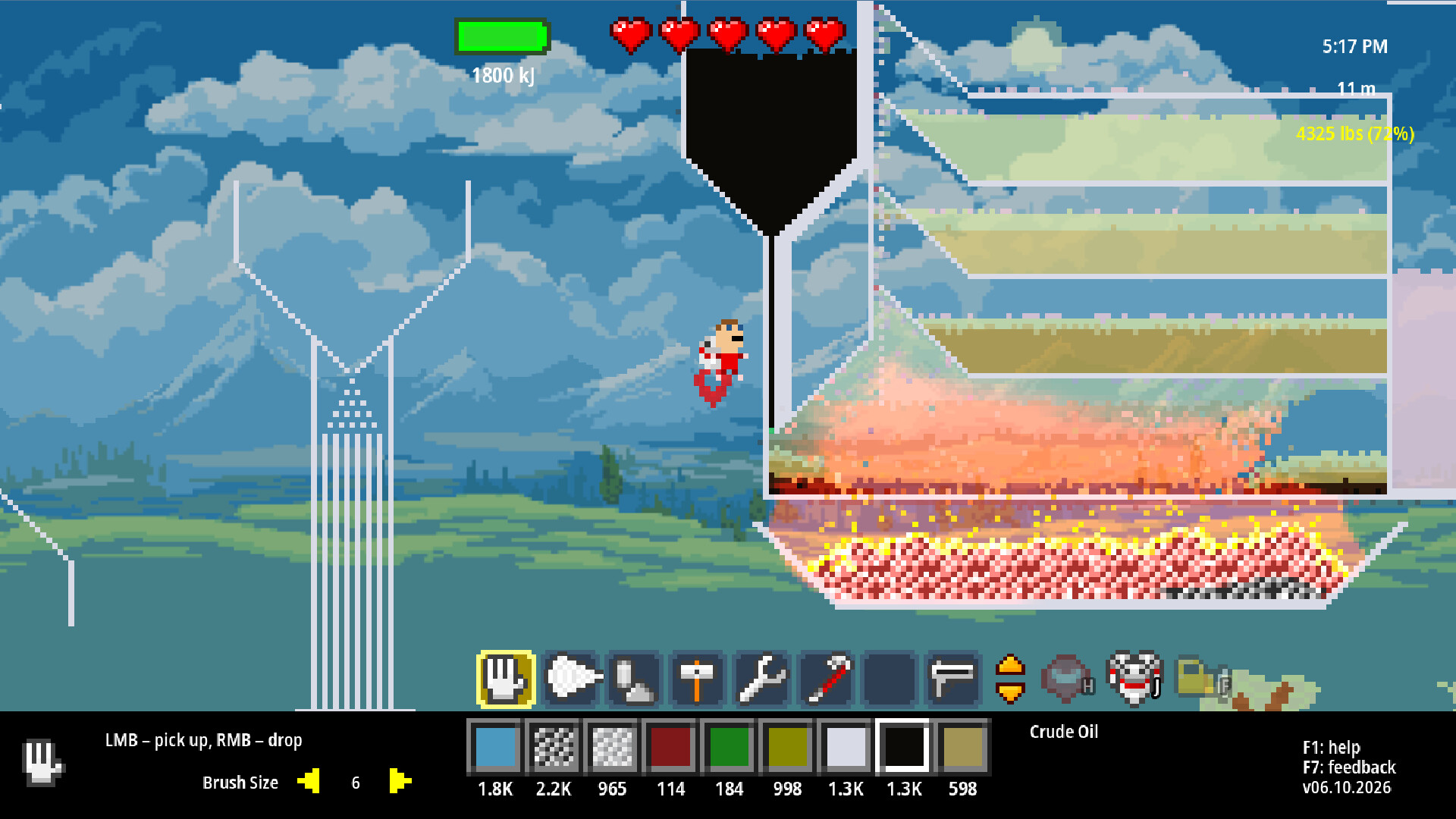
The standout here is chemistry-as-gameplay. Pixels literally become elements: mix, heat or shock them and watch alloys, gases or explosions unfold. That means the design space expands beyond recipes — containment, timing and mechanical delivery matter. I built a hydrogen-powered forge that ran on rainwater electrolysis (yes, really) and felt absurdly proud until a wiring oversight turned my workshop into a barbeque. Mechanical pixels — conveyor belts, trapdoors, heaters, coolers, logic gates — let you turn chaotic reactions into reliable factories. The learning curve is joyful: the in-game wiki helps you avoid instant-rockets, but experimentation remains the core fun. There’s a delightful risk-reward loop: pushing for rarer elements gets you closer to ship repairs, but one misplaced nitroglycerin reaction can erase hours of work.
A Pixel Palette, Performance and Sound That Matter
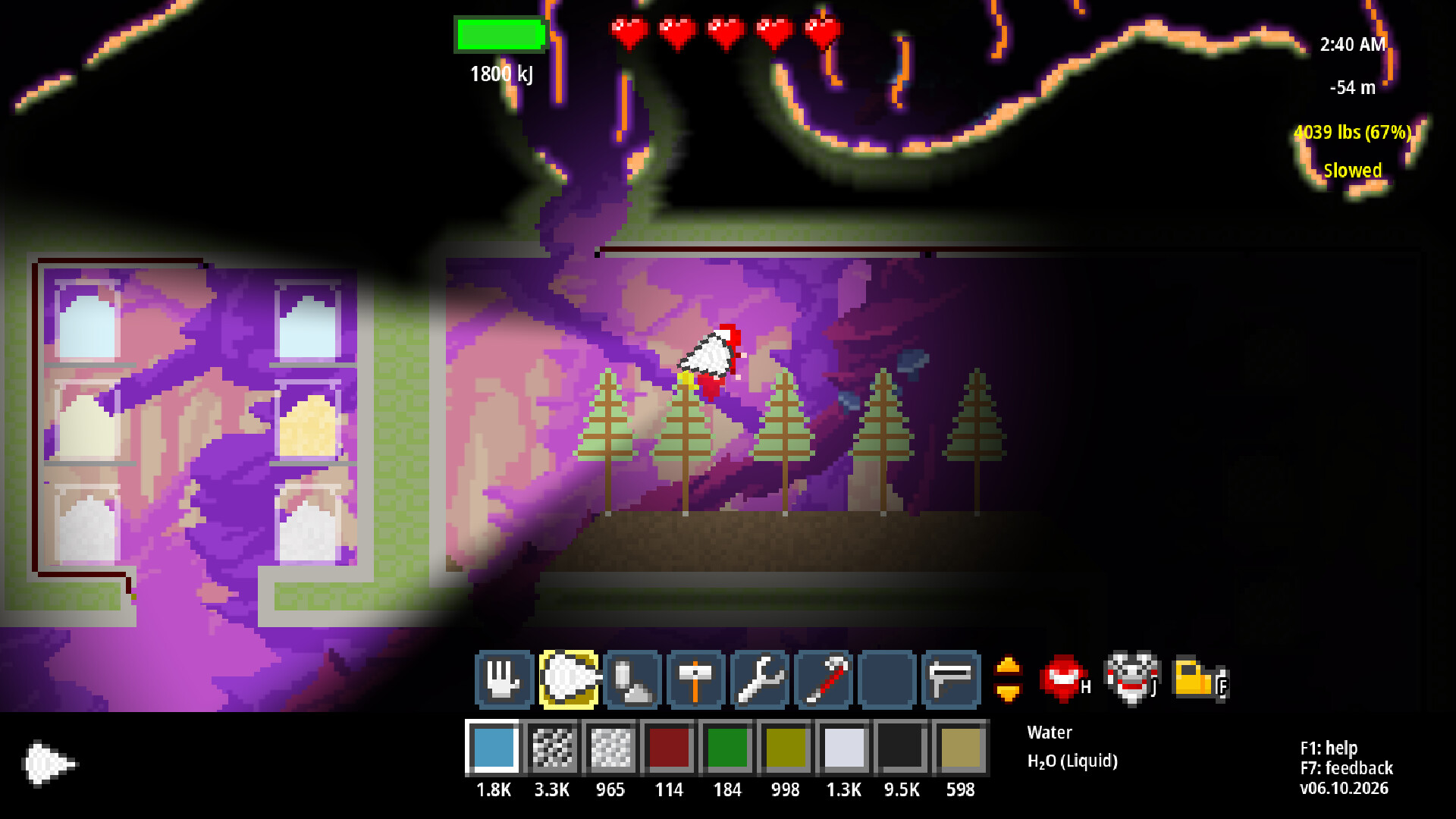
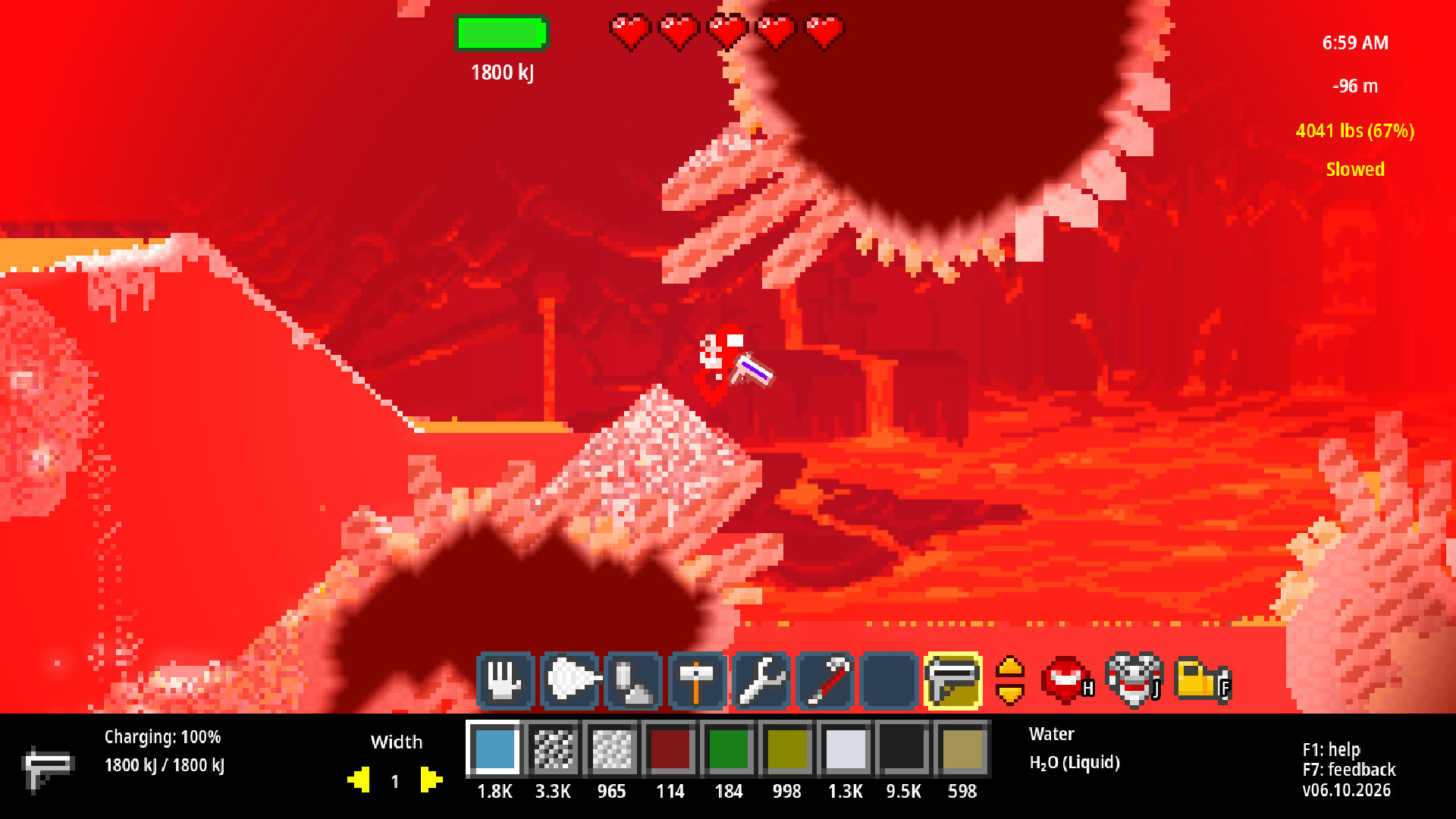
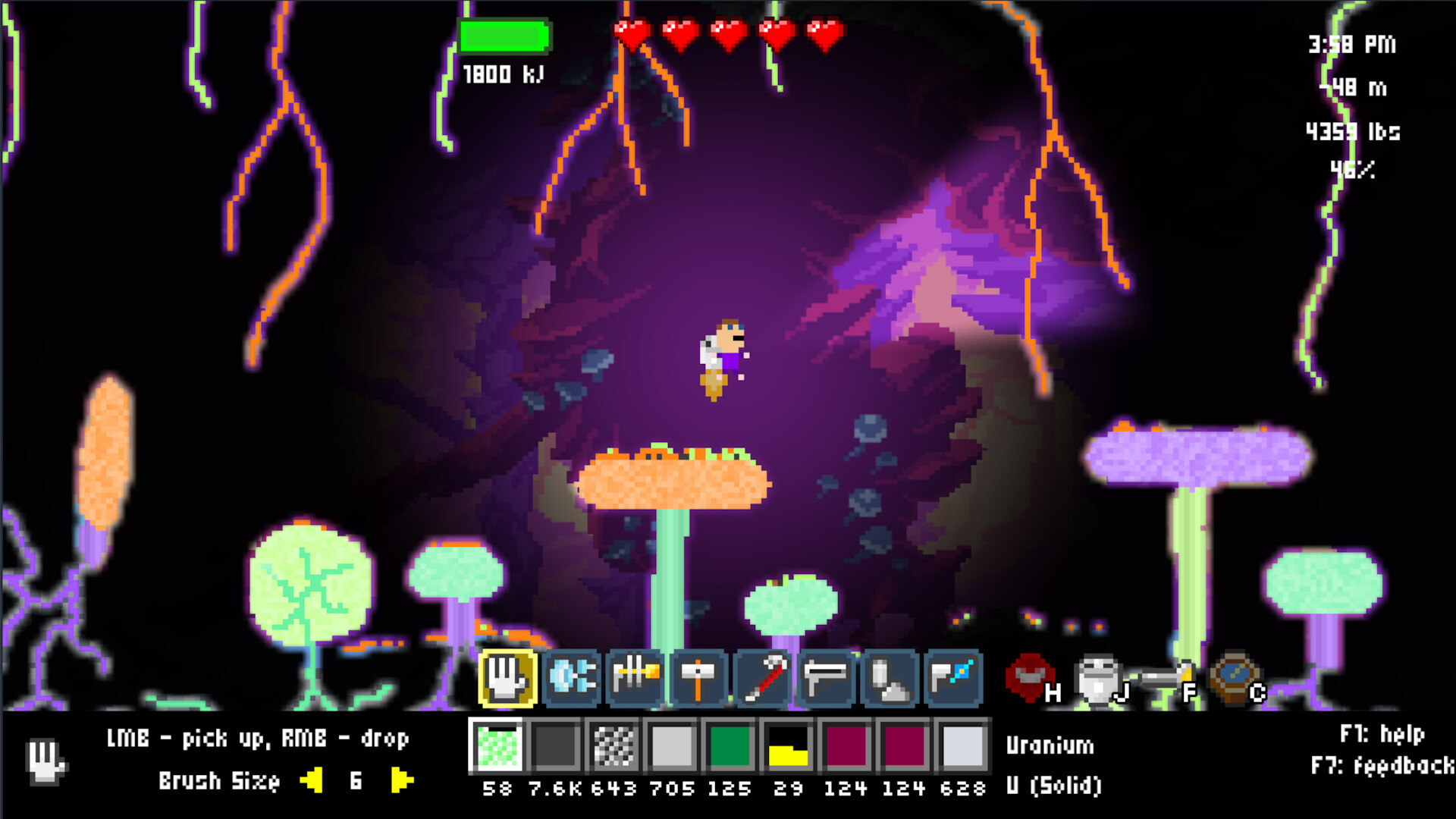
Visually Atomcraft favors clear, readable pixels over flashy effects, which is smart given how much information you need at a glance. The animations of reactions are satisfyingly messy — bubbling gases, melting ores, smoke plumes — and the UI is functional if a bit dense at first. Audio is subtle: drip, hiss, clang — small cues that tell you when your distillation is about to go pear-shaped. Performance is generally good on modern Windows rigs, though a few users report stutters on mid-range systems; expect CPU-bound physics when your factory grows. Accessibility features are modest but the developer’s responsiveness (muting annoying sounds was added quickly) bodes well for polish. Overall the presentation prioritizes clarity and player agency — you should never be confused about why your experiment failed, only a little ashamed.

Atomcraft is that rare sandbox that teaches you by letting you fail spectacularly and then laugh about it. It’s perfect for tinkerers, chem nerds and players who enjoy building processes rather than twitch combat. Expect a steep, rewarding learning curve, occasional performance issues on older hardware, and a game that rewards curiosity. Recommended for anyone who likes Noita-style physics but wants deeper systems and engineering toys.


Pros
- Deep, satisfying chemistry and pixel interactions
- Flexible automation with mechanical pixels and logic gates
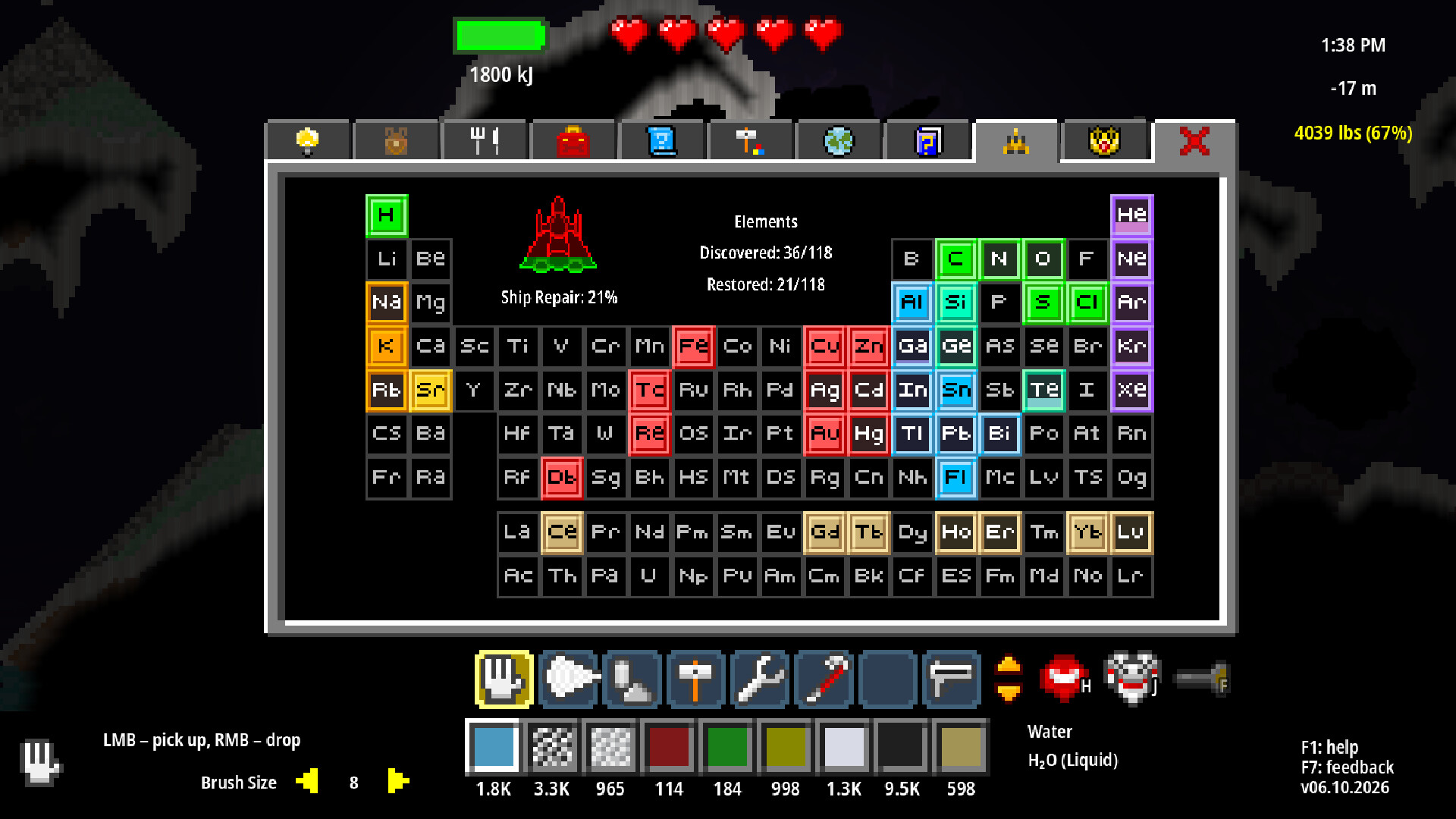
- Huge sense of discovery — find elements across the periodic table
- Developer listens and patches annoyances quickly
Cons
- Steep learning curve for non-chemistry players
- Can stutter on some systems when factories get complex
- UI can feel dense until you learn the systems
Player Opinion
Players in the community praise Atomcraft’s depth and sandbox freedom: comments repeatedly mention hundreds of hours sunk into refining ores, building machines, and collecting the whole periodic table. Many highlight the demo-to-release continuity — folks who played the playtest report dozens to hundreds of hours experimenting with electrolysis, hydrogen forges, and elaborate refining setups. Common criticisms in reviews point to performance hiccups on mid-range PCs and a desire for more expanded exploration and building content beyond chemistry. Overall the chorus is enthusiastic: if you loved Noita, Powder Toy or classic sand games and want progression and engineering on top of pixel physics, this is your jam. If you’re expecting a polished AAA open world, you might be disappointed; if you enjoy engineering puzzles and tinkering, players say you’ll be hooked.