Bowling Alley Simulator Review – A Chaotic, Charming Lane Management Sim
I ran a tiny bowling alley, burned a few hotdogs and wrestled with slow staff—but couldn’t stop playing. An honest look at Vulcron’s simulator: potential, bugs, and real charm.
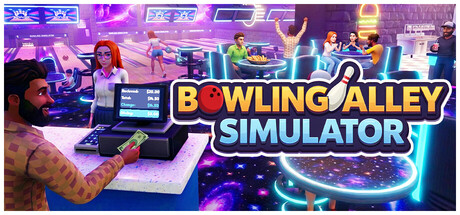
Bowling Alley Simulator lands squarely in that cozy niche of business sims that make you both proud and slightly panicked. I dove in expecting to set prices, upgrade lanes and serve nachos—what I got was a delightful juggling act of customers, cooks and mysteriously vanishing tater tots. It’s familiar to anyone who loves games like Two Point Hospital or the Cook, Serve, Delicious! series, but with its own quirky bowling-centric twist. If you enjoy sims that demand micro-management and reward clever upgrades, this one will keep you on your toes—sometimes literally when customers won’t leave the lanes.

Running the Lanes Like a One-Person Circus
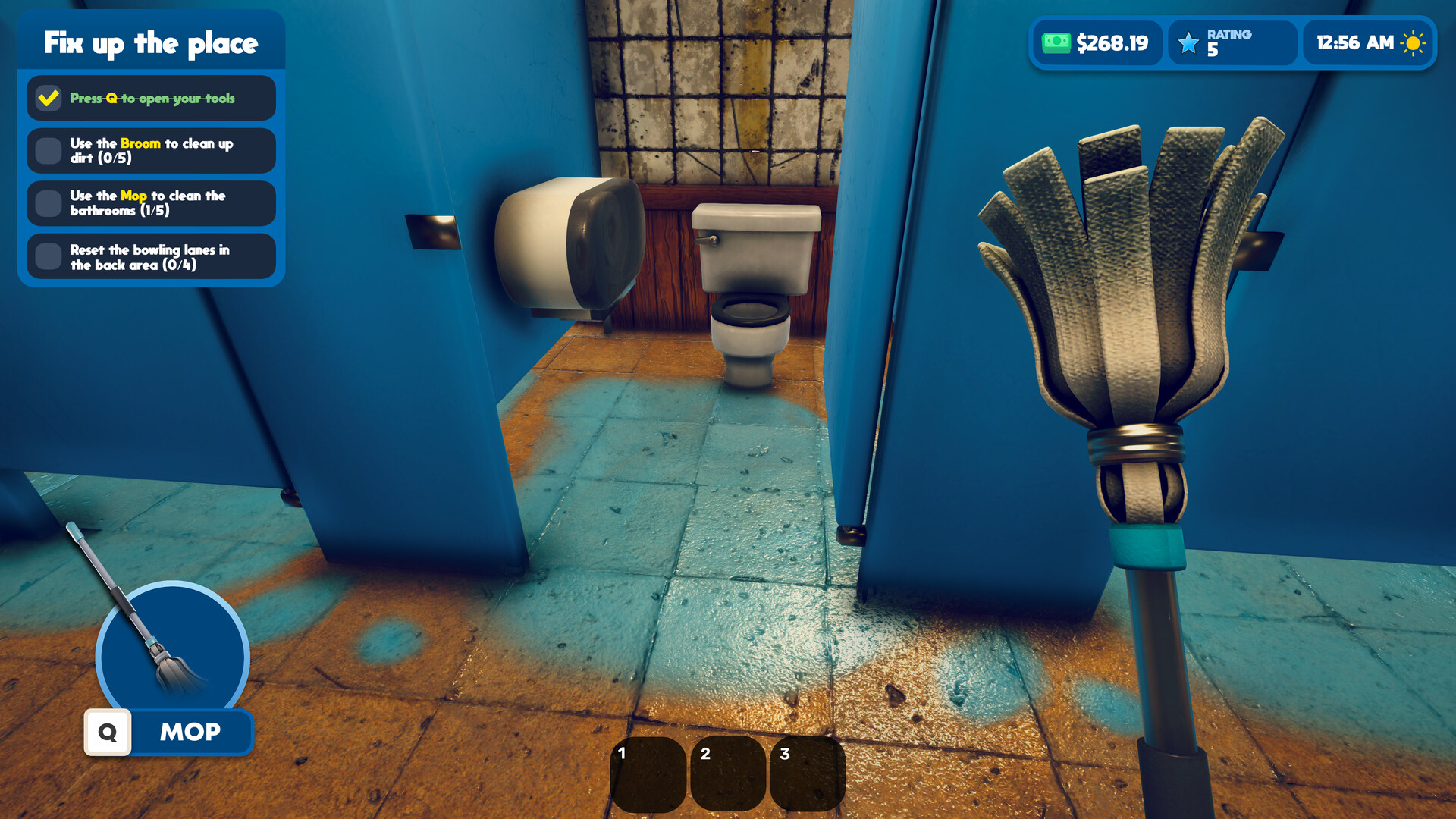
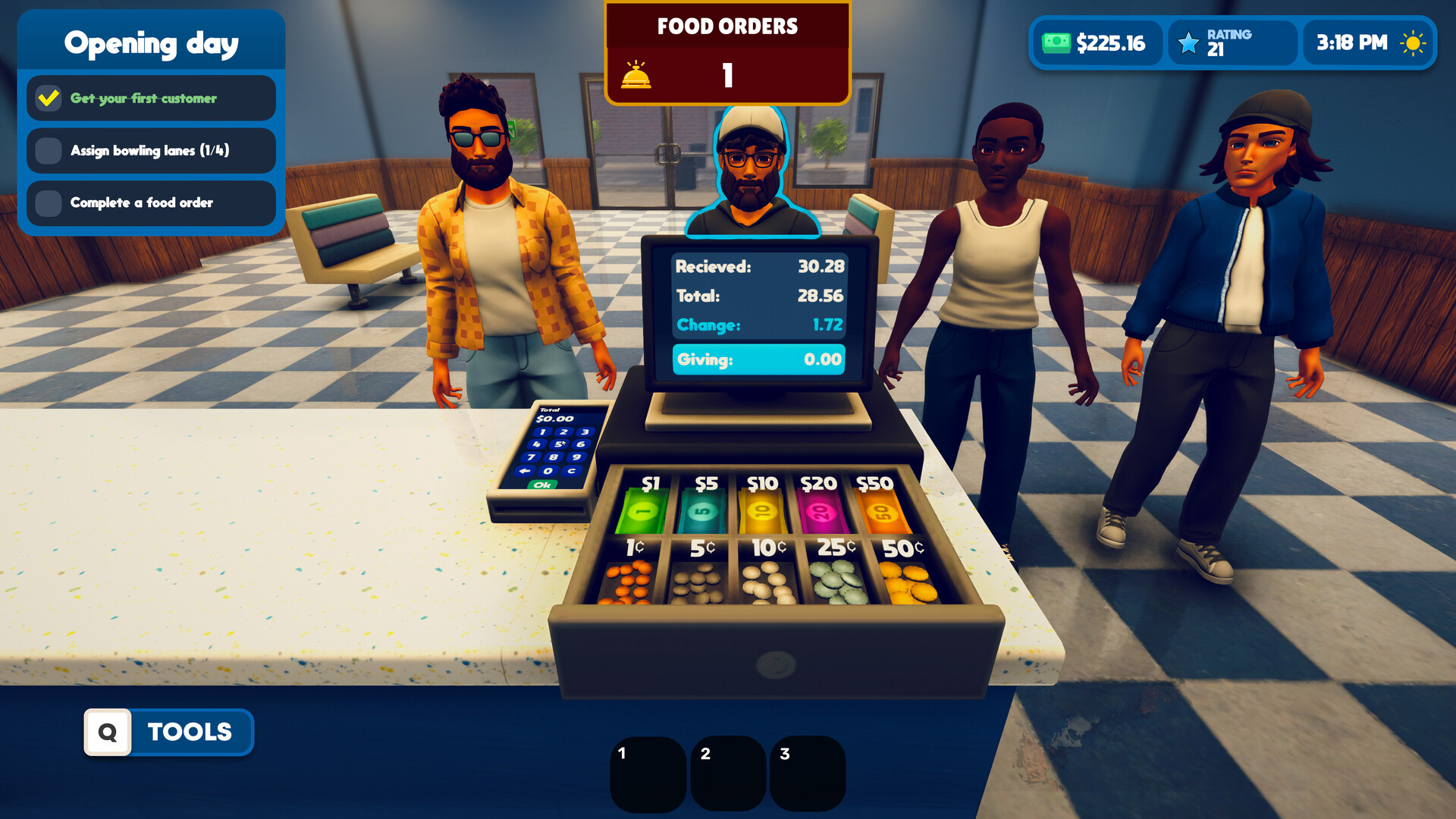
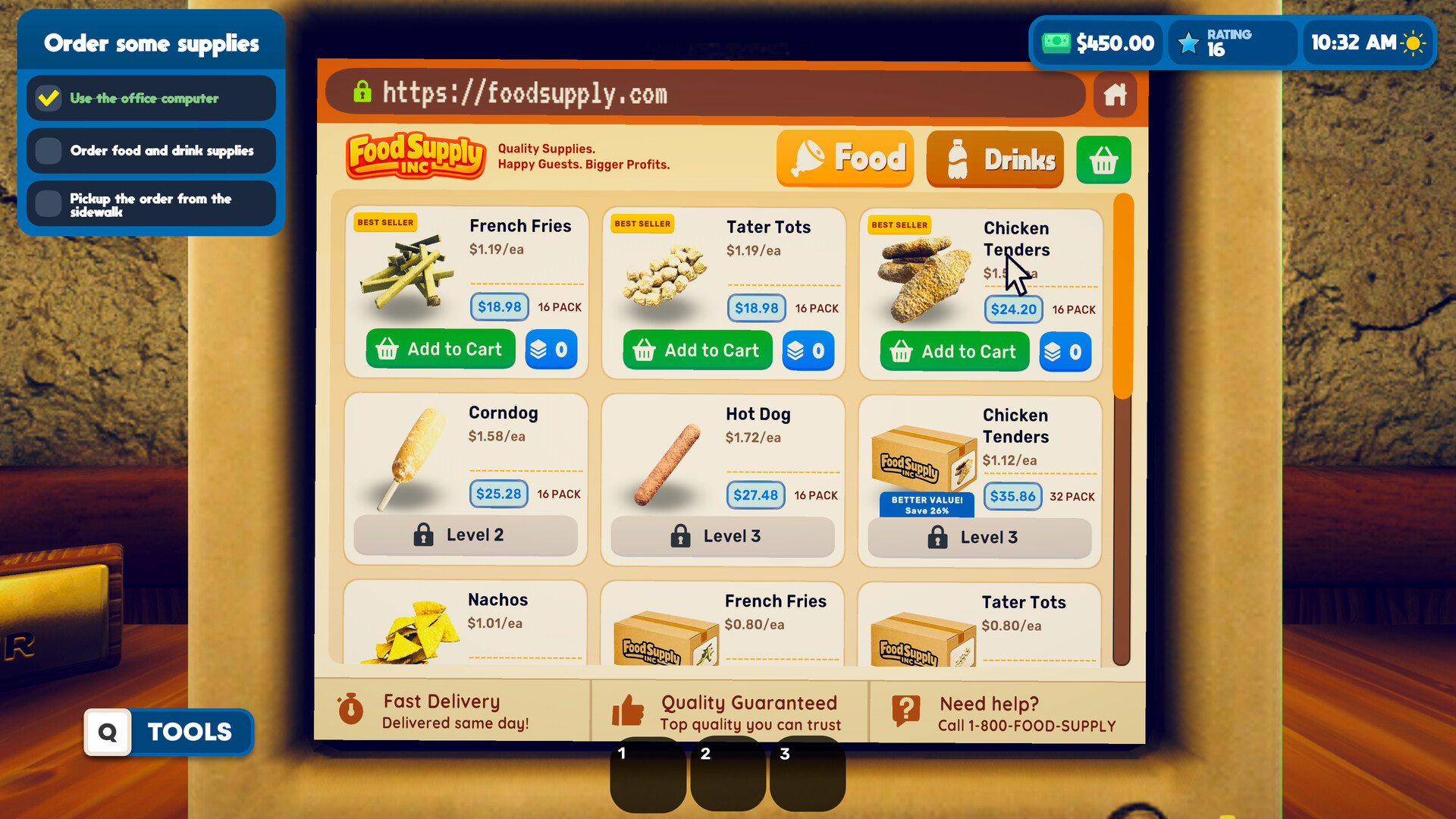
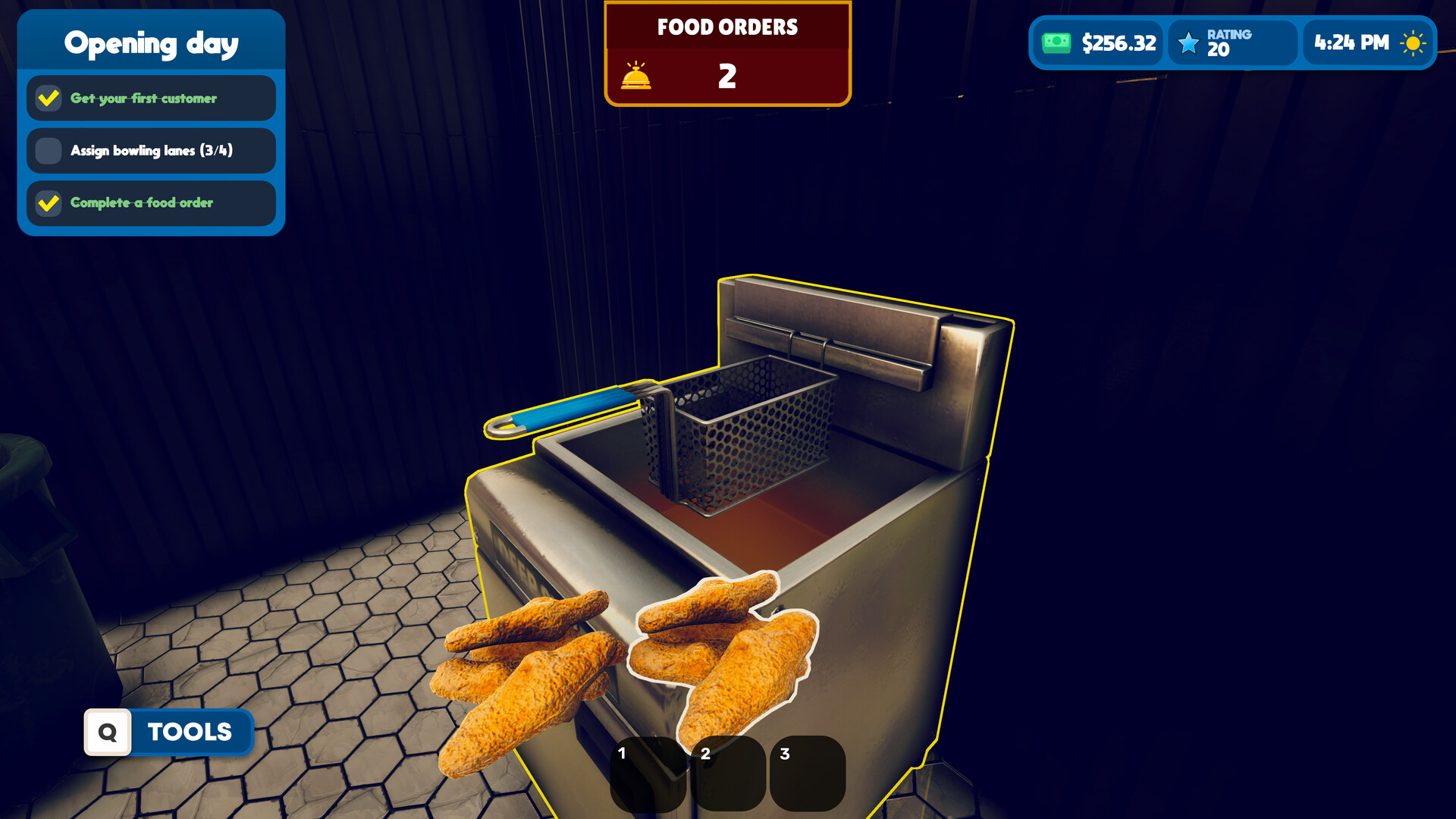
The core loop is gloriously simple on paper: take bookings, set prices, manage lane usage and keep customers fed and happy. In practice I found myself bouncing between the office (pricing and upgrades), the snack counter (prepare and serve hotdogs, fries, sodas) and the lanes, manually nudging things when the AI decided to be stubborn. The lane gameplay is fun: groups show up, bowl for a while, and your goal is to cycle them out fast enough to maximise turnout and revenue. But there’s a real tension between realism and playability—some groups will camp on lanes for ages, which forces you to plan bookings and keep spare lanes for parties. I enjoyed the pacing when things clicked, and I loved watching a packed alley hum, but the micro-management can get overwhelming when staff are slow or bugs interfere.
The Small Details That Make or Break a Strike
Where this game shines is in the tiny systems: shoe inventory, menu unlocking, equipment breakdowns, and staff roles. Baking these quirks into decisions makes every run feel personal—do I invest in another lane, a better fryer, or faster staff training? I found unique little joys like overstocking unpopular shoe sizes to avoid lines, or experimenting with menu items that reduced queues. Yet these systems also reveal rough edges: mis-sized shoes, disappearing food, and confusing party mechanics were recurring headaches in my sessions. Still, the depth is there: balancing customer satisfaction with profitability feels meaningful, and watching staff efficiency rise after upgrades is satisfying.
Sound, Look and Performance: A Bowl of Mixed Results
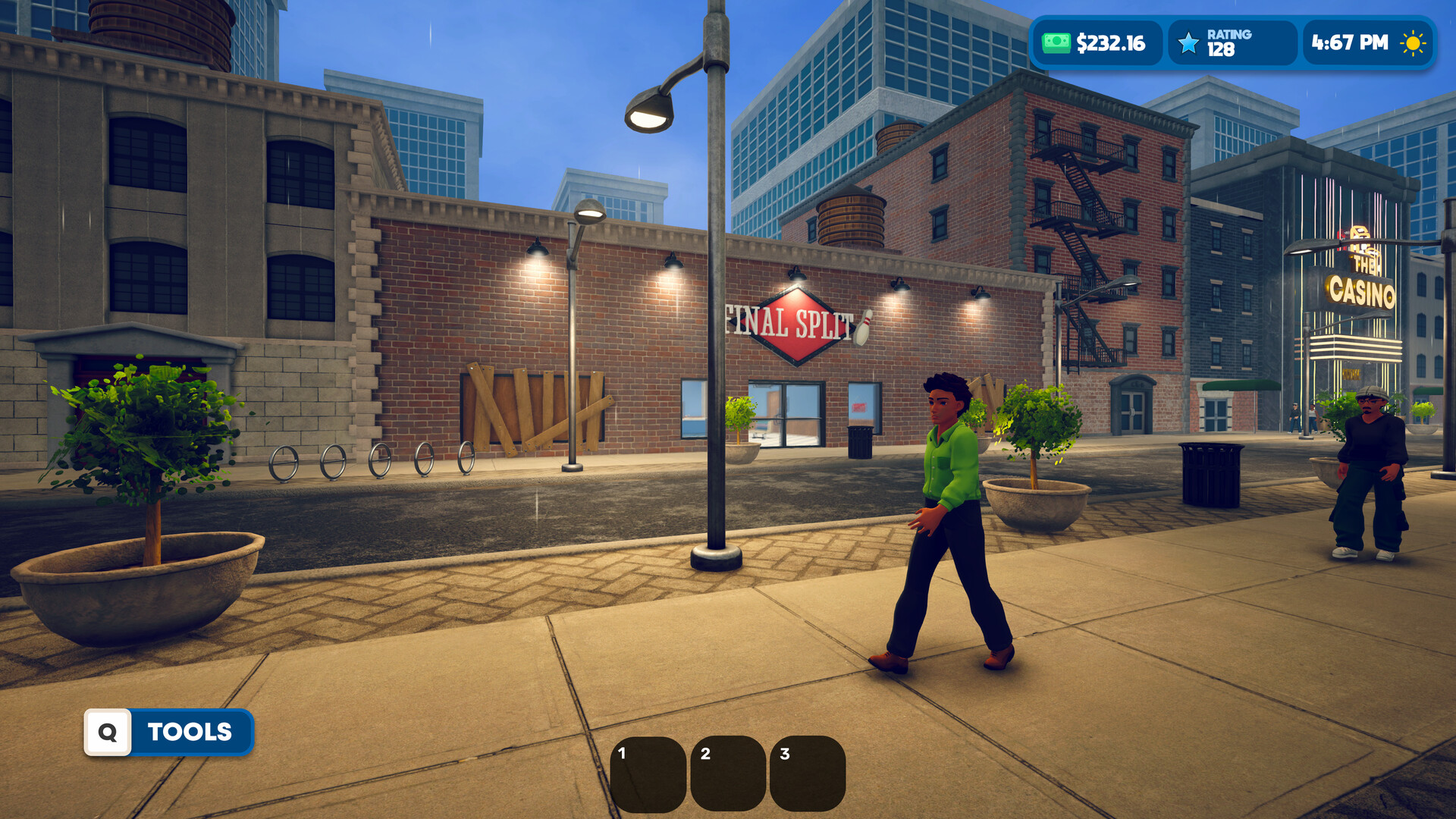
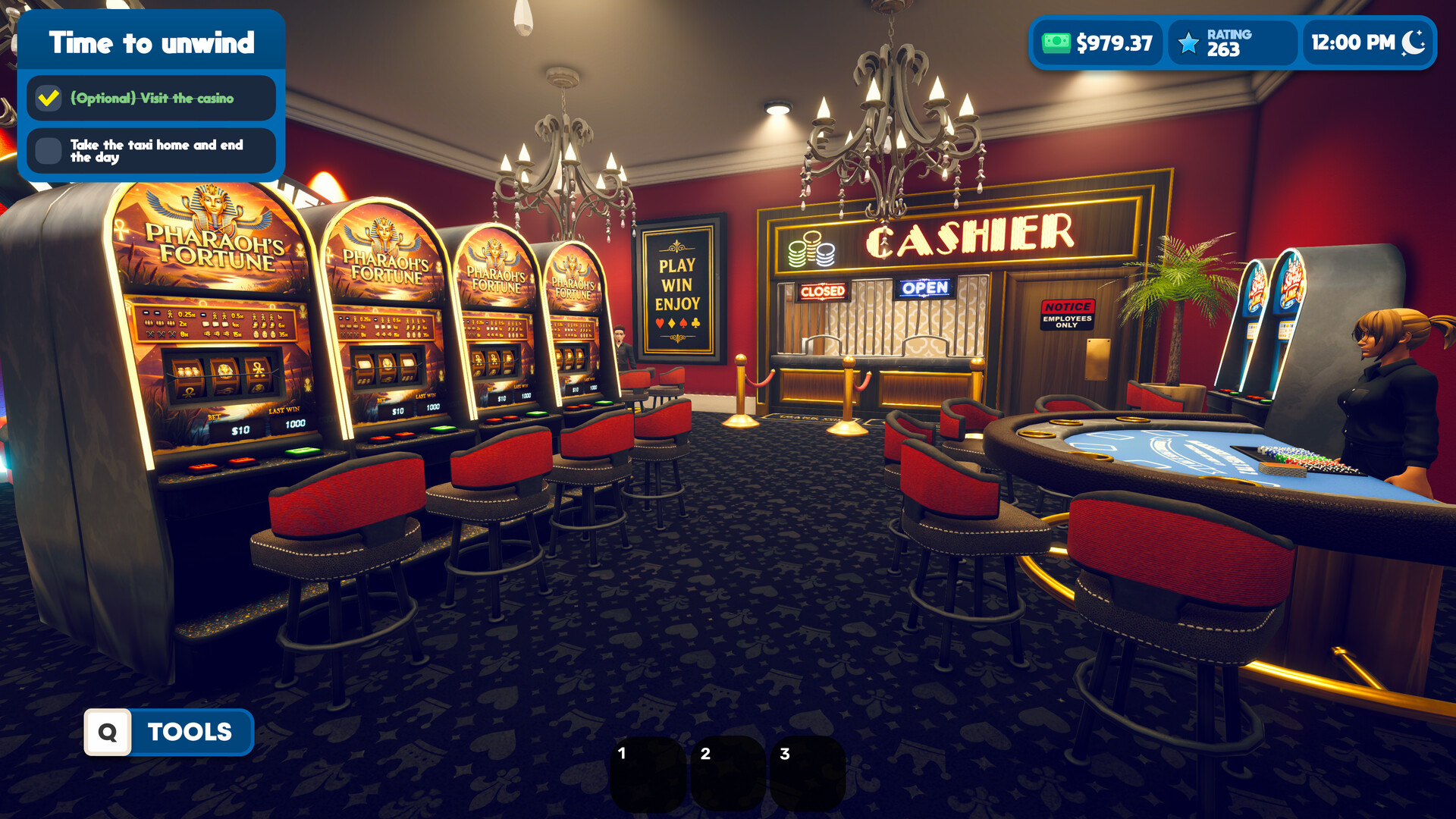
Visually the game has a friendly, accessible style—bright lanes, cheerful customer models and a UI that mostly tells you what you need. The soundtrack is a highlight; I caught myself humming along while juggling orders, which helps the mood even when things go sideways. Performance has been patchy for some players, and I did hit frame drops and one occasion of inventory wiping, but the developer has been fast with fixes. Accessibility options are basic but present, and controls are intuitive once you accept the game’s tendency for frantic moments. Overall, presentation gives the sim personality, even if a few technical bumps make some sessions more stressful than relaxing.

Bowling Alley Simulator is the kind of indie sim that’s rough around the edges but full of personality. I had frustrating sessions and joyous ones; the balance swings with staff speed and bug fixes. If you want a cozy yet challenging management sim and you’re willing to accept occasional technical hiccups, it’s worth a shot—especially with the developer’s track record of rapid updates. Wait for a sale if you’re risk-averse, but otherwise score this one if you crave quirky, hands-on simulation.


Pros
- Charming concept with deep, meaningful systems
- Great soundtrack and cozy art style
- Developer actively fixes bugs and listens to community
- Satisfying upgrade and staffing progression
Cons
- Bugs and inventory glitches still pop up
- Staff AI can feel painfully slow and tedious
- Party and booking systems need clearer explanations
Player Opinion
Players are split but leaning positive thanks to rapid fixes. Many praise the concept and the cozy vibe—people genuinely enjoy building their alleys, the music and the addictive upgrade loop. Common complaints mirror my experience: slow staff, bugs that affect inventory or bookings, and confusing party mechanics are recurring topics. Several reviewers note that the developer responds quickly to reports and often patches issues within a day, turning many initial 'not recommend' reviews into 'recommend' after fixes. If you like sims with a learning curve and don’t mind early hiccups, fans of Two Point Hospital or other management games will find a lot to love here.