Jurassic World Evolution 3: Rebirth Expansion Review – Secrets, Skins and Spectacular Dinosaurs
A hands-on look at Frontier's Rebirth Expansion: four new species, a secret campaign, geothermal systems and a mixed bag of technical quirks—fun for dino fans, but not without frustrations.
I jumped into Jurassic World Evolution 3: Rebirth expecting another content drop full of eye candy and park-building toys, and for the most part, I got what I wanted: four punchy new dinosaurs, a themed campaign set across three secret locations, and a handful of features that nudge the series toward more tactical base management. If you enjoyed previous JWE2 expansions, Rebirth feels familiar but with a stricter scientific edge—Geothermal networks and experimental traits give parks a slightly grindier, more strategic loop. Still, the expansion arrives with a few eyebrow-raising restrictions and bugs that kept me toggling the options menus more than I’d like.

Rangering the New Frontiers
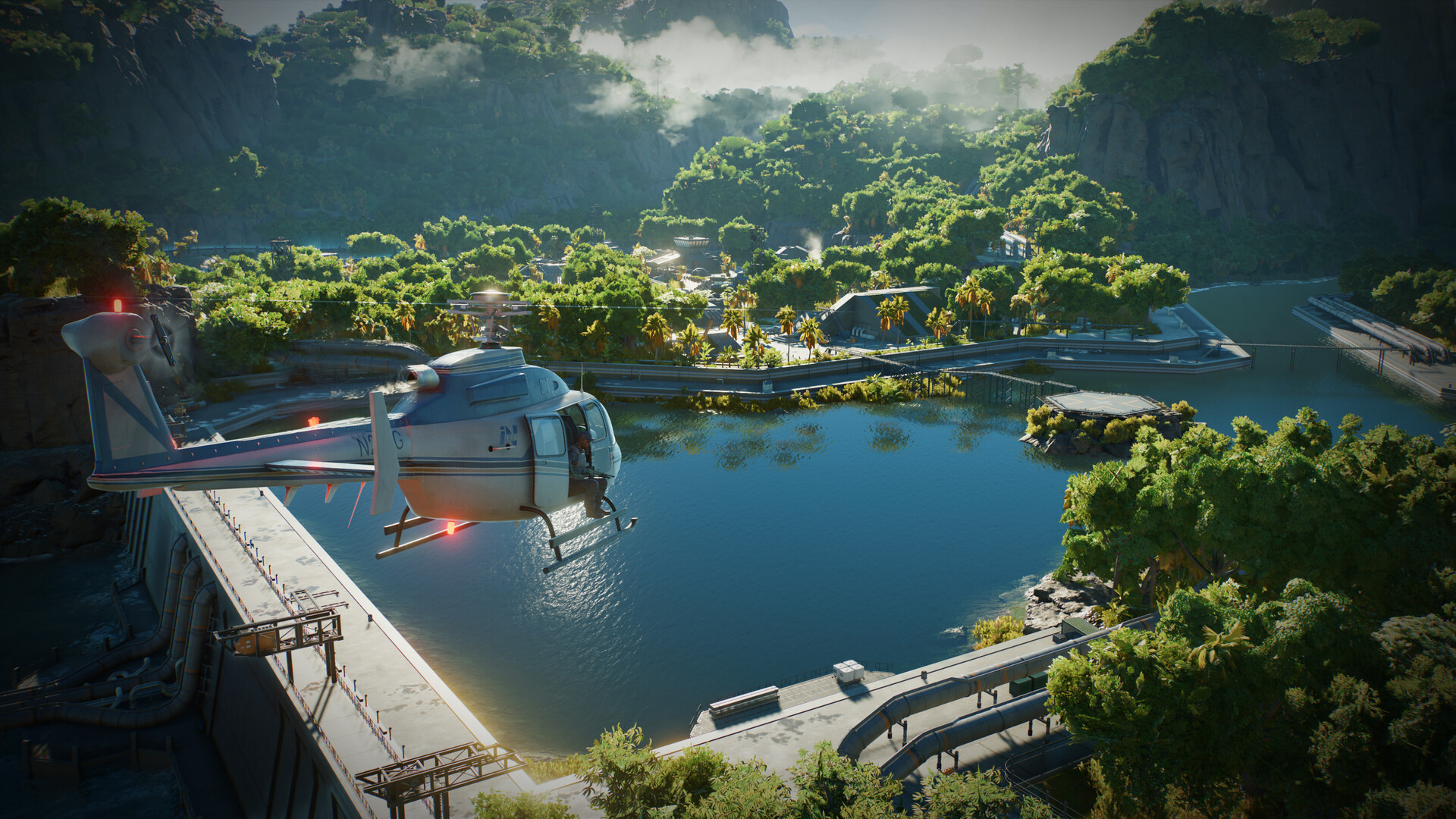
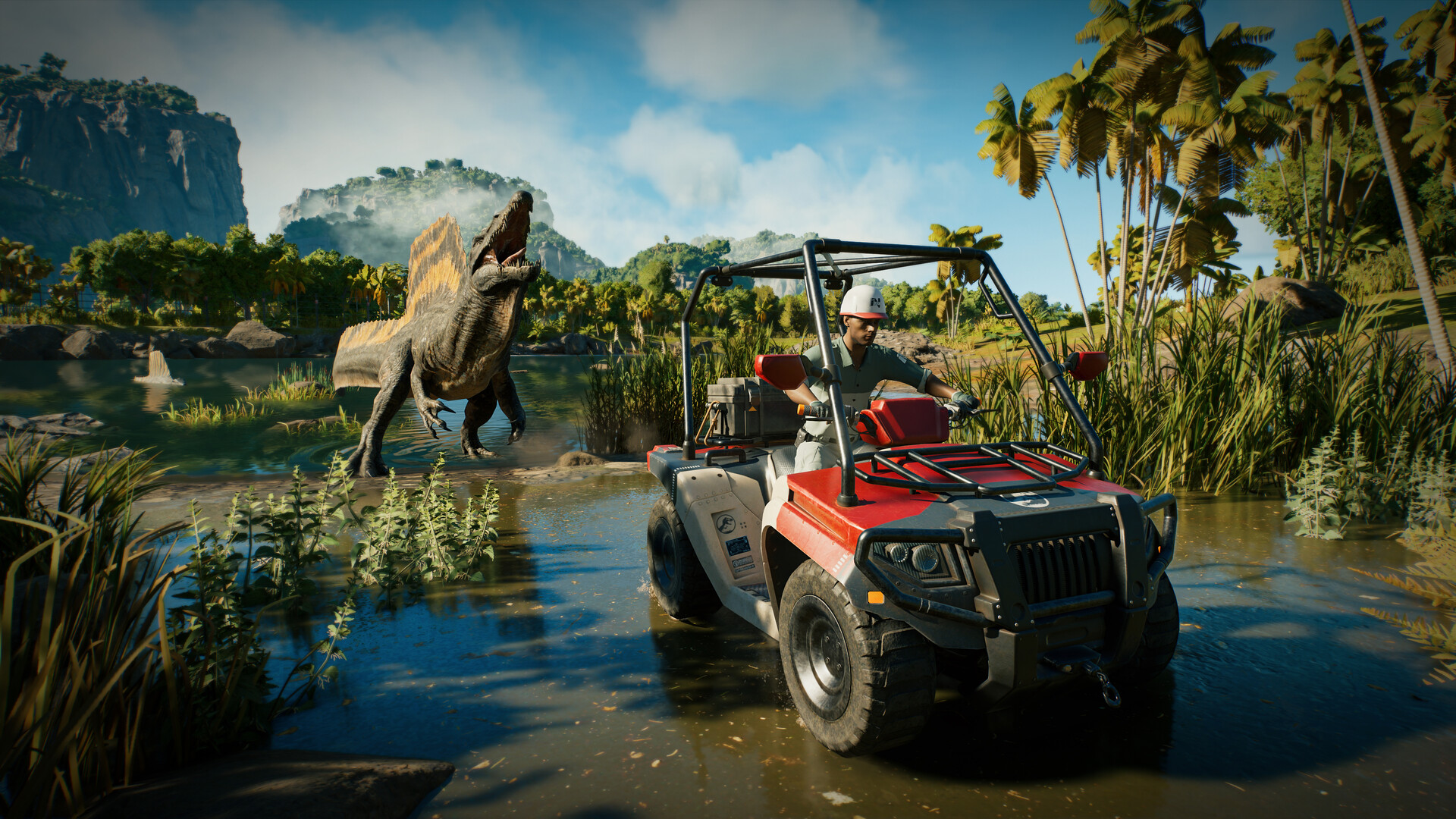
The new campaign in Rebirth puts you in charge of three top-secret facilities — a Main Facility, the Ancient Valley, and Riverside Lab — and tasks you with juggling research, containment and a shared cash balance across the island. Gameplay still revolves around classic JWE loops: manage habitats, secure fences, research genomes and respond to narrative Assignments, but the expansion layers in new obligations like geothermal infrastructure and prioritised Assignments that alter progression. I spent most of my time shunting power around via underground pipe networks, and that felt like a fresh, if fiddly, second job — planning power distribution adds genuine tension when a Distortus rex goes on a rampage. Creature management remains hands-on: feeding, enrichment, and social balancing feel familiar, but with new risks from hybrids and experimental traits that can flip behaviours in messy ways.
When Secret Science Gets Real
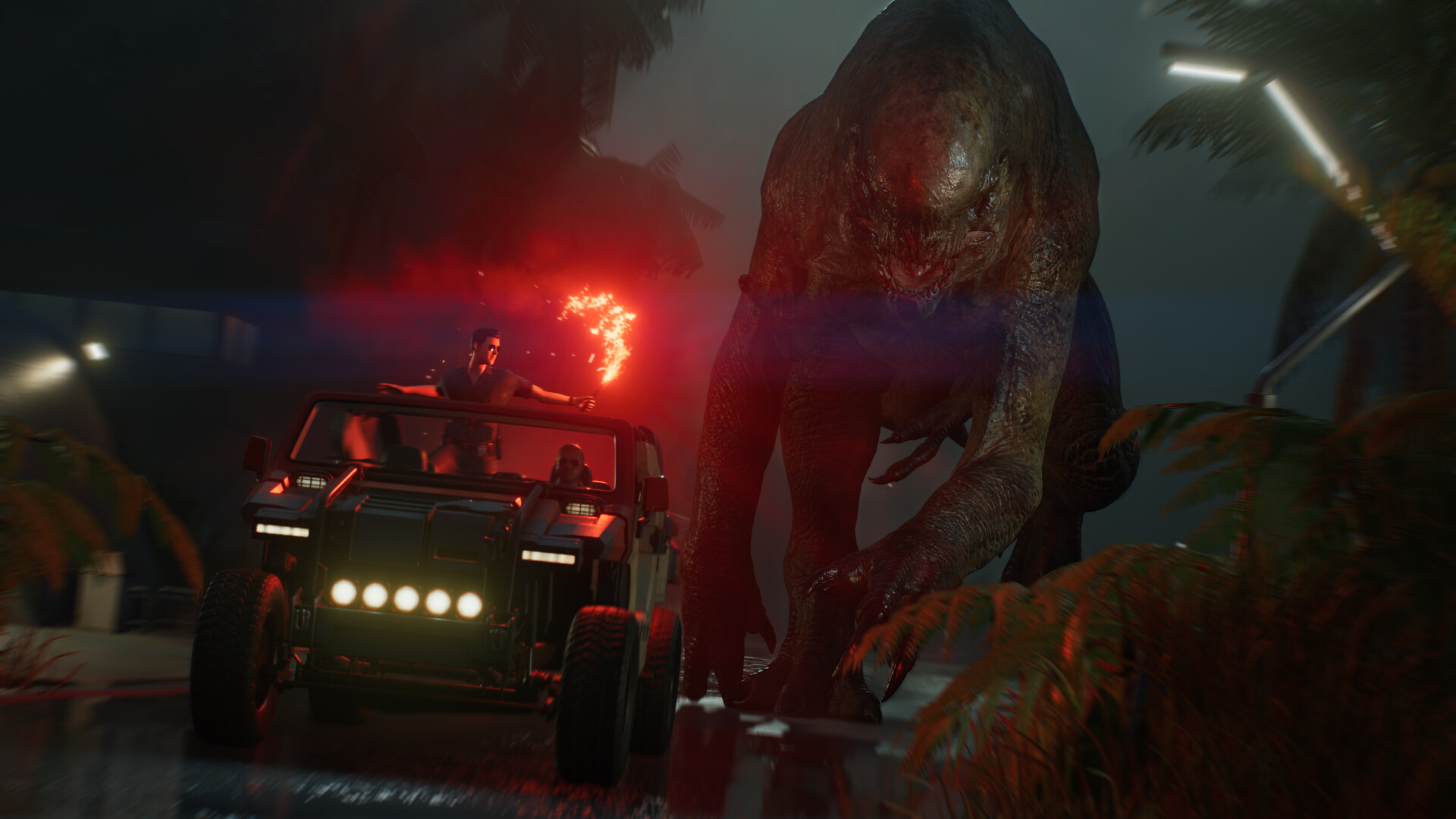
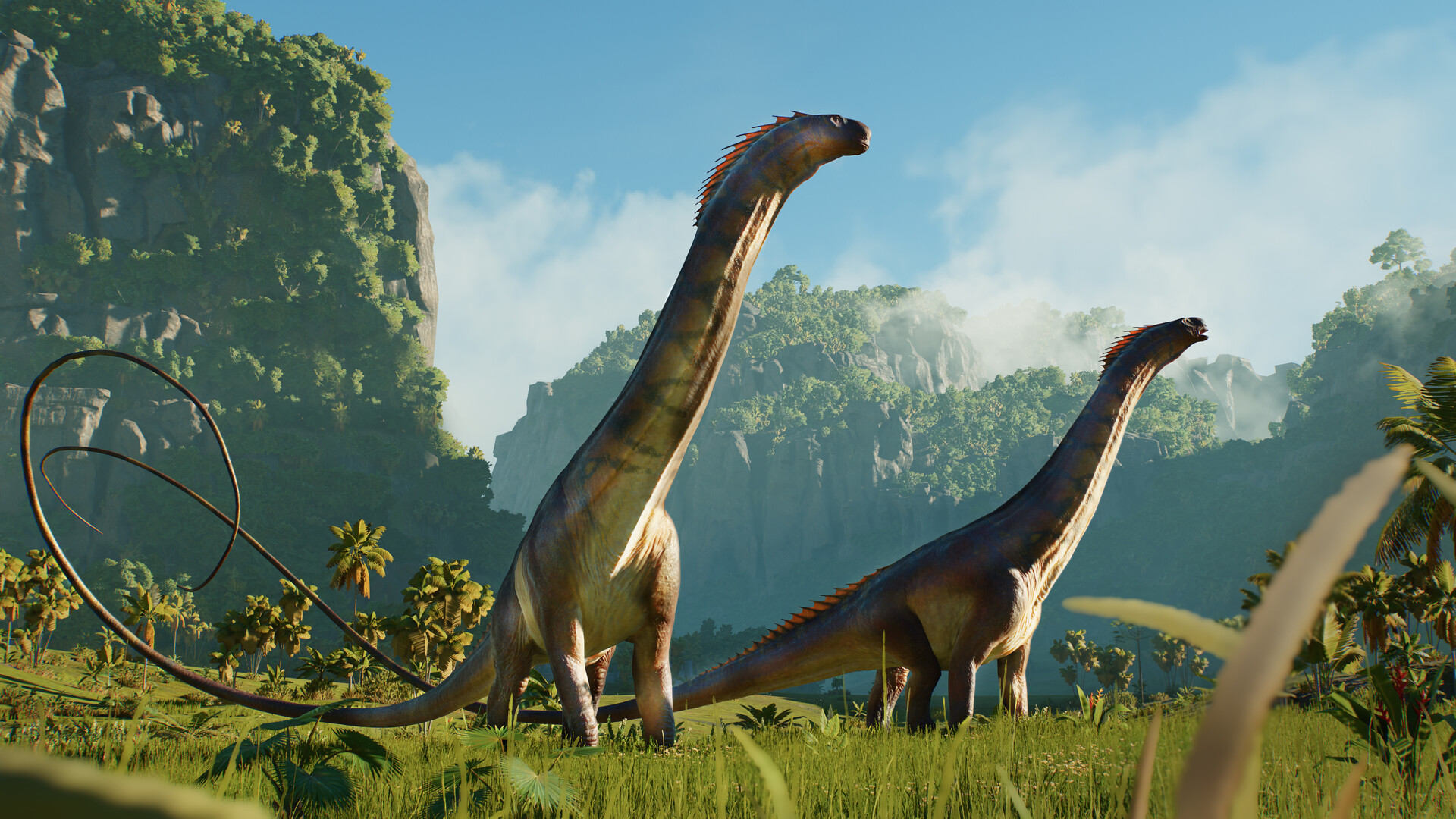
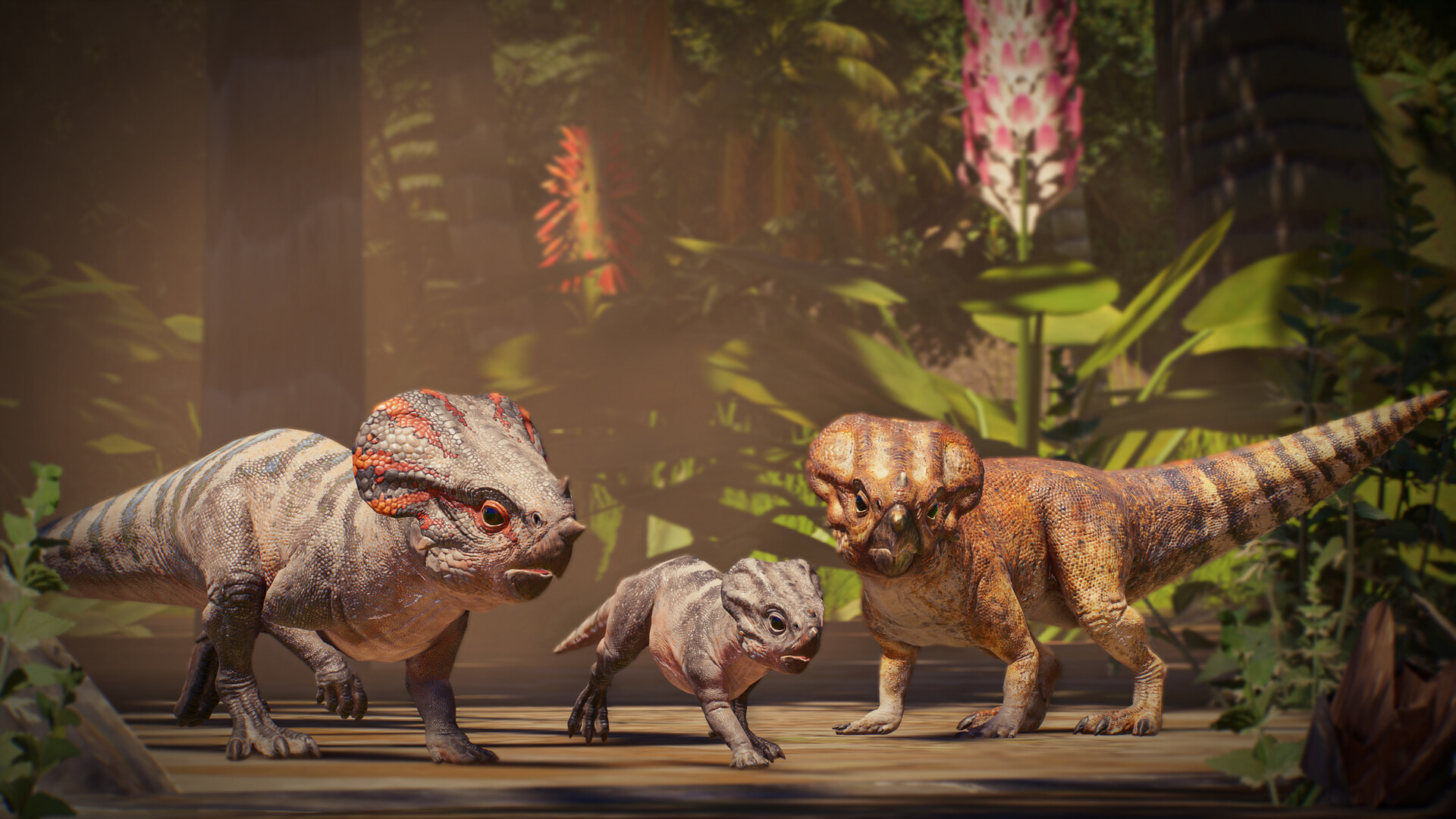
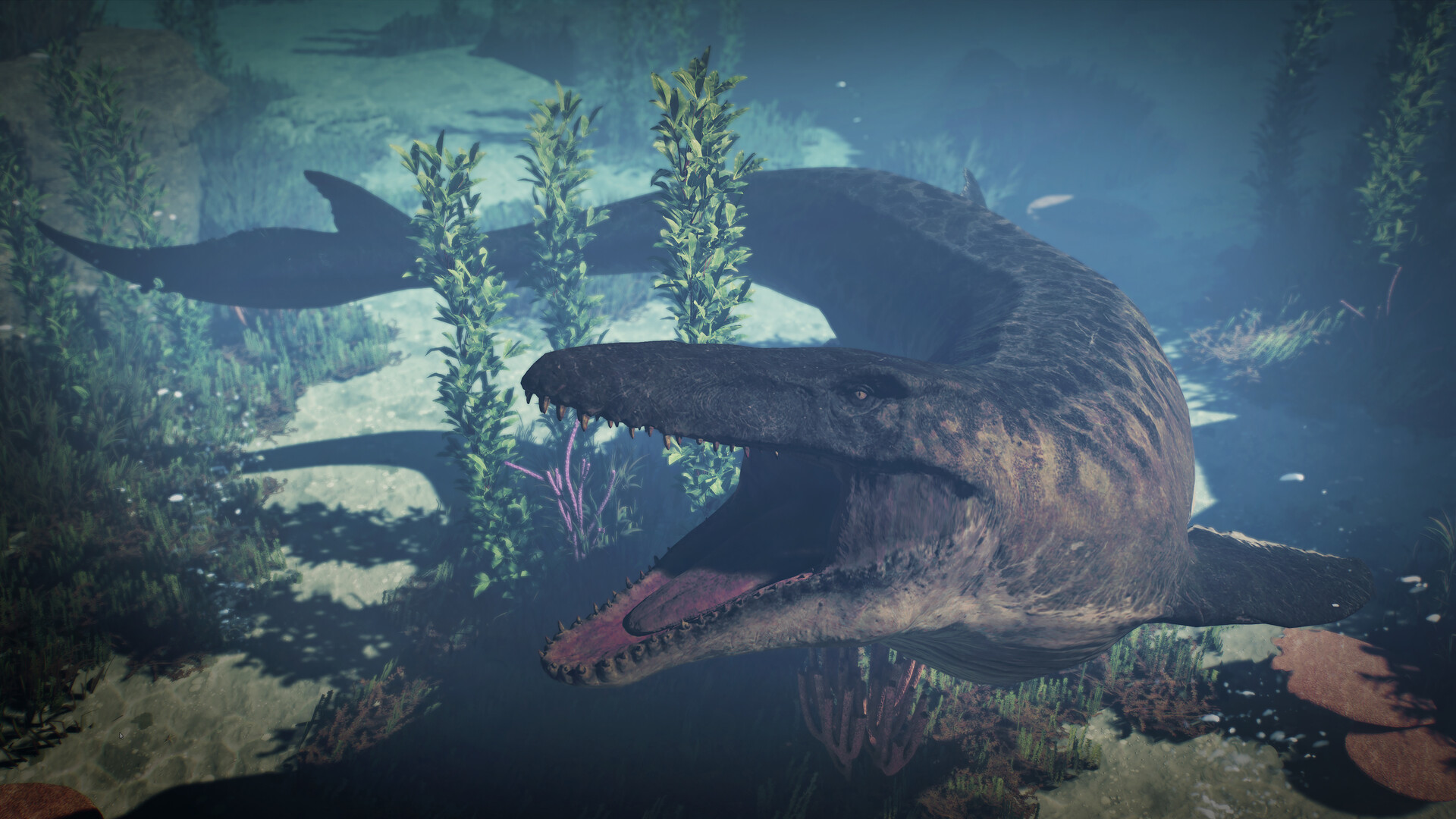
What really sets Rebirth apart is the experimental biology angle. The Distortus rex is a showstopper with brutal kill animations and persistent aggression that forces redesigns of your security layout; the Mutadon mixes raptor intelligence with aerial ambush capability, which produced some ridiculous mid-air chases in my park. Titanosaurus brings scale — literally — altering terrain planning because juveniles and adults need different space and sightlines, while the tiny, oddly charming Aquilops offers variety in herd and behavioural design. The Open Air Aviary is welcome for flyers but comes with caveats: you can’t build every custom aviary you imagine without the domeless Aviary piece, and that limitation frustrated me more than it should have. Also, many new toys are gated to the Rebirth campaign: experimental traits, some hybrids and geothermal controls aren’t available in the base campaign unless you start the new storyline, which felt like artificial segmentation rather than organic progression.
A Visual Lab and a Few Rough Edges
On presentation, the pack looks good: the Rebirth skins and InGen-style buildings give Île Saint-Hubert a believable secret-research vibe, and the Titanosaurus family and Distortus rex animations are standout moments. Sound design leans into cinematic roars and lab beeps, which I appreciated while my engineers panicked. However, there's inconsistency in asset polish — a few building pieces felt flatter than Frontier's best work, and some players report layering errors or crashes on lower-end laptops. The much-touted skins package is a double-edged sword: several creatures (notably Distortus and Mutadon) ship only with their movie skin, and the community reaction to that limitation is loud and justified. Performance on my Windows rig was generally stable but I ran into a couple of power-management oddities and one mid-session crash during a heated containment failure.

Rebirth is a bold, often thrilling expansion that gives JWE3 fresh toys — a spectacular Distortus rex, clever experimental traits and a campaign that feels cinematic. Yet the DLC is hampered by gated features, skin shortages for key creatures, and a handful of technical issues that sour the experience at times. Buy it if you want a standalone Rebirth storyline and new dinosaurs to tinker with; wait for patches or a sale if you need full integration and a broader cosmetics roster.


Pros
- Four new, well-animated species (Distortus rex feels special)
- Top-secret campaign with interesting narrative Assignments
- Geothermal networks and experimental traits add fresh strategy
- ÃŽle Saint-Hubert architecture and movie-inspired skins add atmosphere
Cons
- Some creatures ship only with movie skins — limited variety
- Key features (traits, hybrids, aviaries) locked to new campaign
- Occasional bugs: power-management quirks, crashes and layering issues
Player Opinion
Players are split but vocal: many praise the Distortus rex and Mutadon for their animations and behaviours, calling the creatures the highlight of the DLC. Several fans love the Rebirth skins and the Ember T. rex aesthetic in particular, mentioning how the new models elevate park immersion. On the flip side, recurring complaints in reviews match my experience — the Distortus and Mutadon often only include their movie skin, which frustrates collectors and cosmetic-focused players who expected more variety. People also flag that many new mechanics are only usable inside the Rebirth campaign, not the base campaign, and that geothermal power can behave oddly, sometimes leaving unused power or disabling earlier installations. Price and size are other sore points: plenty of reviewers feel $25 USD / €25 is on the high side for the offered content and for what some call a smaller map and mandatory side missions. In short: if you want shiny new dinos and a dedicated campaign, you'll likely be happy; if you expected full integration with your existing save and a richer skin roster, prepare for disappointment.