Diggin Review โ A Charming, Short Mining Adventure with Rough Edges
I dug through Longshot Studio's Diggin: cute art, snappy upgrades, but endgame clunks and unclear tooltips hold it back. A fun few hours for $5 if you know what to expect.
Diggin puts you in the paws of Doug, a mischievous mole on a quest to unearth the secrets of a strange meteoric crater discovered by Grandpa Digby. Itโs the kind of cozy, pick-up-and-play indie that sold me with a few frames of personality and a tidy skill tree โ think Steamworld Dig vibes pared down and focused on incremental upgrades. What hooked me was the tactile joy of carving tunnels, the little explosions, and the surprisingly warm story beats scattered between runs. But as a player who likes to optimize runs, I also bumped into awkward pacing and some mechanics that feel undercooked: certain upgrades are hidden behind seemingly useless branches, and the endgame systems (Fever and Overdrive) often frustrate more than reward. If youโre after a relaxed 3โ6 hour romp with bite-sized progression and cute visuals, Diggin mostly delivers โ with caveats Iโll unpack below.

Digging, Boom and Repeat
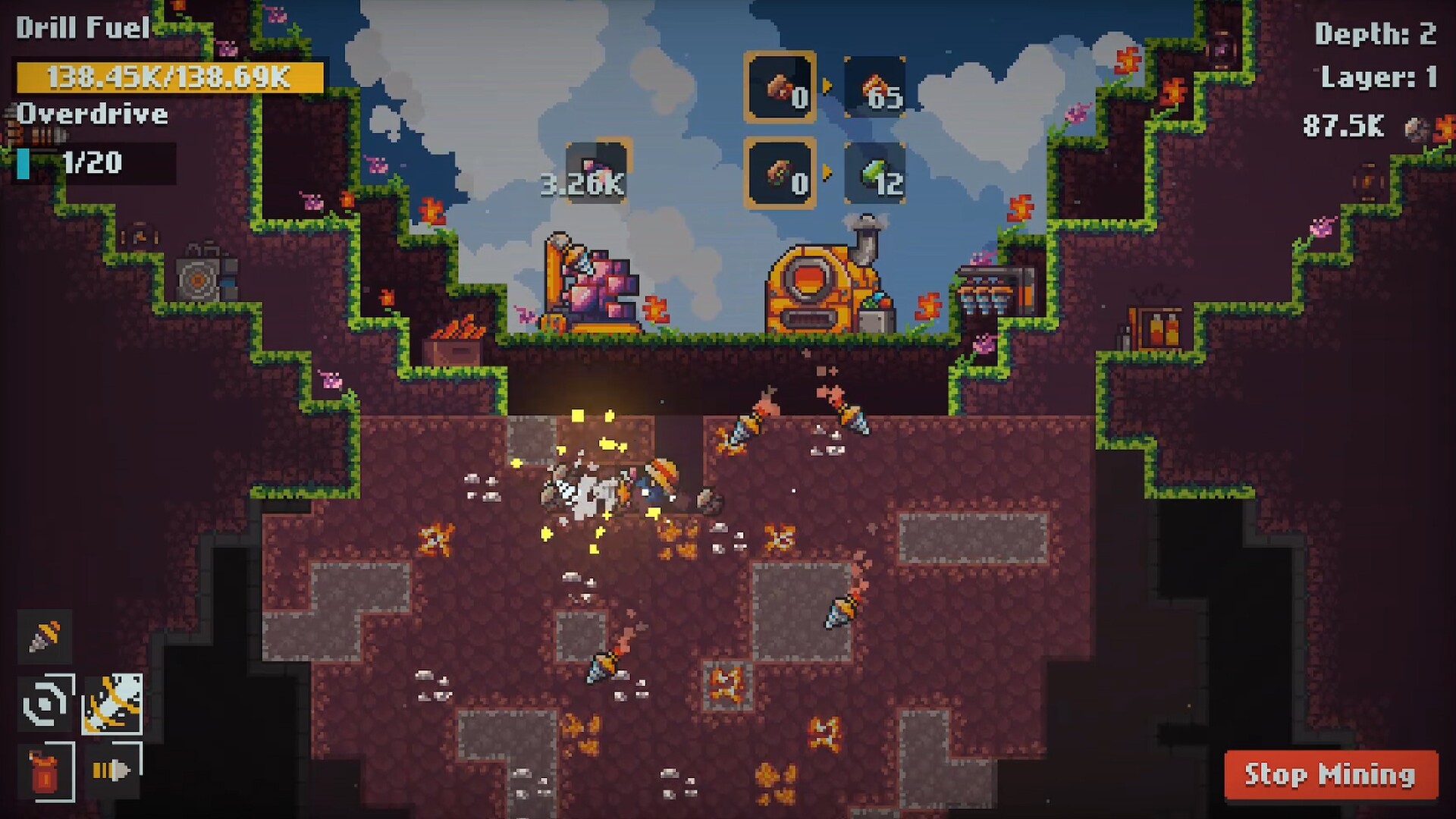
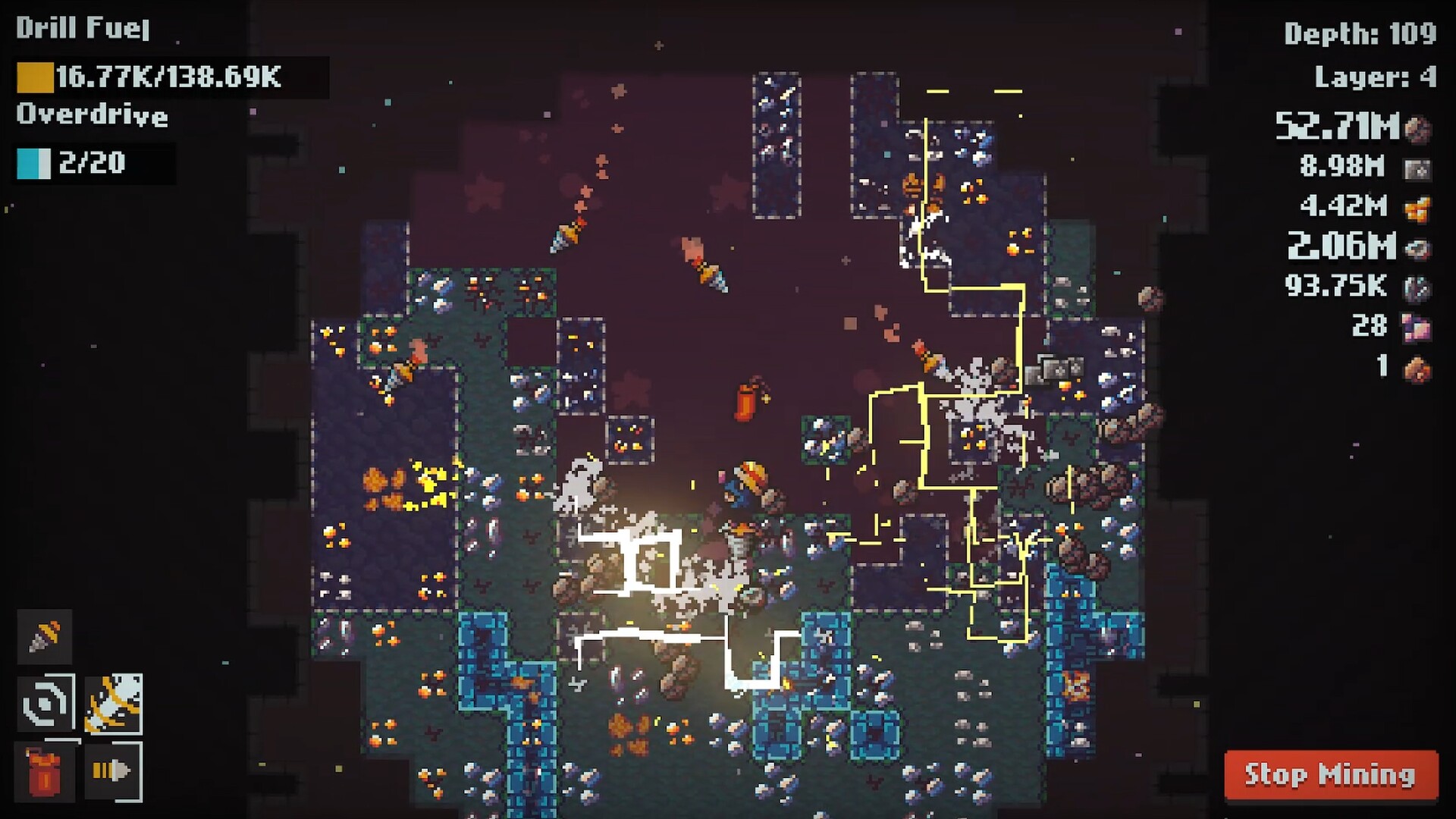
The core loop is gloriously simple: you dig downward, smash blocks, collect ores and relics, and plow the materials back into the skill tree. Your daily actions are drilling, detonating charged nodes, and juggling upgrades โ the drill feels satisfying from the start. Practical examples: the Turbo Bit Mk II increases drill rotation speed by about +40% and reduces block damage delay, while the Seismic Cutter adds a +25% bonus to explosive charge damage and widens blast radius slightly. A typical run looks like this: I start with a basic drill, unlock Turbo Bit Mk II early, chain a couple of Seismic Cutter detonations to clear a dense ore pocket and then hit a hidden upgrade (Starforge Burst) behind the Echo Tunneling skill โ that combo once boosted my per-hit damage by ~120%, letting me clear a boss layer roughly 30% faster than before. Those spike upgrades are joyful when discovered, but they expose the uneven pacing the game suffers from.
Secrets, Skill Trees and the One-Run Spike
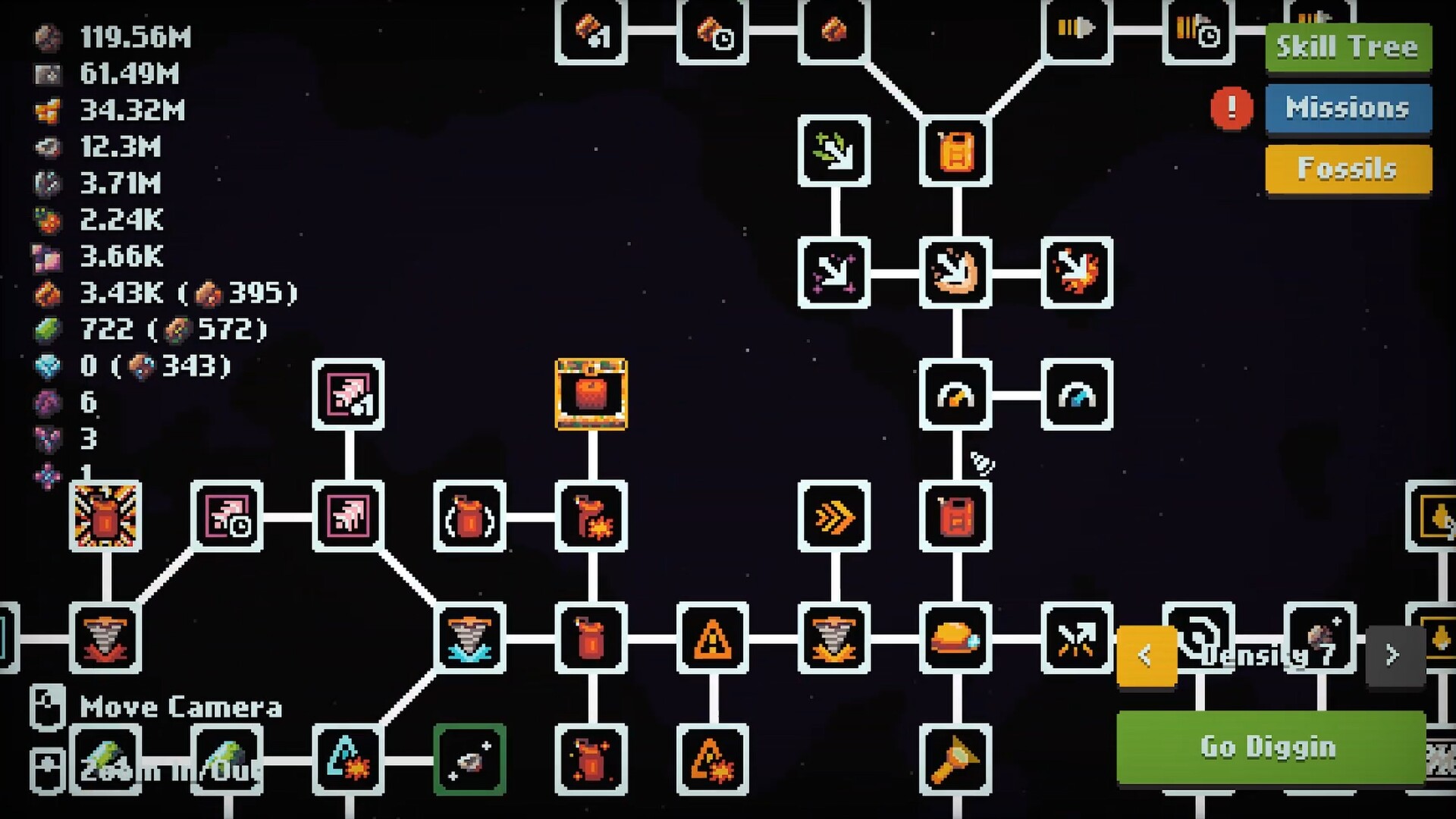
What lifts Diggin above a pure idle is the GIANT skill tree and its quirks. Youโll unlock branches like Crater Resonance (passive resource gains from relics) and Echo Tunneling (access to hidden nodes). The problem is design placement: Crater Resonance does not accelerate block decay and therefore is often skipped early, while Echo Tunneling hides the high-damage Starforge Burst behind an otherwise underwhelming utility skill. That design choice means progression sometimes plateaus for long stretches until you randomly pick the right detour. Two concrete mod examples: the 'Magnet Shank' drill mod grants a 15% auto-collect range for ore fragments, and the 'Rift Stabilizer' reduces node jitter by 60% for 6 seconds after you trigger Overdrive โ without these, endgame pickups get maddeningly elusive.
Screen, Sound and Performance โ A Solid Shell with Rough Corners
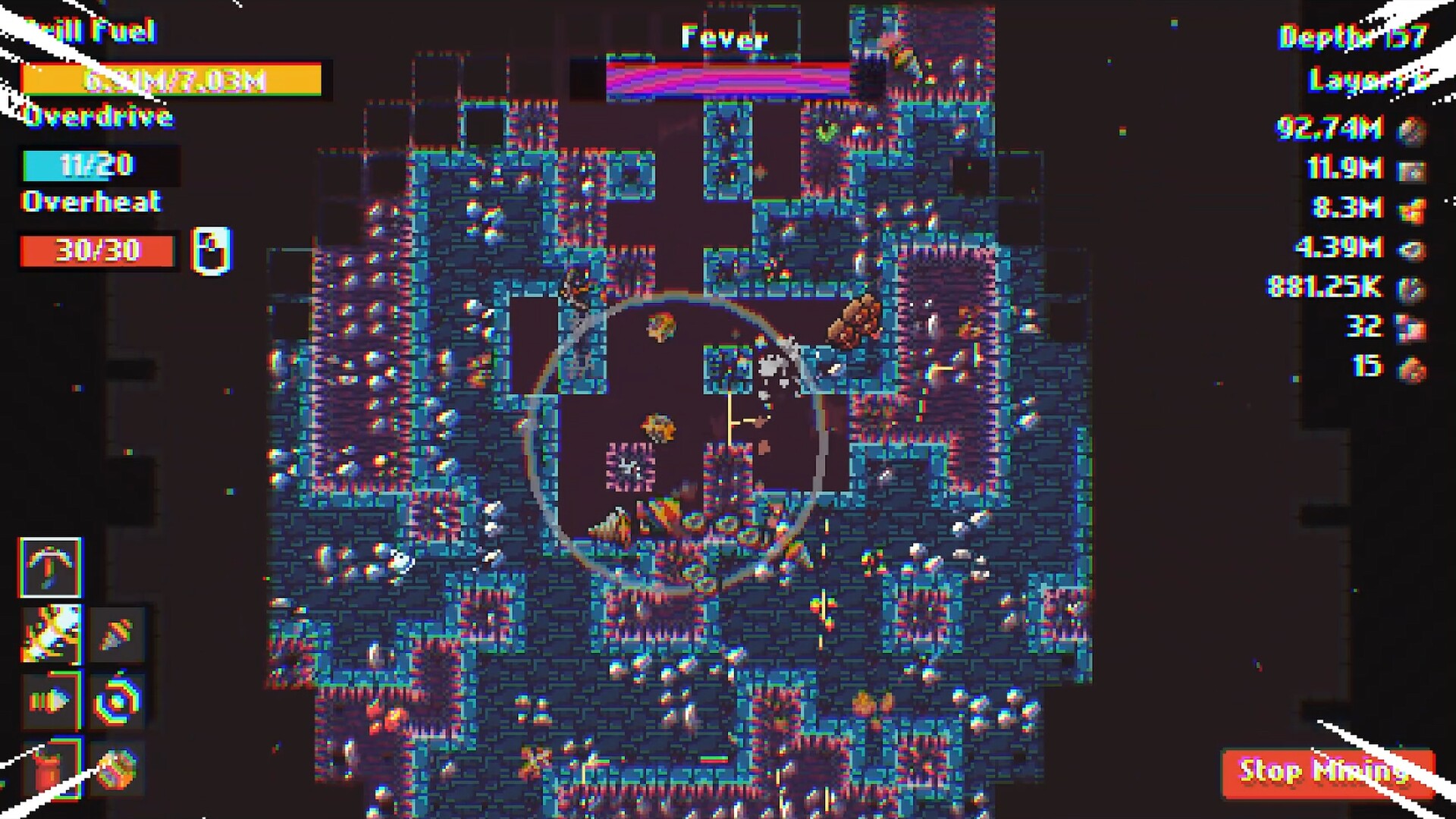
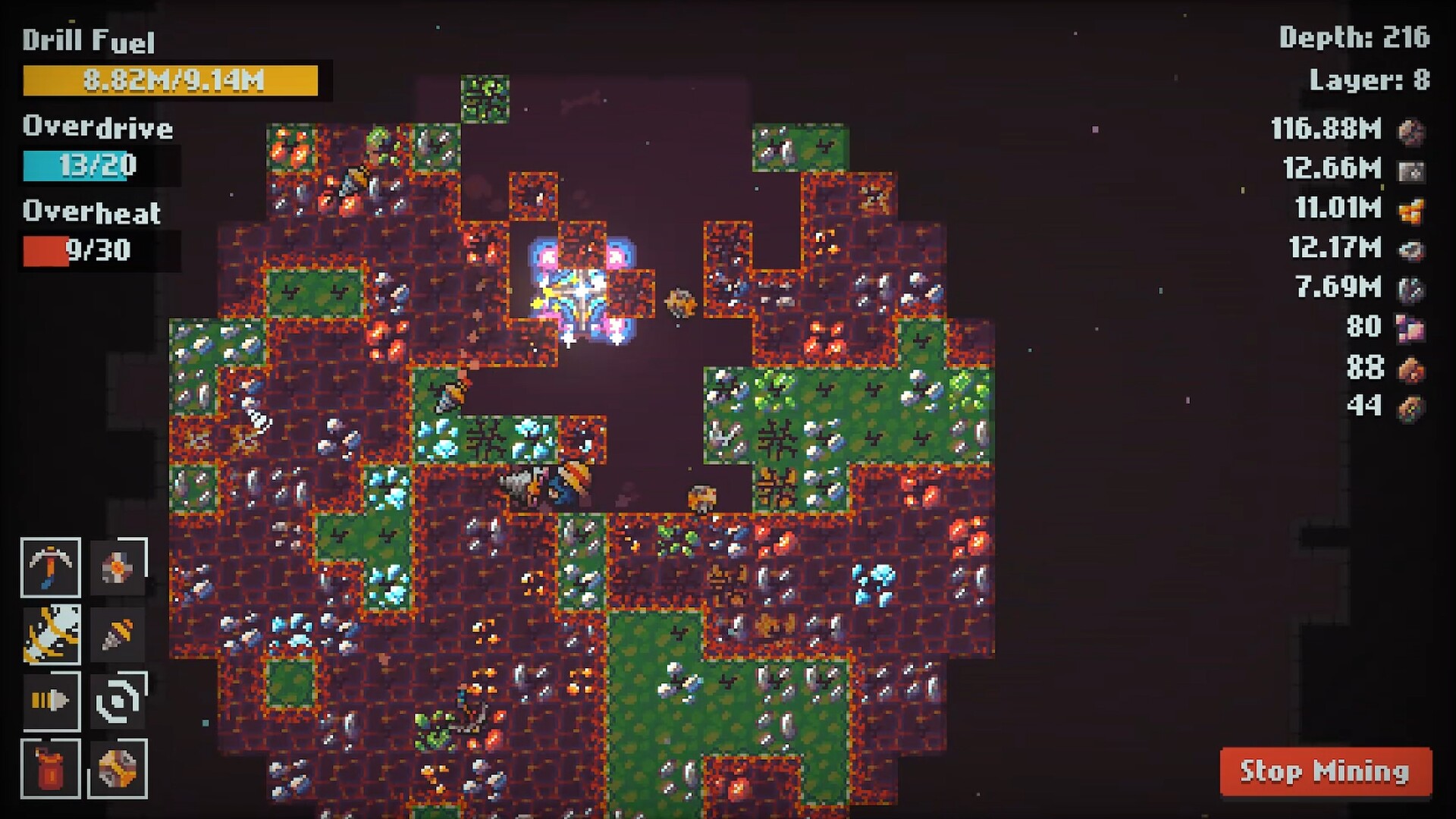
Graphically Diggin is adorable: clean low-poly art, expressive cutscenes and punchy VFX when a node explodes. The soundtrack is mellow, fitting the chill vibe, and performance on my Windows rig was rock-solid. Where polish slips is UX: tooltips are sometimes too vague. Example: the tooltip for a "Device Ability" simply reads "Alters nearby nodes" โ it doesn't explain charge cost or cooldown. The Fever visual effect blurs the camera by design, but the tooltip or HUD doesn't show the exact mining speed increase, so you can't tell if the tradeoff is worth it. Accessibility options are present (contrast and text size), but a clearer, searchable glossary for minerals and device types would go a long way to reduce guesswork.

Diggin is a sweet, well-made little miner with a few glaring design rough spots. It nails bite-sized joy and tactile upgrades, but uneven pacing, vague tooltips and endgame mobility issues hold it back from being essential. Recommended for players looking for a cozy 3โ6 hour indie romp at roughly $5; power gamers and completionists should temper expectations.


Pros
- Tight, tactile digging feedback โ the drill and explosions feel great (Turbo Bit Mk II + Seismic Cutter combo).
- Charming art and music that sell the cozy mood (adorable cutscenes and mellow soundtrack).
- Satisfying short campaign โ good value for ~$5 (approx. โฌ5) if you want a focused 3โ6 hour experience.
- Deep skill tree with meaningful spikes โ discovering Starforge Burst behind Echo Tunneling is genuinely exciting.
Cons
- Endgame mobility issues โ lack of lateral boosts makes collecting 'Drift Ore' nodes frustrating; I had to redo 3 runs to catch them.
- Unclear tooltips โ 'Device Ability: Alters nearby nodes' gives no cooldown or cost info; I once burned an upgrade thinking it stacked and lost progress.
- Progression spikes and plateaus โ key damage upgrades hidden behind weak branches cause long stagnant stretches between breakthroughs.
Player Opinion
Players are split but clear on the main points. Many praise the cute visuals and satisfying feedback โ "Game is fun" and "Cute, addictive short game" are common sentiments (Steam Reviews). Others echo the issues: "It's very short and honestly kind of underwhelming" and complaints about endgame mobility and poorly documented items show up repeatedly. A recurring concrete gripe: the Overdrive meter starts at zero and often never charges enough for a meaningful hover when you need it, forcing trial-and-error restarts. If you like incremental-style mining with a short, focused arc, you'll find a lot to enjoy; completionists will note the weak replayability and some achievements that feel like busywork (e.g., mine 300k blocks).