Machinefall Review – Grand-Scale RTS Where Humanity Fights Back
A passionate indie RTS that mixes base-building, globe-spanning strategy and thousand-unit battles—brave, messy and full of potential.
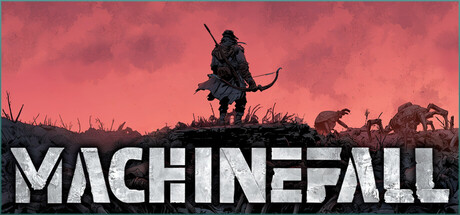
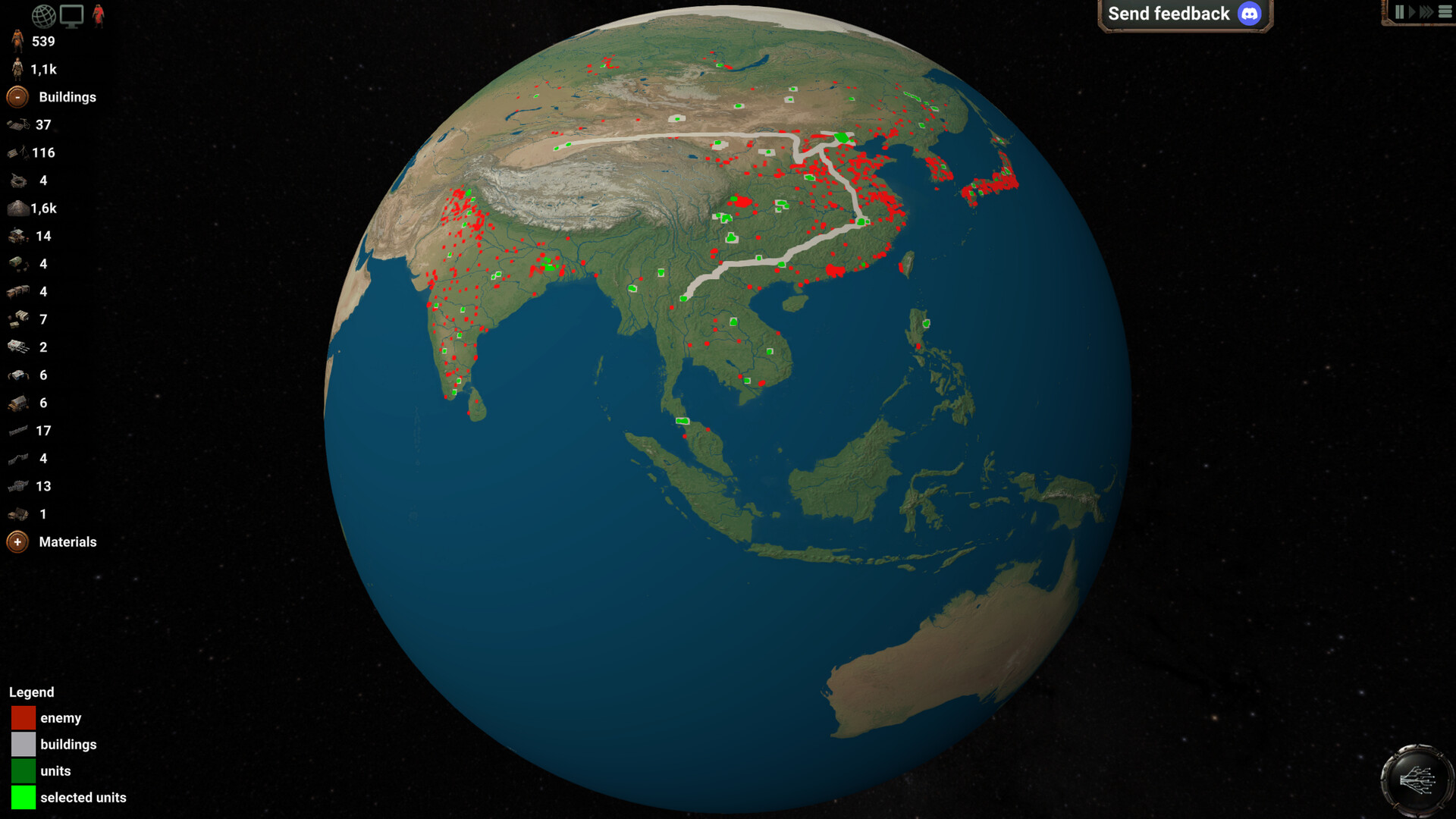
I dove into Machinefall expecting a stripped-down They Are Billions clone and came away surprised: this is more ambitious and, at times, gloriously chaotic. Jan Zizka has put a lot of love into a game that asks you to manage everything from refugee tents to continent-spanning logistics while swarms of mechanical bugs try to eat your day. The scale—zoomable from an orbital overview to street-level skirmishes—gives the title a cinematic feel, but that scope also brings UI and balance headaches that you’ll notice fast. Still, if you enjoy fiddly logistics, trench-building satisfaction and the thrill of watching thousands of units collide, Machinefall scratches that itch in a way few indie RTS do.

From Refugee Tents to Industrial Strongholds
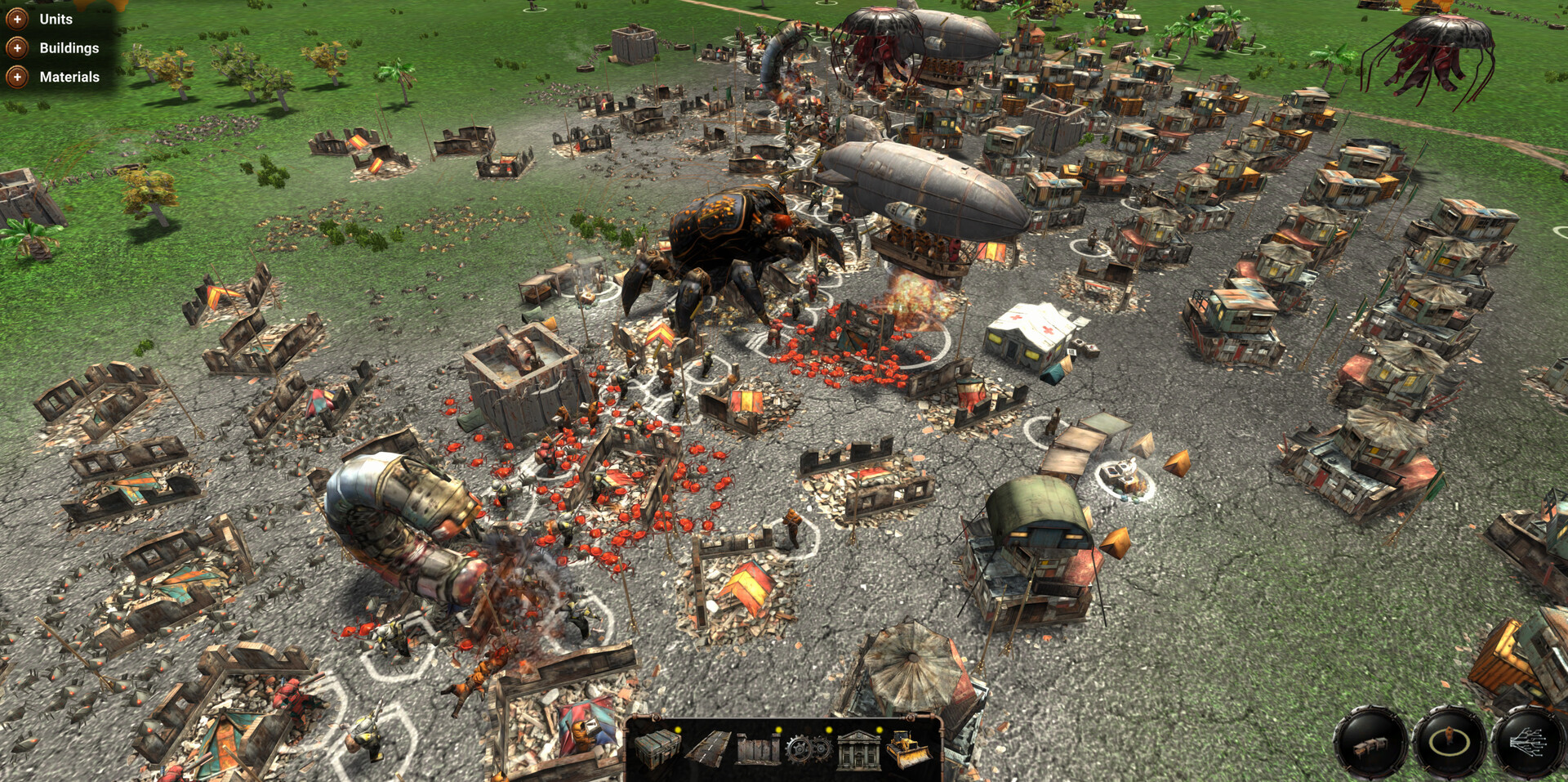
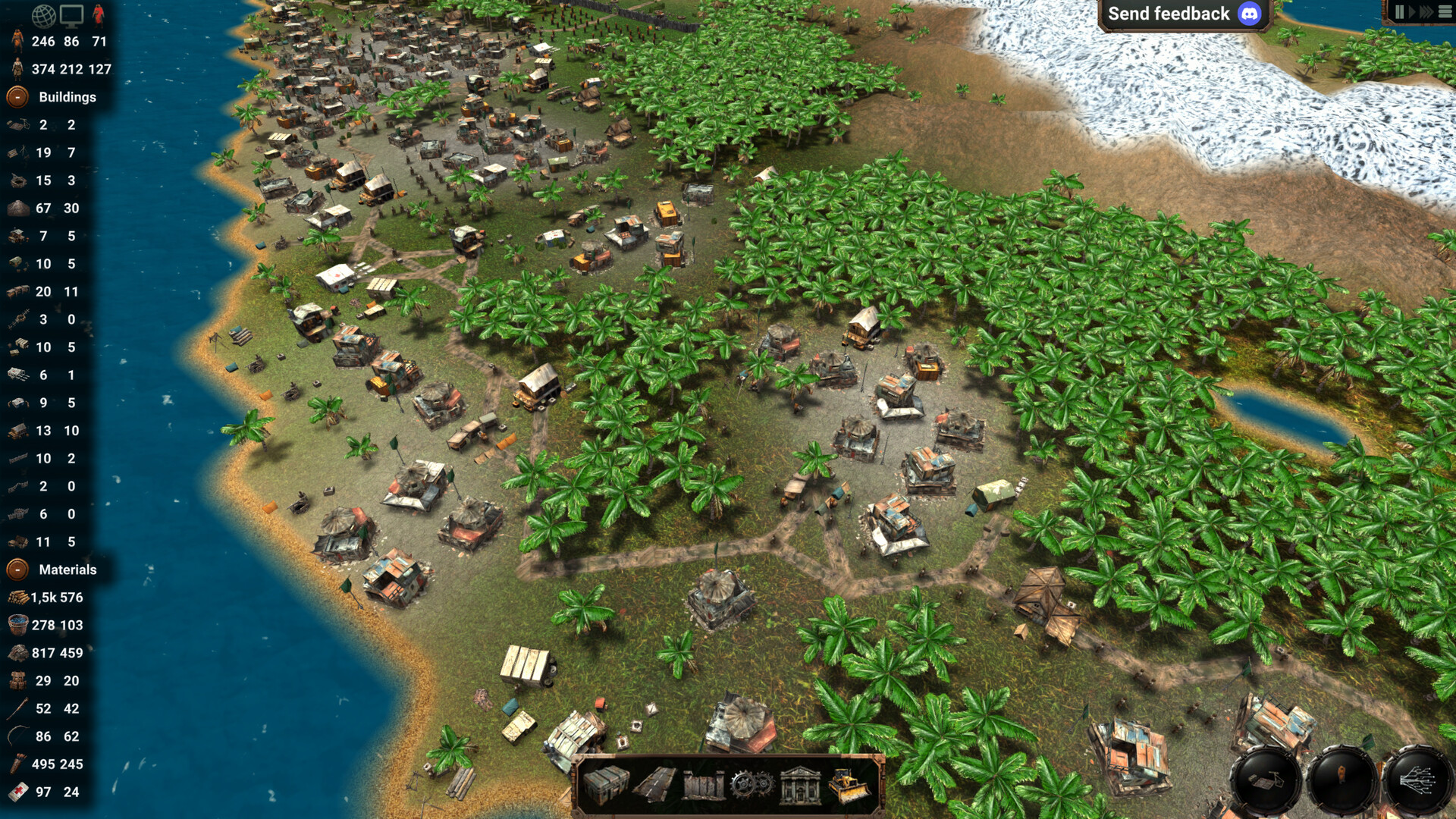
Machinefall’s core loop has you scrounging resources, repairing broken houses and turning sleepy settlements into industrial hubs. You start with a handful of survivors and a few tents, and slowly graduate through an era-based tech tree that unlocks better buildings, weapons and production chains. I spent hours just optimizing the flow between water pumps, resource depots and factories—there’s a real Factorio-ish joy to watching a supply convoy actually arrive where it’s needed. Combat feels like a different, larger beast: instead of a handful of heroes it’s lines of infantry, artillery and vehicles streaming toward chitinous behemoths. Micro matters—positioning walls, timing reinforcements and managing ammo—yet you frequently juggle macro decisions like where to place your next city or whether to risk opening a new trade route.
When Fleets of Nuts-and-Bolts Collide
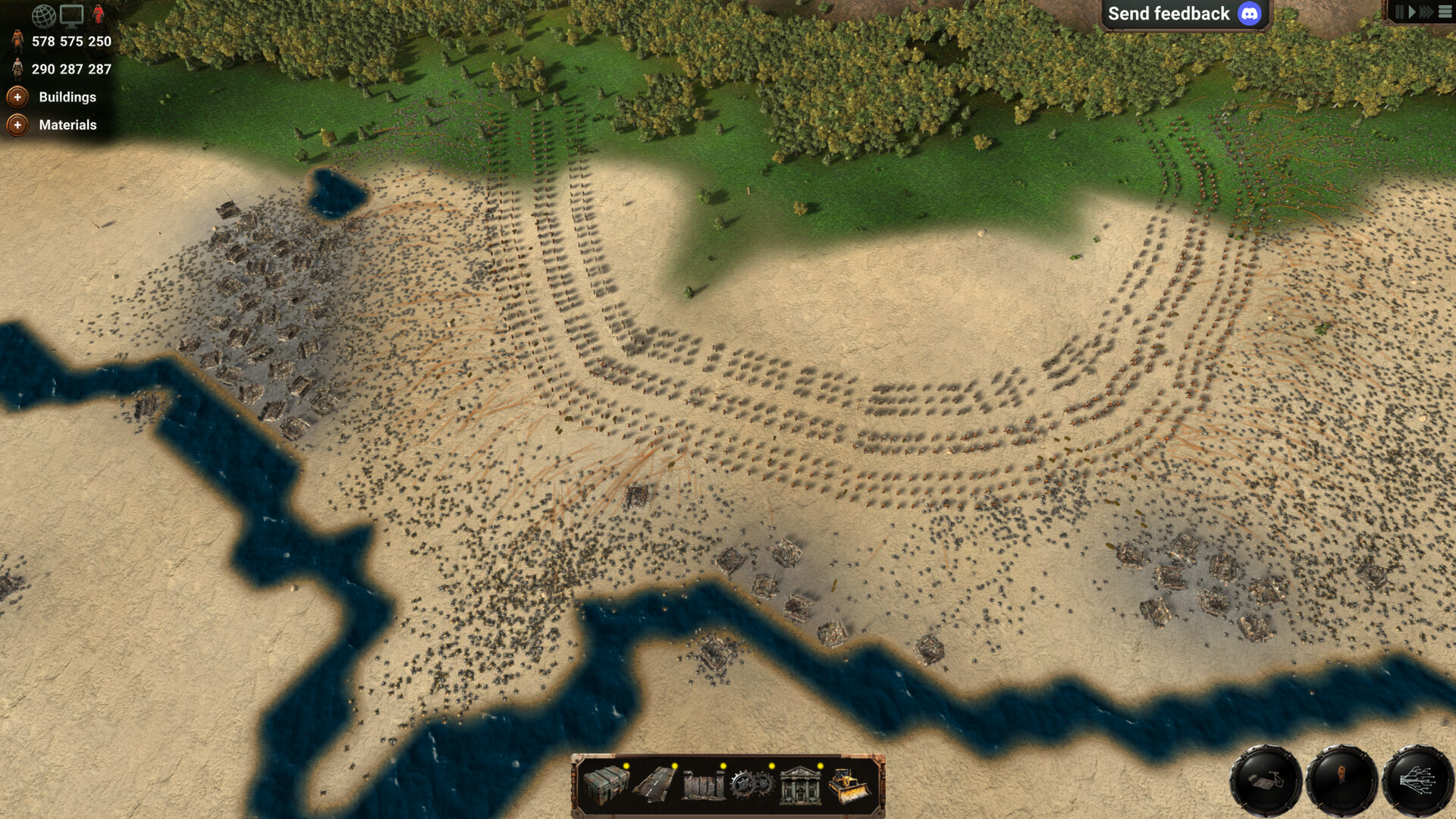
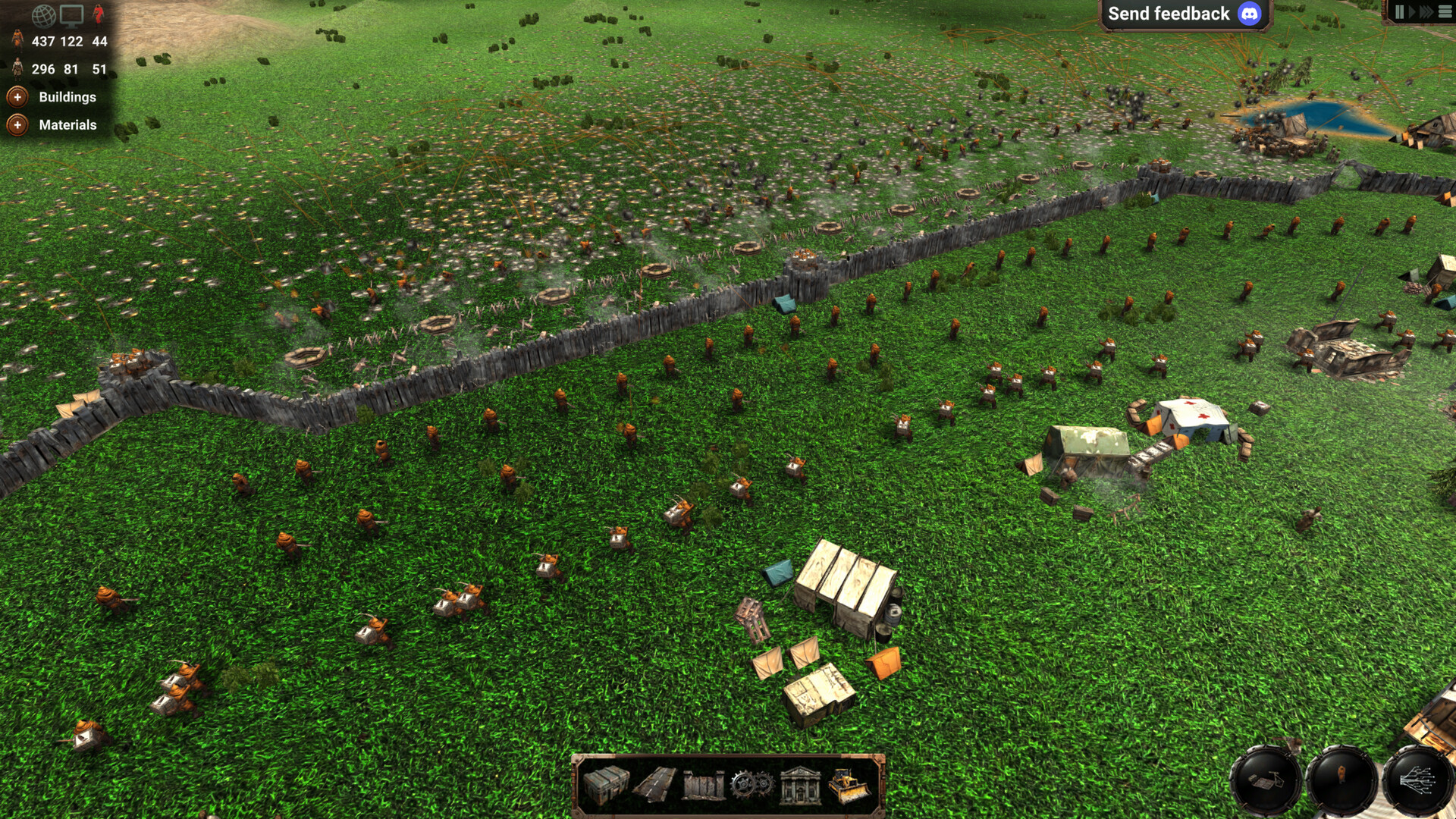
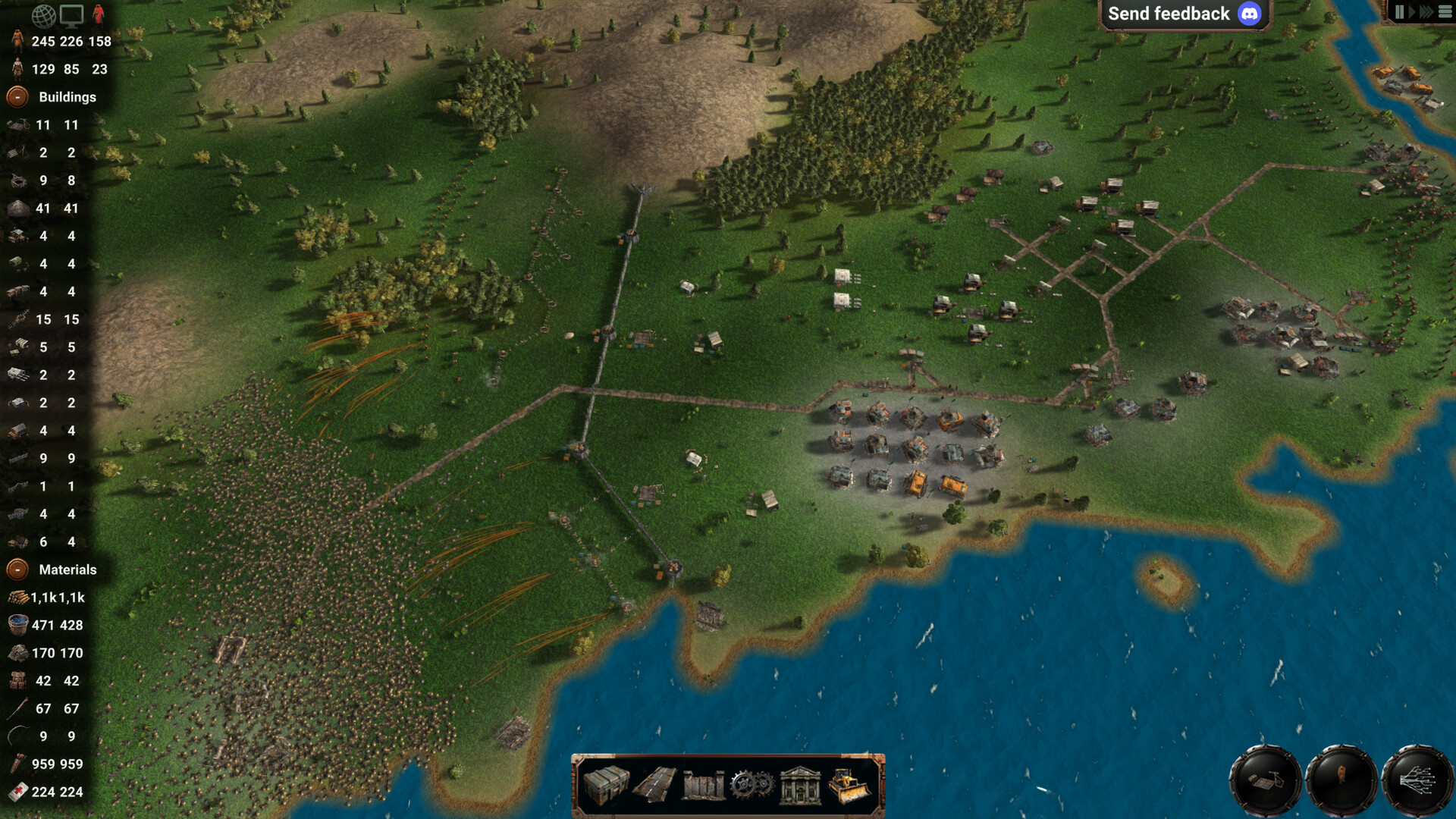
What sets Machinefall apart is scale and ambition: the planetary map lets you wage a campaign that feels like grand strategy tied to RTS skirmishes. You can zoom out to plan a defensive line across provinces, then zoom in to micro-manage a sapper team tearing down a worm’s carapace. The tech eras add flavor: early-game feels scrappy and tactical while late-game can become a mechanized war of attrition with factories pumping out replacements. There are moments of brilliance—seeing a well-supplied defensive ring chew up a bug swarm is oddly cathartic—but also rough edges. Pathfinding and AI quirks (workers trying to repair walls from the "wrong" side, citizens walking through danger and breaking trade routes) sometimes turn tense sieges into frustrating babysitting sessions. Balance is another recurring theme: some enemies, like worms, feel like they demand more durable counters or better defensive design, otherwise you’ll be chasing breaches more than executing grand maneuvers.
Gritty Presentation: Clarity and Crankiness
Visually, Machinefall uses economical graphics that prioritize readability over eye candy. Zooming from orbital views down to streets works well and the battlefield chaos remains surprisingly legible even with hundreds or thousands of units. Sound design is functional: clanks, explosions and alarm bells sell the apocalypse without stealing the show. Performance is impressive for the scale on my mid-range rig, though UI readability can suffer when dozens of icons and notifications pile up. The art style is intentionally utilitarian—think industrial, dusty and practical—which suits the tone, but I’d love more visual polish on unit animations and clearer UI indicators for "inside/outside" building states. Accessibility options are minimal but workable; a better camera lock or dedicated hotkeys would make big sieges less fiddly.

Machinefall is a raw, ambitious indie RTS that delivers spectacle and deep systems even in its imperfect state. It’s best for players who love fiddly logistics, base-building and massive battles and who don’t mind tolerating some AI/UI roughness. With a few rebalances, quality-of-life fixes and polish, this could become a modern classic of indie strategy—right now it’s an exciting, occasionally exasperating taste of that promise.


Pros
- Impressive scale—planetary map with thousands of units feels cinematic
- Satisfying blend of base-building, logistics and real-time combat
- Strong core systems and tech progression that reward planning
- Shows real indie passion and a uniquely ambitious vision
Cons
- Pathfinding and AI quirks (workers, trade routes) can frustrate
- Balance issues around enemy types and defensive design
- Some UI clarity and accessibility features are missing
Player Opinion
Players tend to praise Machinefall’s addictive grand-scale gameplay and the satisfying logistics loops—many compare it to They Are Billions, Factorio and even Distant Worlds for its reach and depth. Positive reviews highlight the feeling of rebuilding regions, the variety of buildings and units, and that the game already offers hours of fun for a modest price. Criticisms are consistent: pathfinding and UI bugs, occasional readability problems during huge clashes, and a need for number rebalancing—some players reported worms breaking through walls too easily or workers behaving oddly during attacks. A vocal minority raised concerns about the use of generative AI in assets and suggested caution. If you enjoy large-scale RTS and can tolerate rough edges, you’ll likely get hooked; if you need a polished AAA experience, maybe wait for a few updates.