MECCHA CHAMELEON Review – Paint Yourself Invisible in a Wild Party Twist
A cheeky, creative hide-and-seek where you literally paint your body to blend into maps. Fun, chaotic and full of potential — but day-one polish issues keep it from perfection.
I jumped into MECCHA CHAMELEON expecting a cute gimmick and left with a grin and a handful of paint-stained regrets. The premise is delightfully simple: split into Seekers and Hiders, then paint your blank white body to match the world and fool your friends. It’s like Prop Hunt decided to go to art school — more finesse, less physics-driven disguise. Right now the game brims with moments that make you laugh out loud or shout at a laptop, and that messy mix is oddly charming.

Blending and the Hunt
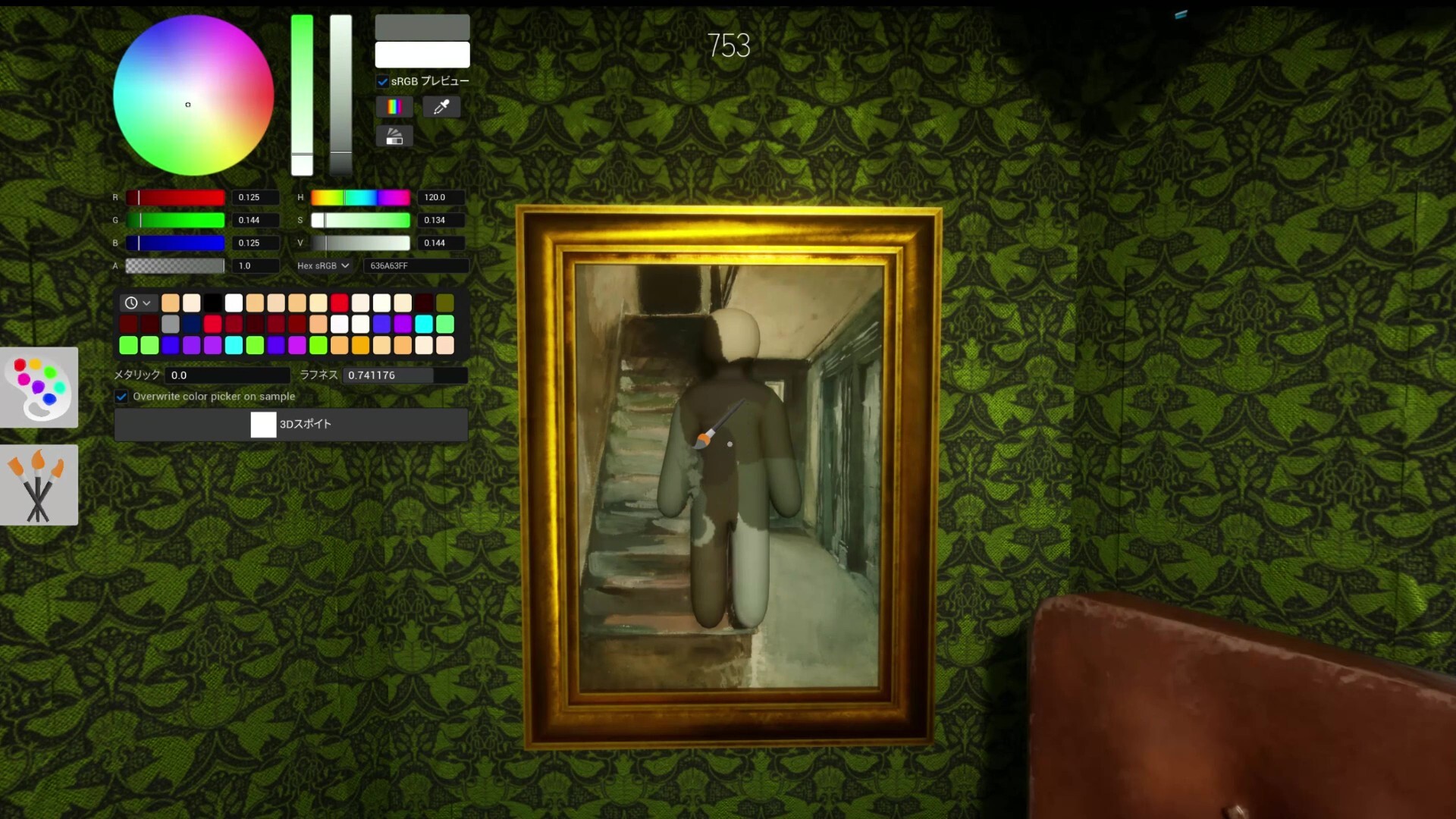
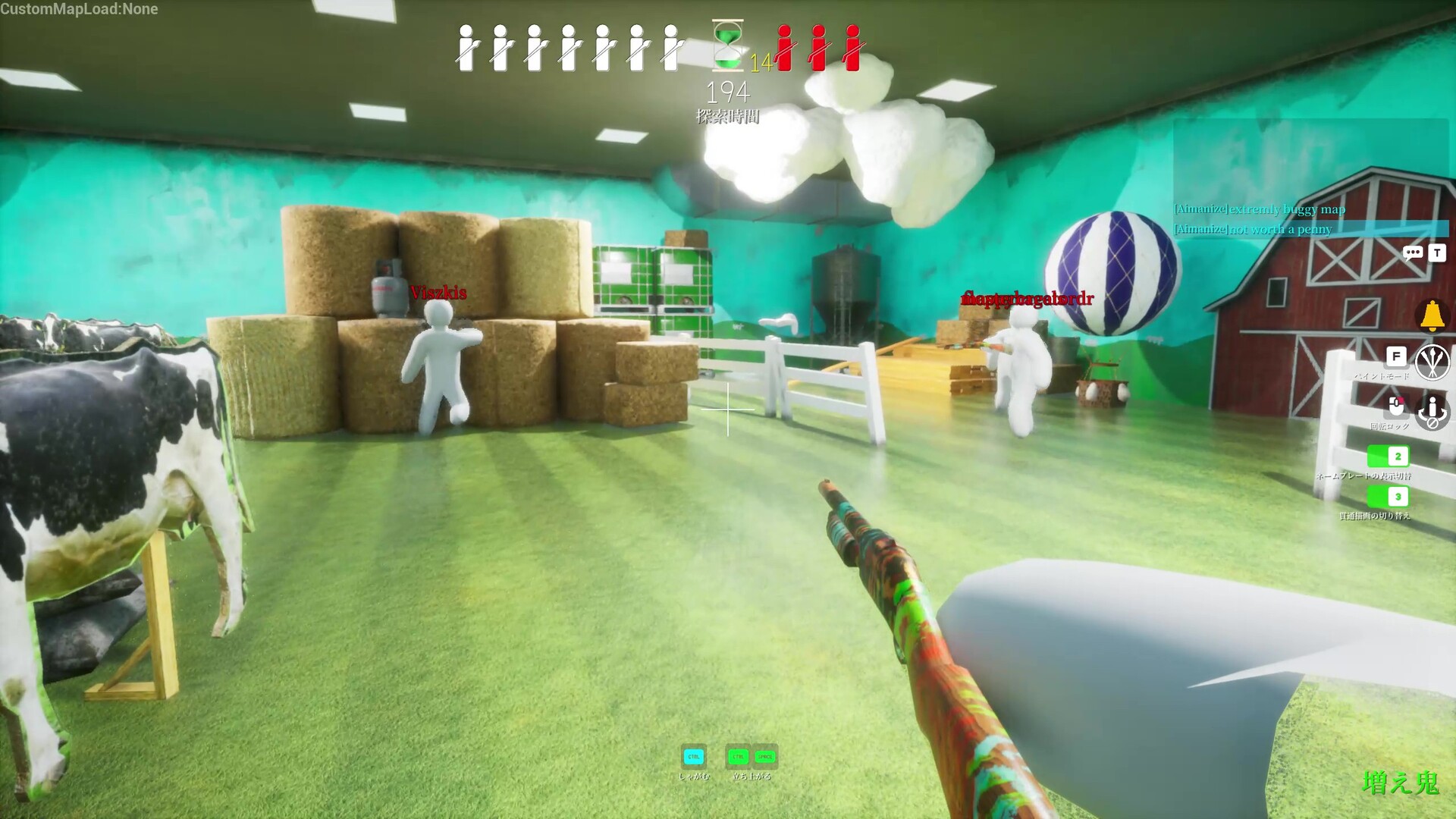
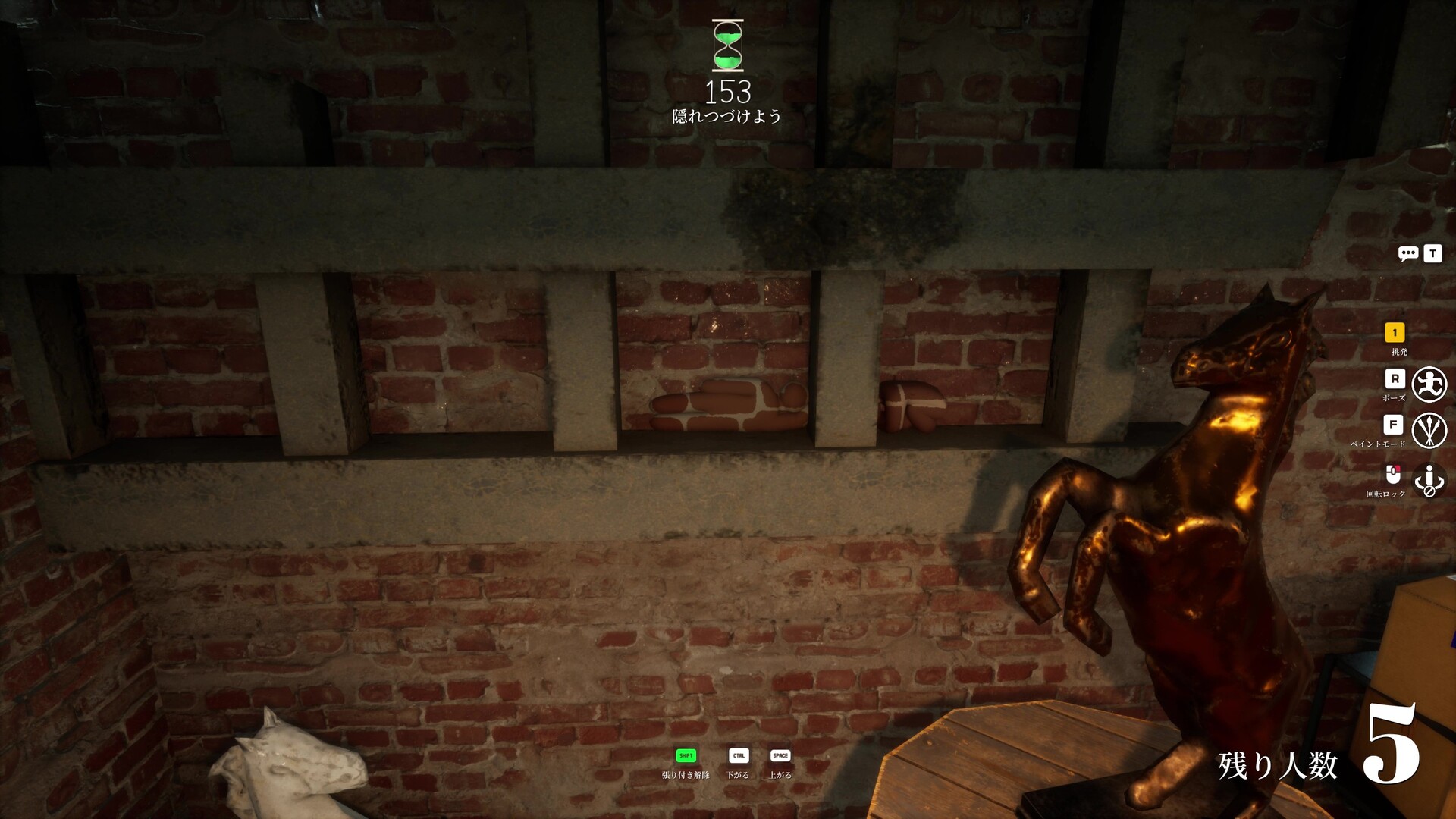
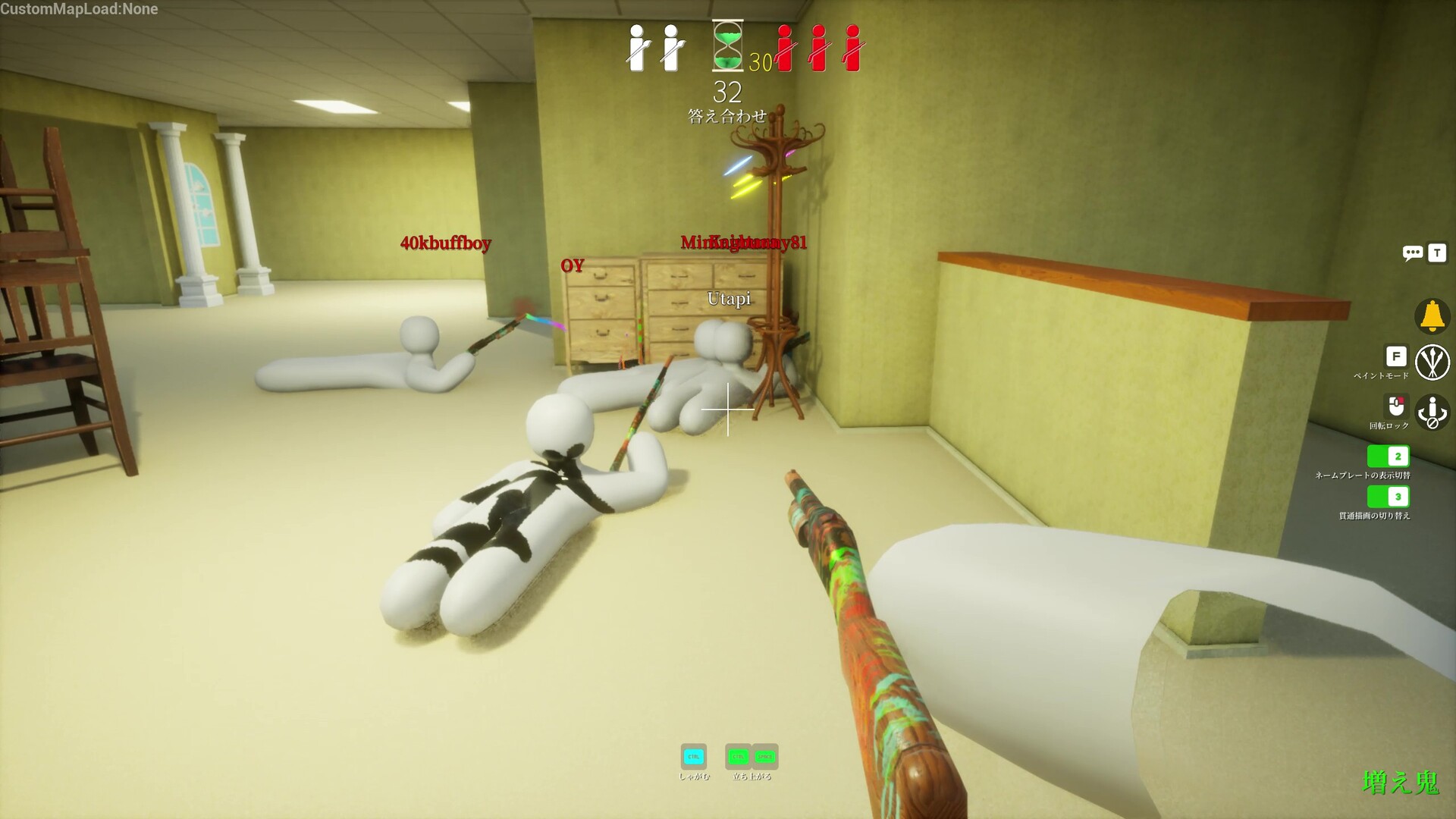
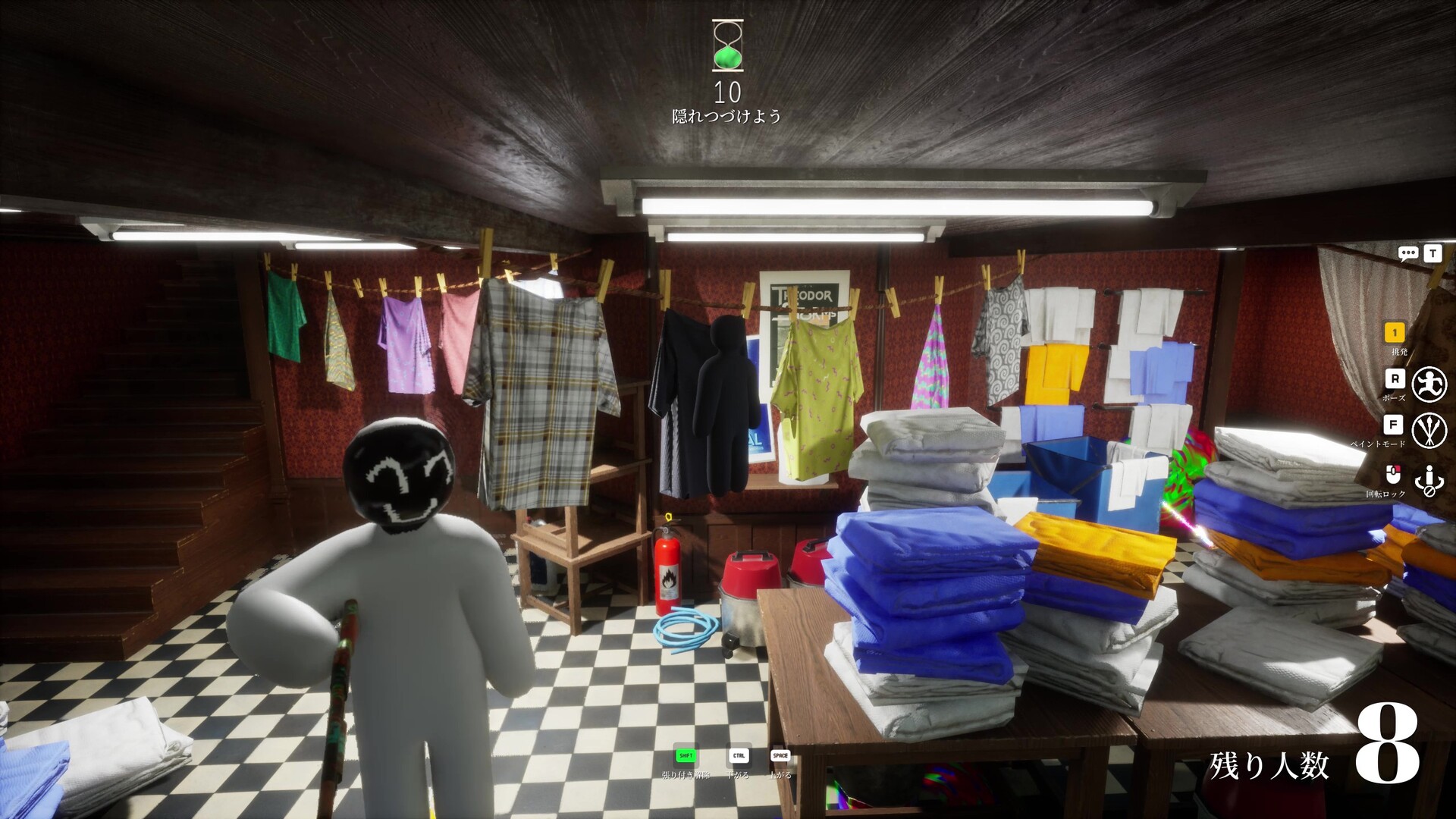
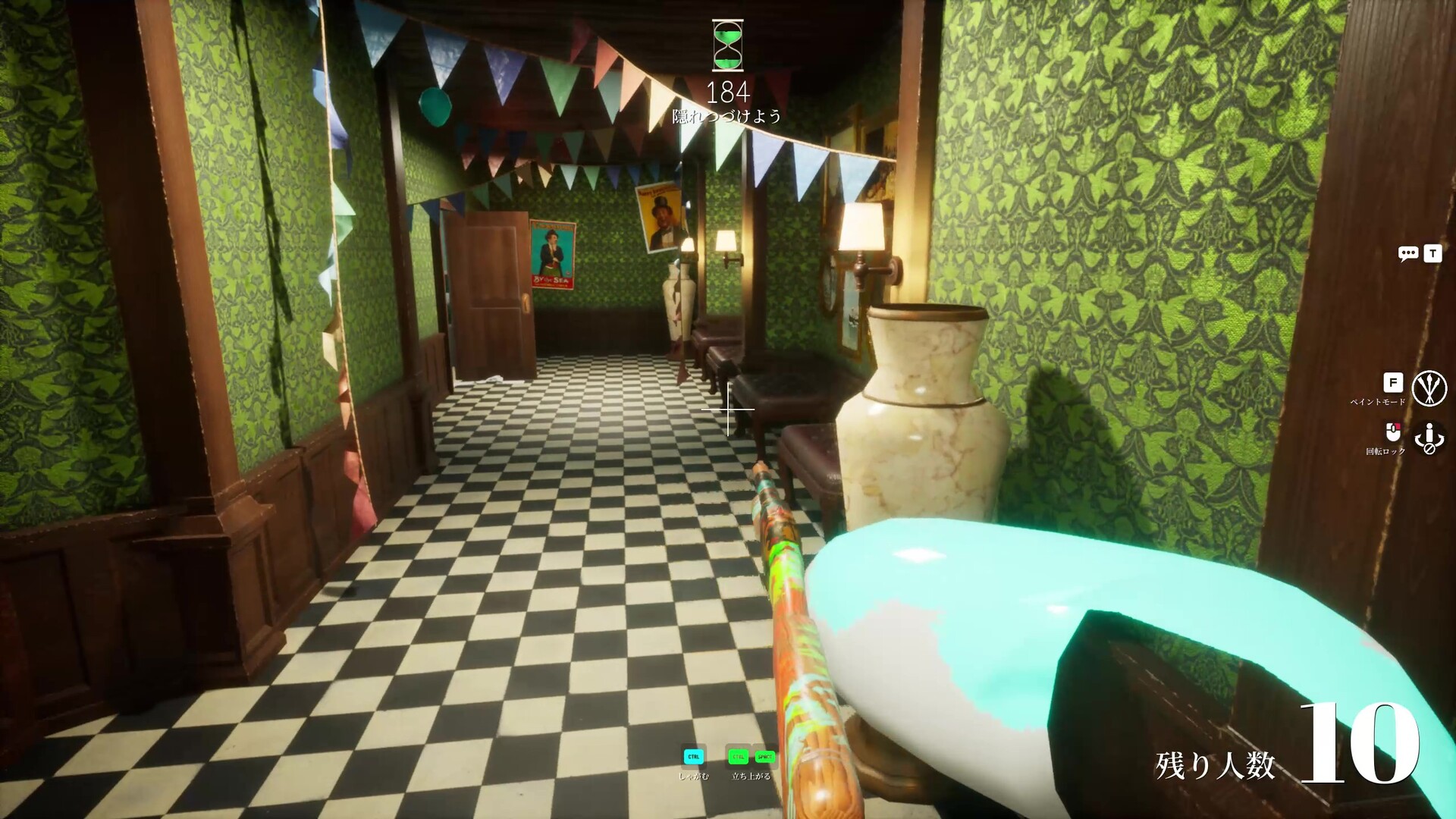
The core loop is elegantly simple: pick a color, paint your body, strike a pose and pray. Hiders are pure canvases — blank white models you can paint with a surprisingly expressive brush system — and your goal is to become part of the scenery. As a Seeker you sprint around shooting paint to reveal outlines and force hidden players into view. Rounds are fast, often frantic, and reward creative thinking more than twitch aim. Positioning, silhouette control and a tiny bit of acting (pose like a sign, lean like a box) are what win matches, not raw stats. The flow makes for quick party games that can carry a group for hours if everyone’s in the mood to clown around.
Where the Game Gets Weird (In a Good Way)
What sets MECCHA CHAMELEON apart is how much agency it gives players to craft their own deception. You’re not turned into an object by the engine — you manually match textures and colors, experiment with poses, and even exploit reflections or shadows to sell the illusion. That player-driven creativity is the main hook: two people can hide in the same nook and look completely different. There are modes like Doubles and basic public matches that change pacing, and host options let you tweak player counts. Streamers will love the viewer-join friendliness — it’s built for small chaotic shows and friend-slop nights.
Looks, Sound and the Jank Meter
Visually the game favors readability over photorealism: clean maps with clear props that are easy to mimic. The audio is functional — music is repetitive now but fits the goofy tone, while sound effects for paint and gunshots punctuate the slapstick tension. Performance is generally solid on modest PCs, though a few players reported cloud sync and server issues at launch. Accessibility-wise, controls are approachable but some UI choices are baffling; options like brush sizes, flashlight tools or a taunt/freecam would help. The presentation has personality, but it wears the ‘early release’ badge — charming, rough and brimming with ideas that need finishing touches.

MECCHA CHAMELEON is one of those indie surprises that feels instantly lovable and clearly full of potential. For a small price you get endless silly rounds, genuine creative expression and a social multiplayer loop that’s perfect for friends and streamers — provided you can forgive the launch jank. Buy it if you want a fresh party game with room to grow; skip it for now if you demand rock-solid polish at release.


Pros
- Truly original painting-as-camouflage concept
- Hilarious and memorable rounds with friends
- Lightweight and accessible — runs well on modest hardware
- Great streamer/viewer potential and creative community hooks
Cons
- Day-one bugs: clipping, exploit spots and server hiccups
- Clunky UI and some unintuitive controls
- Content is limited at launch — needs more maps/tools
Player Opinion
Players across the board praise the concept and the laugh-out-loud moments it generates — many reviews gush over painting themselves into absurd props and pulling off impossible disguises. Most positive feedback highlights how addictive the creative loop is: learning a map, experimenting with brushwork and poses, and then getting the sweet payoff of a seeker walking right past you. On the flip side, recurring complaints focus on technical polish: clipping out of maps, hiders exploiting unreachable spots, and a thin UI that’s awkward for joining friends. Several users begged for QoL additions — gallery round-ends to admire hides, better invite/join, flashlights and brush size options. There’s a clear pattern: the core gameplay delights the community, while matchmaking and polish hold it back. If you enjoy Prop Hunt, party games or creative multiplayer antics, most players say this is worth a go — just expect a few rough edges and rapid patches from the dev.